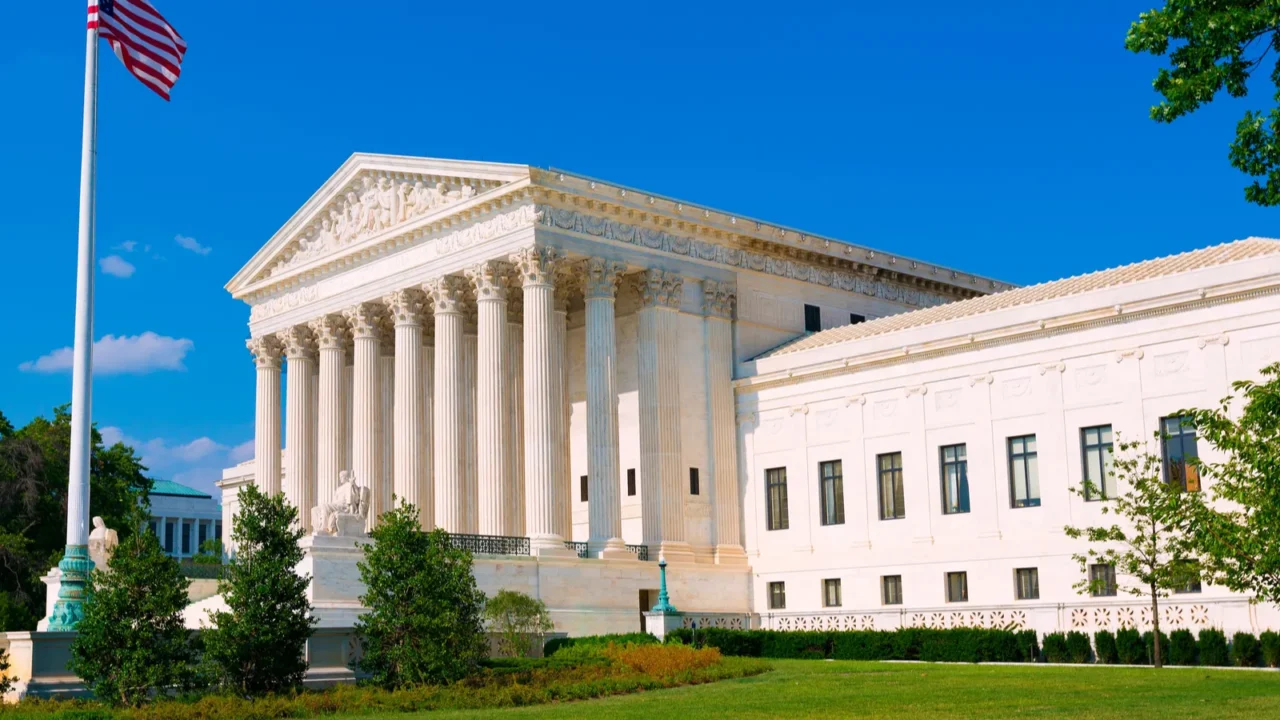
Supreme Court signals legal uncertainty
The U.S. Supreme Court heard arguments on April 1, 2026, in a major case over President Donald Trump’s effort to restrict birthright citizenship. Ongoing legal debates have centered on the Fourteenth Amendment and its application in modern immigration contexts. These developments are being closely watched across legal, political, and travel sectors.
For cross-border families, the uncertainty is more than legal theory and has practical implications for movement. Immigration attorneys and affected families are paying close attention because citizenship determinations can shape long-term residency and documentation planning. Major travel hubs like New York City and Los Angeles are already tracking the conversation.
Court focus draws attention
The Supreme Court has not issued a definitive ruling but has raised questions during hearings that suggest legal complexity. Observers say the justices appear divided on how historical interpretations apply today. That uncertainty keeps immigration policy analysts actively engaged.
Travel-related industries are also paying attention as policy clarity often shapes visitor confidence. Airlines operating routes between Toronto and Chicago note that documentation clarity affects booking patterns. Families with mixed citizenship status often delay travel decisions during legal ambiguity.

Birthright debate expands nationally
The debate over birthright citizenship has expanded beyond courtrooms into national policy discussions. Legal scholars frequently reference the Fourteenth Amendment and its historical grounding after the Civil War. The interpretation of citizenship rights remains central to the current legal tension.
Along major cross-border corridors such as the U.S.-Mexico border, legal uncertainty around immigration policy tends to attract especially close attention. Cross-border families often rely on predictable citizenship rules when planning visits or relocations. Tourism boards in border states monitor how policy discussions influence visitor flows.
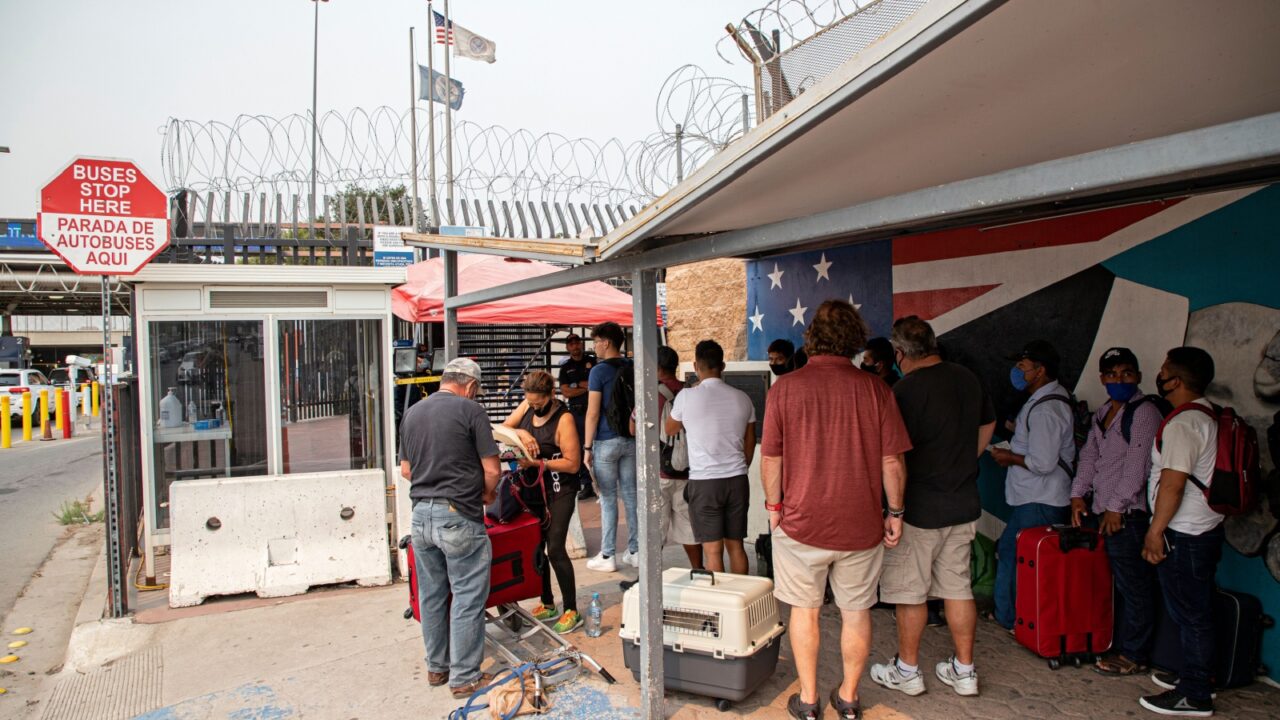
Impact on cross-border families
Families with members holding different citizenship statuses face unique logistical challenges during uncertain policy periods. Travel documentation, visa eligibility, and residency planning all become more complex. Legal ambiguity often increases reliance on professional guidance.
Destinations like San Diego and El Paso regularly see high volumes of cross-border travel. Local economies in these areas depend on predictable movement across borders. Even slight uncertainty can influence short-term travel behavior.

Documentation rules shape travel
Travel documentation rules often become the first visible impact when legal uncertainty emerges. Passport requirements, proof of citizenship, and visa classifications can shift depending on how policies are interpreted. Even small changes can affect how smoothly travelers move across borders.
Airports like John F. Kennedy International Airport and Los Angeles International Airport process millions of international passengers annually. Any ambiguity in documentation standards can slow processing times and increase secondary screenings. This creates a noticeable ripple effect across global travel flows.
Legal history shapes debate
The landmark United States v. Wong Kim Ark established a strong precedent for birthright citizenship under the Fourteenth Amendment. According to the Legal Information Institute, the ruling affirmed citizenship for children born on US soil regardless of parental nationality. That decision continues to influence modern legal arguments.
For travelers, this historical foundation has long supported predictable citizenship recognition. Ongoing debates now test how firmly those precedents hold.

Tourism reacts to policy signals
The U.S. Travel Association has noted that policy uncertainty can influence international visitor sentiment even before laws change. Reports indicate that perceived barriers often reduce travel intent among global audiences. This effect has been observed during past immigration policy debates.
Cities like Orlando and Las Vegas rely heavily on international visitors for tourism revenue. Shifts in perception can affect bookings, especially during peak seasons. The connection between policy clarity and tourism demand remains strong.

Visa systems face pressure
Visa systems often experience increased pressure during periods of legal uncertainty. Periods of policy uncertainty can complicate planning for families weighing travel, study, or residency options.
Consulates in cities like Mexico City and Mumbai regularly handle high volumes of US visa applications. Changes in perception about citizenship rules can influence how early travelers apply. This can reshape seasonal travel timelines across multiple regions.

Education travel sees impact
International education travel is closely tied to immigration and citizenship policies. Students and families often consider long-term residency options when choosing where to study. Policy uncertainty can influence both applications and enrollment timing.
Universities in Boston and San Francisco attract large numbers of international students each year. Travel decisions for education often include family visits and extended stays. Changes in legal interpretation can shape these long-term travel patterns.

Border regions feel impact
Border regions often experience the earliest and most direct effects of immigration policy discussions. Businesses in these areas depend heavily on consistent cross-border movement. Even minor disruptions can influence local economies.
Cities like Tijuana and San Diego illustrate how interconnected travel systems are. Daily crossings for work, tourism, and family visits rely on clear legal frameworks. Uncertainty tends to slow these interactions.
Business travel adapts strategies
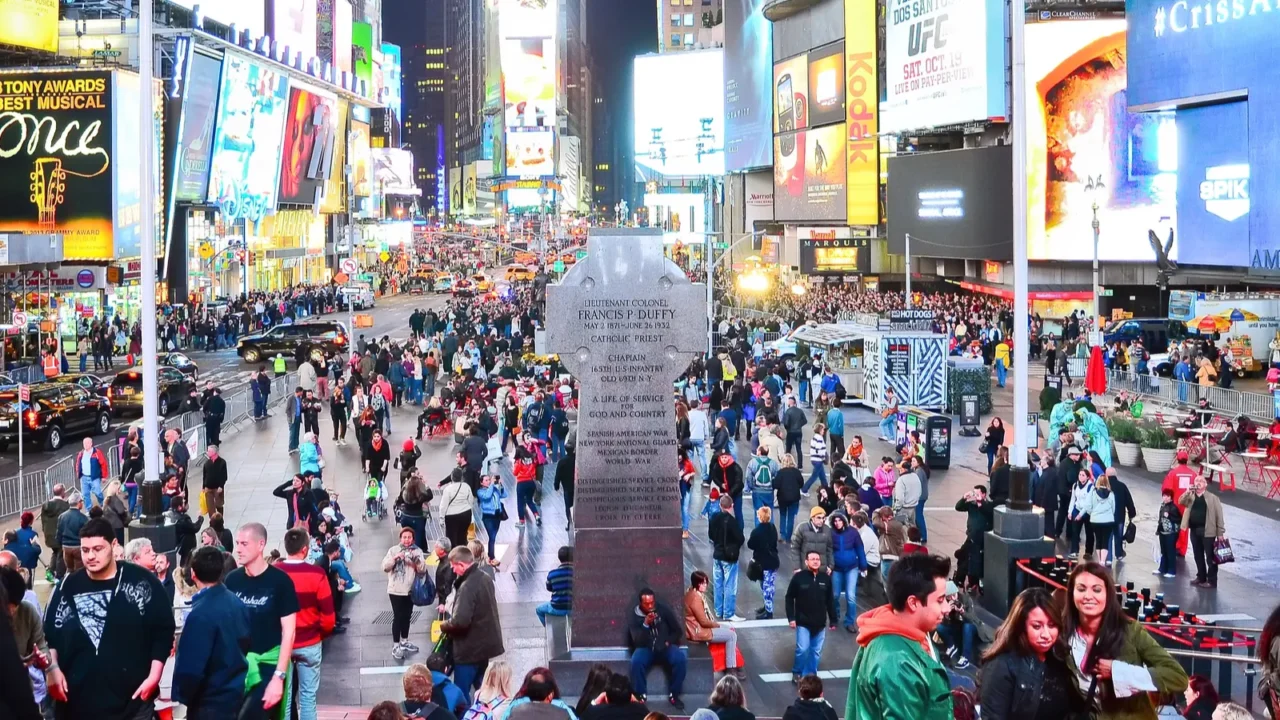
Business travel often adjusts quickly when legal uncertainty affects mobility expectations. Companies may delay assignments or restructure travel plans to reduce risk. Corporate travel policies tend to prioritize predictability and compliance.
Financial centers like New York City and London depend heavily on international business movement. Meetings, conferences, and short-term assignments rely on smooth entry processes. Any uncertainty can shift where and how business travel takes place.
Global perception influences travel
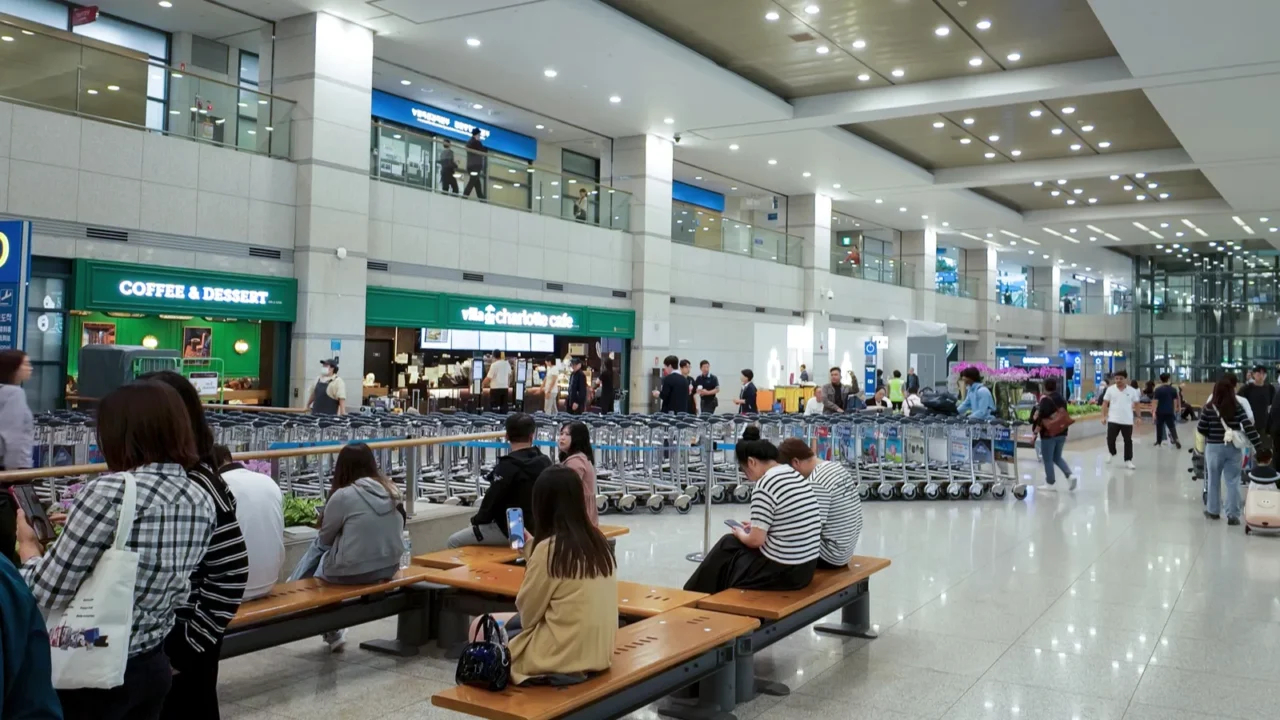
Global perception of US immigration policy plays a significant role in shaping travel demand. Even preliminary legal signals can influence how international travelers view accessibility. This perception often impacts destination choices.
Travelers from regions such as the European Union and the Asia Pacific closely follow US legal developments. Changes in sentiment can shift demand toward alternative destinations. Tourism boards continue monitoring how U.S. immigration and visa changes affect travel in 2026 across key international markets.
Future clarity remains essential
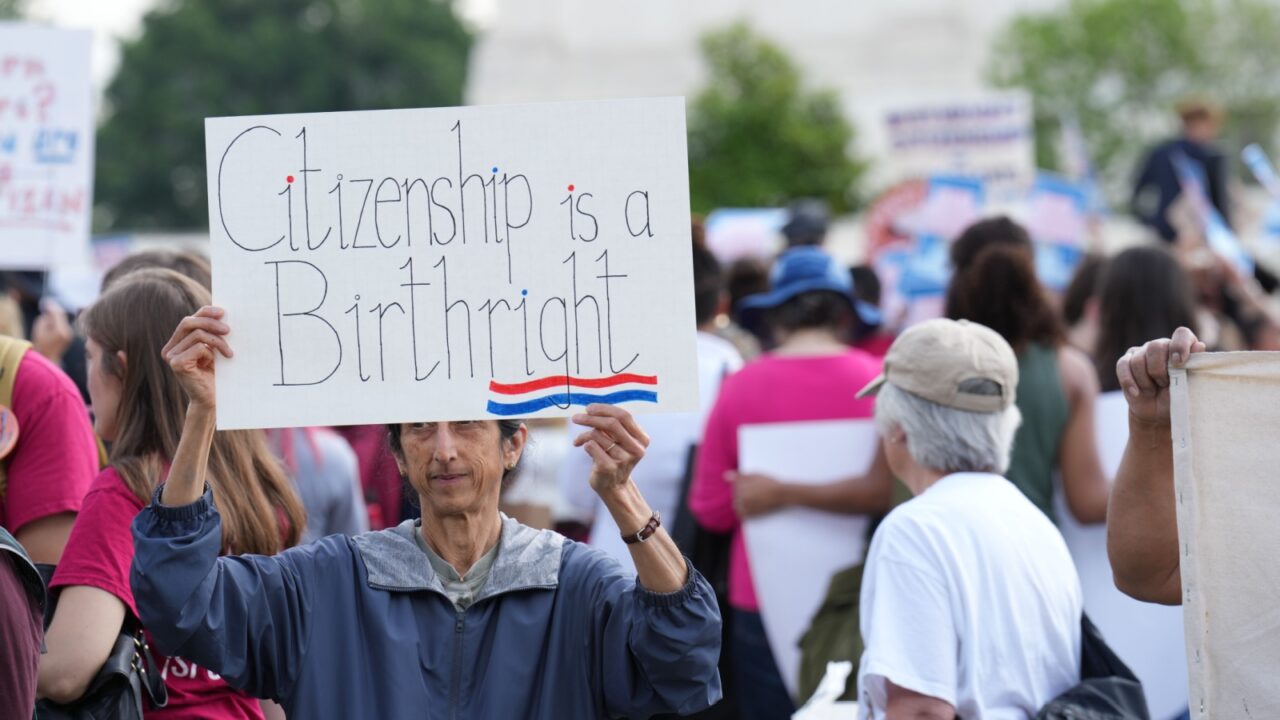
The Supreme Court’s eventual direction on birthright-related questions will likely shape long-term travel and immigration patterns. Clear rulings tend to stabilize both legal interpretation and traveler confidence. Until then, uncertainty remains a defining factor.
For global travelers and cross-border families, predictability is key to planning meaningful journeys. Routes between New York City and London reflect how interconnected travel and policy have become.
What impact do these legal signals have on future travel plans and destination choices? Share thoughts below.
This slideshow was made with AI assistance and human editing.
Don’t forget to follow us for more exclusive content right here on MSN.
Read More From This Brand:
