Sunrise over calm harbor waters, sailboats drifting past historic skylines, and breezy boardwalks filled with local shops define some of the most loved travel spots in the United States. Waterfront cities continue to draw millions of visitors each year thanks to their mix of scenery, culture, and easy outdoor access.
From Atlantic coast charm to Pacific Northwest landscapes, these destinations offer far more than just a pretty view. Recent travel data shows continued strength in domestic leisure travel, and waterfront destinations remain popular for their scenery, walkability, and outdoor appeal.
Travelers are increasingly drawn to walkable districts, local food, and experiences connected to oceans, bays, and rivers.
New England coastal towns blend history with ocean views
Chatham stands out on Cape Cod for its quiet beaches and classic small-town feel. The town is known for its lighthouse, first built in 1808, which still helps guide ships along the Atlantic coast. Visitors often spend time walking Main Street, where independent shops and local seafood spots create a relaxed atmosphere.
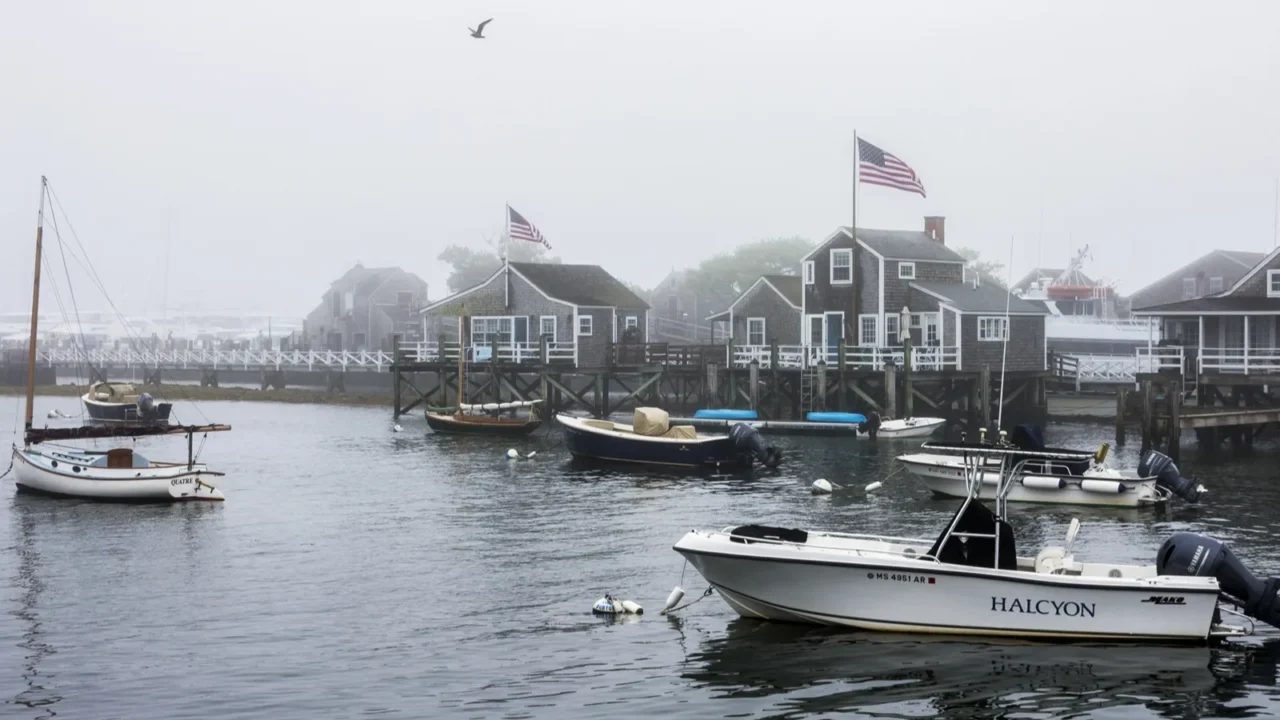
Further north, Bar Harbor serves as the gateway to Acadia National Park, one of the most visited national parks in the U.S. The area combines ocean cliffs with forested mountains, offering both scenic drives and hiking trails. Tourism peaks between June and October, when cruise ships and road travelers arrive in large numbers.
Newport adds a more upscale coastal experience with its famous mansions and sailing culture. Known as the “Sailing Capital of the World,” the city hosts major sailing events each year. The Cliff Walk, a 3.5-mile path along the shoreline, remains one of the most photographed coastal routes in the region.
Pacific coast cities offer dramatic scenery and outdoor adventure
On the West Coast, Cannon Beach is recognized for Haystack Rock, a 235-foot sea stack that rises from the shoreline. The beach attracts photographers, hikers, and wildlife watchers, especially during low tide when tide pools become visible. Its location about 90 minutes from Portland makes it a popular weekend escape.
Newport Beach delivers a very different experience with sunny weather and a laid-back Southern California lifestyle. The city features about eight miles of coastline and is known for activities like boating, surfing, and whale watching. Tourism remains strong year-round due to its mild climate and proximity to Los Angeles.
In the Pacific Northwest, Anacortes acts as a gateway to the San Juan Islands. Visitors often book whale-watching tours here, especially between April and October when orca sightings are more common. The area also offers hiking trails with views over Puget Sound, making it a favorite for outdoor enthusiasts.
Mid-Atlantic and southern cities mix beaches with culture
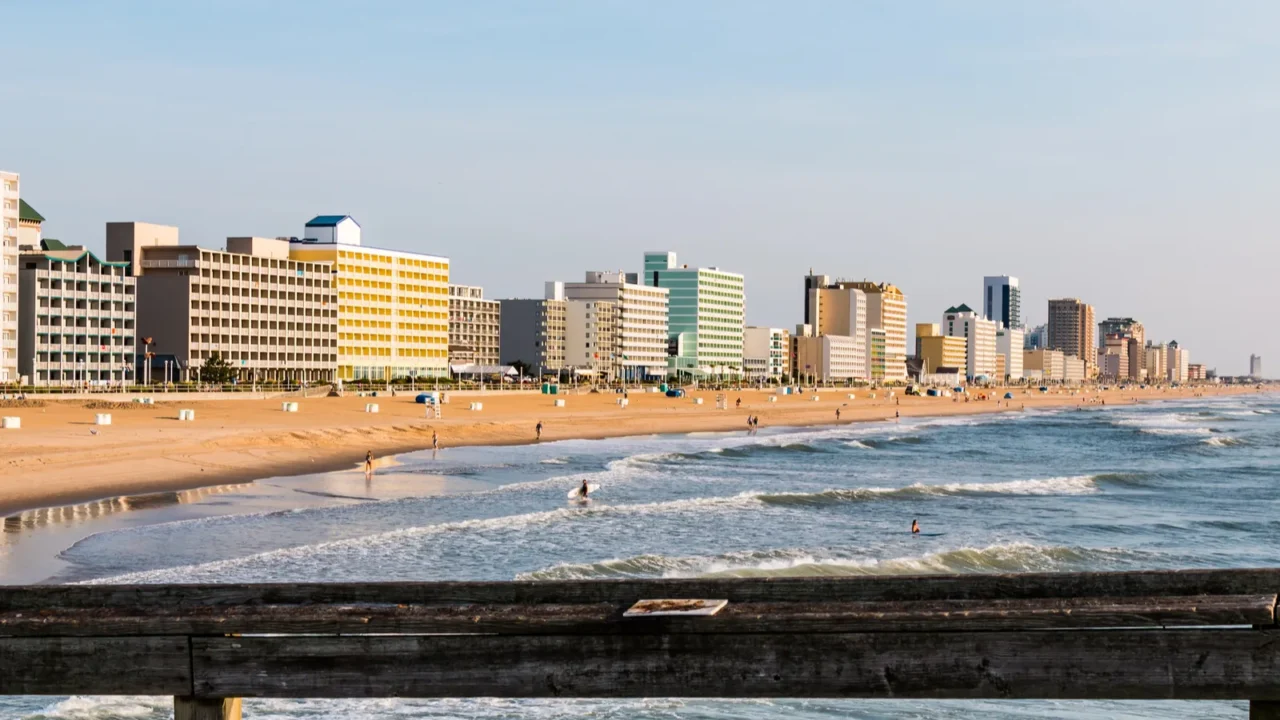
Virginia Beach remains one of the most visited beach destinations on the East Coast. The city features over 35 miles of shoreline and a three-mile boardwalk filled with restaurants and entertainment options. According to local tourism data, the city welcomes millions of visitors annually, especially during the summer.
Further south, Wilmington combines riverfront views with historic architecture. Its Riverwalk stretches nearly two miles along the Cape Fear River and has been ranked among the best riverwalks in the U.S. The city has also gained attention as a filming location for several popular TV shows.
Biloxi offers a Gulf Coast experience centered around seafood and maritime history. The Biloxi Lighthouse, built in 1848, remains one of the city’s most recognized landmarks. Visitors also explore local museums that highlight the region’s fishing and shipbuilding industries.
Historic waterfront destinations attract repeat visitors
Cape May stands out for its preserved Victorian architecture, with more than 600 historic buildings. The town became one of America’s first seaside resorts in the late 1800s and still attracts visitors looking for a classic beach experience. Whale-watching tours and lighthouse visits remain popular seasonal activities.
Wilmington and Newport also highlight how history plays a major role in waterfront tourism. Walking tours, historic homes, and preserved districts help visitors connect with the past. These features often extend visitor stays, which supports local economies.
Many of these cities invest in preservation efforts and tourism infrastructure to maintain their appeal. Federal and state funding programs have supported restoration projects in coastal towns, especially after storms or flooding events. This balance between history and modernization helps keep these destinations competitive.
Why waterfront cities remain top travel choices
Waterfront destinations consistently rank high in travel surveys due to their versatility. Visitors can relax on beaches, explore cultural landmarks, or take part in activities like kayaking, sailing, and fishing. This wide range of options appeals to families, solo travelers, and couples alike.

Recent travel trends show a growing interest in slower, experience-based tourism. Waterfront cities naturally fit this demand by offering walkable environments and outdoor access. Many cities have expanded pedestrian areas, bike paths, and waterfront dining since 2020 to meet changing traveler preferences.
Climate and accessibility also play a role in their popularity. Coastal cities often benefit from milder temperatures compared to inland areas, especially during peak summer months. Easy access through highways, regional airports, and cruise ports continues to drive steady visitor numbers.
Planning a visit to America’s top waterfront cities
Timing can significantly affect the travel experience in these destinations. Spring and fall are often considered ideal due to smaller crowds and comfortable weather. Summer remains the busiest season, especially in beach-heavy locations like Virginia Beach and Cape May.
Booking accommodations early is recommended, particularly in smaller towns with limited hotel capacity. Many popular waterfront cities have seen increased demand for short-term rentals and boutique stays in recent years. Travelers are also advised to check local event calendars, as festivals and seasonal events can impact availability.
Transportation options vary depending on the region, but many cities are designed to be explored on foot or by bike. Waterfront paths, ferry services, and guided tours provide easy ways to experience the area without needing a car. Planning ahead helps maximize time and avoid peak-hour congestion.
TL;DR
- Waterfront cities remain among the most popular travel destinations in the U.S.
- Locations like Chatham, Newport, and Bar Harbor combine history with ocean views
- West Coast cities such as Cannon Beach and Newport Beach offer outdoor adventure
- Southern cities like Virginia Beach and Biloxi mix beaches with culture and food
- Spring and fall are often the best times to visit due to smaller crowds
- Early booking is important as demand for coastal stays continues to rise
If you liked this story, don’t forget to follow us for more exclusive content.
This article was made with AI assistance and human editing.
If you liked this, you might also like:
