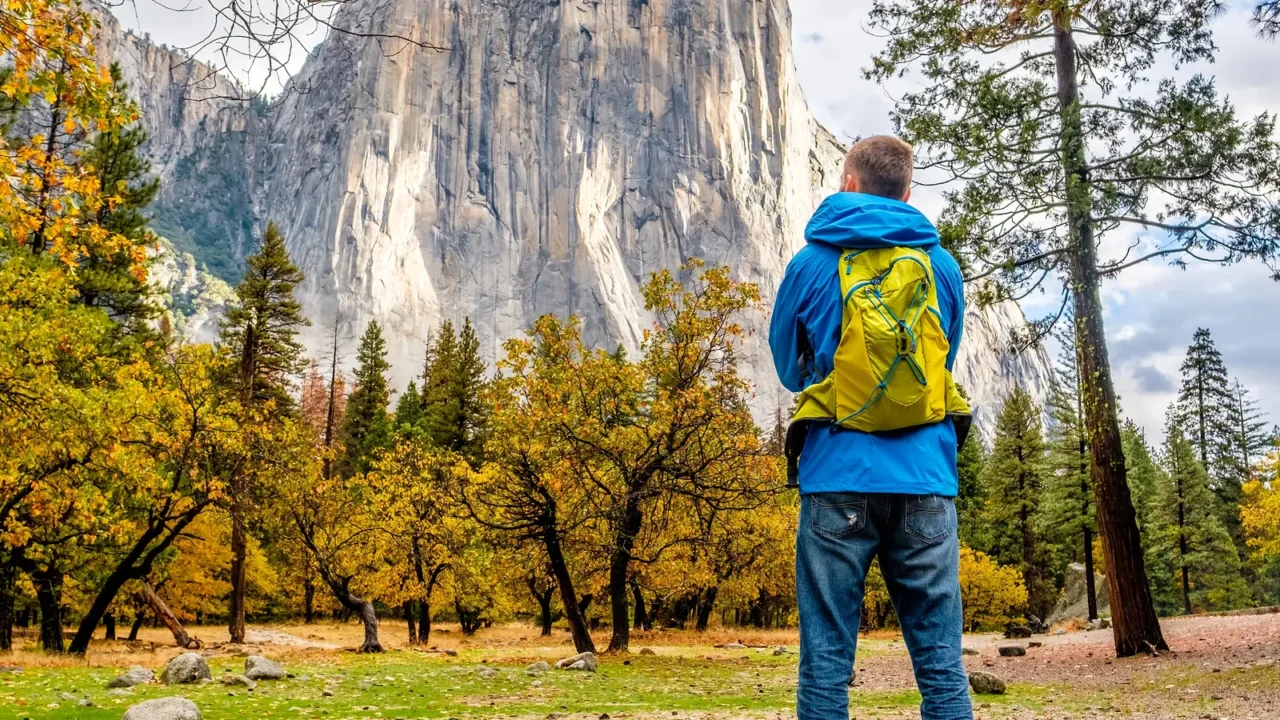
The park rules that surprise visitors
National parks feel wide open, but they run on real federal rules, not vibes. The goal is simple: protect wildlife, fragile places, and the people sharing the trail with you. If you know the biggest donts, you avoid fines and help keep these places wild.
A lot of rules are written in federal regulations, then each park adds extra details in a document called the Superintendent’s Compendium. That compendium can set closures, restrictions, and permit rules, and violating these rules can result in citations or misdemeanor charges. Think of it like the park’s official rulebook for that exact place.
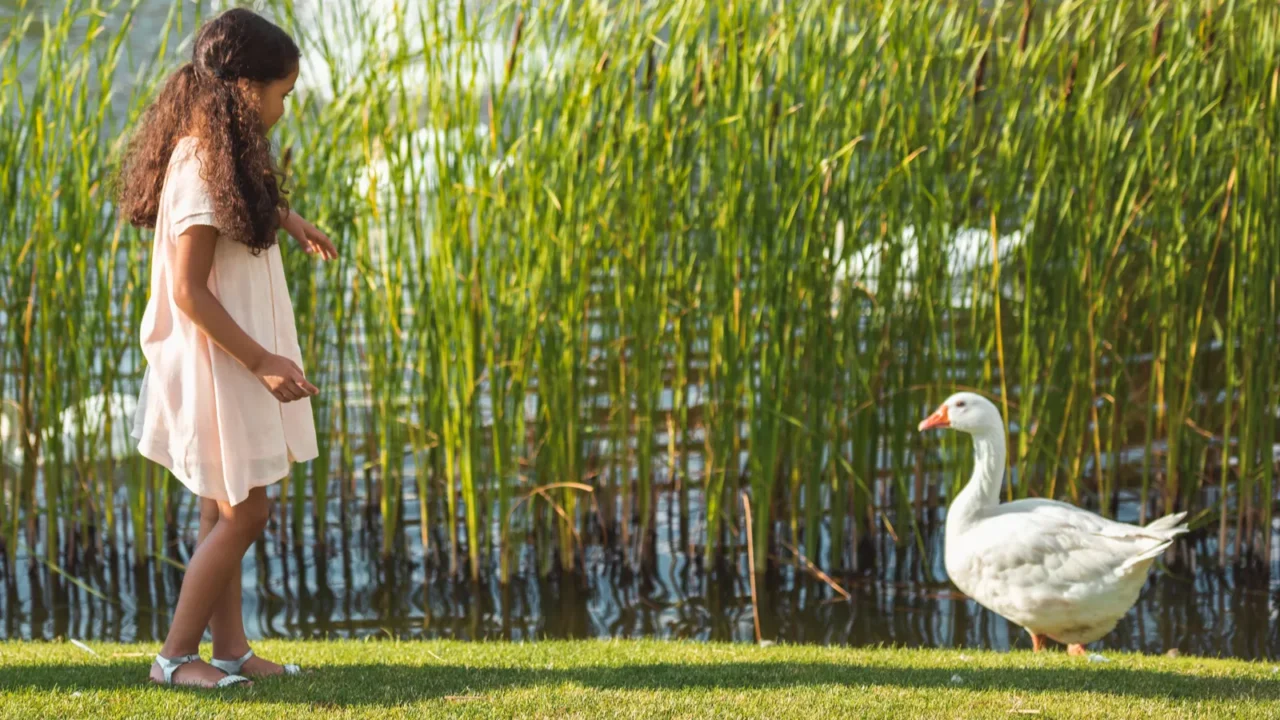
Feeding wildlife is a fast ticket
Handing snacks to a chipmunk or tossing chips to a crow feels harmless, but it changes animal behavior fast. Animals learn to beg, steal, or act aggressively, and that is how bites and bigger incidents happen. It also puts the animal at risk when it stops relying on natural food.
Federal rules ban feeding, touching, teasing, or frightening wildlife, including disturbing nesting or breeding. Rangers focus on picnic areas and popular overlooks because that is where the problems start. Your best move is simple: take photos, keep food secured, and let animals stay wild.
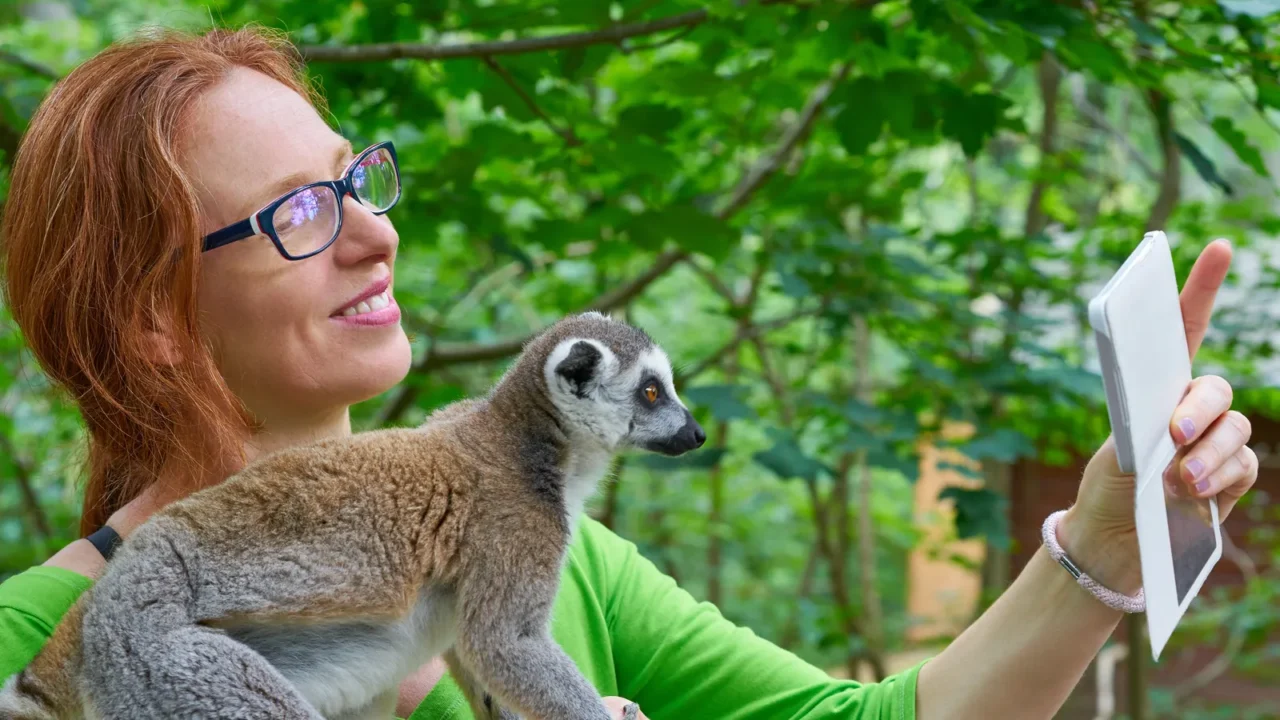
The selfie distance rule is real
Getting close for a photo is the mistake that sends people to the ER. Many parks tell visitors to stay at least 25 yards from most wildlife, and 100 yards from bears and wolves. That distance is not about being dramatic, it is about giving animals space to act normal.
In places like Yellowstone National Park, bison injuries keep happening because visitors treat huge animals like props. A bison can weigh around 2,000 pounds and still outrun you, so close is never safe. If you need a better view, use binoculars or a zoom lens.
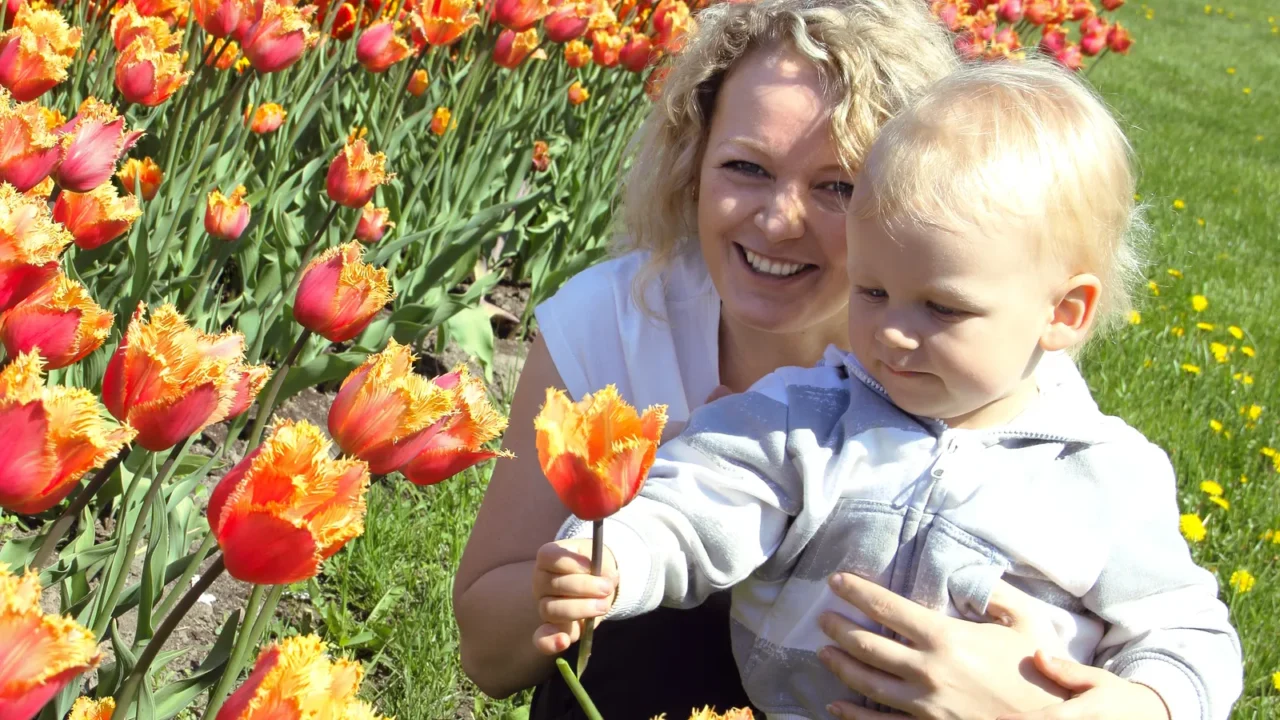
No souvenirs from nature or history
Pocketing a rock, picking a flower, or grabbing an arrowhead is not a cute keepsake in a national park. Federal rules prohibit removing, digging, or disturbing natural features and cultural or archaeological items. Even small changes add up when millions of people visit.
This is also why metal detecting is generally prohibited in park areas. A detector turns public land into a scavenger hunt, and it often leads to digging and damaged sites. If you want a souvenir, buy one at the visitor center and leave the landscape intact.
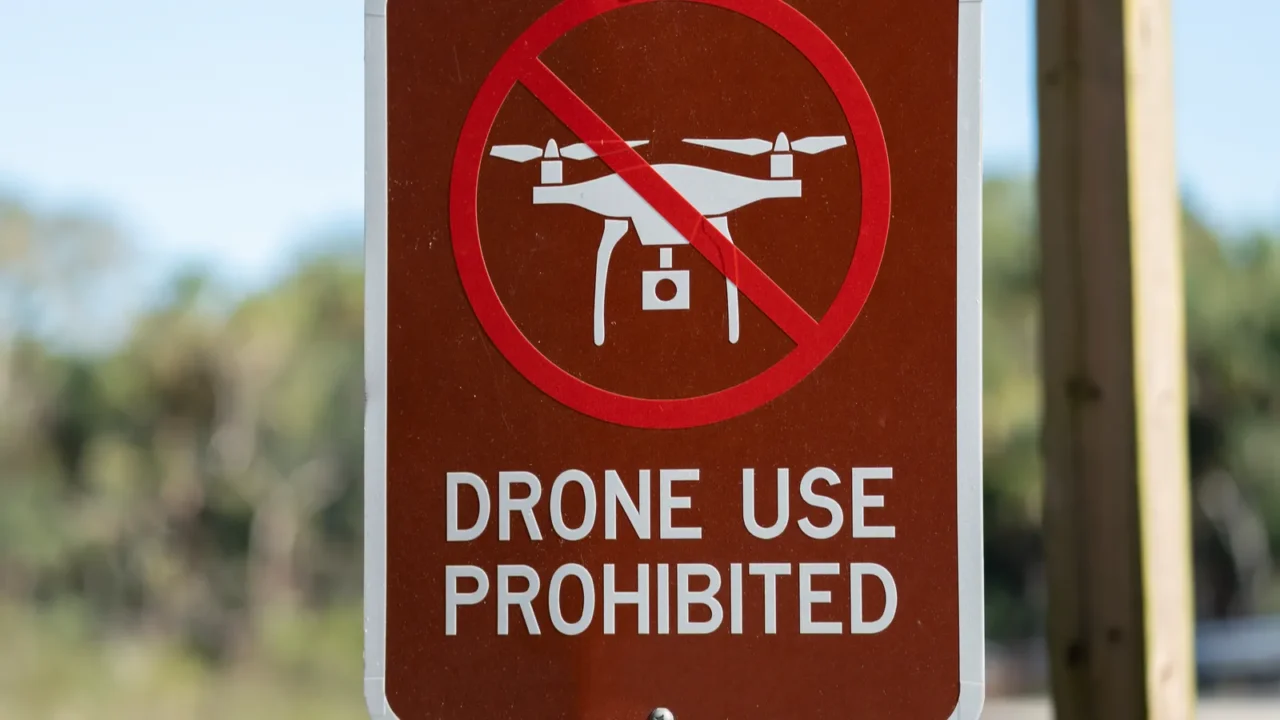
Drones are basically a no in parks
That epic canyon shot is tempting, but drone use is broadly banned across national parks. The ban started in 2014, after incidents tied to safety risks and wildlife disturbance. The rule is enforced, and gear can be confiscated.
Drones also change the experience for everyone else, especially in quiet places meant for hiking, stargazing, and wildlife watching. The noise can spook birds and disrupt nesting, and it can irritate visitors who came for natural sound. If you want aerial-style views, use overlooks and established viewpoints instead.
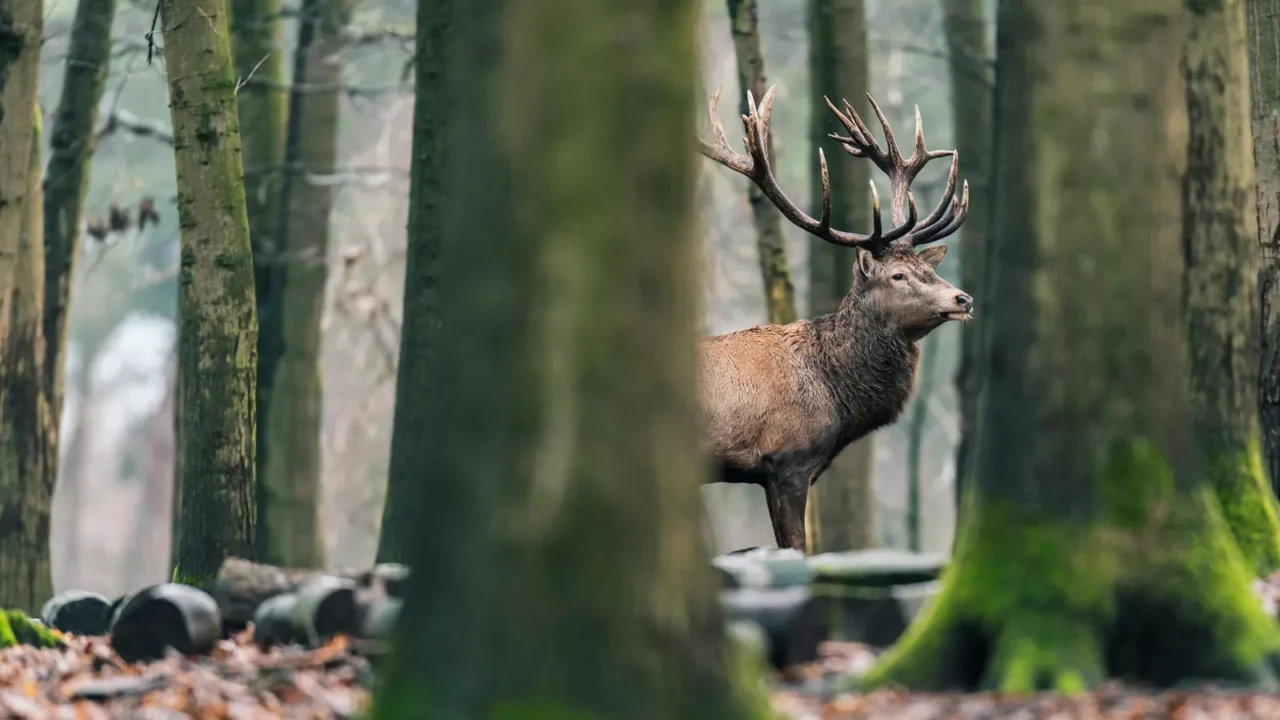
Hunting and trapping are usually off-limits
A national park is designed to be a refuge, so hunting and trapping are generally prohibited. Federal rules ban taking wildlife except where specifically authorized under limited hunting and trapping provisions. This is why park boundaries matter so much for hunters and anglers.
People get confused because some national preserves allow certain hunting under specific rules, while national parks typically do not. You cannot assume the rules are the same just because the land looks similar. If you are carrying gear for hunting, check the park’s regulations before you cross the entrance sign.
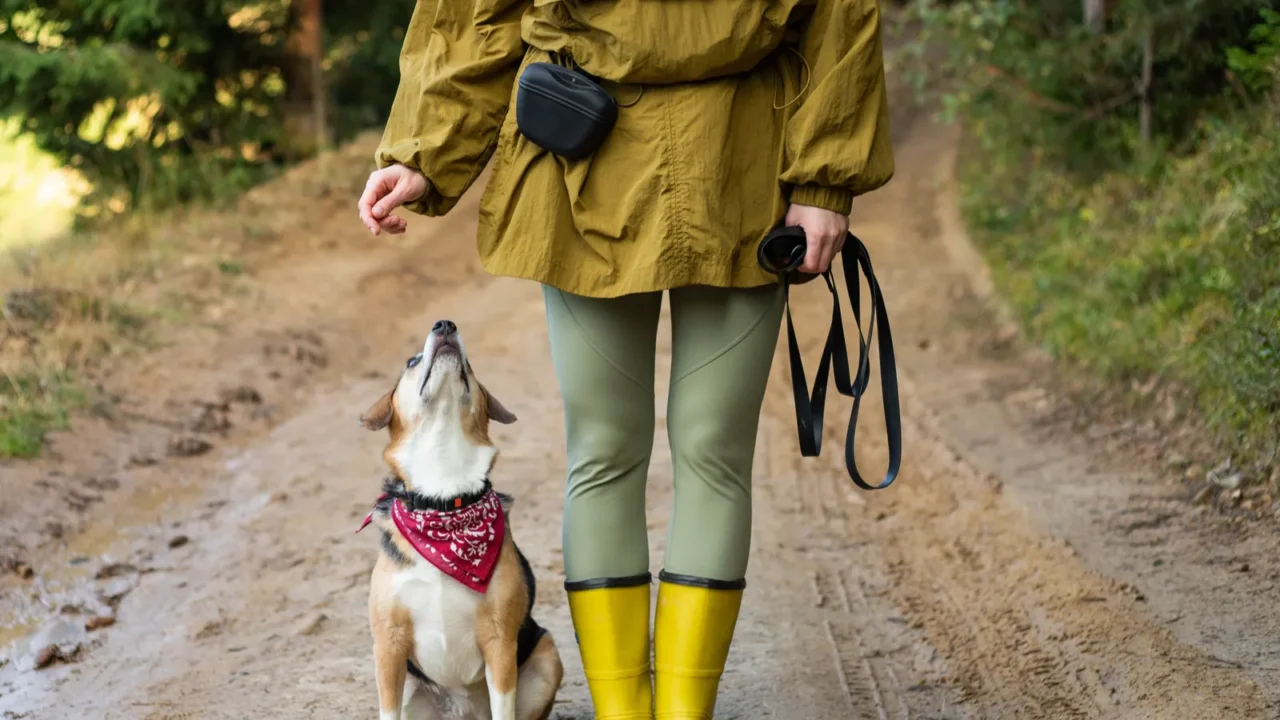
Pets have limits, even when welcome
Lots of parks allow dogs in developed areas, but trail access is often restricted. Federal rules require pets to be restrained, and the leash cannot exceed 6 feet. That protects wildlife, other visitors, and your dog.
An off-leash dog can chase deer, stress nesting birds, and trample fragile plants in seconds. It can also become prey in places with coyotes or other predators. Plan ahead by using pet-friendly paths, roads, and campgrounds that are clearly listed by the park.
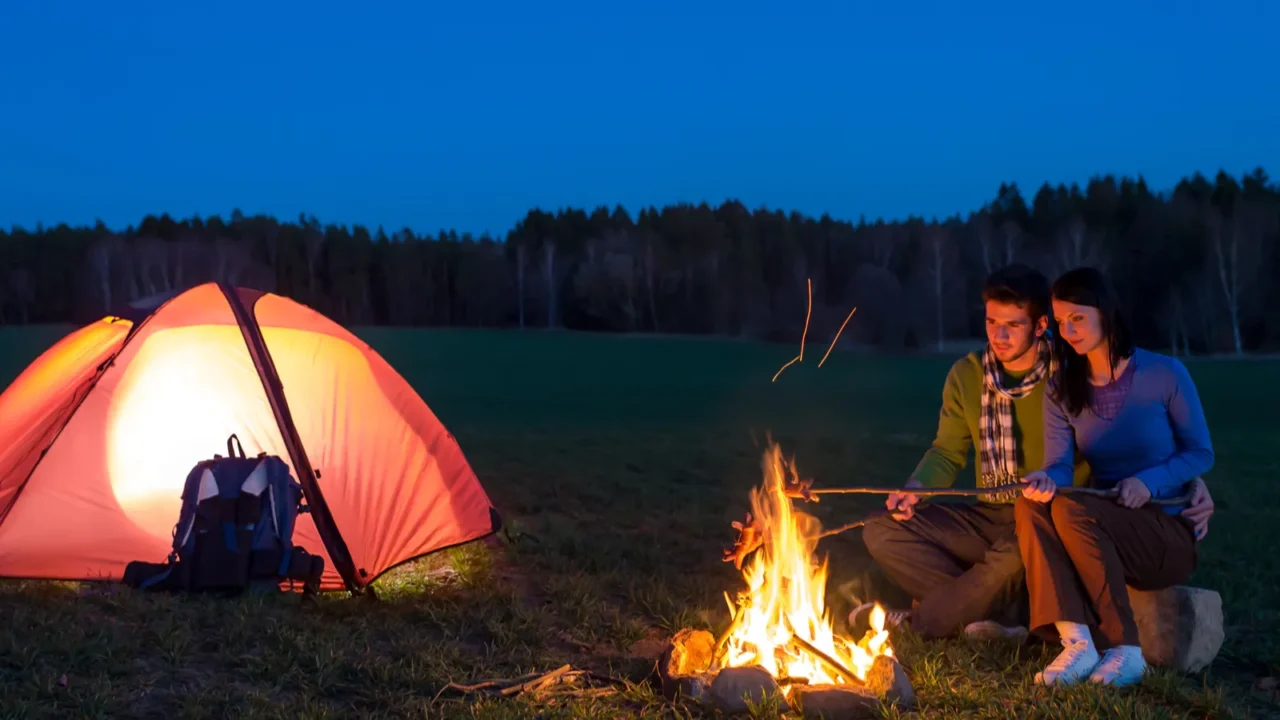
Camping is not a free-for-all
Camping wherever you find a flat spot can damage plants, pollute water, and pull wildlife into human areas. Many parks require you to camp only in designated sites or in backcountry zones with permits. Those boundaries are there to keep impact concentrated and manageable.
Fire risk is part of this too, because random camps often lead to unsafe fire use and messy food storage. Rangers do check, especially in busy seasons when illegal camping spikes. If you want that remote experience, do it the legal way with the right permit and location.
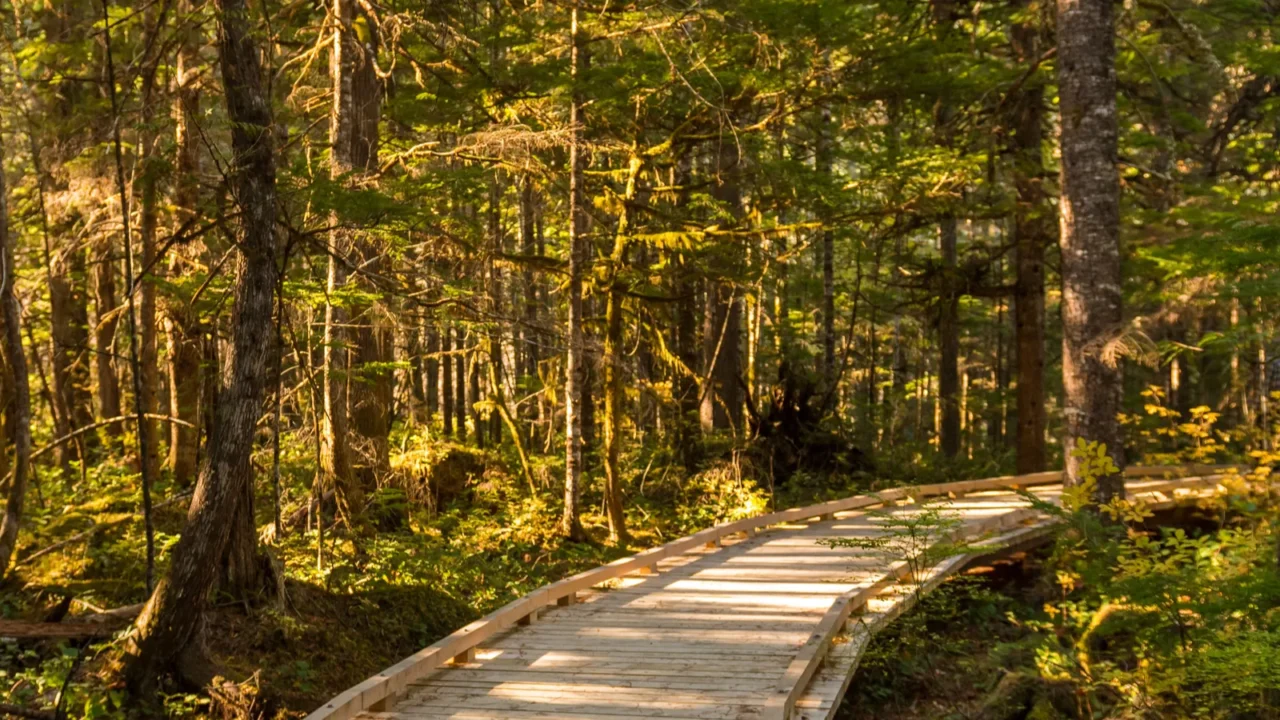
Trails and closures are enforceable
If an area is closed or a trail is posted as off-limits, that is not a suggestion. Parks give public notice through signs, maps, and official postings, and those closures are enforceable. Many serious rescues start with someone stepping past a closure sign.
Staying on trails also protects places that cannot handle heavy foot traffic, like fragile desert soil or thermal areas. And yes, even rock cairns can be a problem when visitors build their own and confuse route-finding. The park message is clear: do not build unauthorized cairns or tamper with real ones.
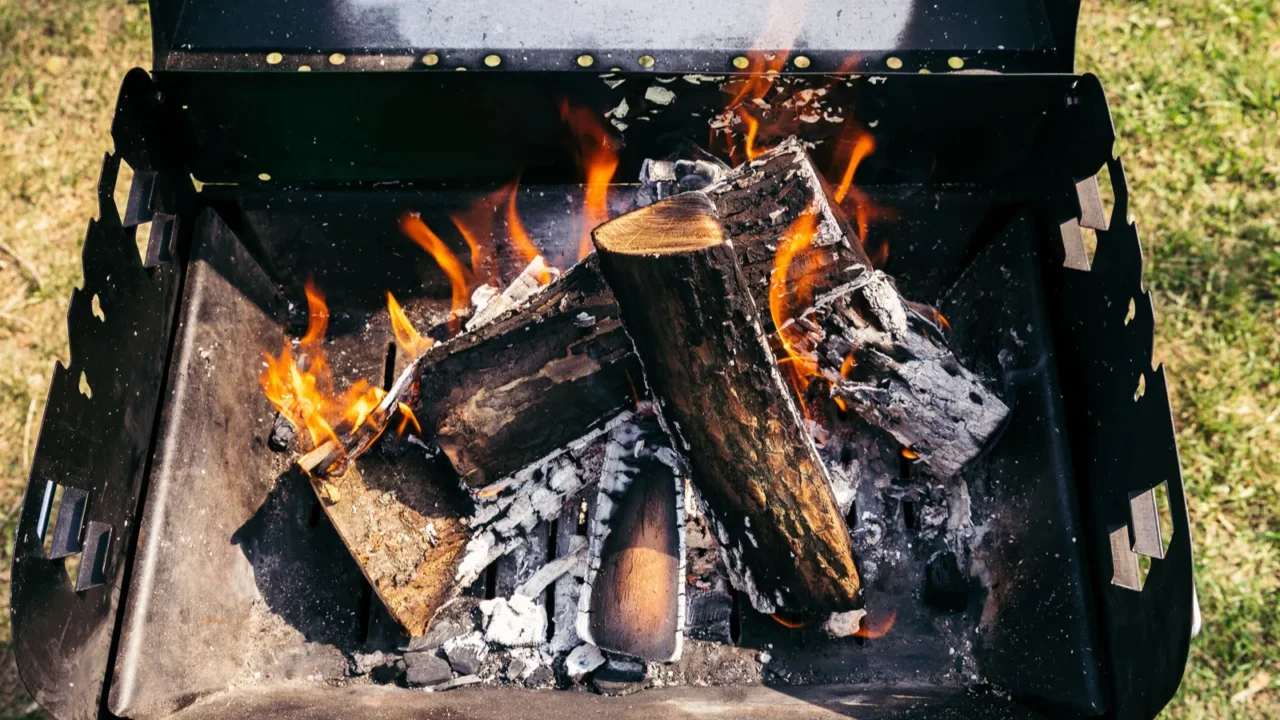
Fires and firewood have strict rules
Federal rules prohibit lighting or maintaining a fire except in designated areas or receptacles, under conditions set by the superintendent. Many parks tighten rules during dry or windy periods, even if it seems calm to you. That is how wildfire prevention actually works on the ground.
Firewood is also a big deal because it can carry invasive pests. The National Park Service recommends buying it where you burn it, and some guidance says 10 miles or less is best and no more than 50 miles. Some parks require heat-treated firewood or wood gathered inside the park only.
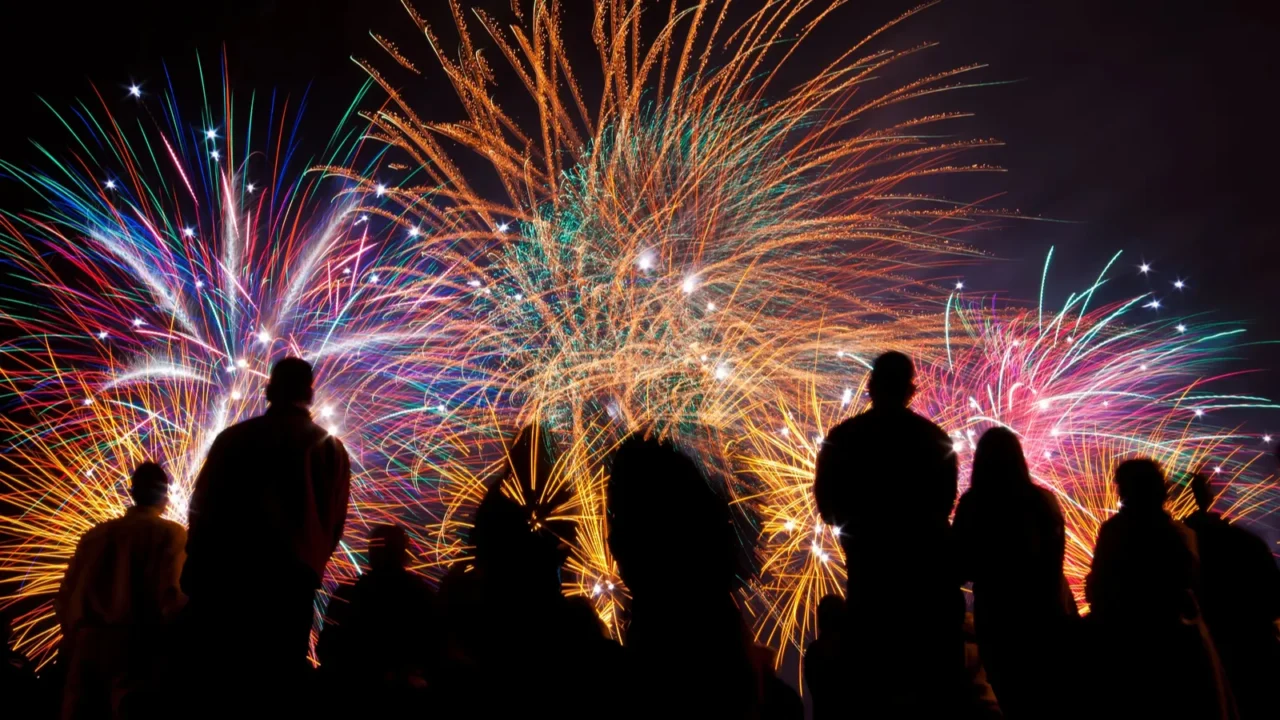
Fireworks are a hard no
Using or possessing fireworks and firecrackers is prohibited in National Park Service sites under federal regulation. The only exception is when a superintendent allows a permitted professional display in a designated way. For regular visitors, fireworks in the park are simply illegal.
The reason is not just noise, it is wildfire risk and wildlife stress. One spark can turn dry brush into a fast-moving fire, especially in the West. If you want a Fourth of July show, watch one in the gateway town outside the park boundary.
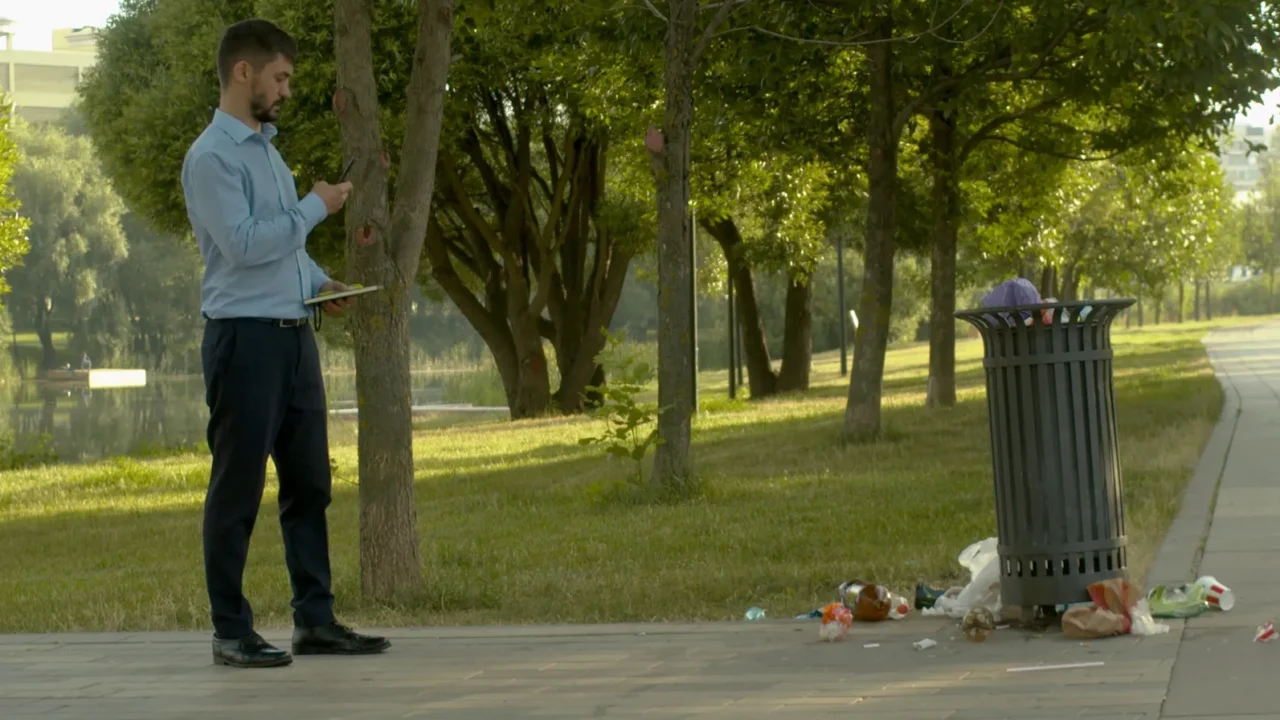
Confetti, balloons, and tiny trash
Leave no trace means more than picking up a wrapper. Confetti spreads fast, is nearly impossible to fully clean, and can harm wildlife that mistakes it for food. Parks have publicly warned visitors to leave confetti at home for exactly that reason.
Balloons are another sneaky form of litter, and some parks go further than the national baseline. Joshua Tree National Park prohibits inflated balloons without a permit, which includes common celebration balloons. If you are celebrating, bring reusable decor and take it all back out with you.
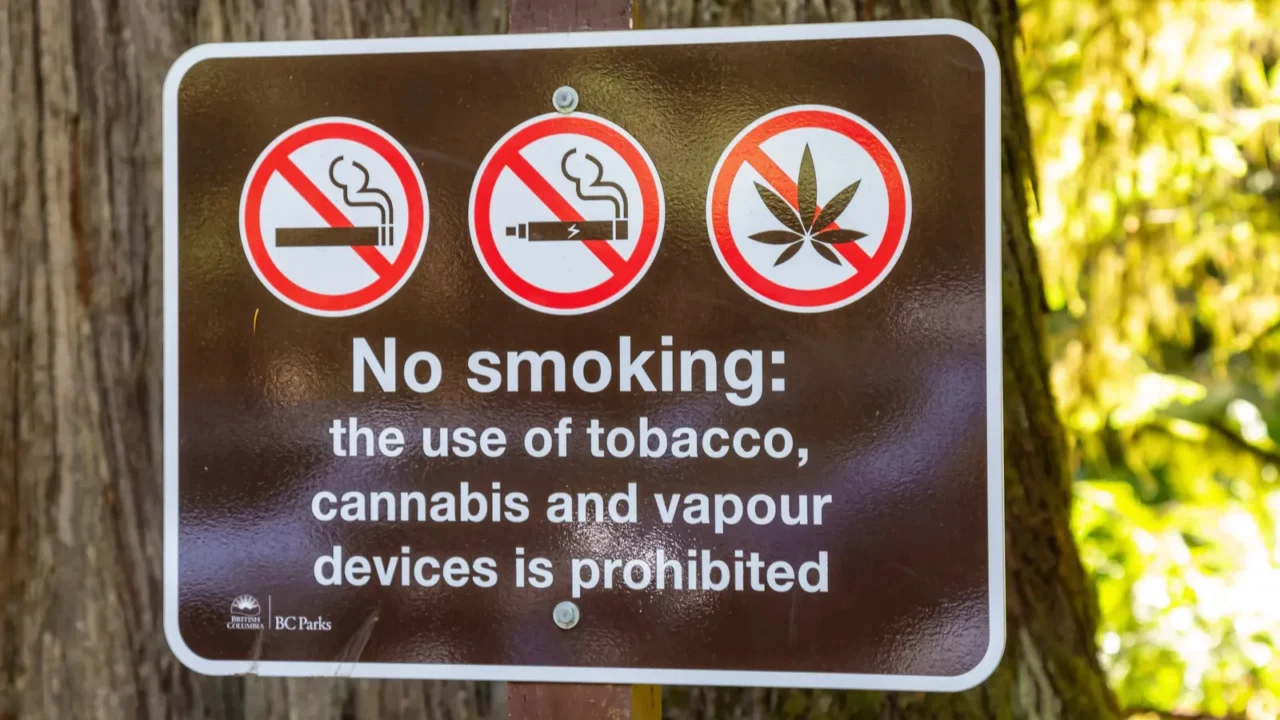
Marijuana is still illegal on federal land
This one surprises people because state laws vary, but national parks are federal jurisdiction. Parks clearly state that possession or use of marijuana is prohibited, even when the state allows it. In other words, state legalization does not override federal rules inside park boundaries.
Controlled substances rules are covered under federal regulations, and enforcement can be real even for small amounts. Some parks also restrict alcohol use in certain areas, depending on local conditions and superintendent decisions. The safest move is to treat Parkland like an airport: do not bring banned substances in at all.
Which park rule surprised you the most, and what is your view on strict enforcement in these places? Share your thoughts and your view in the comments.
This slideshow was made with AI assistance and human editing.
Don’t forget to follow us for more exclusive content right here on MSN.
Read More From This Brand:
