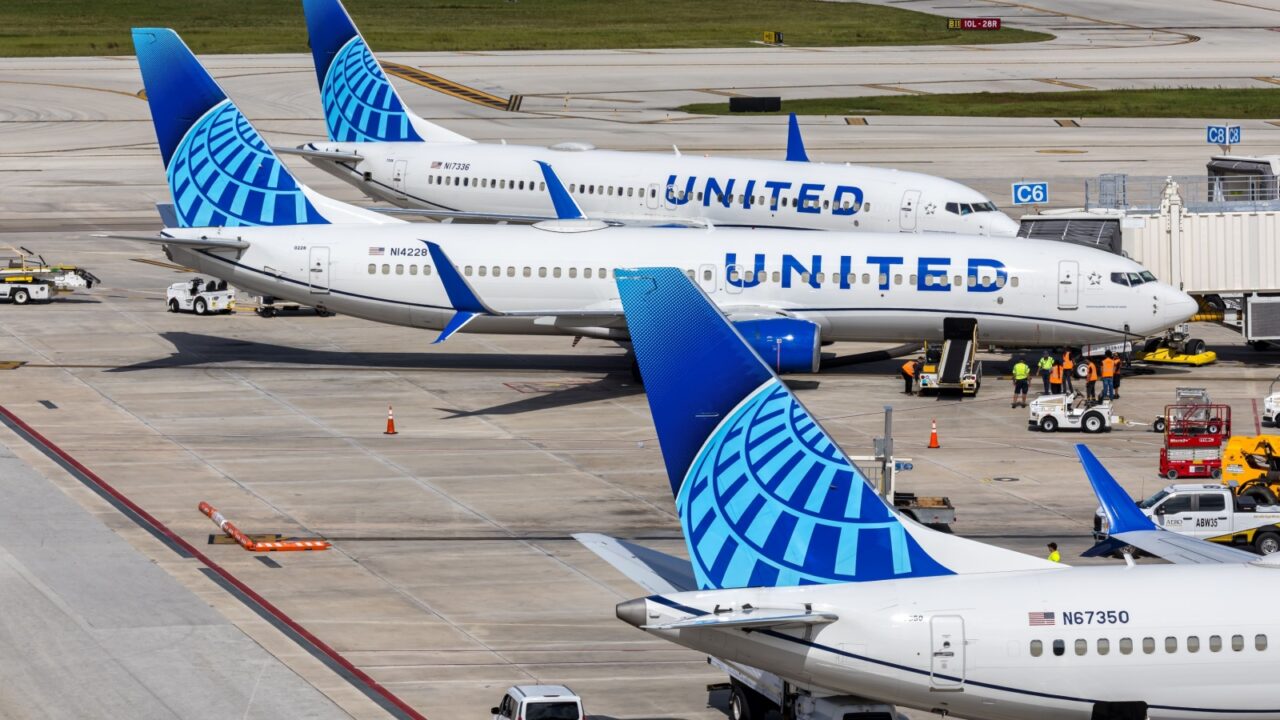
Airlines issue travel waivers and reroute flights
In late February and early March 2026, Delta, American, and United published travel advisories and flexible-rebooking waivers for itineraries to or through Middle East hubs such as Tel Aviv and Dubai as regional hostilities escalated. Airlines are responding cautiously while continuing many global services.
Travel advisories usually inform travelers about potential schedule changes, route diversions, or temporary suspensions affecting regional flights. Major airports such as John F. Kennedy International Airport, Chicago O’Hare International Airport, and Los Angeles International Airport are monitoring the situation closely. The evolving security picture has made airline planning more complex. Let’s get to it!
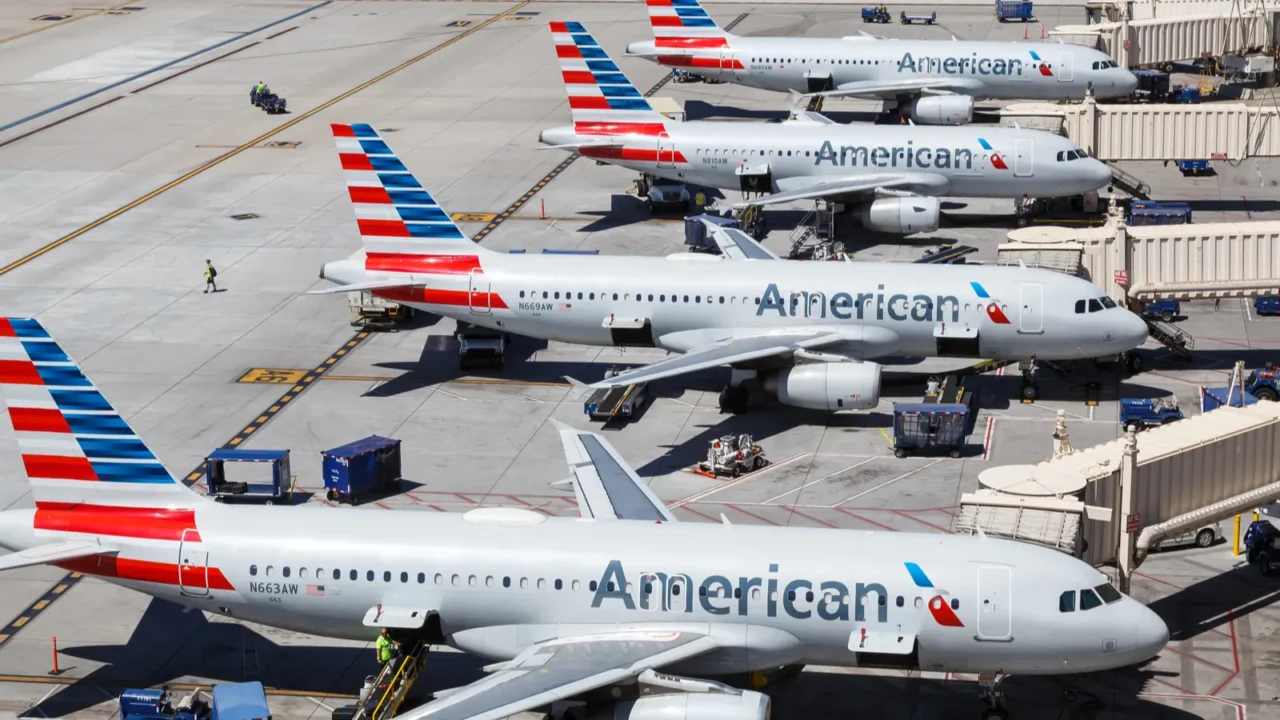
Airlines adjust regional routes
Airlines have started adjusting Middle East routes to avoid airspace considered risky during the current security situation. American Airlines, United Airlines, and several international carriers are using alternate flight paths across the eastern Mediterranean and parts of North Africa. These route changes help maintain safe operations while tensions remain elevated.
The adjustments affect flights linking North America with cities such as Tel Aviv, Dubai, Doha, and Amman. Longer detours sometimes add extra travel time and require additional fuel planning. Airlines say route flexibility allows global travel networks to continue operating safely.
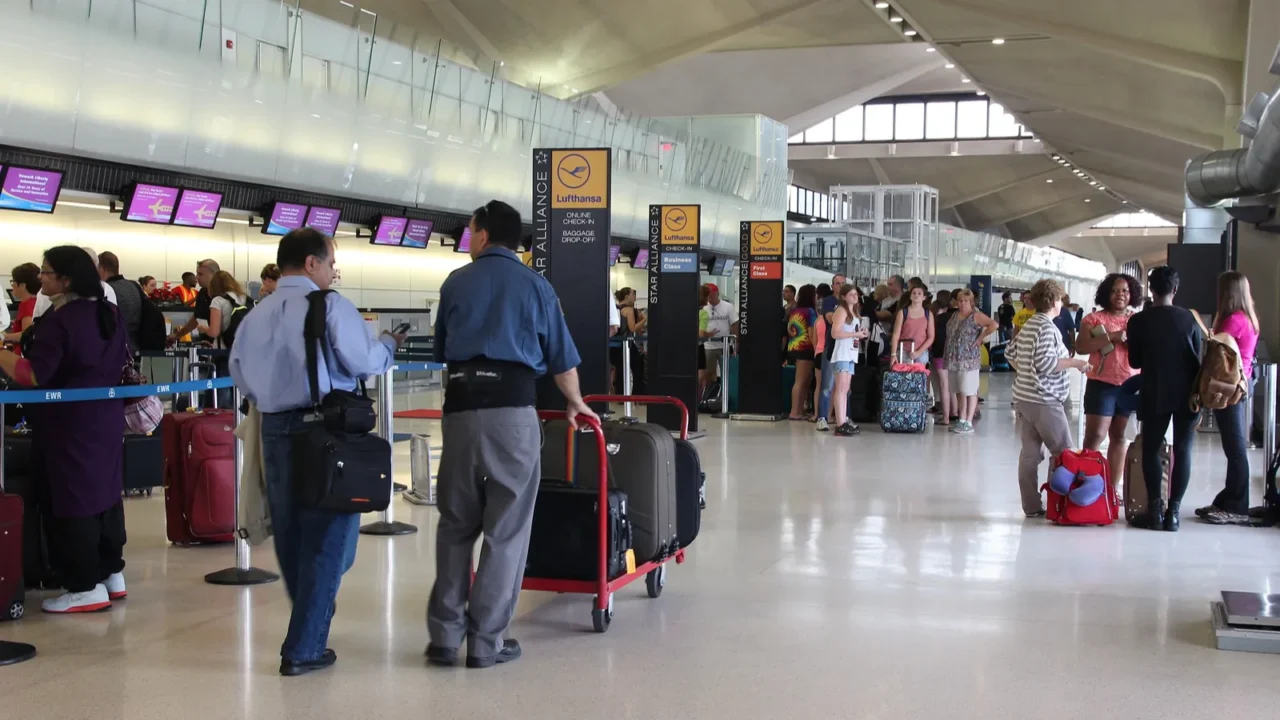
Airlines pause certain flights
Airlines have also paused some services connected directly to areas experiencing security concerns. United Airlines temporarily suspended flights between Newark Liberty International Airport and Tel Aviv during previous escalation periods. Other carriers across Europe and Asia have taken similar steps when security alerts increase.
Airlines say suspending a route can be safer than attempting complicated rerouting near sensitive airspace. Flight operations depend on guidance from aviation authorities and government safety agencies. These decisions often change quickly as the regional security picture evolves.
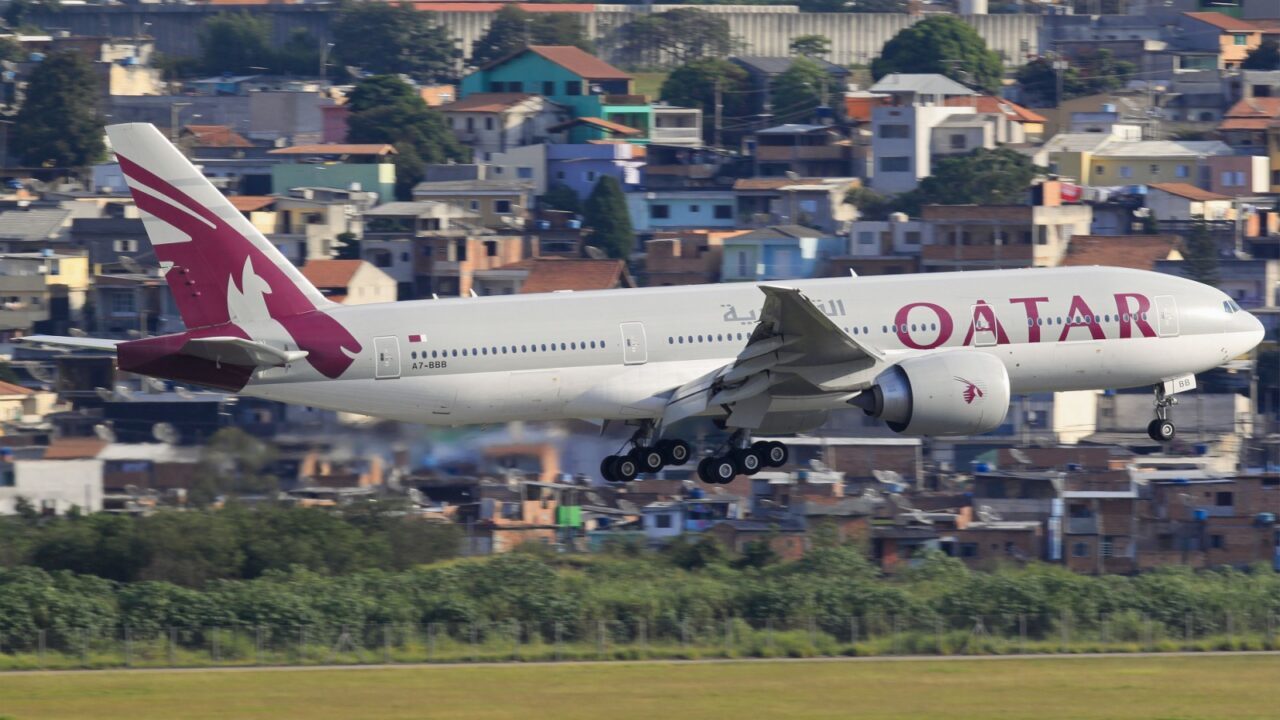
Middle East airspace concerns
Middle Eastern airspace plays a major role in global aviation routes connecting Europe, Asia, and North America. When tensions increase in the region, airlines must reconsider flight corridors that normally handle thousands of aircraft each day. Safety experts closely monitor missile activity, military operations, and airspace restrictions.
Countries including Iran, Iraq, Israel, and Jordan sometimes issue temporary aviation advisories during military tensions. These advisories warn airlines about potential hazards for civilian aircraft flying overhead. Airlines then decide whether to avoid the area entirely or use alternative routes.
U.S. hubs monitor flights
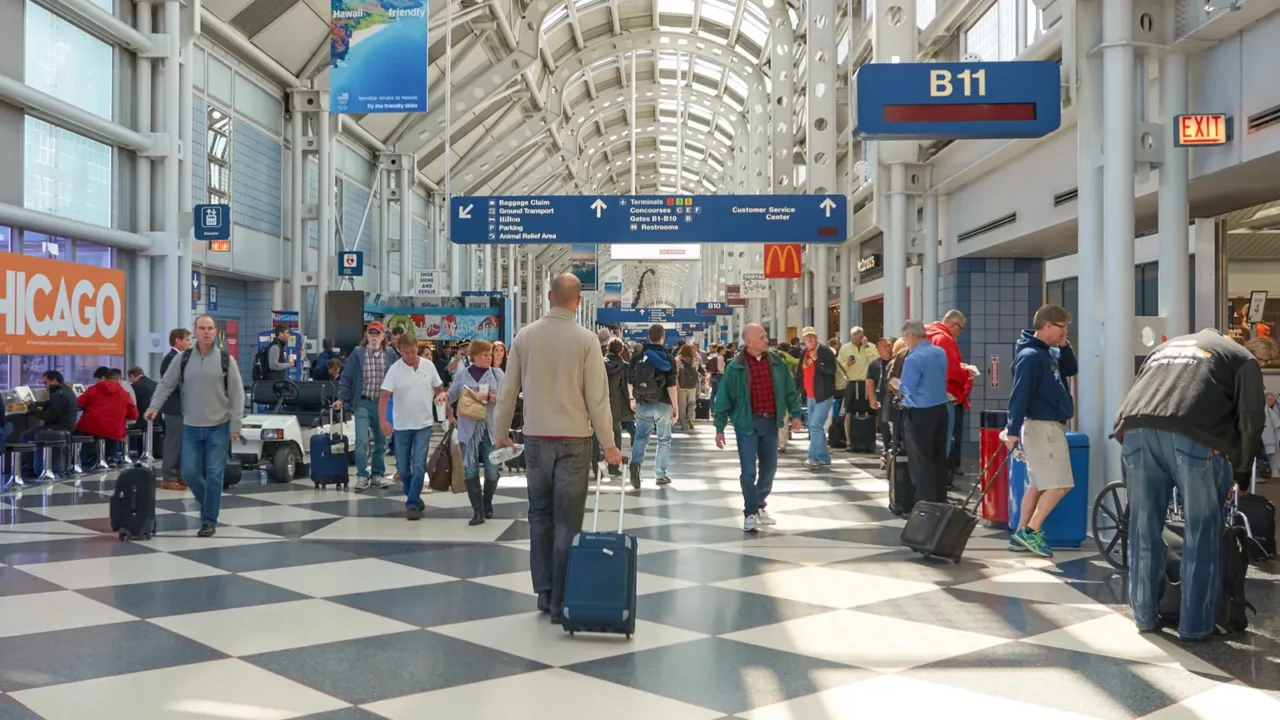
Major American aviation hubs are carefully monitoring international departures linked with the Middle East. Airports such as John F. Kennedy International Airport, Dallas-Fort Worth International Airport, and Chicago O’Hare International Airport handle many long-distance routes to Europe and Asia. Those routes sometimes pass near Middle Eastern airspace.
Airlines operating from these hubs rely on global flight corridors that can change quickly during geopolitical events. Dispatch teams and flight planners adjust routes hours before departure when safety advisories appear. These precautions help keep global travel operating smoothly.

Airlines reroute longer journeys
Airlines sometimes reroute aircraft thousands of miles to avoid regions affected by security tensions. Flights traveling between North America and South Asia may shift north toward the Caucasus or south across Egypt and Saudi Arabia. These changes keep aircraft away from sensitive military zones.
Fact: Aviation analysts said that rerouted flights during Middle East tensions can add two to four hours to some long-distance journeys. Longer routes increase fuel use but maintain safety for passengers and crew.

Aviation traffic corridors shift
Global aviation corridors can shift quickly when airlines avoid specific regions during security crises. Routes that normally pass over Iran or Iraq may move west toward Turkey or east across Central Asia. These adjustments show how interconnected international aviation networks really are.
Fact: The Middle East normally handles one of the busiest air corridors linking Europe and Asia each day. When airlines avoid those skies, hundreds of flights must reposition into narrower routes elsewhere.
Gulf aviation hubs affected
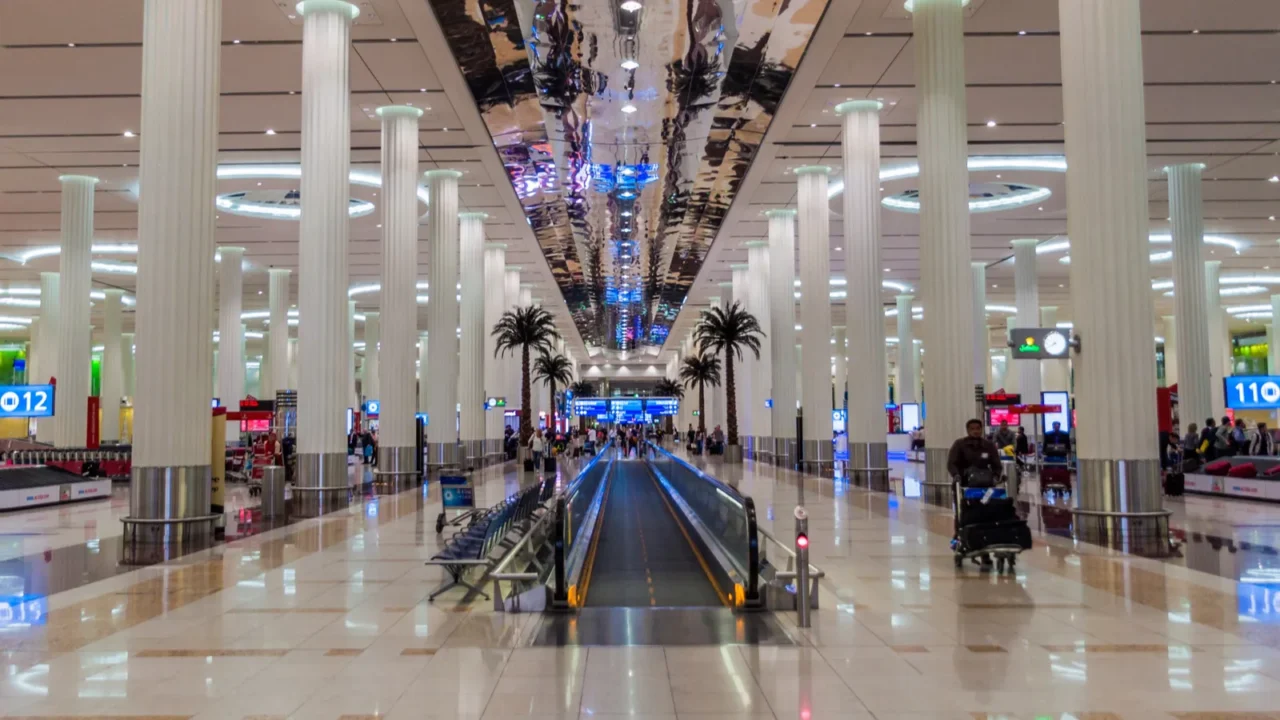
Major aviation hubs across the Gulf region are closely watching airline travel advisories. Airports such as Dubai International Airport, Hamad International Airport in Doha, and Abu Dhabi’s Zayed International Airport serve millions of connecting travelers each year. Regional security alerts can influence flight planning for these busy transit hubs.
Even small route adjustments can affect connecting passengers traveling between continents. Gulf airlines often rely on smooth international transfers to maintain their schedules. Maintaining safety while preserving global connections remains a top priority for these airports.
Aviation regulators issue guidance
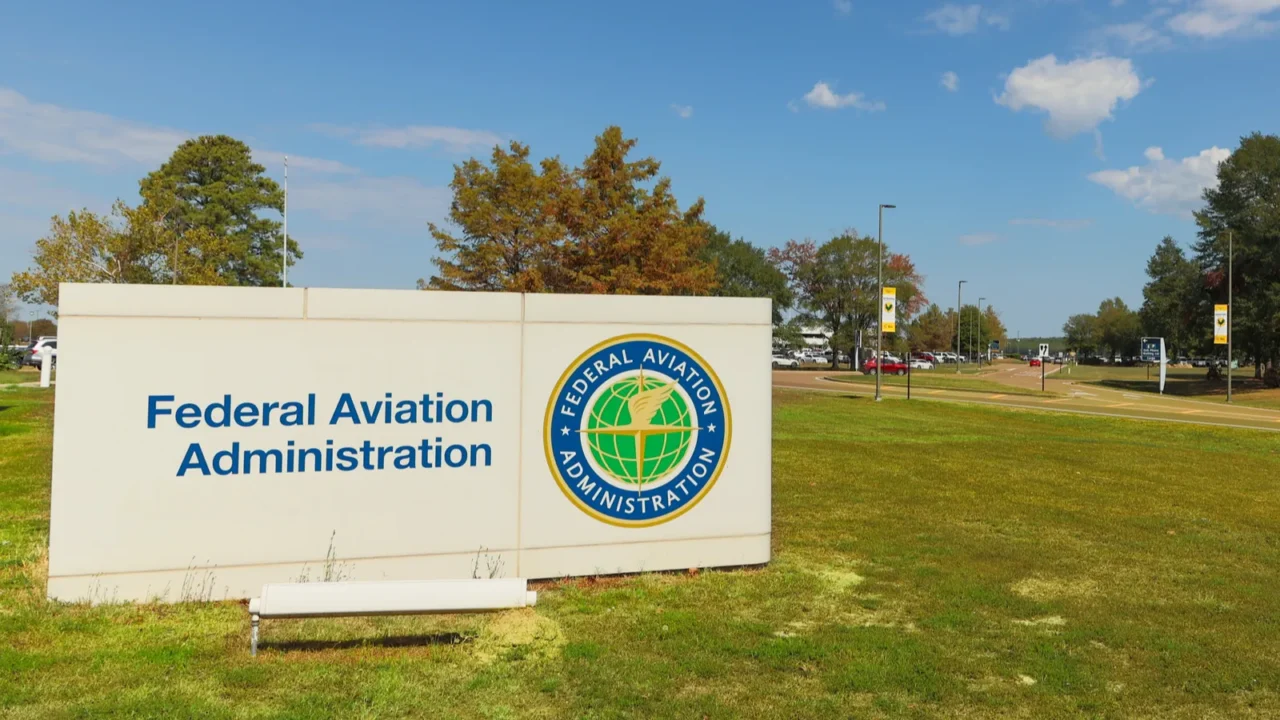
International aviation regulators regularly issue guidance during periods of regional security concern. Organizations such as the Federal Aviation Administration and the European Union Aviation Safety Agency publish safety notices for airlines operating near sensitive areas. These advisories help airlines evaluate potential threats.
Airlines often respond quickly when new guidance appears from these authorities. Flight planners analyze risk assessments before approving routes through affected regions. Safety notices can influence global flight operations within hours.

Fuel and cost pressures
Security-related route changes also affect airline operating costs. Longer flights require additional fuel and sometimes larger crew scheduling adjustments. When dozens of airlines reroute simultaneously, the industry can feel financial pressure.
Because the region is a significant source of crude, geopolitical shocks can push oil prices higher; higher fuel costs feed through into airline operating expenses and can put upward pressure on fares if disruptions persist. Airlines watch energy markets closely during regional crises.

Travelers monitor airline updates
Travelers flying internationally often follow airline updates during periods of rising regional tensions. Airlines regularly notify passengers about schedule changes, rerouting decisions, or temporary suspensions affecting Middle East routes. Clear communication helps reduce confusion during fast-moving developments.
Many airlines provide alerts through mobile apps and airport announcements. Travelers departing from airports like New York, Chicago, or Los Angeles may see updated departure times when routes change. Staying informed helps travelers adjust plans smoothly.
Airlines maintain safety focus
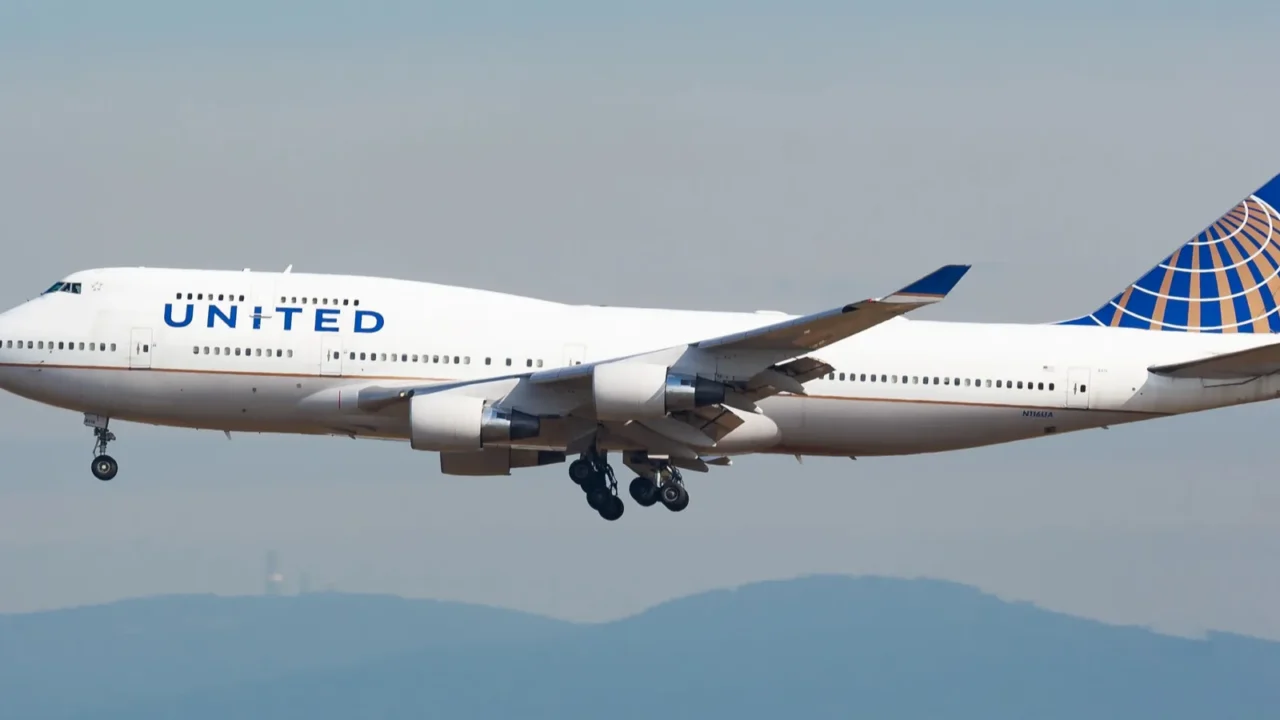
Airlines emphasize that safety remains the guiding principle behind all travel advisories and route decisions. Aviation safety experts regularly evaluate potential risks from military activity, missile systems, or airspace restrictions. Avoiding uncertain regions is a common precaution across the global airline industry.
Even when airspace technically remains open, airlines may still choose alternate routes. That cautious approach protects passengers and crew while maintaining international connectivity. Global aviation has developed strong risk management systems to handle these situations, and many airlines are recognized for top-tier safety standards worldwide.
Global travel continues cautiously
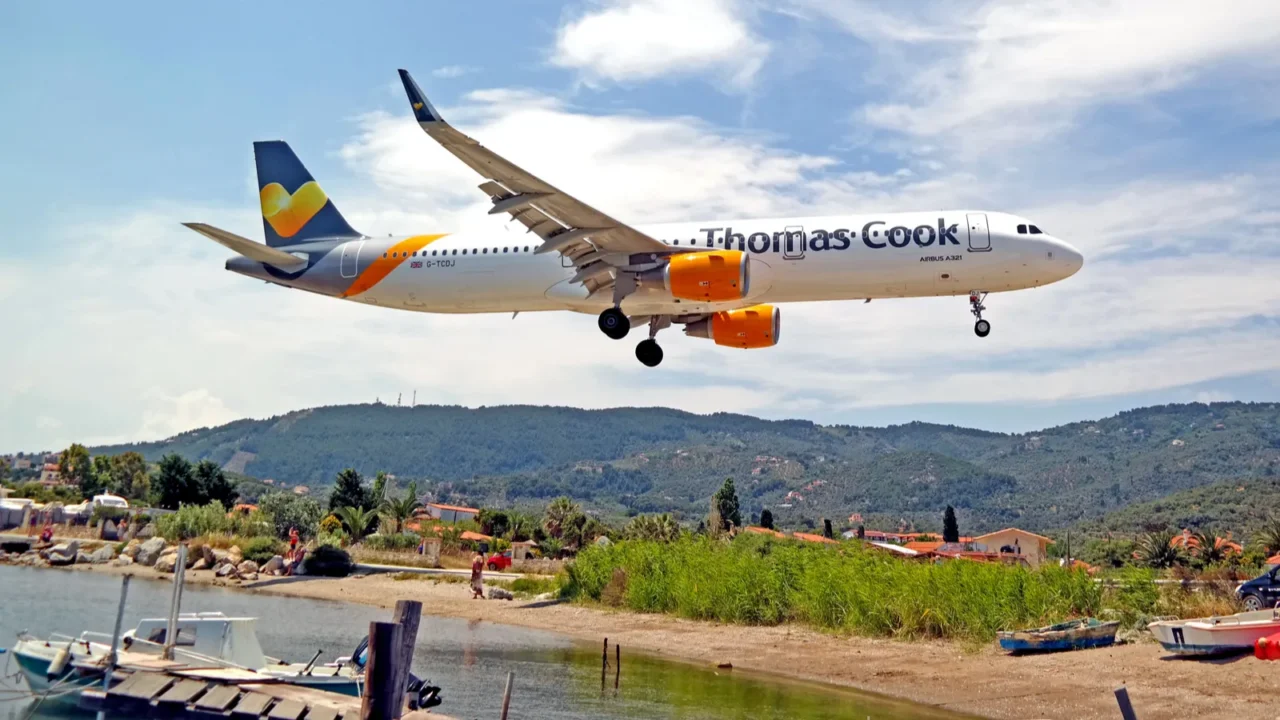
Despite rising security concerns, airlines continue operating thousands of international flights every day. Adjusted routes and temporary advisories help maintain global connectivity between cities like New York, London, Dubai, and Singapore. Aviation networks are designed to adapt quickly during geopolitical changes.
Air travel has always responded to world events with flexible planning and strong safety oversight. Travelers and airlines alike watch the Middle East situation carefully as routes evolve.
Which international routes seem most affected by airline advisories right now? Share thoughts below.
This slideshow was made with AI assistance and human editing.
Don’t forget to follow us for more exclusive content right here on MSN.
Read More From This Brand:
