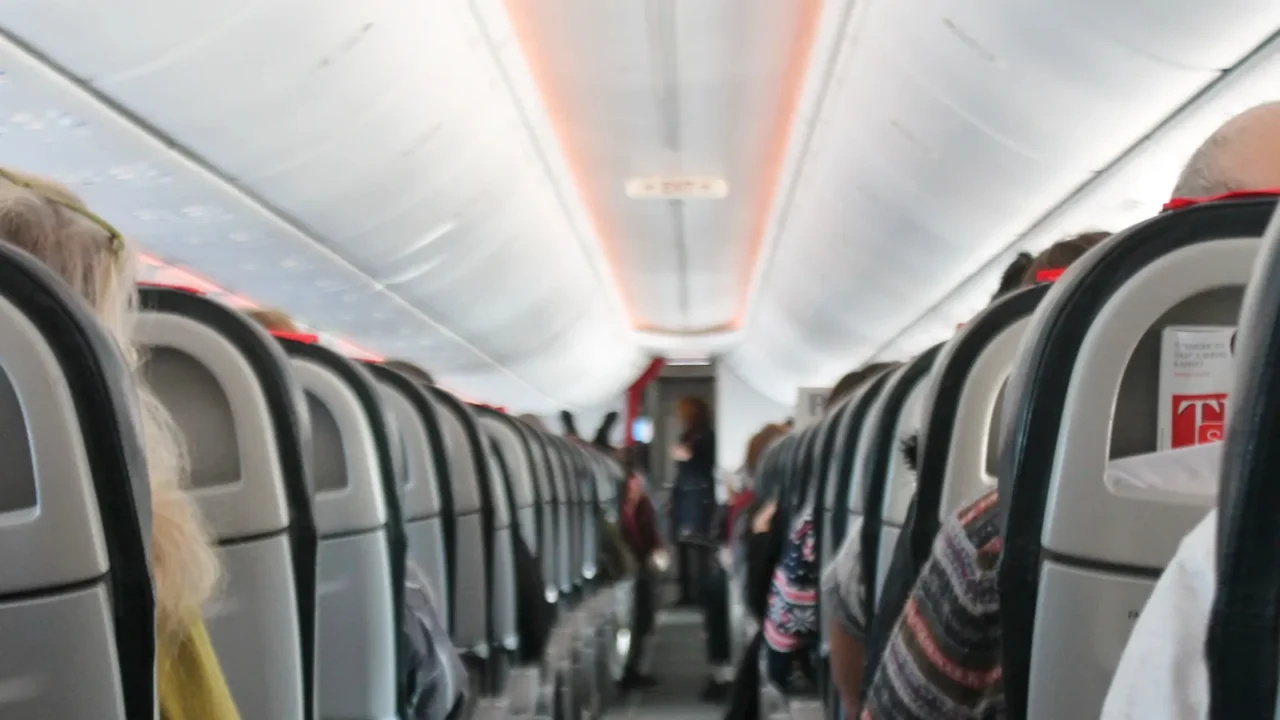
Changing skies, new fees
Airlines around the world are shifting how they price travel, going beyond ticket cost to charge for services most of us once assumed were free. One of the most controversial changes focuses on carry-on luggage and overhead bin space.
Fees that used to apply only to checked bags are now creeping into what was once standard. This affects the way millions of travelers pack, board, and think about flying today.
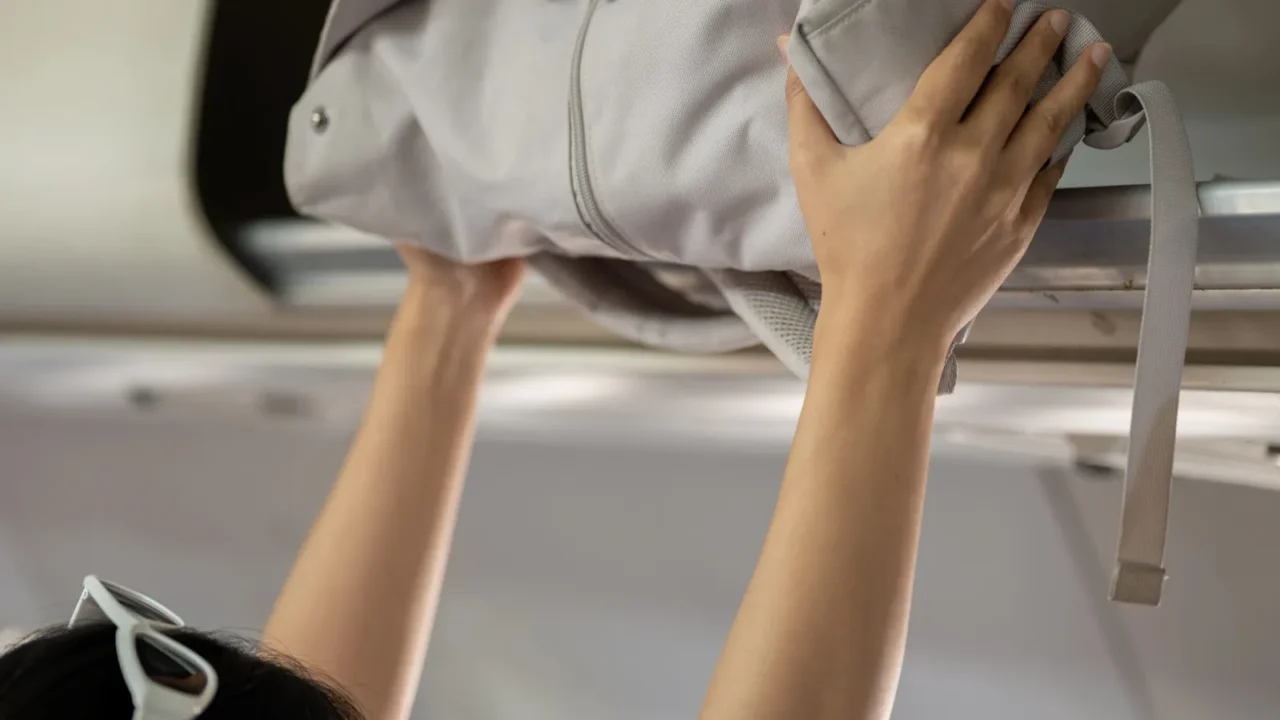
What are overhead bin fees?
Overhead bin fees are extra charges passengers pay to store carry-on bags in the aircraft’s overhead compartments. Traditionally, carry-on storage was included in the price of a ticket.
Now, some airlines bundle it into higher fare classes or price it separately, forcing travelers to decide if they want convenience, space, and peace of mind or a lower base fare without luggage benefits. This dynamic changes the travel bargain.
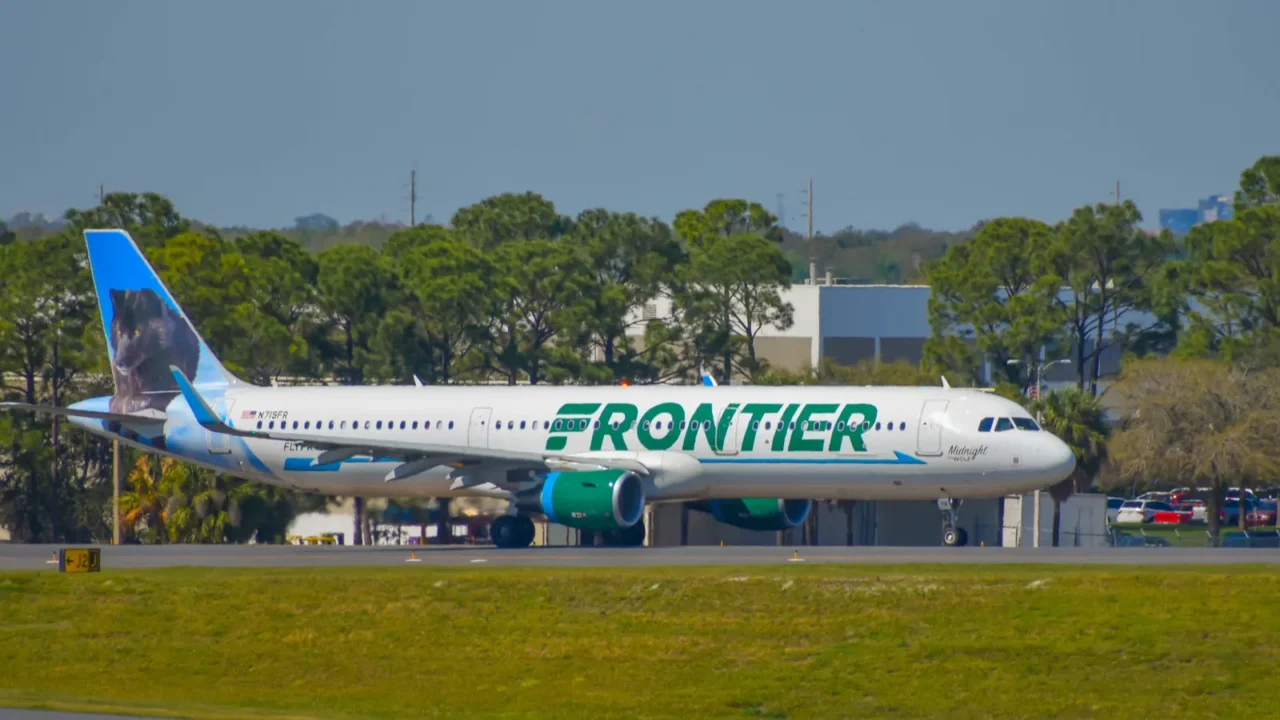
Frontier leads the pack
In the U.S., Frontier Airlines stands as one of the earliest major carriers to charge specifically for overhead bin use. Passengers flying with the lowest fare options can bring only a personal item for free.
If they want a standard carry-on that goes in the overhead bin, they must pay extra. These fees range depending on when you pay and when you’re flying, making packing decisions part of the budgeting process.
The business logic explained
Airlines argue that passengers should pay for exactly what they use. Charging for overhead bin space is framed as giving travelers options rather than forcing a single included bundle.
Leaders in the industry point to long boarding delays and bin crowding as reasons to price storage separately and improve overall efficiency. For some low-fare flyers, control over cost is worth limiting luggage privilege.
Basic economy limits luggage, not your fare
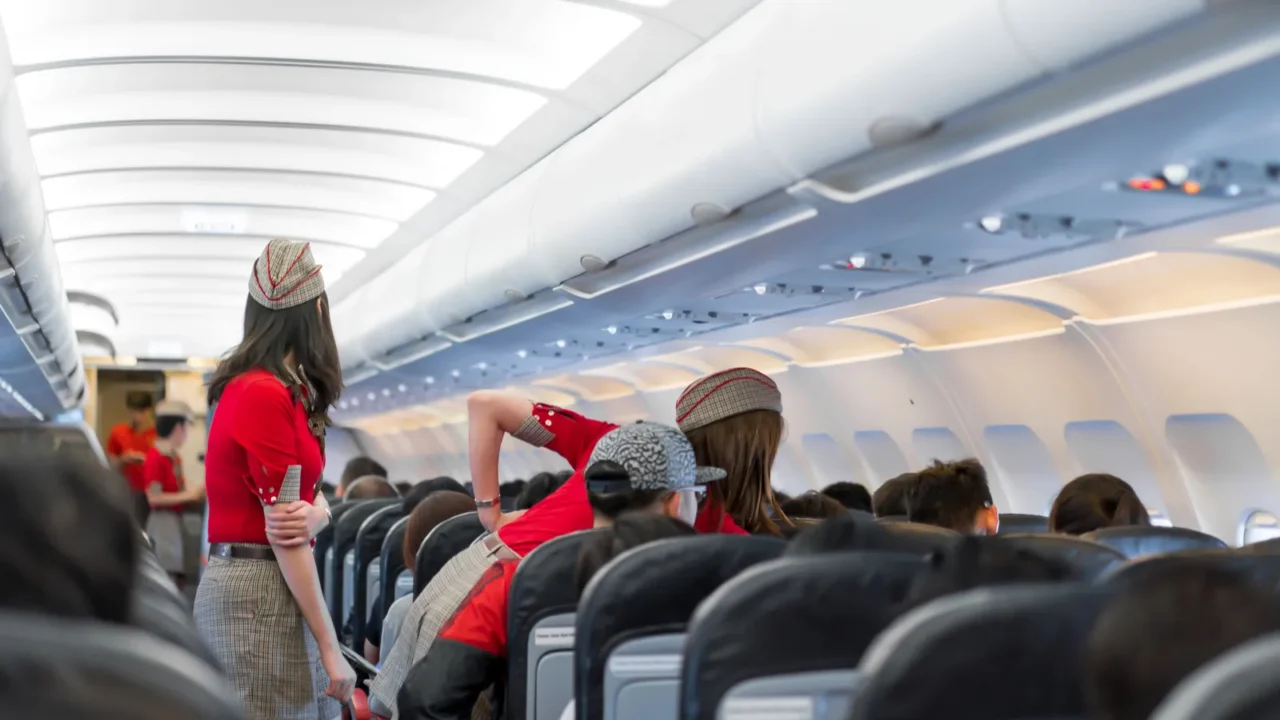
United Airlines introduced a low-cost “Basic Economy” fare that triggered controversy because it limits carry-on baggage, essentially reserving overhead bin use for higher-priced tickets.
Some news stories mischaracterized this as an outright bin charge, but it functionally forces a choice: pay more for the fare that includes carry-on or travel light with only a personal item. This pricing strategy has stirred debate over fairness.
Industry fee growth reality
Airline ancillary fees, the money earned from extras beyond the seat, have become massive revenue sources, with baggage-related charges among the largest. In recent years, fees tied to luggage, seating, and other add-ons have collectively generated tens of billions annually worldwide.
Overhead bin charges, even when bundled into ticket tiers, contribute to this revenue shift and reflect broader industry efforts to adapt profitability models.

Impact on travelers packing
For frequent flyers and occasional vacationers alike, overhead bin pricing has changed the packing game. Travelers increasingly weigh whether to check a suitcase, pay for a bin spot, or optimize everything to fit under the seat.
This balancing act influences everything from trip length to itinerary planning. What used to be a simple decision now has a financial trade-off baked in.
Boarding chaos and fees
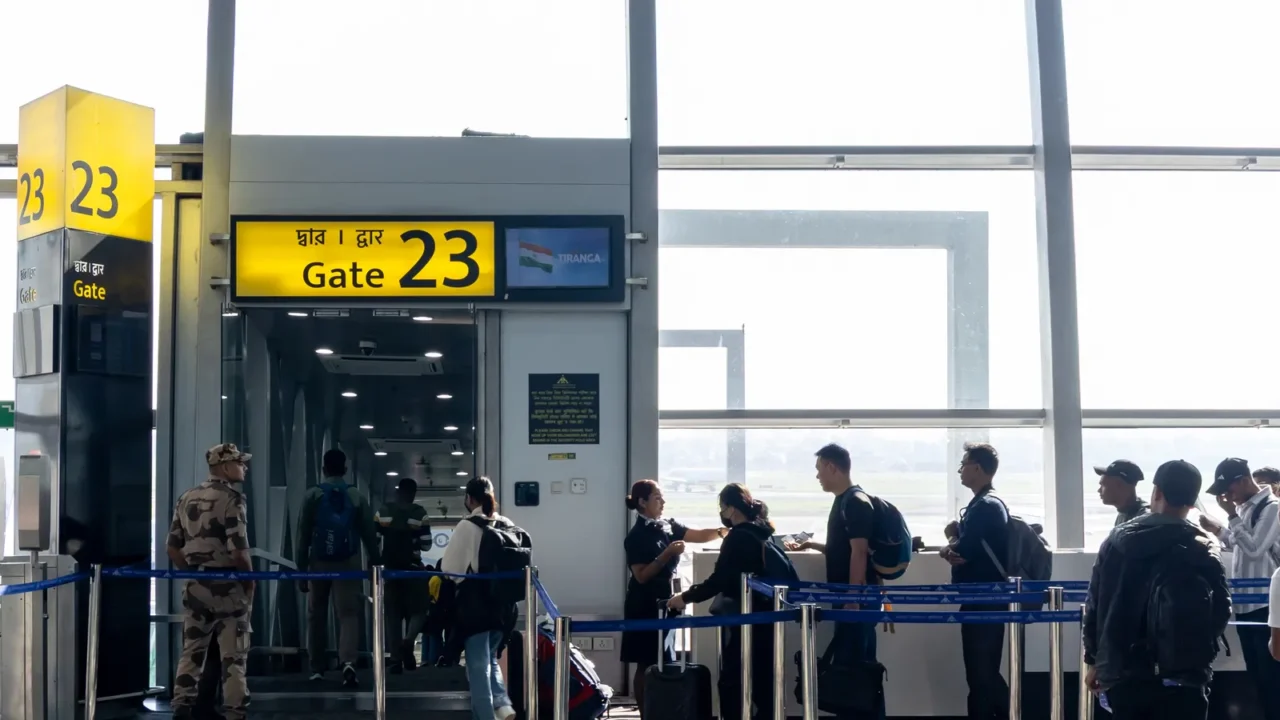
Overhead bin scarcity also affects the boarding experience. When bins fill early, late-boarding passengers face forced gate checks even if they complied with size rules. Some airlines justify overhead charges as a way to reduce bin competition and speed boarding.
But many flyers feel these policies simply shuffle frustration rather than solve the core space problem. Airline pricing structures now shape personal travel routines.
Global fee variations
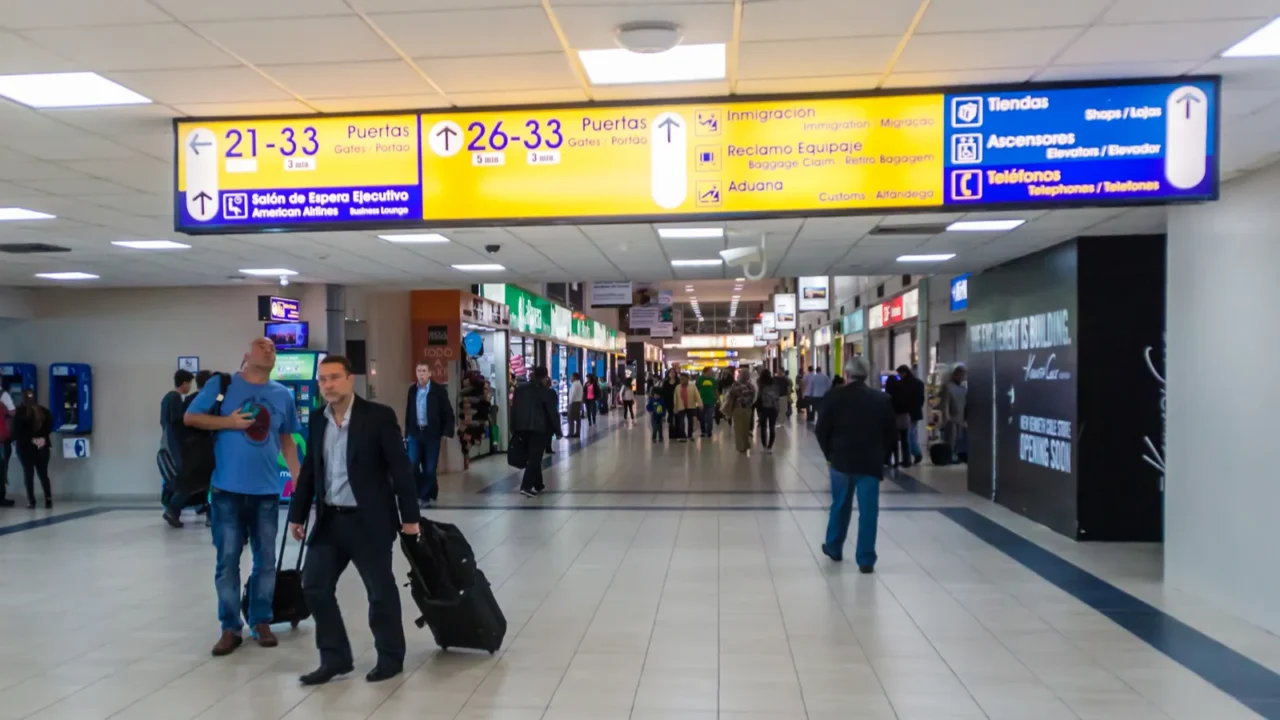
This trend isn’t limited to the United States. International carriers, including Air Canada and some European low-cost airlines, now charge for larger carry-ons.
Fee amounts and policies vary widely, by region and airline, from modest charges on short flights to steep prices on longer routes. Some governments even regulate cabin baggage fees, showing how controversial the change has become in travel policy debates.
Bigger bins, new tech
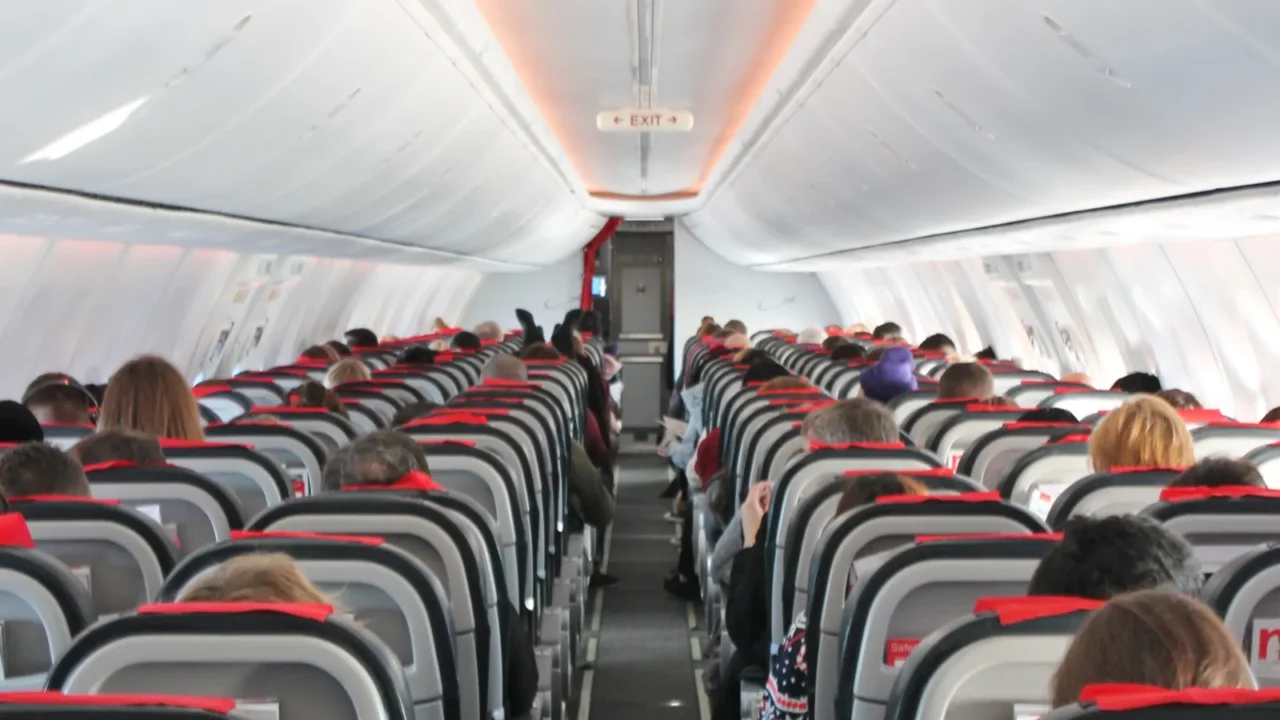
In response to these tensions, some airlines are investing in larger overhead bins and new boarding technologies to ease storage problems. Designs that accommodate more suitcases and apps that display available space aim to enhance the cabin experience.
These innovations acknowledge that while fees are one way to manage bin demand, physical improvements and smarter boarding could reduce frustration without penalizing travelers.

Customer reactions vary
Reactions to overhead bin charges range from reluctant acceptance to outright frustration. Some passengers see value in paying only for what they use and appreciate lower base fares.
Others see these fees as a way for airlines to nickel-and-dime passengers for services that were once included in the ticket price. Social media and travel forums frequently buzz with packing tips, boarding horror stories, and debates over the fairness of airline fee structures.
The future of airline fees
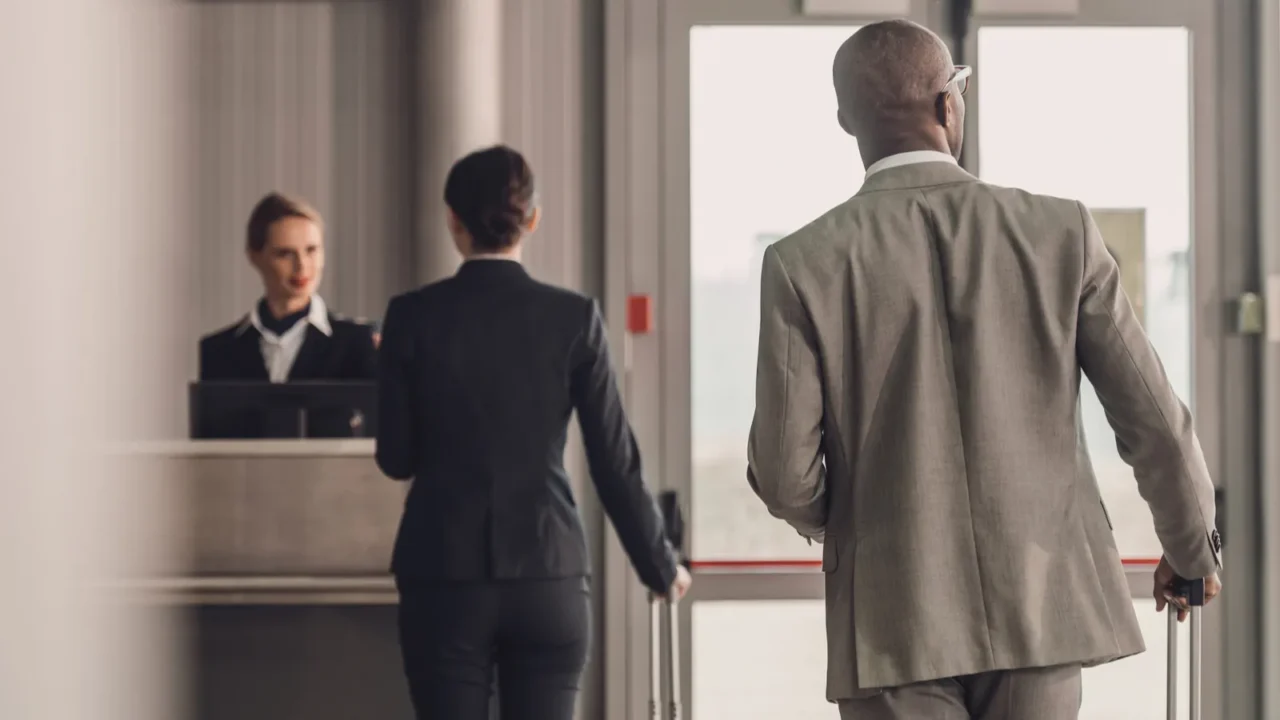
As airlines evolve pricing and service models, overhead bin charges may become more common or fade as physical space improvements take hold. Whether policies spread or adapt will depend on what travelers are willing to pay for convenience, how airlines balance seat revenue with customer satisfaction, and how regulators respond.
The shift shows that flying culture is no longer just about destinations, but about how we pay to get there, especially as airline passengers’ rights and protections could soon reshape how these fees are challenged and enforced.
Packing smarter always wins
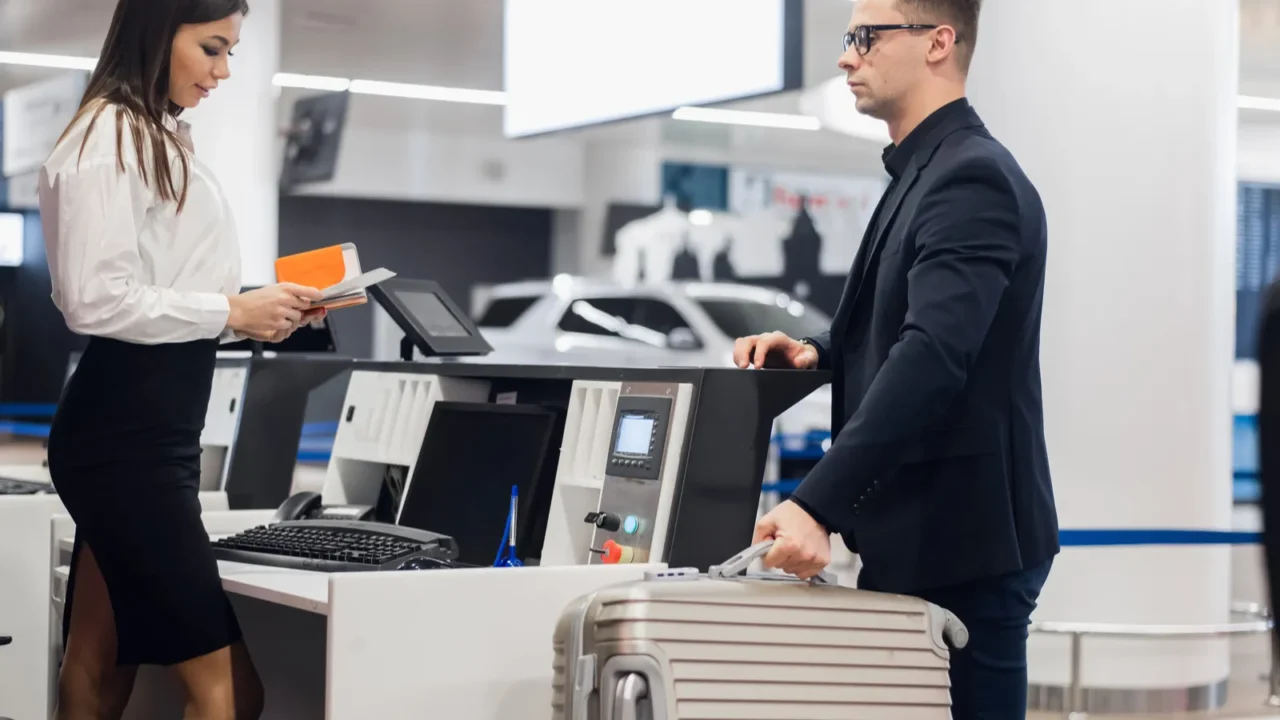
For travelers today, the smartest strategy may be adjusting habits. Choosing the right fare class, packing efficiently, and booking early to secure overhead space can save both time and money. Understanding airline fee structures, helps you make informed travel choices that align with your priorities.
Even as policies shift, being a savvy packer keeps you in control. Flight attendants recommend packing hacks that maximize space, help avoid surprise fees, and turn carry-on limits into an advantage instead of a hassle.
If overhead bin space is becoming a paid privilege, would you change how you pack or would you rethink who you fly with altogether?
This slideshow was made with AI assistance and human editing.
Don’t forget to follow us for more exclusive content right here on MSN.
Read More From This Brand:
