
Gas prices in Texas today
Texas Department of Transportation and AAA data show gas prices in Texas are generally lower than the national average, helping keep fuel costs reasonable for long drives. In early 2026 the statewide average for regular gasoline ran in the low-to-mid $2s per gallon (about $2.30–$2.50), according to official retail price series and AAA/GasBuddy reporting — a level that helped keep longer road trips comparatively affordable.
Travel in Texas still depends on the vehicle’s fuel efficiency, since longer distances around the Lone Star State can increase the gallons consumed. Fuel costs can rise quickly for larger trucks or SUVs that average under 25 miles per gallon on highways. Tools such as GasBuddy help holidaymakers compare real-time prices and find regional stations that offer lower per-gallon costs.
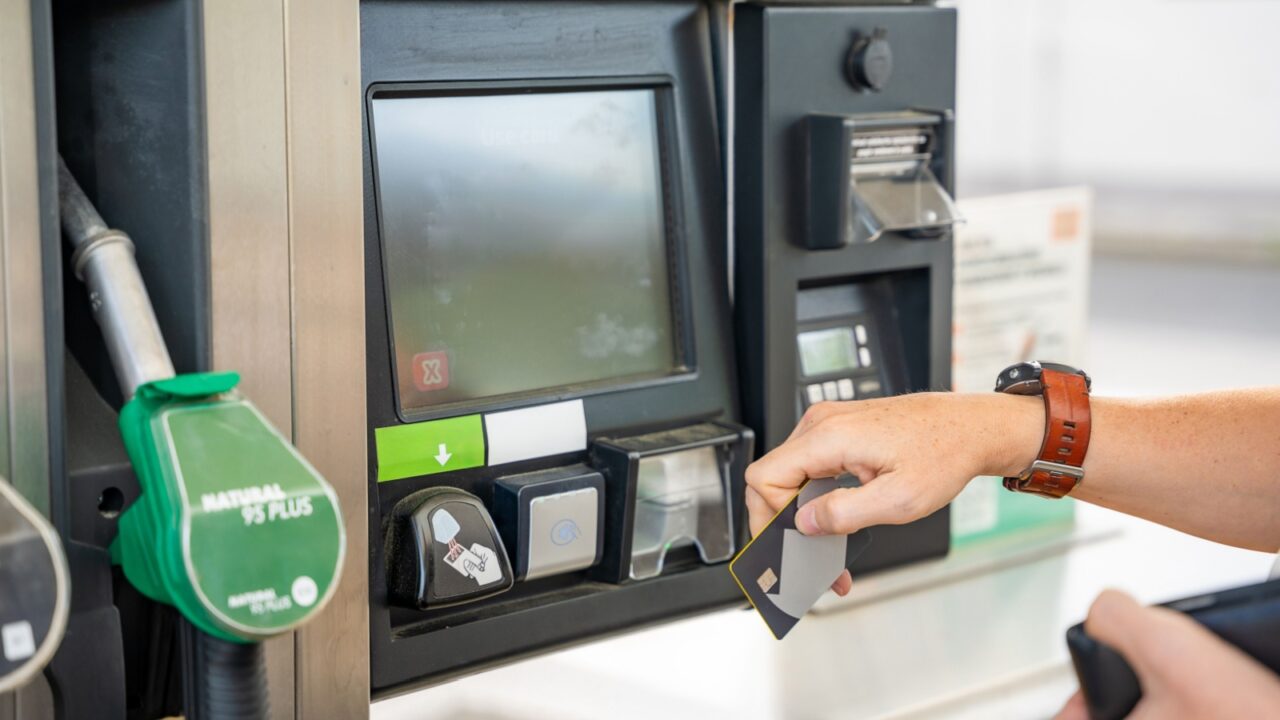
Fuel cost examples for routes
The cost of fuel for road trips in Texas varies by distance and route, but data from current trip estimators shows examples for common journeys. A one-way drive from Dallas to McAllen uses roughly 22–24 gallons (≈570 miles), so at early-2026 Texas pump averages that translates to about $50–$60 in gasoline for a typical 25-mpg vehicle (round-trip roughly double). Tolls on that route add about $15 if travelers choose toll roads such as NTTA.
A longer drive such as Austin to Tuscaloosa (≈650–700 miles) will typically require about 26–28 gallons; at early-2026 Texas pump averages that equates to roughly $60–$80 in fuel for most 25-mpg cars one-way, with the final figure varying by route and local pump prices. On that same trip, toll costs can range from about $1.50 up to $15, depending on whether toll roads are taken along state highways or interstates. These examples highlight how gas and tolls combine to shape overall travel costs.
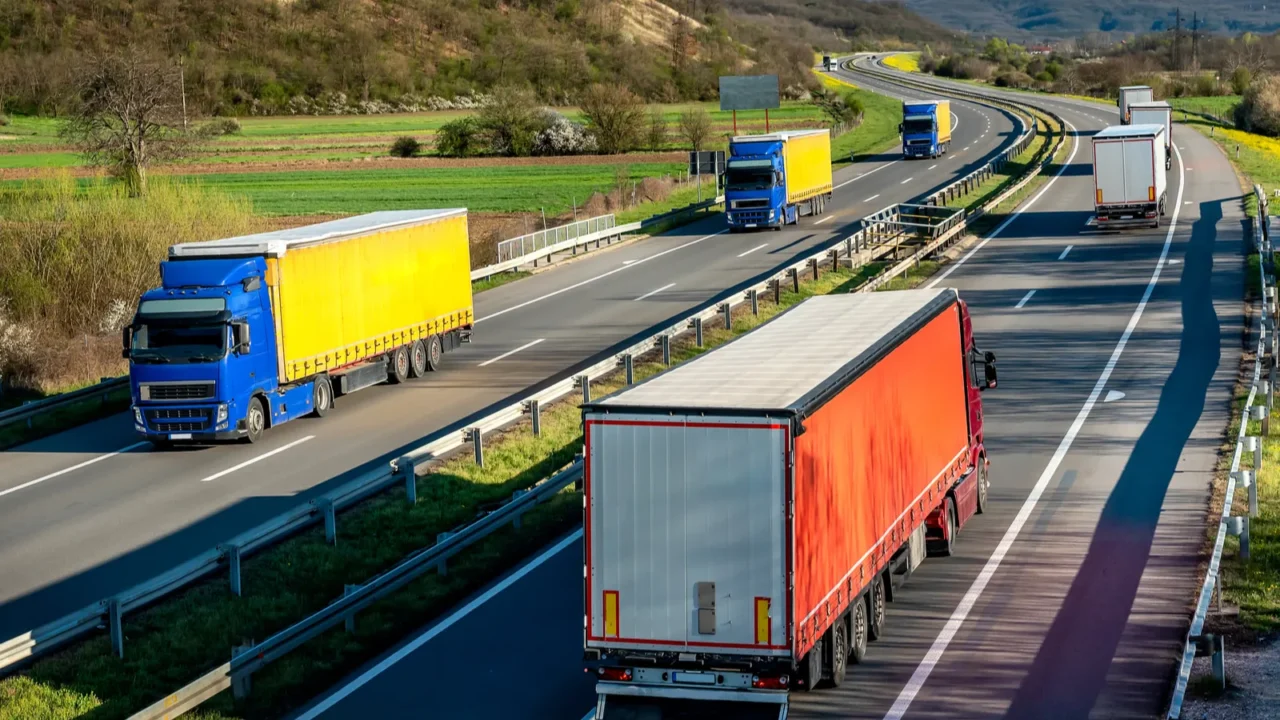
Fuel economy matters most
Travelers with low fuel-efficiency vehicles face higher overall trip expenses because fuel consumption scales with mileage. A vehicle averaging 25 miles per gallon on highways generally offers a baseline cost estimate for typical intercity Texas road trip distances. Larger SUVs, trucks, or vehicles towing campers can easily consume fuel more quickly, increasing overall fuel expenses.
Even though gas prices are lower than in many states, the cost per gallon still adds up, especially for longer loops around Texas cities or cross-state trips to New Orleans, Memphis, or Louisiana. Budget-conscious holidaymakers often rely on apps that compare real-time fuel prices to stretch their gas budget farther. These savings from choosing cheaper stations can make a noticeable difference on long drives.
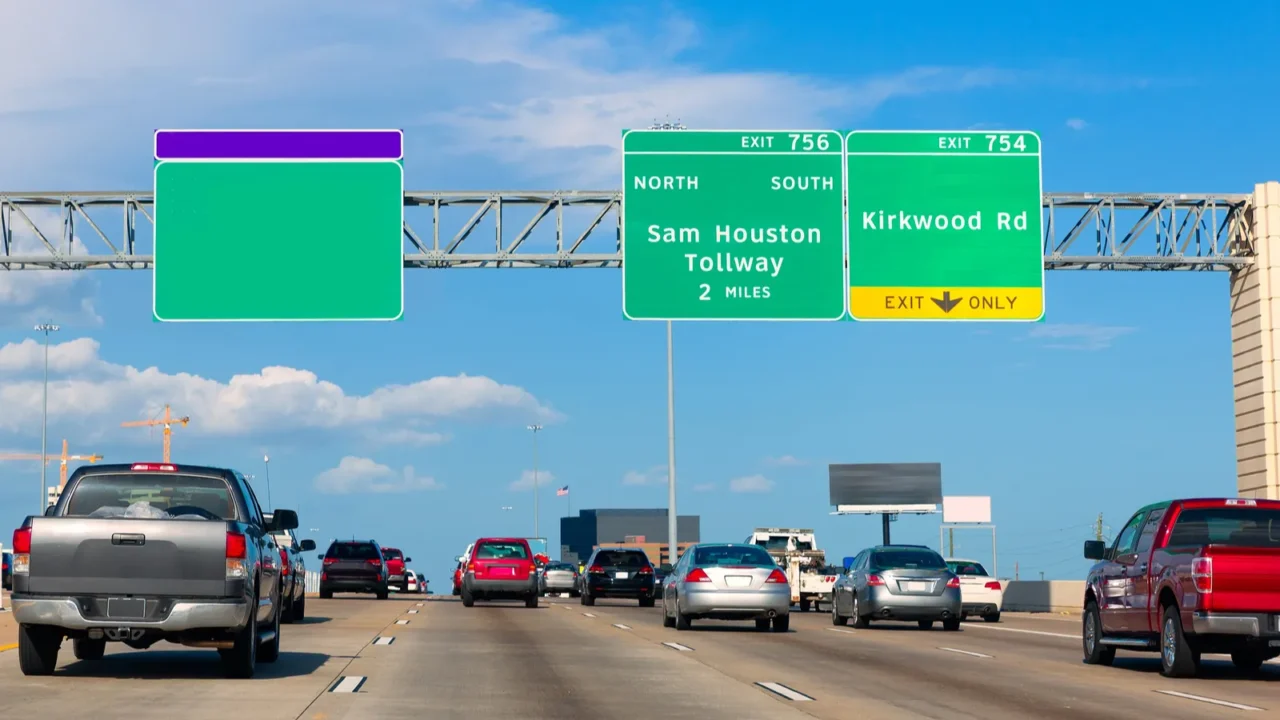
Toll roads in Texas today
Texas has a network of toll roads, particularly around urban centers like Austin, Dallas, and Houston, which can add costs to road trips if travelers choose faster routes. Toll systems use electronic tags such as TxTag, TollTag, or EZ TAG, which often provide discounted toll fees compared with pay-by-mail charges. Many smaller or rural highways avoid tolls altogether, giving visitors options to reduce costs.
Some toll calculators allow travelers to estimate their costs before departure, and the difference between toll-inclusive routes and free routes can be meaningful for holidaymakers planning tight budgets. Paying tolls on longer interstate segments is optional and often weighed against time savings and traffic conditions. Using mapping tools that allow avoiding tolls yields a clearer picture of total expected charges in advance.

Toll rates rising in 2026
In 2026, several toll facilities around Austin and other North Texas corridors increased charges, reflecting infrastructure maintenance and operational adjustments. These toll hikes mean drivers using express lanes or managed lanes may see higher toll expenses than they did in prior years. Urban commuters and long-distance road trippers with toll tags should factor these increases into their trip budgets.
While toll rate changes occur periodically, holidaymakers can choose alternate non-toll routes that often only add modest time to travel but reduce out-of-pocket expenses. Toll tags remain beneficial for frequent travelers because they lower the per-trip cost compared with pay-by-mail methods that often add administrative fees. These options give travelers flexibility when weighing toll versus fuel price trade-offs.

Hidden rental car fees
Rental cars remain a common choice for Texas road trips, but considerations beyond fuel and tolls often influence the final price tag. Rental companies charge daily vehicle rates, plus optional add-ons like GPS, roadside assistance, and insurance coverage that affect total costs. Fuel refilling policies and toll transponder fees can also appear as unexpected charges during or after the trip.
Damage waivers and administrative fees may not show up until booking or when finalizing the contract, increasing what travelers pay compared with initial quote estimates. Toll transponder features in rental vehicles often include convenience fees that exceed actual toll amounts unless travelers bring their own transponder compatible with local systems.

Daily cost trade-offs
Beyond fuel and tolls, the daily cost of a road trip across Texas includes food, lodging, and entertainment. Daily food expenses for travelers can range from affordable quick meals to higher prices in urban downtown districts or major tourist sites. Lodging choices from budget motels to boutique hotels shape whether a trip stays inexpensive or quickly escalates.
State parks and campgrounds offer low-cost overnight options that significantly reduce lodging bills, while mid-range hotels in San Antonio or Austin often charge more during peak travel seasons. Strategic choices about where to stay and what to eat can offset higher expenses tied to fuel or toll roads. Planning each category on-the-go or using apps for deals helps keep the overall budget in check.
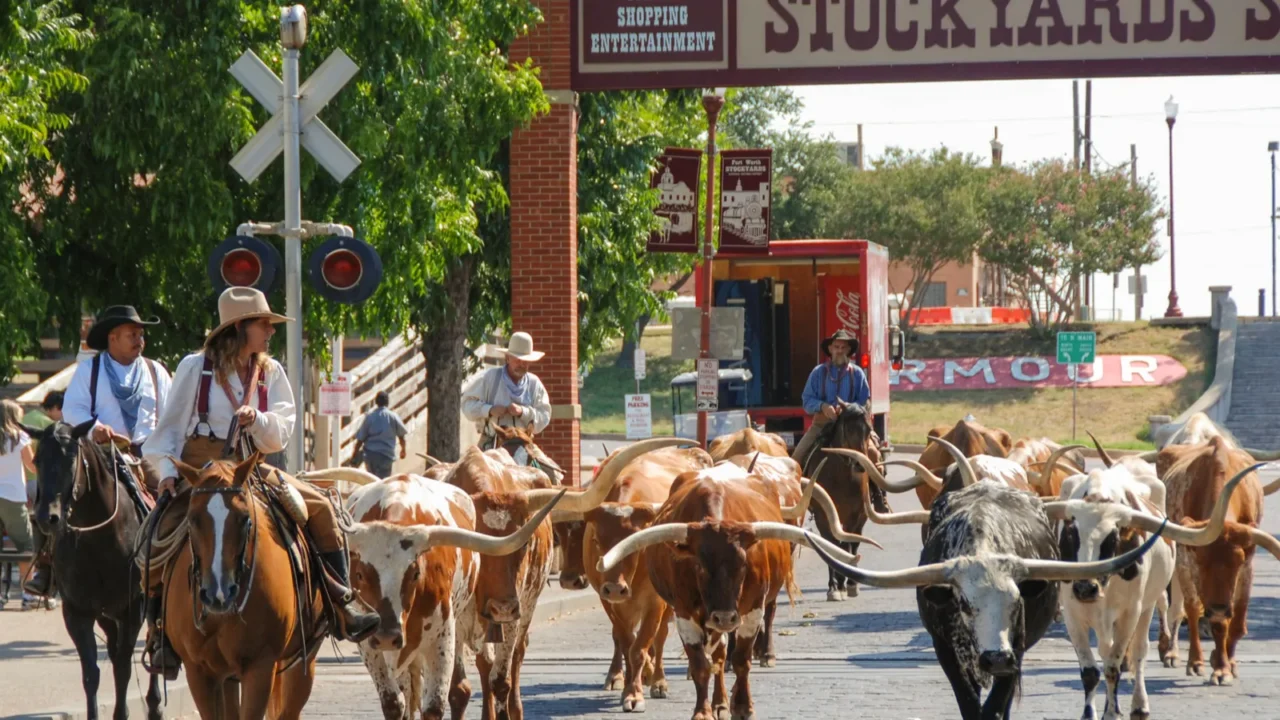
Scenic vs cost routes
Choosing scenic alternate roads around Texas often leads to little or no toll costs but increases total travel time. Many rural two-lane highways between destinations like Fort Worth, Waco, or Corpus Christi avoid toll roads and offer an immersive road-trip experience. These scenic options typically add only a few dollars to fuel costs, given current prices, but can save a bundle on toll fees for multiple passengers.
By contrast, toll-inclusive highways like SH-130 near Austin offer faster travel times but at the cost of higher toll fees. Travelers weighing time versus expense may choose routes that balance both needs, which can help stretch a vacation.

Apps help manage costs
Travel apps now offer fuel price comparisons and toll cost estimates that make budgeting easier for road travelers. Apps such as GasBuddy provide real-time gas station prices across Texas towns and highways, often revealing variations of 20–30 cents per gallon. These small differences add up over hundreds of miles of driving.
Toll cost calculators like TollGuru integrate route mapping with toll and fuel data to show total trip expenses before departure. By inputting trip origin, vehicle type, and route preference, holidaymakers can compare fastest and cheapest options side by side. Such tools are becoming essential planning resources for both short and long Texas road trips.
Cost-saving tips for trips
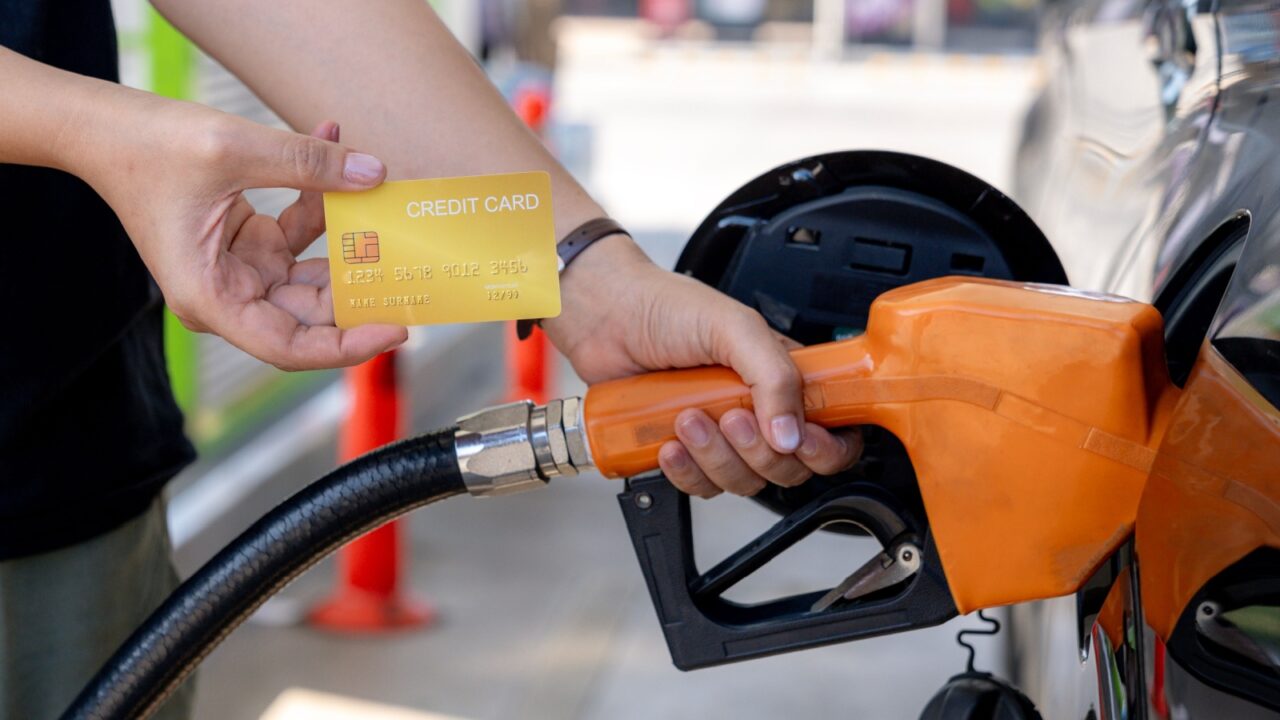
Fuel price club cards and reward programs can cut mobile fuel expenses through cash-back and rewards when purchasing at certain chains. Credit cards that offer enhanced gas rewards help travelers earn value back while spending on fuel, with potential earnings above standard rates with dedicated reward categories. At minimal extra commitment, these programs offset some of the total trip cost.
Planning travel during off-peak traffic and outside major holiday windows often helps reduce toll price surges and fuel costs. Using non-toll roads deliberately and minimizing express lane use can also lower travel costs without sacrificing too much time. Combining flexible travel plans with strategic budgeting yields the most cost-effective road trips in Texas.
Road trips still affordable?
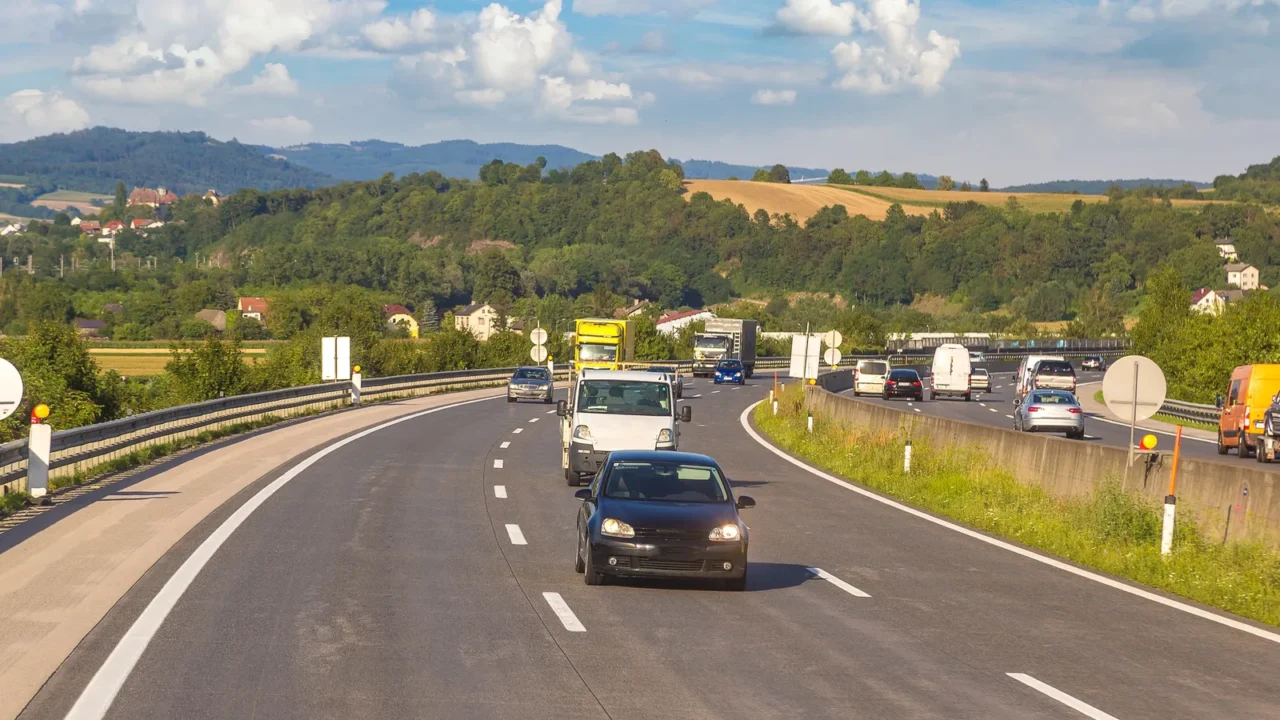
Even with lower average gas prices in Texas, total expenses depend on route choices, vehicle efficiency, toll usage, and hidden rental fees. For many holidaymakers, the combination of moderate fuel prices below the national average and optional toll avoidance keeps road trips more affordable than flying or cross-country drives through higher fuel cost states.
Budget planning, including lodging, meals, entertainment, and fuel, helps estimate daily travel outlays more accurately. Tools that calculate expected fuel consumption and toll expenses streamline comparisons between route options, giving travelers confidence in budgeting. Texans and visitors alike continue to hit the road, knowing trade-offs between gas savings and toll charges shape their trip budgets.

Common road trip routes cost
Popular intra-state routes like Austin to Dallas or Dallas to Houston often involve minimal or no toll expenses if drivers choose the direct I-35 corridor. the direct drive from Austin to Dallas (~190–200 miles) typically costs about $18–$20 in fuel one-way for a 25-mpg car at early-2026 pump prices — toll options like SH-130 are more expensive but save time. Taking toll alternatives like SH-130 adds costs but saves time for travelers, prioritizing the schedule, especially as Texas cities invest in convention tourism while leisure travel slows.
Longer interstate travel, like Dallas to McAllen, shows how combined gas and tolls come together for total trip expenses of about $99, which reflects moderate overall costs compared to similar distances in other states. These kinds of real data points help holidaymakers gauge what to expect for planning. Texas remains competitive with other large states for fuel affordability and travel freedom.

Best Texas trip choices
Whether exploring West Texas deserts, Gulf Coast beaches, or Hill Country vineyards, planning route options carefully affects total trip costs. Trips with minimal toll use and moderate distances between overnight stops help limit combined costs while still enjoying diverse Texan destinations. Travelers balancing fuel costs and adventure can make memorable road trips that remain affordable in many scenarios.
Seasonal price fluctuations for gas and lodging are common, making planning ahead essential for accurate budgets. Considering local attractions and free or low-cost activities around cities like San Antonio, Austin, or Big Bend National Park can stretch dollars further during longer vacations. The best trips are the ones that balance comfort and discovery.
Which destination feels like the perfect Texas escape for travelers right now? Share your thoughts below.
This slideshow was made with AI assistance and human editing.
Don’t forget to follow us for more exclusive content right here on MSN.
Read More From This Brand:
