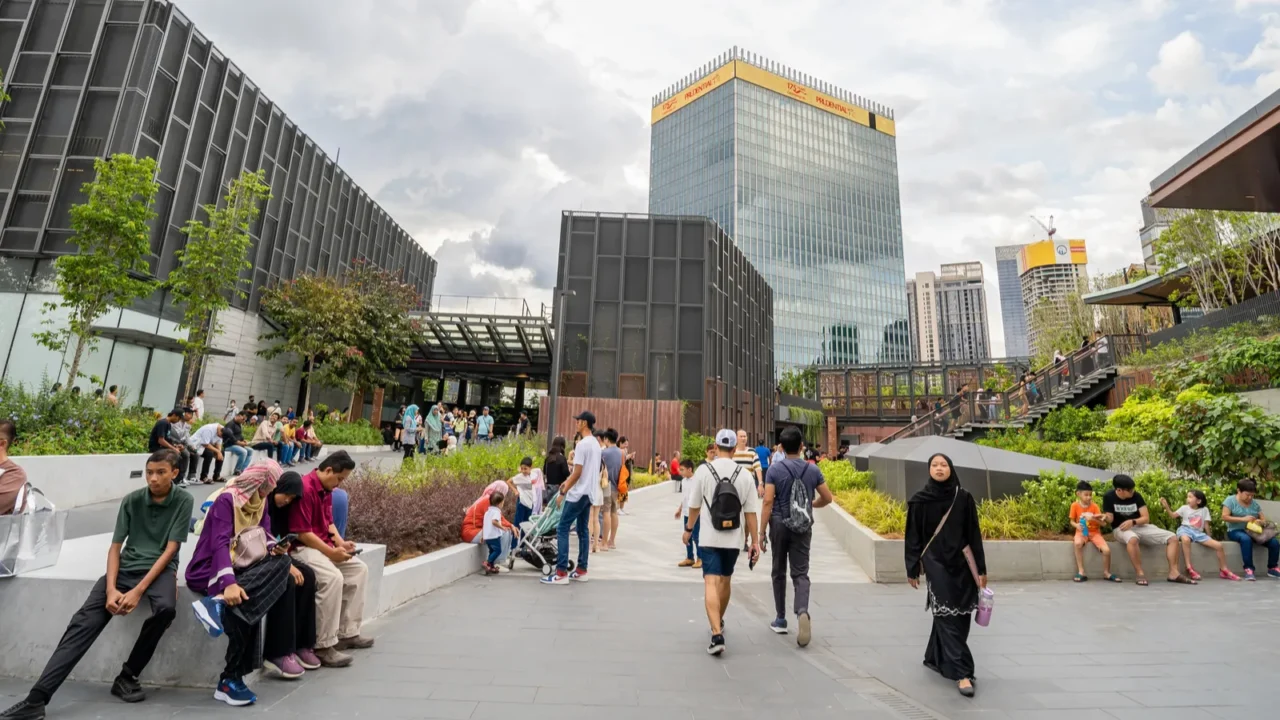
Why retirees are watching Malaysia
Retirement rankings usually focus on beaches, weather, and low rent. In 2026, Malaysia is getting attention for something more urgent: safety, at a time when many older Americans are weighing healthcare costs, crime, and whether their savings can stretch abroad.
International Living’s latest safety-focused retirement ranking placed Malaysia third globally and first in Asia, helping push it into the center of the expat conversation this year.

What the new ranking actually says
The headline is strong, but the details matter. Travel + Leisure, citing International Living’s 2026 safety report, said Malaysia ranked behind Portugal and Ireland worldwide while leading Asia for retirement safety.
That does not mean Malaysia is the best retirement choice for every American. It means safety, political stability, and day-to-day peace of mind helped lift the country above regional rivals in one of the most-watched retire-abroad rankings of the year.
The peace ranking gives it weight
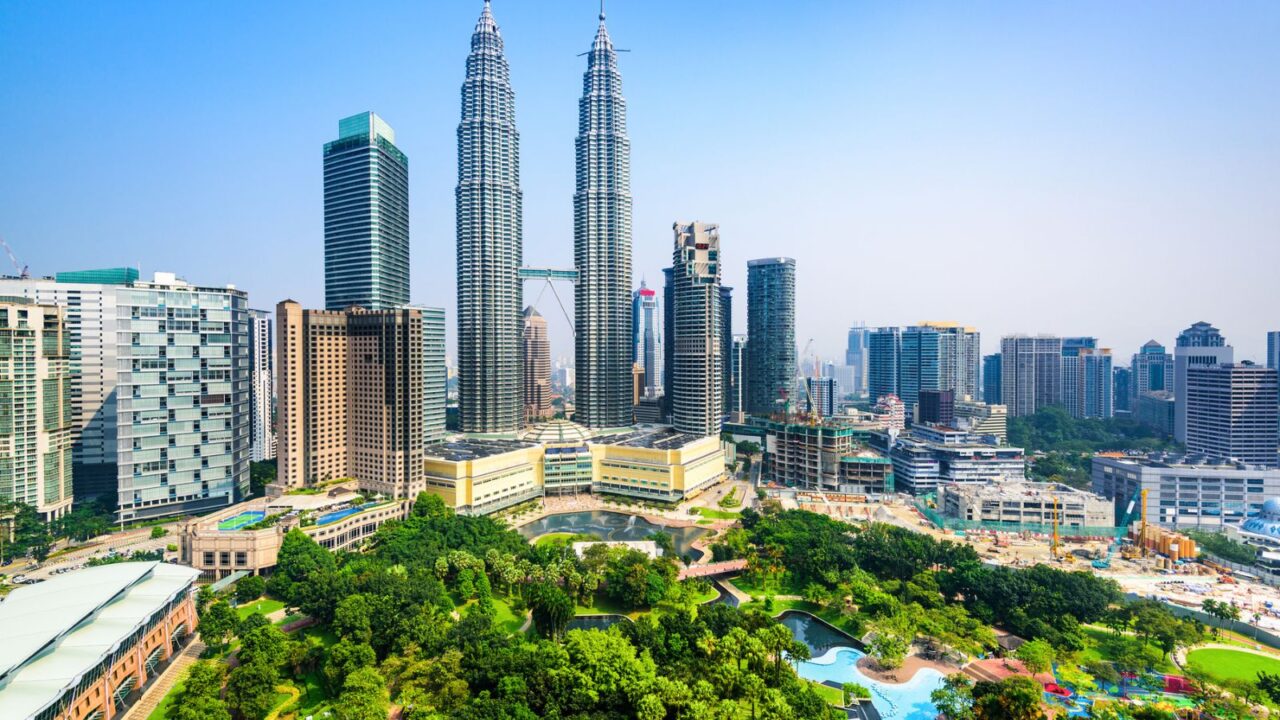
Malaysia’s retirement reputation is getting backup from a broader global measure. In the 2025 Global Peace Index, Malaysia ranked 13th in the world, ahead of countries such as Canada, tied 14th, Germany, 20th, and the United States, much lower in the rankings.
That matters because retirees are not just buying a condo or chasing cheaper groceries. They are choosing a country where public order, conflict risk, and overall social stability can shape daily life.

The price gap is a huge selling point
For many middle-class Americans, safety alone is not enough. Malaysia stands out because the cost of living there is about 50.7% lower than in the United States, excluding rent, while rent prices are roughly 76.6% lower, according to Numbeo’s current country comparison.
That gap can change what retirement looks like in real terms. A budget that feels tight in California, Florida, or Arizona may go much further in Kuala Lumpur, Penang, or Johor Bahru.

Why expats say it feels secure
One reason Malaysia keeps showing up in expat retirement coverage is the idea of everyday ease. Travel + Leisure reported that expats pointed to neighborhood watch groups, better street lighting, and stronger community ties as part of the country’s appeal.
That kind of detail matters more than a glossy ranking. Retirees tend to care about whether evening walks feel normal, whether local neighborhoods are active, and whether daily routines feel calm instead of stressful.
Fun fact: George Town and Melaka were added to the UNESCO World Heritage List in 2008 for their multicultural trading history and built heritage.
Penang offers a softer landing
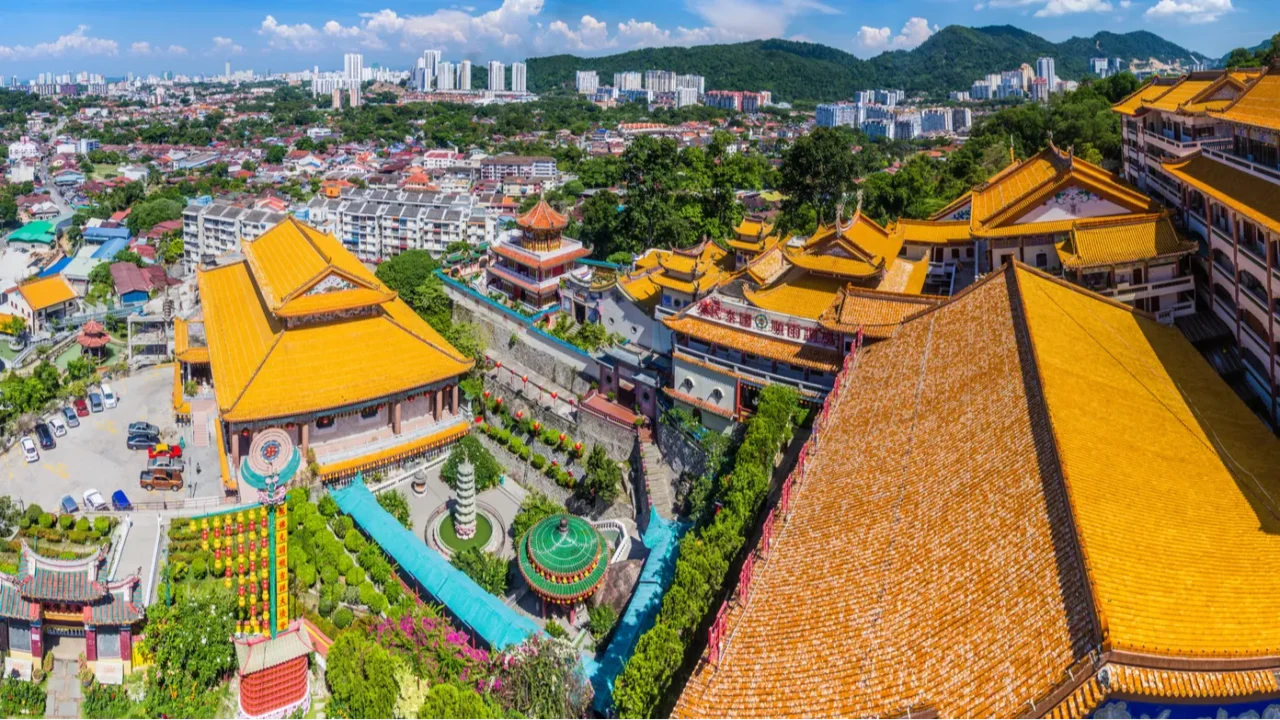
Penang keeps coming up because it gives retirees more than lower costs. George Town, its best-known urban center, is part of the UNESCO-listed Historic Cities of the Straits of Malacca, giving the area a strong mix of walkable heritage, food culture, and urban life.
For Americans who want culture without the intensity of a megacity, that matters. Penang can feel less overwhelming than larger capitals while still offering quality hospitals, widespread English usage, and a well-established expat footprint.
Little-known fact: Malaysia was listed by the U.S. State Department at Level 1, or “Exercise normal precautions,” in its February 22, 2026, advisory update.
Kuala Lumpur is the practical option
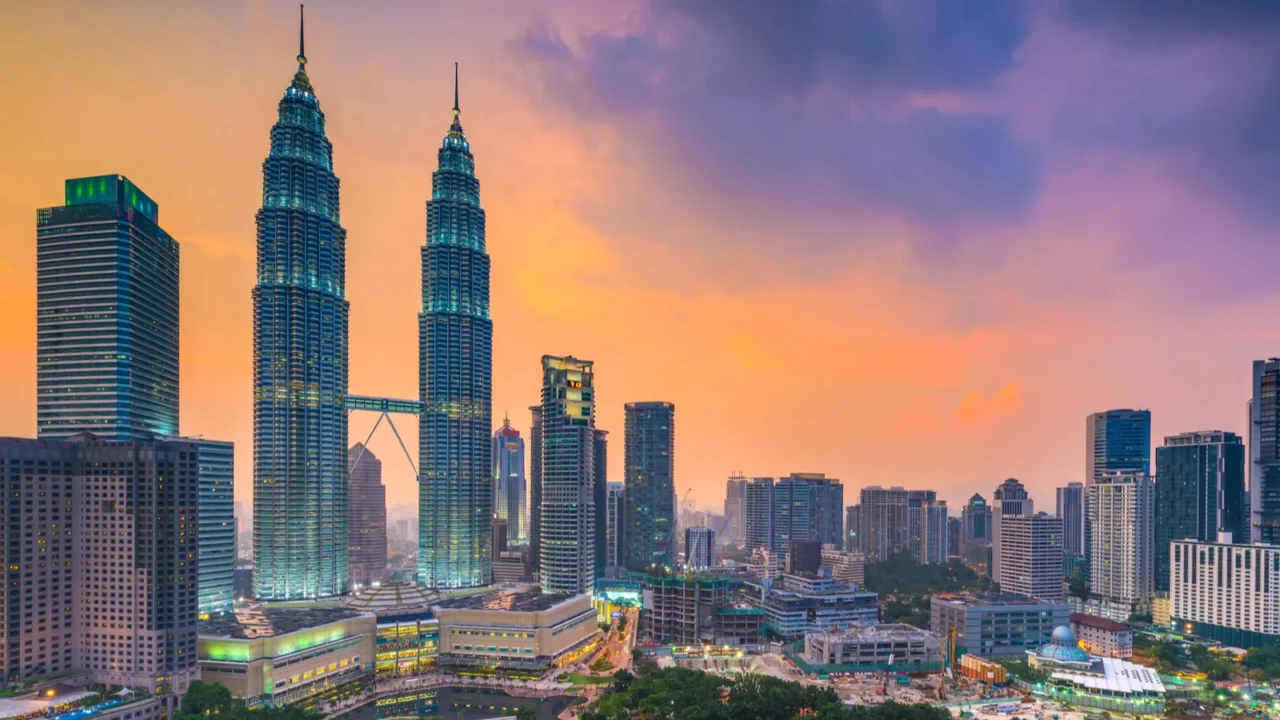
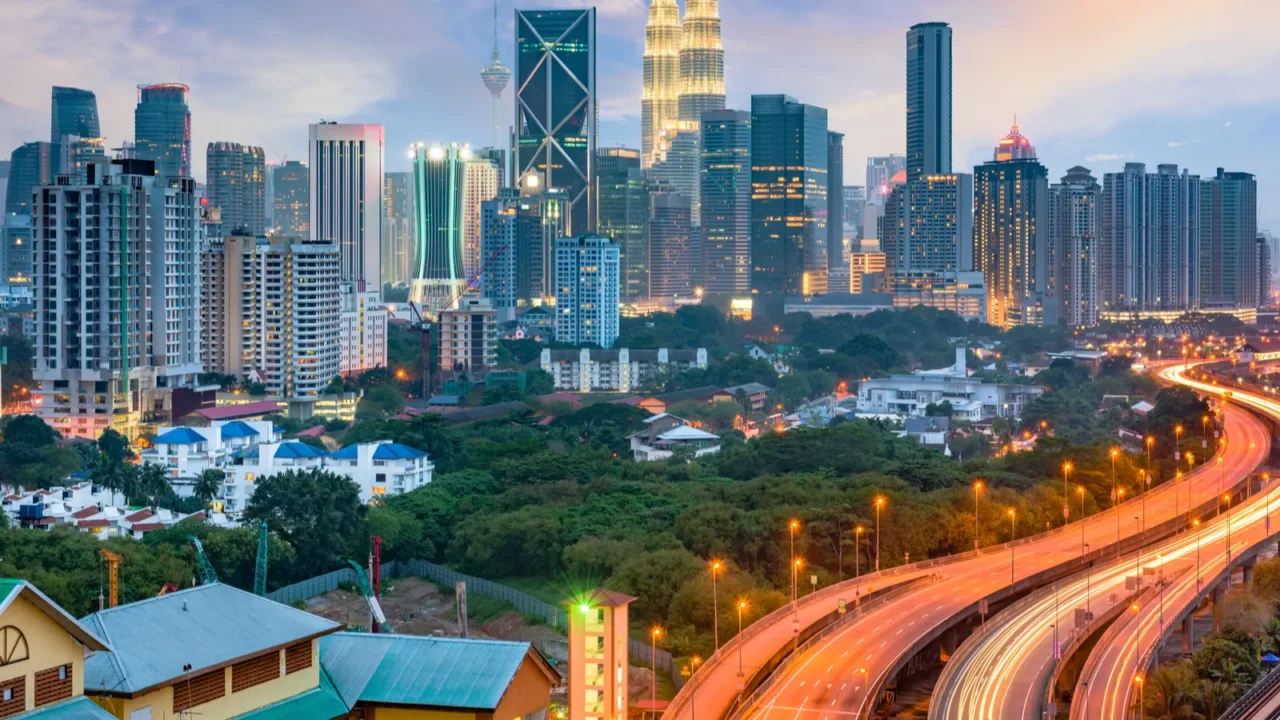
Kuala Lumpur is the choice for retirees who want modern infrastructure first. International Living’s Malaysia coverage highlights popular expat districts such as Bangsar, Mont Kiara, and KLCC, areas known for amenities, international services, and easier day-to-day adjustment.
That makes the capital attractive to Americans who are less interested in a slow beach retirement and more interested in convenience. Big-city transit, private healthcare access, and established expat neighborhoods can reduce the friction of moving overseas.
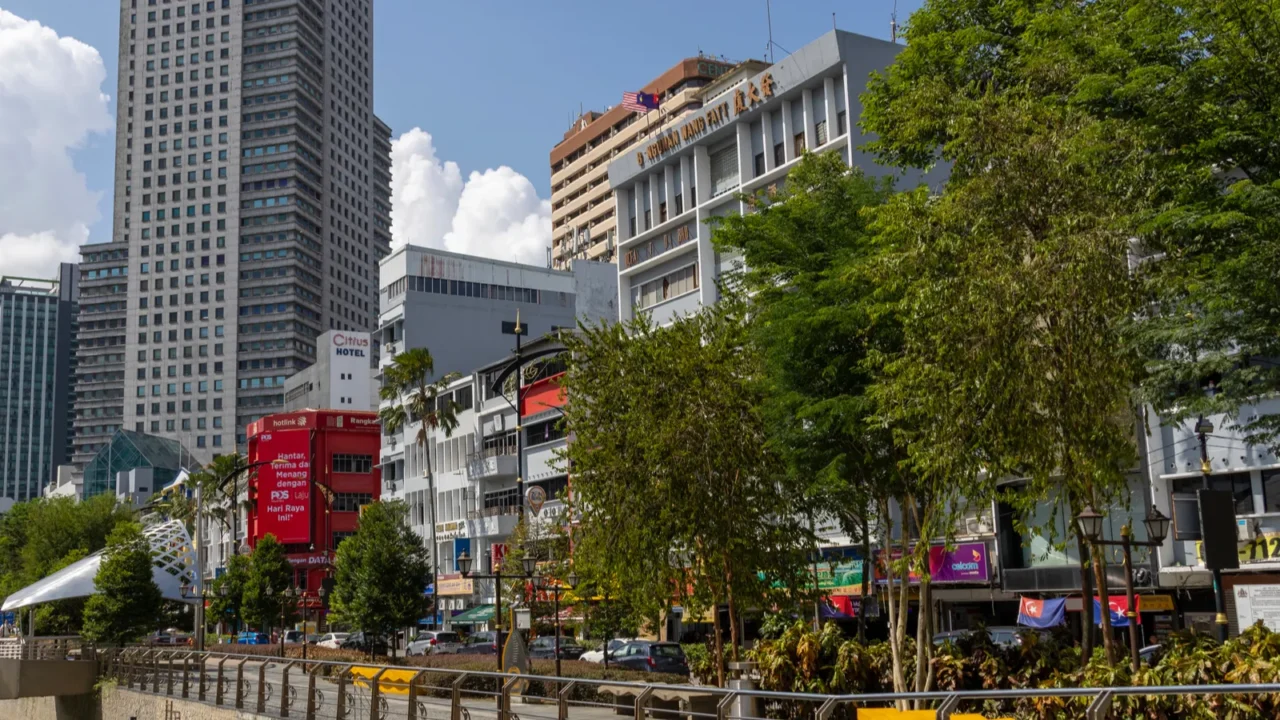
Johor Bahru has a different edge
Johor Bahru appeals for a different reason: location. Its proximity to Singapore gives retirees access to a fast-growing cross-border zone that is being reshaped by the Johor-Singapore Special Economic Zone, whose agreement was formally signed and exchanged in January 2025.
That does not automatically make it the best retirement city. But it does mean the area is likely to benefit from stronger investment, infrastructure, healthcare, logistics, and service growth, which could matter for long-term livability.
Healthcare is part of the pitch
Malaysia’s retirement appeal is also tied to healthcare. The Malaysia Healthcare Travel Council says the country topped a 2025 medical tourism ranking, and the government is openly pushing for stronger global medical travel leadership into 2026.
Language helps too. Malaysia ranked 24th globally in the 2025 EF English Proficiency Index and was reported as one of Asia’s strongest English performers, which can make hospital visits, housing searches, and everyday errands easier for U.S. retirees.
The visa path is not effortless
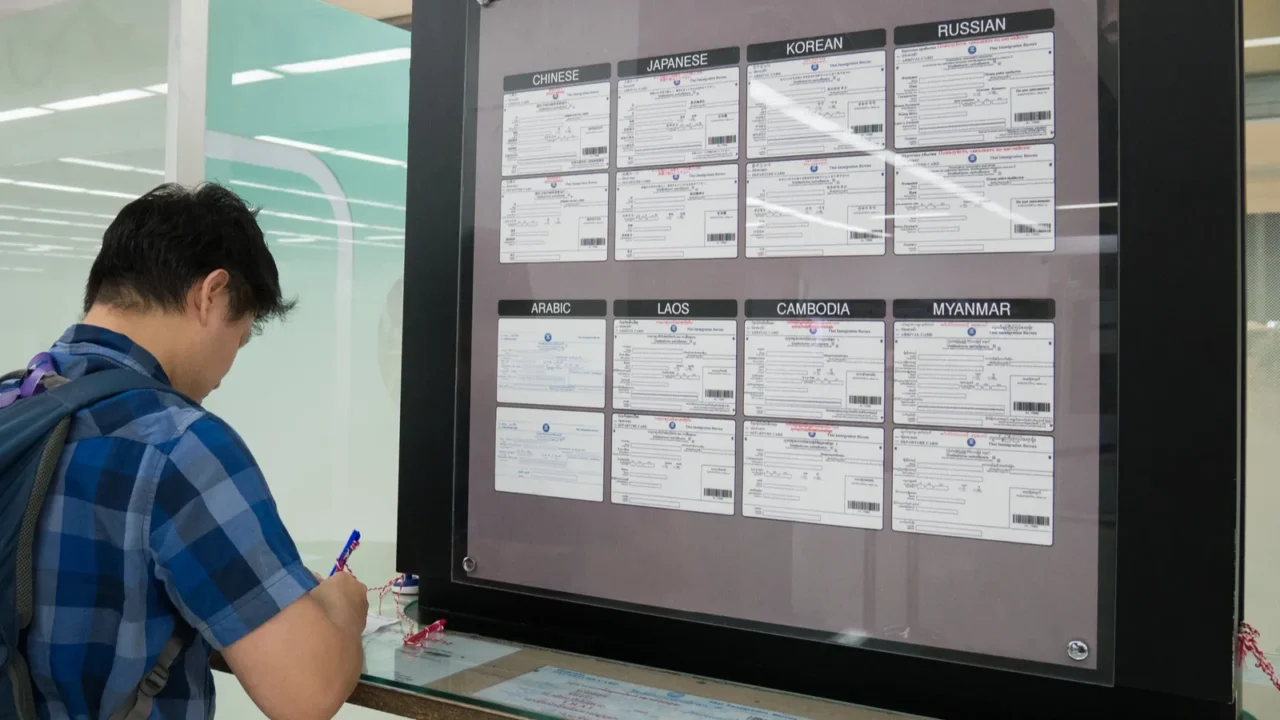
This is where some retire-abroad headlines leave out the hard part. Malaysia’s MM2H program now uses tiered categories, and official guidance says Silver, Gold, and Platinum applicants must be at least 25 and meet sizable fixed-deposit requirements, with different terms by tier.
That means Malaysia may be affordable once you are living there, but entry is not necessarily cheap or simple. For many Americans, the main challenge may be qualifying for the program rather than paying monthly bills after arrival.
For Americans, the trade-off is clear
From a U.S. perspective, Malaysia looks strongest for retirees who want a safer-feeling, lower-cost base without giving up urban comforts. The U.S. State Department currently lists Malaysia at Level 1, its lowest general advisory level, while still noting a higher-risk carveout for part of Sabah.
That is useful context, but it is still a long-haul move. Americans considering Malaysia have to weigh distance from family, time-zone separation, and immigration paperwork against lower costs and a calmer everyday environment.
Sri Lanka’s train journeys are earning fresh praise for views that feel straight out of a travel film. Check out why these scenic routes are being called the most beautiful in Asia.
The bigger trend is still building
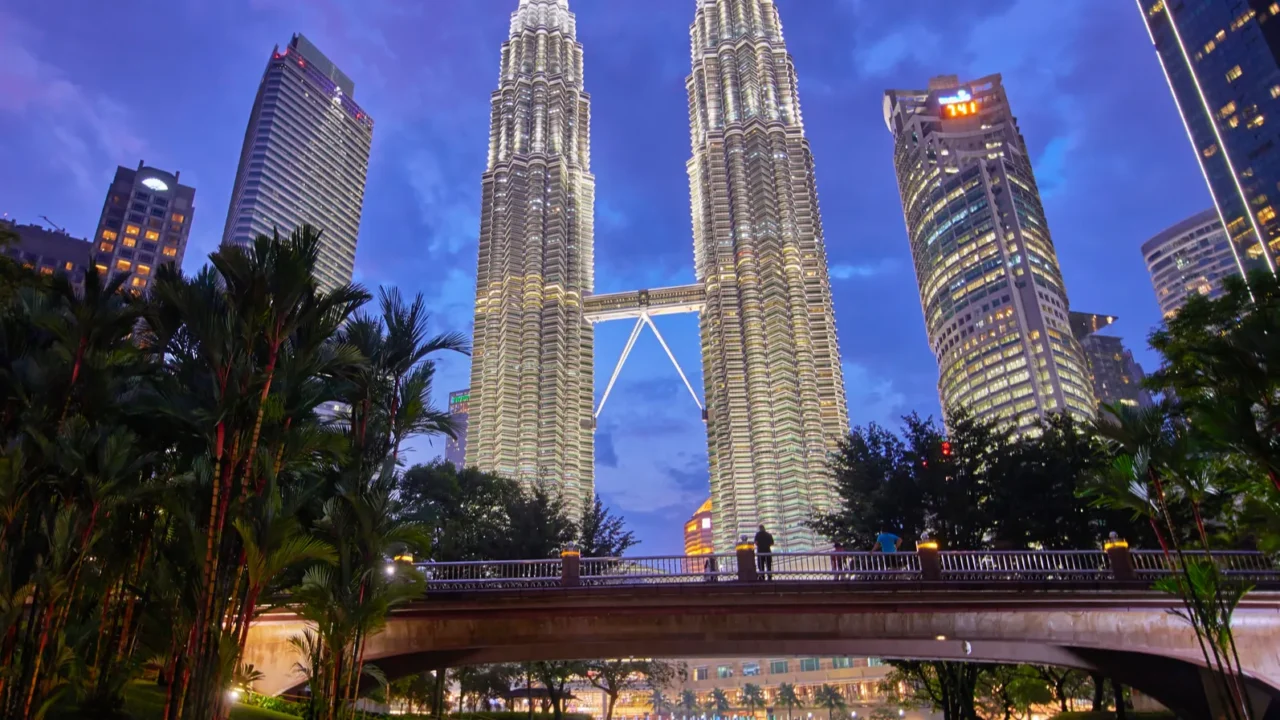
Malaysia’s rise in retirement talk is not happening in a vacuum. he World Bank says the country itself is aging rapidly, projecting that 14% of its population will be 65 or older by 2044 and more than 20% by 2056.
That means demand for retiree-friendly systems is likely to grow, whether the retirees are local or foreign. If Malaysia wants to keep winning attention from overseas seniors, housing, healthcare capacity, and social support will matter as much as rankings.
The world’s busiest international flight routes move millions of travelers every year and reveal where global demand is soaring. Check out which routes topped the rankings by passenger volume.
Would you actually trade a familiar retirement in the U.S. for lower costs and a potentially calmer daily life in Malaysia? Share your thoughts and your view in the comments.
This slideshow was made with AI assistance and human editing.
Don’t forget to follow us for more exclusive content right here on MSN.
Read More From This Brand:
