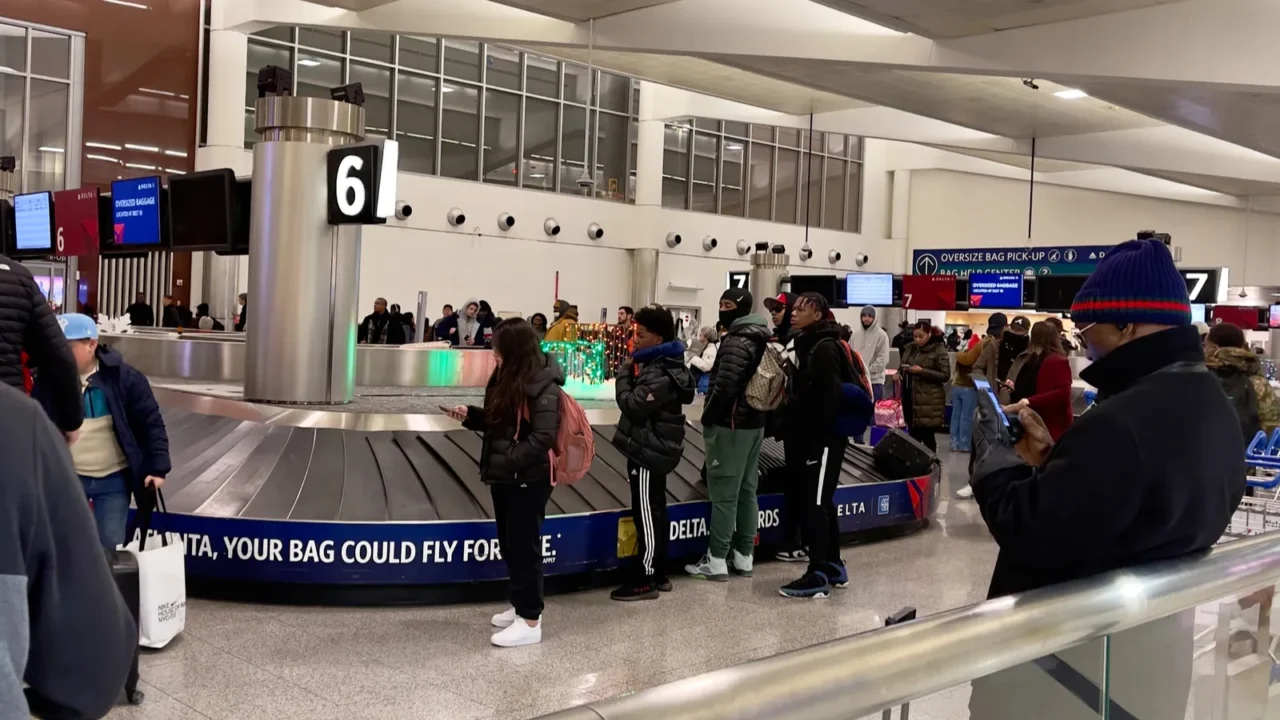
ATL biometric boarding expansion
Hartsfield-Jackson Atlanta International Airport announced an expansion of biometric boarding to all international departures starting in 2025. The project builds on existing facial recognition screening, previously limited to certain airlines such as Delta Air Lines. The goal is to improve efficiency and reduce reliance on physical documents during boarding processes.
Airport leaders say the expanded system will cover every airline at ATL’s international gates by late 2025. Biometric boarding replaces passport and ticket presentation with a facial scan match. Officials hope the move will speed up processing during busy travel periods.
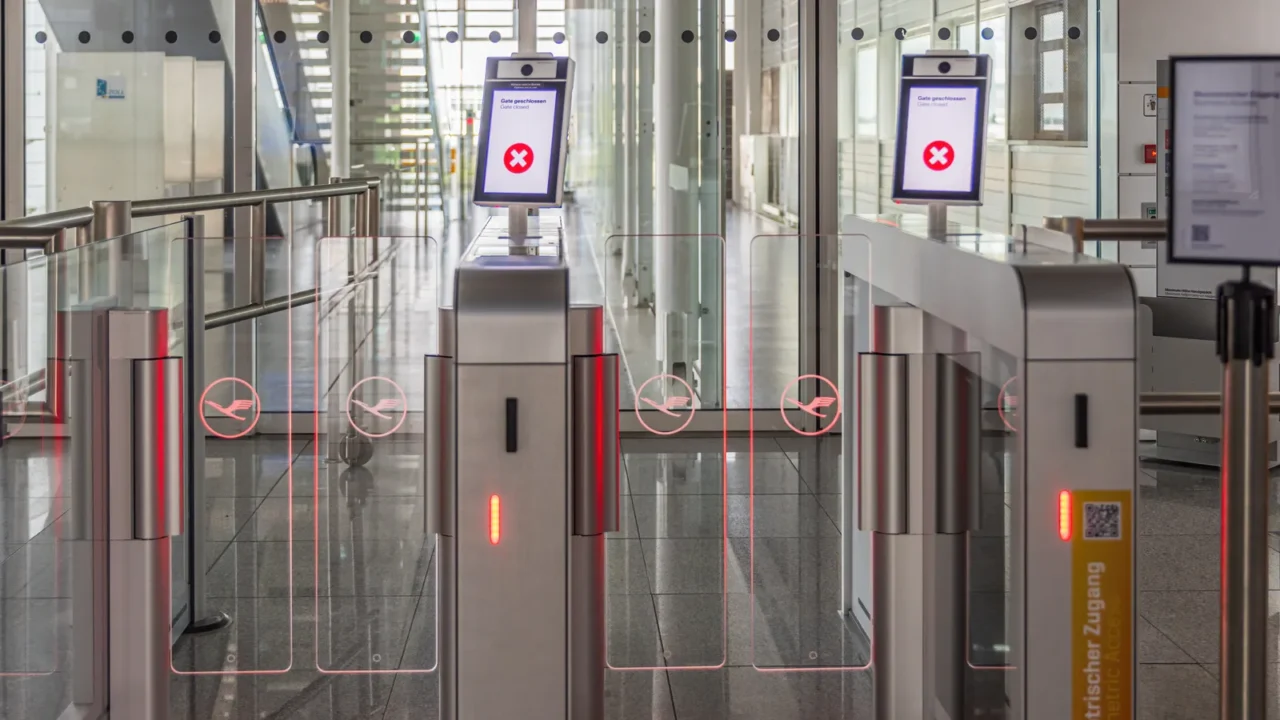
What biometric boarding means
Biometric boarding uses facial recognition to verify a traveler’s identity instead of manually checking passports and boarding passes. This builds on technology already used on some international flights at ATL. The system operates with data from U.S. Customs and Border Protection (CBP).
CBP matches live photos against stored passport and visa images. This allows for real-time verification at the gate without airline staff checking physical documents. Travelers may still opt out and board traditionally if preferred.

ATL’s role as busy hub
Hartsfield-Jackson remains one of the busiest airports in the world and a critical connection point for international travel. Millions of passengers depart from ATL on international flights each year. High volume underscores the need for efficient boarding systems.
Expansion of biometrics reflects broader efforts to modernize airport processes. ATL’s international growth includes new routes and increasing demand from global markets. Faster boarding could help reduce congestion.
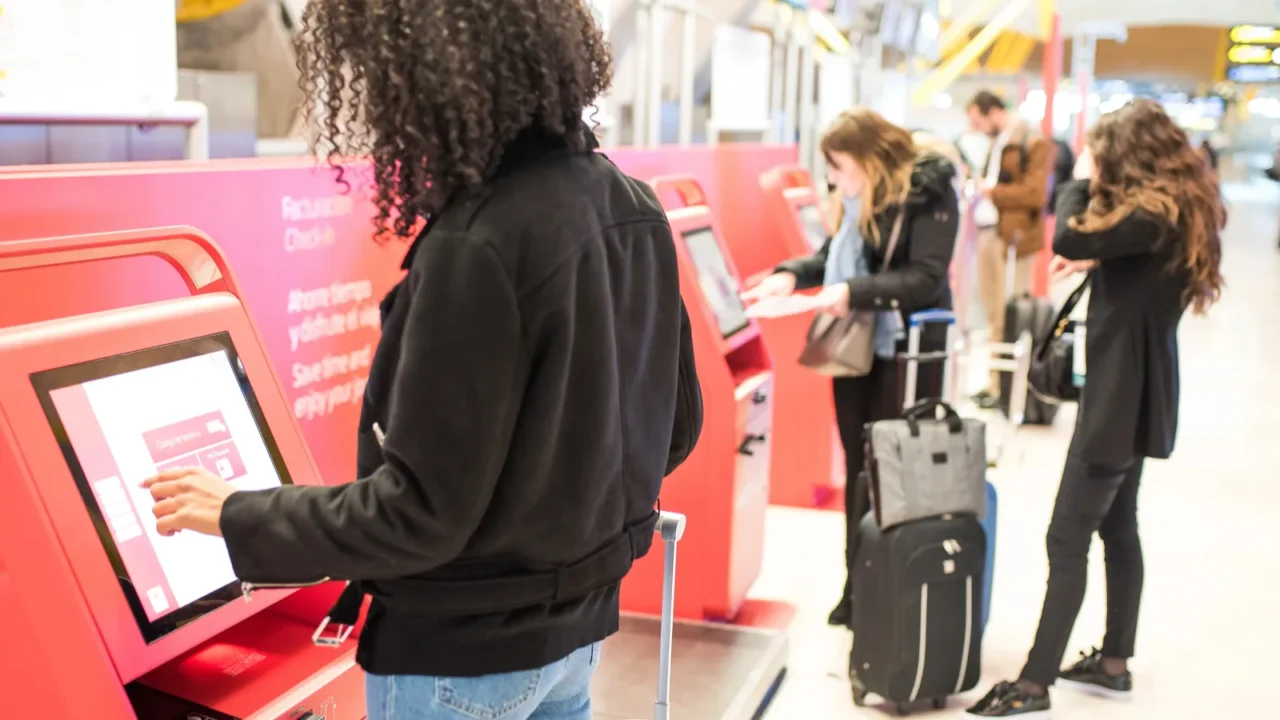
Biometric boarding in practice
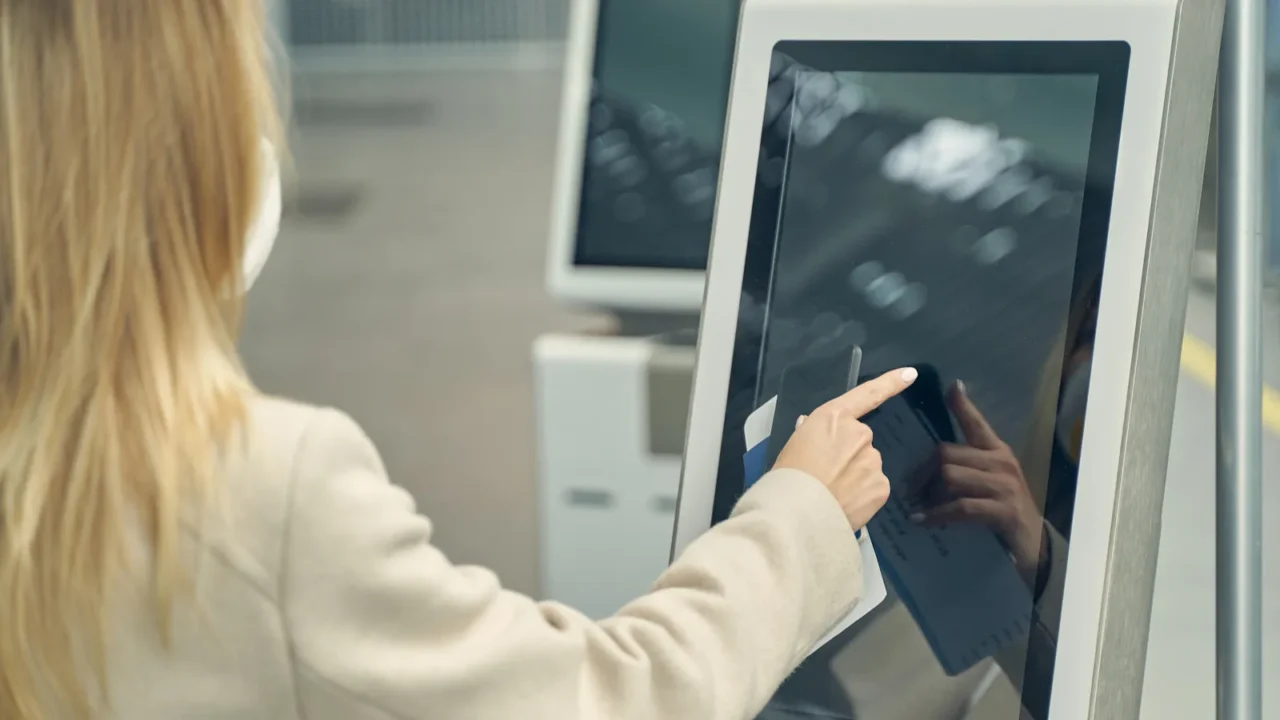
When biometric boarding systems are active, passengers check in as normal with their airline. After check-in, a camera captures their live face image. The system compares this image to stored photos associated with travel documents.
Once the match succeeds, passengers proceed directly to boarding. This saves time that would be spent presenting and checking physical documents. Ground staff remains available to assist when needed.

Impact on document handling
Biometric boarding reduces the need for physical passport presentation at the gate. That can lower touch points and speed boarding flows. This change builds on similar tech used earlier at security checkpoints.
Passengers still complete traditional security screening at TSA lanes. Identity checks through biometric systems simply replace manual ID matching. Advocates say this makes travel more seamless and consistent.
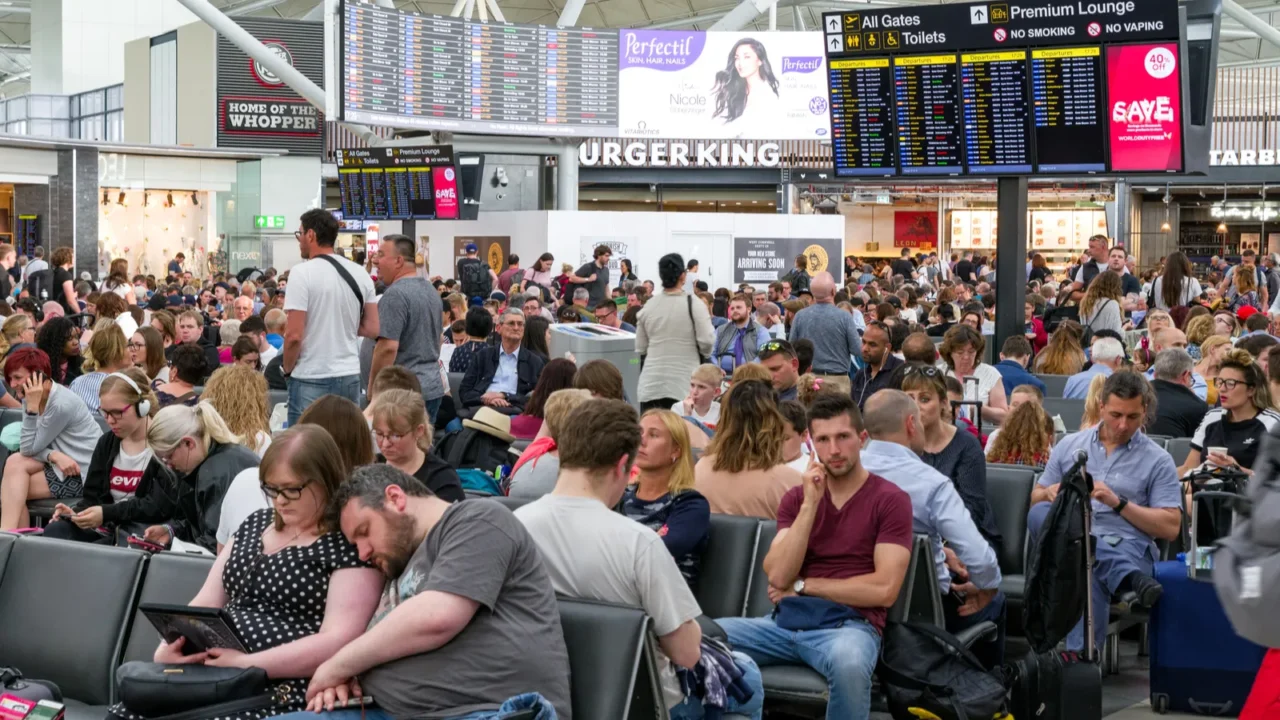
Massive passenger volume
Atlanta’s airport handles massive travel volumes each year, making processing speed crucial during peak months. Many international departures now use biometric checks to streamline identity verification.
Fun fact: ATL served over 108 million passengers in 2024, highlighting why efficient systems matter so much. Biometric boarding aims to shave seconds off individual processes that add up across millions of travelers. High volumes drive the need for constant innovation.
International departures
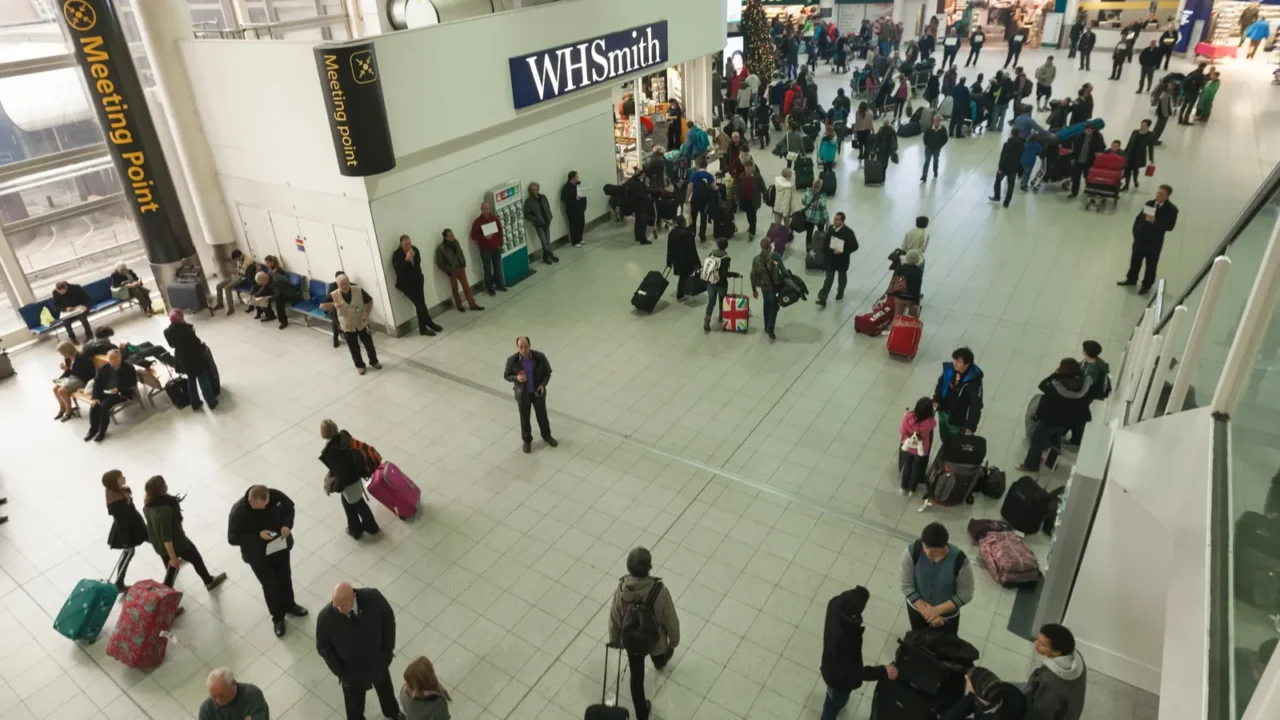
Biometric boarding is especially important for international travelers leaving the U.S. because traditional document checks take longer. Atlanta’s biometric rollout builds on earlier pilots with certain airlines.
Fun fact: Through the first four months of 2025, about 2.3 million passengers boarded international flights at ATL — growth that highlights why time-saving measures at the gate are operationally meaningful (the passenger count itself does not by itself prove efficiency gains from biometrics).
Does it save time overall?
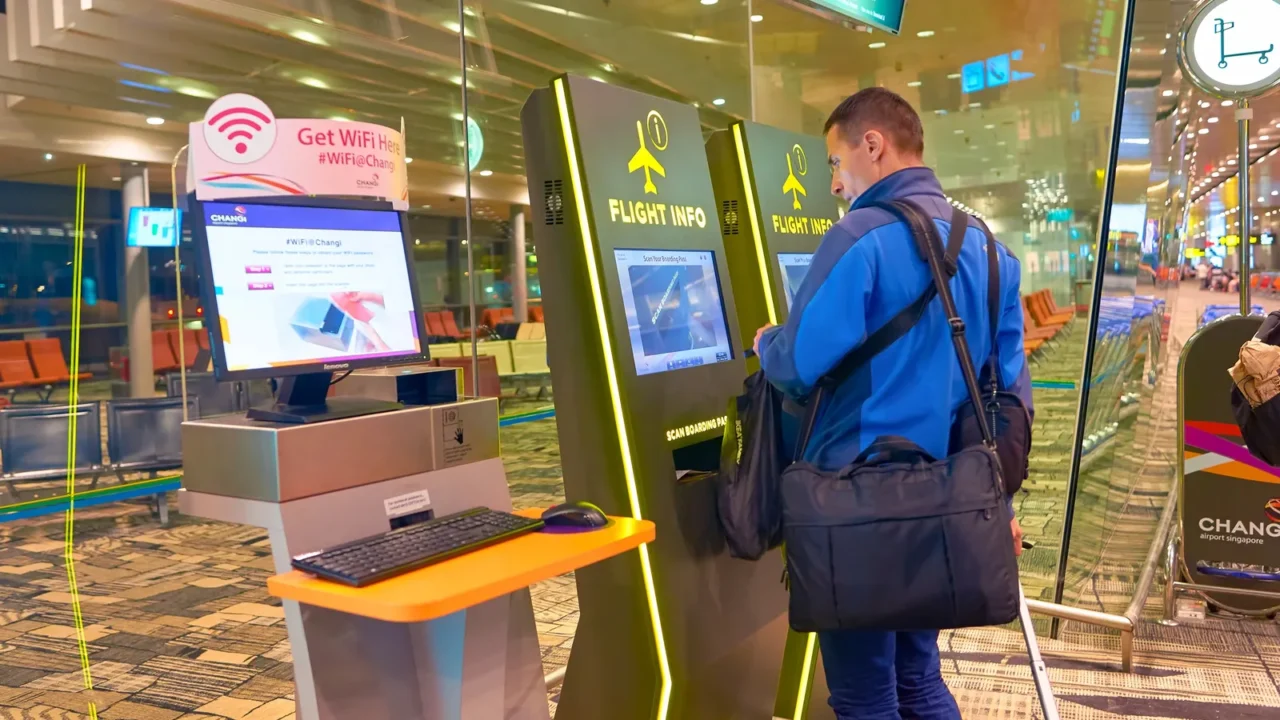
One of the core questions is whether biometric boarding really saves travelers time. Experts say speed gains at the gate may be modest per individual. However, removing manual checks can trim blocks of time at scale.
ATL officials argue that even a few seconds saved per passenger adds up to millions of passengers boarding each year. The benefits are most visible during peak departure waves. Some travelers may notice smoother processes.
Checkpoint vs boarding gains
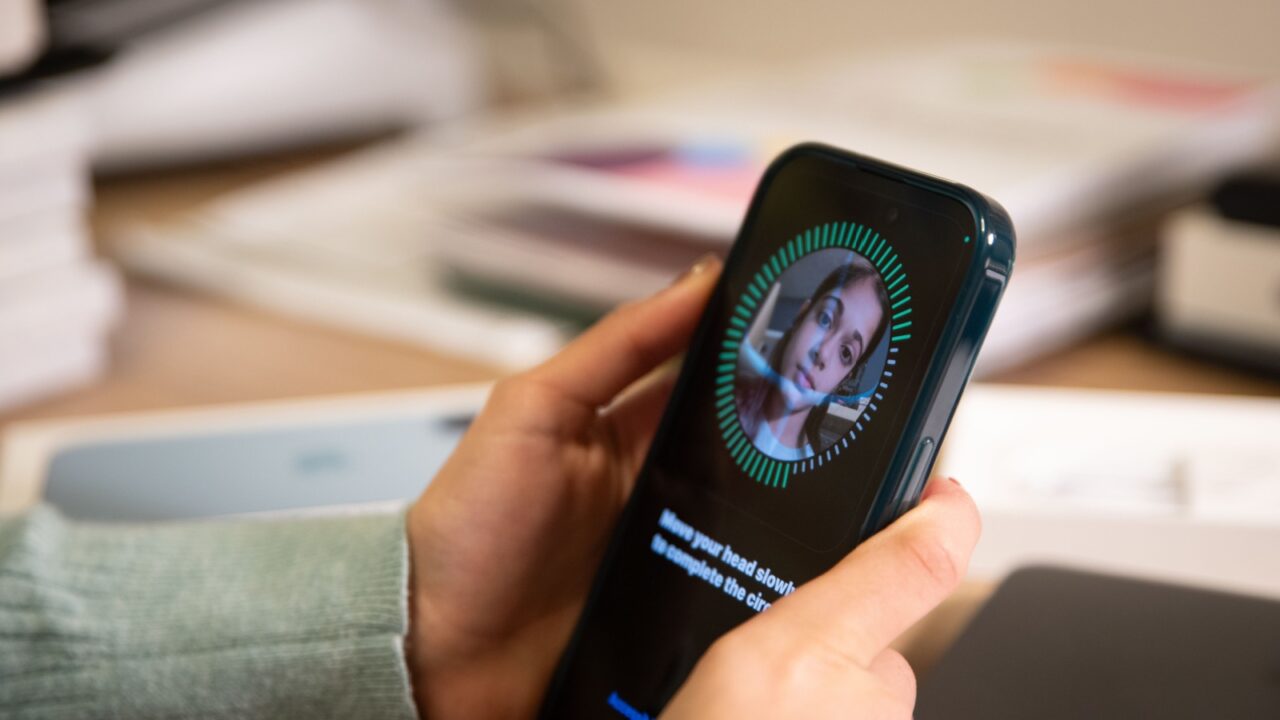
Biometric boarding does not replace security screening at TSA checkpoints. Programs like TSA’s PreCheck Touchless ID use similar technology earlier in the airport process. These technologies together aim to reduce both security wait times and boarding friction.
Touchless ID and biometric eGates pilots are underway to hasten identification steps at security. By spreading biometric use across stages, passengers could see larger cumulative time savings. Each airport technology works with existing screening rules.
Privacy and concerns
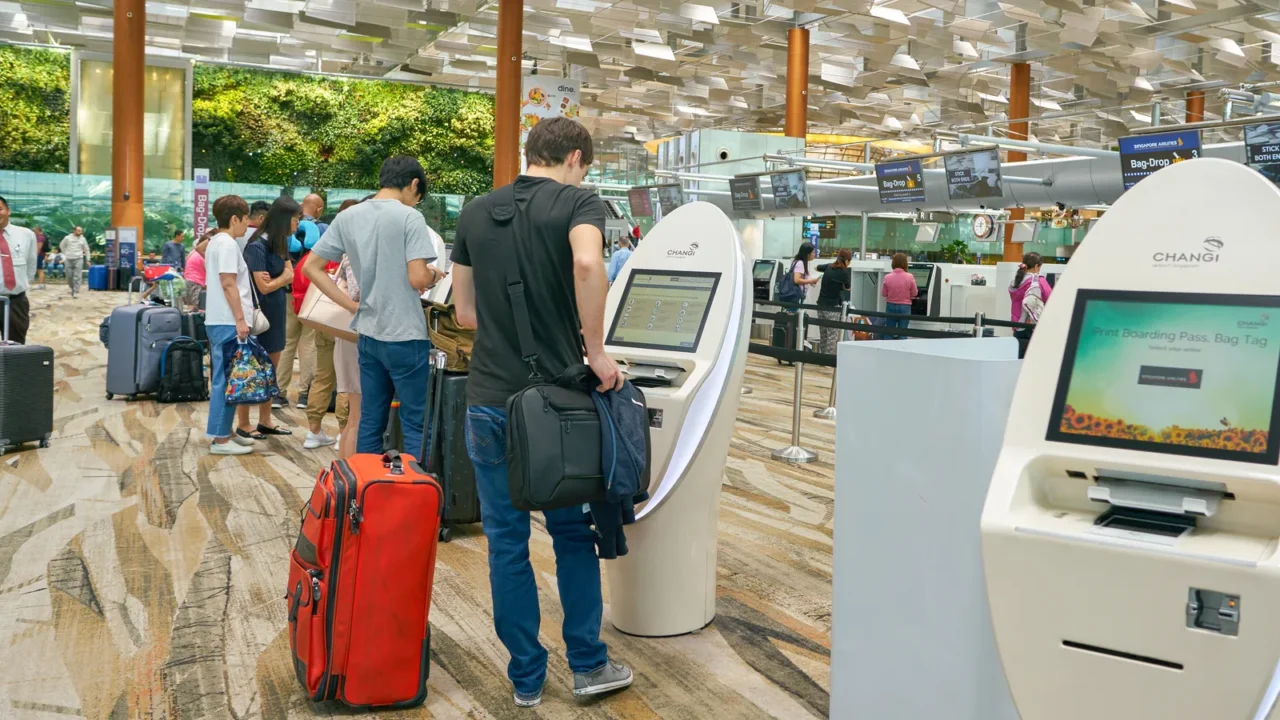
Biometric systems raise questions about data privacy and security. Agencies emphasize that biometric matching remains controlled by government authorities like CBP. Officials also allow travelers to opt out and use traditional boarding checks.
Some privacy groups have called for more federal oversight of biometric use at airports. These debates continue even as adoption grows. Transparency and data handling policies remain under discussion.
Future of airport tech
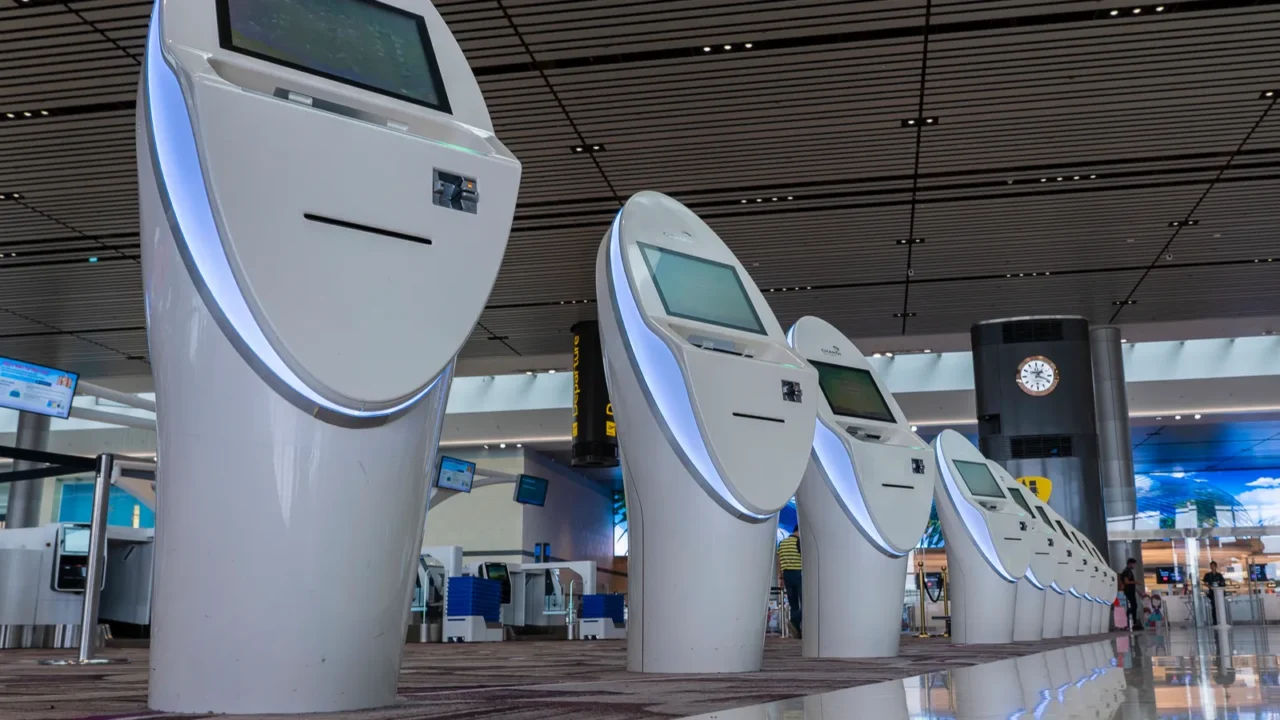
Airport leaders see biometrics as part of a broader modernization trend. Automated boarding, touchless ID, and facial recognition at checkpoints point toward a more digital travel experience. Airports are launching facial recognition boarding systems globally, and some rollouts are being accelerated ahead of major events such as the 2026 FIFA World Cup in North America.
Technology growth will likely continue beyond the boarding processes. Future systems could include digital travel credentials and AI‑assisted flows. These advancements aim to balance speed, security, and convenience.
Will it improve travel planning?
Biometric boarding at ATL reflects how airports are adapting to high volumes and traveler expectations. The expansion may not transform every traveler’s experience overnight, but it signals a shift toward automation. Identity verification that reduces manual steps shows early promise.
Combining biometric boarding with other digital tools could make travel more predictable. The emphasis remains on balancing convenience with security and privacy.
Which part of the airport experience feels most improved by these technologies this year? Share thoughts below.
This slideshow was made with AI assistance and human editing.
Don’t forget to follow us for more exclusive content right here on MSN.
Disclaimer: The images used are for illustrative purposes only and do not depict the actual locations mentioned.
Read More From This Brand:
