Asia’s Cities rewrite rankings
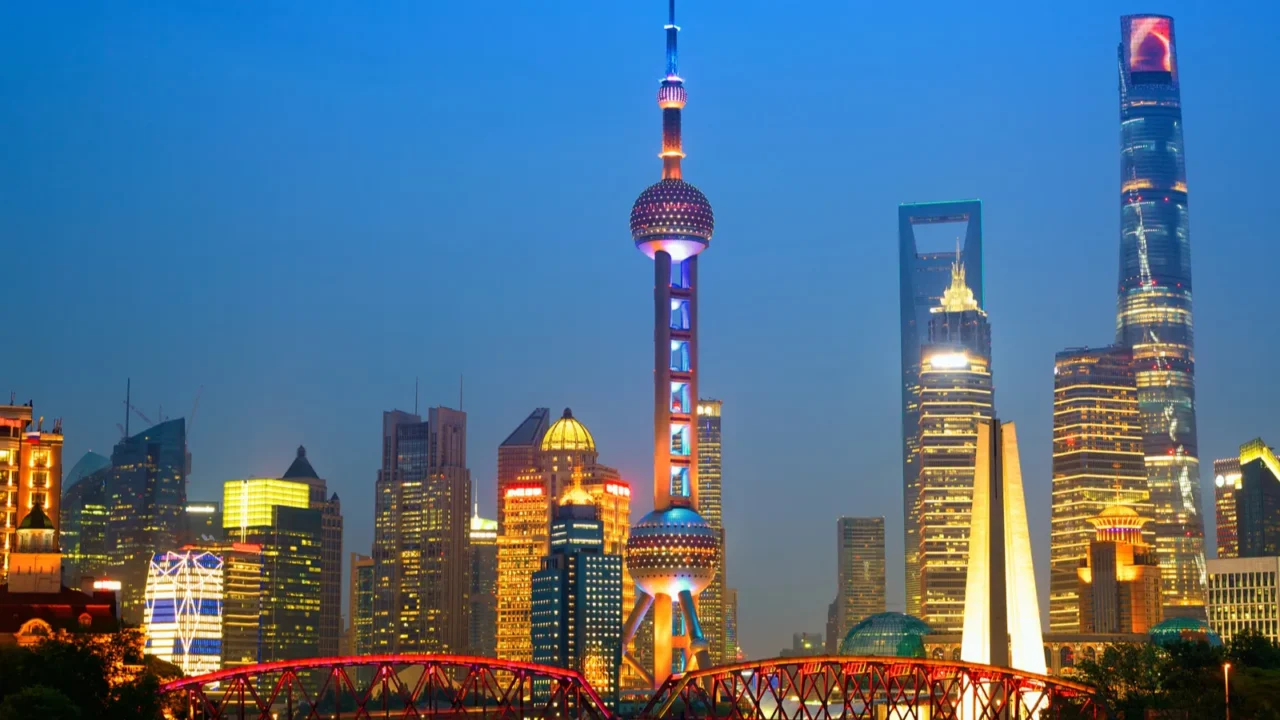
Bangkok and Shanghai have surpassed Tokyo in Time Out’s 2026 Best Cities in the World ranking, marking a historic shift in Asia’s urban hierarchy. The annual survey, which gathered responses from over 24,000 residents across 150 cities globally, ranked Shanghai second and Bangkok eighth worldwide. Tokyo, long considered Asia’s premier metropolis, now ranks tenth, trailing rivals that have transformed their cultural appeal at an extraordinary pace.
The ranking draws on survey responses about factors such as food, nightlife, culture, affordability, happiness, and quality of life, alongside votes from Time Out city experts. Bangkok and Shanghai each scored higher than Tokyo in key lifestyle and cultural categories, signaling a broader transformation in how global residents and travelers perceive Asian destinations.
Bangkok’s bold urban transformation
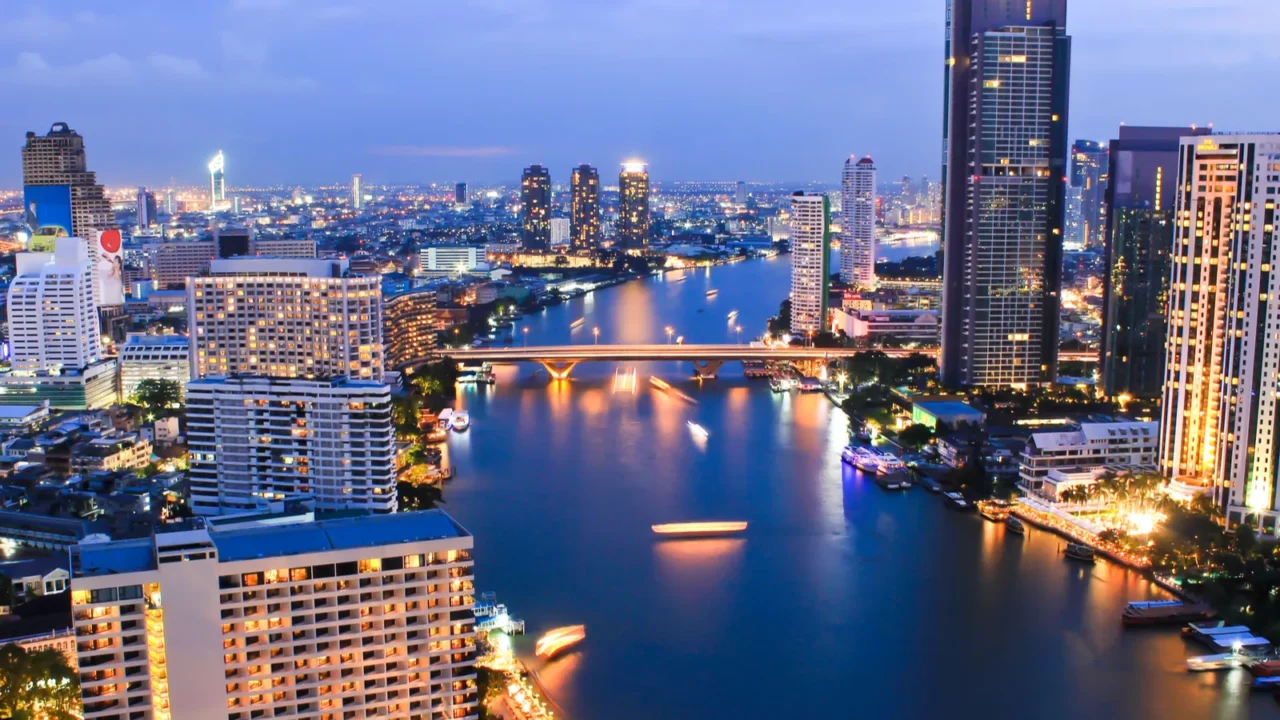
Bangkok, the capital of Thailand, has evolved from a chaotic Southeast Asian market city into a sophisticated global hub that consistently dazzles international visitors and urban analysts alike. The city’s investment in cultural infrastructure, world-class hospitality, and a rapidly expanding creative economy has elevated its reputation far beyond its identity as a budget backpacker destination. Today, Bangkok commands serious respect as one of the most dynamic and energetic cities anywhere on the planet.
Thailand’s first international contemporary art gallery opened in Bangkok at the end of 2025, signaling the city’s arrival as a genuine cultural capital. A thriving food scene, a community spirit praised by younger residents, and a packed calendar of global events have combined to push Bangkok into the global top ten. The city’s events calendar continues to expand, and Thailand is pursuing a bid to host a Formula 1 street race in Bangkok from 2028.
Shanghai’s global cultural surge
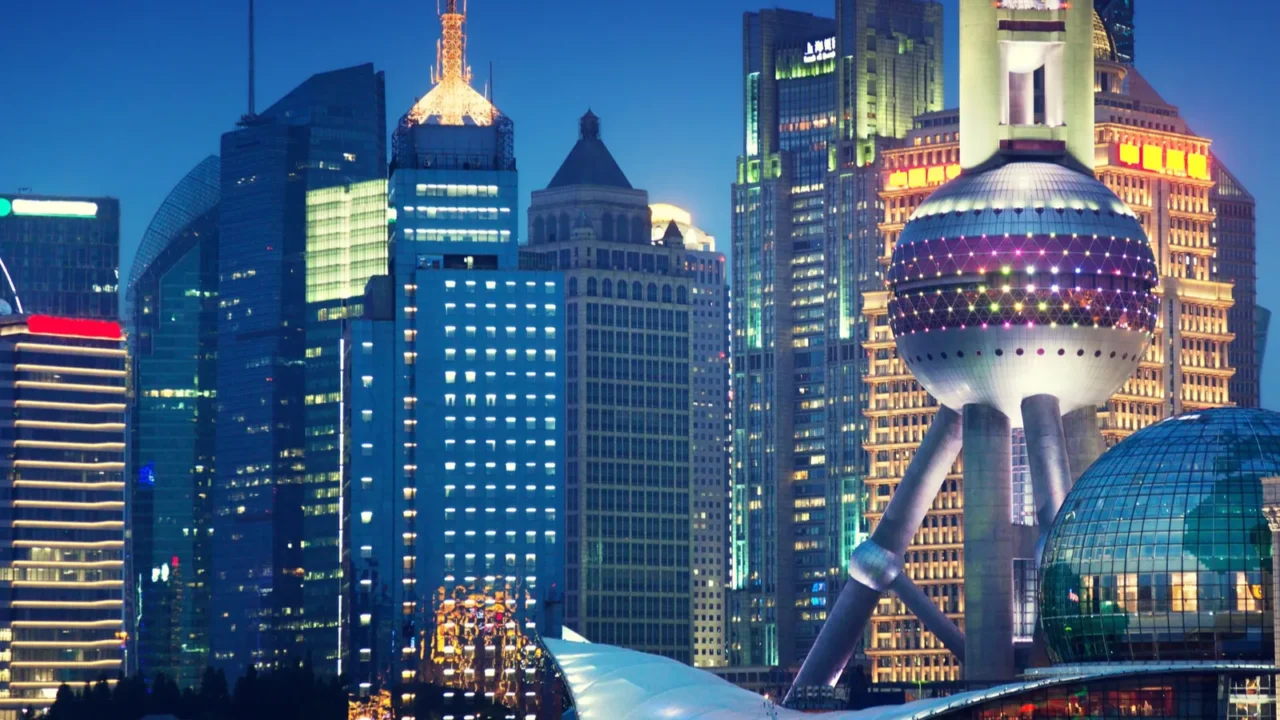
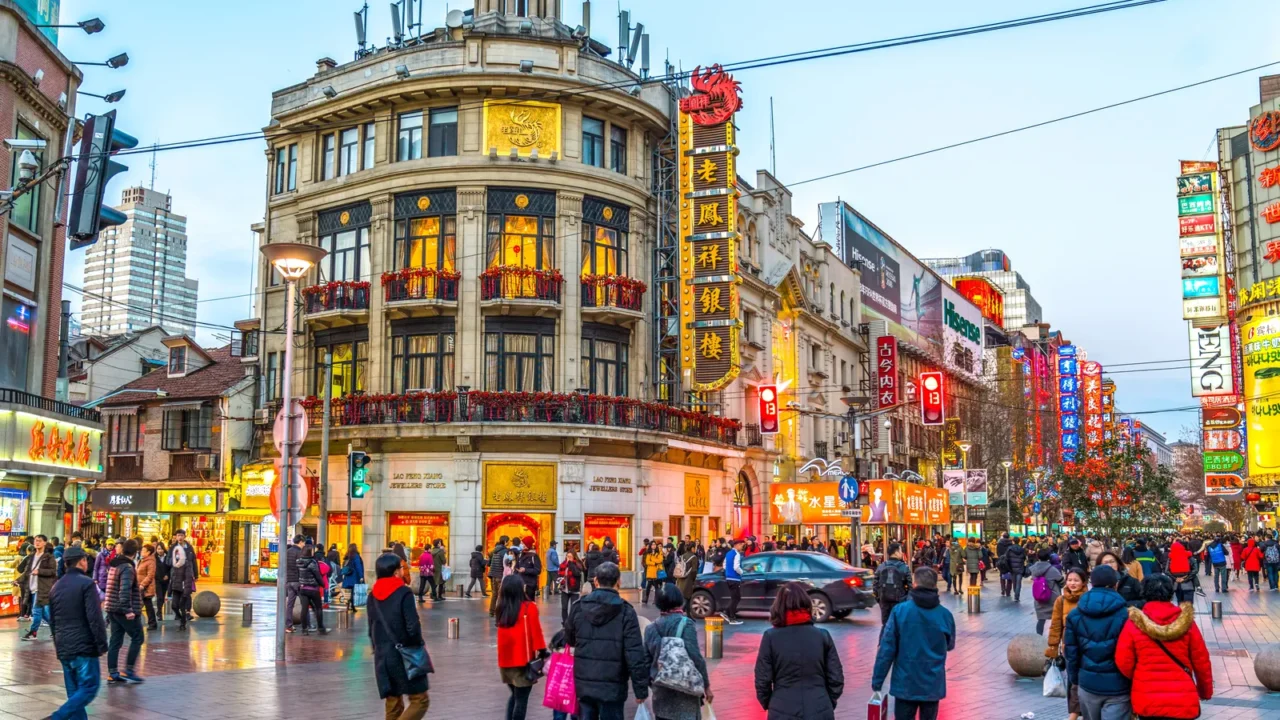
Shanghai stands as China’s economic engine and one of the most architecturally striking cities on Earth. The iconic Pudong skyline, featuring the Oriental Pearl Tower, the Shanghai Tower, and the Jin Mao Tower, offers a visual statement of ambition that few cities in the world can rival. Its position as a global financial and cultural center continues to strengthen as international visitors take advantage of China’s expanding visa-free entry, now available to citizens of over 50 countries.
Beyond finance, Shanghai has cultivated an extraordinary urban lifestyle that locals genuinely love. The city received the highest overall affordability score in Time Out’s 2026 ranking, with 88 percent of residents agreeing that eating out is cheap and 90 percent saying the same for coffee and cinema. Specialty cafes, inventive cocktail bars, and a cycling-friendly layout make daily life feel effortless. Shanghai is a city where futuristic skylines and colonial-era architecture exist side by side without apology.
Tokyo still captivates the world
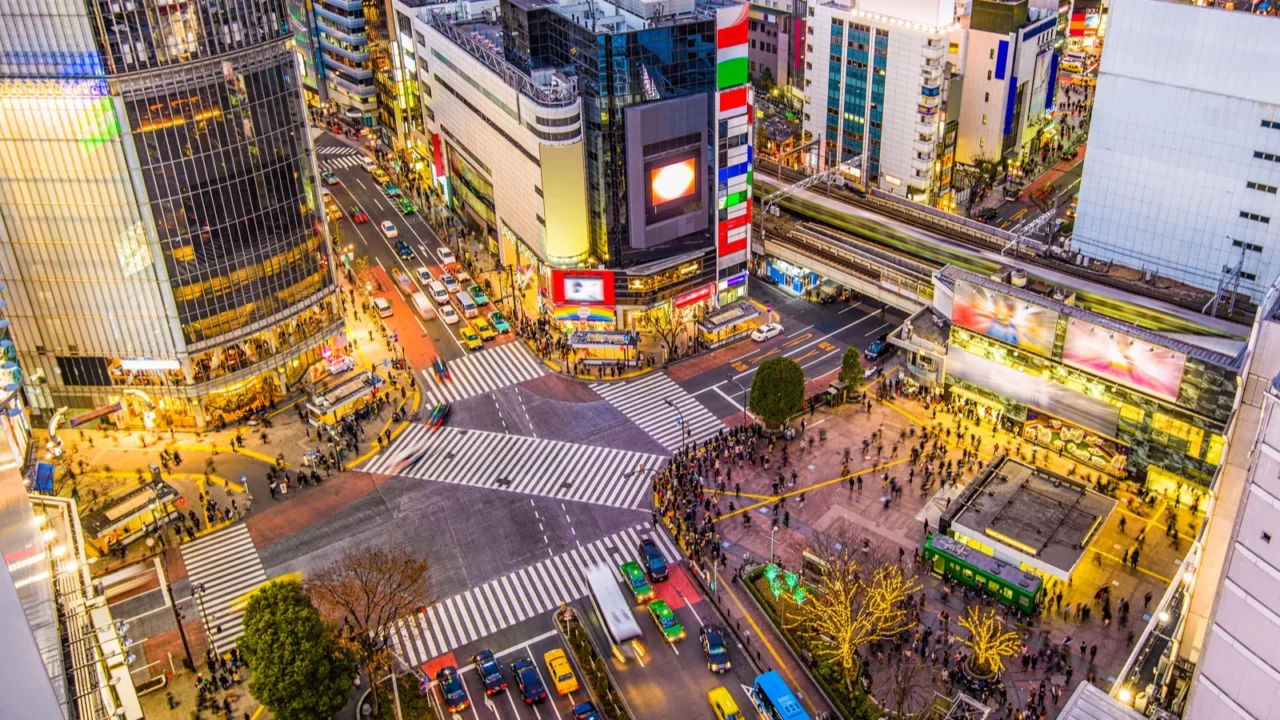
Despite slipping to tenth place in Time Out’s 2026 global ranking, Tokyo remains one of the most beloved cities on the planet and continues to hold an extraordinary status among travelers and urban experts. The Japanese capital is home to the world’s coolest neighborhood, Jimbocho, more Michelin-starred restaurants than any other city on Earth, and a fashion scene that moves at bullet-train speed. Time Out staff themselves voted Tokyo their joint-favorite city for 2026.
Tokyo’s younger generation is deeply attached to their city, with 91 percent of under-30 residents saying they are happy living there. Summer brings traditional festivals like the 400-year-old Fukagawa Matsuri, while the city’s museums are delivering one of the most ambitious exhibition slates in recent memory. The first-ever permanent open-air Pokémon theme park has opened, adding yet another layer to a city that constantly reinvents itself. Tokyo’s drop in rankings tells only a fraction of the full story.
Bangkok eats its way up
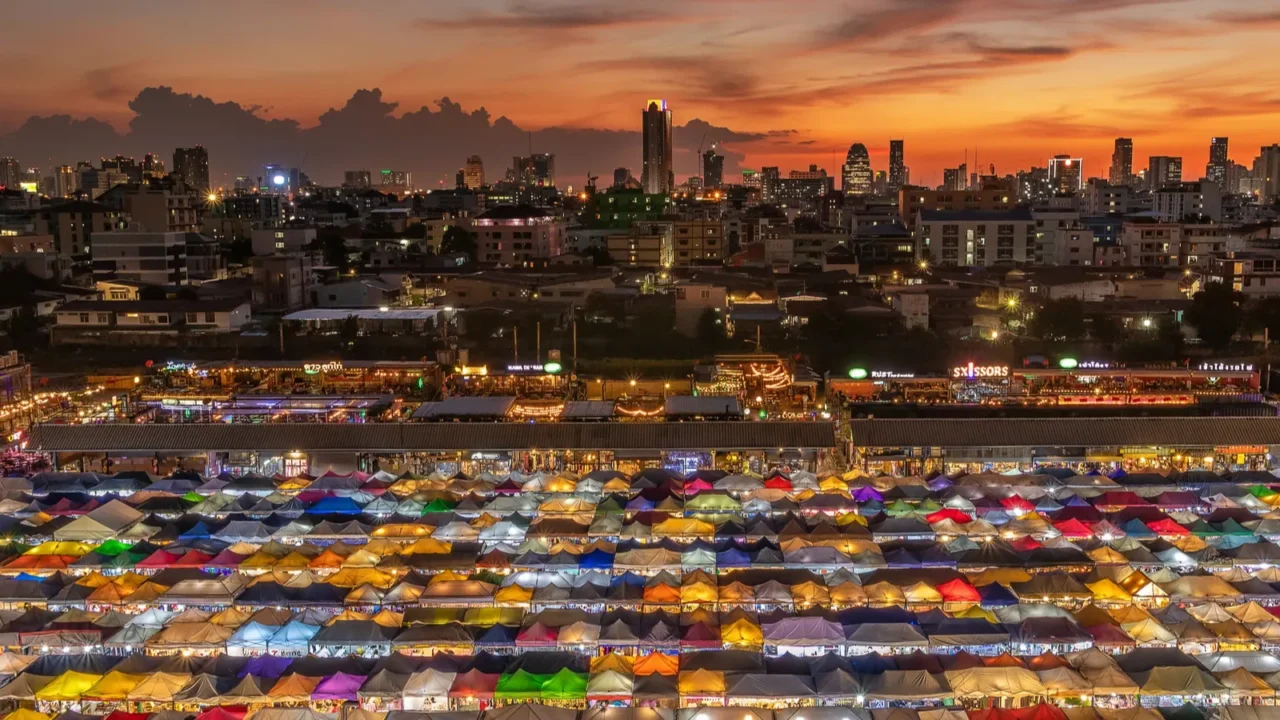
One of the most powerful forces behind Bangkok’s rising global status is its food culture, consistently recognized as among the world’s finest by residents and international critics alike. Street food stalls serving pad kra pao, boat noodles, and mango sticky rice operate steps away from rooftop restaurants helmed by celebrated chefs. Bangkok’s food scene earned top marks in the Time Out 2026 survey, with an overwhelming majority of locals rating it as one of the city’s greatest strengths.
Bangkok’s Yaowarat Road, the city’s historic Chinatown, transforms after dark into one of the most electrifying food corridors on Earth. Vendors set up grills, woks, and bamboo steamers along narrow lanes while locals and international visitors compete fiercely for the best bites. The Or Tor Kor fresh market near Chatuchak is considered Thailand’s finest produce destination, drawing food journalists and culinary travelers from around the world. Bangkok feeds both the body and the imagination in ways few cities ever attempt.
Shanghai ranked second worldwide
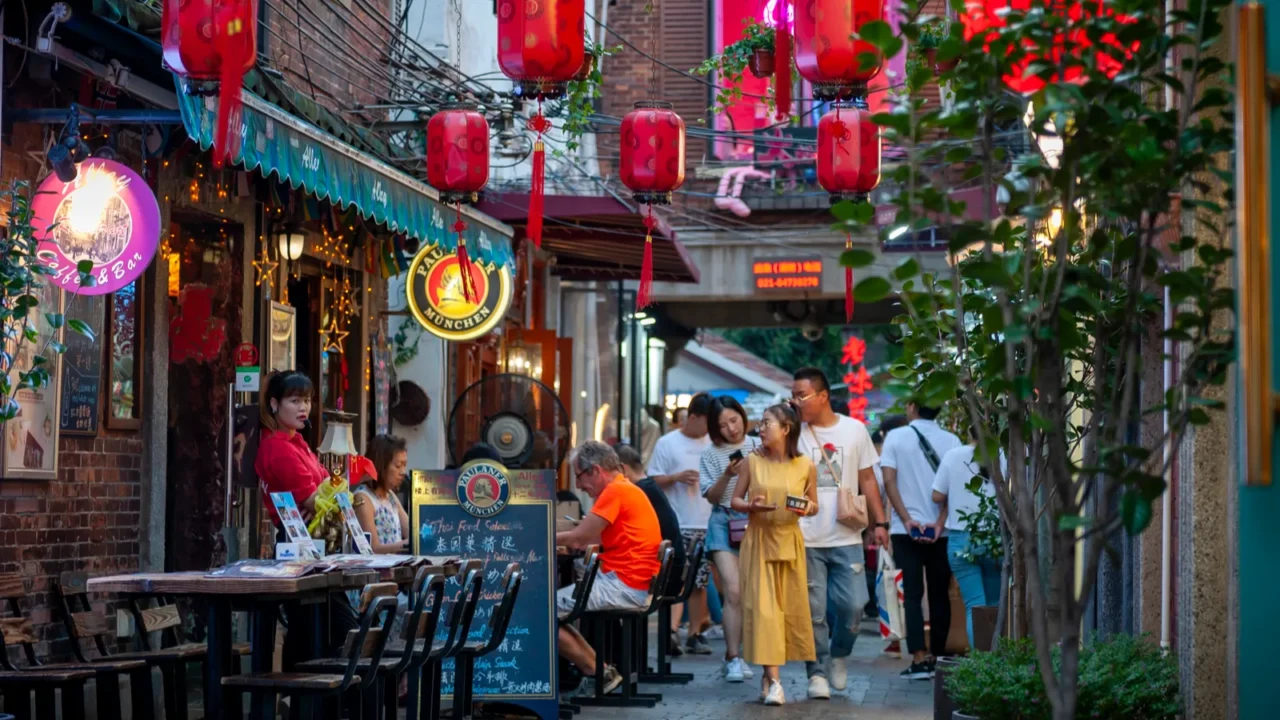
Shanghai’s rise to second place in Time Out’s 2026 Best Cities in the World ranking matches the highest global finish achieved by an Asian city in the survey so far. The city climbed from ninth place in 2025 to second in 2026, a leap that reflects its growing international appeal, relaxed visa policies, and an urban lifestyle that locals describe as both affordable and culturally rich. Shanghai is now firmly the benchmark against which all other Asian cities are measured.
The survey asked over 24,000 residents across 150 cities about food, nightlife, culture, affordability, and happiness. Shanghai dominated in affordability, with 78 percent of locals saying cycling around the city is easy, and 90 percent praising how cheaply they can enjoy cinema and coffee.
Fact: Shanghai climbed from 9th place in 2025 to 2nd in 2026 on Time Out’s Best Cities list, the steepest upward climb of any city across the survey’s entire ten-year history.
Bangkok’s temples still hypnotize
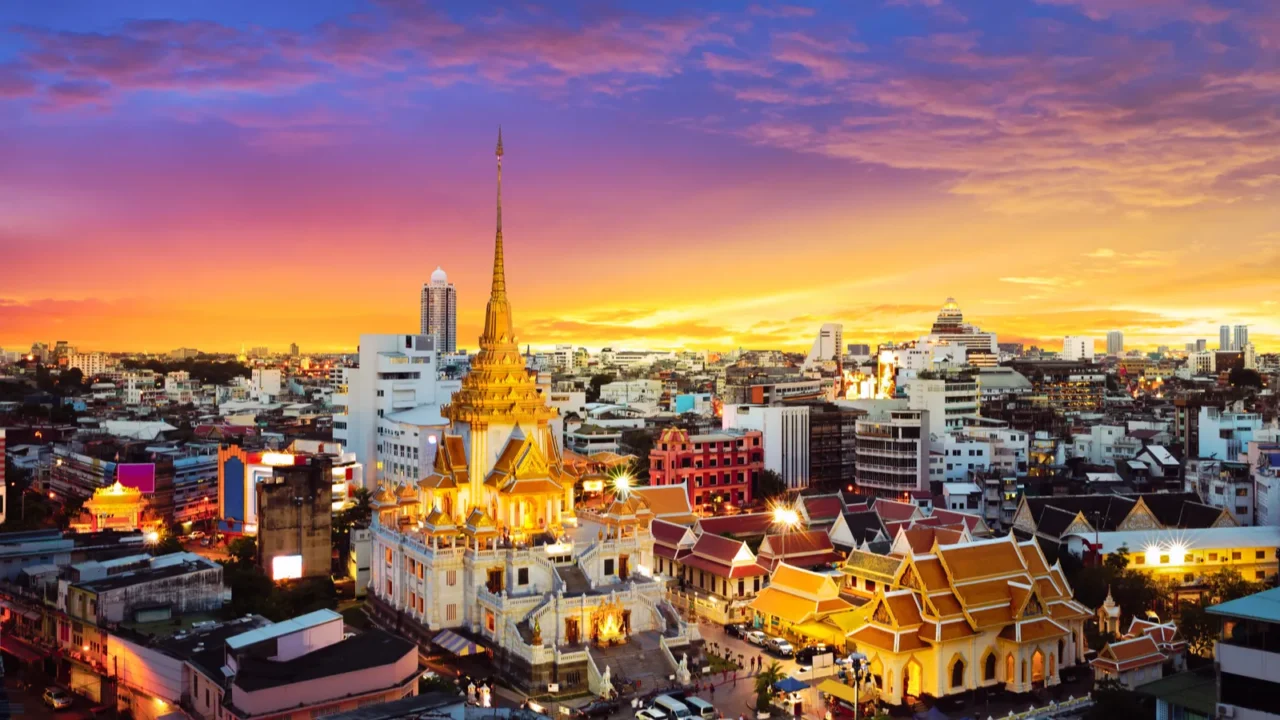
No rise in Bangkok’s global ranking changes what has always made the city spiritually magnetic: its extraordinary collection of Buddhist temples that have stood for centuries as anchors of Thai identity and architectural brilliance. Wat Phra Kaew, located within the Grand Palace complex, houses the Emerald Buddha, Thailand’s most sacred religious image. The temple’s intricate mosaic walls, golden spires, and mythical guardian figures overwhelm even the most seasoned travelers arriving without any prior expectation.
Wat Arun, the Temple of Dawn, rises dramatically from the west bank of the Chao Phraya River and takes on different personalities depending on the hour. At sunrise, it glows softly against the sky; by night, it stands illuminated like a monument from another world entirely. Wat Pho, home to the massive Reclining Buddha, combines deep religious significance with one of Bangkok’s most respected traditional massage schools. These temples are living expressions of a culture that has always known exactly who it is.
Rankings reveal what cities feel
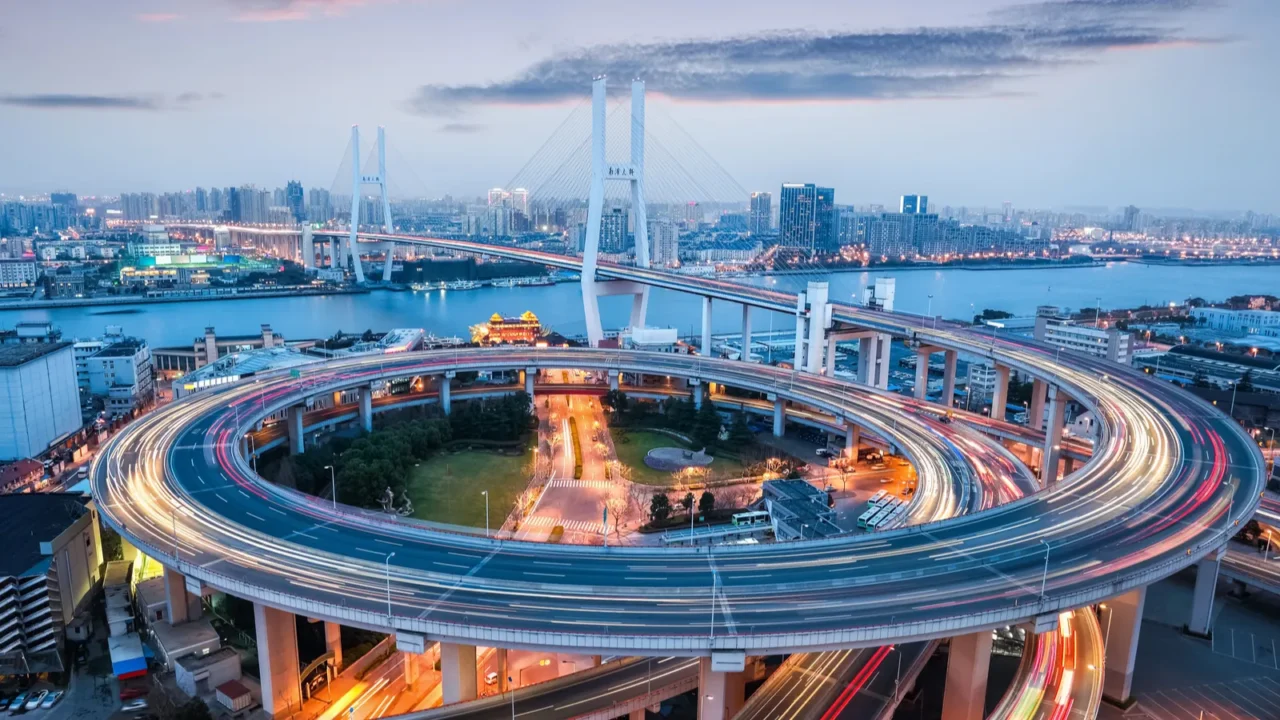
What separates Time Out’s 2026 Best Cities ranking from traditional indices is its foundation in real human experience rather than economic data alone. The survey asked over 24,000 residents across 150 cities to describe what life in their city actually feels like day to day, covering food, culture, nightlife, affordability, and personal happiness. The result is a ranking that rewards cities people genuinely love living in, not simply cities that perform well on paper or generate impressive financial statistics.
This methodology explains why Shanghai and Bangkok leaped ahead of Tokyo in 2026. Both cities scored exceptionally well in affordability, cultural energy, and community feel among younger residents. Tokyo, despite being home to the world’s highest concentration of Michelin-starred restaurants and ranking as a Time Out staff favorite, could not match the lived-experience scores delivered by its two Asian rivals. When cities are judged by the happiness of the people inside them, the results can surprise even the most confident observers.
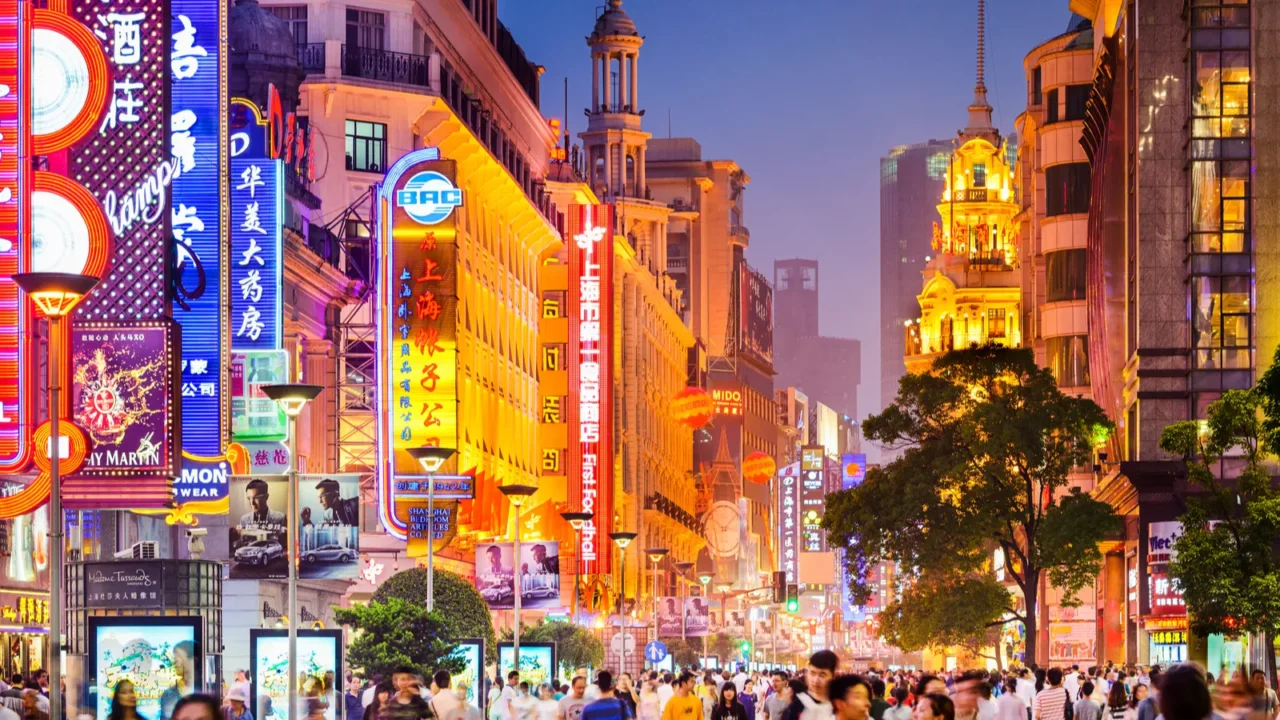
Shanghai’s night scene dazzles
When the sun disappears behind Shanghai’s skyline, the city shifts into a version of itself entirely different from its daytime financial persona. The Bund promenade fills with visitors gazing at the luminous Pudong skyline reflected across the Huangpu River in a scene that has become one of the most photographed urban vistas on Earth. Rooftop bars atop heritage buildings offer cocktails served against that glittering backdrop, creating evenings that feel almost cinematically composed for anyone fortunate enough to witness them.
The former French Concession after dark becomes a labyrinth of jazz clubs, craft cocktail bars, and intimate restaurants tucked inside restored lane houses. International bar brands, including Coa and Bar Leone, have opened second outposts in Shanghai, a clear signal that the global nightlife industry considers the city a serious destination. Specialty cafes operate late into the night alongside inventive dining concepts that blend Eastern and Western culinary traditions with genuine creativity.
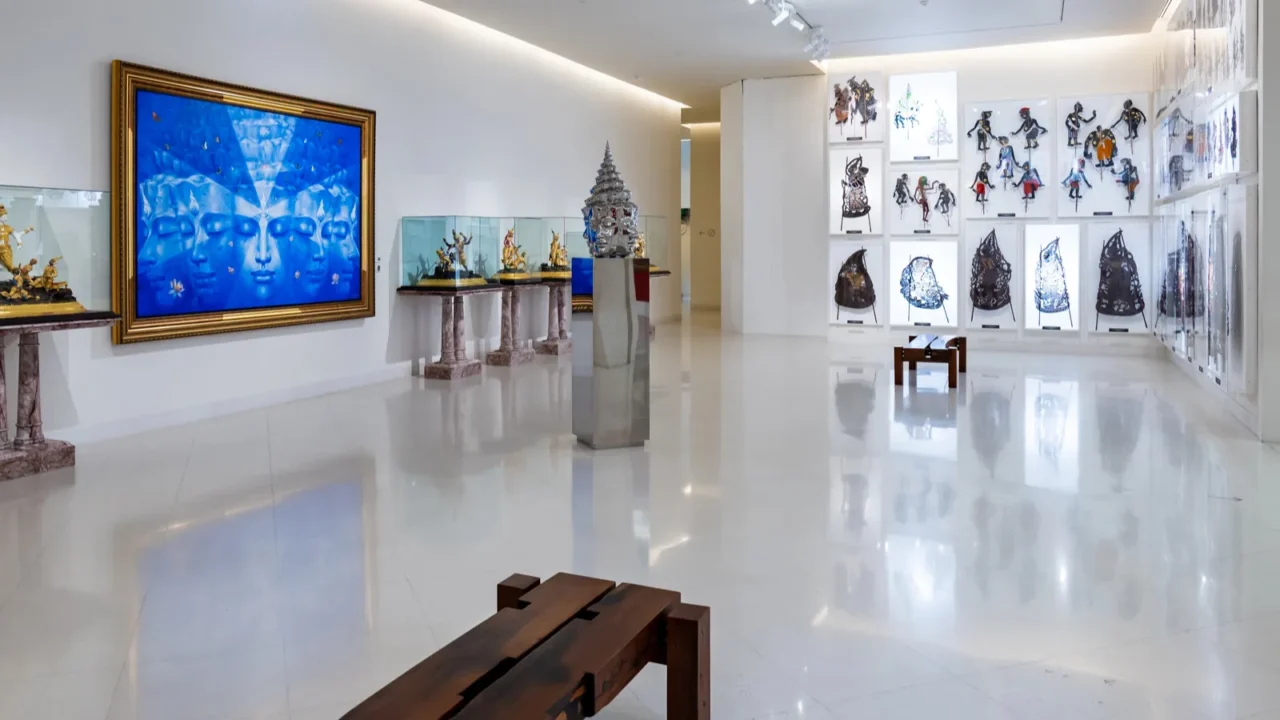
Bangkok art scene arrives globally
Bangkok’s cultural credibility received a major boost at the end of 2025 when Thailand’s first international contemporary art gallery opened in the city, cementing a transformation that has been building for years. The Bangkok Art Biennale returns in October 2026 under the theme Angels and Mara, transforming temples, heritage sites, and public spaces into stages for artists from America, Asia, and Europe. Past editions attracted nearly five million visitors, making it one of Southeast Asia’s most significant cultural events.
Over 300 artists from across the globe have participated in previous editions, and the 2026 program promises to be the most ambitious yet. Bangkok is no longer simply a city people pass through on the way somewhere else. It is now precisely where people are headed.
Fact: The Bangkok Biennale was founded in 2018 with the mission to transform Bangkok into Southeast Asia’s leading contemporary art destination, and its past four editions have collectively drawn nearly five million visitors across more than 300 participating artists.
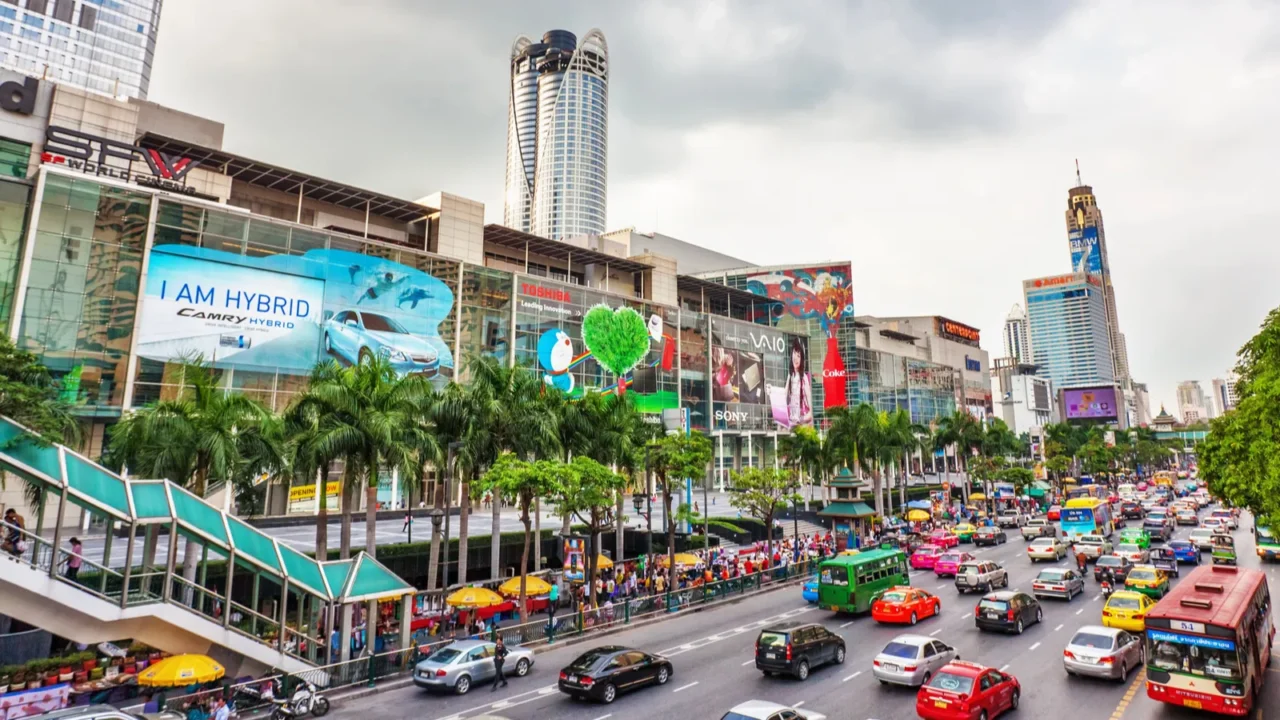
The traveler’s real winner
Ranking systems are useful frameworks, but the true measure of a city reveals itself in the quality of experience it offers to the person standing on its streets with genuine curiosity and a willingness to be surprised. By that measure, Bangkok, Shanghai, and Tokyo each deliver something irreplaceable and deeply distinct. The rankings shift, the indices evolve, and methodology changes with every annual survey, but the traveler’s verdict is written in something far more durable than any numbered list.
What the rise of Bangkok and Shanghai ultimately communicates is that Asia’s urban landscape has entered an era of remarkable diversification. A traveler no longer needs to agonize over choosing Asia’s best city because the continent now offers several cities operating at the absolute pinnacle of global urban experience. Each rewards a different kind of traveler: Shanghai for the culturally ambitious, Bangkok for the sensory adventurer, and Tokyo for those who believe perfection is worth seeking in everything from a train schedule to a bowl of ramen.
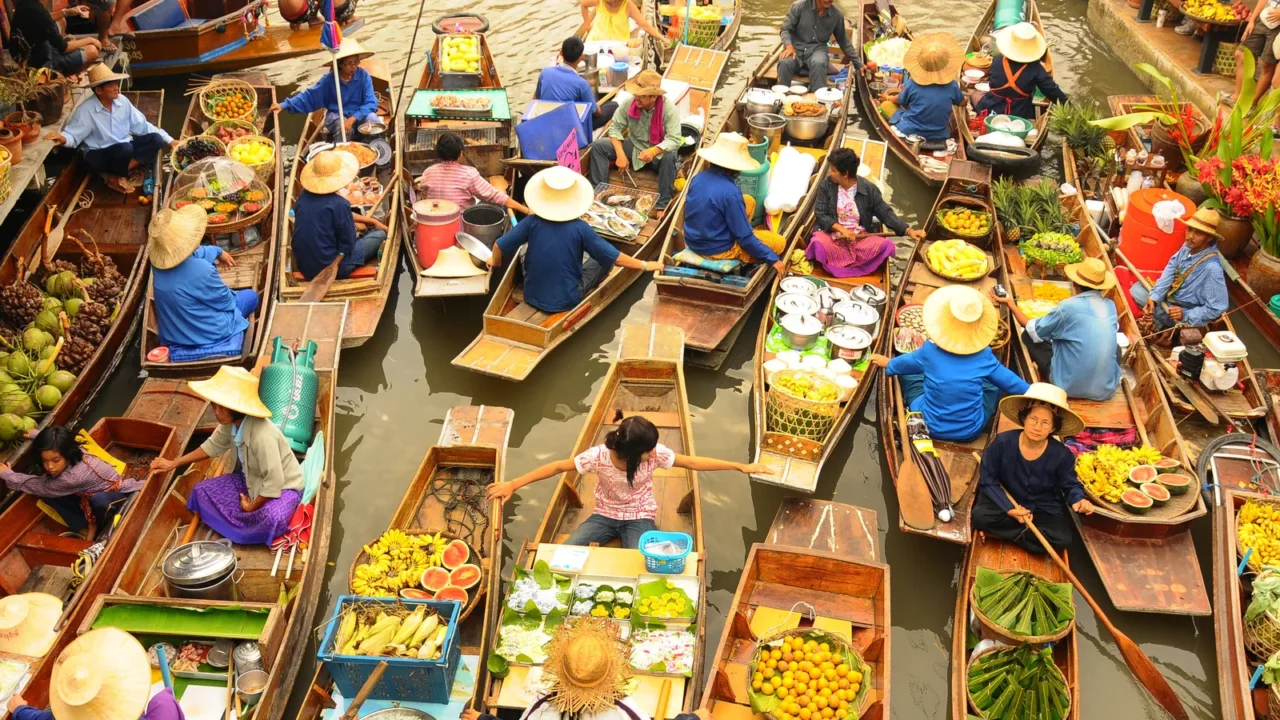
Hidden layers of each city
Every major city ranking focuses on measurable data, but the experiences that leave lasting impressions on travelers tend to exist in spaces no index can quantify. In Bangkok, those moments happen in the predawn hours at Pak Khlong Talat, the flower market near Memorial Bridge, where vendors arrange jasmine garlands and lotus blossoms under fluorescent light while the rest of the city still sleeps. The fragrance alone makes the visit permanently unforgettable for anyone who makes the effort.
In Shanghai, hidden depths reveal themselves inside shikumen lane houses, traditional stone-gate residences tucked behind modern commercial streets, where elderly residents hang laundry from bamboo poles between buildings that have survived decades of rapid urban transformation. Tokyo’s secret self appears in the tiny standing bars of Yurakucho beneath the train tracks, where salarymen share yakitori skewers and local sake in spaces so narrow that strangers become temporary friends out of simple physical necessity. Rankings tell you where to go; if underrated cities are what genuinely move you, the hidden layers always tell you why to stay.
Asia’s era has arrived
The overtaking of Tokyo by Bangkok and Shanghai in global city rankings is not simply a competitive reshuffling. It is a declaration that Asia’s urban century has fully arrived, powered by ambition, investment, cultural confidence, and a generation of city builders who have studied the world’s great metropolises and decided to build something entirely their own. These cities do not aspire to become Asian versions of Paris or New York. They have become the standard against which other cities are now measured.
For anyone still mapping their next chapter, Asia has already written the most compelling argument for why the journey belongs here. The rankings simply confirmed what travelers already knew.
Bangkok at number eight, Shanghai at number two, and Tokyo holding on at tenth, Asia is rewriting every rule about what makes a great city. Which of these three would you book a flight to tomorrow?
This slideshow was made with AI assistance and human editing.
Don’t forget to follow us for more exclusive content right here on MSN.
Read More From This Brand:
