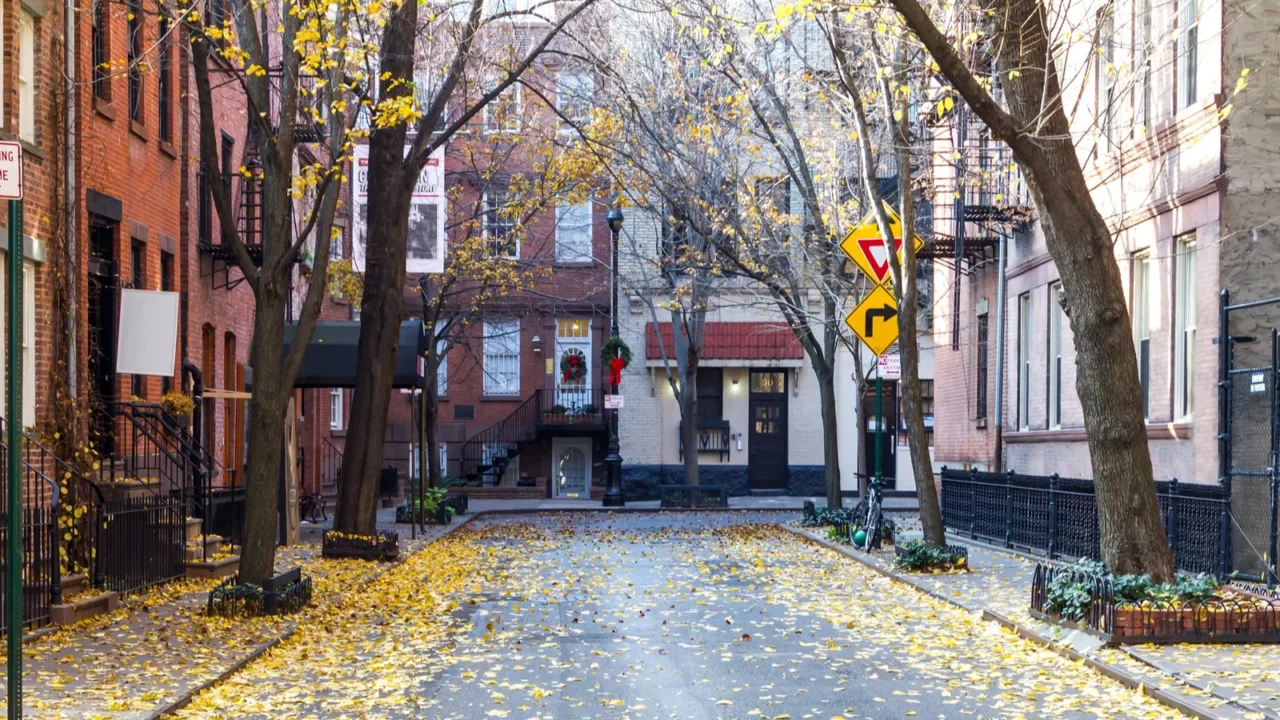
Cities that hug you back
There is a particular kind of city that does not announce itself loudly. It earns your affection one block at a time, through tree-lined streets and corner coffee shops that feel borrowed from a smaller world.
The United States holds cities with a defiant sense of human scale. This blog is your guide to American cities that are both significant and intimate, where getting lost on foot is not a problem but the entire point.
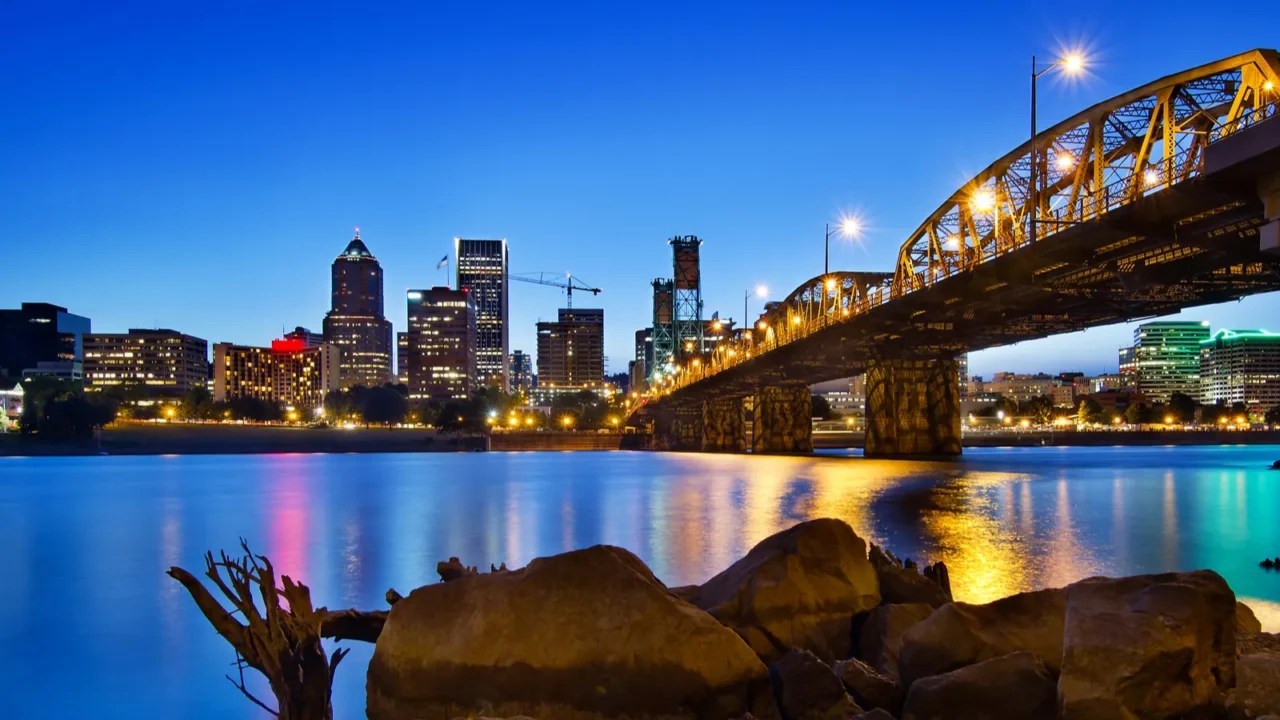
Portland, Oregon’s street grid secret
Portland, Oregon, operates on blocks roughly half the size of a standard American city block. That single decision changes everything about how you move through it. Neighborhoods shift character quickly, and the city reveals itself in layers.
Walkability here stretches from the Alberta Arts District to the Pearl District, each neighborhood carrying its own distinct rhythm. Hawthorne Boulevard alone can occupy an afternoon without a sense of rush.
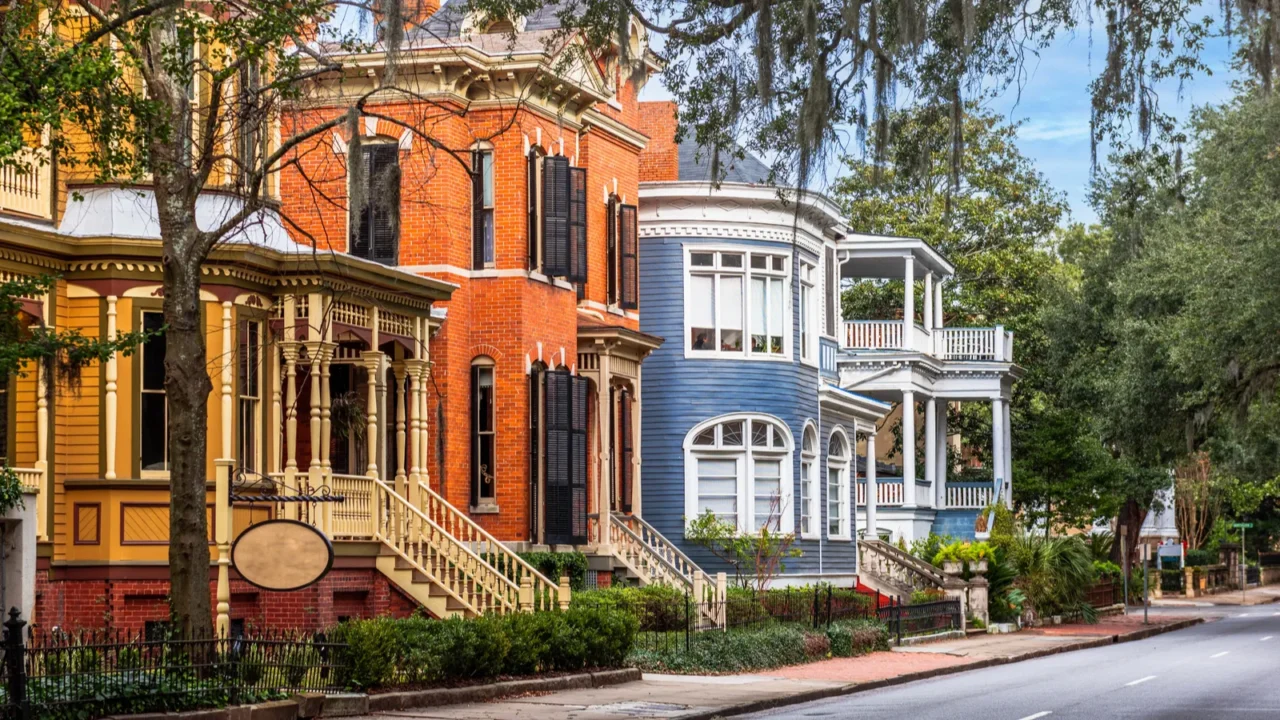
Savannah, Georgia’s quiet power
Savannah, Georgia, was planned in 1733 around public squares, and that decision still shapes every walk through its streets. Twenty-two squares remain intact, each one a small breathing room inside a city dense with history and Spanish moss canopies.
Forsyth Park anchors the southern historic district and draws locals on weekday mornings as reliably as tourists on weekends. Few American cities feel this deliberately designed for a human pace.
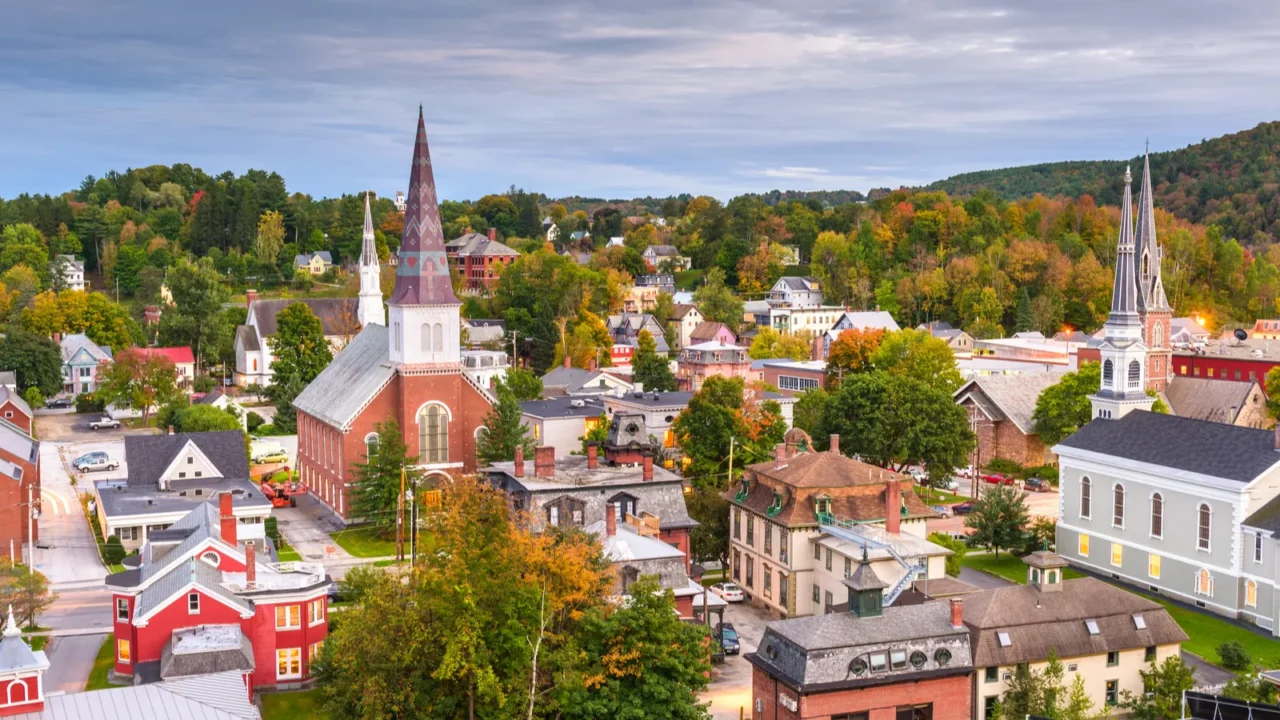
Burlington, Vermont punches up
Burlington, Vermont, has an estimated population of about 44,432 (2024) but carries the cultural density of a much larger city. Church Street Marketplace, a four-block pedestrian corridor, functions as the city’s living room where farmers, students, and artists share the same space comfortably.
Lake Champlain sits at the western edge, and the waterfront trail connects the city to its surroundings without effort. A free morning here covers the water, a farmers’ market, and coffee before noon.
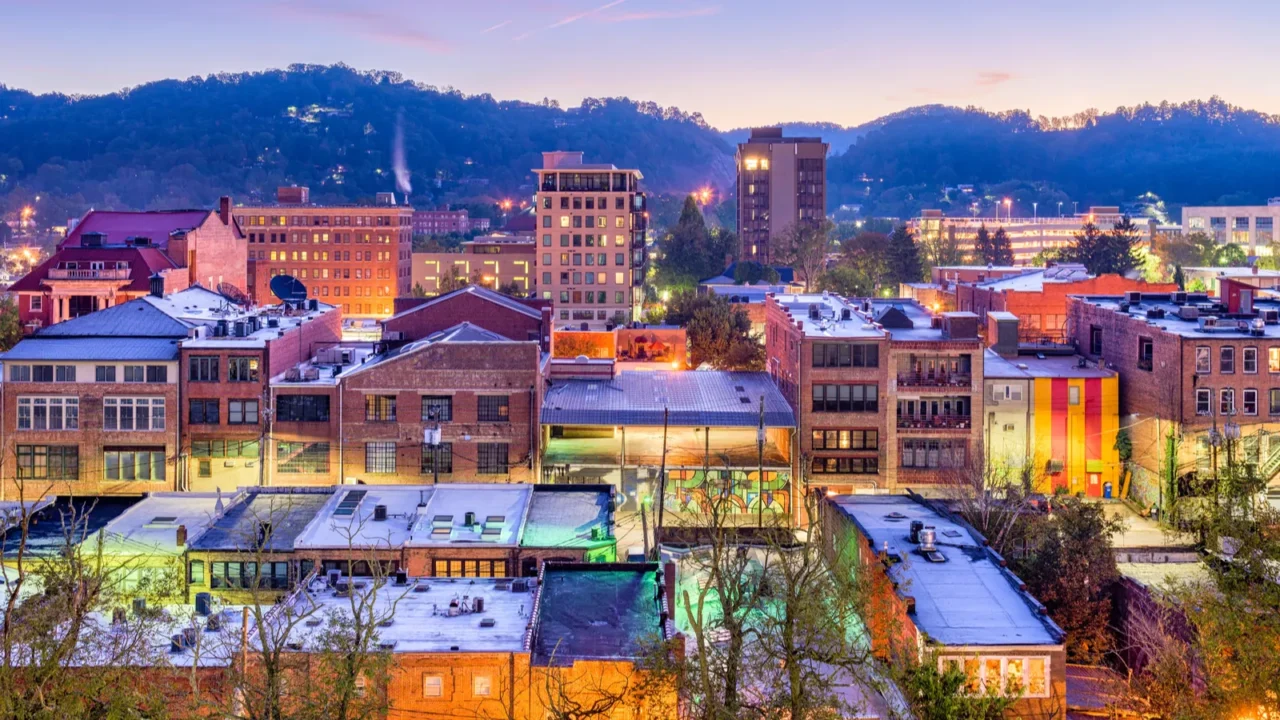
Asheville rewrites the mountain rule
Asheville’s downtown sits at 2,134 feet in the Blue Ridge Mountains and can be covered on foot in under an hour. Galleries, music venues, and studios pack tightly together, giving the city an energy that feels constant regardless of season or day.
Fun Fact: Asheville has more craft breweries per capita than almost any American city. The Brewers Association ranks North Carolina among the top states for craft beer density, with Asheville leading that charge.
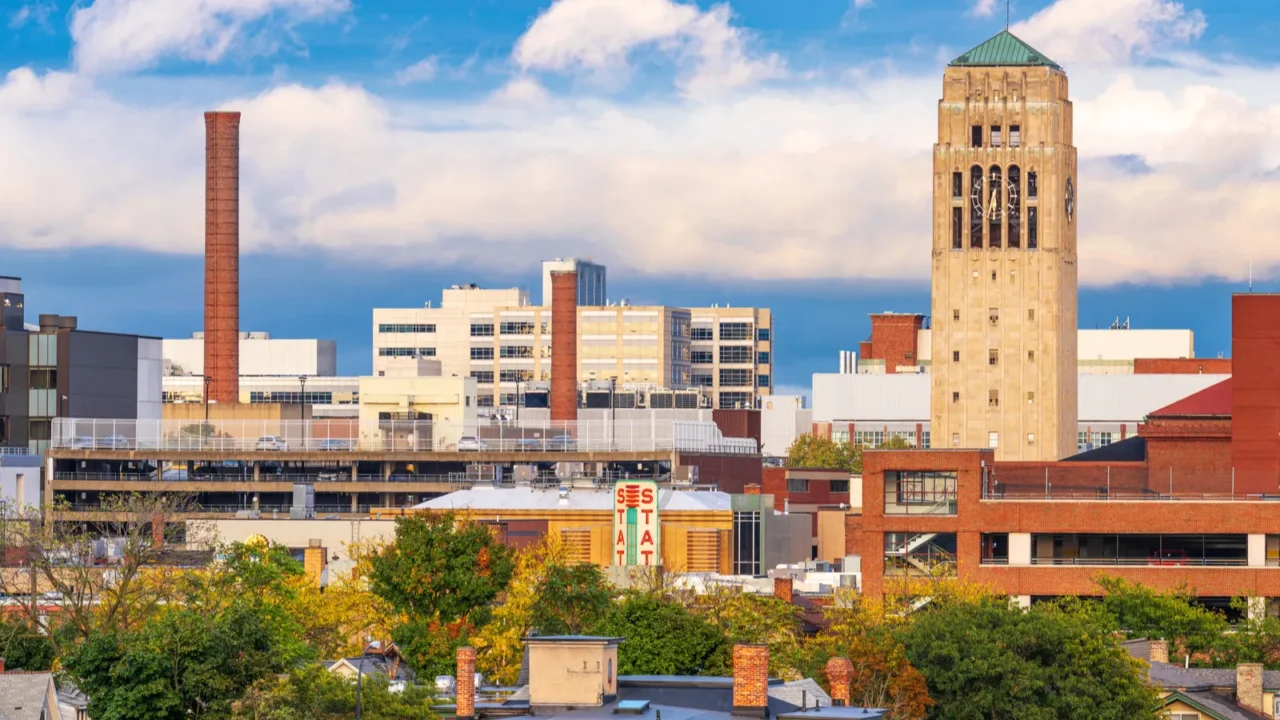
Ann Arbor outgrows its label
Ann Arbor, Michigan, is called a college town, but that label undersells its downtown entirely. Independent retailers, global cuisine, and street life that persists even after students leave for summer fill State Street and South University with two distinct walkable characters.
The Ann Arbor Farmers Market has run continuously since 1919, reflecting a community investing in local food long before it became a cultural trend. Small enough to cross by bicycle, layered enough for a full weekend.
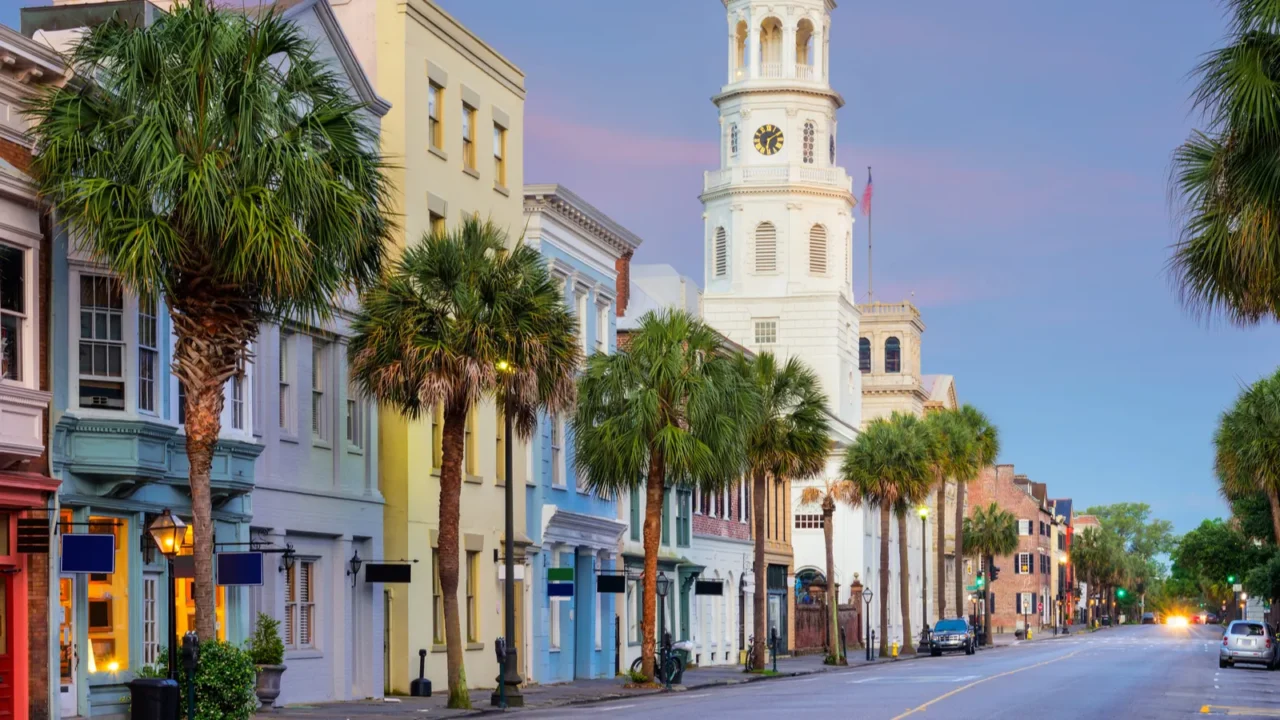
Charleston’s grid that endures
Charleston’s peninsula geography keeps its historic core genuinely compact. Rainbow Row encourages walking with no destination in mind. The Battery at the southern tip offers views that reframe the entire city, and its food culture spreads across walkable downtown streets rather than one concentrated district.
Little-known fact: Charleston is widely noted for its historic preservation and has been the subject of National Trust attention for its preserved neighborhoods.
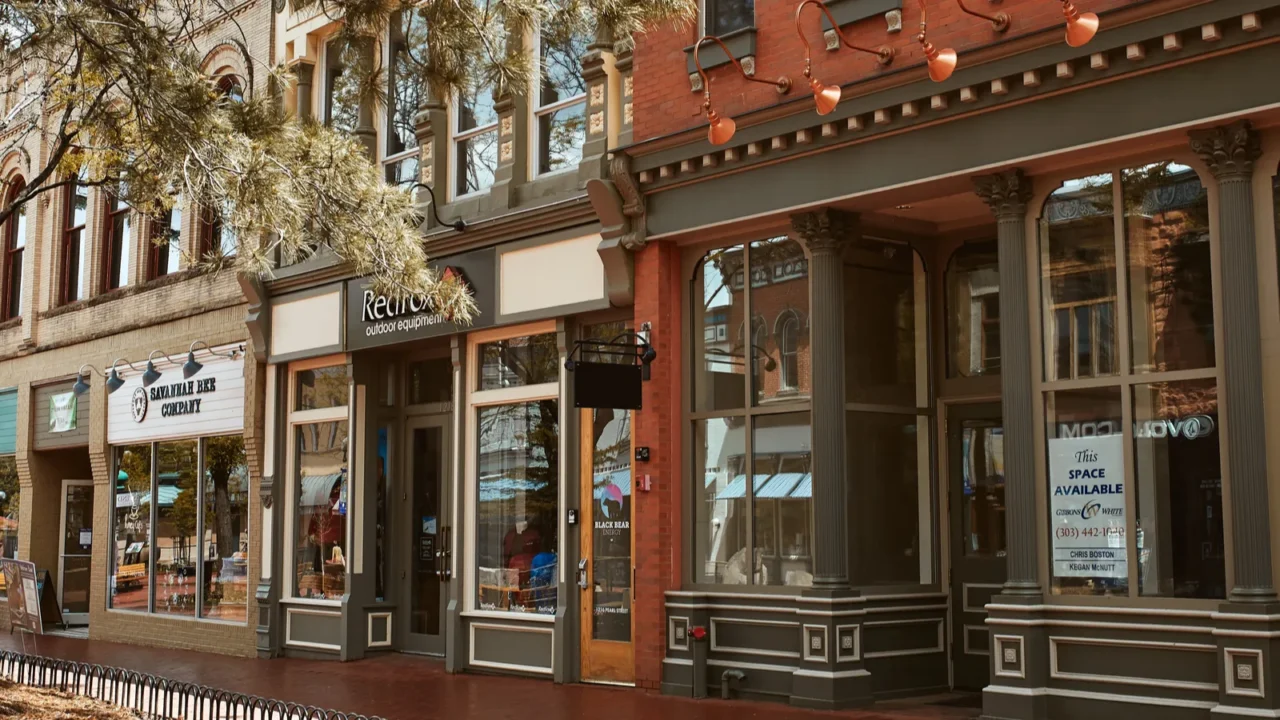
Boulder balances scale and scale
Boulder, Colorado, made Pearl Street Mall car-free in 1977, long before walkability became a planning priority. Street performers and independent retailers fill it with a warmth that designed urban spaces rarely manage on their own.
The city has preserved over 45,000 acres of open space through a dedicated tax, according to Boulder’s Open Space and Mountain Parks department. A downtown coffee shop sits within thirty walking minutes of a mountain trailhead.
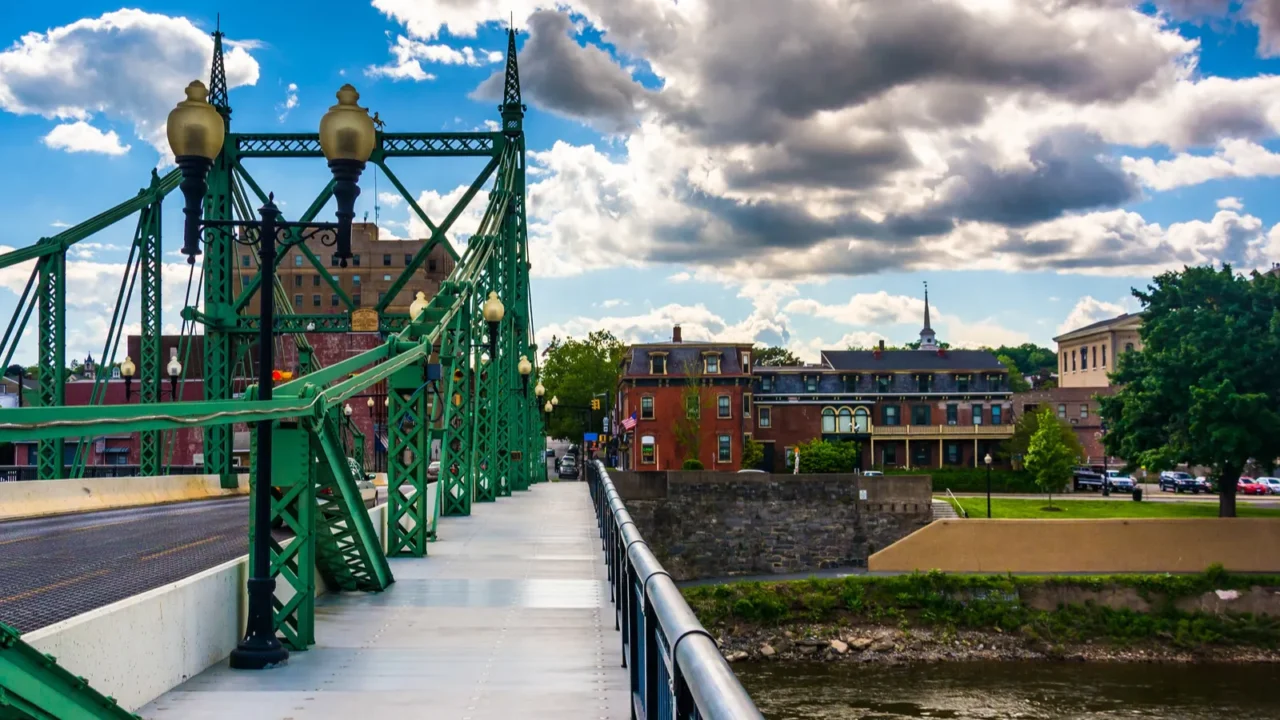
Northampton, Massachusetts, quietly delivers
Northampton, Massachusetts, holds 29,000 people and a Main Street dense with bookstores, galleries, and live music that rewards walking slowly. The absence of chain stores in its historic core reflects decades of deliberate community choice rather than coincidence.
Smith College at the western edge adds academic energy to a city already leaning independent. The Five College Consortium nearby sustains artists and thinkers who keep Northampton’s character genuinely intact year after year.
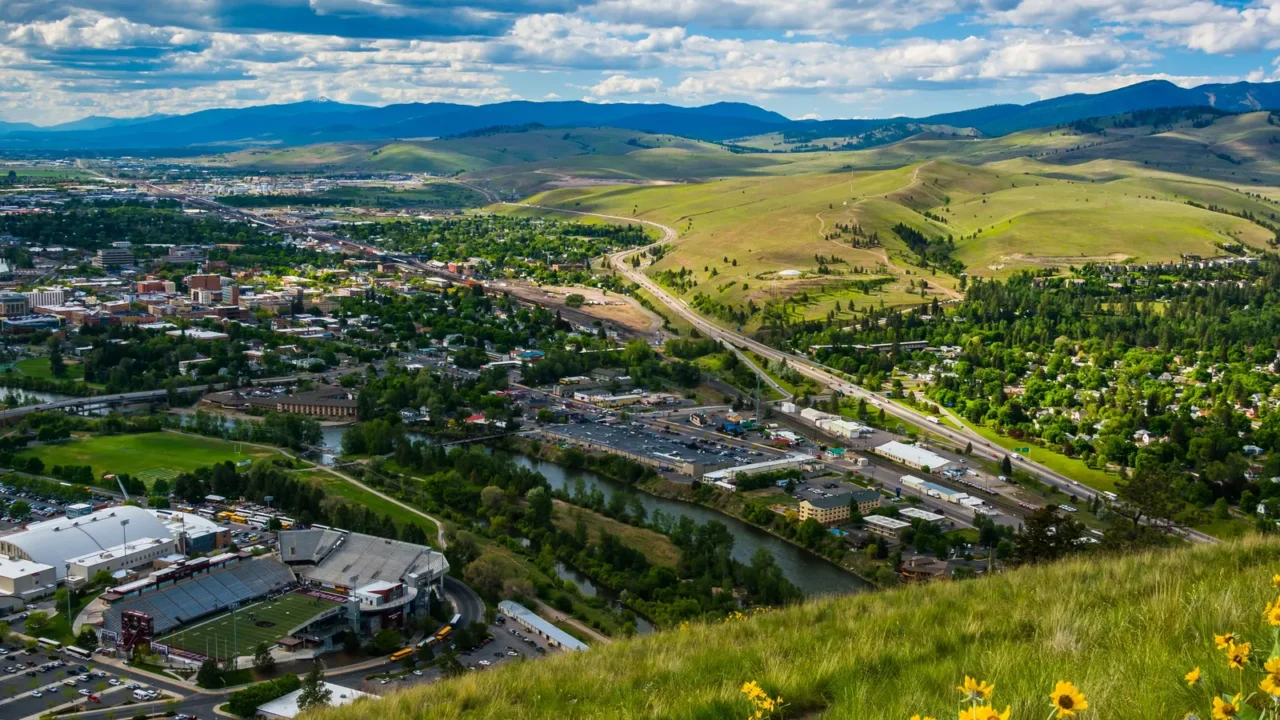
Missoula surprises at every corner
Missoula, Montana, sits where five valleys and three rivers meet, and its downtown is compact enough to read on foot in a single afternoon. The Clark Fork River runs directly through the city, and the riverfront trail connects neighborhoods with a continuous, naturally grounded path.
Higgins Avenue anchors the core with the historic Wilma Theatre and independent businesses that reflect Missoula’s outsized cultural identity for a city of roughly 74,000 residents.
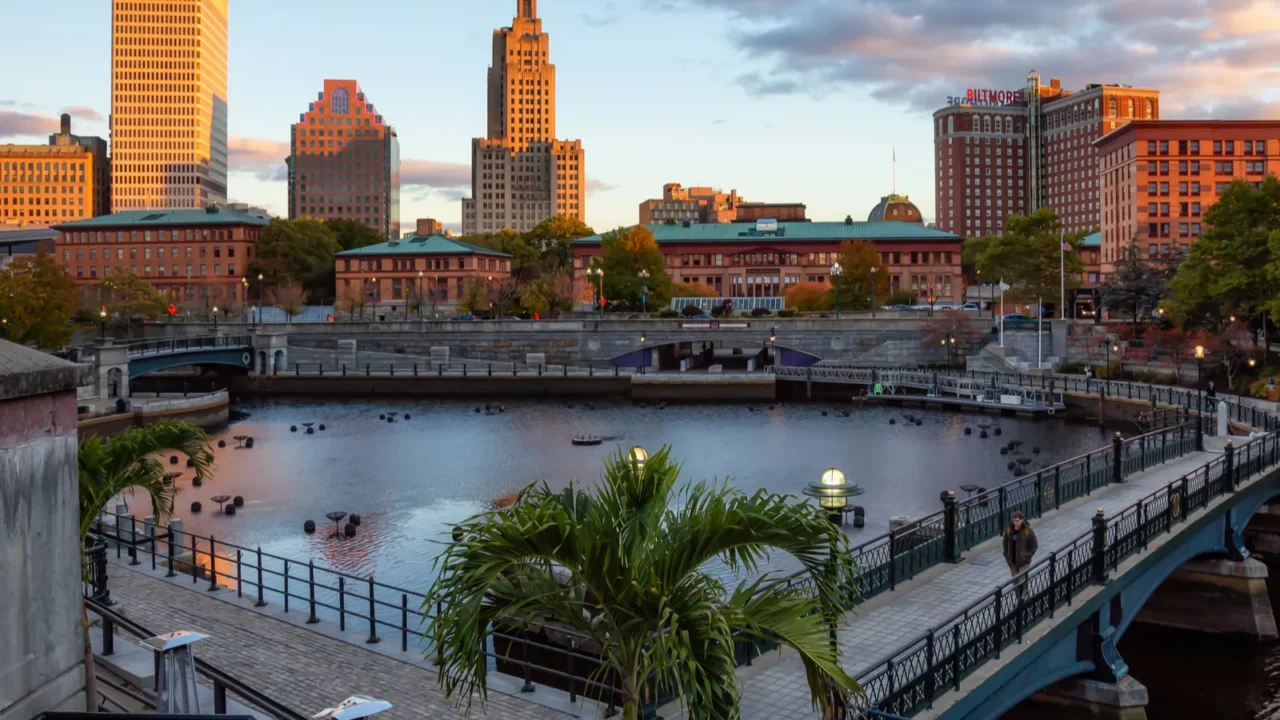
Providence refuses to be overlooked
Providence, Rhode Island, rewards the slow walker above anyone else. Benefit Street on College Hill is one of the most intact colonial streetscapes in America, a living street that actual residents still call home rather than a preserved corridor built for tourism.
Federal Hill’s Italian American dining roots trace back to the late 19th century, and WaterFire lights bonfires along the city’s rivers each season, drawing hundreds of thousands who come entirely on foot.
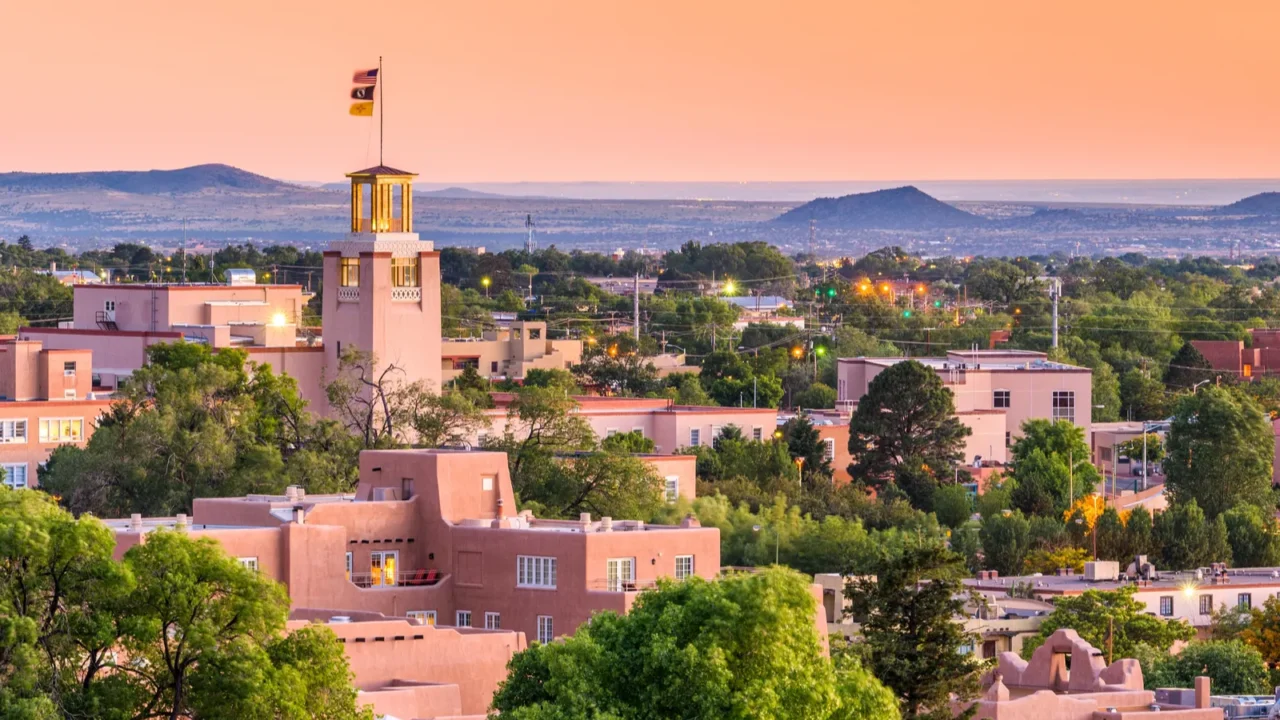
Santa Fe earns every step
Santa Fe is the highest state capital in the U.S., at about 6,998 feet (≈7,000 ft) above sea level; its Plaza has been a public gathering space since the early 1600s, and Canyon Road contains 80+ galleries within roughly a half-mile. Want more on preserved downtowns and what to see there? Read our full guide to U.S. historic centers.
The Georgia O’Keeffe Museum anchors a downtown compact enough that a full afternoon on foot feels productive and unhurried in equal measure. The light at that elevation is particular in a way no itinerary can schedule.
Your next walk starts now
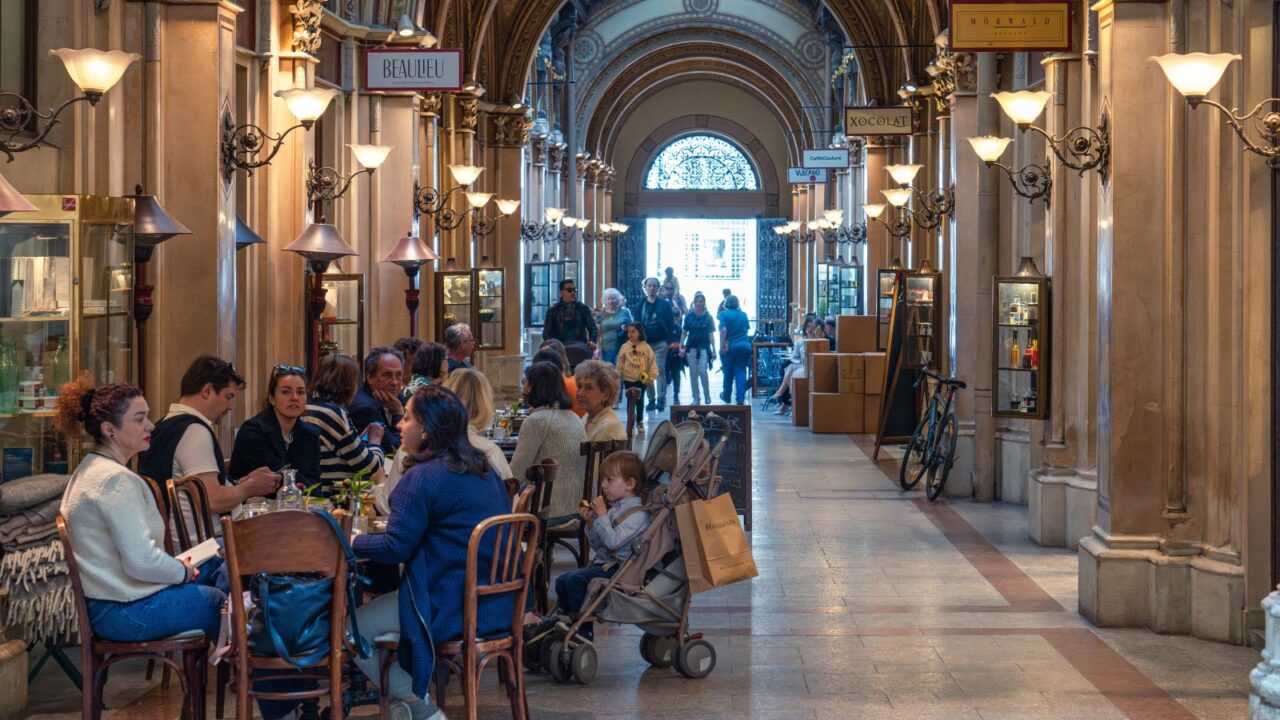
The cities on this list share something no planning document captures: the feeling of being somewhere built for people rather than cars. That feeling is rarer than it should be, and it separates a city worth visiting from one worth returning to.
Portland and Santa Fe share almost nothing culturally, yet both reward the traveler who arrives ready to walk and lets the city lead. Pack your most comfortable shoes and leave the itinerary behind. Also worth knowing before your next trip, cities could face major travel disruptions soon.
Which of these cities would you trade your car keys for, and which one surprised you most by making this list? Let us know in the comments.
This slideshow was made with AI assistance and human editing.
Don’t forget to follow us for more exclusive content right here on MSN.
Read More From This Brand:
