Tax refunds fuel travel
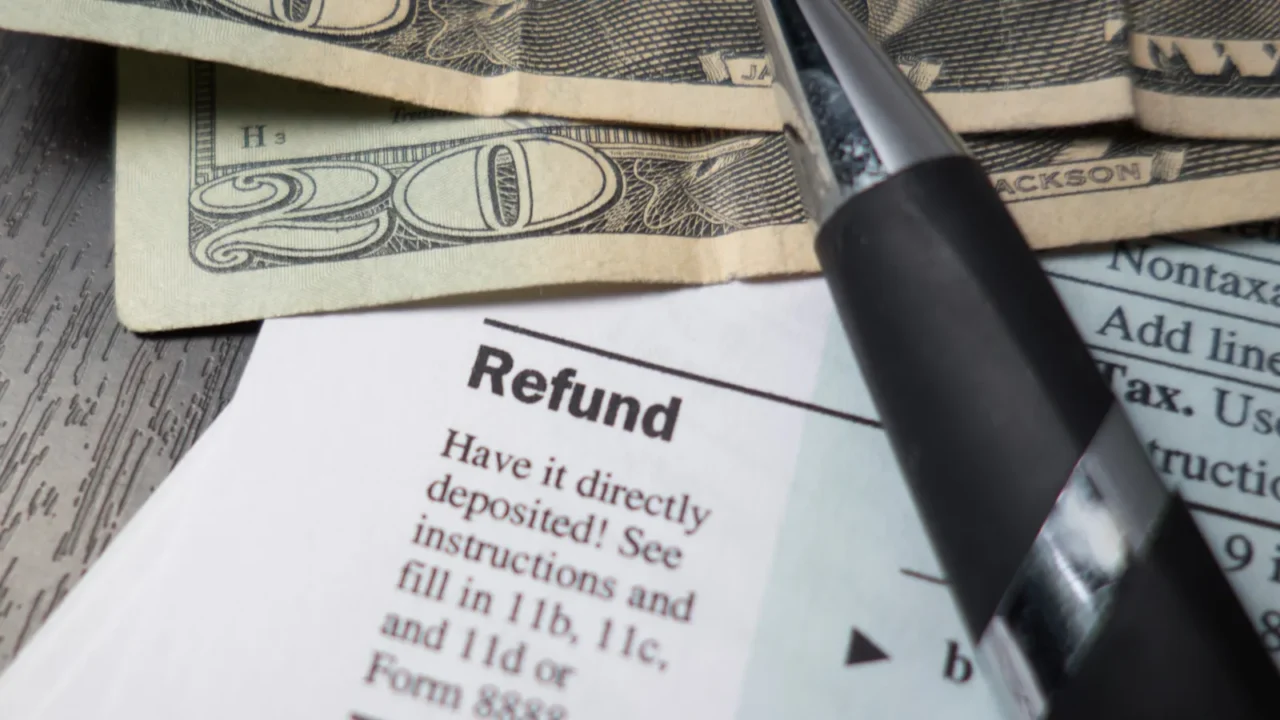
The Internal Revenue Service reports that average federal tax refunds in 2025 exceeded $3,000 for many filers across the United States. IRS data shows that average federal refunds remained above $3,000 in the 2025 filing season, giving many households extra cash during the spring booking window.
Travelers often use refunds as flexible income for discretionary spending like vacations. Summer travel planning increases significantly during refund distribution months. This financial boost is shaping early bookings across major destinations.
Refund timing drives bookings
Tax refund timing plays a major role in when travelers book summer trips. Most refunds are issued between February and April, aligning with early travel planning windows. This creates a surge in bookings during the late winter months.
Travel agencies report increased activity following refund deposits across multiple states. Flights and hotel reservations rise as travelers finalize vacation plans. This pattern is consistent across several recent tax seasons.

Blue states see higher refunds
Blue states like California, New York, and Massachusetts often generate larger refunds due to higher state income taxes. These refunds provide additional spending power for residents planning vacations. Higher cost-of-living areas also tend to see larger tax adjustments.
Travel spending from these states reflects increased discretionary income during refund season. Popular outbound routes include destinations like Florida, Nevada, and international hubs. This trend highlights regional differences in travel budgets.

Travel budgets expand seasonally
Refunds act as a temporary income boost that expands travel budgets during spring and summer. Many travelers allocate a portion of their refunds toward flights, hotels, and activities. This creates a noticeable increase in seasonal travel demand.
Airlines and hotels often see higher booking volumes during refund periods. Pricing trends may also adjust based on increased demand. This dynamic influences how travelers plan and budget trips.

Popular destinations benefit most
Major leisure destinations such as Orlando and Las Vegas are well positioned to benefit when households direct extra seasonal cash toward travel. These cities offer a mix of entertainment, attractions, and accessibility. Refund spending helps boost tourism revenue in these regions.
Beach destinations and theme parks also experience seasonal spikes in bookings. Families and groups use refunds to fund larger travel experiences. This trend supports strong summer tourism across the United States.

Spending patterns shift noticeably
Travel spending patterns shift significantly during tax refund season across the United States. Travelers often prioritize experiences such as flights, hotels, and entertainment when extra funds become available. This creates a measurable increase in tourism-related activity during spring.
Little-known fact: 13% of Americans plan to use tax refunds for vacations, according to survey data from the National Retail Federation. This shows travel is a smaller but still meaningful discretionary category compared to savings and debt payments. Even a modest share still drives noticeable seasonal travel demand.
Airlines respond to demand
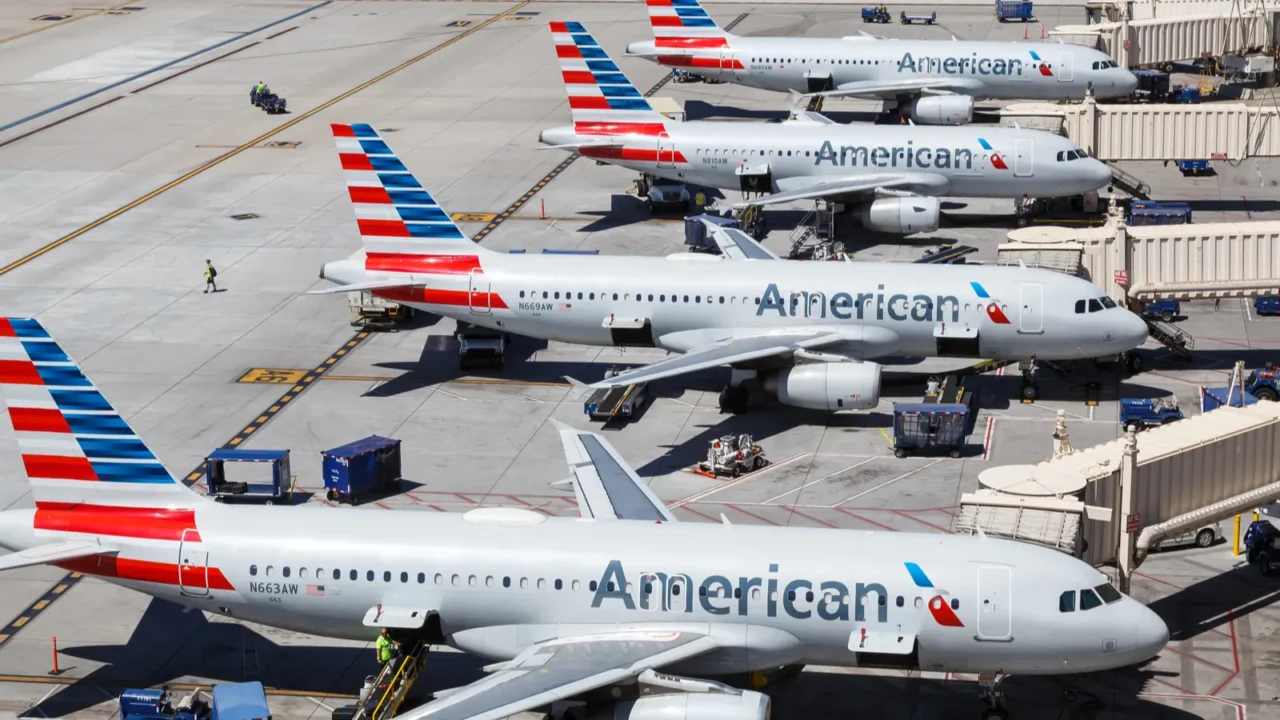
Airlines adjust pricing and capacity based on increased demand during refund season. More bookings during spring months lead to higher fares on popular routes. This reflects basic supply and demand dynamics.
Routes connecting major cities like New York, Los Angeles, and Miami often see increased traffic. Airlines may add flights or adjust schedules to meet demand. These changes support peak travel periods.

Refund size impacts travel
The size of tax refunds plays a key role in shaping travel decisions across the United States. Larger refunds often allow travelers to book longer trips or upgrade accommodations and experiences. Smaller refunds still support short domestic travel or weekend getaways.
Little-known fact: In IRS filing-season data for the week ending February 6, 2026, the average refund stood at $2,290 at that early point in the season, before rising later in the filing cycle.

Hotels see booking surge
Hotels experience increased occupancy rates during refund-driven travel periods. Popular tourist areas often fill quickly as travelers finalize summer plans. This creates competition for accommodations.
Pricing may rise as availability decreases in high-demand destinations. Travelers booking earlier often secure better rates. This pattern highlights the importance of timing in travel planning.

Domestic travel leads growth
Domestic travel remains the primary choice for many refund-funded trips. Shorter distances and lower costs make domestic destinations more accessible. This trend supports strong tourism within the United States.
Cities like Las Vegas, Orlando, and New York attract consistent domestic travel demand. Refund spending helps sustain these travel patterns. Domestic tourism continues to benefit from seasonal financial boosts.
International trips also rise
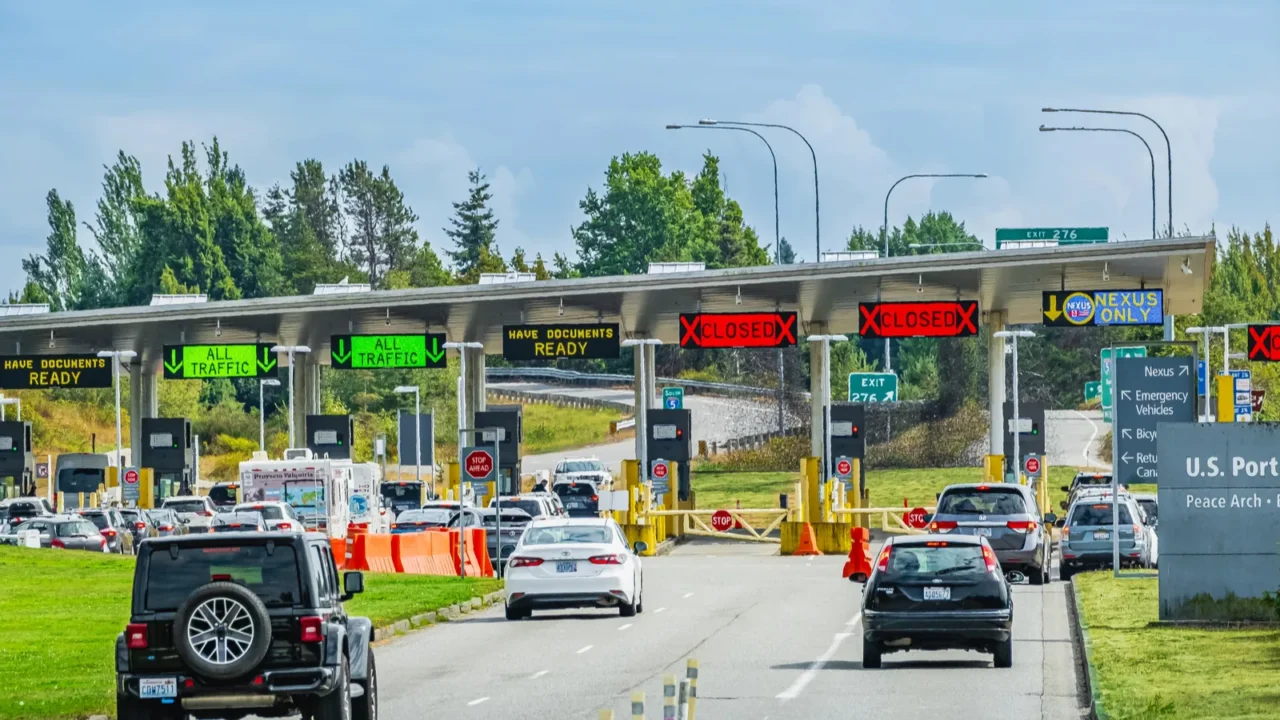
International travel also sees growth during refund season, especially among higher-income travelers. Refunds may cover airfare or part of the total trip costs, even as reports note that a smaller tax refund would hurt 64 percent of Americans this year. Destinations like Mexico, Canada, and Europe remain popular.
Travelers often combine refunds with savings to fund larger trips. This expands travel opportunities beyond domestic options. International tourism benefits from increased spending capacity.

Refunds reshape travel habits
Tax refunds are playing an increasing role in shaping travel habits across the United States. Seasonal financial boosts are driving higher demand for vacations and experiences. This trend is expected to continue in future travel cycles.
The best trips balance budget and experience while making the most of available resources. Refund-driven travel highlights how financial timing influences vacation planning.
How are tax refunds shaping travel choices this season? Share thoughts below.
This slideshow was made with AI assistance and human editing.
Don’t forget to follow us for more exclusive content right here on MSN.
Read More From This Brand:
