The trip is back
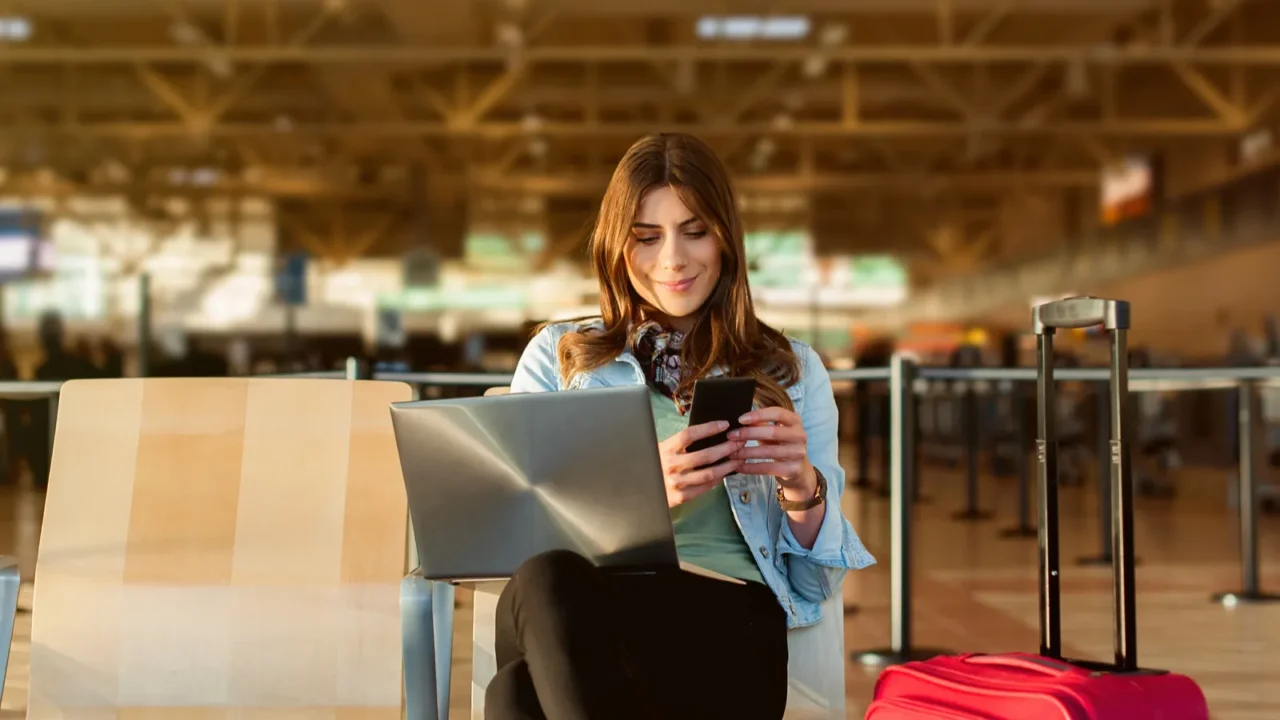
Business travel, defined as trips taken for professional purposes, including client meetings, conferences, and corporate training, is experiencing a measurable resurgence in 2026. Following the unprecedented disruption of the COVID-19 pandemic, the sector has rebuilt steadily.
The Global Business Travel Association (GBTA) projects global spending could approach $1.70 trillion by 2026, according to its latest Business Travel Index outlook. Yet the shape of this recovery is structurally different from anything seen before.
The $1.70 trillion comeback
After watching the world practically park its rolling luggage in 2020, corporate travel is making a statement in 2026. The Global Business Travel Association confirmed that global business travel spending topped $1.47 trillion in 2024, surpassing the pre-pandemic peak for the first time. By 2026, that number is on pace to hit $1.70 trillion, an 8.1% jump over the previous year.
The United States alone is projected to account for $395 billion of that total, reclaiming the top spot in global corporate travel spending from China. And while nominal figures have recovered impressively, inflation-adjusted spending still runs about 14% below 2019 levels, meaning the actual volume of trips has recovered more slowly than the dollar amounts suggest.
Same flights, different rules
Corporate travel is back, but the rulebook got rewritten somewhere between 2020 and now. A Morgan Stanley survey of 160 travel managers overseeing roughly $5 billion in combined spending found that 61% described themselves as optimistic about 2026, up from 50% at midyear 2025. The days of the weekly road warrior grinding through Tuesday red-eyes have been largely replaced by fewer, longer, more purposeful trips.
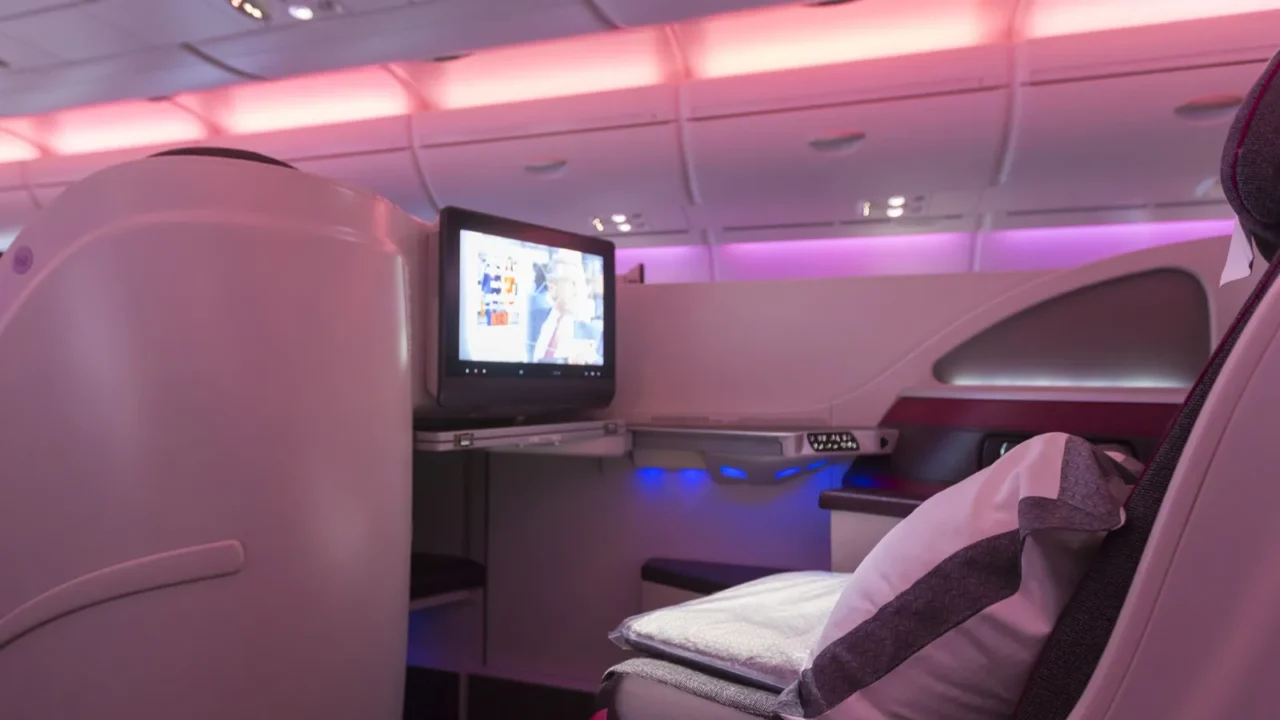
Premium-class travel is also quietly loosening up. Eight percent of corporate travel managers in the Morgan Stanley survey said their policies are becoming more liberal on premium seating, double the prior year and the highest mark since before the pandemic. Private jet usage policies are shifting too, with 10% of companies now allowing more access, up from just 2% a year ago.
Marina Bay Sands means business
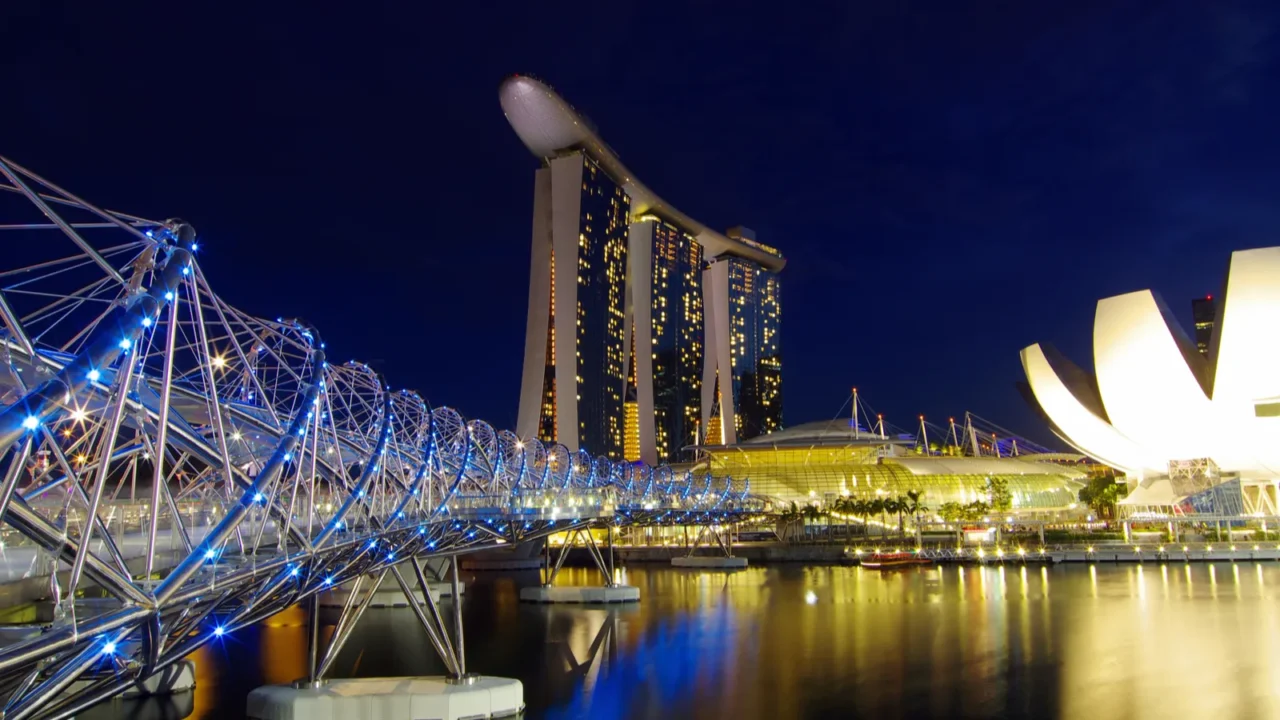
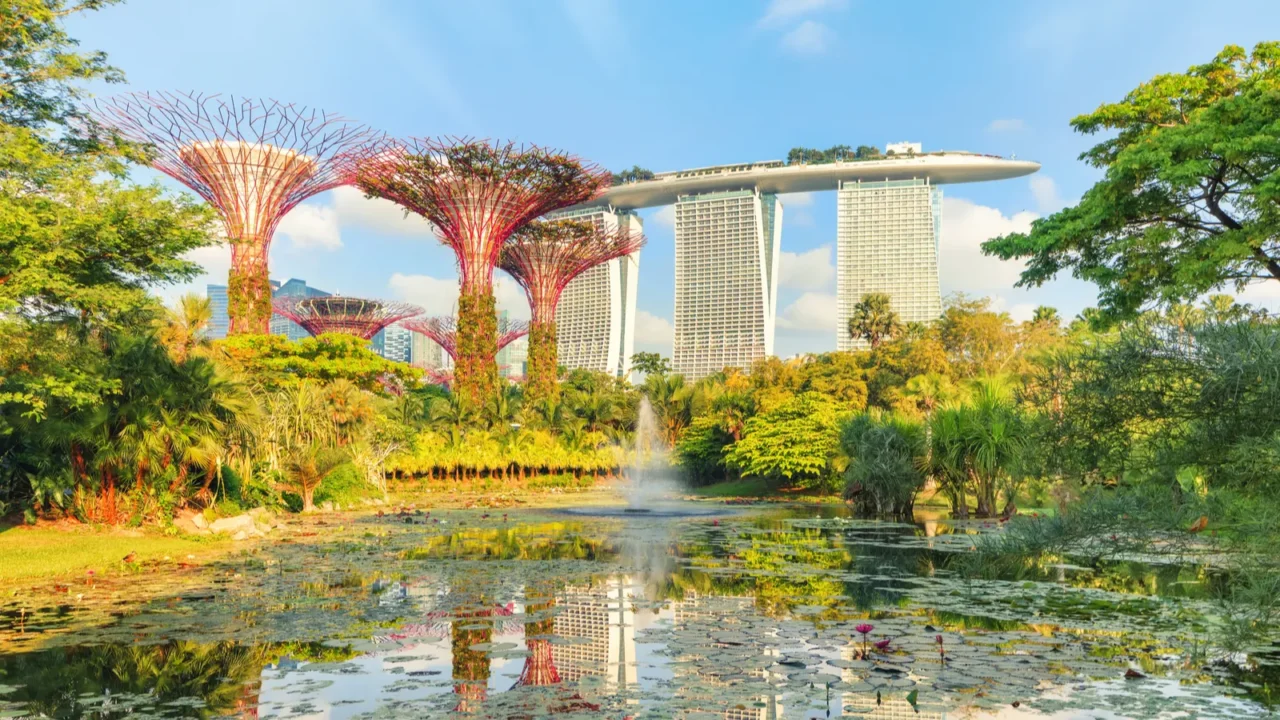
Singapore has become one of the most strategically positioned MICE destinations on the planet, and Marina Bay Sands sits at the very center of it. In 2026, Singapore is expected to host more than 65,000 attendees across landmark events in technology, finance, and aviation. The city connects to over 400 destinations through more than 100 airlines operating from Changi Airport.
Fun fact: Marina Bay Sands’ Sands Expo and Convention Centre is the first MICE venue in all of Asia Pacific to earn LEED Platinum certification, and it operates as Singapore’s first fully carbon-neutral convention venue.
The bleisure shift is now a baseline
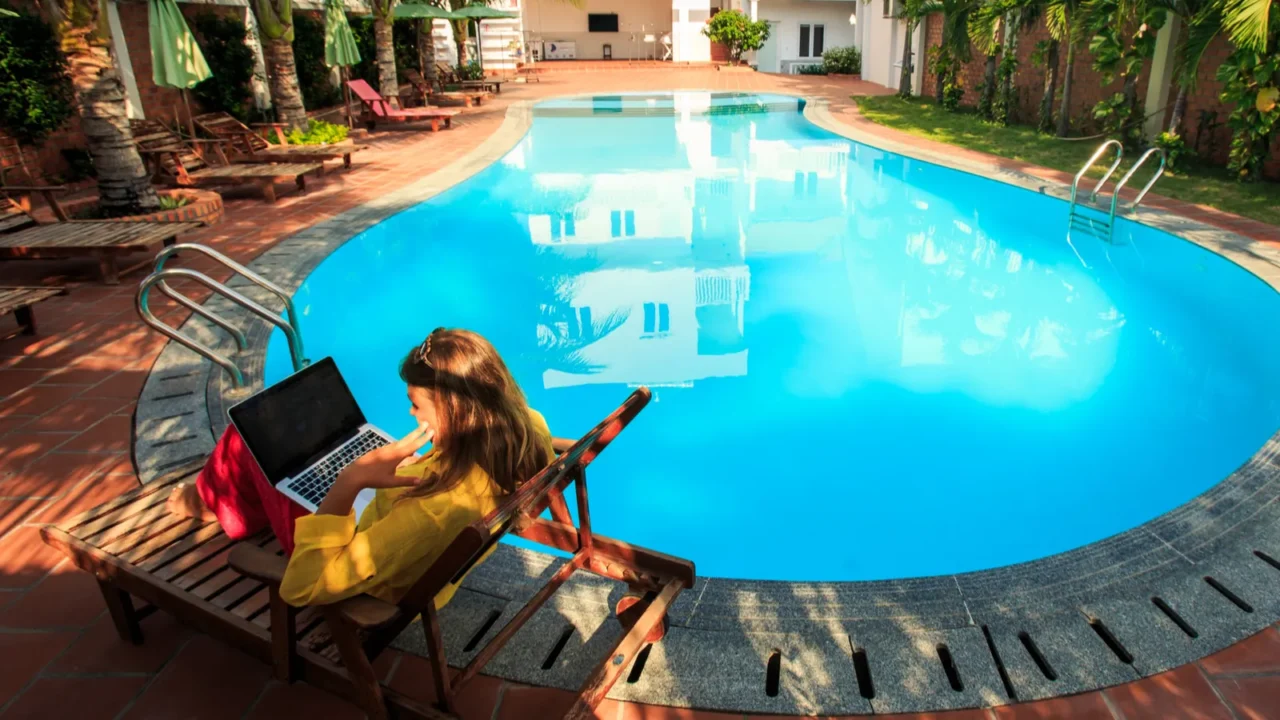
The term “bleisure,” blending business and leisure in a single trip, was coined in 2009, and in 2026, it is no longer a perk. It is a baseline expectation. According to Hotel Tech Report data, 83% of business travelers have taken a bleisure trip in the past year. The global bleisure travel market reached $849.9 billion in 2026, and millennials account for nearly 49% of those travelers.
American Hotel and Lodging Association data shows that 89% of business travelers want to add personal time to their next trip. The classic “fly in, present, fly home” rhythm is giving way to extended stays where professionals explore the destination, sample local food scenes, and arrive back home feeling recharged rather than wrung out.
Tokyo: Meetings meet temples
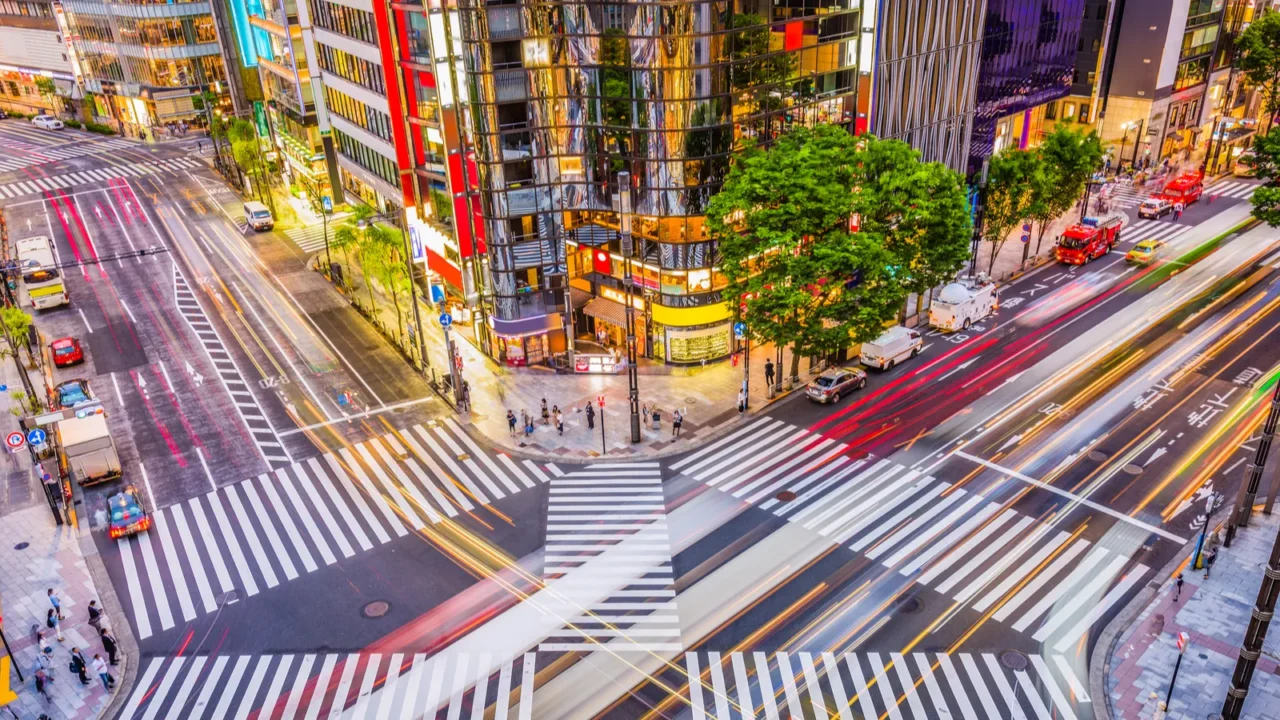
Tokyo has quietly become one of the most compelling bleisure destinations for business travelers in 2026. According to Agoda’s 2026 Travel Outlook Report, 58% of Japanese business travelers now plan to tack on personal days after work trips, a dramatic departure from the country’s historically strict work-first culture.
The city offers elite conference infrastructure alongside everything from centuries-old temples to Michelin-starred restaurants.
Dubai: Built for boardrooms and beyond
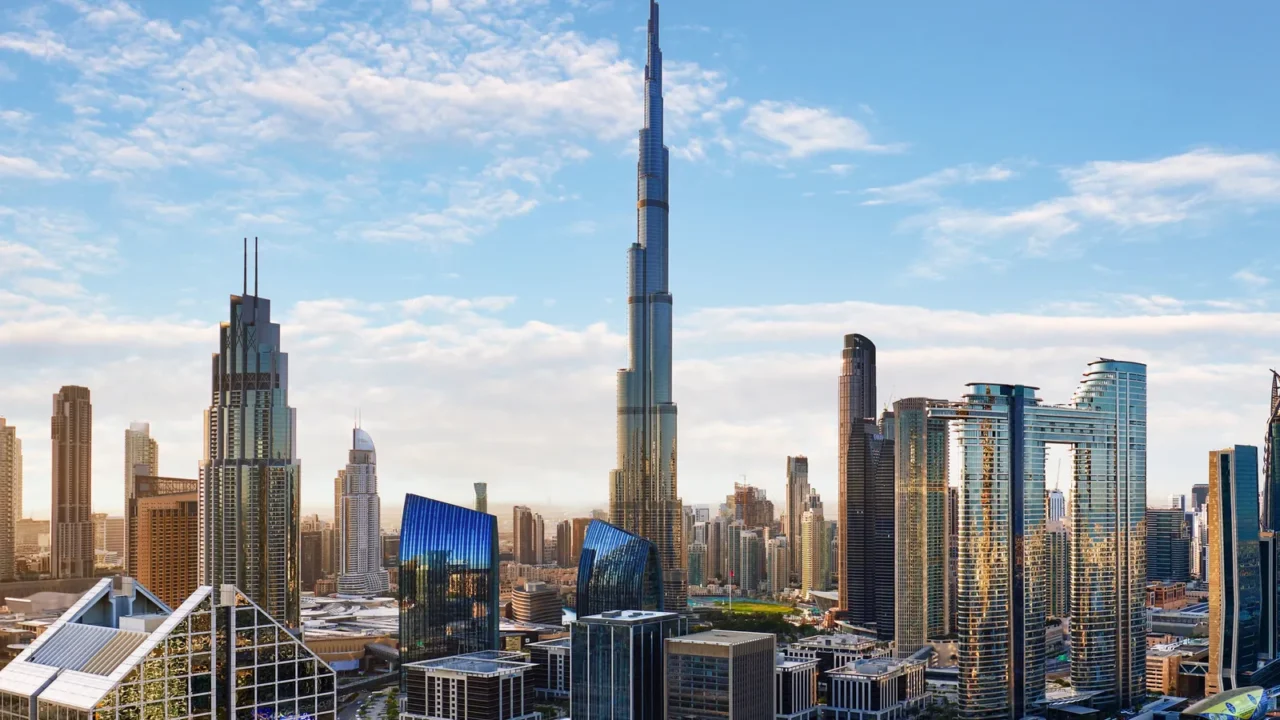
According to travel management firm Satguru Travel’s 2026 analysis, Dubai leads global rankings for its combination of business infrastructure and luxury leisure experiences. The city sits at the geographic crossroads of Europe, Asia, and Africa, meaning a single flight can connect executives from virtually any corner of the world.
What sets Dubai apart is the velocity at which the transition from meeting room to leisure happens. Within minutes of a morning board session, a traveler can step onto a pristine beach, into a desert safari, or onto the observation deck of the Burj Khalifa. The United Arab Emirates as a whole is experiencing a 15% expansion of its business travel sector, fueled by global trade events and government-backed investment in MICE infrastructure.
AI quietly runs every itinerary
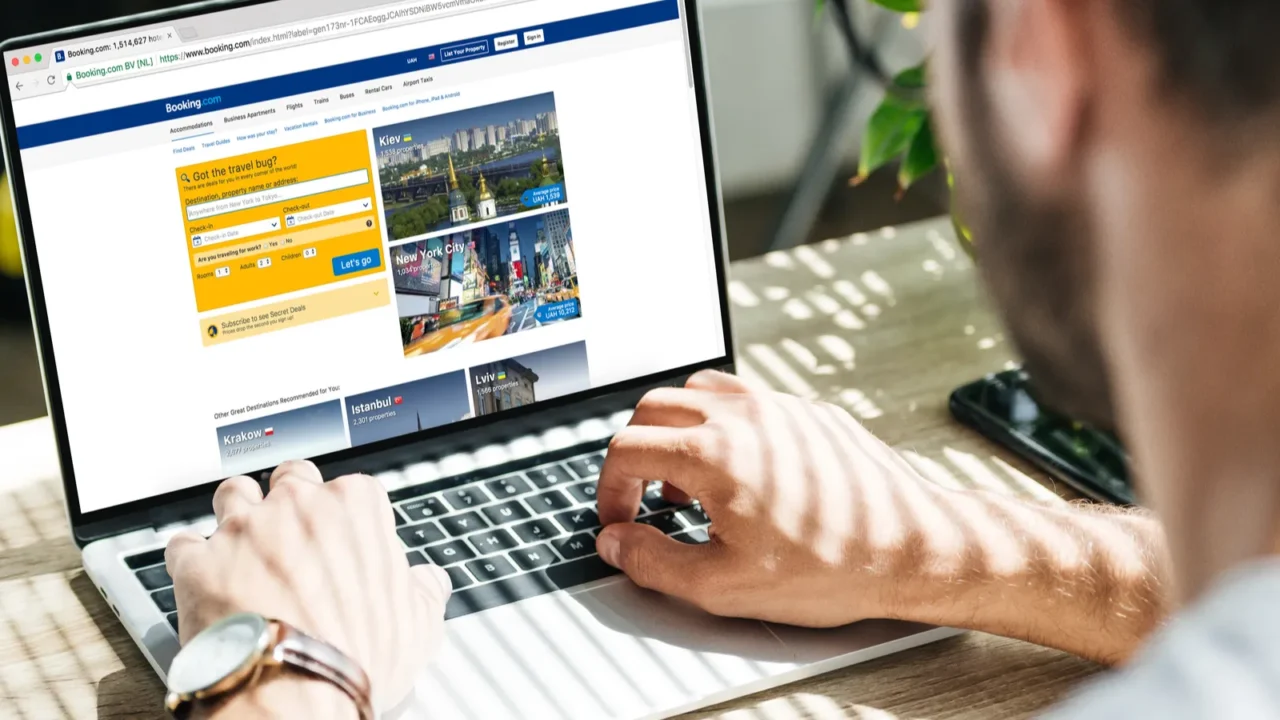
The biggest invisible disruptor reshaping business travel in 2026 is not a new airline or a hotel loyalty program; it is artificial intelligence. Phocuswright’s 2026 Travel Forward report found that more than half of all business travelers now use AI for some stage of their travel experience, from initial inspiration and itinerary building to real-time rebooking during disruptions. Companies like Navan and Ramp are even developing AI agents that will autonomously approve or reject expense claims.
Corporate travel is increasingly policy-driven and algorithm-monitored. About 63% of business travelers now operate under a managed travel policy, and AI tools are making enforcement seamless rather than punitive. The traveler experience becomes more frictionless, with faster booking, smarter routing, and automatic expense reconciliation, while finance teams gain real-time visibility they previously lacked.
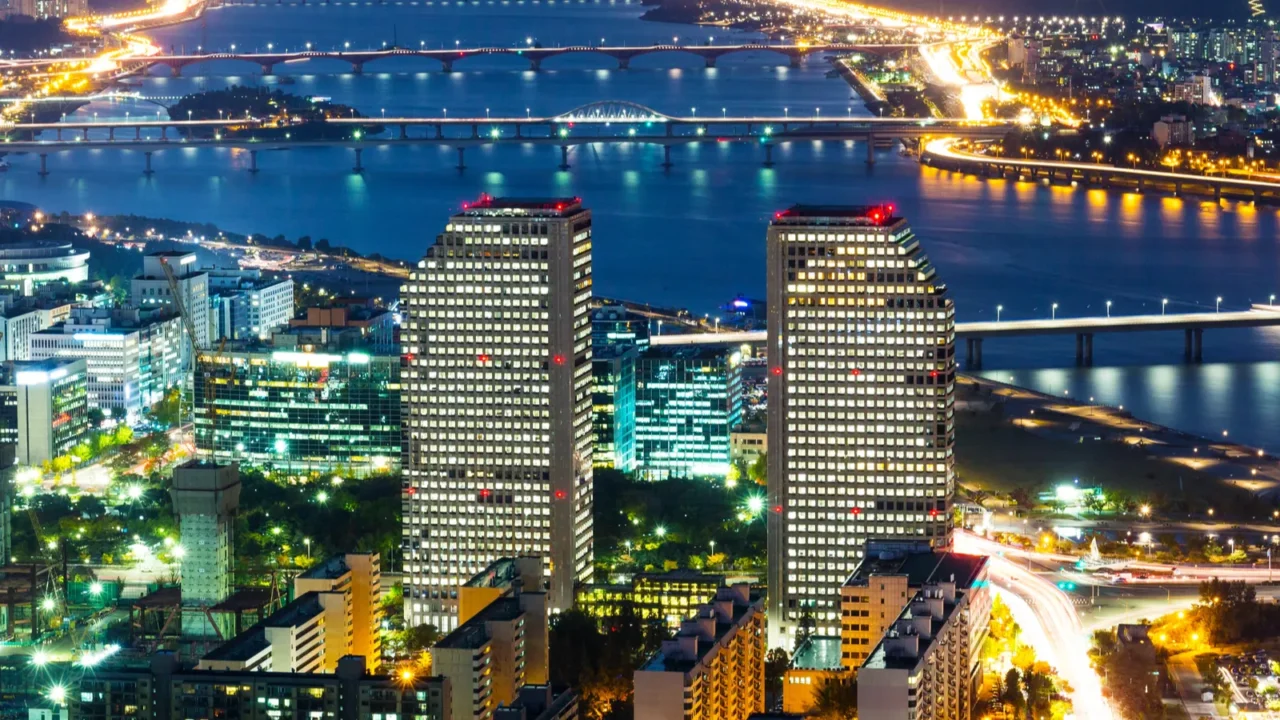
Seoul: Asia’s boardroom gets a glow up
South Korea has always been serious about business, but Seoul is proving that world-class commerce and vivid cultural energy do not have to live on opposite ends of a trip. According to Agoda’s 2026 Travel Outlook Report, 76% of South Korean business travelers now plan to incorporate personal leisure into their work trips, the highest rate among traditionally conservative business travel markets. The city’s nightlife, cuisine, and K-culture scene provide a striking contrast to its efficient MICE infrastructure.
As part of the Asia-Pacific region, where business travel spending is forecast to grow at the highest compound annual growth rate of 8.2% through 2030, Seoul benefits from surging regional demand. Indonesia is also emerging fast, with 27% of respondents in the Agoda study forecasting work travel to the country in 2026, signaling secondary city growth is accelerating beyond the traditional hubs.
Green is the new first class
Sustainability is no longer a corporate social responsibility checkbox buried in an annual report. In 2026, it is a live operational mandate reshaping how companies book, track, and justify every business trip. According to GBTA and BCD Travel data, 85% of corporate travel managers are now required to actively report carbon emissions from their travel programs. Eco-certified hotels, sustainable ground transportation, and hybrid meeting formats have moved from optional to expected.
Singapore’s Sands Expo is a global benchmark here — it became the first MICE venue in the Asia Pacific to receive LEED Platinum certification. Europe is also experiencing what FCM Consulting describes as a tension between economic pressures and sustainability goals, as travel managers juggle cost optimization with environmental commitments that are increasingly tied to ESG reporting obligations.
The rise of the purpose-led trip
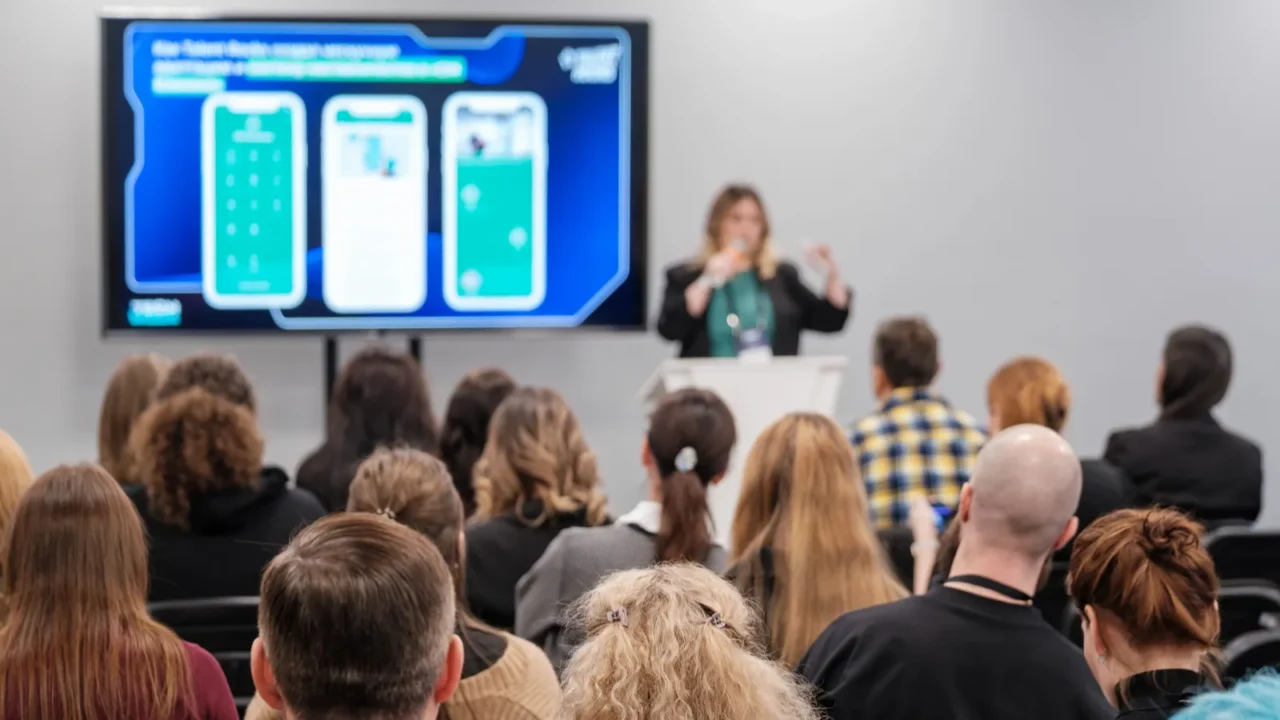
The modern business trip is now built around a reason to be there that a video call simply cannot replicate. Deloitte’s 2025 Corporate Travel Study found that nearly two-thirds of business travelers expect to attend a conference as their primary trip driver, making events the single largest engine of corporate travel growth. Training, team offsites, and client relationship-building events are also surging, with group travel growing 8 to 10% year over year.
The logic makes sense: if a meeting can happen over Zoom, it probably already did. The trips that survive budget scrutiny in 2026 are the ones with clear, demonstrable value: the deal-closing dinner in London, the product launch in Austin, the annual leadership summit in Phoenix. According to GBTA’s global survey of over 7,300 travelers, 86% rated their business trips as genuinely worthwhile.

SMEs are driving the recovery engine
While major corporations tend to dominate the conversation around business travel, it is small and mid-sized enterprises that are outpacing large companies in travel growth rate in 2026. Engine’s 2026 Business Travel Forecast, drawing on GBTA and McKinsey data, found that SMEs are leading the percentage growth in corporate travel spending, driven by an urgent need to secure clients in person and lean organizational structures that allow for faster decision-making on travel investment.
Tech, finance, pharma, and consulting sectors are also registering strong growth in international corporate travel, with client service and project-based travel increasing significantly. Average trip duration has risen 10% since 2023, and the average cost per business trip now stands at $1,128 per person, a figure that underscores why companies are demanding clear return on investment for every journey they approve. Smart travel systems are quietly changing how these decisions get made.
What the road ahead actually looks like
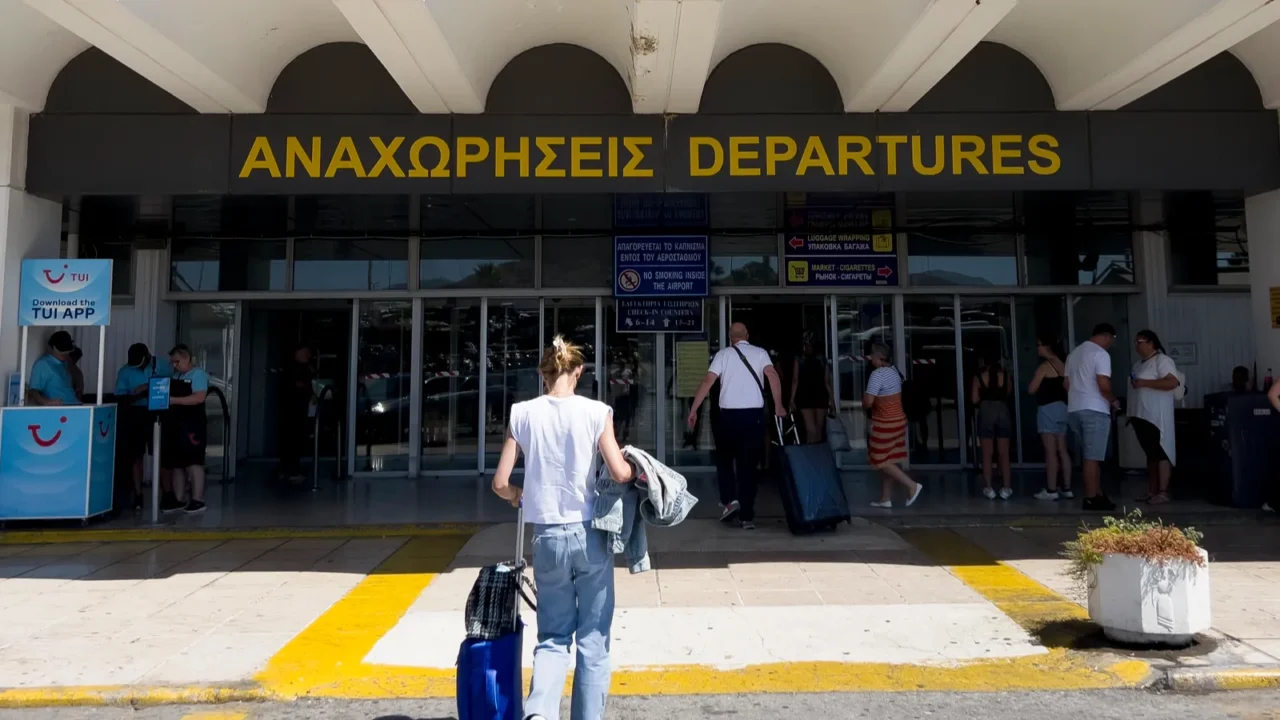
Business travel in 2026 is not what it was in 2019, and that is arguably an upgrade. Trips are more intentional. Destinations are chosen for both their commercial value and their personal appeal. Travelers arrive with an awareness of cost, carbon, and well-being that simply did not exist at this scale before.
For the traveler willing to look past the gate number on their boarding pass, every business trip in 2026 holds the outline of an experience that could change the way they see the world permanently. Start by exploring the popular travel routes business professionals are booking right now.
The office never left; it just started checking in from better places. Which city would change the way you work? Let us know in the comments.
This slideshow was made with AI assistance and human editing.
Don’t forget to follow us for more exclusive content right here on MSN.
Read More From This Brand:
