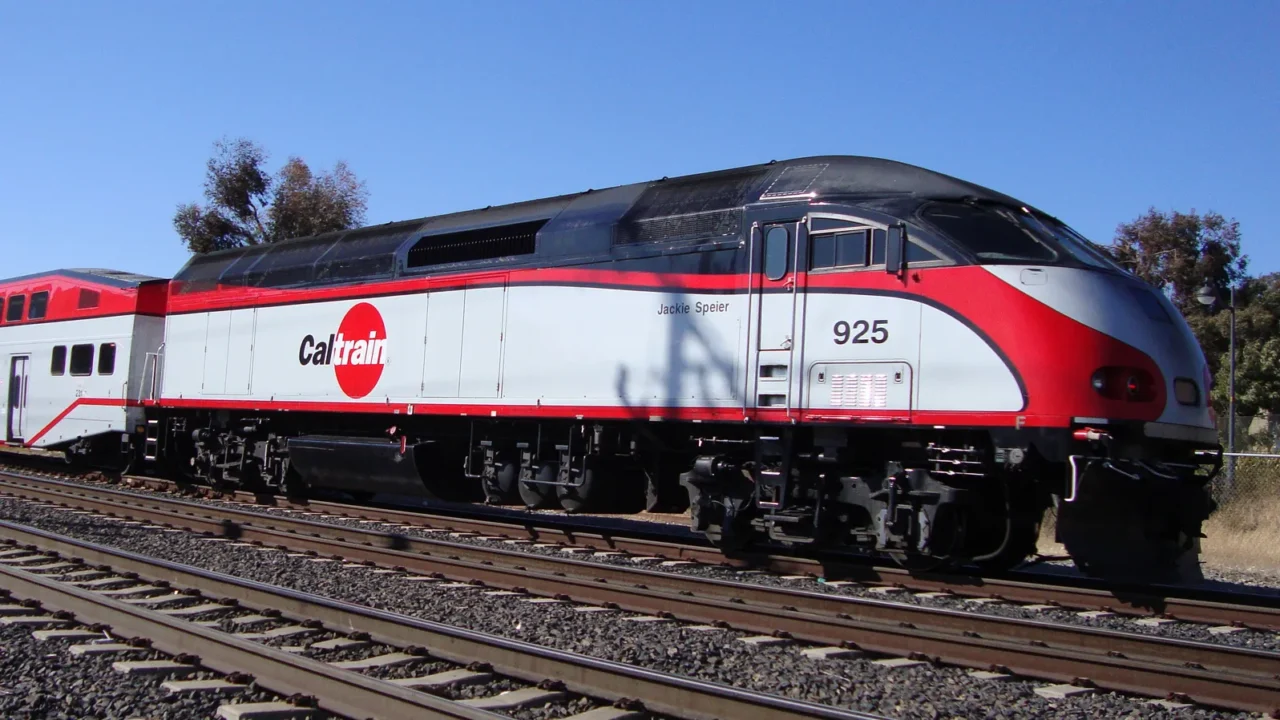
The $100B headline that won’t quit
California’s high-speed rail was promised as a fast link between San Francisco and Los Angeles; current Phase-1 cost estimates are commonly reported in roughly the $89 billion–$128 billion range, and the system is not yet carrying passengers.That gap between promise and reality is why people keep talking about it.
In late December 2025, the state made a big move that surprised a lot of watchers. California dropped its lawsuit over federal funding that was pulled in mid-2025. The rail authority says it will chase other money instead.

California drops its federal funding lawsuit
California filed a lawsuit after the federal government withdrew about $4 billion tied to the project. The state argued the move was unfair and politically motivated. Then, in December 2025, California dropped the case.
The rail authority said the federal government was not a reliable partner. Withdrawing the litigation does not resolve the project’s funding shortfall, but it allows state leaders and the rail authority to refocus on state funding and private-sector options. The new message is simple: the project will try to move forward without counting on Washington.

Why $4 billion mattered so much
Four billion dollars is not pocket change for any public project. Losing it forces hard decisions about what gets built first and what gets delayed. It can also spook other funders who want stability.
In a June–July 2025 compliance review, Federal Railroad Administration officials concluded the Authority had not met grant requirements, cited missed deliverables and questioned whether the Initial Operating Segment had a viable path to revenue service — findings that led to the termination of the grant agreements. California officials pushed back and pointed to ongoing construction. Either way, that funding fight became a major turning point in 2025.
What’s actually being built right now
Most visible construction is in the Central Valley, not the coastal cities people picture. Crews have been building big structures like viaducts, bridges, and underpasses. Fresno-area aerial photos show just how massive these builds are.
This is the part that confuses many readers. You can have miles of concrete guideway and still have no train service. Tracks, power systems, signaling, stations, and testing come later, and those steps are expensive too.
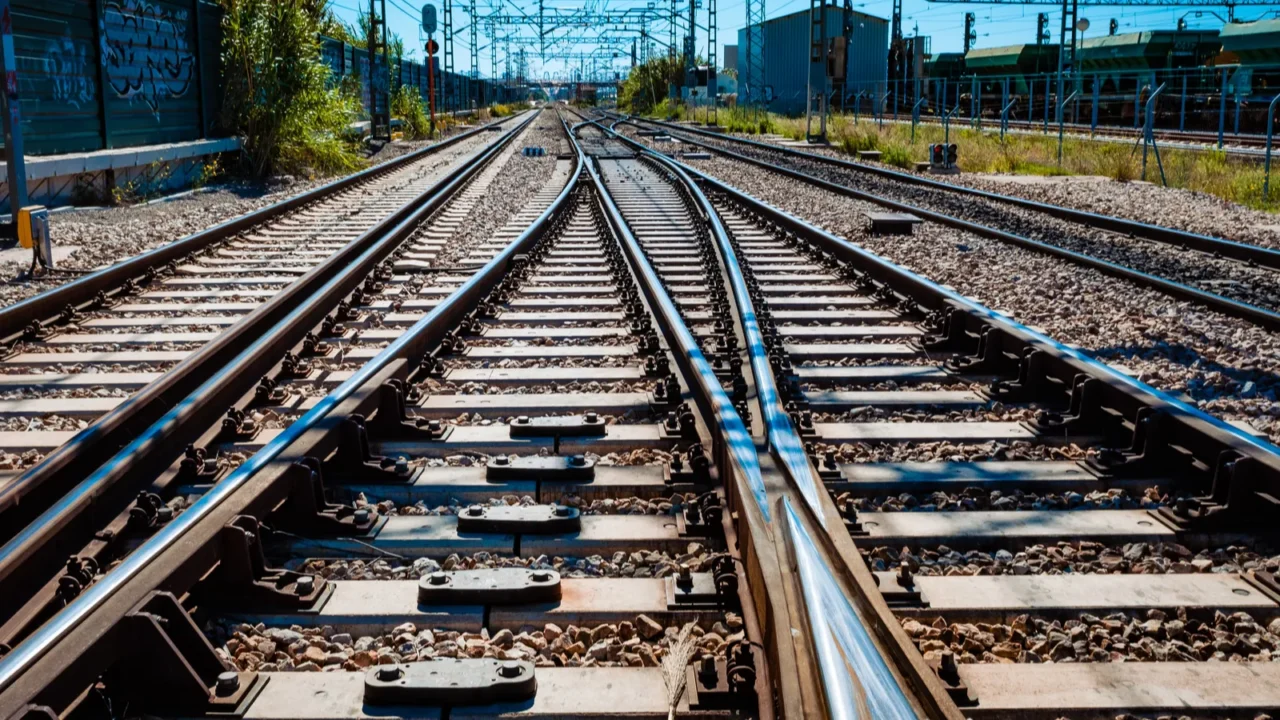
The “no trains yet” reality check
Even supporters admit the project is not carrying passengers today. Federal officials have used that fact to argue the program has failed. Critics also point to years of shifting timelines and cost growth.
Supporters answer with a different point. They say mega-projects take time, and early work is mostly unglamorous. For most people, though, the basic frustration is easy to understand: there’s still no ride to take.
Fun fact: California voters approved the project in 2008 through Proposition 1A, which authorized bonds to help fund high-speed rail.

The cost range keeps stretching upward
Current estimates for the full Phase 1 system are often described as roughly $89 billion to $128 billion. That range itself is part of the problem, because it shows how much uncertainty remains. Big ranges can scare off investors and lawmakers.
Back in 2008, voters approved the project with far lower cost expectations and an earlier finish date. Costs rose as plans evolved and hurdles stacked up. Inflation, land, labor, and design changes all add pressure over time.
Fun fact: The planned top operating speed for California High-Speed Rail is up to 220 mph on dedicated tracks.
Why the Central Valley became phase one
The Central Valley segment is flatter and easier to build than mountain passes or dense city cores. It also avoids some of the most complex urban land and tunnel work. That is why the first heavy construction concentrated there.
But it comes with a messaging problem. A starter line in farm country feels less “finished” than a coast-to-coast launch. That’s how the “train to nowhere” label stuck, even while major structures continued to go up.
Fun fact: California’s cap-and-trade program began in the early 2010s, and it has funded a wide mix of climate-related projects, including transportation.
Cap-and-trade becomes the steady check
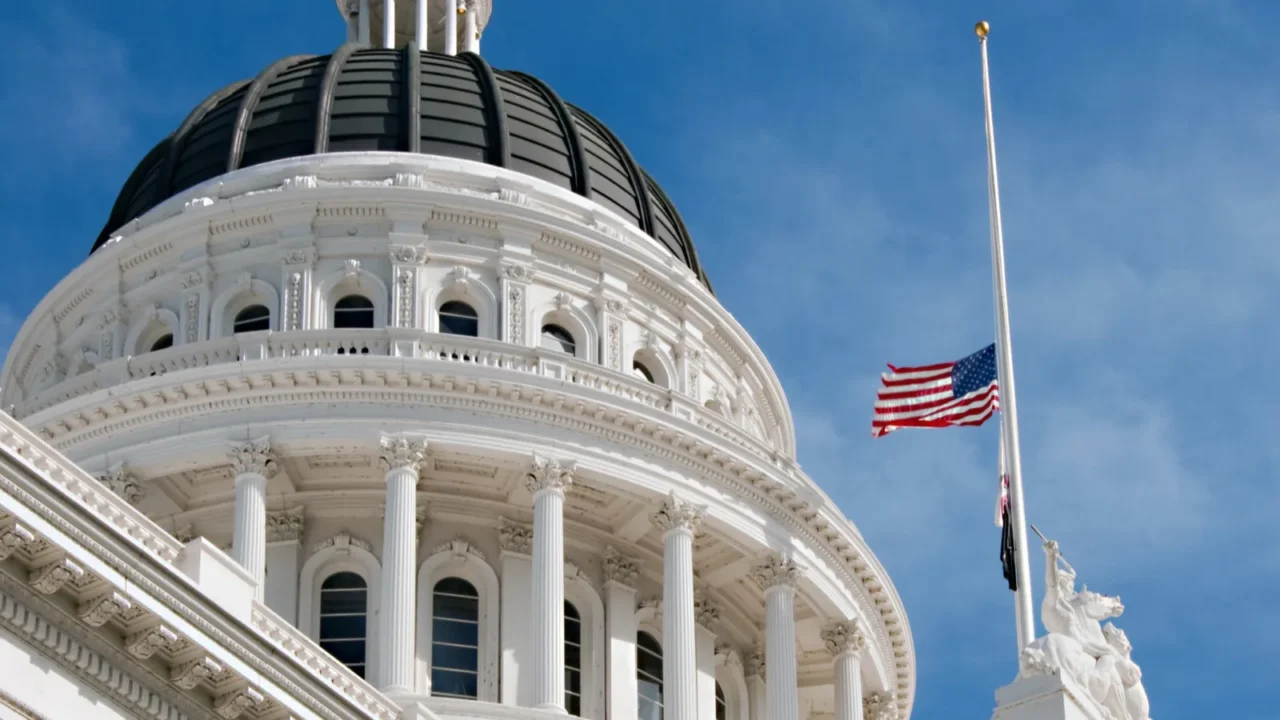
In 2025, state leaders secured $1 billion a year through 2045 from California’s cap-and-trade style program for the project. That’s one of the biggest stable funding promises the rail effort has ever had. It gives planners a clearer runway than one-time grants.
This money is still not the full answer. A yearly stream helps, but it may not cover the full build-out to San Francisco and Los Angeles. It does, however, make it easier to plan contracts and keep construction moving.

Private investors are now the big target
With federal money less reliable, the rail authority is openly seeking private investors. That shift changes the conversation from politics to business basics. Investors want predictable revenue, firm timelines, and clear risk sharing.
High-speed rail can attract private money in other countries, but it’s rarely simple. The question is what deal structure could work in California’s legal and financial environment. The authority is framing this moment as a chance to use “global best practices” instead.
What the federal review said went wrong
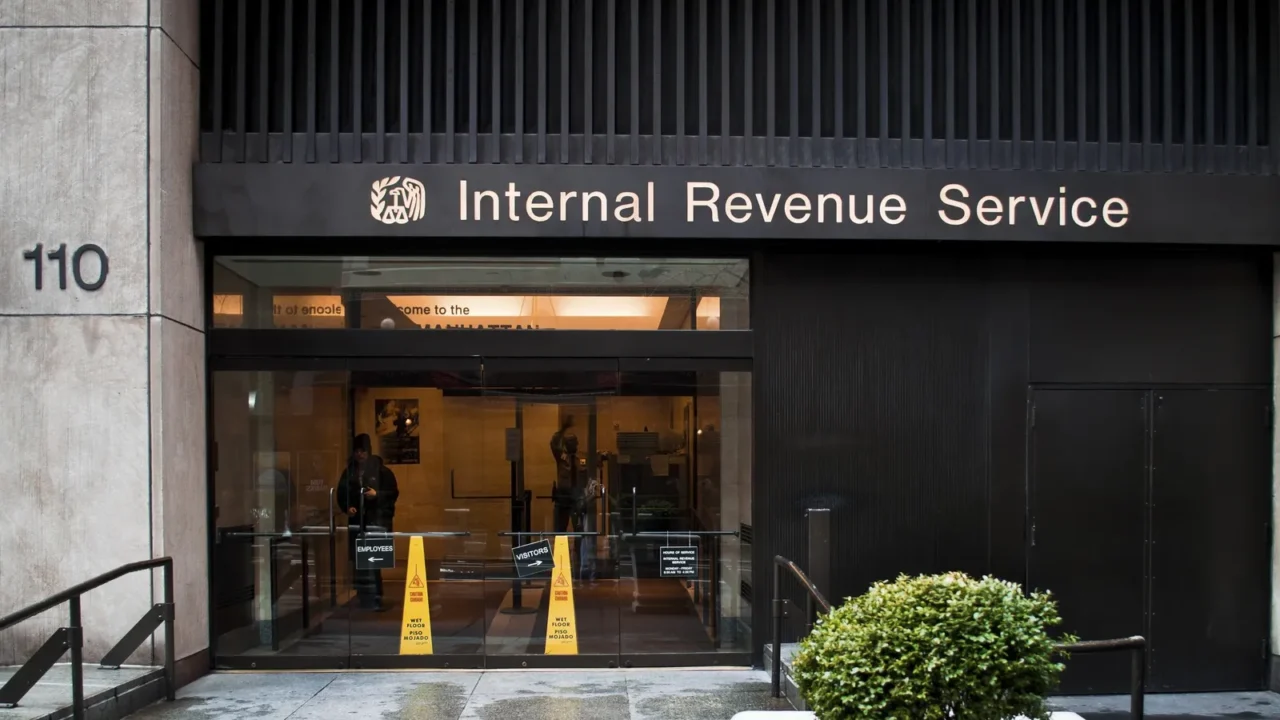
Federal officials pointed to delays, cost overruns, and planning gaps. They also argued that deadlines and deliverables were not being met. That criticism was part of the reason the funding was terminated.
California leaders rejected that framing and said the project is real and moving. They point to structures completed and active construction. For everyday readers, the key takeaway is that oversight has become a major storyline, not a footnote.
Why “track laying” is a huge milestone
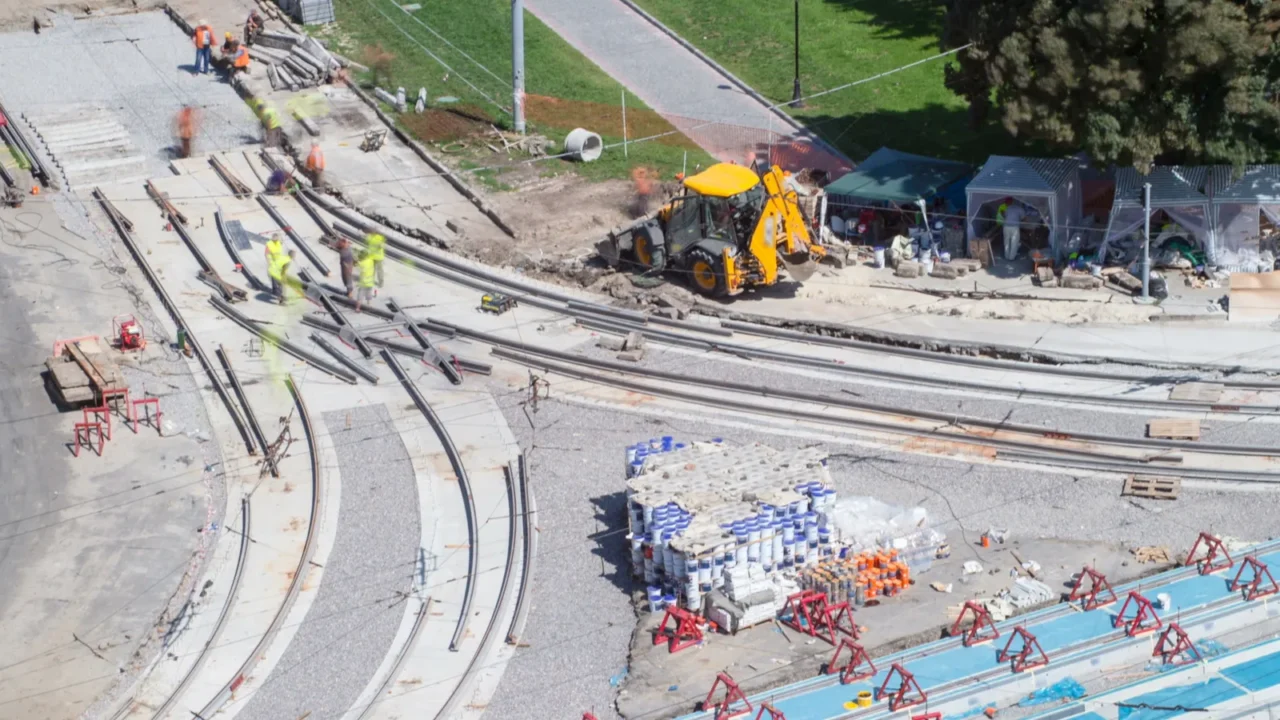
A lot of people assume tracks were laid years ago, but that has not been the visible reality. Track and systems work is a different phase from pouring concrete structures. It also requires precision, specialized equipment, and long testing windows.
Once track laying begins, the project looks more like a railroad and less like a freeway bridge job. That matters for public trust. It’s also when timelines feel more real, because trains can’t run without these core systems in place.
The timeline question everyone asks
Many reports put early passenger service in the 2030–2033 window for a Central Valley operating segment. That estimate depends heavily on steady funding and completed systems work. Any major shortfall can push dates back.
A full San Francisco–Los Angeles connection has a much less certain schedule. Some planning scenarios suggest later targets, like the late 2030s, but funding is not fully locked in. That uncertainty is why “when can I ride it?” remains the top question.
Curious why so many Californians are trading the West Coast for the Sunshine State? Check out why more people are leaving California for Florida.
Why this fight matters beyond California
Big U.S. transit projects are watched nationwide, from Texas to Florida to the Northeast Corridor. If California proves high-speed rail can be finished, it changes what feels possible in America. If it stalls again, it makes future projects harder to sell.
It also affects real communities right now. Construction contracts, jobs, and local disruption are already happening in Central Valley cities. That’s why even people who never plan to ride the train still care about how this ends.
Curious which stretch drivers say feels the riskiest on the road? Check out the Northern California highway named among the most dangerous in the U.S. and what makes it so deadly.
Do you think California’s high-speed rail will finally deliver real rides, or stay stuck in build mode? Share your thoughts and your view in the comments.
This slideshow was made with AI assistance and human editing.
Don’t forget to follow us for more exclusive content right here on MSN.
Disclaimer: Some images used are for illustrative purposes only and do not depict the actual locations mentioned.
Read More From This Brand:
