
California’s mansion tax passed $1 billion
Los Angeles’ Measure ULA officially crossed $1 billion in revenue by early 2026. The tax applies to property sales above $5.3 million and took effect in April 2023. Supporters framed it as a long-term solution to housing and homelessness funding gaps.
The pace of revenue surprised even backers. Collections accelerated during brief surges in high-value sales. That early success raised expectations for rapid housing impact.
Now the focus has shifted. The size of the fund has made spending delays harder to ignore.

The headline number masks a slow spending reality
More than $1.03 billion had been collected from 1,435 transactions. Yet only a small fraction has been fully disbursed. Early 2026 reports show less than 10% reaching active programs.
Even less has gone directly to housing construction. Actual spending on new affordable units remains under $10 million. That contrast has fueled criticism across political lines.

City leaders approved spending before funds moved
In summer 2025, the City Council approved a $424.8 million budget for the 2025–26 fiscal year, earmarked for rental assistance, eviction defense, and housing development. The funding signaled an ambitious response to mounting housing pressure.
But much of the money remained unspent months later. Budget approval did not translate into swift rollout, and administrative delays slowed distribution. For residents facing immediate housing stress, the gap between funding promises and on-the-ground impact has become increasingly hard to ignore.

Legal challenges froze early decision-making
Measure ULA faced multiple lawsuits shortly after implementation. Opponents sought to overturn the tax and block collections. Courts ultimately upheld the measure.
During that period, city officials hesitated to commit large sums. Spending cautiously reduced legal risk but delayed outcomes. Housing programs remained in limbo. By the time legal clarity arrived, momentum had already slowed.

Administrative setup absorbed early funds
A notable portion of early spending was directed toward administrative costs. Staffing, compliance systems, and oversight structures were funded first, alongside mounting legal defense expenses.
Public records show millions spent on operations before significant housing aid reached residents. Critics say the balance leaned too heavily toward bureaucracy, while supporters argue those systems were necessary to manage the scale of the program.
For the public, the result has been frustrating. A large price tag has produced few visible housing outcomes so far.

Program design limited early housing investment
Measure ULA was not structured as a simple construction fund. Early versions lacked flexible loan mechanisms for developers. That design slowed project financing.
Affordable housing development requires layered funding. Without easy access to capital, projects stalled. City officials later moved to fix the gap. Those fixes arrived after months of delay. Housing timelines slipped further.

It turned out not to be just a mansion tax
Despite its name, Measure ULA applies to all qualifying property types. Apartment buildings and commercial properties are included. Over half of the total revenue came from those categories.
That surprised many voters. Rent-producing properties now carry added transaction costs. Developers and landlords absorbed much of the burden. The broader reach reshaped market dynamics beyond luxury homes.
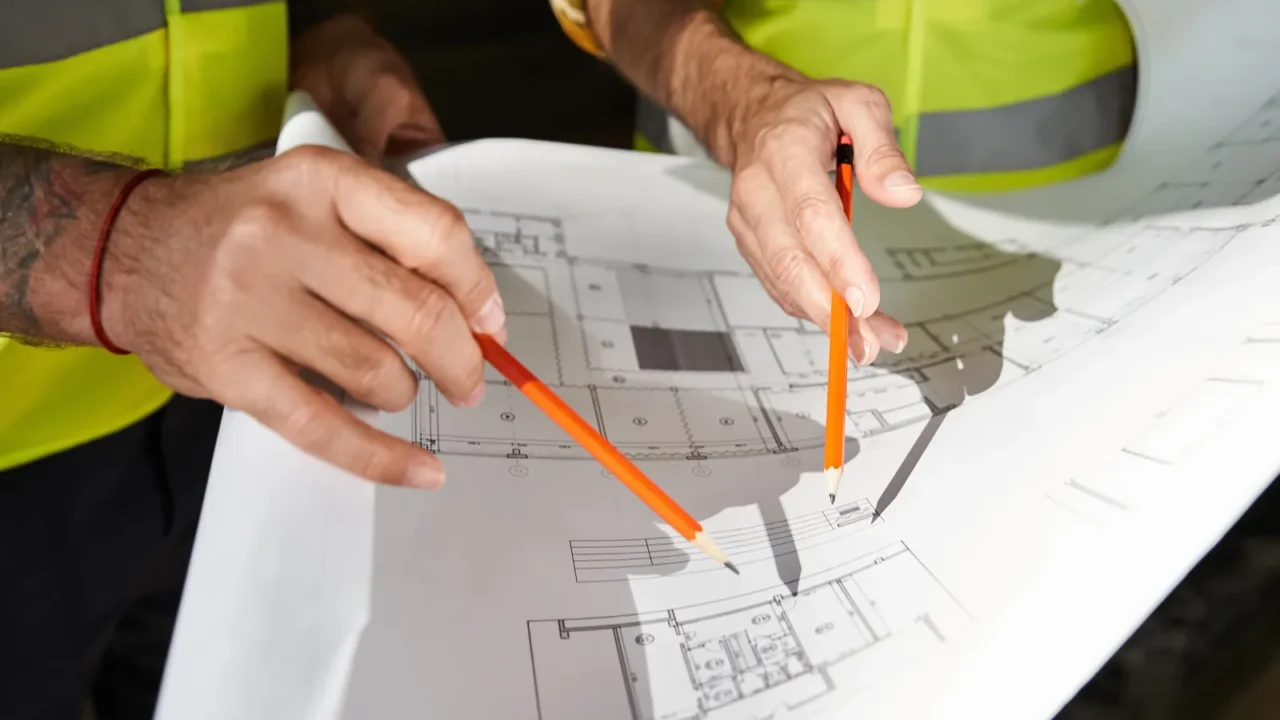
Developers grew cautious about building in Los Angeles
The tax applies at the point of sale, not construction. That affects exit values and long-term returns. Developers factor the cost into feasibility models.
Some projects were delayed or shelved. Others shifted to nearby cities without the tax. The result was fewer permits in certain segments. Housing supply pressures did not ease.

Supporters point to real, if limited, outcomes
Backers of Measure ULA argue the program is beginning to work. Funds have supported nearly 800 affordable units. Several stalled projects were revived.
Rental assistance and eviction defense reached more than 11,000 renters. These interventions helped stabilize households. Supporters say the impact should be measured over the years. They frame the program as a long-term investment, not a quick fix.

Political pressure is building heading into 2026
Calls for reform are growing as pressure mounts to show measurable results. Housing advocates are urging the city to loosen disbursement rules and move funds more quickly to renters, legal aid groups, and development projects.
City leaders now face a narrow and politically fraught path. Speeding up spending risks waste, mismanagement, or legal challenges, while maintaining the current pace risks deepening public frustration and eroding voter trust.
How officials navigate this balance over the next year is likely to shape not only the program’s future but also the broader housing debate heading into the next election cycle.

Critics say the opportunity cost is growing
Opponents argue that time matters in a housing crisis. Delayed construction means higher future costs. Inflation and land prices continue to rise.
They also warn of reduced investment. Fewer deals mean less future revenue. A shrinking tax base could limit the program’s sustainability. The gap between promise and pace remains the core concern.
California’s high-speed rail project has also faced criticism for delays, high costs, and limited progress—raising broader concerns about state-level project execution.

The billion-dollar question is no longer about revenue
Measure ULA proved it could raise significant revenue. What remains uncertain is whether it can produce housing at the scale promised. The gap between collection and construction now defines the debate.
Los Angeles controls one of the largest housing funds in the country. Public patience is thinning as dollars remain unused. Shortfalls in government capacity to execute large-scale projects are also cited as a factor driving migration.
Can the city turn the money into homes before public patience runs out? Share your thoughts and your view in the comments.
This slideshow was made with AI assistance and human editing.
Don’t forget to follow us for more exclusive content right here on MSN.
Read More From This Brand:
