
Tourist titans tested
Florida, Nevada, and California have long ruled American tourism, drawing millions with beaches, theme parks, deserts, mountains, and big city energy. Today, a new question threatens all three: can their tourism edge hold as visitor behavior shifts, economic forces tighten wallets, and global travel trends evolve? The answer matters for jobs, community economies, and the future of iconic travel experiences.
Tourism isn’t just about numbers. It’s about how experiences, service, and cultural relevance evolve year after year. These states have deep histories as wanderlust magnets. But retaining that edge means confronting fresh challenges while shaping compelling reasons for people to keep coming back.
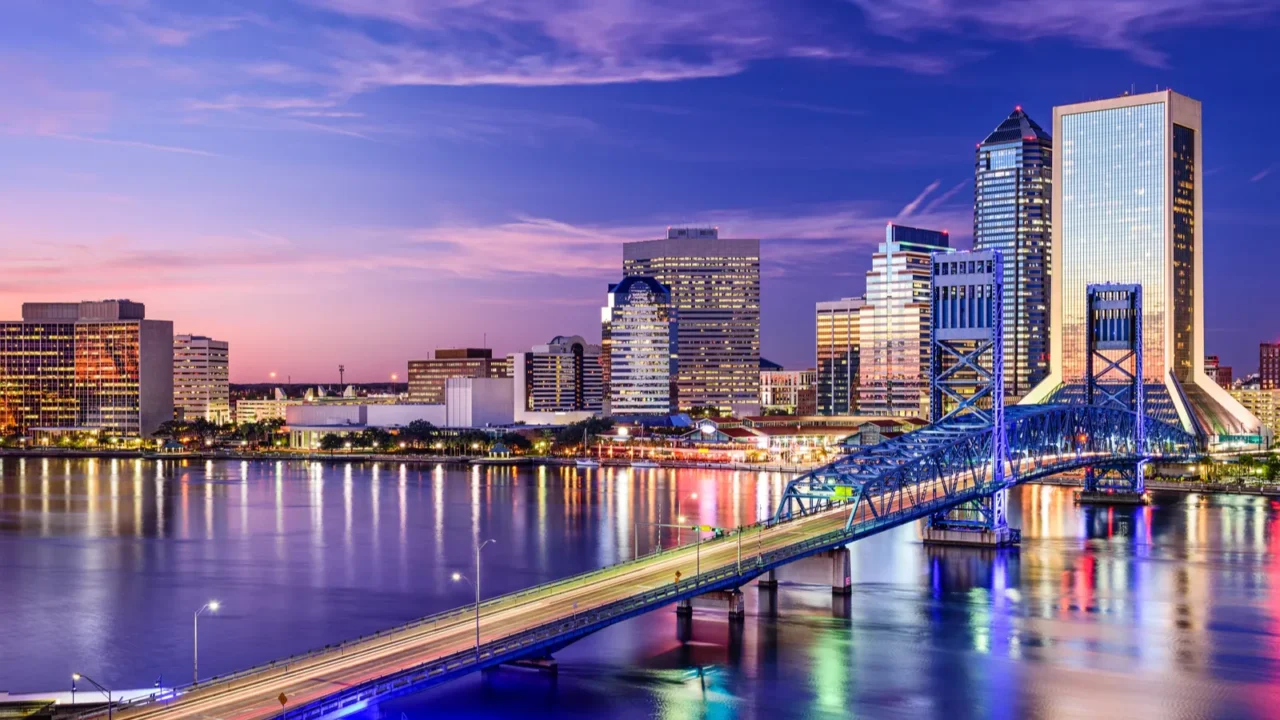
Florida’s unmatched appeal
Florida continues to dominate the U.S. tourism scene with record visitor numbers and a reputation for sun, sand, and family fun. In 2024, the state welcomed 143 million travelers, setting a historic high, and early 2025 data shows strong demand for beaches, theme parks, and city destinations like Miami and Orlando. Domestic travelers make up the vast majority of visitors, showing the state’s lasting local and national draw.
But strength in headlines doesn’t tell the whole story. Some smaller businesses in popular beach towns report slower spending despite high foot traffic, revealing that visitor experience and local economic benefit don’t always move in the same direction. Adapting to changing travel habits will be key.

Shifting Florida dynamics
International travel to Florida has been slower to recover compared to domestic trips, with Canadian and overseas visitors trading historic levels for a more modest rebound. Many tourists used to cross the border for winter escapes and theme park vacations, and lower international bookings could force Florida to rethink global marketing strategies.
Still, Florida’s ability to draw Americans year-round gives it a powerful base that many other states envy. If it continues to strengthen infrastructure, diversify experiences, and support local business growth, its tourism edge may stay strong even as global patterns shift.

Nevada’s gamble
Las Vegas and wider Nevada tourism face a tougher climate in 2025 than in recent years. Between drops in visitor traffic and weakening casino revenue, the Nevada tourism engine has slowed. Officials have seen consistent declines in Las Vegas numbers, and international travel, a key driver for high-spending visitors, has not returned to prior levels.
For a state built on entertainment, nightlife, and big events, adapting to leaner visitor patterns means reinventing offerings and finding new competitive edges while honoring its legendary travel brand.

Nevada tourism headwinds
Nevada’s tourism challenges stem from both domestic economic uncertainty and global travel slowdowns. While Las Vegas has historically drawn crowds for gaming and conventions, visitation declines and lower hotel bookings have strained business performance. International visitors, especially from Canada and Mexico, are less frequent than in past years, which disrupts traditional travel rhythms that many Nevada economies depend on most.
Revitalizing Nevada’s travel appeal may mean focusing on outdoor and cultural tourism beyond the Strip while tapping into emerging traveler interests in sustainability and nature-based escapes.

California’s cultural pull
California has long been a tourism powerhouse thanks to world-class cities like San Francisco and Los Angeles, iconic natural wonders like Yosemite National Park, and legendary drives like the Pacific Coast Highway. These destinations create a tapestry of experiences that keep travelers returning year after year.
However, recent data points to slower growth and seasonal fluctuations in visitor arrivals, especially from international markets. With global competitiveness rising, California now faces the challenge of maintaining relevance while evolving its offerings to stay fresh and exciting.

California’s tourism shifts
International arrivals to California have dipped, and travel costs or global economic uncertainty can discourage long-distance vacations. These challenges ripple through the economy, affecting hotels, tours, and restaurants that rely on steady visitor flow.
Yet California’s diversity of experiences from beaches to vineyards, national parks, and cultural hubs gives it a built-in resilience. Supporting smaller communities and reducing crowding at natural sites can strengthen long-term sustainability.

Shared tourism struggles
Florida, Nevada, and California aren’t alone in feeling tourism pressure. Many popular destinations across the U.S. have seen visitor declines as travelers adjust to rising costs, shifting preferences, and new entry requirements. Even top venues have to reconsider how they maintain a competitive edge when the global travel picture is more unpredictable than ever.
For these states to stay ahead, they need to innovate tourism strategies that reflect not only where travelers want to go but also how they want to experience their journeys.

Experience over numbers
Future tourism success will hinge on richer, more diverse experiences that connect travelers to places beyond traditional hotspots. Whether it’s cultural festivals in Los Angeles, eco-friendly tours along Florida’s Gulf Coast, or desert adventures across Nevada’s backcountry, the compass of wanderlust now points toward authenticity and transformation.
Local voices, heritage sites, and sustainable travel options are becoming just as important as tallies of annual visitors.
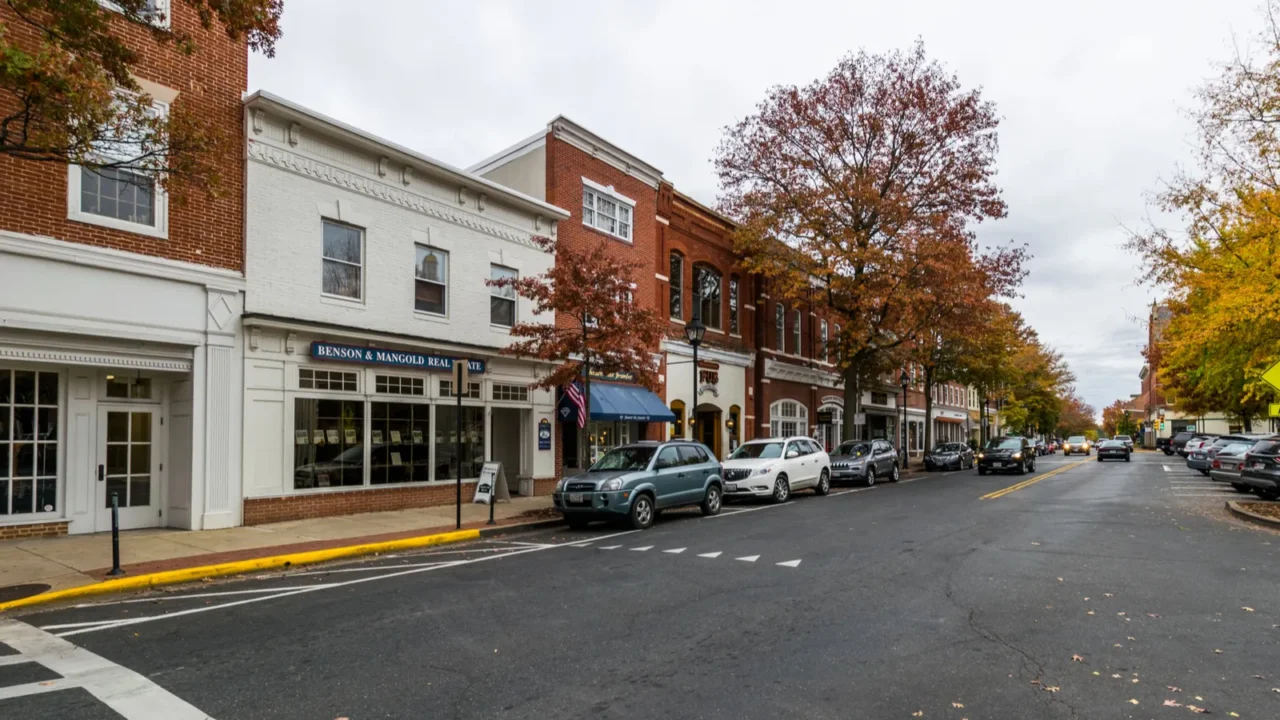
Reinventing travel appeal
These states can maintain their edge if they invest in both infrastructure and storytelling. Florida might expand lesser-known coastal towns; Nevada can highlight outdoor adventure beyond Las Vegas; California could focus on quieter, boutique travel experiences that complement its marquee attractions.
Tourism today isn’t just about iconic landmarks. It’s about crafting meaningful encounters that leave people enriched and eager to share their stories.

Future forecasts
Tourism trends suggest a mixed but hopeful future. While overall numbers might ebb and flow with global dynamics, travelers still crave unique places that feel alive and welcoming. Economic shifts will continue to challenge popularity rankings, but core strengths of natural beauty, cultural richness, and world-famous destinations give Florida, Nevada, and California vital tourism assets.
Staying flexible, innovative, and visitor-centered will matter more than ever as competition grows.

The edge defined
What does it mean to have a tourism edge? It means offering unforgettable experiences, above and beyond service, and destinations that feel alive with possibility. For Florida, that could mean deeper cultural immersion.
For Nevada, new adventure stories. California is a blend of world heritage and hidden local gems. These qualities are not temporary, and they are what keep wanderers returning year after year. Tourism edge is not static. It must be nurtured like a living landscape, which is why tourism authorities now face a defining moment to rethink promotion strategies, invest in local communities, and shape experiences that protect identity while keeping destinations globally competitive.
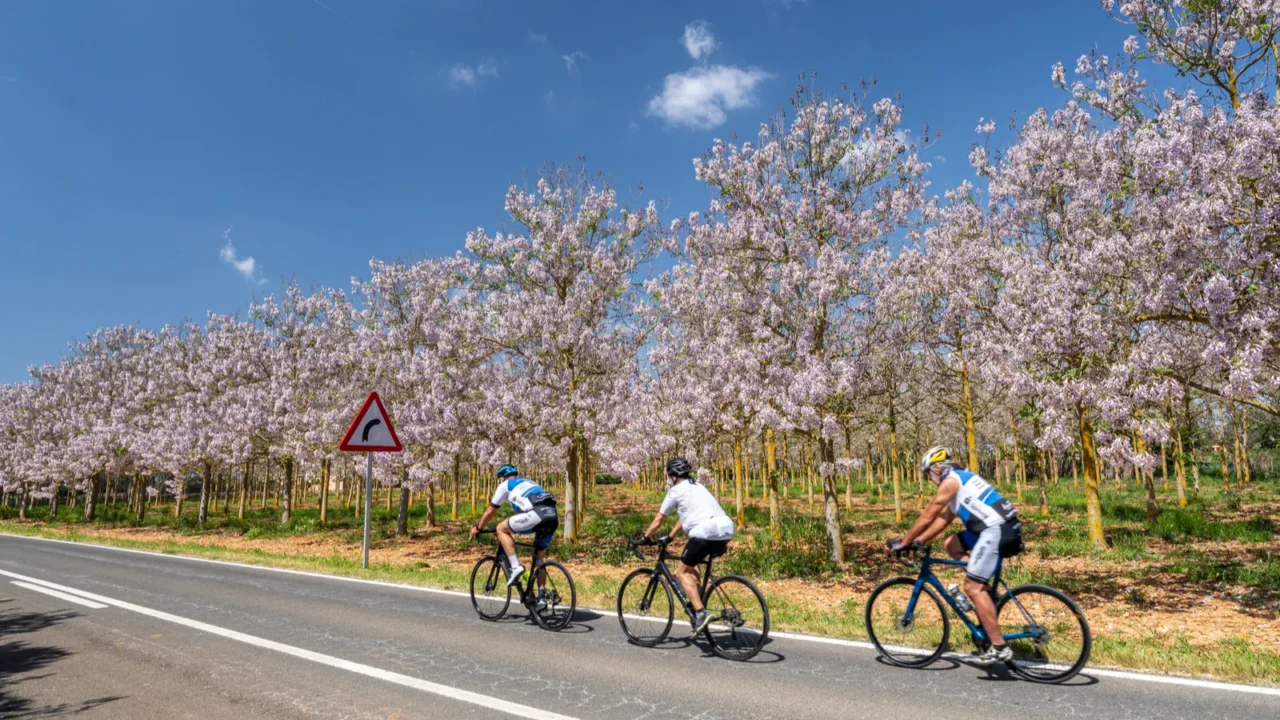
The journey ahead
Florida, Nevada, and California have the history and allure that once made them undisputed tourism leaders. The real test now is how they adapt, invite, and reinvent for travelers who want more meaning in every mile.
Around the world, countries promoting rural tourism show how quieter places can redefine travel value, reminding visitors that the future of tourism may lie beyond crowded icons and instead in landscapes, traditions, and stories waiting to be rediscovered.
As travel priorities evolve and hidden places step into the spotlight, which destinations do you think will truly shape the future of tourism, and why? Tell us in the comments.
This slideshow was made with AI assistance and human editing.
Don’t forget to follow us for more exclusive content right here on MSN.
Read More From This Brand:
