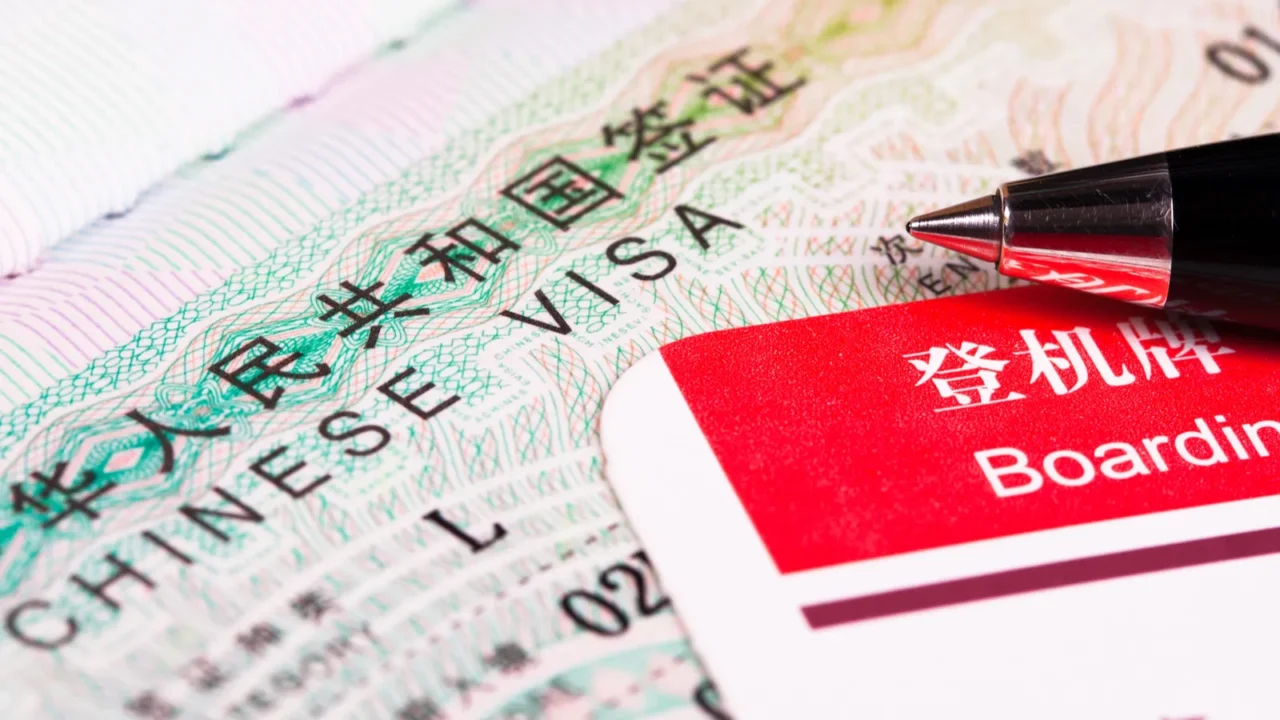
China just made Europe trips easier
If you have ever skipped China because the visa process felt like a chore, this is a big shift. China has expanded visa-free entry for many countries, and it is changing how people plan quick getaways. Think “book flights, pack, go,” with fewer steps in between.
For travelers, the real win is flexibility. Short trips for food, culture, and shopping suddenly look more realistic. And for families, it can mean less paperwork before a big reunion.

The February 2026 update in plain English
Starting February 17, 2026, UK and Canadian passport holders can enter China visa-free for up to 30 days. That runs through December 31, 2026, under the current policy window. It is meant for short visits, not long stays.
China’s Foreign Ministry framed it as a travel-friendly move. The goal is to make cross-border visits smoother for tourism and business. If you travel often, this is the kind of change that can reset your whole itinerary.

Most of Europe is now on the list
A large share of Europe is included in China’s unilateral visa-free list. That includes big travel hubs like France, Germany, Italy, Spain, and the Netherlands. It also covers many smaller countries across Central and Northern Europe.
The easiest way to think about it is this: Europe-wide travel planning just got simpler. Fewer visa appointments can mean more last-minute deals. And it makes quick “two-city” trips feel less stressful.

What “30 days” really unlocks
Thirty days is long enough to do China without rushing. You can build a classic route like Beijing, Xi’an, and Shanghai, then still have time for a side trip. It also makes slower travel possible, where you actually rest.
This matters for people who hate jam-packed schedules. With a longer limit, you can add museum days, food neighborhoods, and train travel. It turns China from a “someday” trip into a doable one.

What you’re allowed to do visa-free
Visa-free entry is for specific purposes, and they are pretty practical. Think tourism, business meetings, visiting family or friends, exchange visits, and transit. If your plans match those buckets, you are usually in the safe zone.
This is great for travelers who mix fun and work. You can attend meetings, then tack on a few sightseeing days. Just keep your trip purpose consistent with the rules.

What you cannot do under the waiver
Visa-free does not mean “anything goes.” You cannot take a job in China on this entry type. You also cannot enroll in long-term study programs without the right visa.
This matters because border officers can deny entry if your purpose does not match the waiver. If you are going to work or school, get the proper visa first. Treat a visa-free like a short-visit pass, not a life plan.
Little-known fact: China’s National Immigration Administration says the visa-free transit stay was extended from 72/144 hours to 240 hours (10 days) in December 2024.

Proof you should carry, just in case
Even if you do not apply in advance, you should travel prepared. China’s visa service guidance recommends bringing documents that support your trip purpose. That can include flight details and your accommodation reservations.
Think of it like visiting any country with strict border checks. You want to show you plan to leave on time and know where you are staying. Having this ready can make the entry feel smoother.
Little-known fact: China has a separate Hainan policy that allows visa-free entry for up to 30 days for ordinary passport holders from 59 countries (it is different from the unilateral list).

Don’t treat entry like a formality
Visa-free does not remove border inspection. China’s rules still require an entry check upon arrival. If something looks off, officials can ask questions or refuse entry.
The good news is you can reduce drama with simple planning. Keep your trip story clean and consistent. And avoid vague plans that look like you might overstay.
Little-known fact: China’s official policy page notes the 30-day stay clock is calculated from 00:00 on the day after entry for the unilateral visa-free program.

Russia has a different end date
Russia is handled separately: under the trial arrangement, Russian ordinary passport holders can enter visa-free until Sept. 14, 2026 (check the Russian/Chinese embassy notices for the exact start-and-end dates that apply to your travel).
If you are planning a multi-country itinerary, dates matter. Always check your nationality’s line in the policy list. A tiny detail can change whether you need a visa.

What if you’re a U.S. traveler
Americans are not part of the 30-day unilateral visa-free list. That means most U.S. travelers still need a visa for a standard China trip. But there are separate transit options that can work for short stopovers.
If you are flying from the U.S. to a third country and routing through China, transit rules may apply. The catch is you need to follow the transit requirements closely. It is smart, but only if your itinerary truly qualifies.

This can reshape airfare shopping
Visa-free travel often changes how people hunt for deals. When entry is easier, travelers feel safer booking spontaneous trips. That can increase demand on popular routes into cities like Shanghai and Beijing.
For you, the move is to price-check more often and stay flexible. Midweek departures can still be your best friend. And building a trip around a big hub can simplify everything.

Plan your itinerary around timing, not hype
China is huge, so pick a theme and build around it. Food trip, history trip, modern skyline trip, or nature trip all work. A focused plan is the easiest way to enjoy a 30-day limit without feeling lost.
Also, keep your bookings and addresses organized. You may be asked for basics like where you’re staying and when you leave. A simple travel folder on your phone can save you stress.
Want to know if your country is included in China’s visa-free travel policy? Check out the list of 70 countries that can now visit China without a visa.

Remember the policy has an end date
Right now, China’s unilateral visa-free window is set to run through December 31, 2026 for the covered countries. That does not mean it will automatically disappear, but you should not assume it lasts forever. If you want to use it, plan within the posted dates.
Policies can extend, tighten, or shift by country. Before you book, recheck the latest official notice for your passport. That one quick step can prevent a last-minute travel headache.
Curious if China’s new K tech visa can really pull top engineers and researchers away from the U.S. and Europe, or if daily-life tradeoffs will keep talent on the fence? Read how China’s new tech visa aims to lure global talent. Will it succeed?
What are your views on this topic? Share in the comments.
This slideshow was made with AI assistance and human editing.
Don’t forget to follow us for more exclusive content right here on MSN.
Read More From This Brand:
