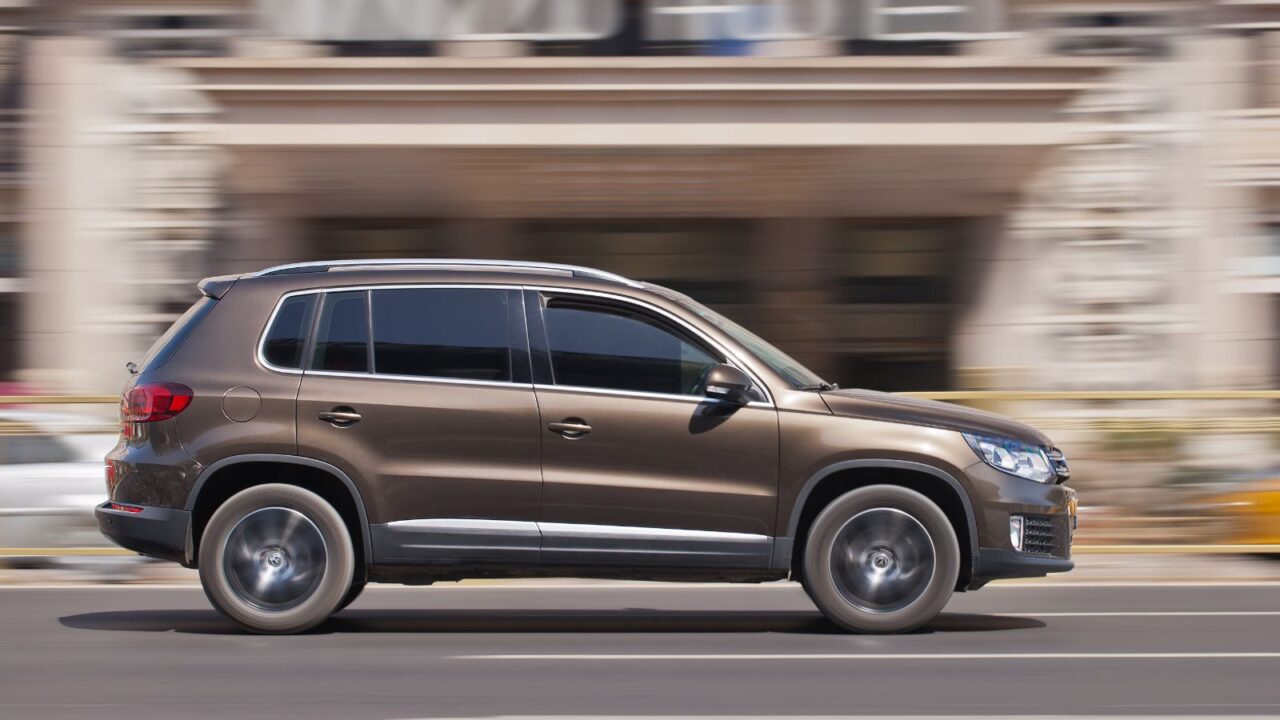
The car aisle may get a new player
If you’ve noticed new-car prices still feel painful, you’re not imagining it. Many shoppers are hunting for cheaper options, even if it means trying a brand they’ve never driven. That’s where Chinese automakers come into the conversation.
Industry watchers say Chinese-made brands could show up in the U.S. sooner than many people expect. The twist is they may not arrive as imports at first. They may arrive as “built here” vehicles instead.
The big date range people are watching
A lot of talk now points to a 2026–2028 window for real movement. That could mean announcements, pilot programs or first steps toward U.S. sales — not cars on dealer lots tomorrow.
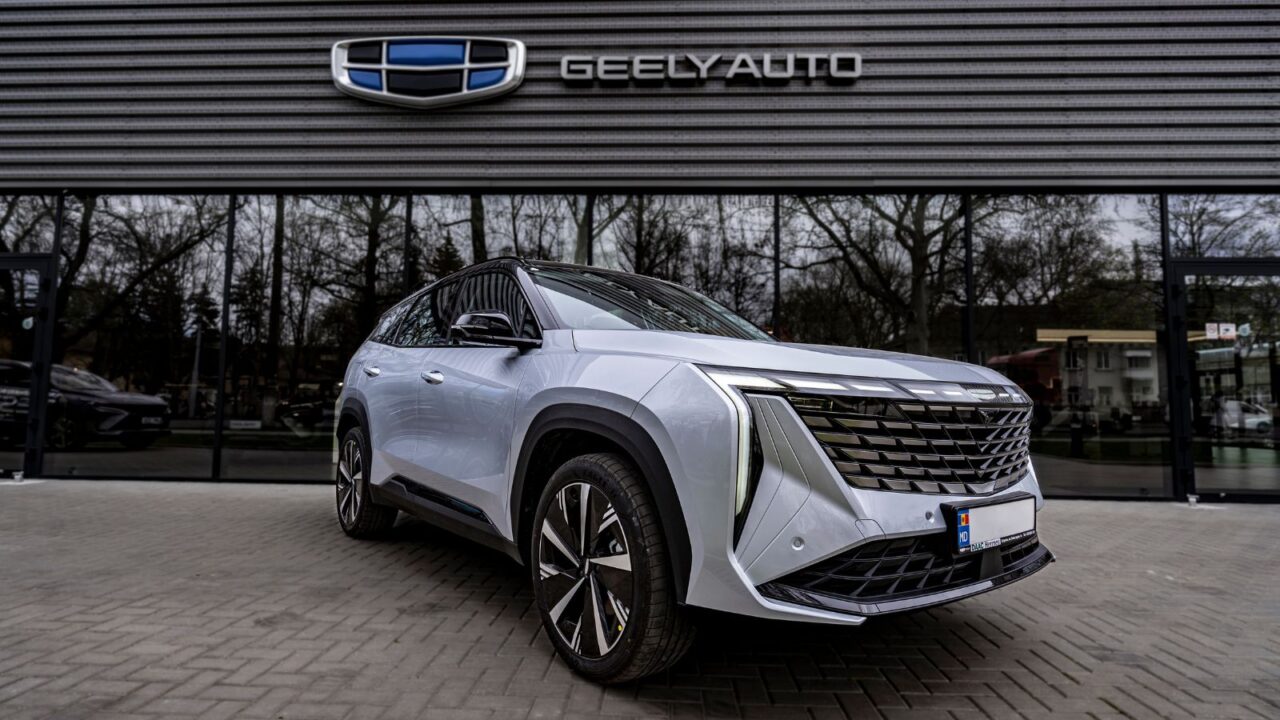
The key signal is how openly executives are discussing U.S. entry timelines. Geely has signalled U.S. ambitions—its CES 2026 presentations and recent reporting highlight Zeekr and Lynk & Co as candidate brands—but company executives have not published firm U.S. launch dates; industry observers treat these as credible signals worth watching.

The 100% tariff wall is still up
Right now, the U.S. has a major blocker: tariffs. The U.S. Trade Representative proposed Section 301 tariff increases in May 2024 and finalized modifications in September 2024 that raised duties on several Chinese-made EV subheadings to 100%; the action was published in the Federal Register as part of the Section 301 review. That makes “just ship cars over” a tough business plan.
This is why you keep hearing about workarounds. Companies can either wait for policy changes or change where the cars get built. For brands that want America’s buyers, manufacturing strategy matters as much as the car itself.
“Build it in America” is the workaround
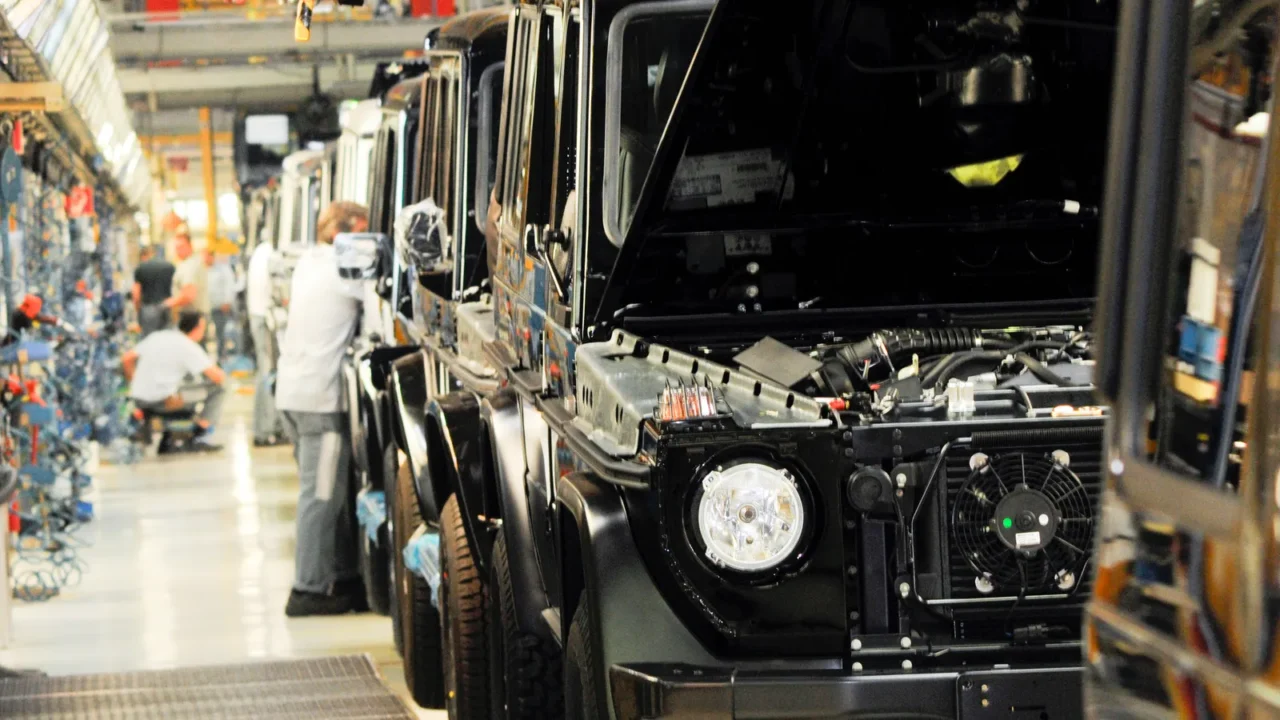
The fastest way around an import tariff is to avoid importing. That’s why local assembly keeps coming up in industry reporting and analyst talk. If a vehicle is built in the U.S., it changes the entire cost equation.
This idea has also been discussed at the political level. Recent reporting notes that President Trump has been open to Chinese brands only if they build plants and hire U.S. workers. That’s a clear hint at the “rules of entry.”

Geely looks best positioned right now
Geely is often described as “closest to ready” for a U.S. move. At CES 2026, the company’s messaging strongly suggested it’s preparing for entry. Executives have said a U.S. strategy announcement could come within about 2–3 years.
Zeekr and Lynk & Co are the names most often mentioned for that push. The company has not promised an exact on-sale date. But the planning signals are getting louder and more specific.
The South Carolina “beachhead” idea
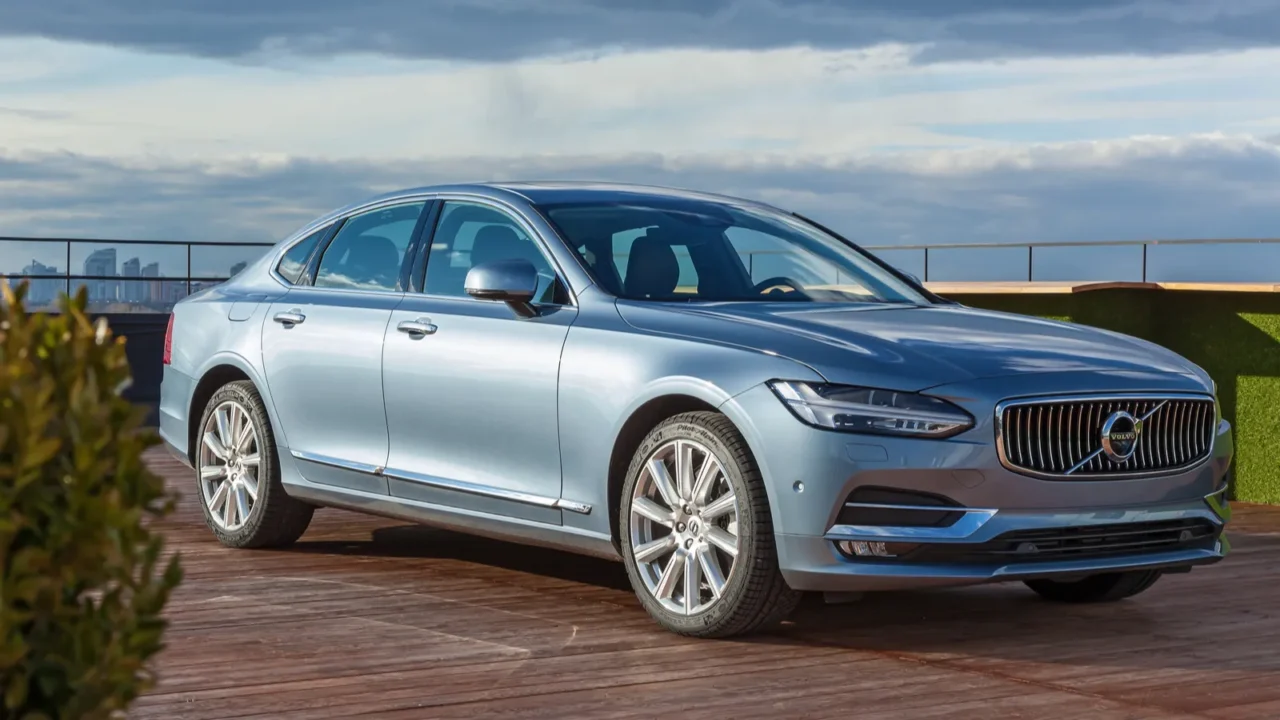
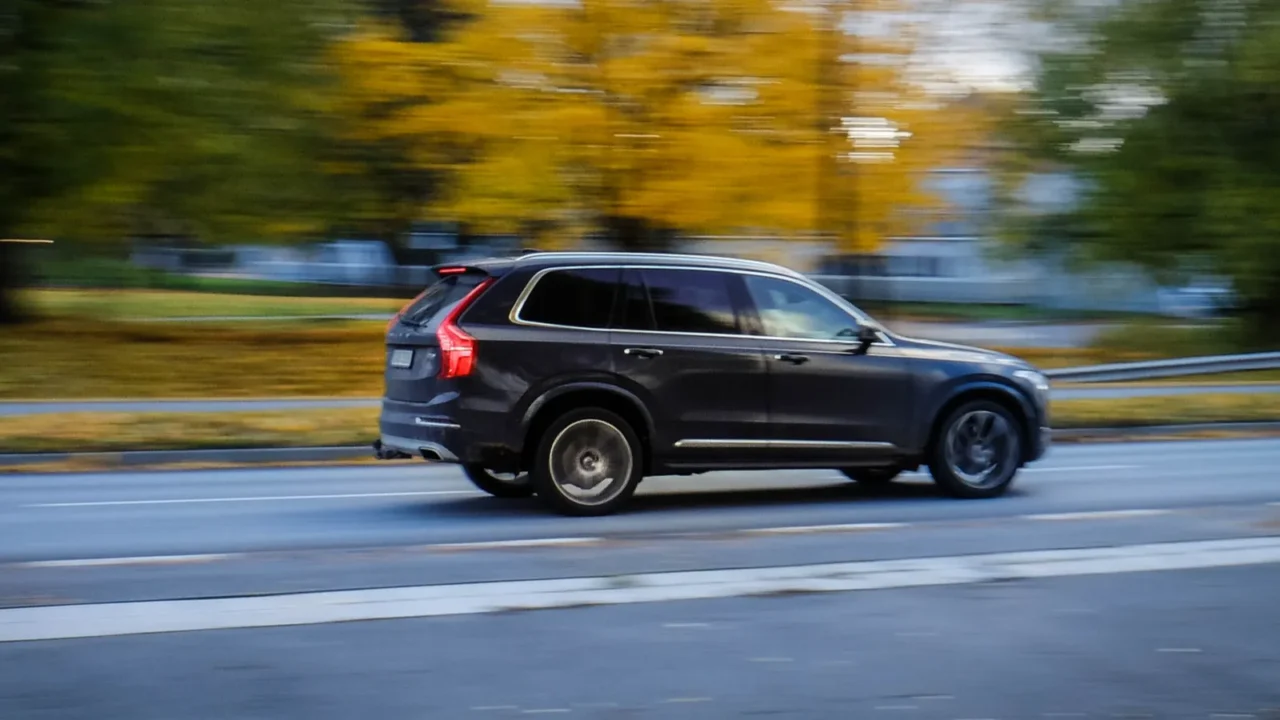
One reason Geely gets so much attention is Volvo. Volvo Cars has a major plant in Ridgeville, South Carolina, and Volvo is part of Geely’s orbit. That makes people wonder if that factory could support a future U.S.-built rollout.
Volvo says it has invested $1.3 billion in the South Carolina plant over the last decade. Volvo also announced plans to add its best-selling XC60 to that production line from late 2026. That shows the facility is being positioned for more volume.

A second roadblock is “connected vehicles”
Tariffs aren’t the only issue. The U.S. Commerce Department’s BIS finalized a rule aimed at securing connected-vehicle supply chains from “foreign adversary” risks. It targets Chinese and Russian software and hardware in connected vehicles.
The rule’s timing matters for planning. BIS says the rule went into effect on March 17, 2025, with phased restrictions tied to future model years. That means automakers have to think about tech systems early, not at the last minute.
Little-known fact: Volvo’s Ridgeville, South Carolina plant has an installed capacity of 150,000 cars per year, according to Volvo’s own press release.
What the connected rule changes in practice
This rule can affect far more than a single part. Modern cars rely on connectivity, sensors, and software updates, so “covered software” can be a big bucket. BIS also notes compliance steps like declarations and authorization paths for some transactions.
One headline detail is the phased approach. BIS says model year 2027 is a key milestone for bans involving covered software and certain manufacturers.
Fun fact: BIS says the connected-vehicles rule went into effect on March 17, 2025, and it includes annual Declarations of Conformity for non-prohibited transactions.
BYD is huge, but cautious on the U.S.
BYD has the scale to get attention anywhere. AP reported BYD posted 2024 revenue of over $100 billion and highlighted its global expansion pressure. But the U.S. is still a special case because of tariffs and national-security rules.
Some reporting says U.S. entry is being discussed as a “partnership” or joint-venture style concept. The idea is simple: use an existing American footprint to solve service, parts, and political hurdles. It’s not confirmed, but it’s on the table.
Little-known fact: The USTR’s May 2024 announcement listed EVs among multiple product categories targeted for Section 301 tariff changes, with electric vehicles set to 100% in 2024.
Dealers care about service more than hype
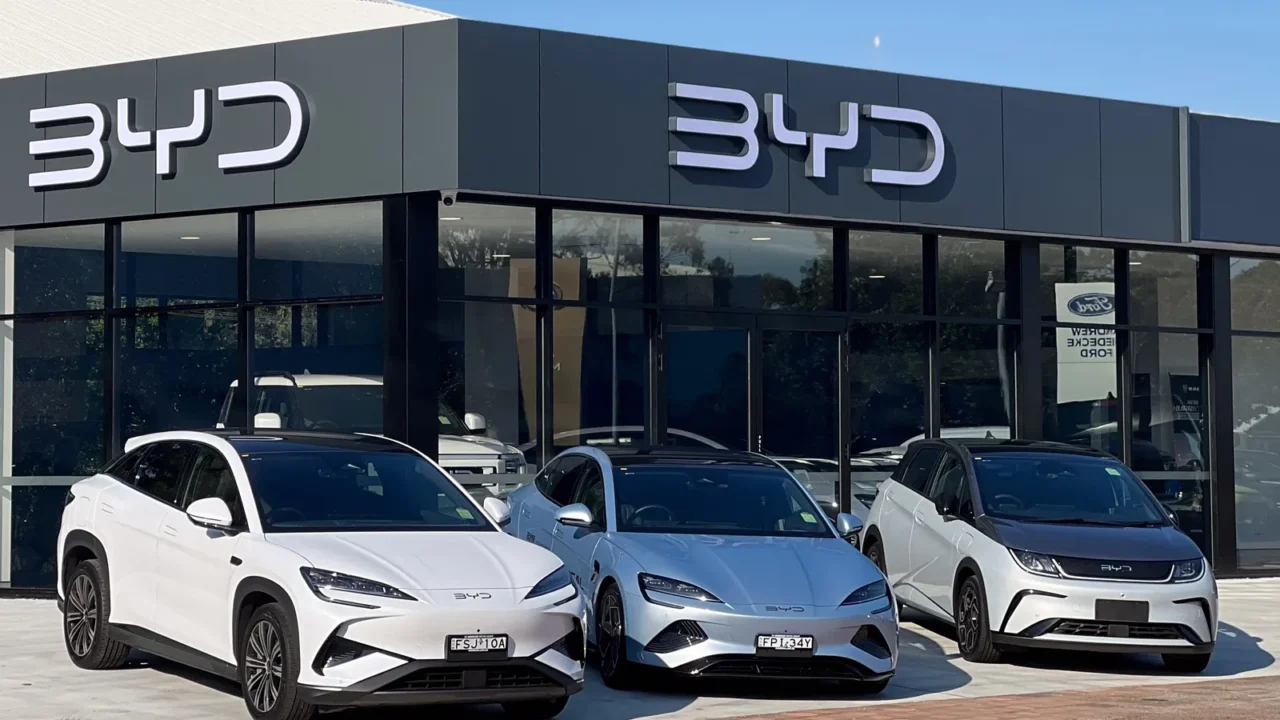
A shiny new brand is easy to market once. Supporting it for years is the hard part. Dealers and customers will want parts availability, trained techs, and fast warranty repairs. Without that, even a great car can flop.
That’s why partnerships matter so much. If a Chinese brand teams up with a legacy automaker, it can borrow the service map and the dealer network. It’s the difference between “launch buzz” and “real sales.”

Canada is the test lab next door
U.S. dealers are watching Canada closely because it can preview customer reactions. Canada has discussed a country-specific quota approach that would allow a limited number of EVs at a most-favoured-nation tariff rate. If those models sell well, pressure builds for a wider North American strategy.
Canada’s own government statement said it intends to provide an initial quota of 49,000 EVs per year at an MFN tariff rate. That’s a real number that the industry can track.

Why price talk keeps coming back
American shoppers are stretched, and the price floor has risen. Recent reporting has put average new-vehicle prices at around $50,000 or higher. That’s why any “high-tech but cheaper” competitor gets instant attention.
Cox Automotive/Kelley Blue Book reported the average transaction price topped $50,000 in September 2025. More recent coverage says prices are still hovering around that level. When affordability is this tight, new entrants smell an opening.
Luxury shopping shifting overseas? Take a look at why wealthy Americans are heading to Europe to sidestep tariffs on luxury goods.

What consumers might actually notice first
If Chinese-backed models land here, you could soon see them cruising highways in California, Texas, Florida, and New York. Expect tech to be the headline. Think oversized touchscreens, advanced driver-assist features, and a premium feel at a lower sticker price than many rivals.
But the U.S. version could look different once it hits American roads. Automakers may tweak software systems, data connectivity, and supplier networks to meet federal and state rules. In places like California, where emissions standards are stricter, adjustments could be even more noticeable.
Thinking about the American Dream in 2026? Check out why Indian and Chinese workers are rethinking the American Dream, and what’s changing on the ground.
This slideshow was made with AI assistance and human editing.
Don’t forget to follow us for more exclusive content right here on MSN.
Read More From This Brand:
