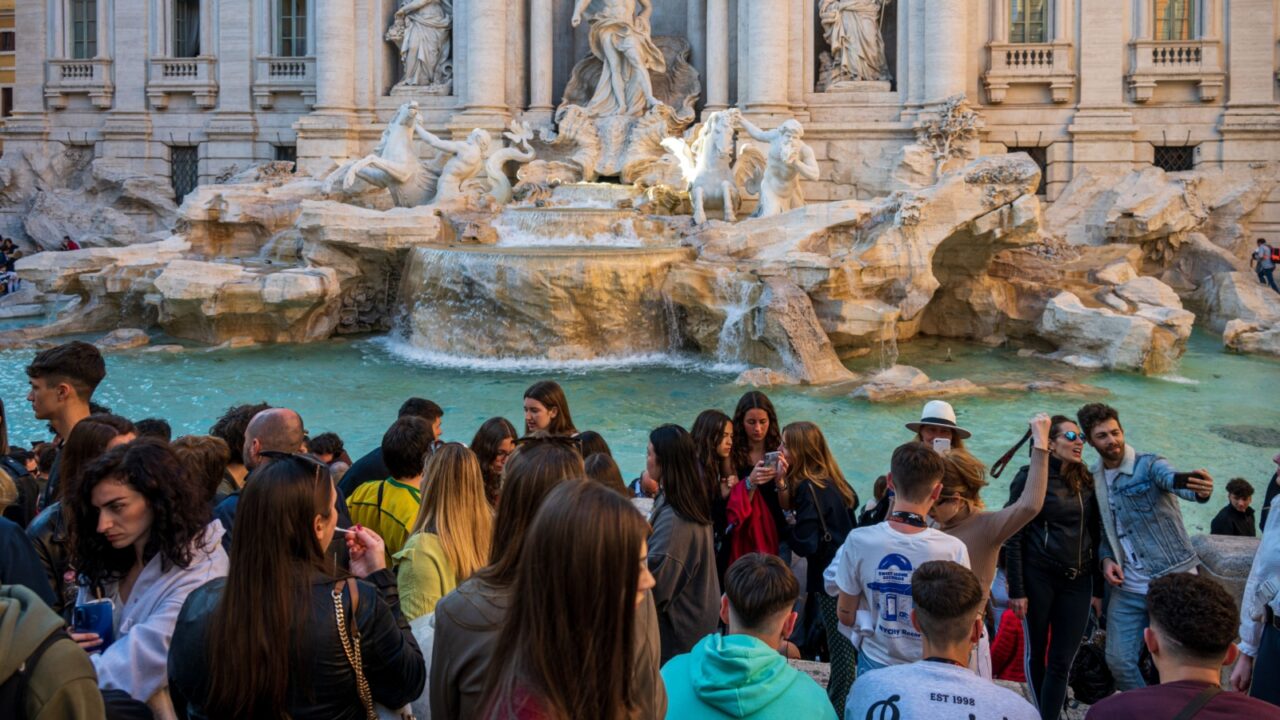
Crowds are getting smarter
Tourism hotspots are feeling the strain of record visitor numbers, especially during peak hours. Cities are responding with creative systems that reshape how sightseeing happens throughout the day. Instead of limiting access completely, they’re spreading it out more thoughtfully, and it’s changing the travel rhythm in noticeable ways, so let’s dive in!
Timed entry systems now guide when landmarks can be visited. This helps preserve historic sites while improving the overall experience. The shift reflects a broader push toward calmer, more sustainable travel.
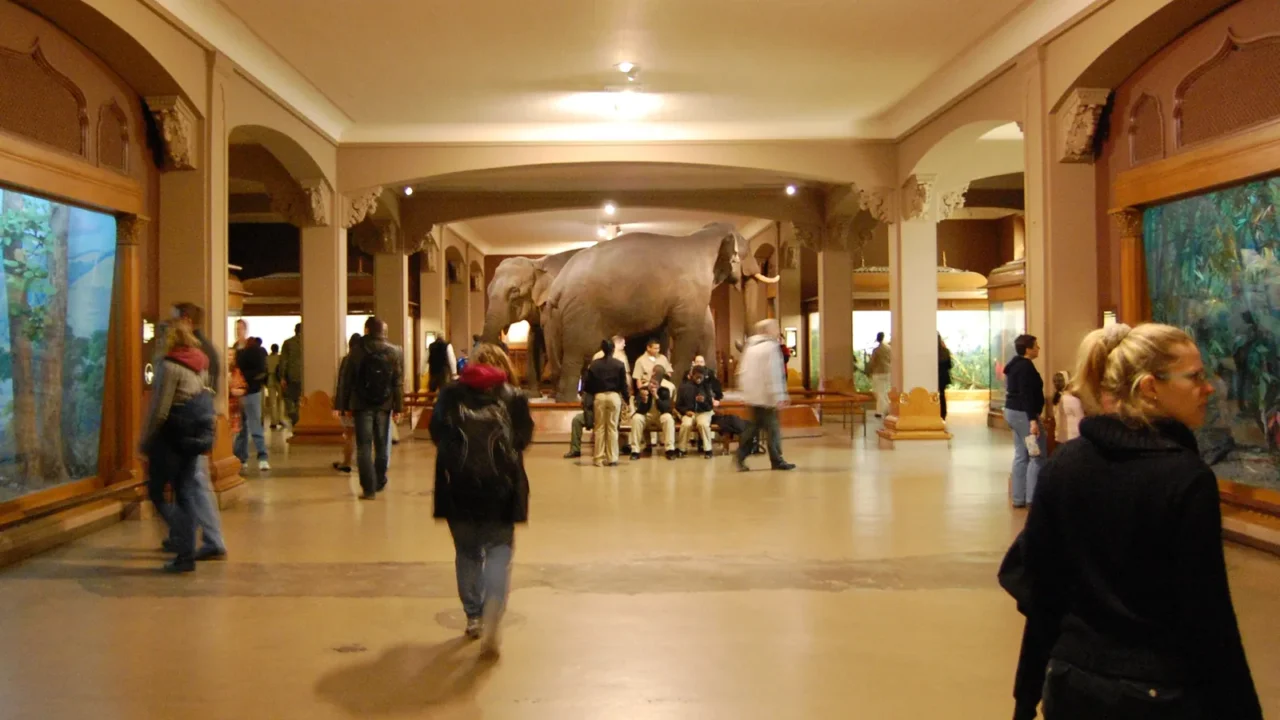
What timed entry means
Timed entry systems require visitors to book specific time slots in advance. These time slots help regulate visitor flow without needing to shut down attractions during peak times. The approach balances accessibility with preservation, which many destinations struggled to achieve before.
Museums, monuments, and cultural landmarks benefit from predictable attendance. Staff workloads become more manageable throughout the day. Visitors experience shorter lines and smoother entry processes.
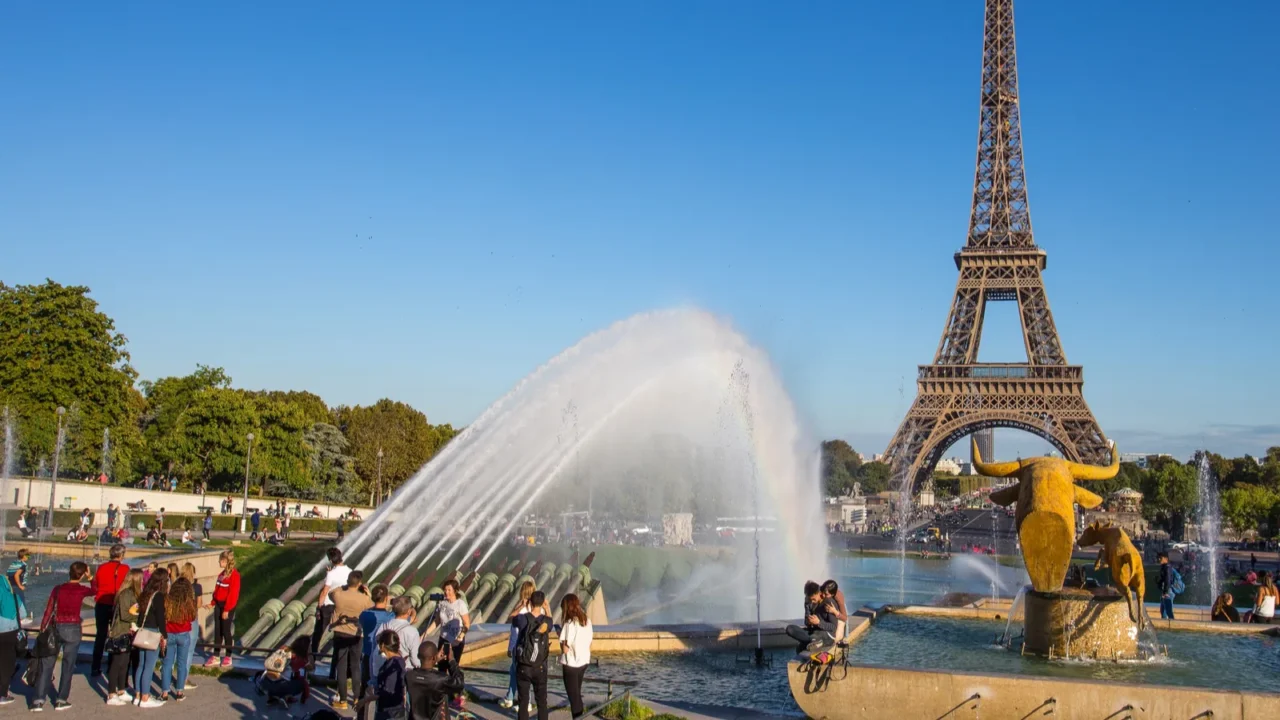
Paris leads the way
Paris has embraced timed entry at major attractions like the Louvre and the Eiffel Tower. Morning and late evening slots are promoted to ease midday pressure. This strategy helps protect artworks and improves movement around iconic spaces.
Tourism officials report more even foot traffic across the day. Local neighborhoods near landmarks feel less overwhelmed. The city maintains its appeal while reducing stress on infrastructure.
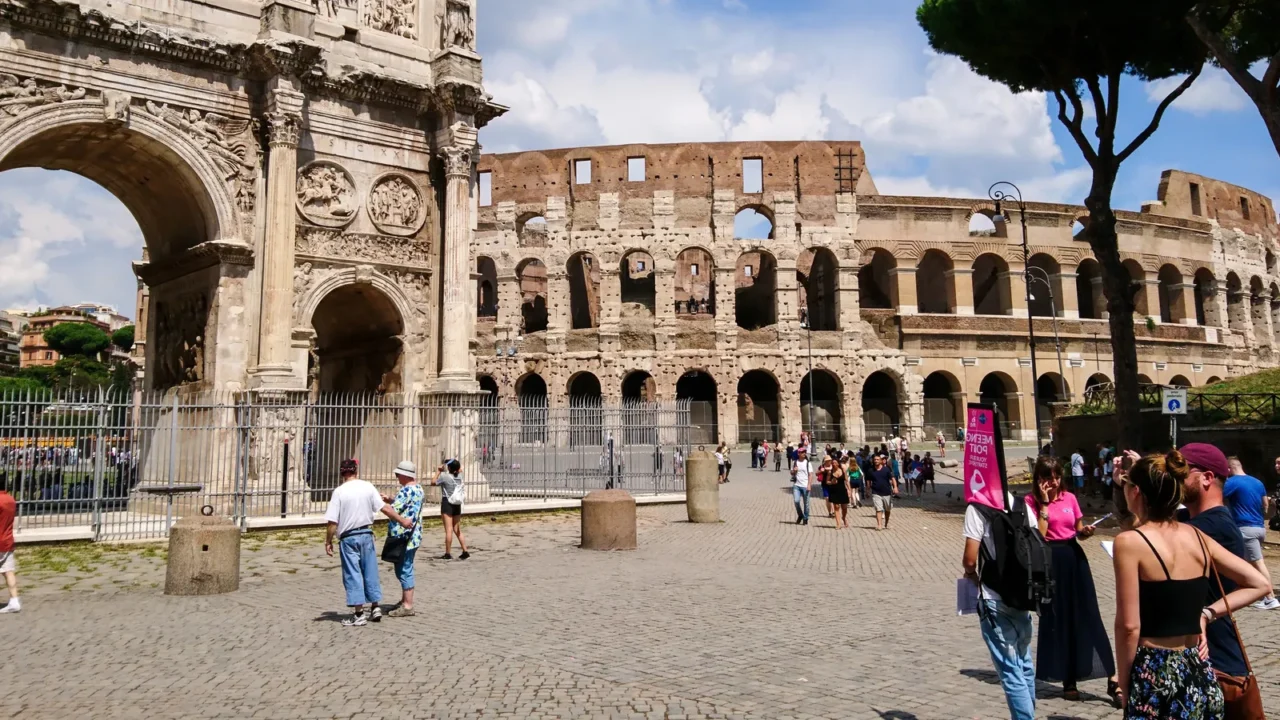
Rome balances history carefully
Rome uses timed entry for sites such as the Colosseum and Vatican Museums. Early morning and late afternoon slots are encouraged through ticket availability. This protects fragile ruins from overcrowding during peak heat and demand.
Visitors report calmer exploration experiences. Preservation teams gain better control over sensitive areas. The system respects both history and modern travel realities.
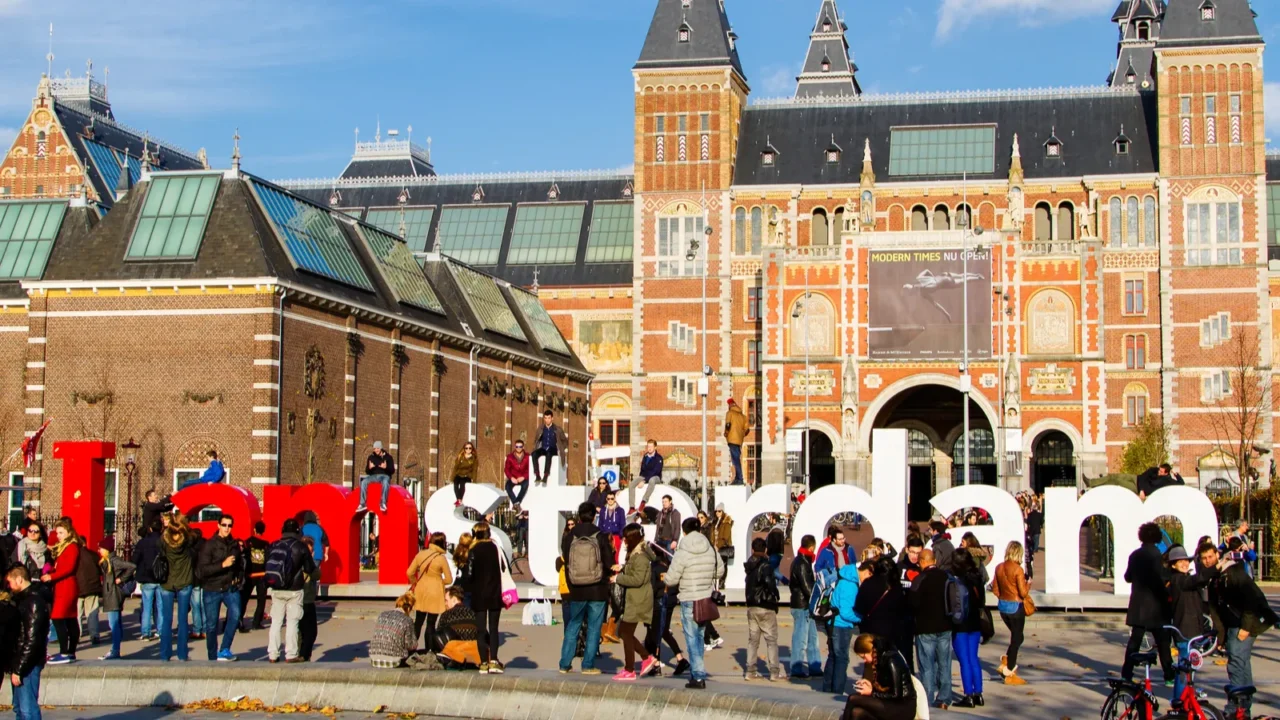
Amsterdam spreads visits out
Amsterdam applies timed entry at museums like the Anne Frank House and Rijksmuseum. Off-peak hours are highlighted during booking to distribute arrivals more evenly. The goal is to reduce congestion in narrow historic streets.
Residents benefit from quieter afternoons. Businesses see steadier activity rather than sharp rushes. Tourism becomes less disruptive and more integrated into daily city life.
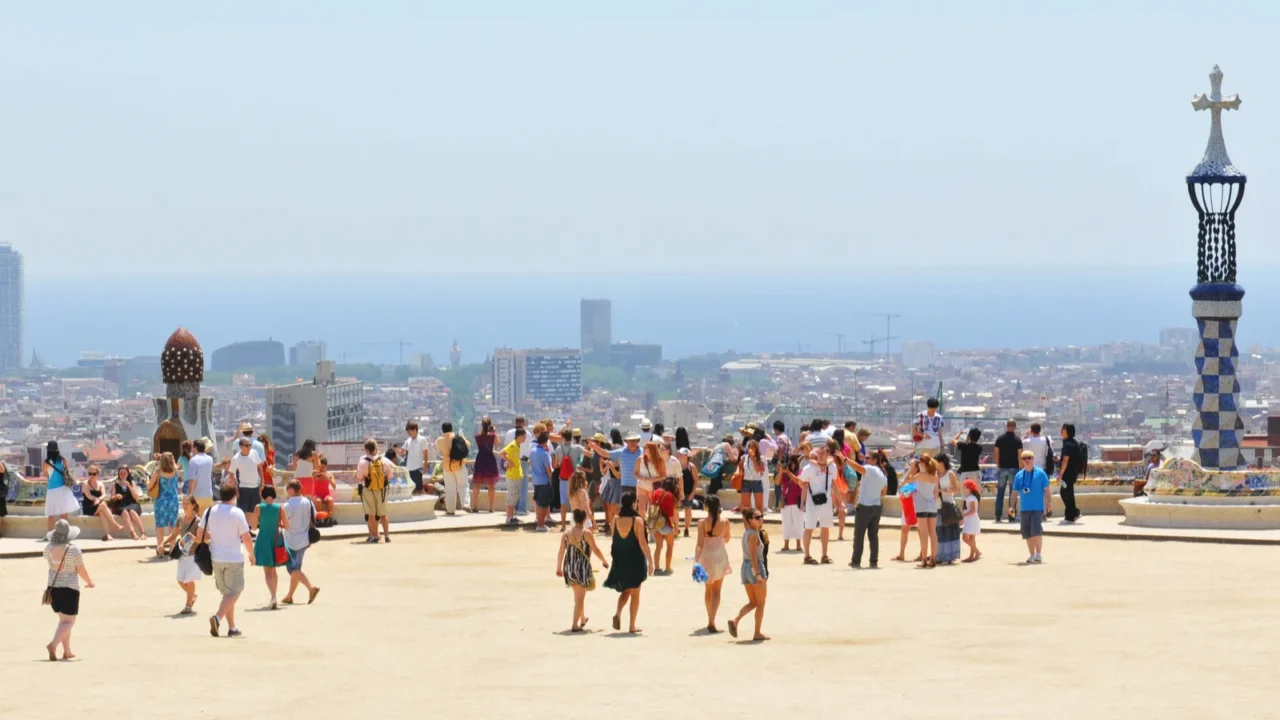
Barcelona eases daily pressure
Barcelona uses timed access at Park Güell and Sagrada Familia. Midday bottlenecks were once unavoidable at these sites. Now visits are spaced throughout the morning and evening.
Crowd control improves visitor comfort and safety. Public transportation operates more smoothly near landmarks. The city protects its identity while welcoming global interest.
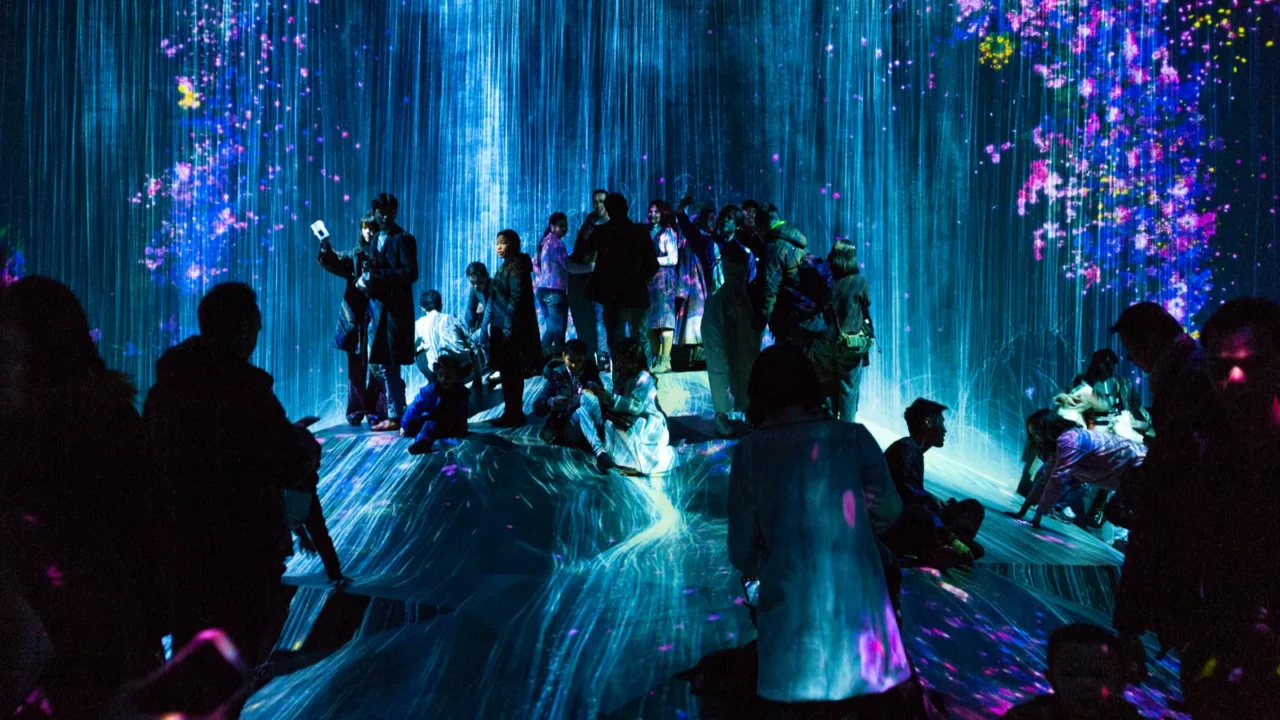
Tokyo manages demand precisely
Tokyo applies timed entry during peak seasons at attractions like TeamLab Planets and popular observation decks. Digital booking systems make scheduling simple and efficient. Precision fits well with the city’s transit culture.
Foot traffic stays consistent rather than overwhelming. Staff can maintain service quality across longer hours. Visitors enjoy smoother transitions between experiences.
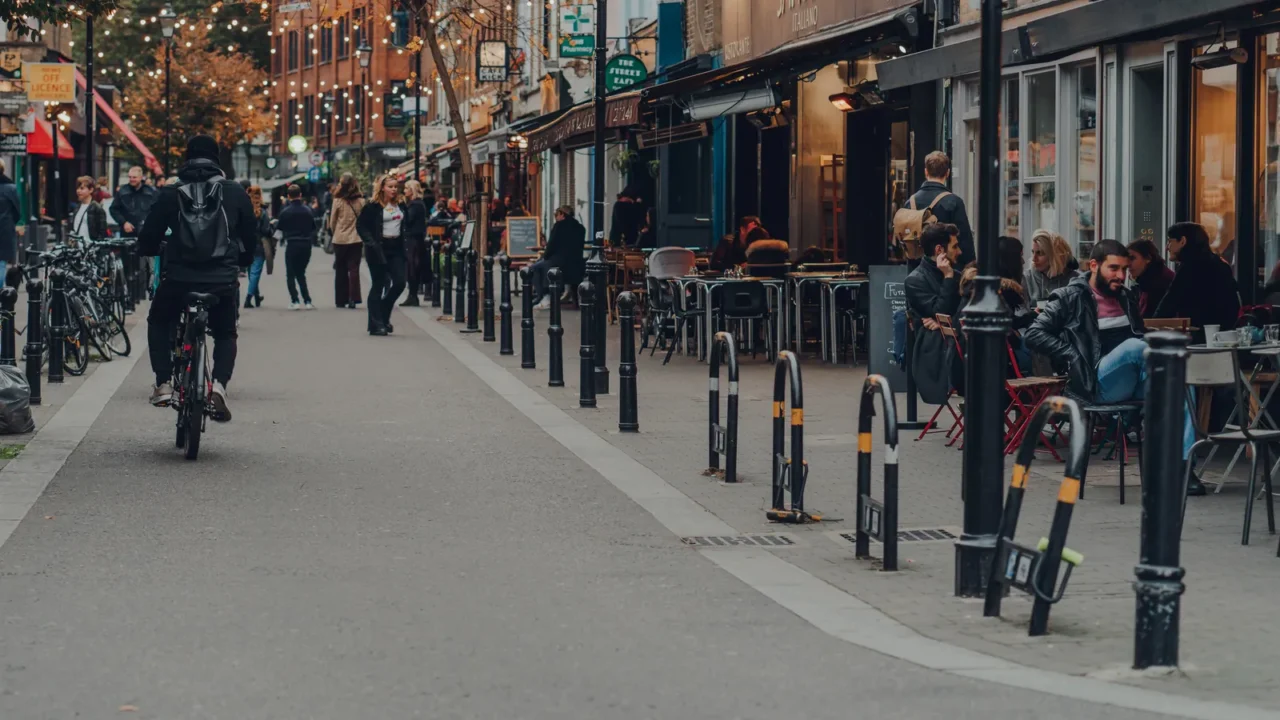
Benefits for local communities
Timed sightseeing reduces sudden surges of people. Neighborhoods near landmarks feel calmer throughout the day. Residents experience less noise and congestion during normal routines.
Local cafes and shops see steadier customer flow. Economic benefits spread beyond a few busy hours. Tourism becomes easier to coexist with everyday life.
Technology makes it work
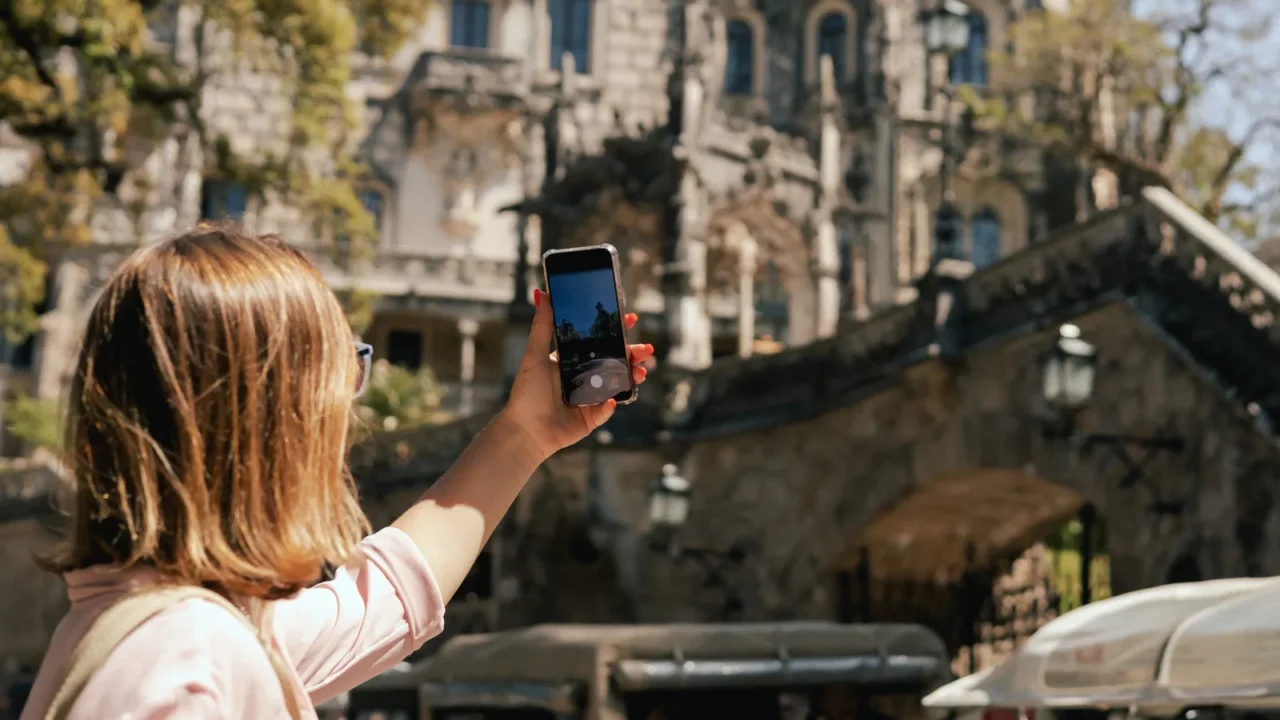
Most timed entry systems rely on digital ticketing platforms. Mobile confirmations replace paper queues. This allows real-time adjustments based on capacity and demand.
Cities analyze attendance data more accurately. Adjustments can be made seasonally or even weekly. Technology supports smarter tourism management decisions.

Off peak becomes appealing
Early mornings and late afternoons feel more relaxed. Lighting, temperatures, and atmosphere often improve during these hours. Attractions feel more immersive and less rushed.
Photographers and cultural travelers especially appreciate the change. Sightseeing becomes more intentional and calm. Off peak moments now feel like hidden advantages.
Smaller cities follow suit
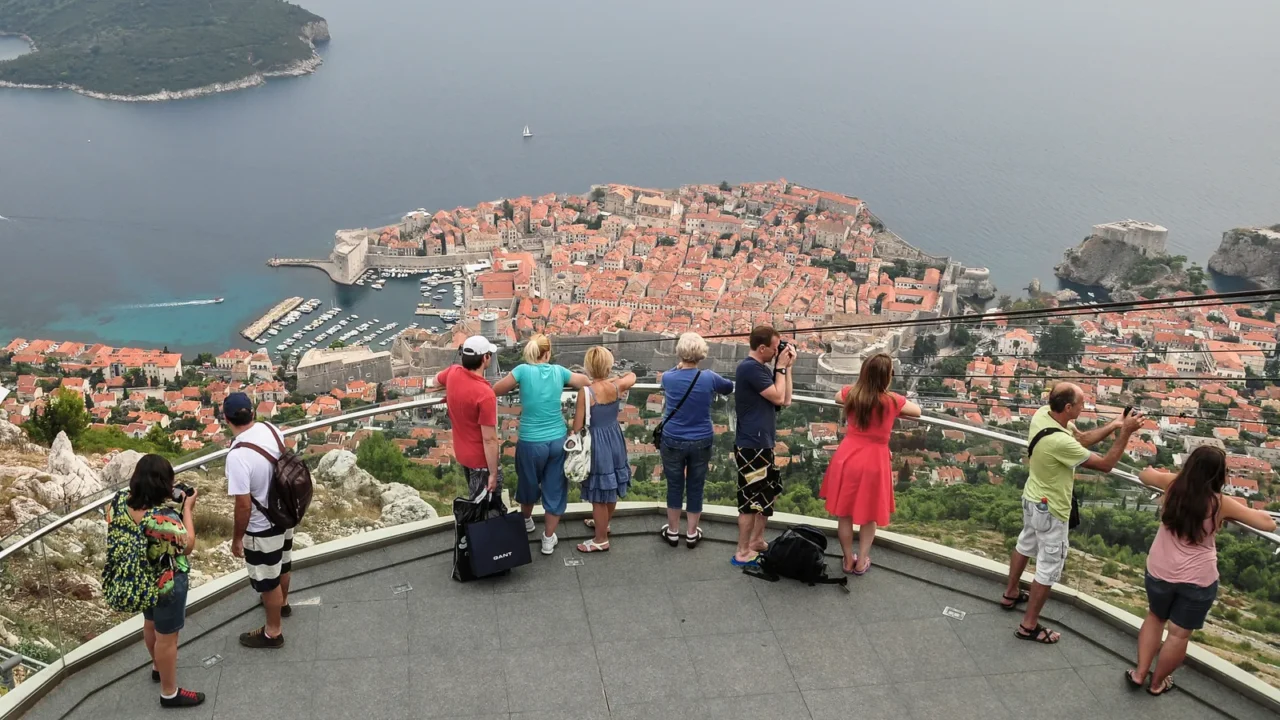
Timed entry isn’t limited to global capitals. Cities like Dubrovnik and Salzburg use it for historic centers and fortresses. The system prevents overtourism while maintaining economic activity.
These destinations protect heritage without closing doors. Visitor satisfaction remains high. The model proves adaptable across different scales.

Travel planning evolves
Booking sightseeing now feels similar to booking transport. Schedules are built around confirmed entry times. Travel days become more structured but less stressful.
Flexibility still exists through multiple daily slots. Travelers adjust habits rather than lose access. Planning smarter replaces rushing faster.

A calmer future emerges
Timed entry systems show how cities can protect culture while staying welcoming. Sightseeing becomes more balanced, immersive, and sustainable. The experience feels better for visitors and locals alike.
The best trips often come from thoughtful timing rather than packed schedules. Which city’s off-peak experience would feel most rewarding to explore next? Share your thoughts below.
This slideshow was made with AI assistance and human editing.
Don’t forget to follow us for more exclusive content right here on MSN.
Disclaimer: The photos are for representation only and do not depict the actual place.
Read More From This Brand:
