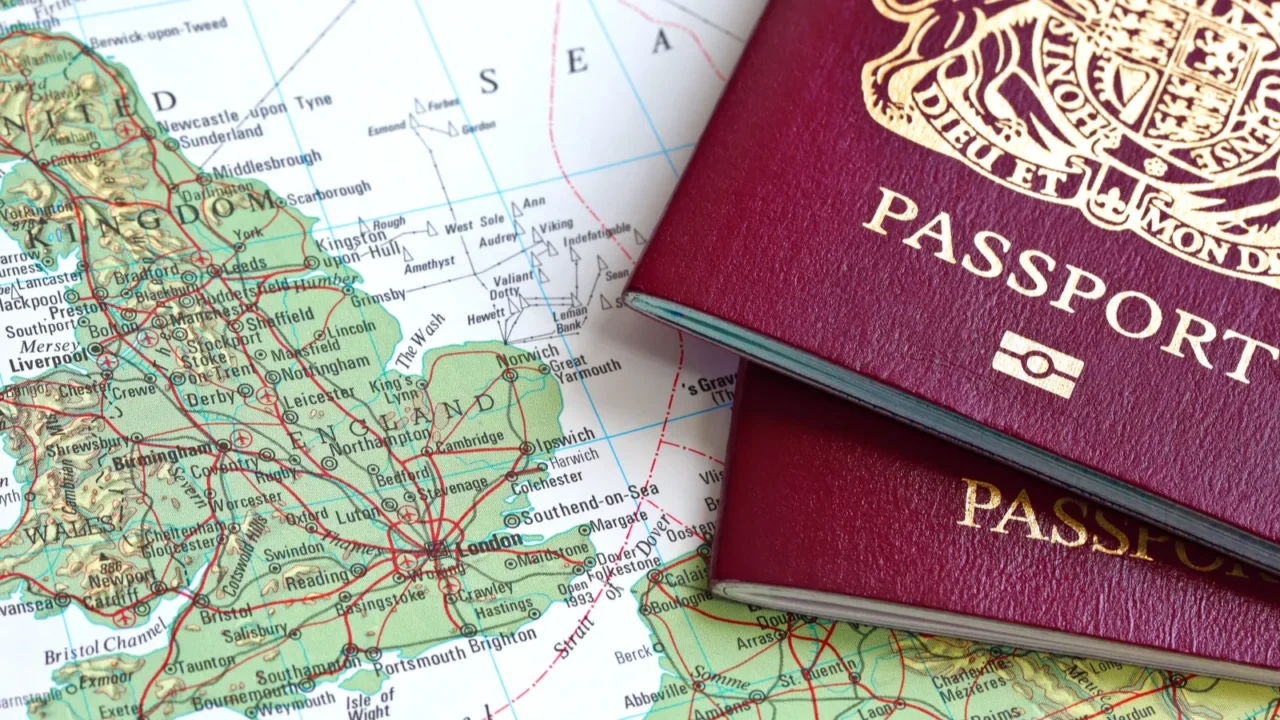
The new cost of travel
Countries worldwide are reshaping how they charge visitors. In 2026, new tourist taxes are appearing across Europe, Asia, and the Pacific, covering everything from overnight stays to landmark entry fees. These levies fund conservation, infrastructure, and community programs while managing overcrowding at fragile destinations.
Travelers who ignore these charges risk unexpected costs at borders and hotels. Understanding what each destination now requires is essential before booking any international trip this year.
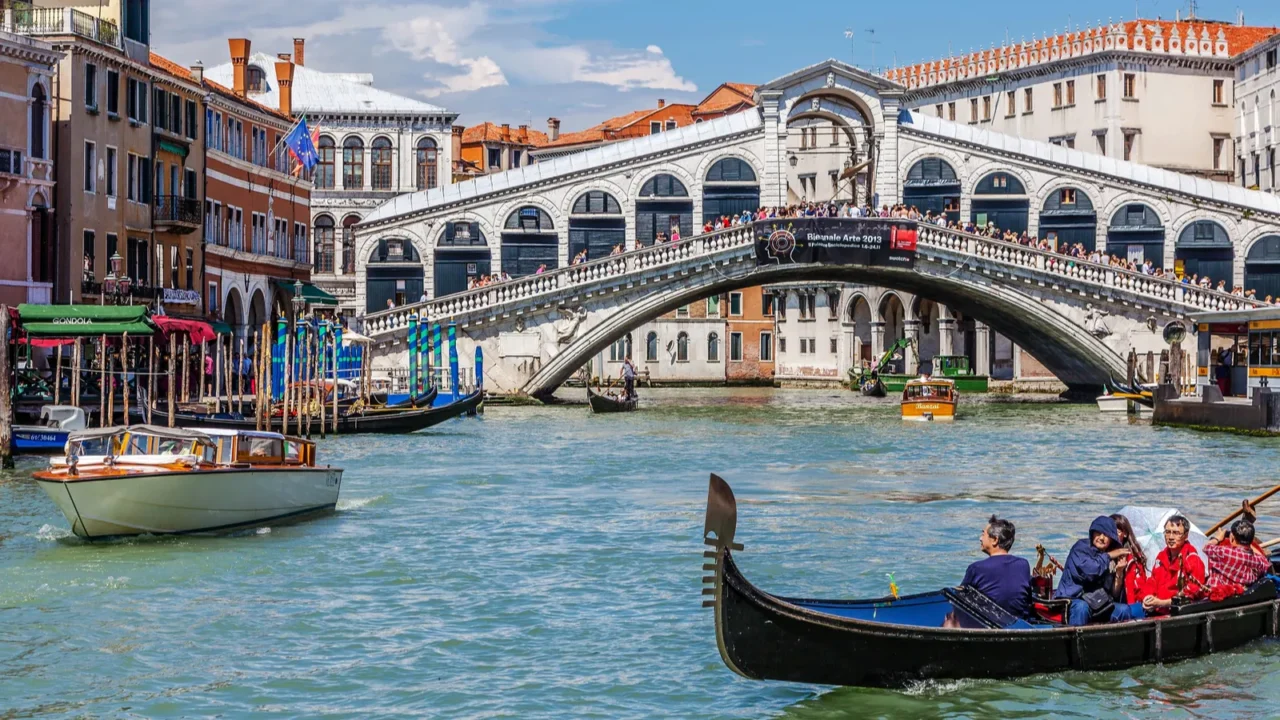
Venice charges entry fees
Venice expanded its landmark day-tripper entry fee program in 2026, requiring visitors without overnight reservations to pay before accessing the historic center on peak days. The digital system monitors foot traffic in real time, giving city officials a practical tool for managing crowds that have long damaged fragile infrastructure and displaced residents.
Critics argue the fee favors wealthier travelers. City officials counter that it remains the most effective method available to protect one of the world’s most recognized and irreplaceable living heritage destinations.

Japan limits Mount Fuji crowds
As of April 2026, Mount Fuji’s official climbing website had not yet published full 2026 reservation details. The most recently confirmed rules set a ¥4,000 hiking fee for the Yoshida Trail in 2025, while Kyoto’s Gion district has kept restrictions on entry to certain private alleys, with signs warning of ¥10,000 fines.
Japan’s tourism ministry wants visitors redirected toward less congested regions. The new fees generate preservation revenue while discouraging concentrated tourist behavior that has strained public spaces and frustrated local communities across the country.

Greece taxes crowded islands
Greece hiked its Climate Resilience Fee for 2026 cruise passengers to €20 per day on Santorini and Mykonos, with €5 applied to other islands, alongside existing hotel levies reaching up to €5 per night. Funds go directly toward coastal protection, water conservation, and infrastructure repairs on islands far exceeding sustainable visitor capacity.
Officials framed the expansion as both an environmental and a fairness measure. Islands receiving millions of annual visitors while housing only a few thousand residents should not shoulder infrastructure costs alone, the government argued when announcing the 2026 rollout.

New Zealand raises arrival levy
New Zealand’s International Visitor Conservation and Tourism Levy is already set at NZ$100 for most eligible international visitors. The levy is used to help fund tourism and conservation systems as visitor pressure returns to major destinations. Ecosystems, including Fiordland, are showing measurable strain from growing visitor volume since pandemic-era travel restrictions lifted globally.
Tourism operators worried the higher fee would deter budget travelers. Government data showed arrivals remained strong after the original levy was launched, suggesting international visitors prioritize New Zealand’s landscapes over modest additional entry costs.

Bali expands its visitor charge
Bali expanded its foreign visitor levy in 2026, broadening collection points and directing more funds toward cultural preservation programs. The charge applies exclusively to international tourists, distinguishing them from domestic Indonesian travelers. Revenue supports temple maintenance, traditional arts communities, and coastal waste management in areas heavily affected by mass tourism pollution.
Bali has tightened visitor conduct rules since 2024, including guidance around respectful behavior and dress at sacred sites. The province’s official foreign tourist levy remains IDR 150,000 per visitor and is collected through Bali’s levy system rather than as a site-by-site cultural entrance charge.

Spain’s regional tourism fees
Catalonia raised its per-night hotel charge in 2026 and extended it to short-term vacation rentals across more municipalities. The Balearic Islands continue to rely on their sustainable tourism tax to fund environmental and infrastructure projects, while Catalonia and Barcelona have confirmed higher 2026 accommodation taxes in response to overtourism and housing pressure.
Revenue is legally earmarked for environmental and social projects with published annual reports documenting outcomes. Spain’s fragmented approach reflects its constitutional structure, where tourism management remains largely a regional rather than national government responsibility.
Fact: The Balearic Islands received over 17 million international arrivals in a single year, exceeding their permanent population tenfold.

Amsterdam raises hotel tax
Amsterdam approved another hotel tax increase in 2026, pushing its occupancy levy among the highest in Europe. City officials explicitly stated the goal is reducing tourist volume, not just raising revenue. Restrictions on cruise ship dockings, tour group access, and new hotel construction in the historic center accompany the tax as part of a coordinated demand management strategy.
Amsterdam’s approach is deliberate: fewer visitors spending more, rather than unlimited arrivals spending less. The city is reclaiming livability for its 900,000 residents, who have long voiced frustration over tourism’s impact on housing costs and neighborhood character.
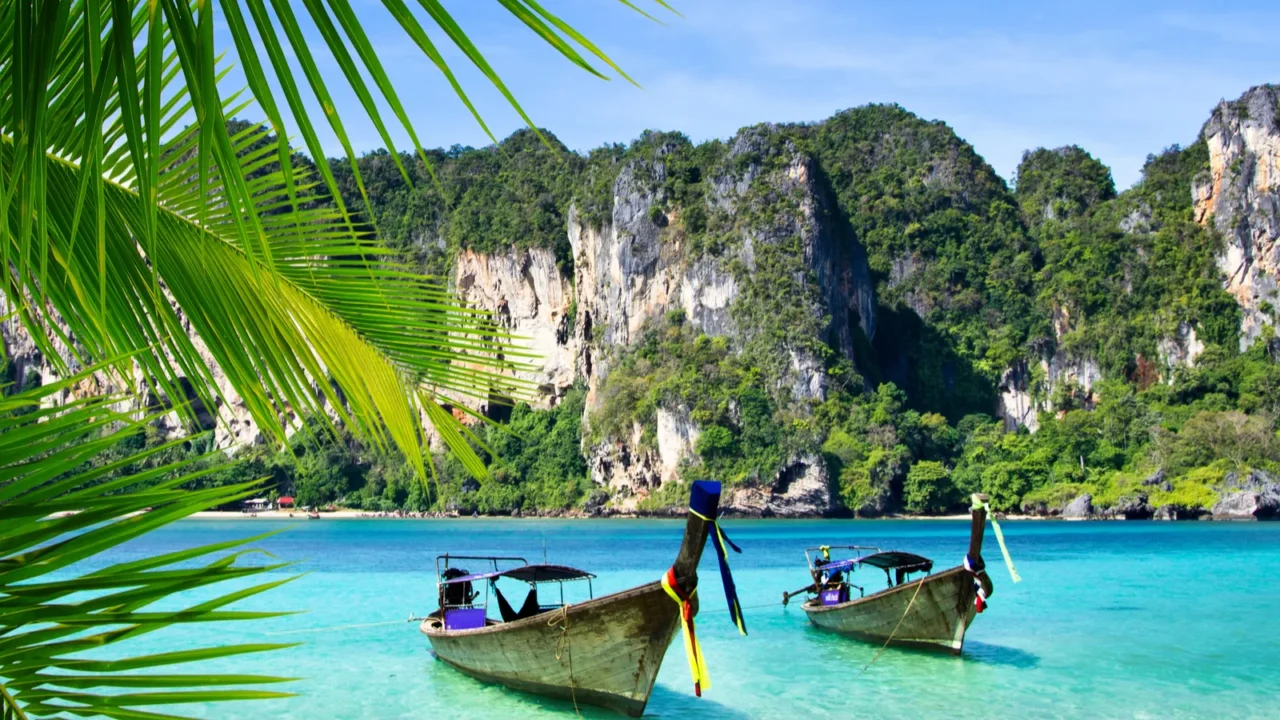
Thailand introduces arrival fee
Thailand set a tourist entry and exit fee at 25 baht (~$0.70) starting February 1, 2026, collected via air operators to fund visitor insurance and medical costs. Pre-launch data from the first quarter of 2026 shows Thailand bookings remained stable despite the fee announcement, easing industry concerns over potential volume drops.
The government confirmed a formal review at year’s end to assess whether the program achieved its insurance funding goals without deterring international visitors from choosing Thailand over competing regional destinations.
Fact: Thailand ranked among the world’s top ten most visited countries in 2023, recording over 28 million international arrivals.

Portugal expands Lisbon’s levy
Portugal’s tourist taxes remain locally administered rather than nationally uniform. Lisbon charges €4 per night, and Porto’s municipal tourist tax is €3 per night, while other Portuguese destinations use their own local structures and rates. The national government encouraged municipalities to adopt standardized structures while allowing local adjustments based on specific community pressures.
Some municipalities are channeling tourist tax revenue directly into affordable housing programs, a notable departure from traditional infrastructure-focused spending and a direct acknowledgment that mass tourism affects far more than roads and water systems.

Bhutan refines its fee model
Bhutan’s Sustainable Development Fee remains US$100 per person per night for most international visitors in 2026, with child discounts and separate rules for Indian travelers. The SDF is a government sustainability charge and should not be described as a bundle that automatically includes accommodation, meals, visa costs, or guide services.
Officials argue the logic is consistent: protecting a small Himalayan nation’s environment and culture requires controlling both the volume and the financial contribution of every visitor who enters.

UK Cities trial overnight levies
Edinburgh launches a 5% visitor levy on October 2025 bookings for stays from July 24, 2026, while Manchester and Liverpool collect approximately £1.30 per night through existing legal frameworks. London studied a citywide model amid growing pressure from councils facing rising infrastructure costs tied to sustained international tourism demand.
Political resistance at the national level has historically slowed UK action on tourist taxes. Budget constraints at the local level, combined with visible examples from neighboring cities, shifted that calculus considerably during 2026 policy debates, and more cities are expected to follow.

Travel smarter, pay fairly
Tourist taxes in 2026 reflect a long-overdue repricing of international travel. For most of modern tourism’s history, visitors paid only for their own experiences while host communities absorbed infrastructure wear, environmental damage, and cultural disruption. These levies, however modest individually, begin to distribute those costs more honestly across everyone who benefits from a destination.
For travelers, the takeaway is practical: factor these fees into your travel planning early. Most charges remain small relative to total trip costs, but they signal something larger: meaningful travel has always carried a cost that someone must bear.
Is a small tourist tax a fair trade for a better travel experience, or just another cost quietly passed on to visitors?
This slideshow was made with AI assistance and human editing.
Don’t forget to follow us for more exclusive content right here on MSN.
Read More From This Brand:
