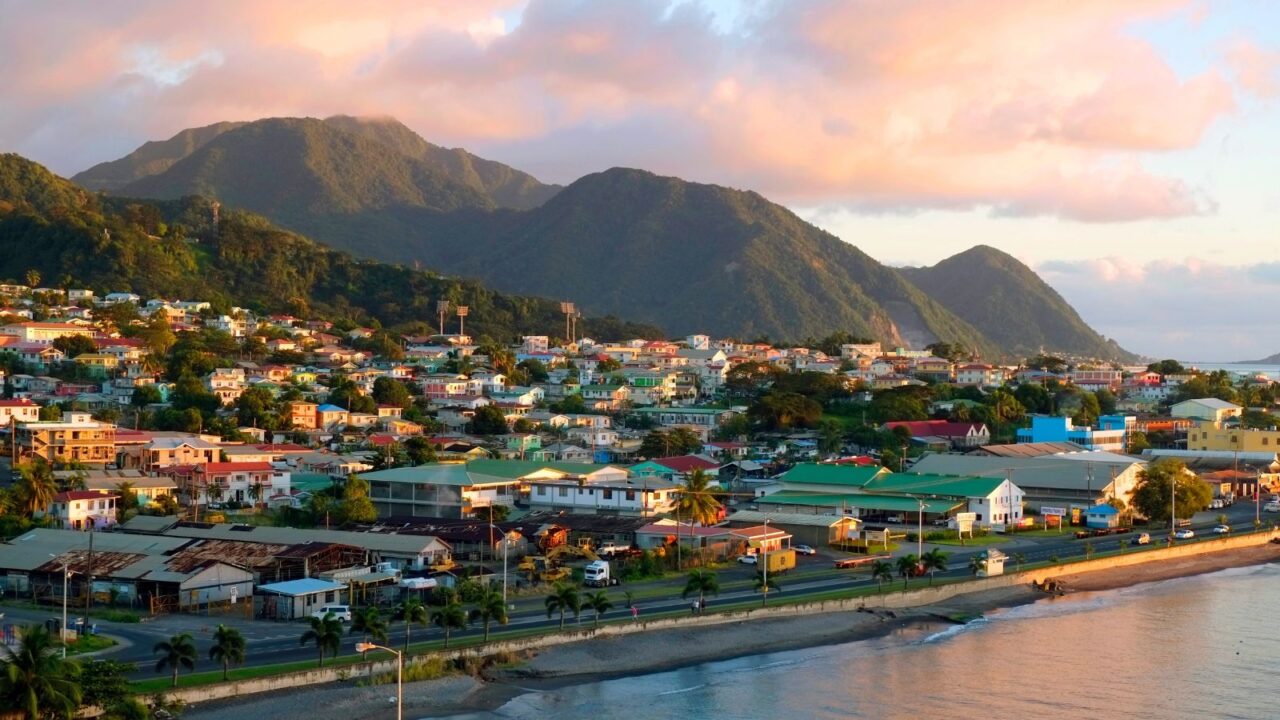
Dominica is quietly becoming 2026’s nature star
Dominica is strengthening its reputation as the Caribbean’s most nature-forward destination. New conservation projects and better access to its wild landscapes are reshaping how visitors experience the island. The focus is not mass tourism, but thoughtful, low-impact travel.
As more travelers seek places that feel untouched, Dominica’s timing is hard to ignore. Major upgrades launching in 2025 and 2026 are helping the island stay competitive while protecting what makes it special.
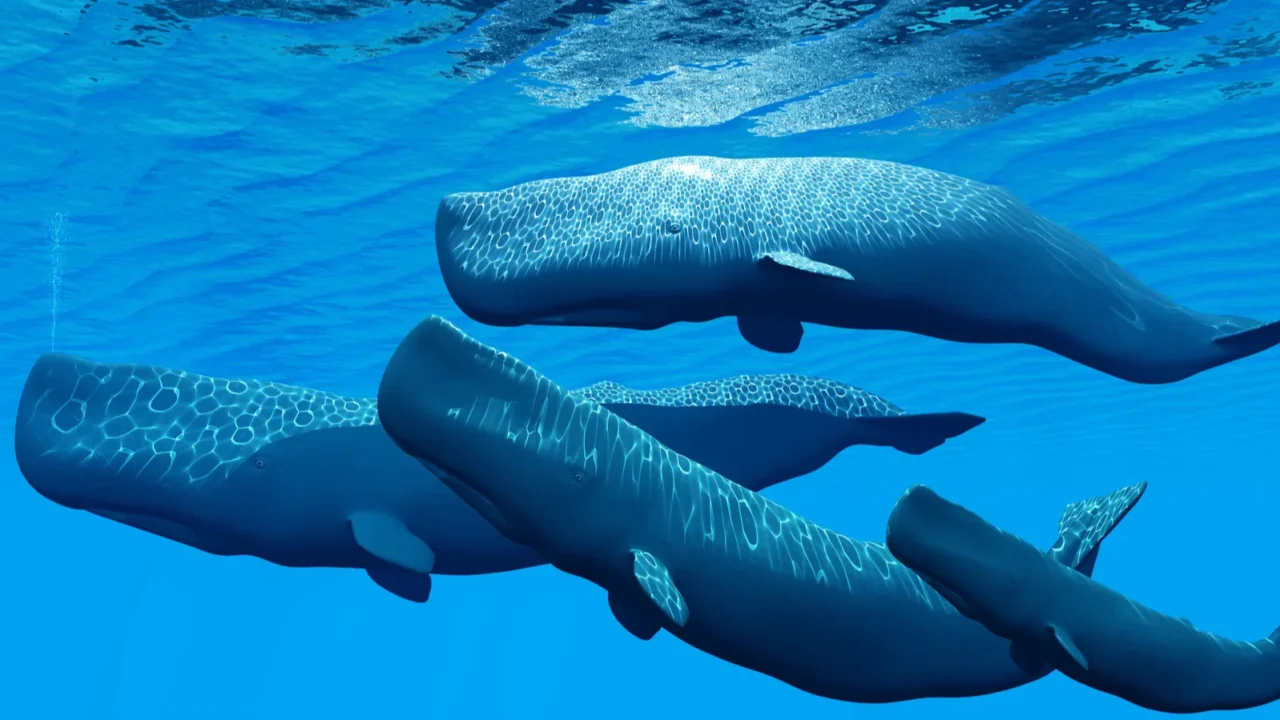
The world’s first sperm whale reserve changes the game
Dominica is creating the world’s first dedicated sperm whale reserve off its west coast. The protected area covers hundreds of square kilometers where whales live year-round. It is designed to balance conservation with regulated, responsible tourism.
For visitors, this means more controlled whale-watching experiences with strict guidelines. For the island, it signals a long-term commitment to marine protection rather than short-term tourism gains.
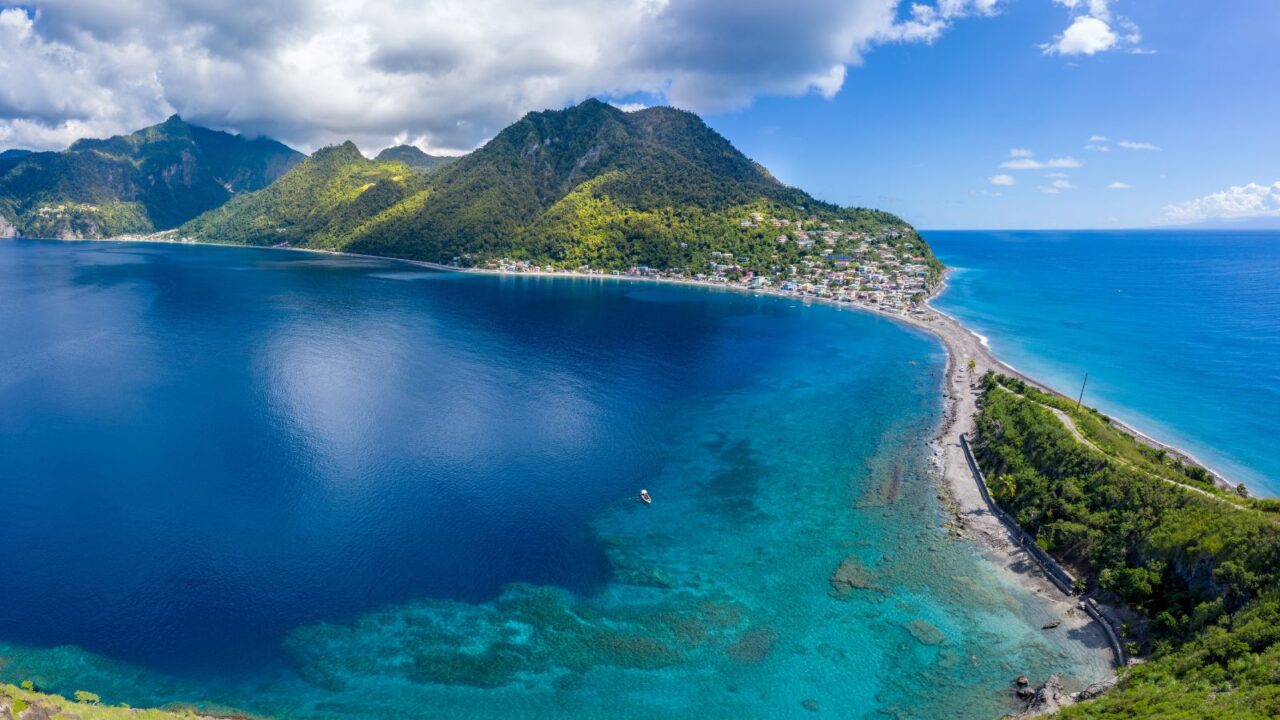
Whale encounters remain rare, but more meaningful
Unlike seasonal whale destinations, Dominica’s sperm whales are residents. That makes sightings more reliable while still preserving the animals’ natural behavior. Operators must follow stricter rules to reduce stress on the whales.
This approach appeals to travelers who want ethical wildlife experiences. It also positions Dominica as a leader in conservation-based tourism rather than cruise-driven volume.
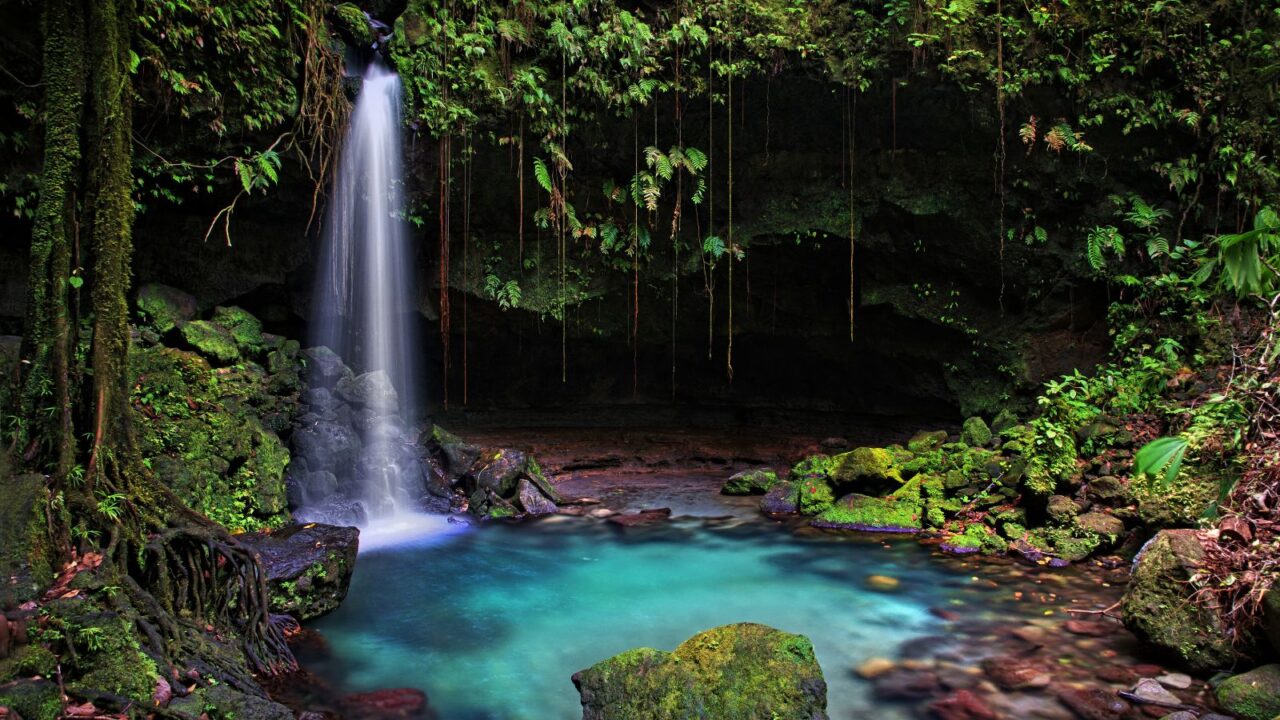
Waterfall trails are getting easier to explore
Dominica’s famous waterfalls are becoming more accessible through improved trails and signage. Sites like Trafalgar Falls, Emerald Pool, and Middleham Falls are easier to reach without losing their wild feel. Safety upgrades help visitors enjoy them responsibly.
These improvements open the experience to a wider range of travelers. You no longer need to be an expert hiker to enjoy some of the island’s most photogenic spots.
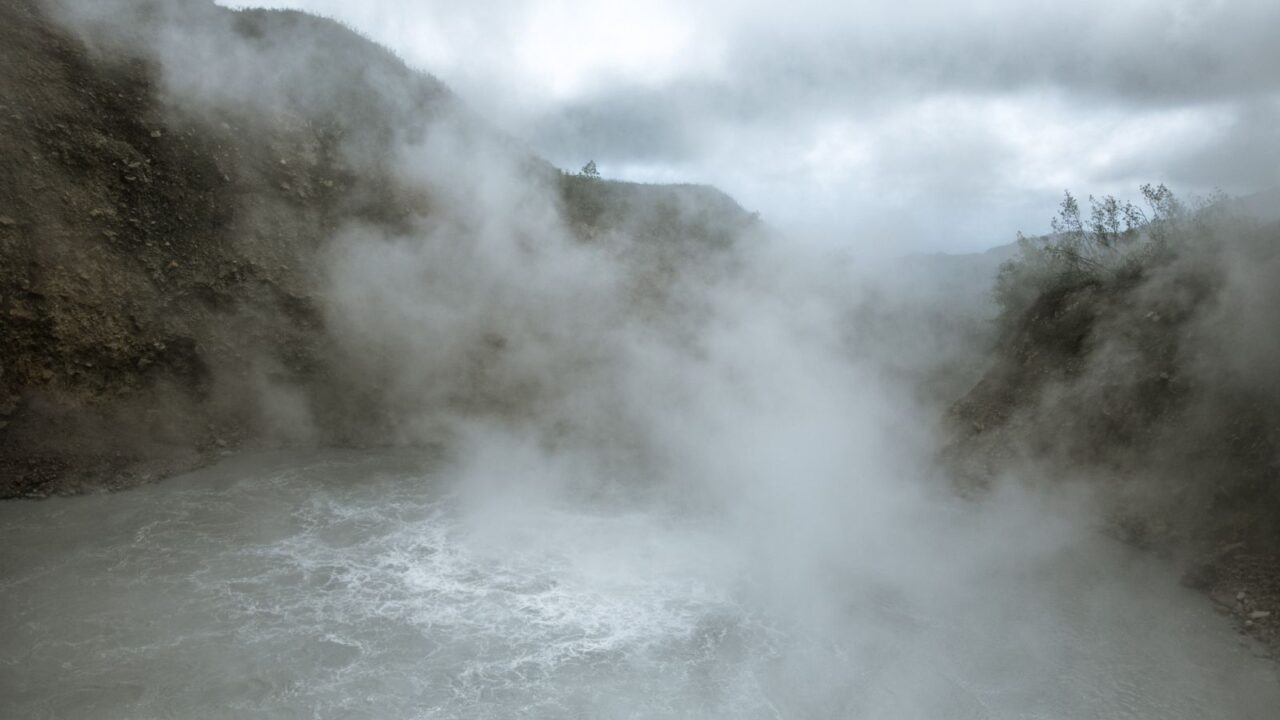
The Boiling Lake cable car transforms access
The Boiling Lake cable car, initially expected to debut by late 2025, is set to transform access to one of Dominica’s most extreme natural features. The lake, the world’s second-largest boiling hot spring, was previously reachable only by a long, demanding hike.
The 6.6 km (4.1 mile) world’s longest detachable cable car connecting Roseau Valley to Boiling Lake is under construction and has reached advanced stages, with major structural work and preparations for cable installation underway.
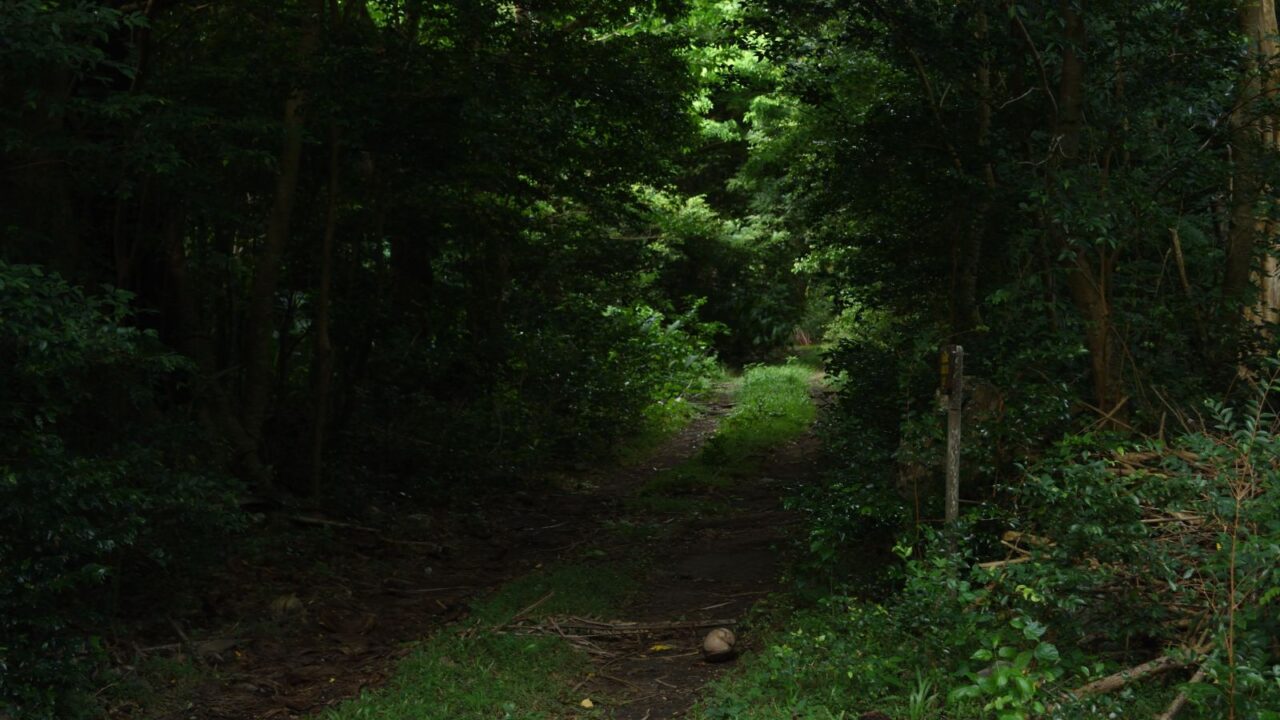
Hiking still defines the island’s identity
Despite easier access in some areas, Dominica has not abandoned adventure travel. The Waitukubuli National Trail remains the backbone of its hiking culture. Stretching 115 miles across the island, it is the longest trail in the Caribbean.
Hikers pass rainforests, volcanic ridges, rivers, and rural communities. The trail reinforces Dominica’s appeal to travelers who want depth, not just scenery.
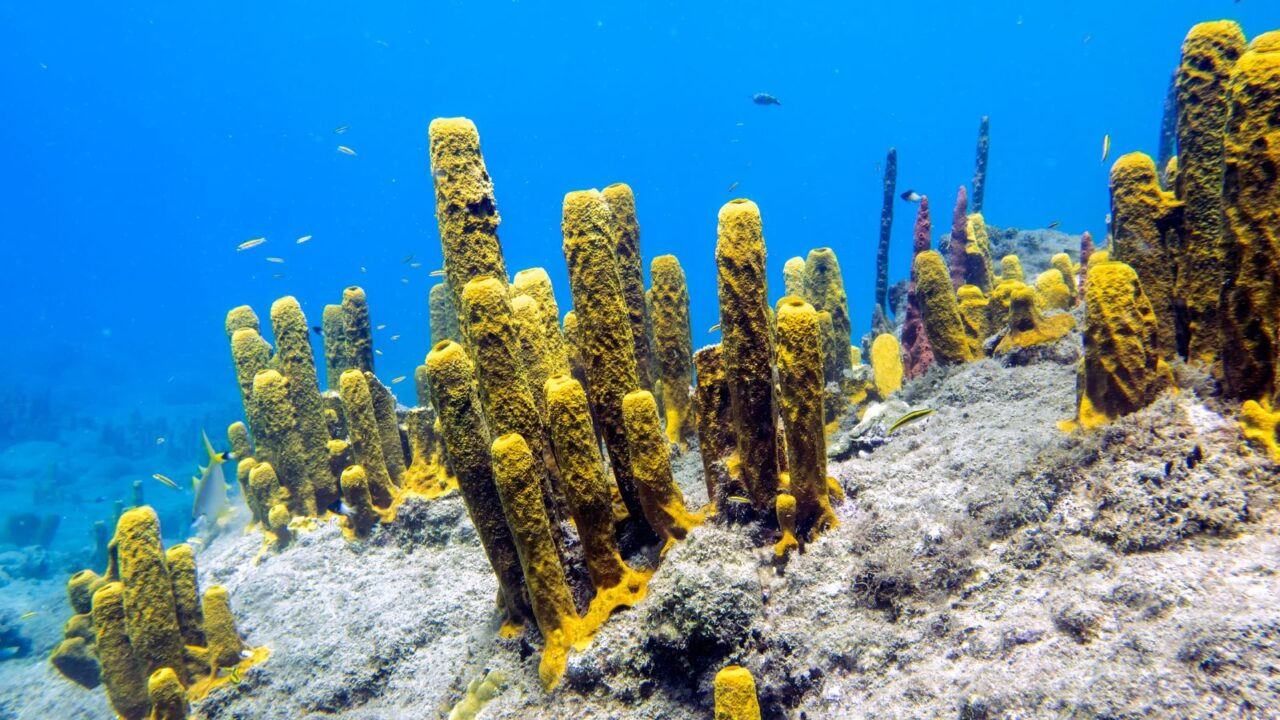
Champagne Reef remains a standout coastal stop
On the west coast, Champagne Reef continues to be one of Dominica’s most unique experiences. Volcanic vents release bubbles through the sea floor, creating a natural “champagne” effect underwater. Snorkelers regularly spot turtles and colorful reef fish.
Calmer waters here make it accessible for beginners. It is often one of the first marine stops recommended to new visitors.
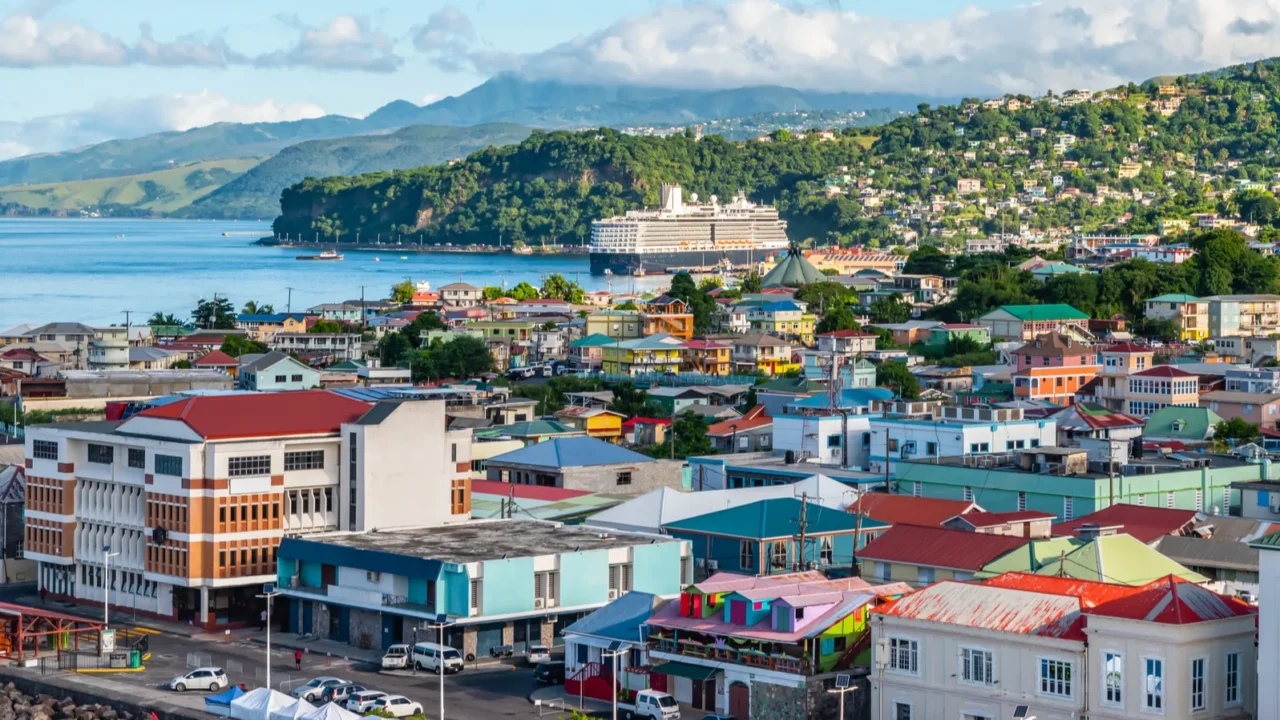
Eco-lodges are shaping where visitors stay
Dominica is seeing steady investment in eco-focused accommodations. New lodges and resorts are designed to blend into rainforest and coastal settings. Sustainability is a selling point, not a side feature.
These properties appeal to travelers willing to pay for low-impact luxury. The result is fewer rooms overall, but higher-quality stays aligned with the island’s identity.
National Geographic’s nod boosts global attention
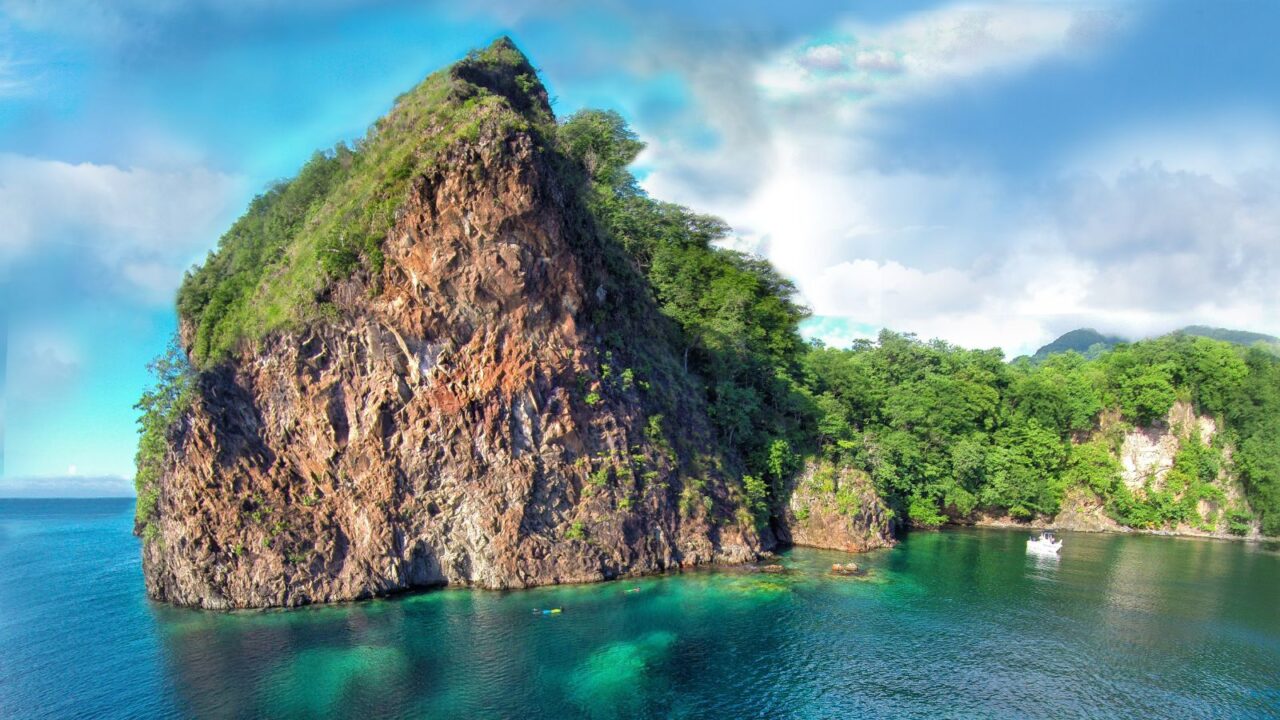
Dominica was named a top destination for 2026 by National Geographic. The recognition highlights its rainforest coverage, geothermal features, and conservation-first approach. It places Dominica in front of travelers who value nature over nightlife.
This kind of endorsement matters. It reinforces Dominica’s position as a destination for experience-driven travel rather than trend-chasing tourism.
Fewer crowds are part of the appeal
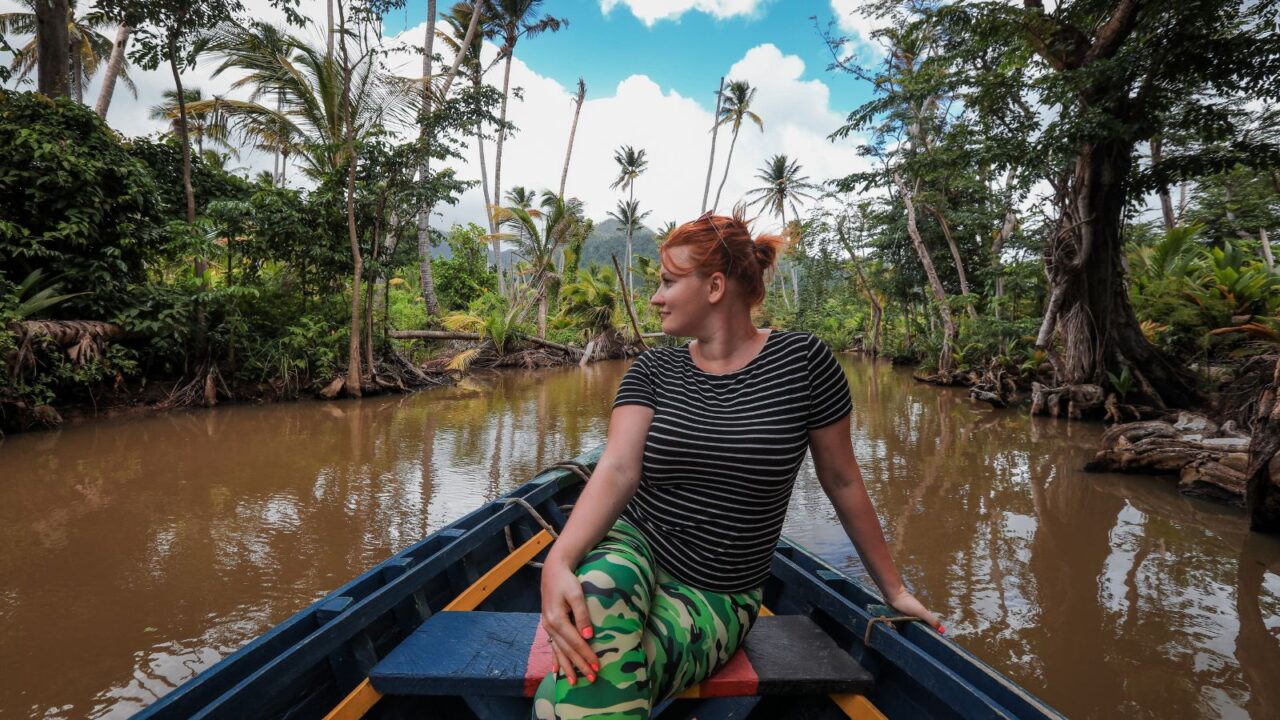
Unlike some Caribbean destinations, Dominica has resisted large-scale resort development. Visitor numbers are growing, but slowly and intentionally. That keeps trails, reefs, and villages from feeling overwhelmed.
For travelers tired of packed beaches and cruise-dominated ports, this restraint is refreshing. Dominica feels like a discovery rather than consumption.
Cultural experiences remain deeply rooted
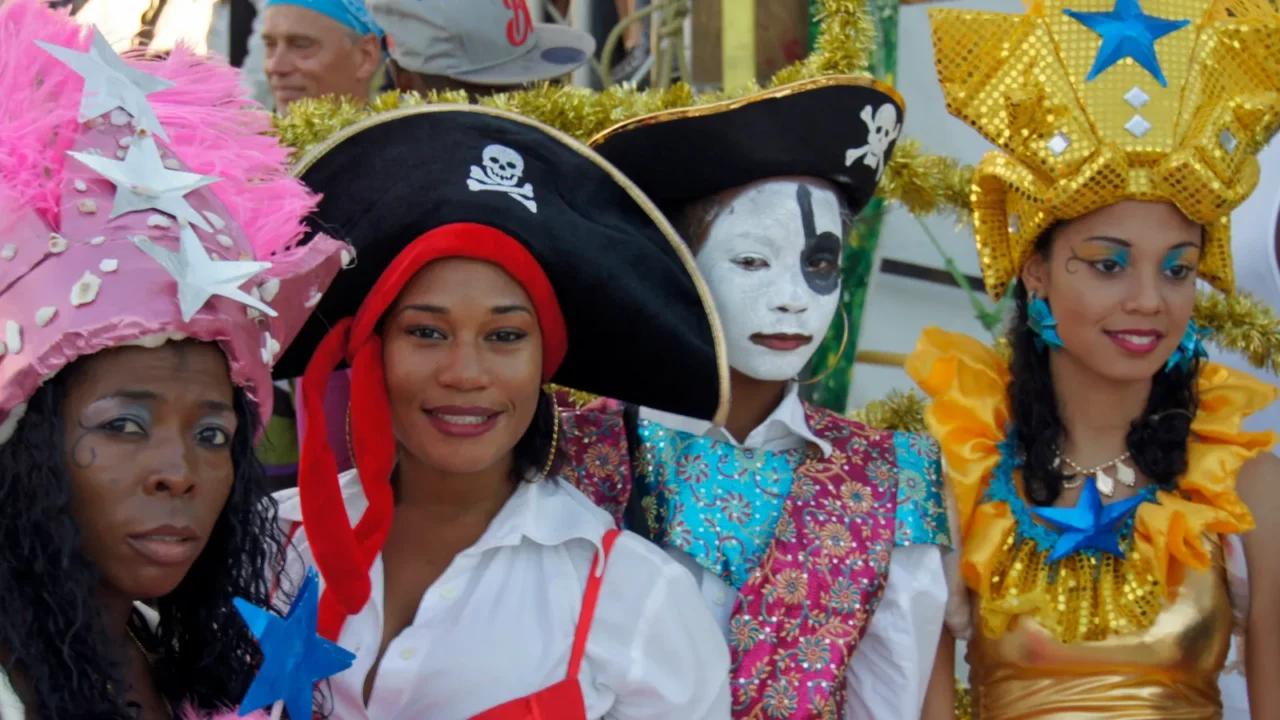
Beyond nature, Dominica offers strong cultural experiences. The Kalinago Territory allows visitors to learn directly from the island’s Indigenous community. Traditional crafts, food, and storytelling remain central to the experience.
This cultural access adds meaning to the trip. It also helps tourism dollars reach local communities rather than bypassing them.
June travel still works with the right mindset
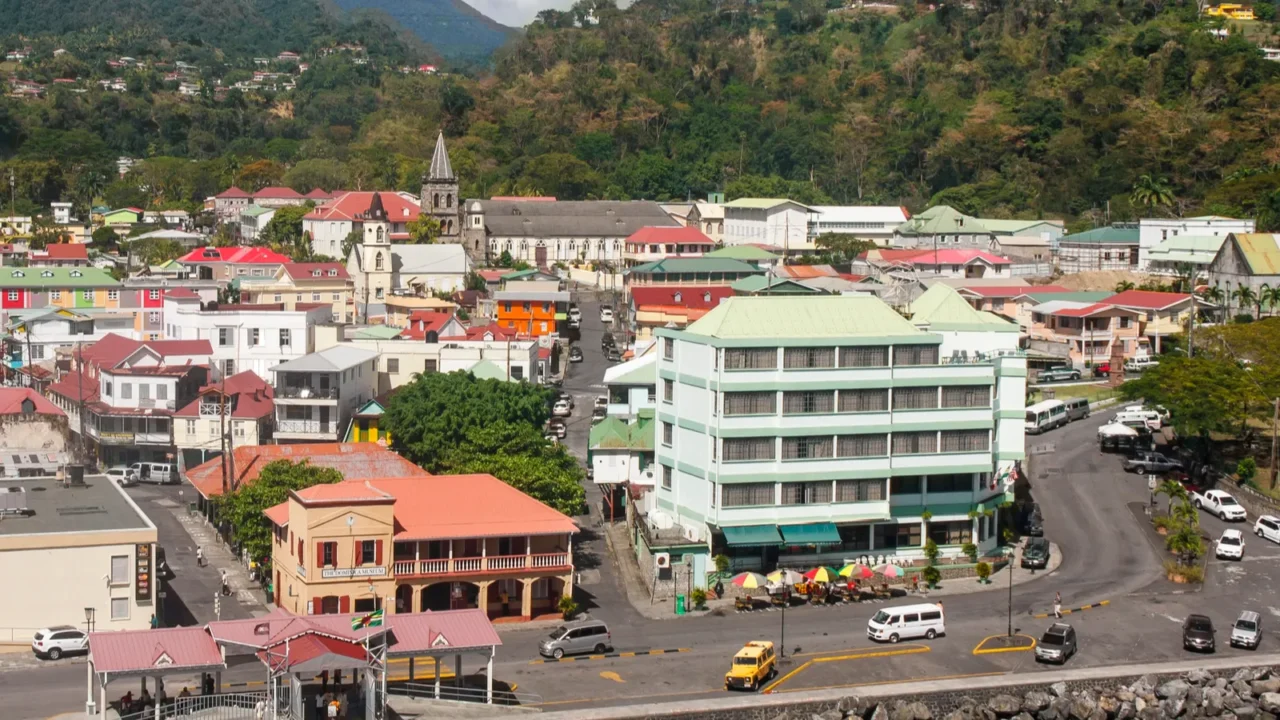
June marks the start of Dominica’s rainy season, but showers are often brief. The island stays lush, rivers run full, and waterfalls are at their best. Fewer visitors also mean quieter trails and easier bookings.
Travelers who plan flexible days often find June rewarding. Local guides are skilled at adjusting routes around weather patterns. Dominica rewards curiosity and patience. It is not about checking landmarks quickly. It is about immersion in forests, water, and culture.
The Internet is also talking about these stunning places where tourism is driving unexpected economic growth.
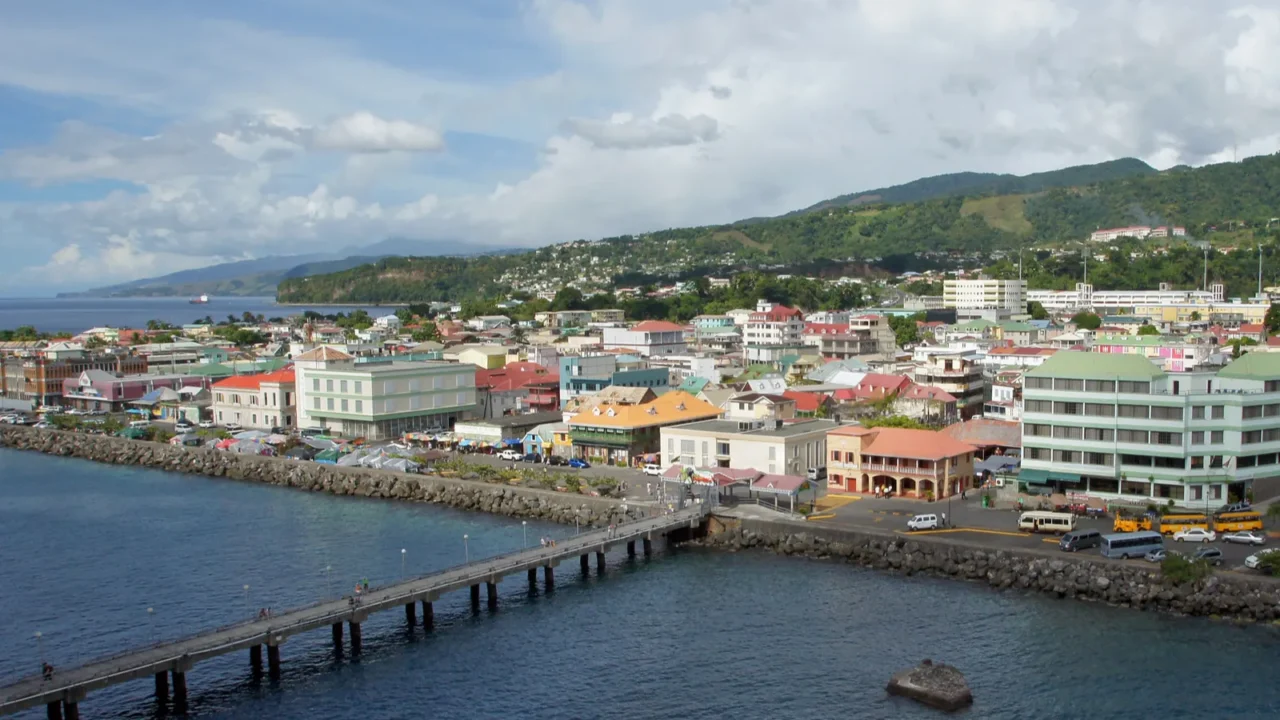
Why Dominica stands out for 2026 planning
Many destinations talk about sustainability, but Dominica is building it into its infrastructure. Marine reserves, controlled access, and trail upgrades show long-term thinking. The island is growing without losing its character.
That balance is hard to find. It is why Dominica keeps appearing on 2026 travel watchlists. For travelers who want trips to feel meaningful, Dominica delivers quietly but confidently.
Curious how sustainable travel is evolving? Check out Eco-villages powered by tides that are changing travel.
Would you choose a destination that protects its wild places first, even if it stays under the radar? Share your thoughts and your view in the comments.
This slideshow was made with AI assistance and human editing.
Don’t forget to follow us for more exclusive content right here on MSN.
Read More From This Brand:
