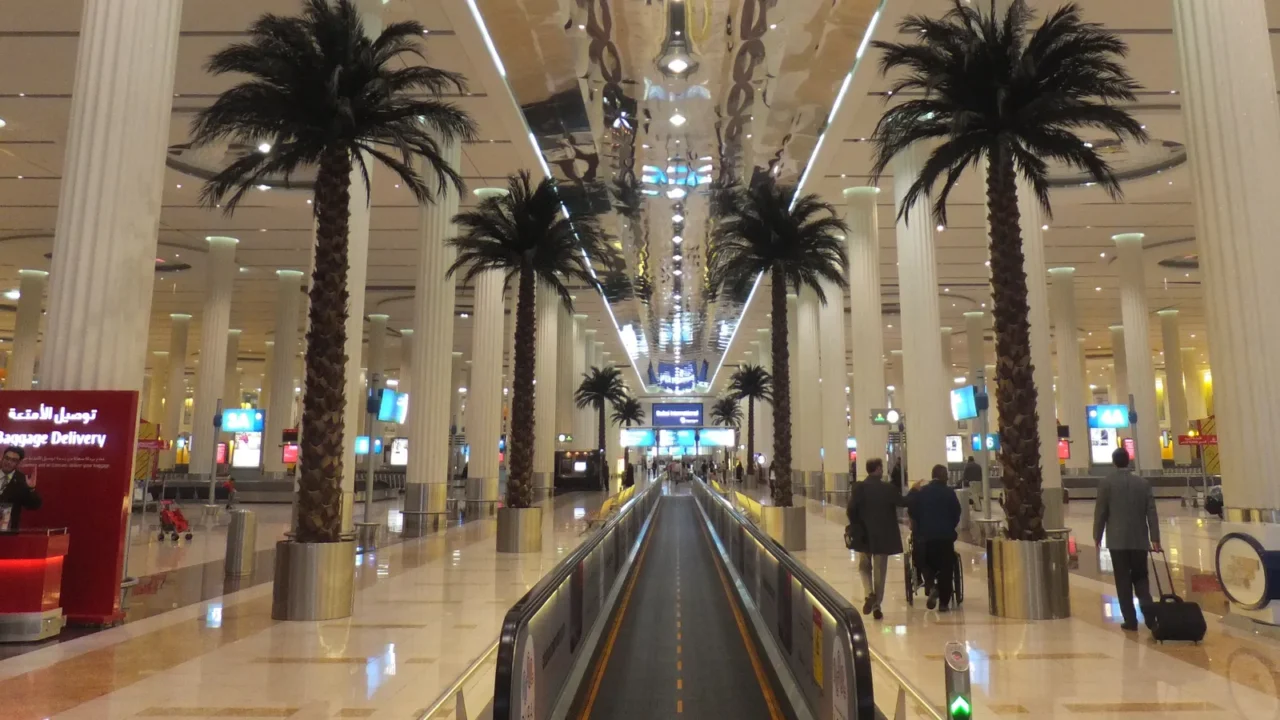
Dubai stopovers reimagined
Dubai is rewriting the script for long layovers and transit travel in 2026, and the changes are turning ordinary connections into exciting mini breaks. Airports like DXB and DWC are now more than transfer points; they’re gateways to exploring sandy beaches, skyscraper views, and desert thrills. Travelers passing through are starting to rethink what a “layover” really means, with new rules making it easier to step out and explore the city.
From upgraded transit visas to smarter entry processes, there’s a lot to unpack before the next trip. Let’s dive in and make layovers count!

What counts as a layover
Not all layovers are created equal in Dubai’s updated system. If travelers stay airside and don’t go through immigration, no visa is needed for connections up to 24 hours. That’s ideal for short transfers where visitors just wait for the next flight without leaving the airport.
But if the plan includes leaving the terminal to explore Burj Khalifa or Jumeirah Beach, a different approach is needed. Rules now clearly tie visa eligibility to time spent outside airport security.

Transit visa options simplified
Dubai now offers two clear transit visas for stopovers outside the airport. A 48-hour visa lets visitors see key attractions in a couple of days, while a 96-hour visa opens the door for longer mini vacations in the city. Both must be arranged in advance through UAE-based airlines like Emirates or flydubai.
This option works well for anyone with a confirmed onward ticket to a third destination. Passports must be valid for at least six months, and travelers should plan their entry and exit carefully to use the full stopover window.

Visa validity explained
The 48-hour and 96-hour transit visas work differently from a standard tourist visa. The shorter 48-hour permit is perfect for quick stops at Dubai Mall or the Gold Souq. The 96-hour version gives time to add a desert safari or Burj Khalifa sunset.
Both visas must be used within a set period after issuance. Overstaying carries fines and possible exit permit fees, so planning matters.
Visa on arrival perks
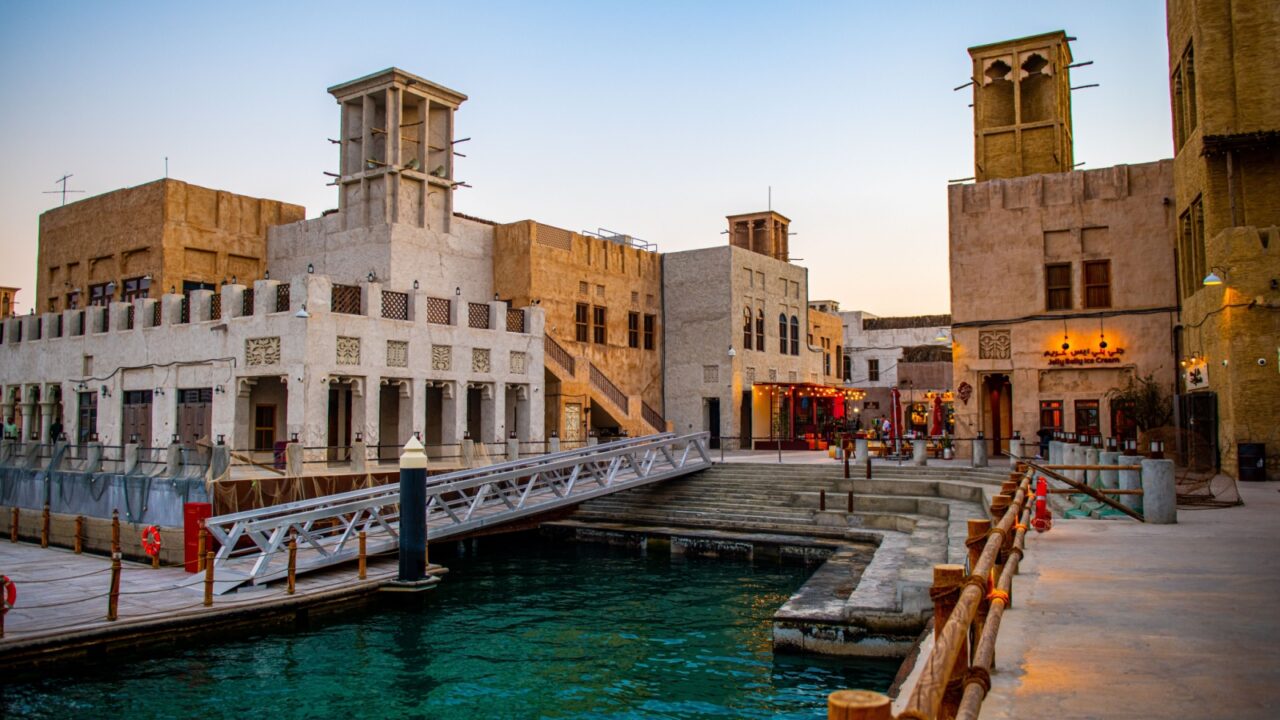
Travelers from many countries, including the US, UK, most of Europe, Canada, Australia, and Japan, now benefit from visa-on-arrival options. That means if they’re eligible, no separate transit visa is needed to step out of the airport and see downtown Dubai or historic Al Fahidi. This streamlines the process and opens up more flexibility for longer layovers.
Visit periods on arrival visas often stretch up to 30 days, giving holidaymakers plenty of breathing room. That flexibility is fueling stopover travel growth through the emirate.

Eligibility matters most
Who can use transit visas isn’t the same for everyone. Nationals of Gulf Cooperation Council countries don’t need any special visas to enter Dubai while connecting flights. But other passport holders must meet criteria like having confirmed onward tickets and airline sponsorship.
Some travelers may need to show proof of funds or travel insurance as part of the process. Checking requirements before booking is essential, given how many rules can vary by nationality.
Emirates airline support
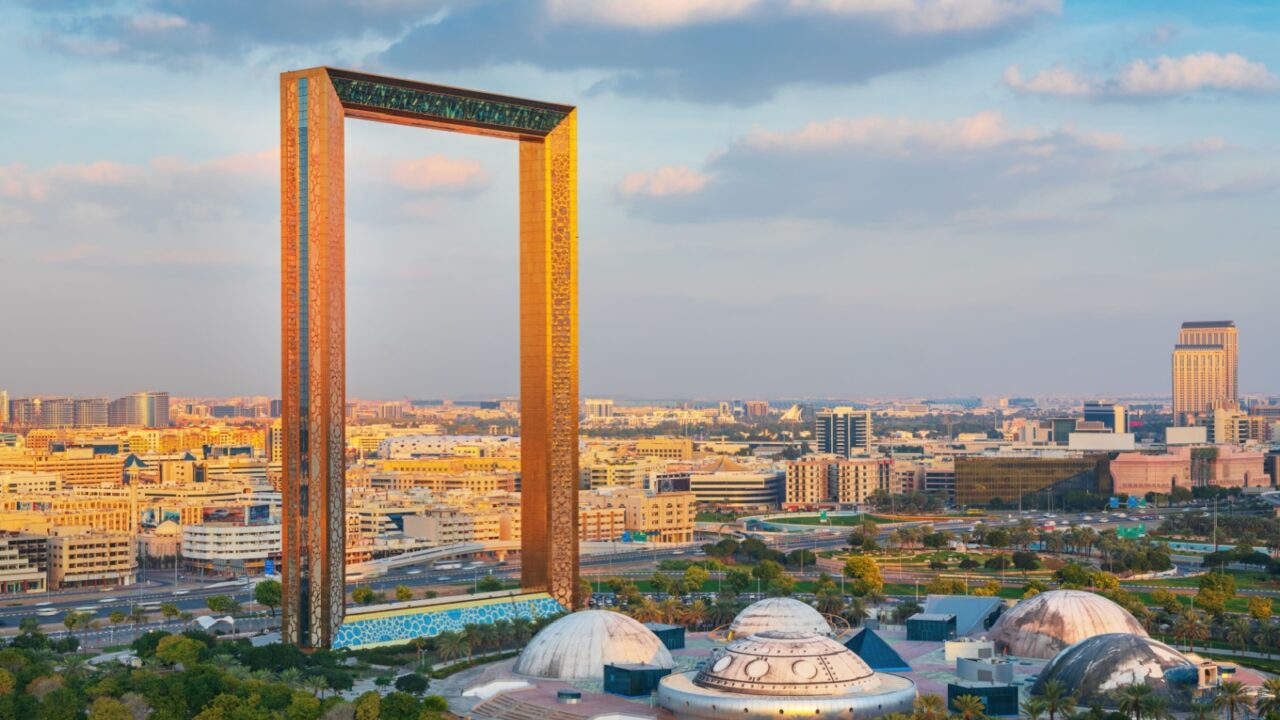
Emirates and other UAE carriers now play a key role in helping with transit visas. Travelers booked on long layovers often apply for their 48- or 96-hour permits through the airline or an approved partner. This means museum stops, dalliance at the Dubai Frame, or dinner at the Creek can be part of the connection.
Airline-assisted applications also reduce paperwork headaches. Starting the process early gives travelers peace of mind before departure.
Smart gates speed entry
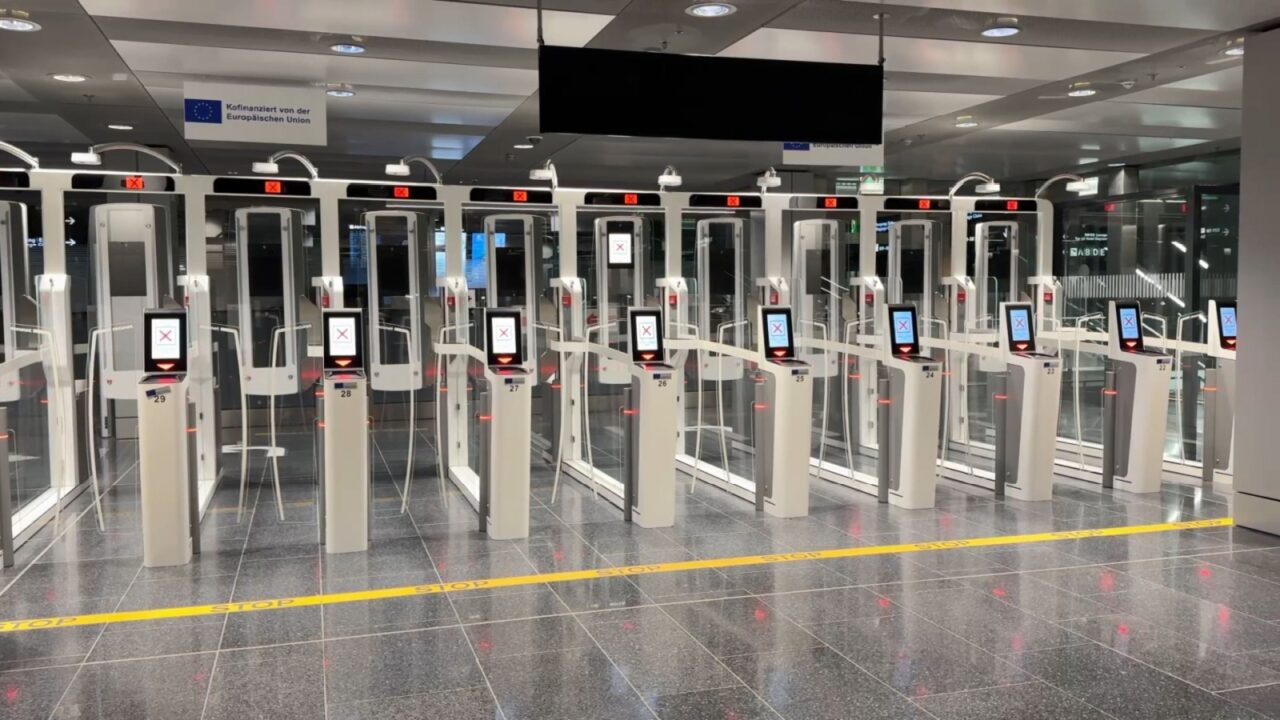
Dubai’s smart gates and e-visa integration are speeding up entry at immigration. Visitors with approved transit visas can breeze through passport control with biometric scans. This is a big help for transit stays where every hour counts.
Faster entry lets layover travelers head straight for places like Palm Jumeirah or Souk Madinat without long queues. It’s part of Dubai’s effort to make quick visits feel smooth and stress-free.

Make 48 hours count
A quick 48-hour stopover through Dubai opens lots of options in the city. Travelers can admire the views from the top of Burj Khalifa, then stroll through the Dubai Mall Aquarium. Sunset cruises and local food markets add cultural flavor.
If time allows, a taxi to Jumeirah Beach or an evening at Dubai Marina shows off different sides of the city. Short but smart planning turns a layover into a mini adventure.

Longer stays unlock more
With a 96-hour visa, visitors can do even more during their Dubai stopover. Options include exploring the Museum of the Future, lounging at Kite Beach, and taking day trips to Abu Dhabi’s Sheikh Zayed Grand Mosque. This extended window helps travelers unwind between flights.
Hotels and tour operators now offer packages specifically for these multi-day layovers. That’s turning what used to be a brief pause into a memorable part of the trip.

Plan with care
Every transit stopover needs planning around arrival and departure times. Passengers must ensure onward tickets are confirmed before applying for visas and check the validity windows carefully. Airlines and visa partners often require documentation at least a few days before arrival.
Remember that overstaying by even a day can lead to fines and additional exit fees. Careful timing prevents surprises at the airport or immigration.

Traveler experiences vary
Some passport holders have recently reported mixed experiences with transit visas, including delays or tighter scrutiny in certain cases. While most transit visa applications go smoothly, a few travelers say they had to double-check eligibility or provide extra documentation. Real stories emerging online suggest it’s wise to confirm status directly with airlines or immigration portals before travel.
These experiences highlight how dynamic visa policies can be, especially as demand grows for UAE stopovers. With airlines like Emirates and Air Canada expanding their codeshare partnership via Dubai in 2025, more transit passengers are expected to pass through the city. Staying updated helps travelers avoid hiccups on the ground while navigating this growing travel corridor.

Layovers that transform trips
Dubai’s updated rules are redefining long layovers from waiting time into mini urban escapes. With smart visas, city attractions, and clear options for 48 or 96 hours, travelers now enjoy richer journeys between flights. Curious travelers can see world-class skyscrapers, waterfronts, and desert landscapes even on a stopover.
Which Dubai stopover plan sounds most exciting, a 48-hour city break or a 96-hour desert and skyline adventure? Share thoughts below!
This slideshow was made with AI assistance and human editing.
Don’t forget to follow us for more exclusive content right here on MSN.
Read More From This Brand:
