Shaken but seeking
This slideshow examines well-loved travel spots that sit on active faults yet still draw curious travelers. We cut past sensational headlines to show which places rebuilt smarter, which remain fragile, and what real risk looks like for a visitor. Travel should be about respect for place and preparedness, not panic.
Learn how modern science and local policy changed the visitor experience and why informed planning makes adventure possible. These practical tips and citations help you travel wiser and more confidently.
Tokyo urban resilience
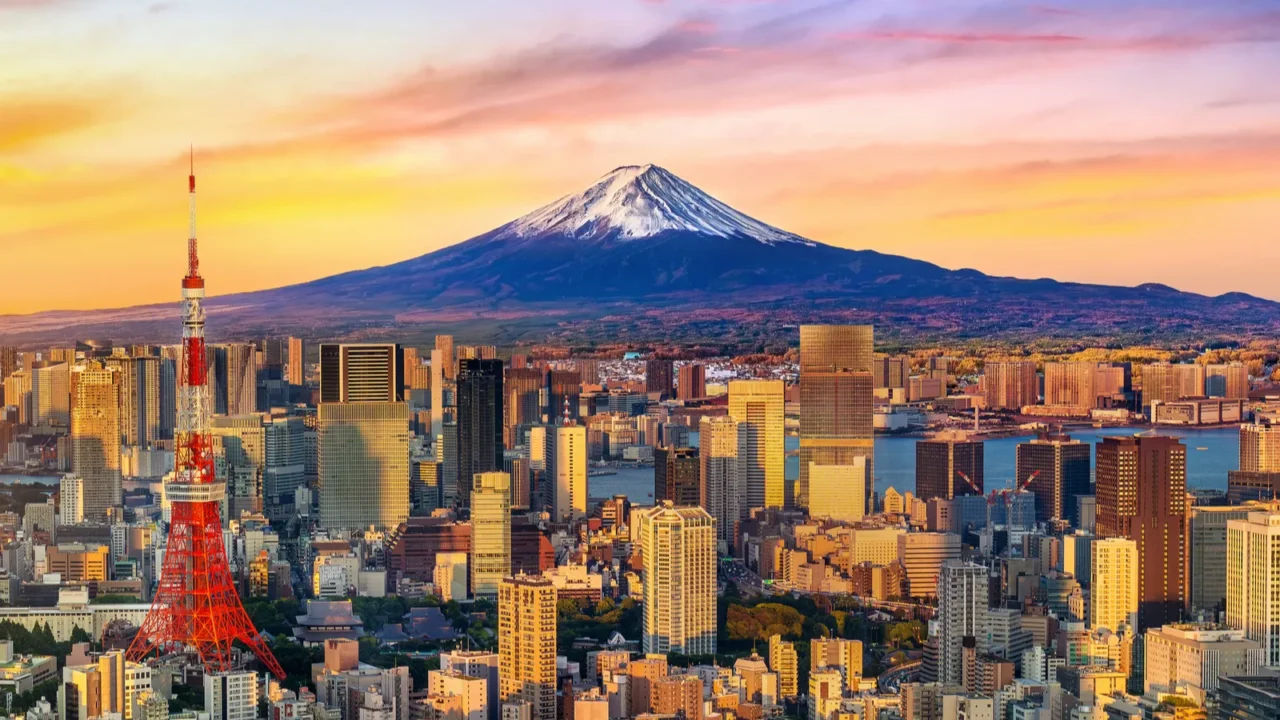
Tokyo combines rigorous seismic engineering, frequent nationwide drills, and public early warning systems that make tremors manageable for millions. The city’s building codes and rapid response networks were rewritten after major events and continue to evolve with new science and simulations. Visitors will notice earthquake-resistant towers, clear evacuation signage, and practiced crowds.
Embrace visible preparedness as part of the travel experience. Following local directions, learning a few simple safety phrases, and staying informed through official updates is the fastest way to navigate Japan’s capital with confidence.

San Francisco’s seismic story
San Francisco sits atop a restless fault system and learned hard lessons in 1906 and 1989. The city now pursues screenings and retrofits for vulnerable housing and older concrete building types, while emergency services refine their fast-response plans. Many tourist neighborhoods and inspected hotels are considered safe when they meet modern standards.
If you plan to visit, favor inspected lodging, follow official city alerts, and treat public safety drills as helpful practice rather than an interruption. Simple awareness turns uncertainty into manageable action.
Christchurch rebuilt
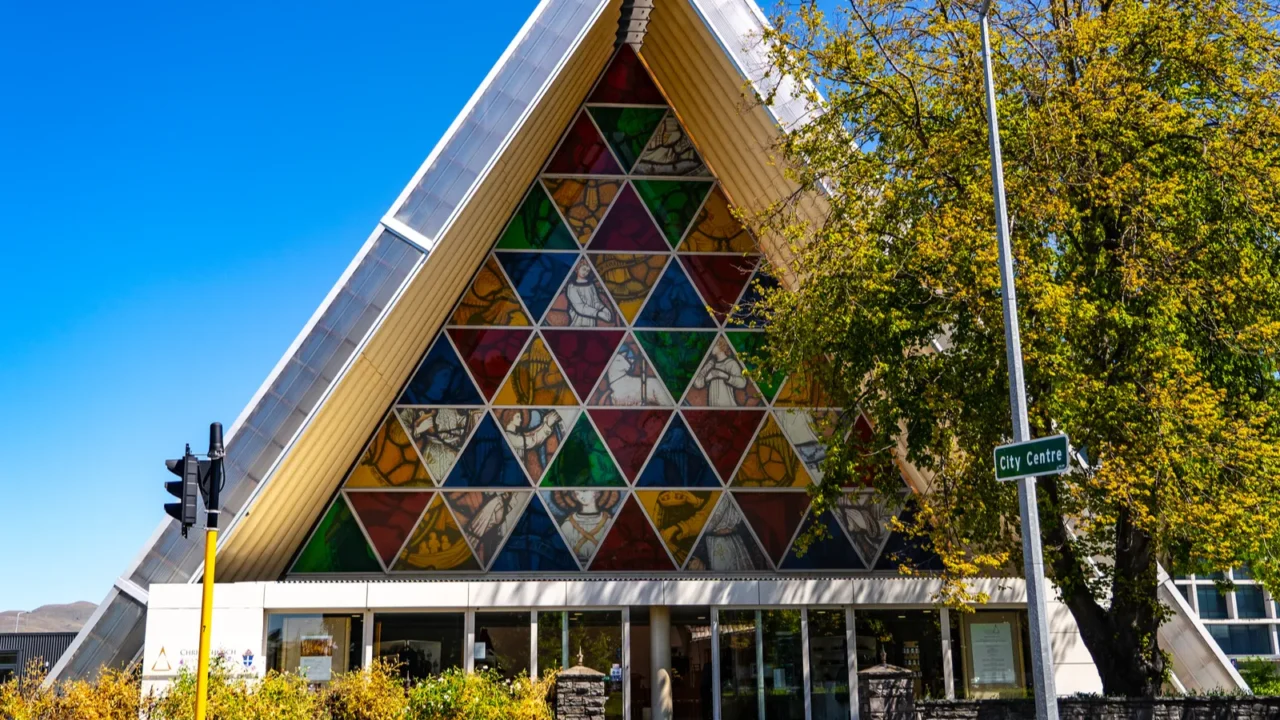
The 2010 and 2011 quakes reshaped Christchurch and its approach to urban design, creating new foundations, stricter codes, and planned open recovery spaces. Much of the central city was rebuilt to modern standards, and safety inspections guide what areas are open to visitors. Heritage conservation continues alongside resilience improvements.
Travelers who respect signage and use licensed guides for damaged or recovering zones both reduce personal risk and support local economies. Visiting thoughtfully helps recovery efforts and keeps your experience meaningful and safer.
Kathmandu’s historic faultlines
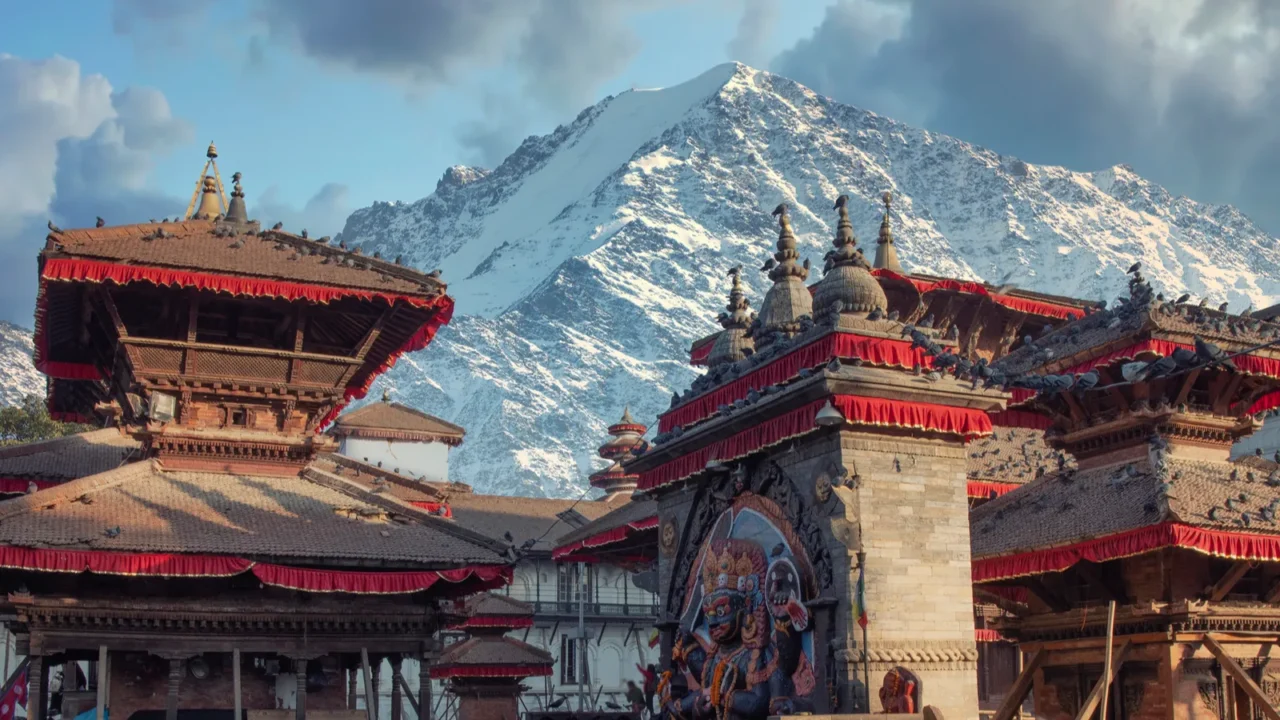
Kathmandu blends living heritage and high seismic hazard from the Himalayan plate collision, remembered in the 2015 Gorkha event. Narrow lanes and older unreinforced masonry raise vulnerability in parts of the valley, though stabilization and building assessments are slowly improving safety for residents and visitors alike.
Choose structurally assessed lodging, keep emergency contacts handy, and avoid steep slopes after heavy rains. Local authorities often prioritize heritage stabilization, so certain temples or squares may be closed during conservation for everyone’s safety.
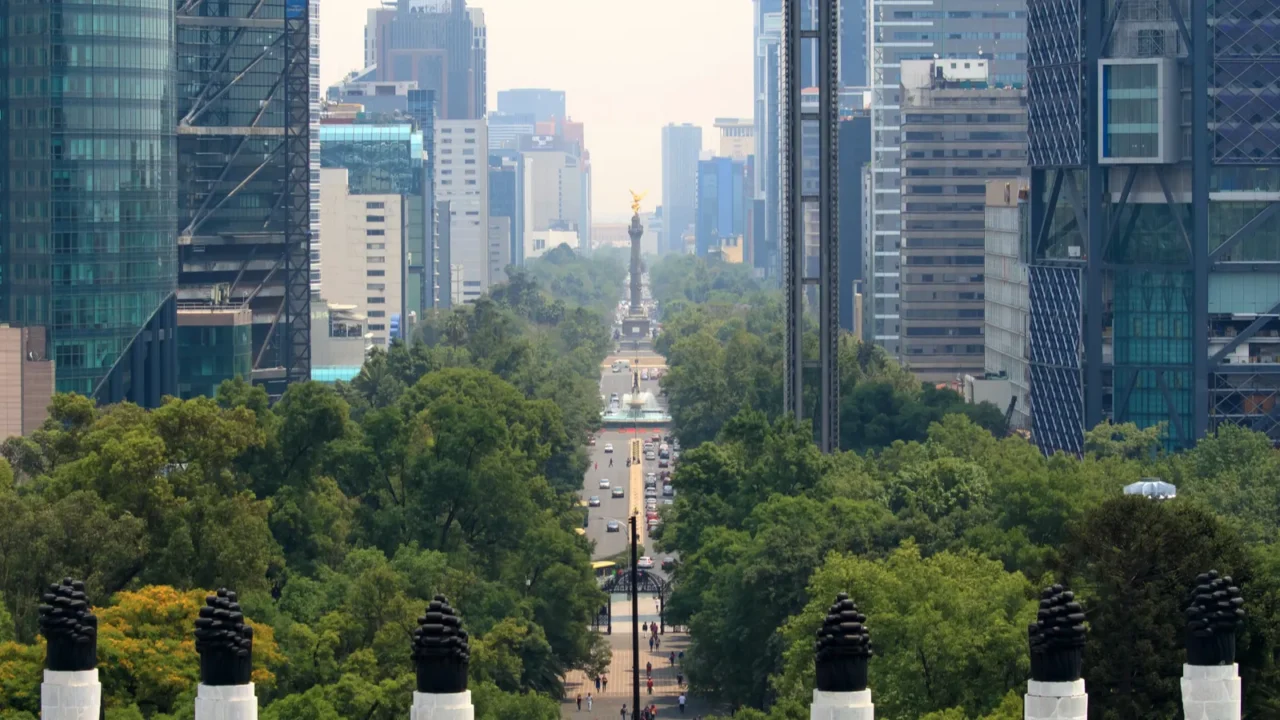
Mexico City faultlines
Mexico City’s basin geology amplifies certain earthquake waves and causes disproportionate damage in historic events like 1985, especially to specific mid-rise buildings whose natural vibration matches amplified ground motion. Since then, monitoring, retrofits, public drills, and better codes have raised resilience, but soil amplification remains a defining local hazard.
Visitors should learn hotel evacuation points, favor accommodations with clear seismic upgrades, and take public drills seriously. Small choices like where you sleep and how you orient yourself in a building reduce exposure.
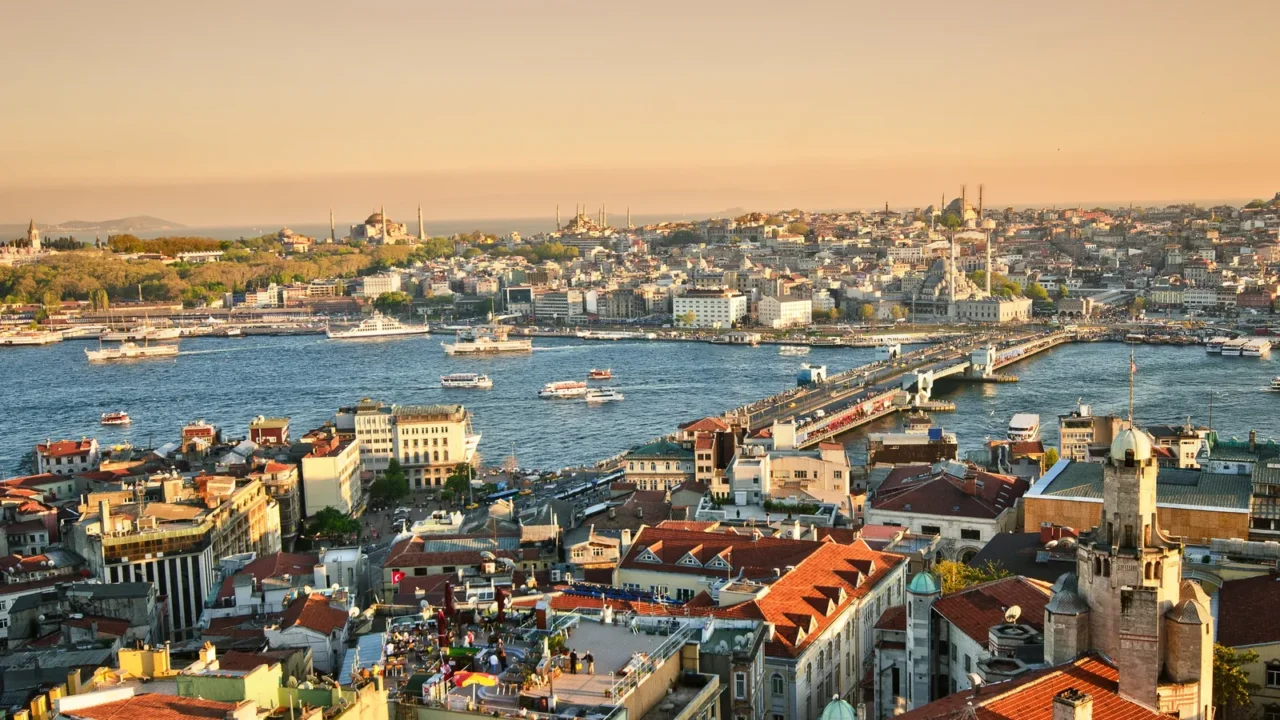
Istanbul on active faults
Istanbul lies near the North Anatolian Fault and has experienced damaging quakes in the last century that inform today’s risk planning. Reinforcement programs, retrofitting of critical infrastructure, and stepped-up monitoring aim to reduce future losses, though dense suburbs and older masonry pockets remain concerns for rapid shaking.
If you visit, follow official closures and alerts, register longer stays with your embassy, and respect avoidance zones after tremors. Cultural exploration is possible when you combine curiosity with situational awareness.
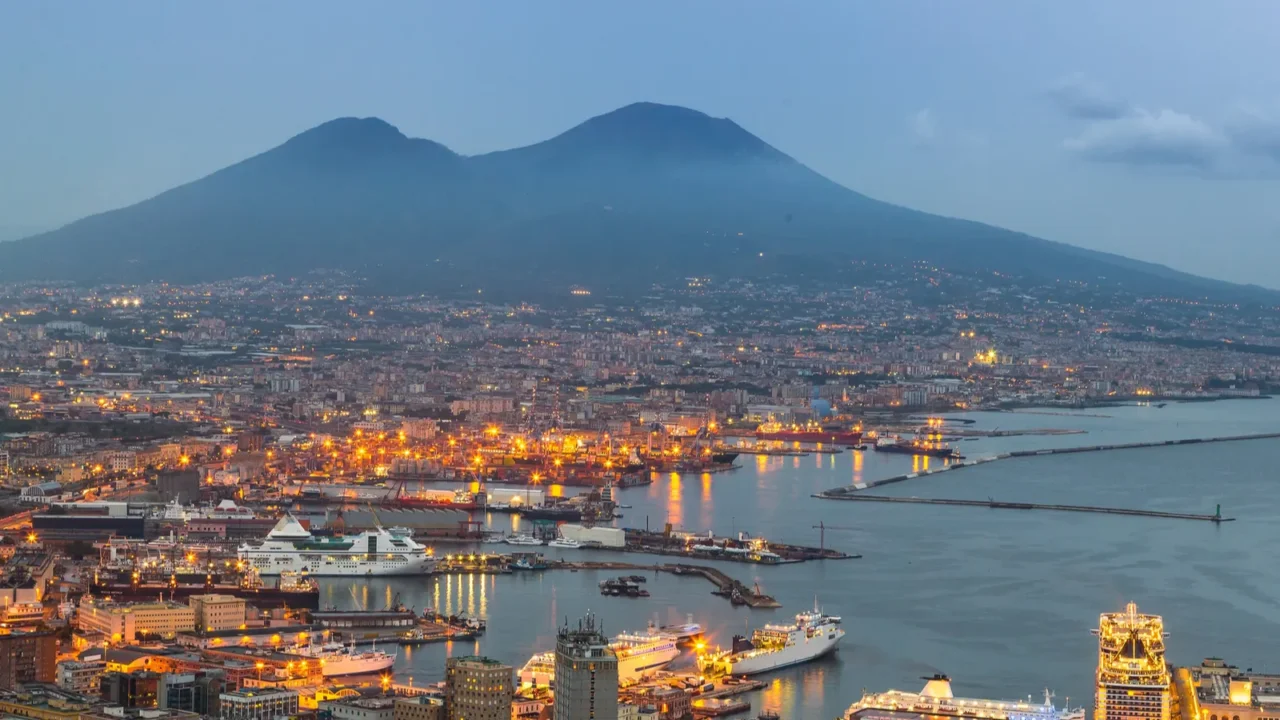
Naples and Vesuvius region
Naples and Pompeii sit where volcanic and seismic risk overlap because Mount Vesuvius and nearby calderas influence regional ground behavior and produce intermittent seismicity. Archaeological sites are closely monitored, and conservation teams will close or stabilize fragile areas when small tremors occur to protect people and priceless ruins.
Visitors can enjoy guided tours and structured viewing platforms while following onsite rules and official advisories. Scientific monitoring underpins opening decisions so the sites remain accessible when safe and protected when not.

Valparaíso’s coastal quakes
Valparaíso and Chile’s coastal cities live with relentless tectonic activity that produced major quakes historically but also exported lessons into stronger building codes and resilient construction practices. Coastal cliffs and terraced hills are beautiful and geologically active, so local planning emphasizes evacuation routes and building performance.
Coastal visitors should learn tsunami evacuation paths, avoid sleeping in low-lying waterfront areas during warnings, and use official alert systems if staying overnight. Local knowledge and respect for signage make exploring the colorful hills far safer.
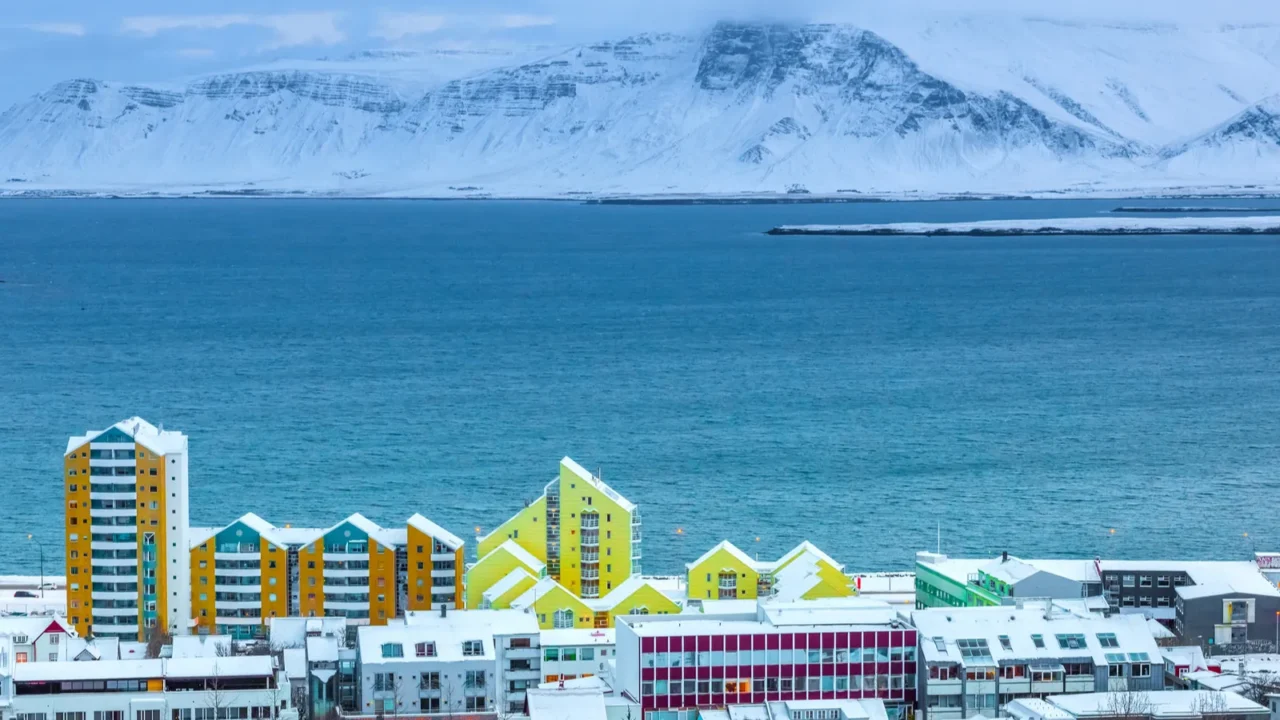
Reykjavik and tectonic rift
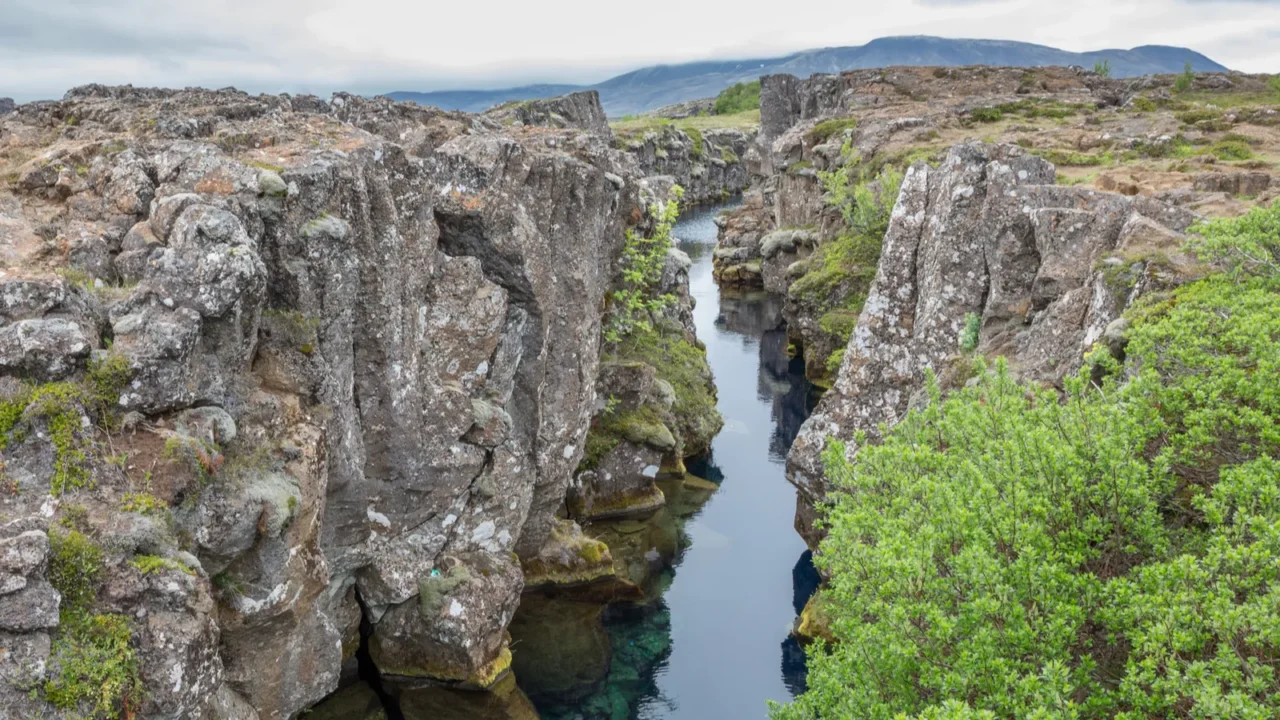
Iceland sits astride the Mid Atlantic Ridge, so frequent small earthquakes and occasional eruptions are part of the landscape rather than a constant threat to Reykjavik’s prepared infrastructure. The Icelandic Meteorological Office offers live seismic and volcanic monitoring, and tour operators change itineraries quickly when unrest affects access.
Visitors benefit from flexible plans, rely on local guides for remote sites, and use official updates rather than headlines. Prepared local services and monitoring make safely seeing rifts and lava fields a routine part of Iceland travel.
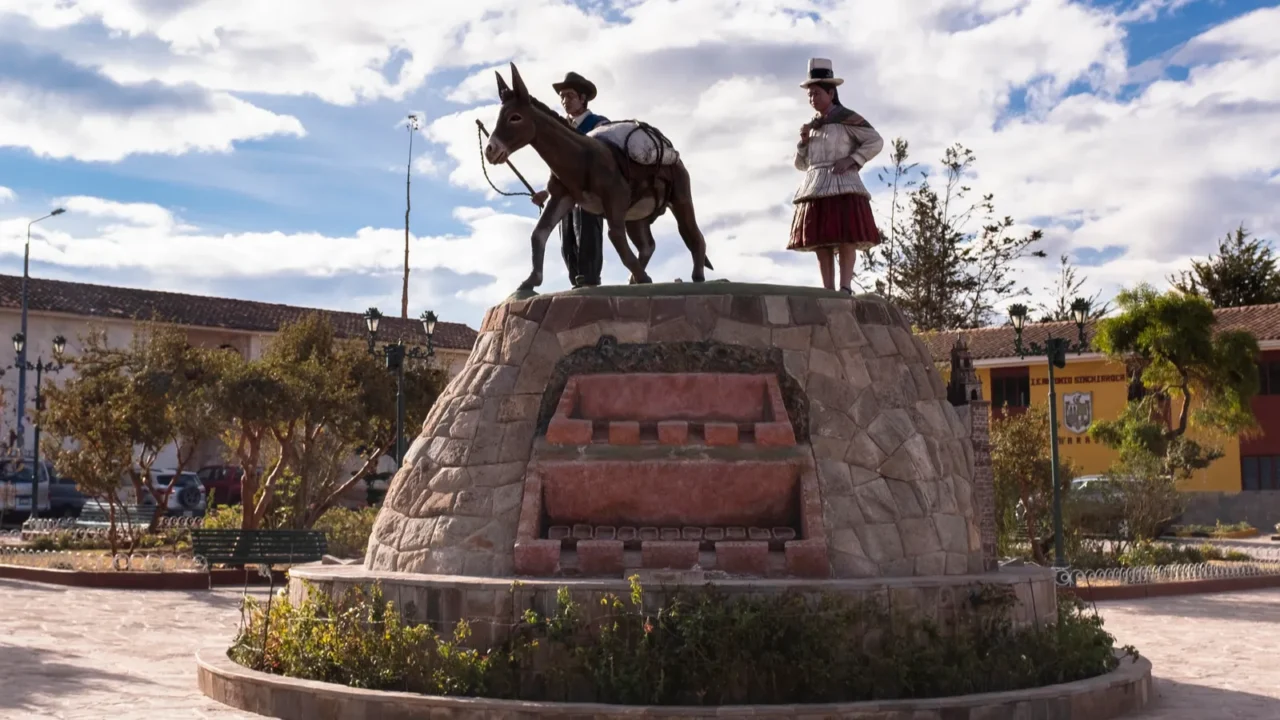
Cusco and Andean shakes
Cusco and trails to Machu Picchu lie in a moderate seismic zone where both ancient builders and modern engineers accounted for ground movement. Conservation and construction techniques tolerate some shaking, and many local hotels follow resilience guidelines to protect guests and cultural assets.
Trek operators maintain contingency plans and know which slopes to avoid after heavy rain. Ask your operator about emergency procedures and route alternatives so your cultural journey stays safe even if a tremor alters the plan.
How safe are you really
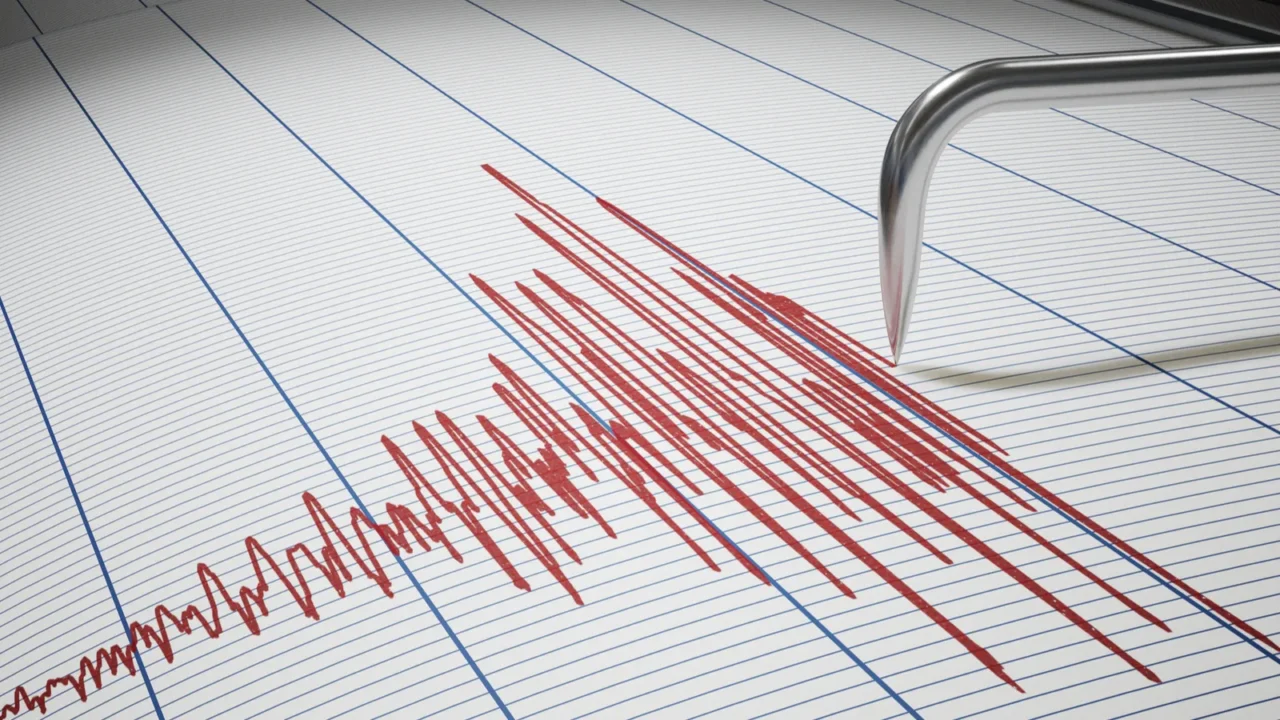
Safety in earthquake-prone destinations depends on where damage hits hardest, often shaped by weak construction, dense neighborhoods, and unstable ground rather than the quake itself. Modern building standards, retrofits, and early warning systems have lowered risk in many tourist hubs, yet danger can still vary from one street to the next.
Understanding where earthquakes cause the worst impact is not about fear, it is about making smarter travel choices. When visitors recognize risk patterns and preparedness levels, they gain control over their journey instead of leaving safety to chance.
Travel smart in quakes
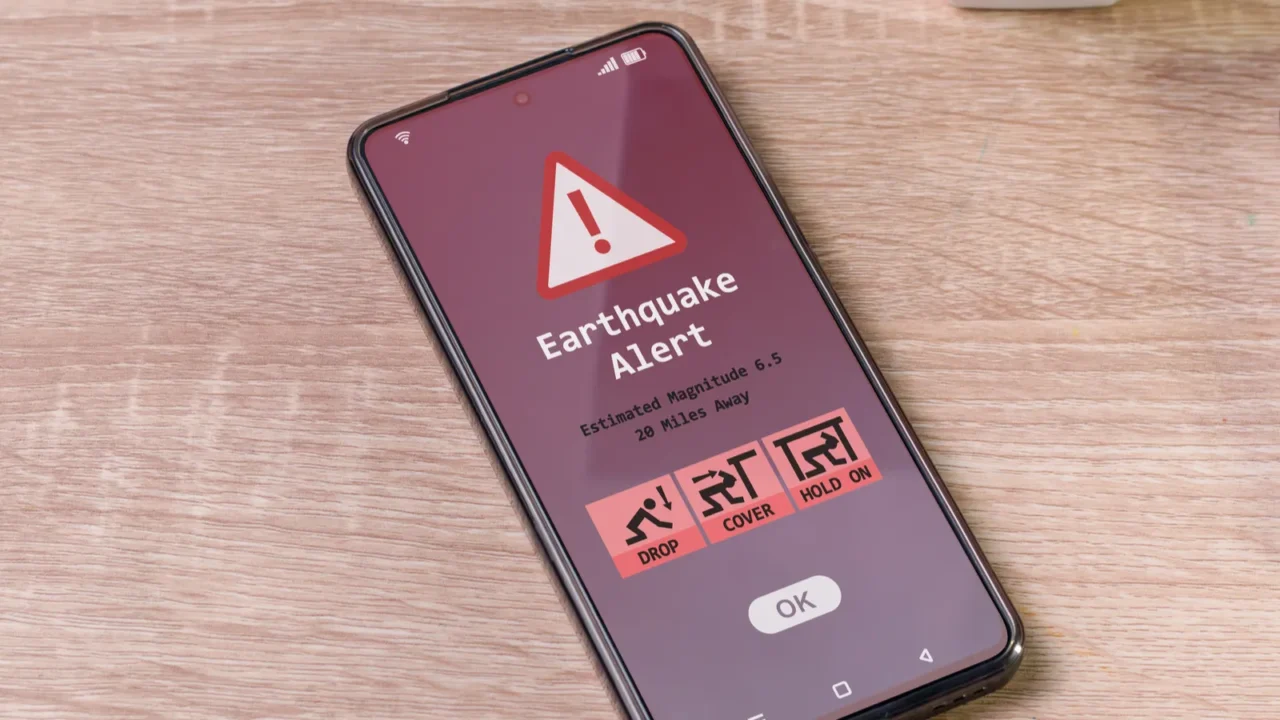
Tourists influence their own safety more than they realize by planning beyond flights and views. Choosing structurally sound hotels, learning evacuation procedures, and following local advisories significantly reduce risk in earthquake zones that welcome millions of visitors each year.
Being a responsible tourist means respecting both the beauty and the risks of a destination. When travelers stay informed, follow local guidance, and prepare calmly, exploration remains thrilling without becoming reckless or careless.
If you knew your dream destination sat on unstable ground, would it change where you travel, or simply how prepared you choose to be when you arrive?
This slideshow was made with AI assistance and human editing.
Don’t forget to follow us for more exclusive content right here on MSN.
Read More From This Brand:
