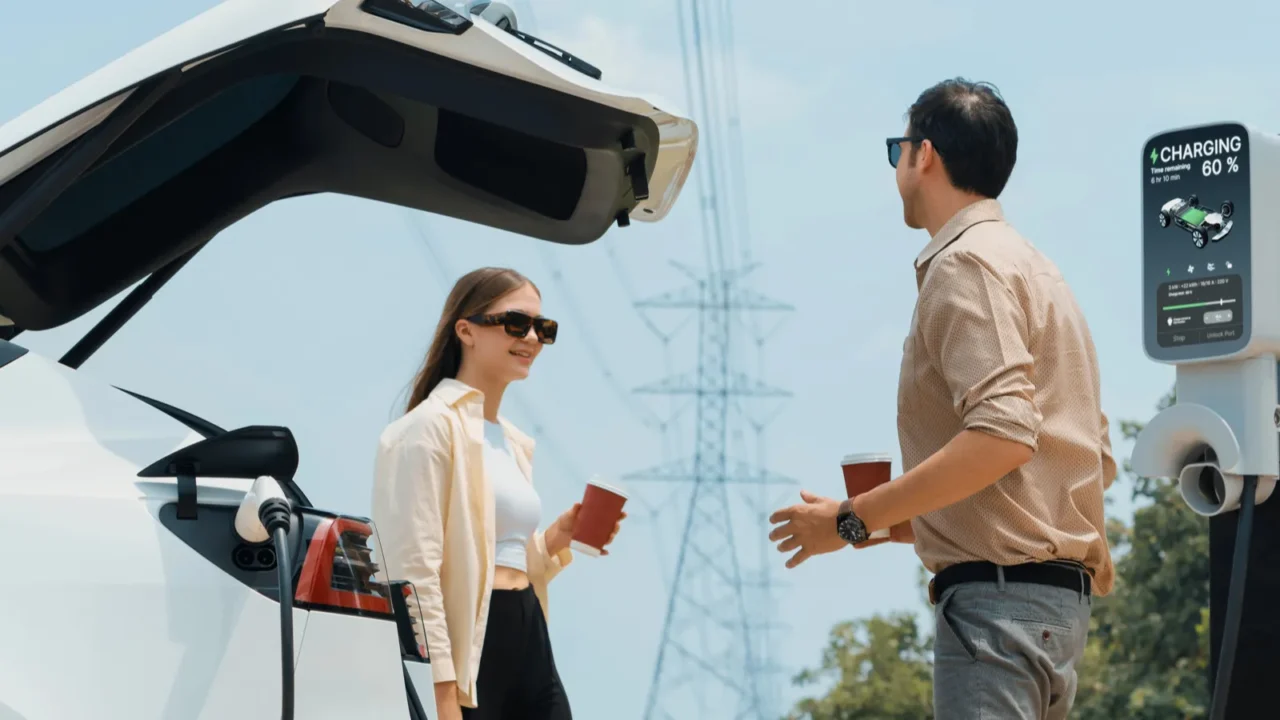
Federal policy shapes EV rollout
The United States Department of Energy says expanding electric vehicle charging networks is essential for nationwide EV adoption. Federal infrastructure programs are funding thousands of new charging stations across highways and communities. However, gaps remain in rural and small-town regions across the country.
Electric vehicles are gaining popularity in cities like Los Angeles, Seattle, and Austin, where chargers are widely available. Drivers in smaller towns often face limited charging options during longer trips. Infrastructure differences are now shaping how quickly EV adoption spreads beyond major urban centers.
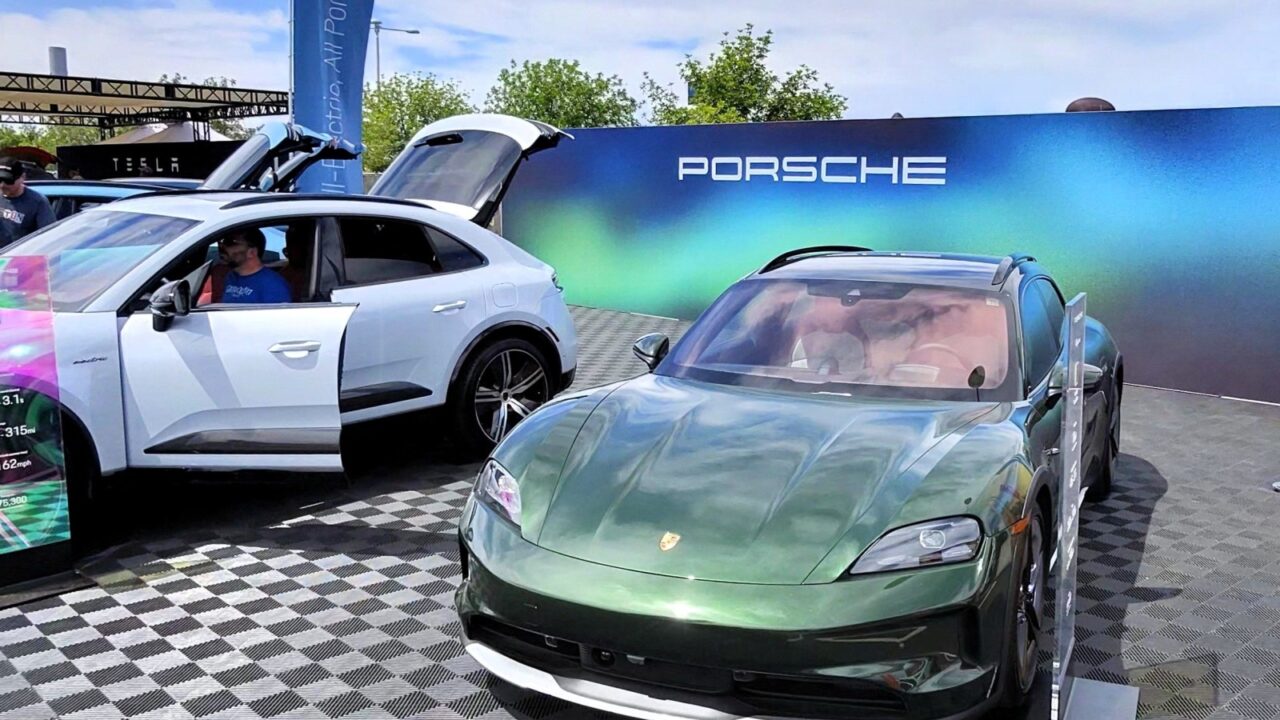
EV growth continues nationwide
EV adoption has accelerated across the United States during the past few years. Automakers such as Tesla, Ford Motor Company, and General Motors are introducing new electric models aimed at mainstream buyers. Many drivers are attracted by lower fuel costs and environmental benefits.
EV adoption remains especially strong in states such as California, Florida, and Texas, which rank among the leaders in total EV registrations. These regions already support large charging networks and government incentives. Outside those areas, drivers often hesitate because charging access is less predictable.
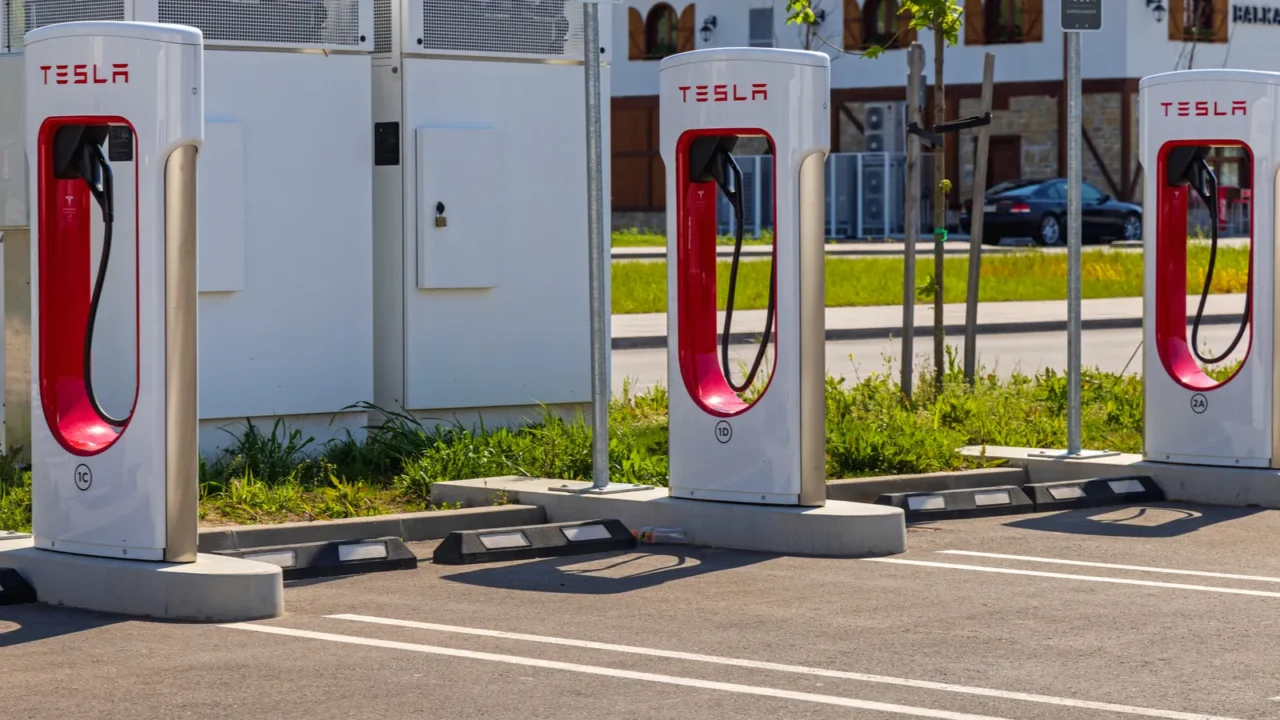
Charging access shapes decisions
EV infrastructure plays a major role in consumer confidence. Buyers want assurance that charging stations are available during daily commutes and long road trips. Limited access outside major cities continues to slow adoption.
Drivers traveling between cities like Dallas and Oklahoma City or Minneapolis and Fargo may encounter fewer fast chargers. Long distances between stations can create anxiety about running out of power. Industry analysts say infrastructure expansion is essential for broader EV growth.
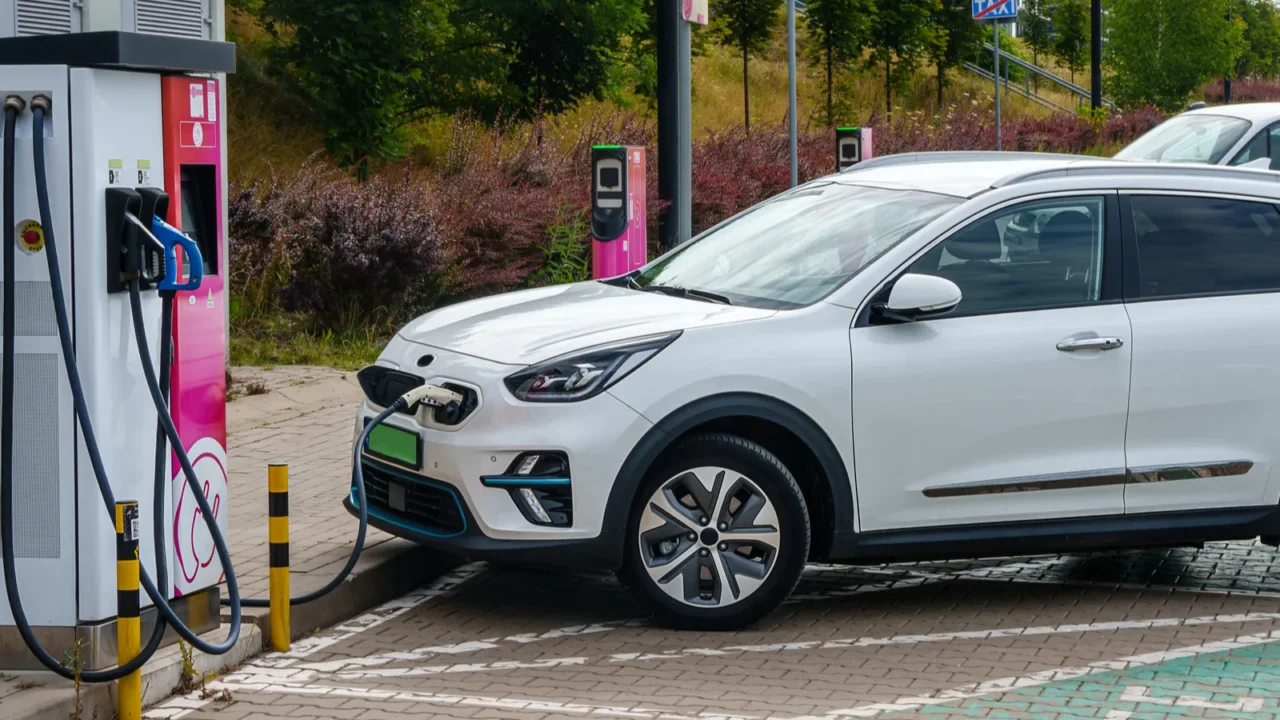
Rural regions face hurdles
Rural areas across the United States face unique challenges in building EV charging networks. Lower population density makes it harder for private companies to justify large investments. Installing high-speed charging equipment also requires a strong electrical infrastructure.
Communities in states such as Montana, Wyoming, and West Virginia often have fewer stations compared with coastal cities. Long driving distances increase the importance of reliable charging availability. Local governments are exploring partnerships to close these infrastructure gaps.
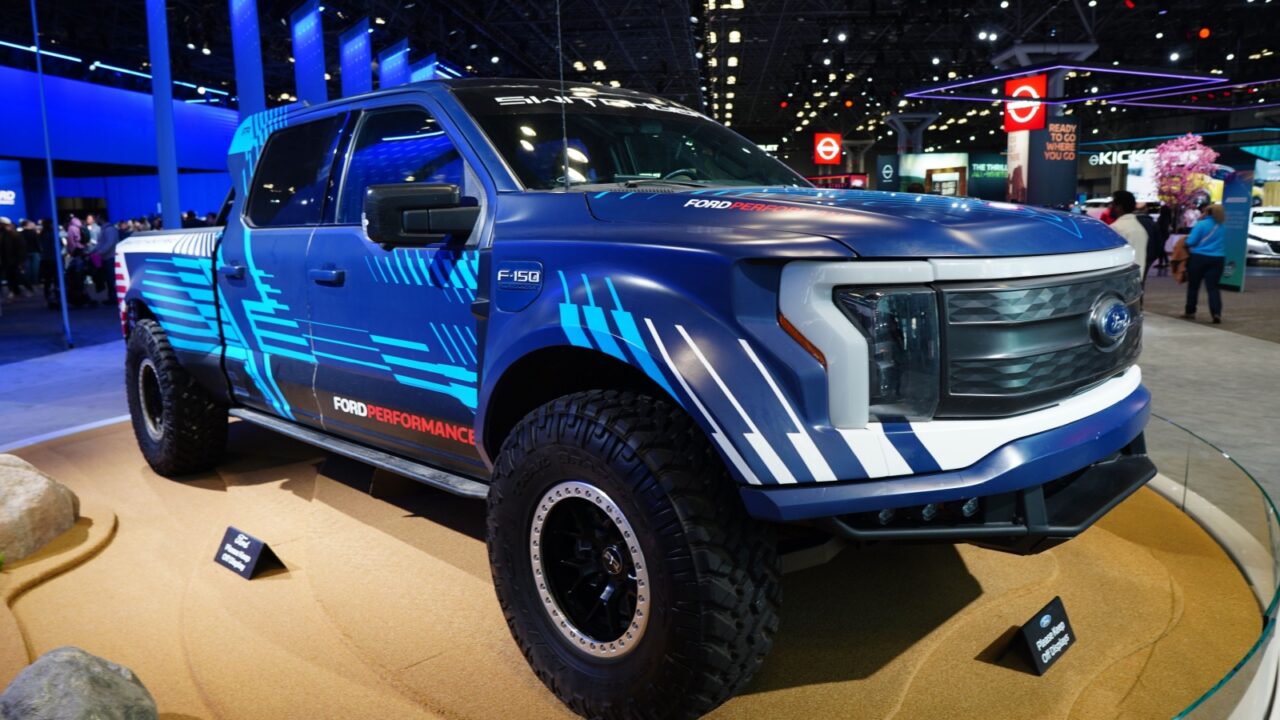
Automakers push electric transition
Major automakers are investing billions of dollars in electric vehicle technology. Ford Motor Company builds the F-150 Lightning pickup while General Motors produces models like the Chevrolet Bolt and Cadillac Lyriq. Tesla continues expanding its lineup with vehicles assembled in Texas and California.
These companies rely on widespread charging networks to support growing sales. Urban regions usually develop infrastructure faster because of higher demand. Smaller cities sometimes follow later once adoption increases.
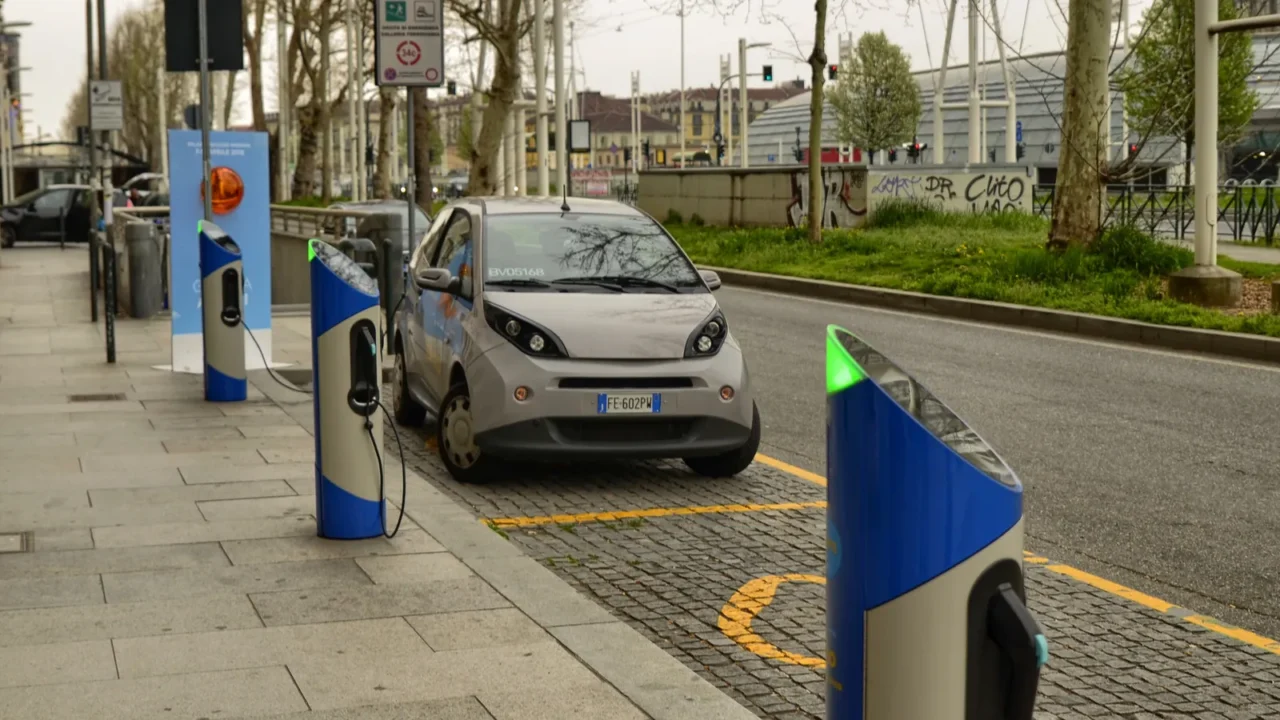
Public chargers keep growing
The United States continues adding public charging stations across highways and communities. According to the United States Department of Energy Alternative Fuels Data Center, the country now has more than 170000 public charging ports available nationwide as of 2024.
Cities such as San Francisco, New York, and Chicago host thousands of charging points. These urban networks support daily commuting for many EV drivers. Rural regions still account for a much smaller share of the national charging infrastructure.
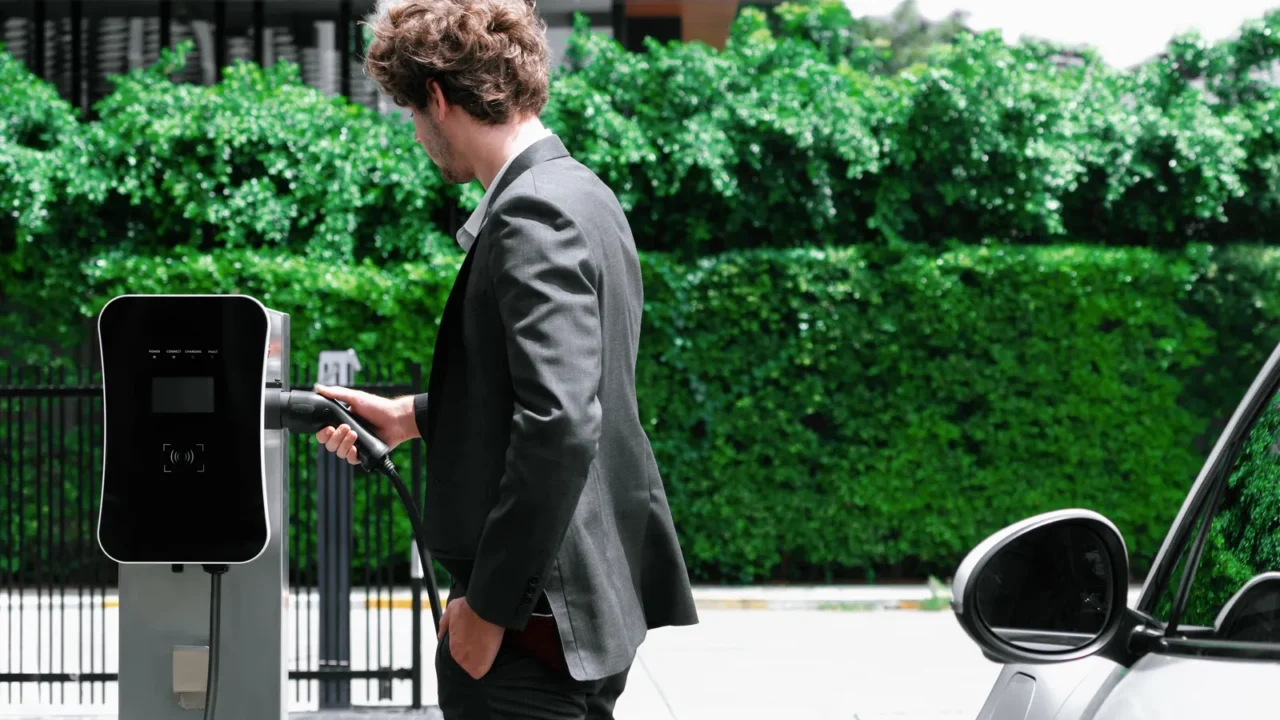
Road trips require planning
Electric vehicles can handle long-distance travel when charging infrastructure is available. Charging networks are expanding alongside EV sales around the world. The International Energy Agency reported that the global number of public charging points was almost 4 million in 2023.
Highway corridors linking cities such as Los Angeles and Las Vegas now feature regular charging stops. Drivers traveling through remote regions often plan routes carefully to locate stations. These planning habits remain part of long-distance EV travel today.
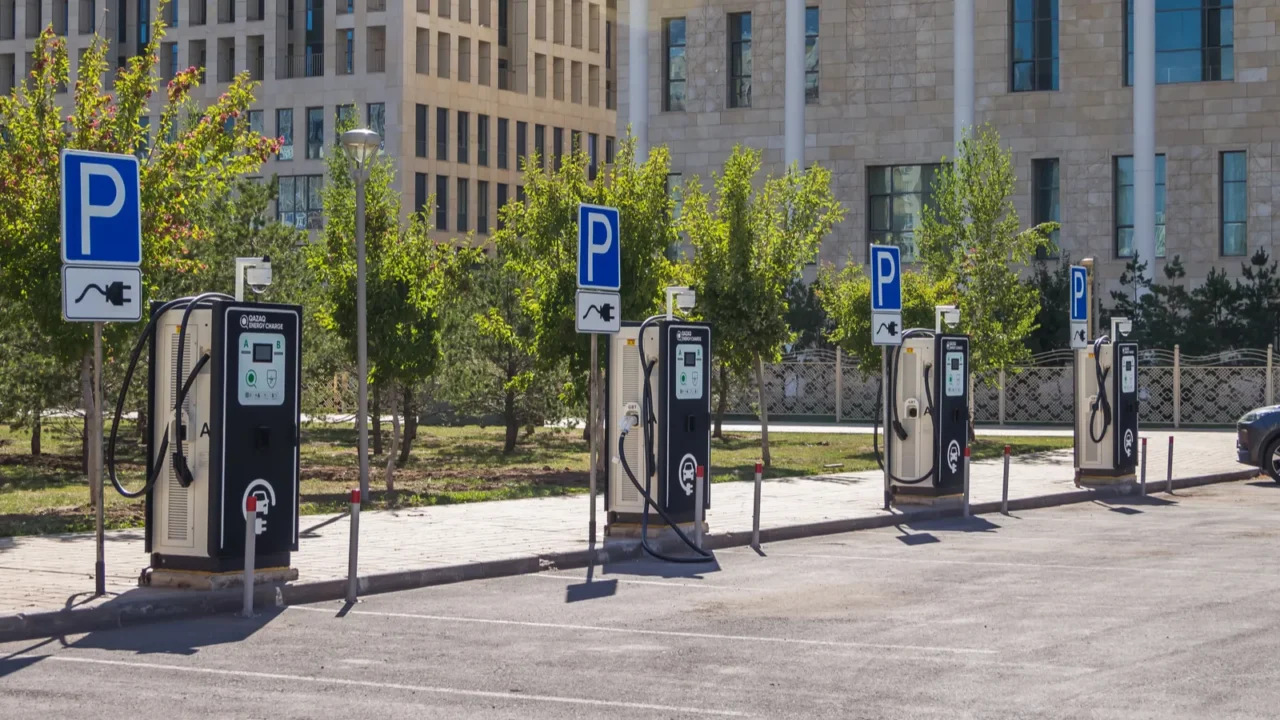
Retail locations add chargers
Retail businesses are becoming important partners in EV infrastructure growth. Companies like Walmart, Target, and Starbucks increasingly host charging stations in their parking areas. These locations allow drivers to charge vehicles while shopping or dining.
Commercial partnerships help expand access without building separate charging facilities. Many stations appear near major highways where travelers stop during road trips. Retail locations, therefore, will play a growing role in EV convenience.
Energy grid upgrades needed
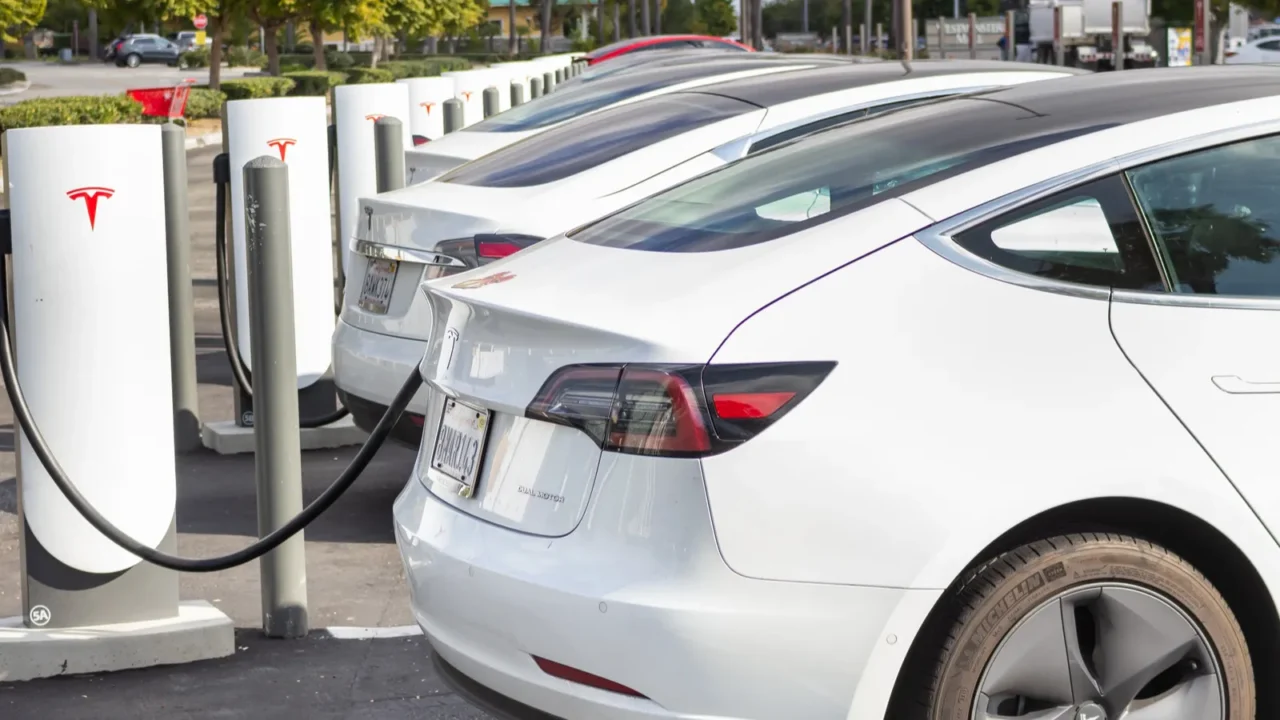
Electric vehicle growth also requires improvements to local power grids. Fast charging stations draw large amounts of electricity during peak demand. Utilities must upgrade transmission and distribution systems to support widespread adoption.
Energy companies in states like Texas and California are already planning grid improvements. These upgrades help ensure a reliable power supply for charging stations. Infrastructure planning, therefore, extends beyond simply installing chargers.
Urban areas lead adoption
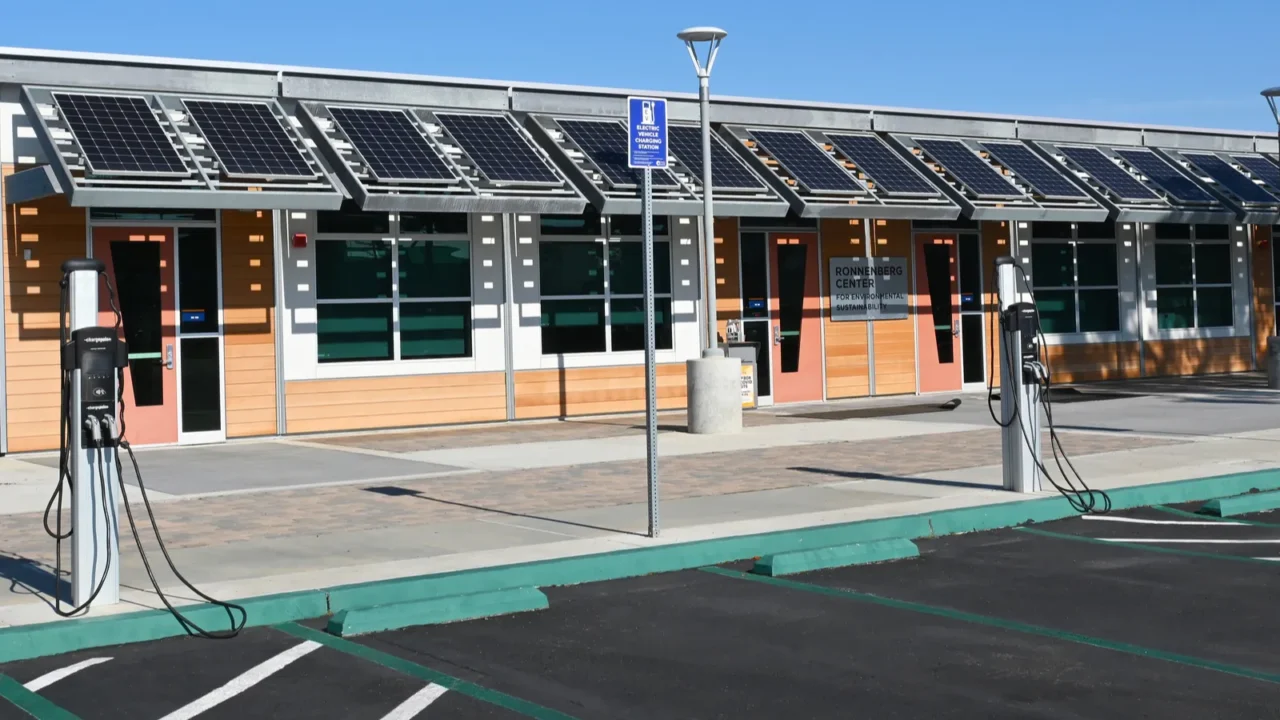
Large metropolitan areas continue to lead electric vehicle adoption in the United States. Cities such as San Jose, San Diego, and Portland have strong EV sales supported by dense charging networks. Urban residents often drive shorter daily distances, which suits EV ownership.
Public transportation hubs and apartment charging programs also support adoption. Many city governments encourage EV ownership through incentives and infrastructure investment. These policies help accelerate the transition toward electric mobility.
Industry expects steady growth
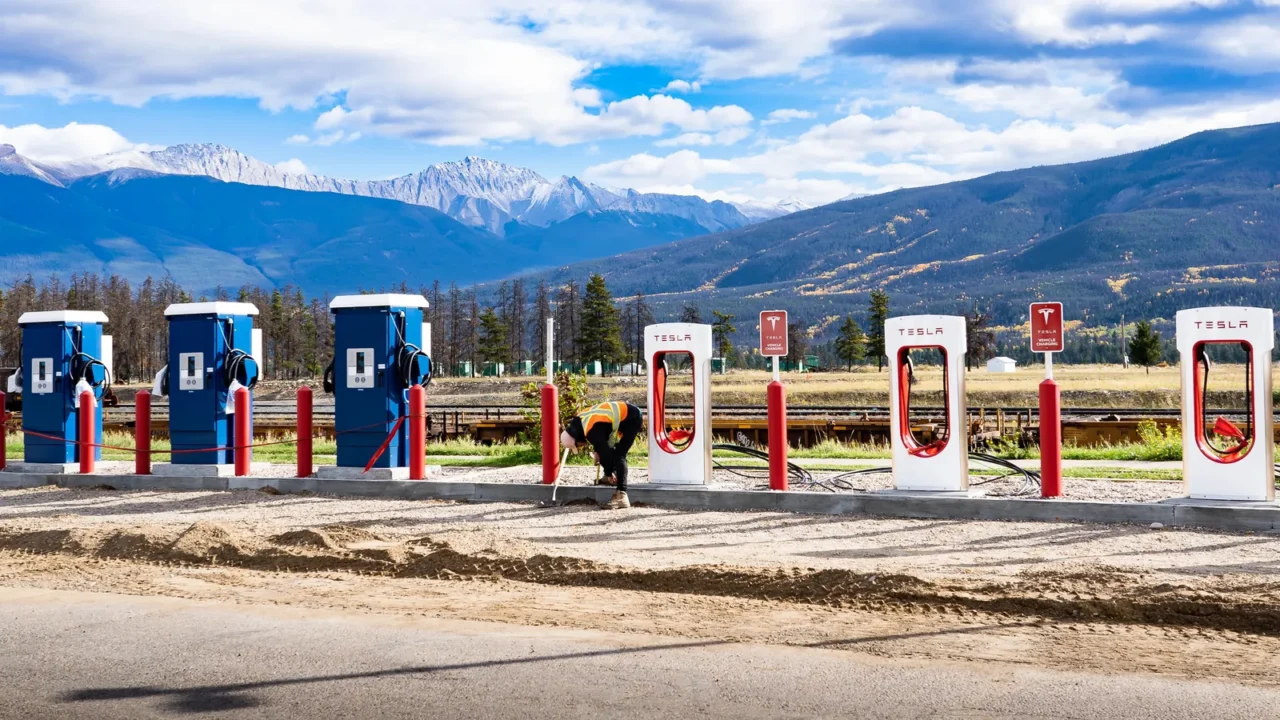
Despite infrastructure challenges, experts expect EV adoption to continue expanding. Automakers and governments remain committed to electric transportation goals. Charging networks are gradually extending beyond major cities, even as Chinese-made vehicles may land at US dealerships sooner than many expect.
Tourist destinations such as Orlando, Nashville, and Salt Lake City are also installing chargers near hotels and attractions. These locations support visitors traveling with electric vehicles. Continued investment may reduce the urban-rural charging gap.
Infrastructure shapes EV future
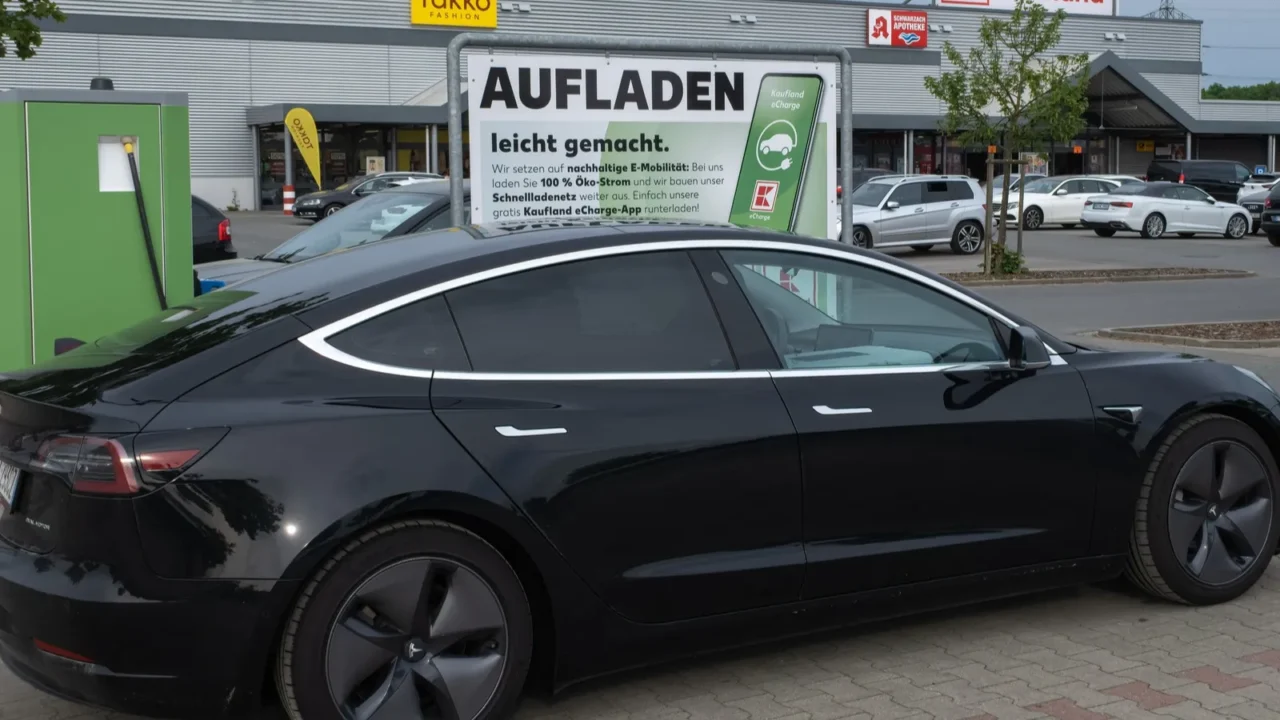
Electric vehicles represent a major shift in the global transportation industry. Infrastructure development will determine how quickly EVs become practical for drivers in every region. Expanding charging networks remains one of the biggest priorities.
Travel routes across the United States are gradually adding more stations to support electric road trips. Cities and rural communities are working to close remaining infrastructure gaps.
Which American road trip route seems most ready for electric vehicle travel today? Share thoughts below.
This slideshow was made with AI assistance and human editing.
Don’t forget to follow us for more exclusive content right here on MSN.
Read More From This Brand:
