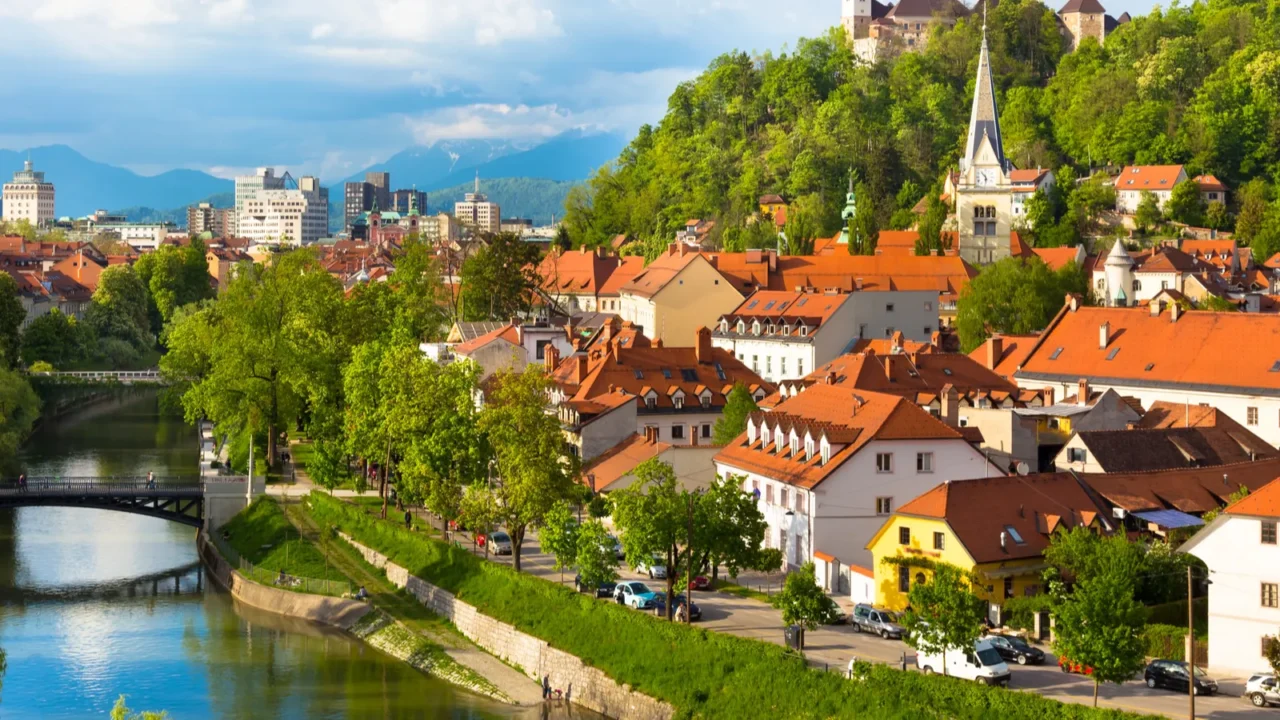
That “move abroad” itch is real
Scrolling listings at 2 a.m. and thinking, “Could I actually do it?” You are not the only one. A new Europe relocation ranking is basically built for that exact daydream.
This 2026 index looked at which cities feel easiest to land in fast. Think jobs, paperwork, language comfort, and how much friction you hit in week one. One city kept popping up at the top.

What this “easy to relocate” score means
This list comes from Feather, a digital expat insurer that built a 2026 Relocation Index. It ranks European cities using a multi-factor framework, not vibes. That matters because “easy” can mean very different things to different people.
Feather says it scores four buckets: openness to immigration, economic opportunity, ease of opening a business, and administrative complexity. In plain English, it is checking how hard the system makes your move. Then it compares cities side by side.

UK emigration is rising, and it skews young
ONS provisional data show about 252,000 British nationals emigrated in the year ending June 2025 — a notable rise in outward moves that has been concentrated among younger age groups (roughly two-thirds were aged 16–34). That is a lot of packing boxes.
What really jumps out is the age mix. UK Parliament research noted about 76% of British nationals emigrating were under 35 in the data it discussed. That tells you who is most willing to start over.
Amsterdam takes the top spot for ease
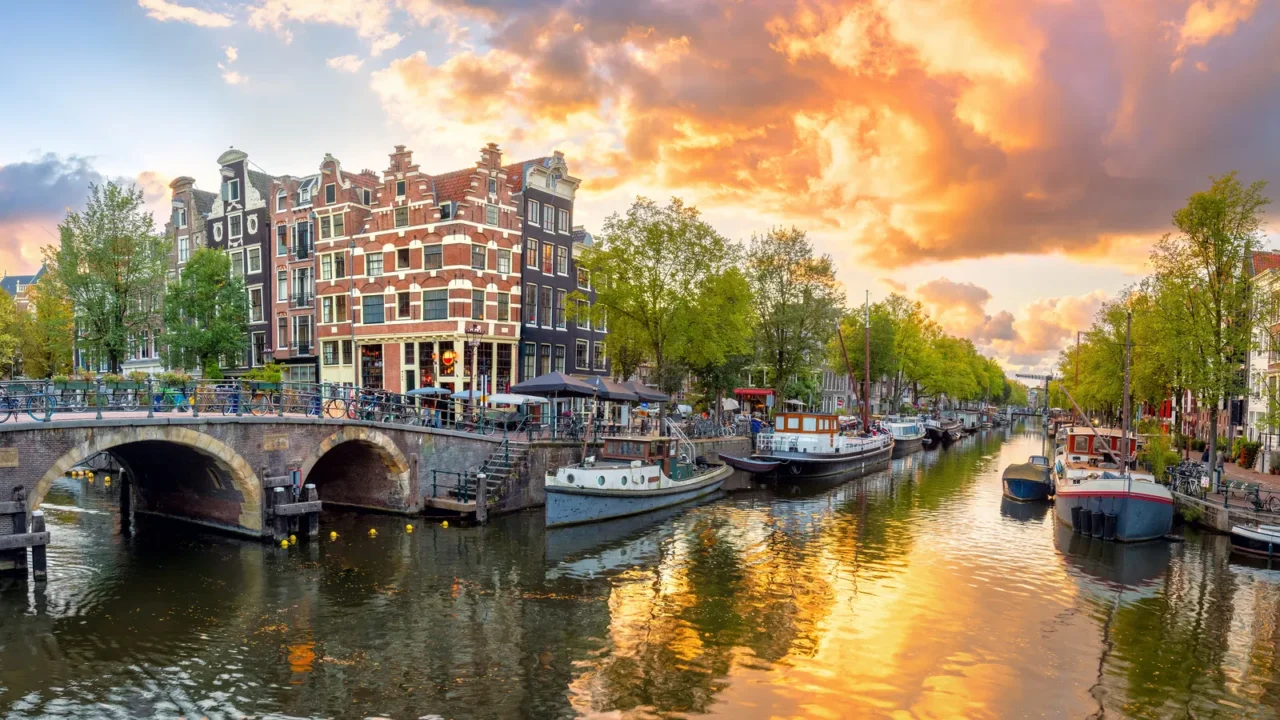
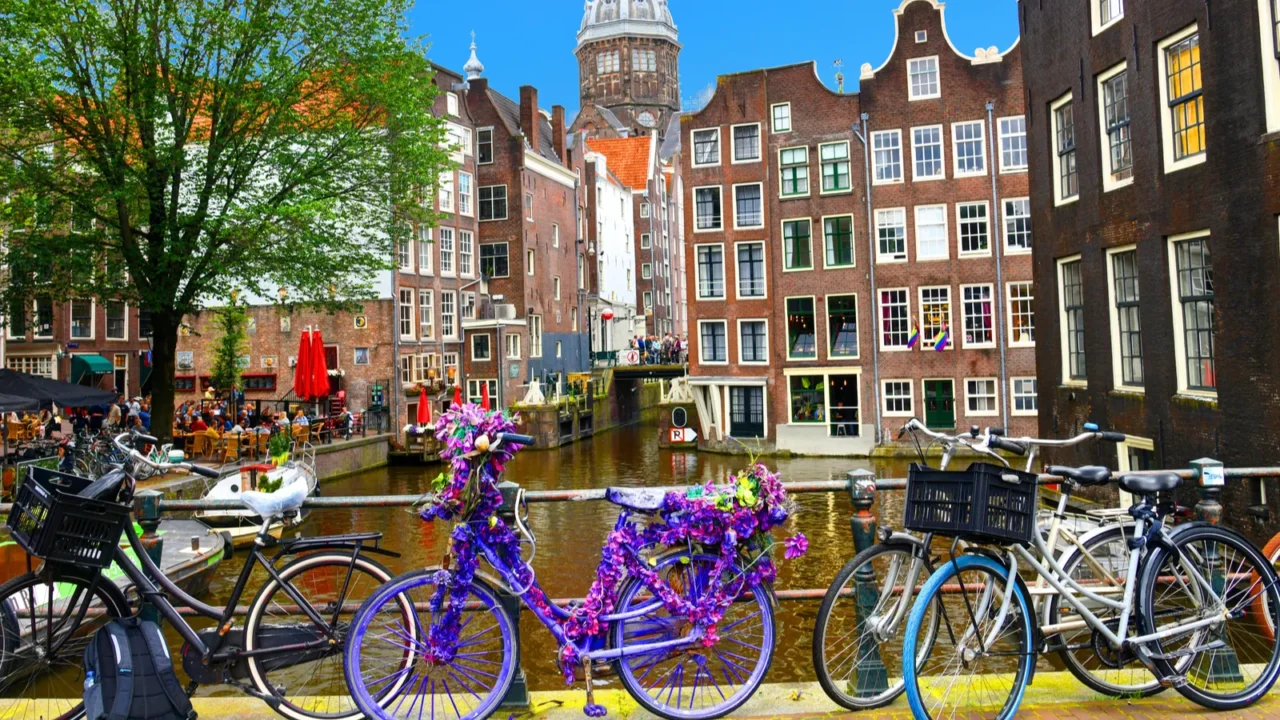
Amsterdam was named the easiest city in Europe for UK citizens to relocate to in this 2026 ranking. The write-up points to high English proficiency, a smoother digital process, and lots of job openings. It is basically “soft landing” energy.
The index also highlights a strong local jobs picture. Amsterdam is cited at 42 open jobs per 1,000 residents in the research summaries. When work feels reachable, everything else gets easier.

English comfort is a big deal on day one
If you have ever had to solve a problem in a language you barely know, you get this instantly. The Netherlands consistently ranks very high for English proficiency. That makes first weeks less stressful, from errands to office small talk.
For extra context, EF’s English Proficiency Index places the Netherlands among the world’s highest in non-native English skills — a good signal that English will work as a practical first-week language in Dutch cities. When you can communicate quickly, you spend less time stuck and more time settling in. It is a quiet advantage that adds up fast.
Why “digital visa” changes the mood
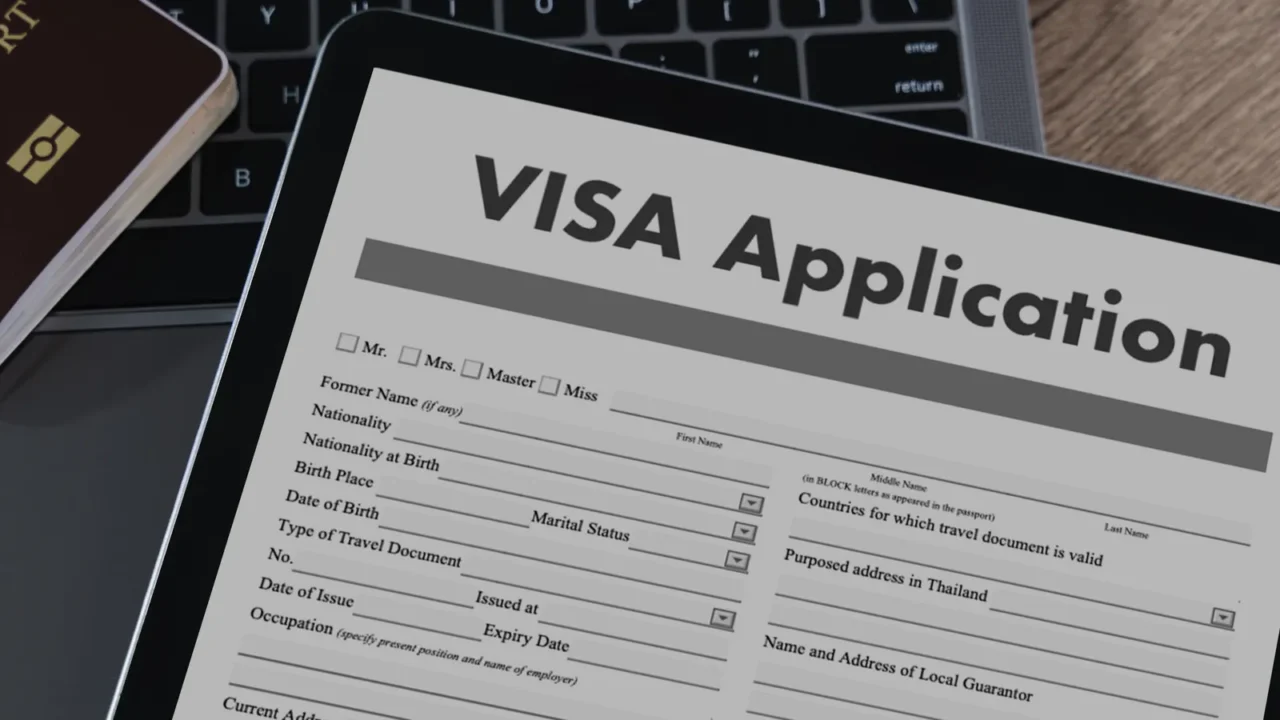
Paperwork is where many relocations go to die, especially if every step needs in-person visits. Feather points to Amsterdam’s digital-first services for many administrative steps, which can make tracking progress easier. That said, long-stay visas and residence permits still generally require in-person biometric appointments with the Dutch IND or a consulate.
Relocation coverage also frames this as bureaucratic simplicity. You still need the right documents, but the process can feel more trackable. For anyone used to slow queues, that difference feels huge.
The jobs signal that helped Amsterdam win
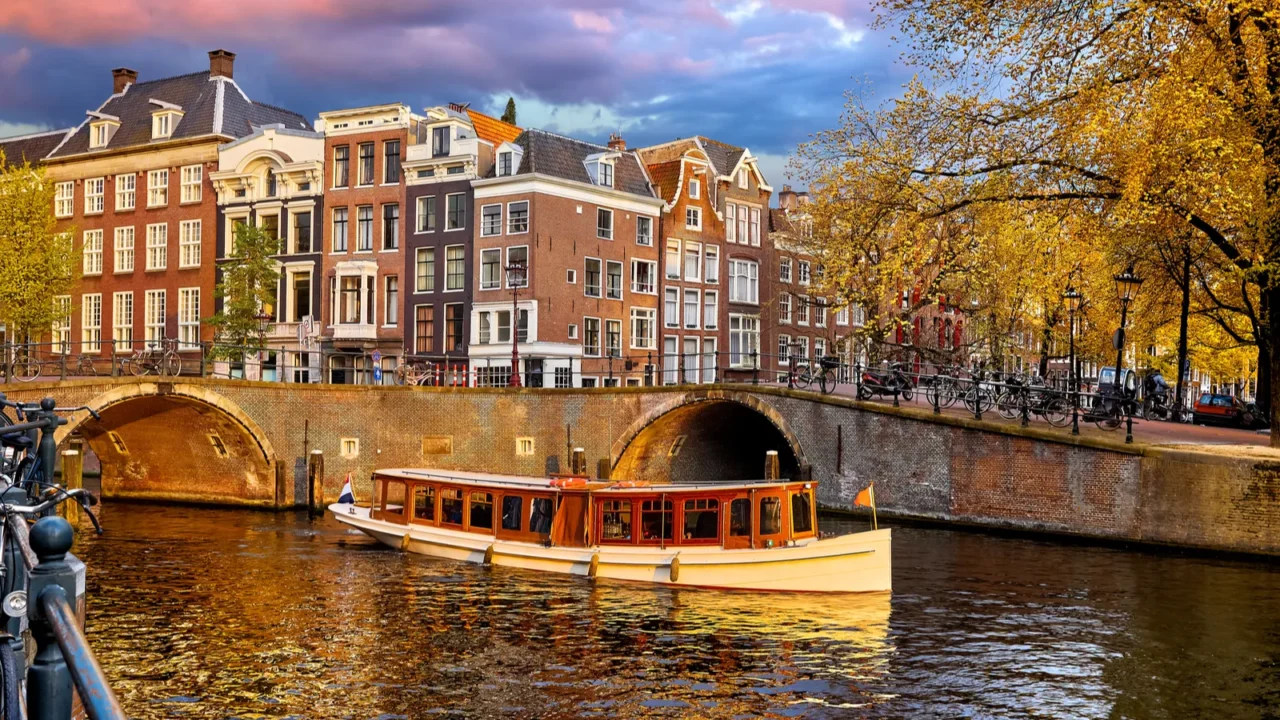
The index leans heavily on economic opportunity, so jobs matter a lot. Amsterdam’s vacancy-per-resident metric is one reason it comes out on top. More openings can mean more chances to find a fit without waiting forever.
For a U.S. reader, think of it like comparing metro areas by hiring heat. If a city is actively recruiting, newcomers feel less like outsiders. That first offer can set the tone for the whole move.
A city used to newcomers feels easier
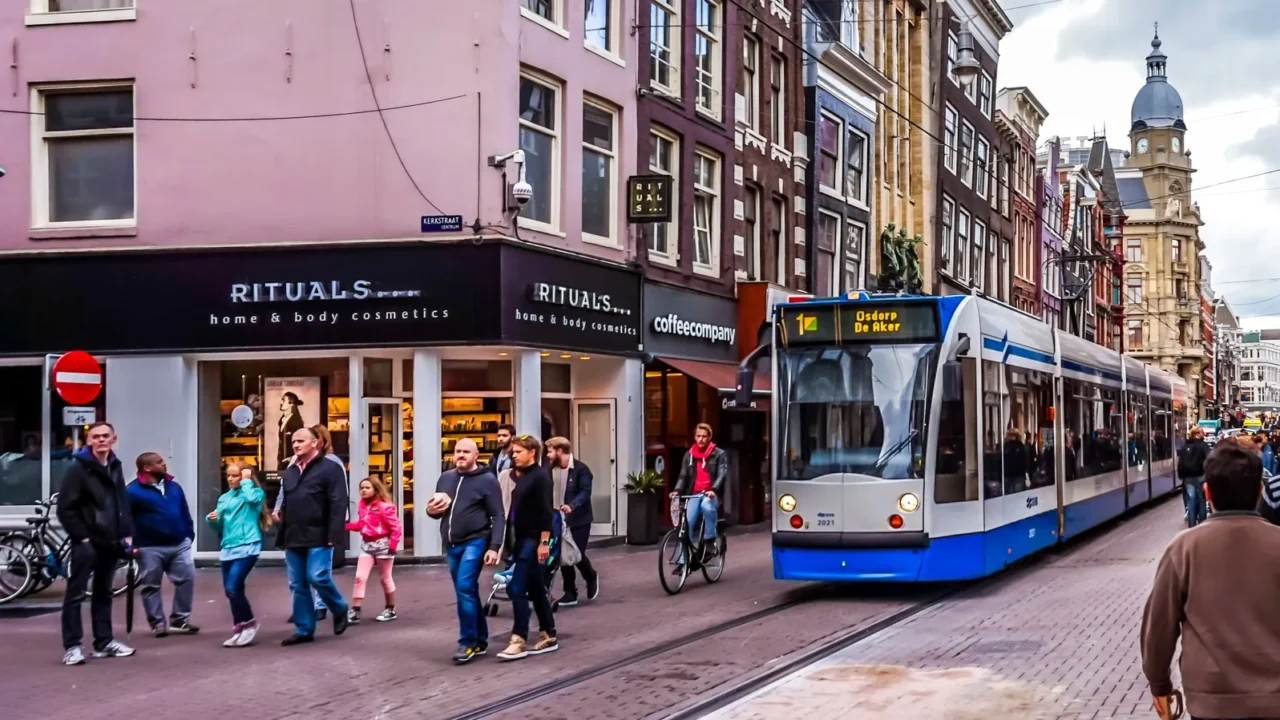
Amsterdam is described as highly international in the index coverage. One cited stat is that about 37% (born abroad in 2023, per CBS). That usually means more services, more language flexibility, and more “you are not the only new person here” energy.
It also tends to create ready-made networks. Expats share tips on neighborhoods, paperwork, and interviews in a way locals do not always need to. That social shortcut can save months of trial and error.
The honest part people forget to plan for
Even “easy” cities still have real-life friction. You will still need budgeting, housing research, and a plan for timelines. A smooth process is not the same as an instant lifestyle upgrade.
Also, cost comparisons matter if you are moving from a pricey hub. Public cost tools regularly show London is far more expensive than Berlin, for example. Doing a simple “rent plus basics” check early can prevent panic later.
Berlin ranks second for a reason
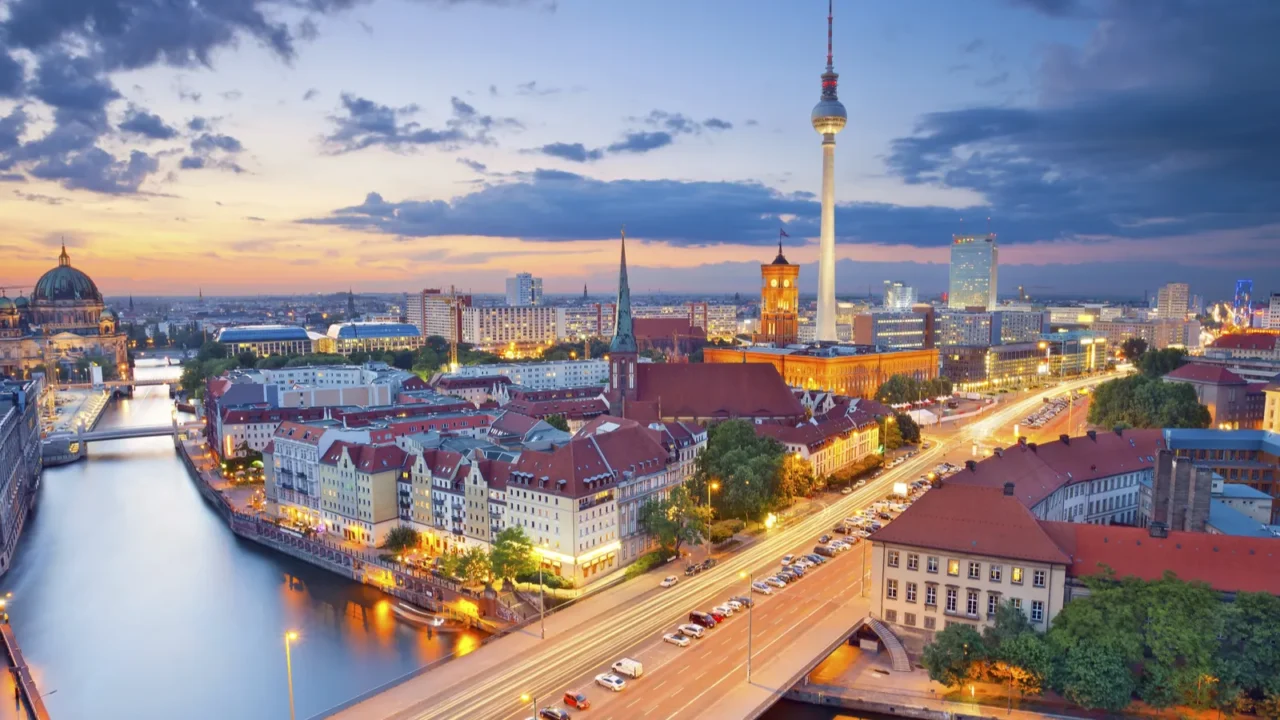
Berlin is the #2 city in the 2026 list, and it is not hard to see why. The research summary points to a strong job market at 33 open jobs per 1,000 residents. It is also framed as a city with a big expat presence.
Affordability is part of the pitch too. One comparison cited in coverage says living costs are 21.2% lower than London. For many movers, that feels like getting breathing room back.
Berlin’s “big city, casual vibe” appeal
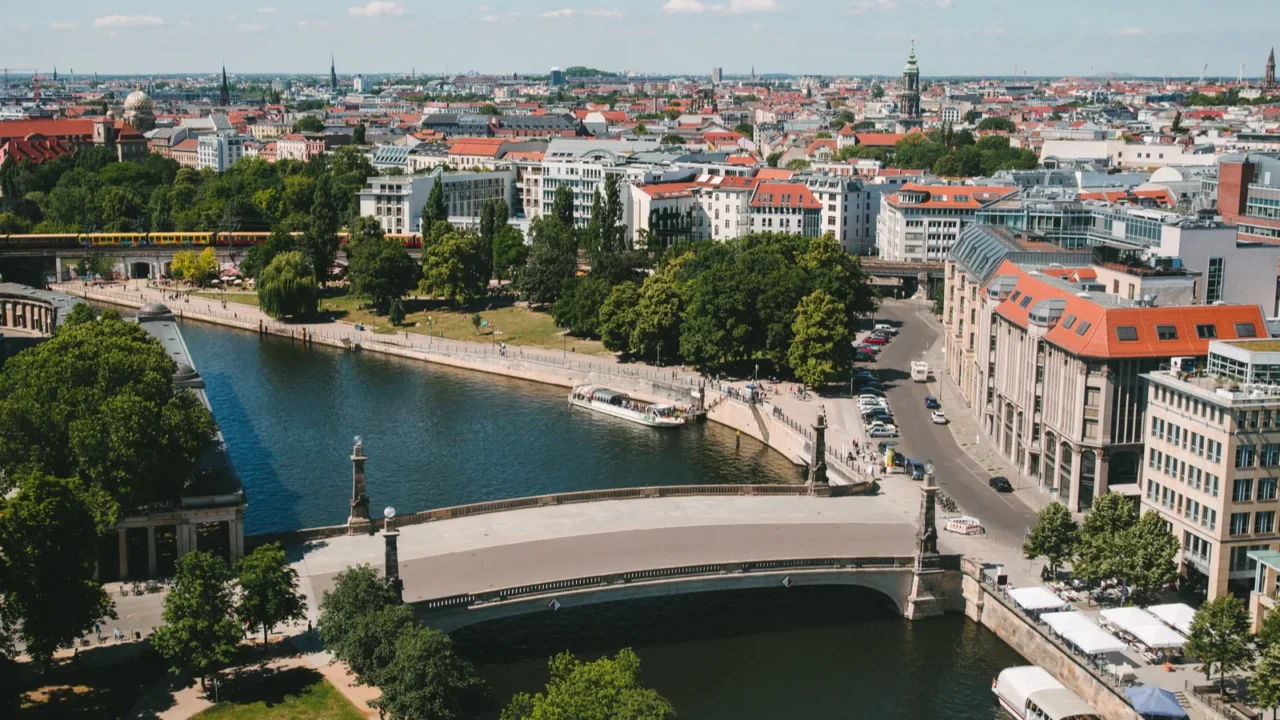
Berlin often works for people who want options without constant polish. It has many neighborhoods with totally different personalities, so you can find your pace. That variety can make the city feel less intimidating.
For Americans, it can feel like a creative U.S. metro with European infrastructure. You still need planning, but daily life can be transit-friendly and walkable. If you like culture, it rarely runs out of things to do.
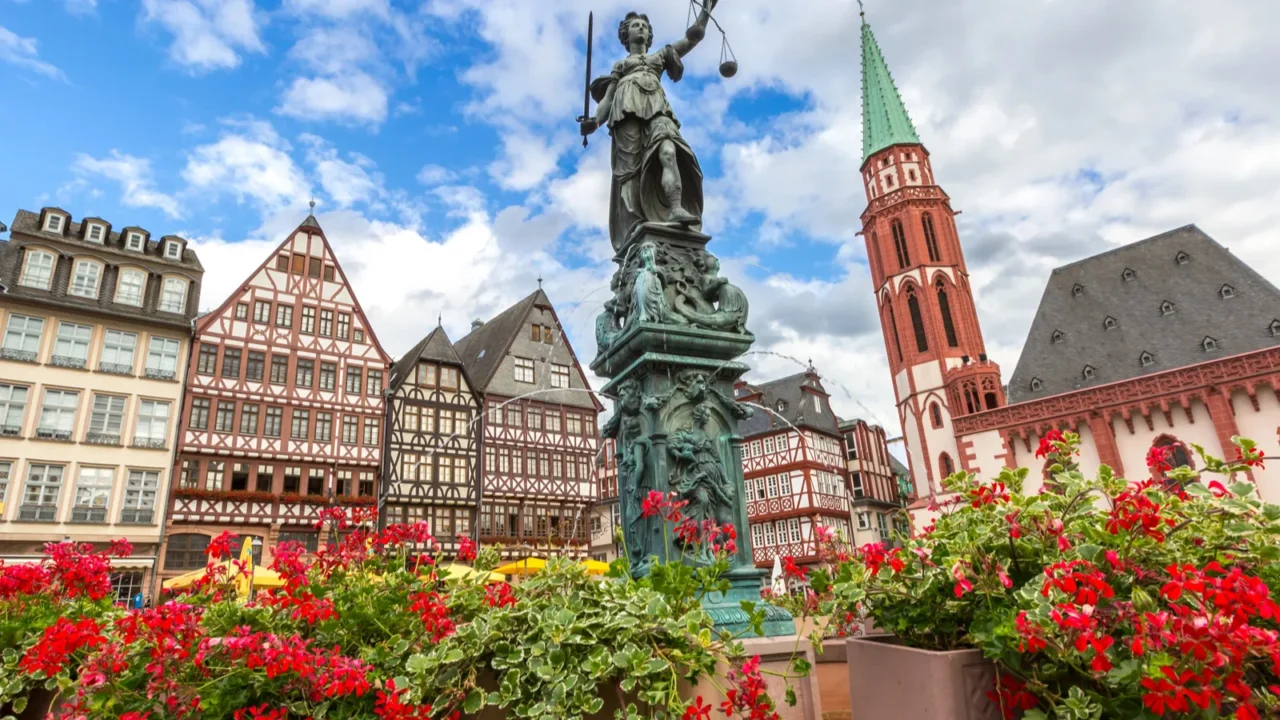
Frankfurt comes in third with job power
Frankfurt ranks #3 in the Feather index coverage for reliability and opportunity. The city is cited at 39.5 open roles per 1,000 residents, which is a strong jobs signal. It is also positioned as having clear pathways for employees.
Feather also notes Frankfurt’s pay levels in its index write-up. When salaries are competitive and jobs are available, paperwork feels less scary. That is why Frankfurt stays high on “easy to land” lists.
Europe’s new biometric border system starts rolling out and it makes relocating more easier than ever.
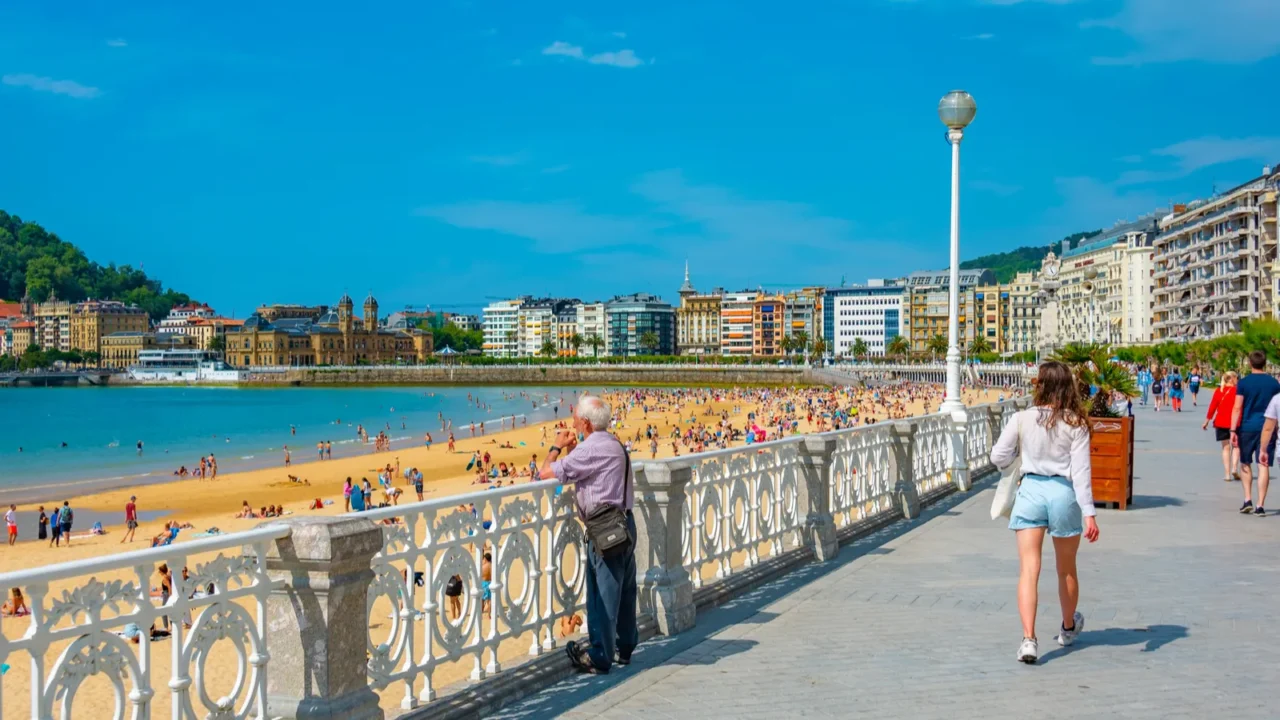
Why popular spots are not always “easy”
You might assume Spain or France would top a relocation list, because they are famous and loved. But the index is scoring process and transition, not just how fun weekends are. That can shift the winners toward places with smoother admin and strong hiring.
The coverage also notes other destinations remain popular even if they are not #1 for ease. People choose based on family ties, climate, or lifestyle goals. “Easiest” is one filter, not the whole decision.
Want to know more about the European citties that feel like the best “big life, small budget” move right now? Check out best budget friendly cities in Europe.
If you have ever thought about packing up for a new life abroad, does Amsterdam sound like your kind of move, or would you pick Berlin or Frankfurt instead? Share your thoughts and your view in the comments.
This slideshow was made with AI assistance and human editing.
Don’t forget to follow us for more exclusive content right here on MSN.
Read More From This Brand:
