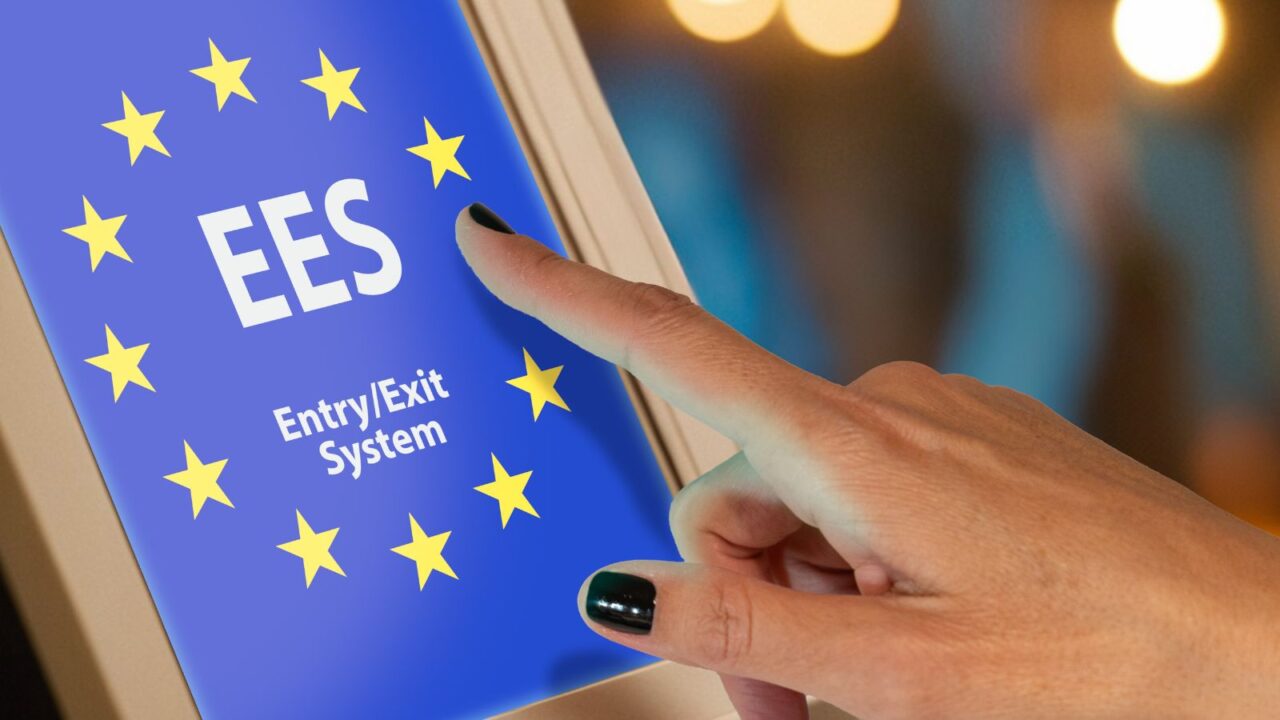
Europe’s borders just entered a new era
Traveling to Europe is starting to look very different. Manual passport stamps are being phased out and replaced with digital border checks. These changes affect both frequent flyers and first-time visitors.
The change comes from the EU’s Entry/Exit System (EES), which officially launched in October 2025. It affects millions of non-EU travelers each year. The system is one of the EU’s largest border technology upgrades to date.
When the new system officially began
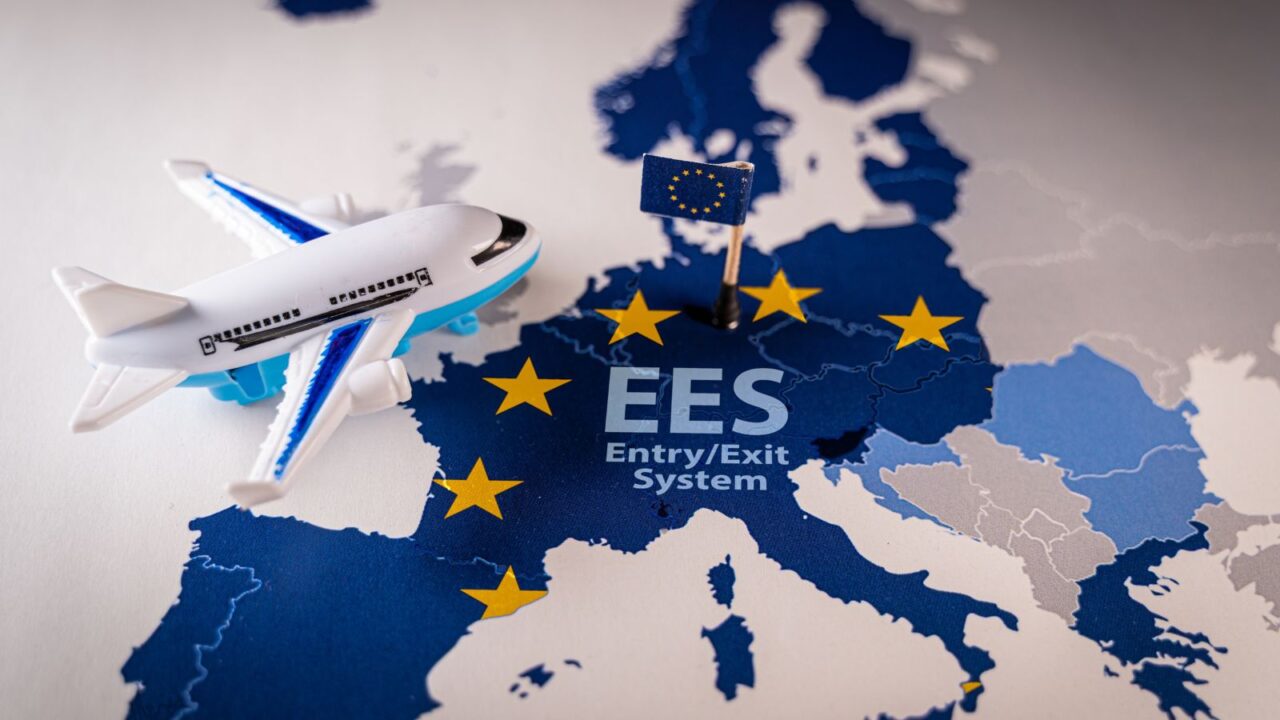
The Entry/Exit System became operational on October 12, 2025. That date marked the start of a phased rollout across Europe. The rollout followed years of technical testing and delays.
Not all borders switched on the same day. Countries were allowed to activate the system gradually to avoid major disruptions. This flexibility was built into EU regulations.

Where the rollout is happening
EES is being introduced across 29 European countries, mostly in the Schengen Area. This includes France, Spain, Italy, Germany, and Greece. These countries handle the majority of non-EU arrivals.
Non-EU Schengen countries like Norway, Switzerland, and Iceland are also part of the system. Ireland is not included. Irish border rules remain separate from Schengen controls.
Who the system applies to
EES applies to non-EU nationals entering Europe for short stays. This includes visa-exempt travelers from the U.S., UK, Canada, and Australia. Business travelers are included as well.
The system tracks visitors staying up to 90 days within a 180-day period. EU and EFTA citizens are exempt. Long-stay visa holders are processed under different rules.
What EES replaces at the border
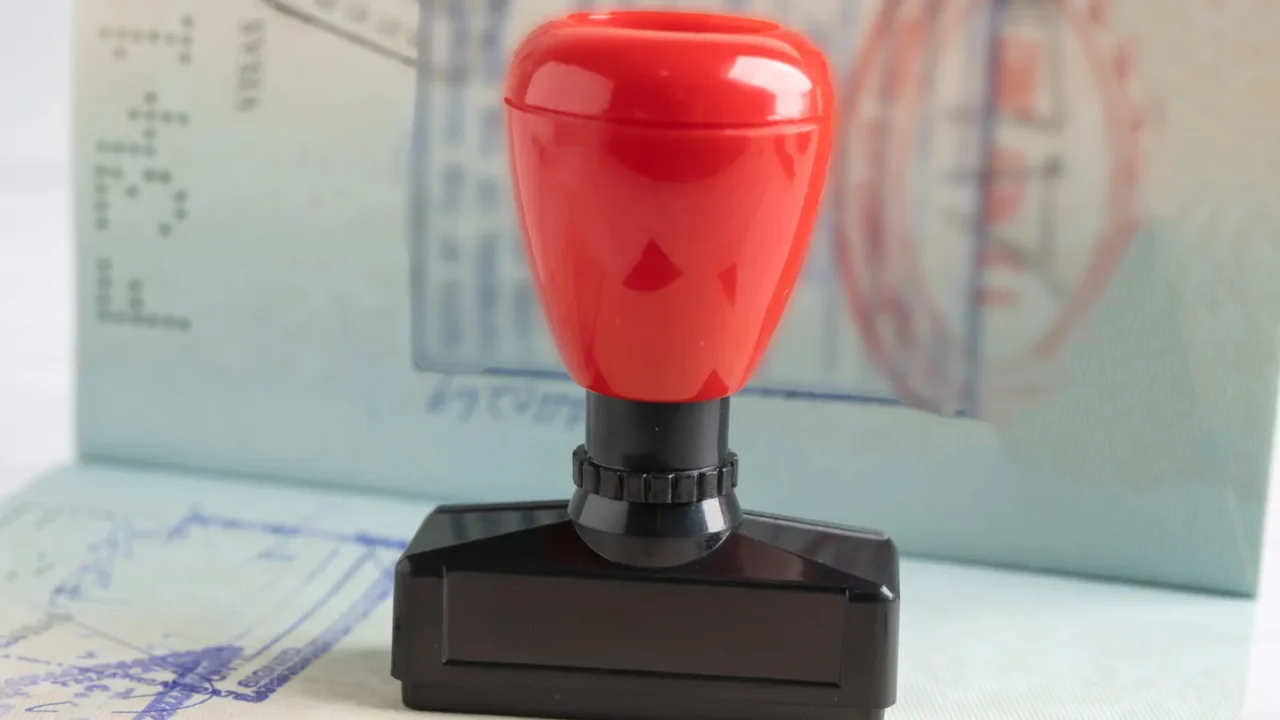
EES replaces the traditional passport stamp. Instead of ink stamps, border crossings are now logged digitally. This eliminates manual tracking errors.
Traveler names, passport details, entry dates, and exit dates are stored electronically. This data is shared across Schengen borders. Border officers can access records instantly.
What data is collected
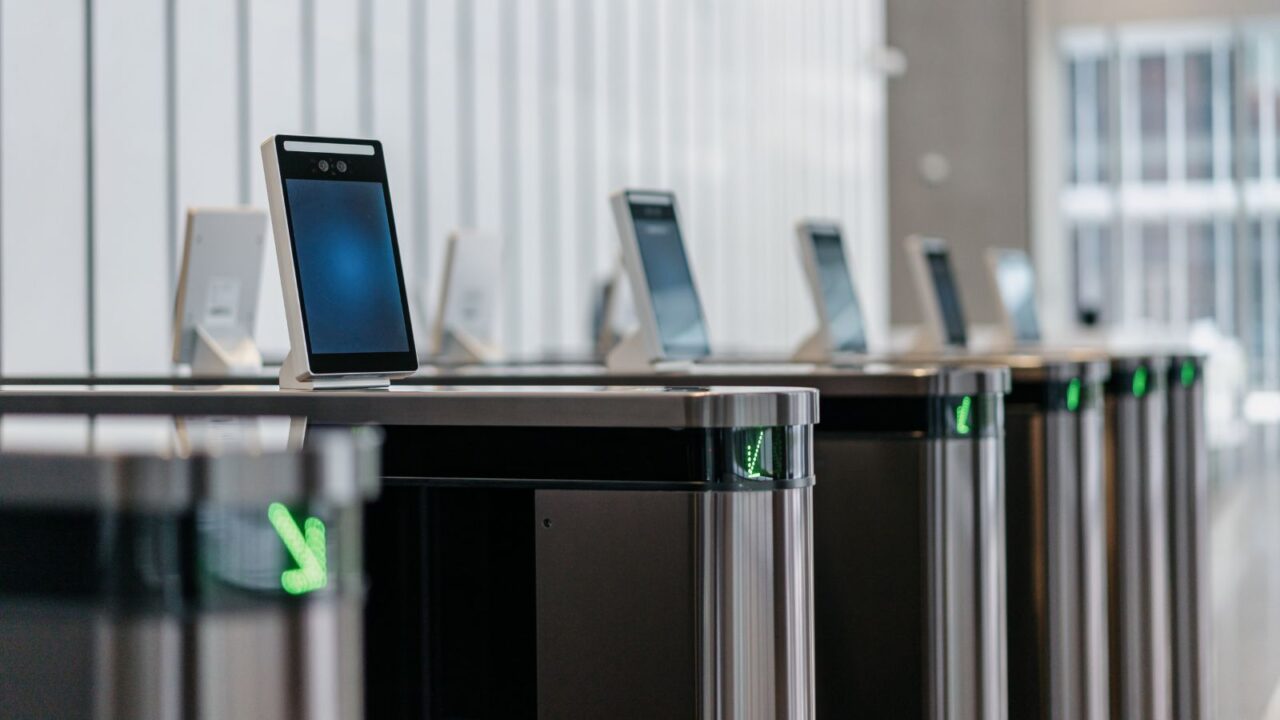
On first entry, travelers must provide biometric data. This includes fingerprints and a facial image. The process is mandatory for eligible travelers.
Children under 12 only need a photograph. Fingerprint data is stored securely under EU data-protection rules. Authorities say data access is tightly restricted.
What first-time entry looks like
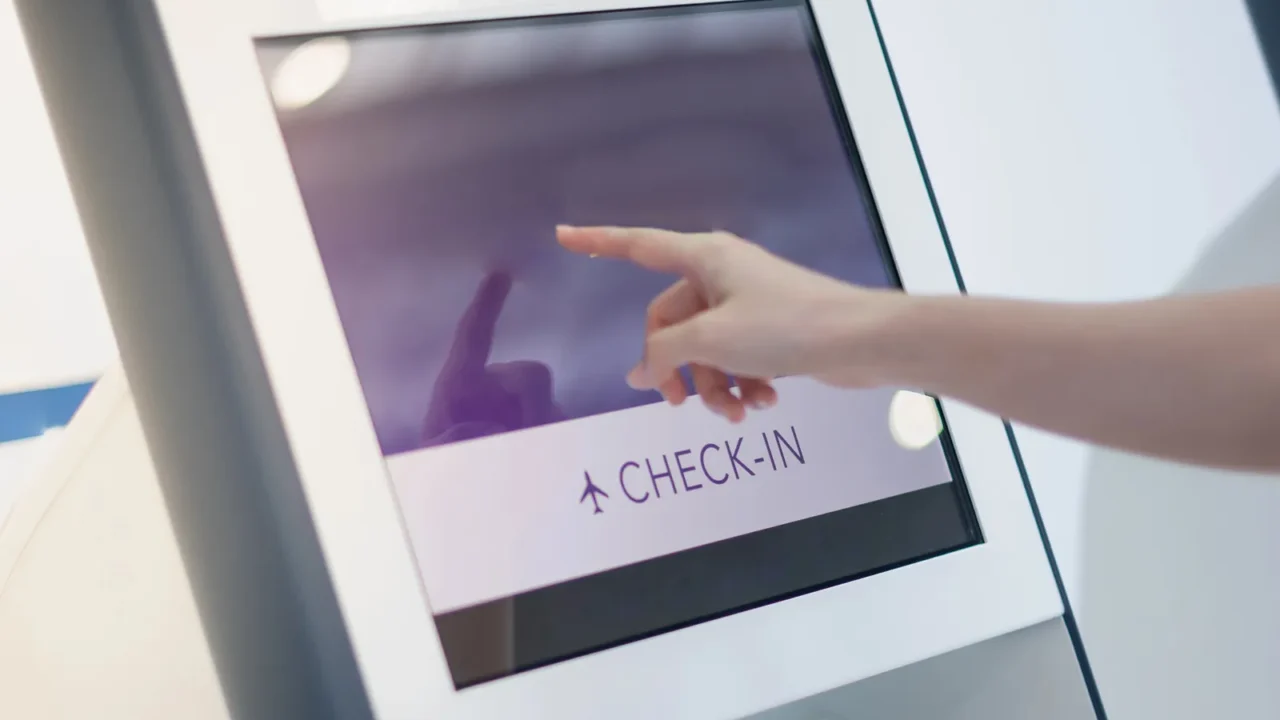
First-time users must stop at self-service kiosks or border desks. Officers guide travelers through fingerprinting and photo capture. Instructions are typically available in multiple languages.
This process takes longer than a traditional passport check. Once completed, future entries are much faster. The initial registration happens only once.
What repeat travel will feel like
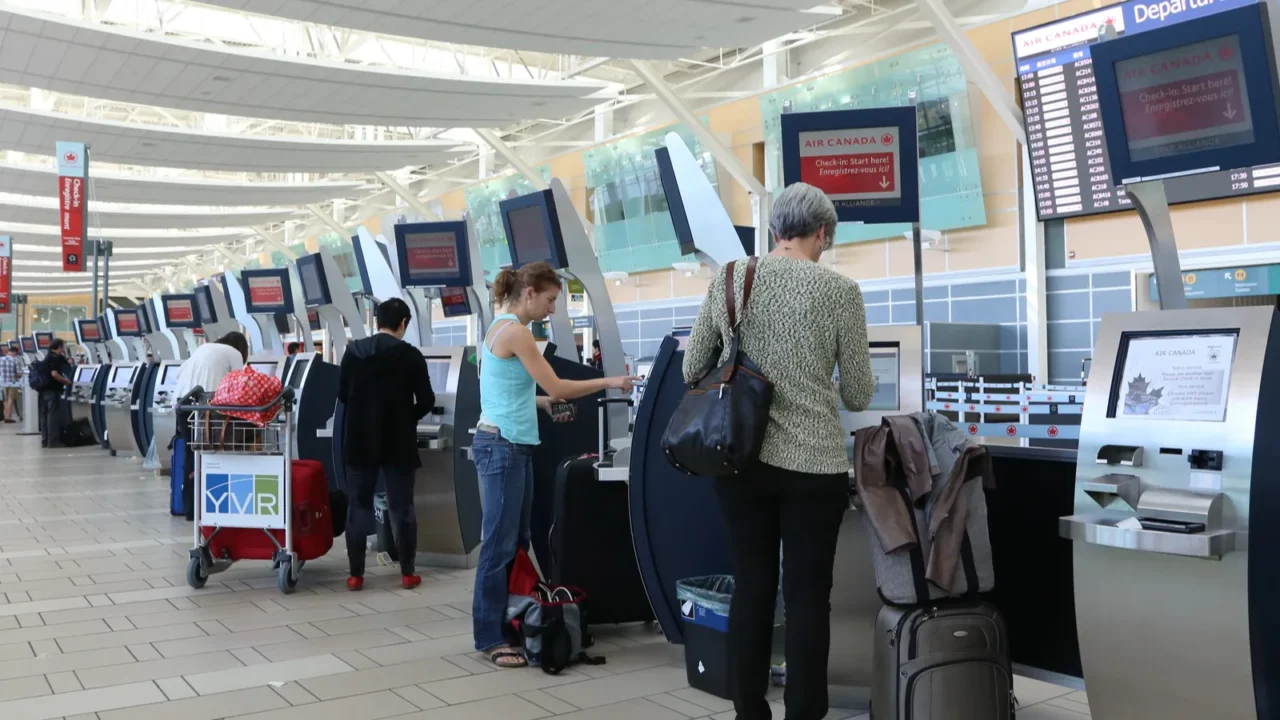
After biometric data is stored, repeat trips are simpler. Travelers usually only verify their identity. Border interactions are shorter in most cases. Many crossings may shift to automated e-gates once systems are fully active.
No fingerprints are taken again unless required. Border checks become more automated over time. Facial recognition plays a larger role for repeat travelers. Biometric records remain valid for up to three years under EES rules.
Why delays are already happening
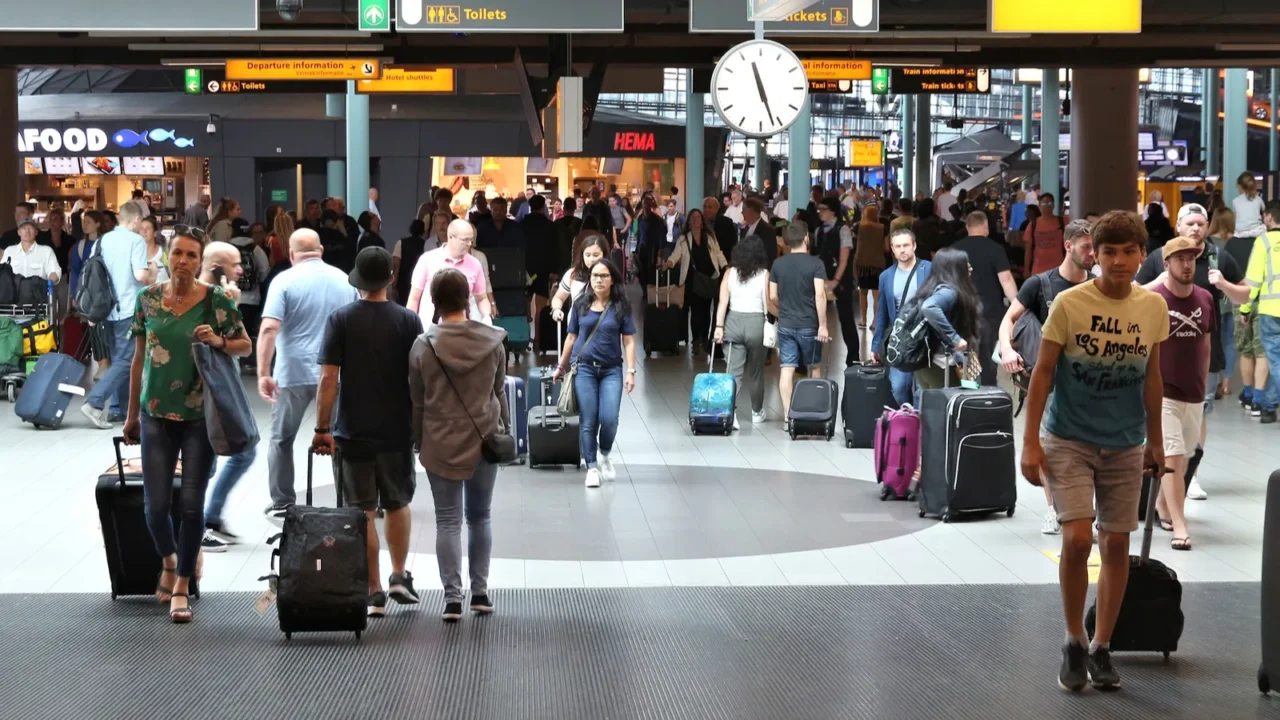
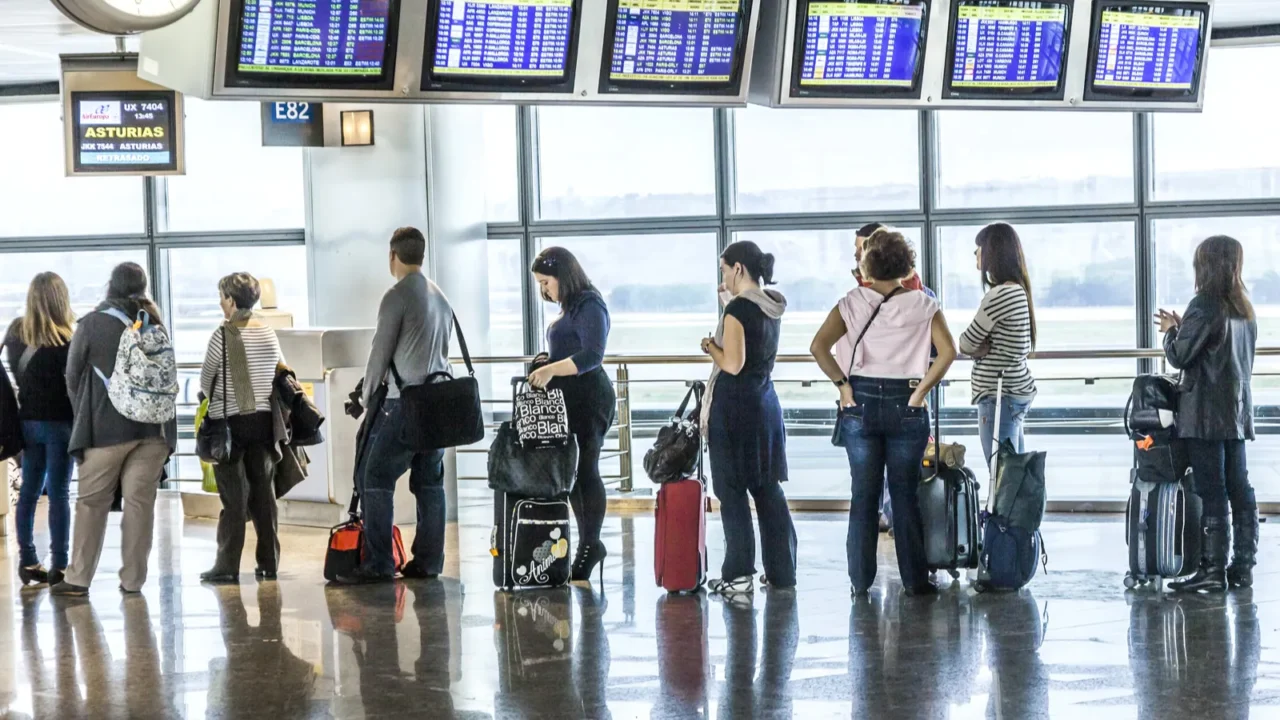
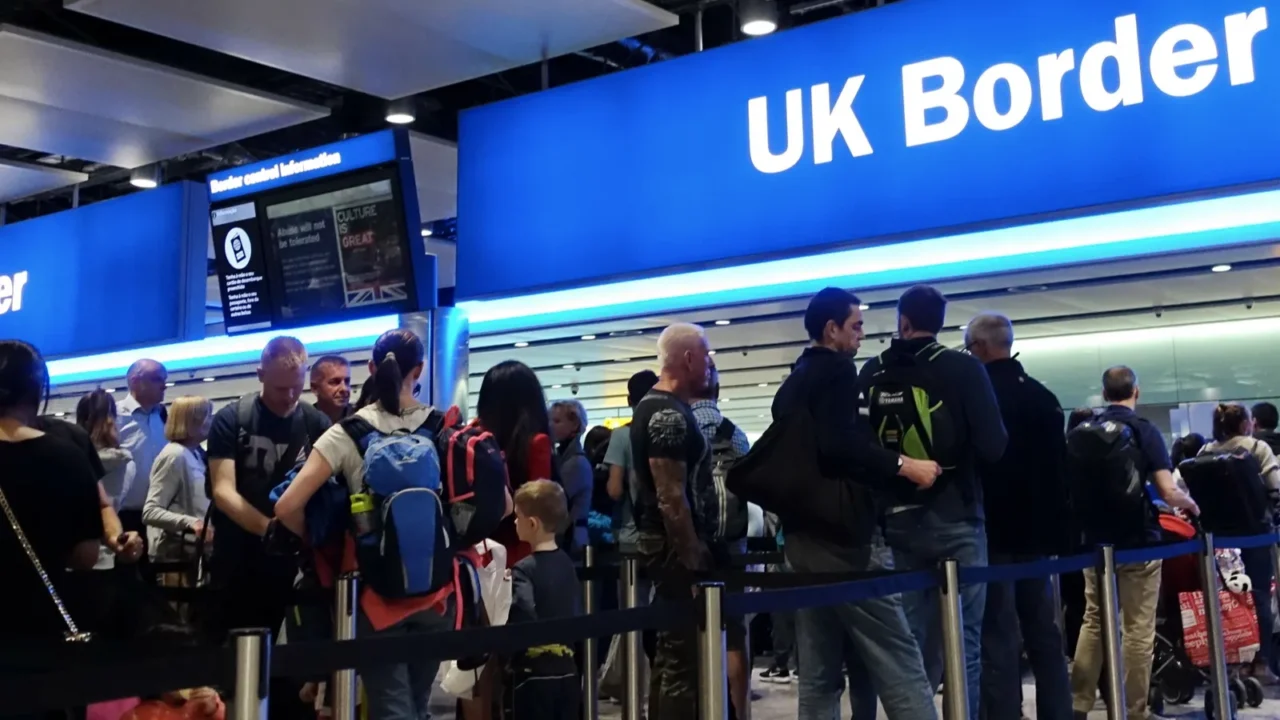
Several European airports have reported longer wait times since EES began. Media reports and travel organizations note that some travelers have faced delays of up to three hours, especially during peak times. First-time biometric enrollment takes several minutes per traveler.
According to airport authorities, processing times increased by as much as 70 percent during peak periods. First-time registrations cause the biggest slowdowns. Group arrivals amplify congestion. Tour buses and wide-body flight arrivals worsen queue buildup.

Where delays are most noticeable
Airports in France, Spain, Italy, Greece, Germany, Portugal, and Iceland report the biggest congestion. Major hubs feel the pressure first. These airports process the highest volumes of non-EU passengers. High tourist traffic increases the strain during seasonal peaks.
Holiday travel and early-morning waves are the worst. Smaller airports often process travelers faster. Staffing levels influence wait times significantly. Limited kiosk availability can further slow processing.

What travel groups are warning
UK travel group ABTA has raised concerns. It says border authorities should use contingency measures when queues build. These measures are allowed under EU rules. Authorities can temporarily scale back biometric checks if delays become critical.
These include pausing biometric checks temporarily. The goal is to prevent missed flights and unsafe crowding. ABTA says early intervention matters most. Delays can quickly cascade across airport operations.
How travelers can prepare
Travelers should arrive at airports earlier than usual. Going straight to passport control after security helps reduce stress. First-time EES users should allow extra buffer time. Morning departures often face the longest queues.
Airlines may also advise longer check-in times. Following airline guidance is more important than ever. Some airlines update timing advice close to departure. Ignoring airline instructions can increase the risk of missed flights.
But travel trends don’t stop there. Next, explore what’s driving the growing appeal of border towns for international travelers.
When full rollout will be complete
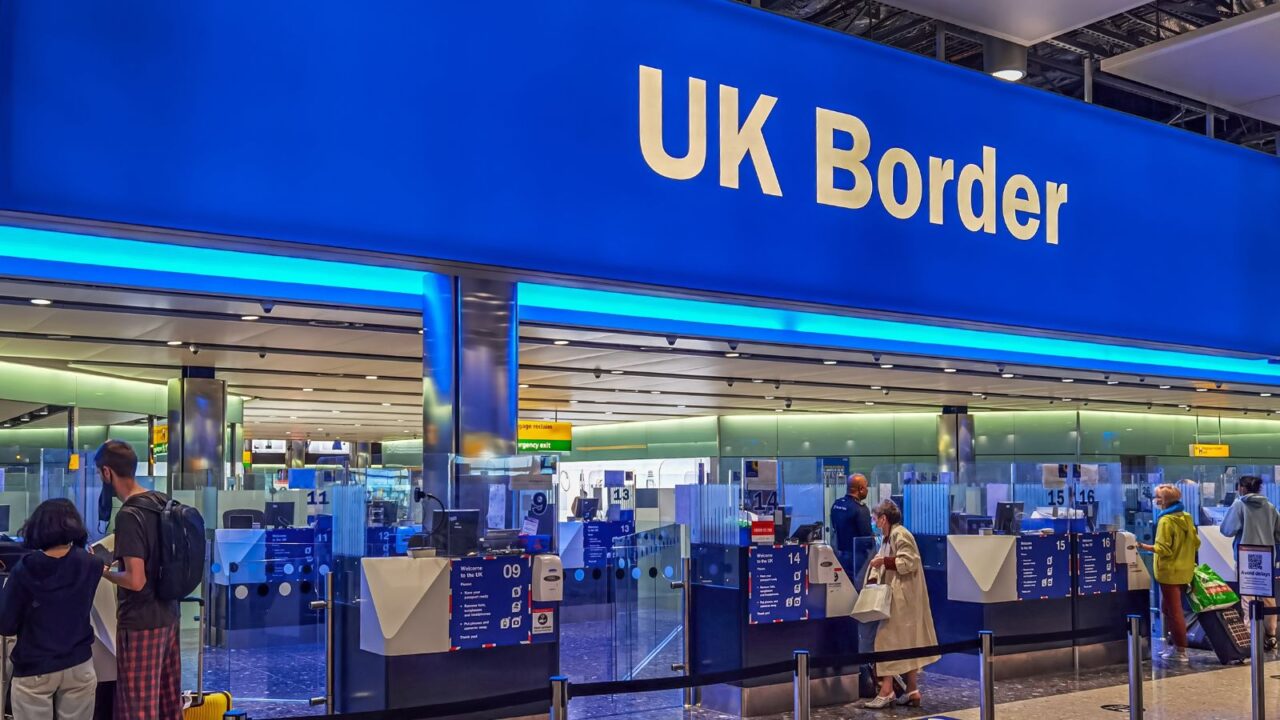
The six-month rollout phase ends on April 10, 2026. By then, EES will be mandatory at all external borders. Partial deployment will no longer be allowed. All border crossings must comply with the same procedures.
Manual passport stamping will officially end. Digital entry records will fully replace the old system. Border procedures will be standardized across countries. Paper-based tracking will no longer be accepted.
EES lays the groundwork for the European Travel Information and Authorisation System (ETIAS). ETIAS is expected in late 2026. The two systems are designed to work together. ETIAS checks rely on accurate entry and exit records.
In other news, check out how Europe feels the shift as major players step back.
What’s your take on biometric borders? Share your thoughts and your view in the comments.
This slideshow was made with AI assistance and human editing.
Don’t forget to follow us for more exclusive content right here on MSN.
Read More From This Brand:
