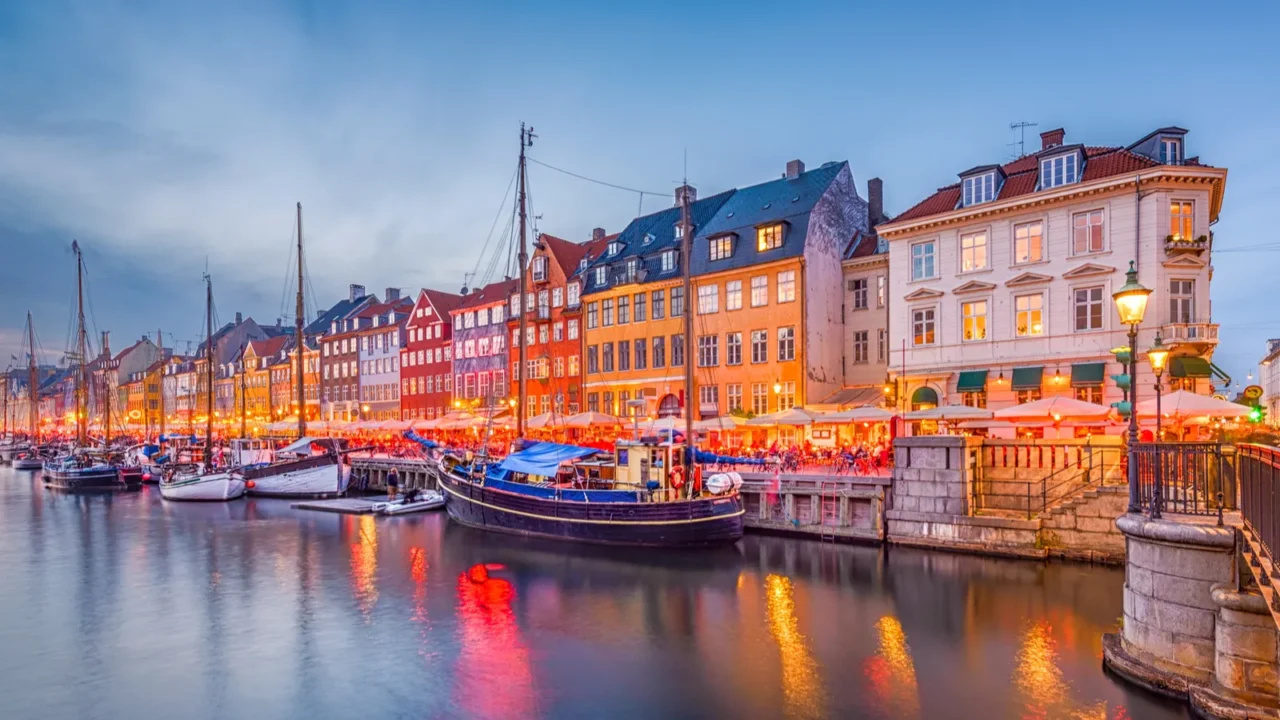
Copenhagen, city that walks
Copenhagen, the capital of Denmark, sits on the eastern coast of Zealand and partly on the island of Amager. The City of Copenhagen has a population of more than 650,000 residents, while the broader Greater Copenhagen metropolitan region is home to nearly 2 million people. Its old city core remains remarkably intact, with medieval street patterns still guiding where people walk today.
The city holds a reputation that extends far beyond its borders. Urban planners, architects, and travelers from across the globe study Copenhagen as a living model of how a capital can prioritize the human body moving at a natural pace over the engine moving at speed. It draws millions annually not purely for its museums or its food, but for the experience of simply existing inside a city that feels genuinely designed around people.
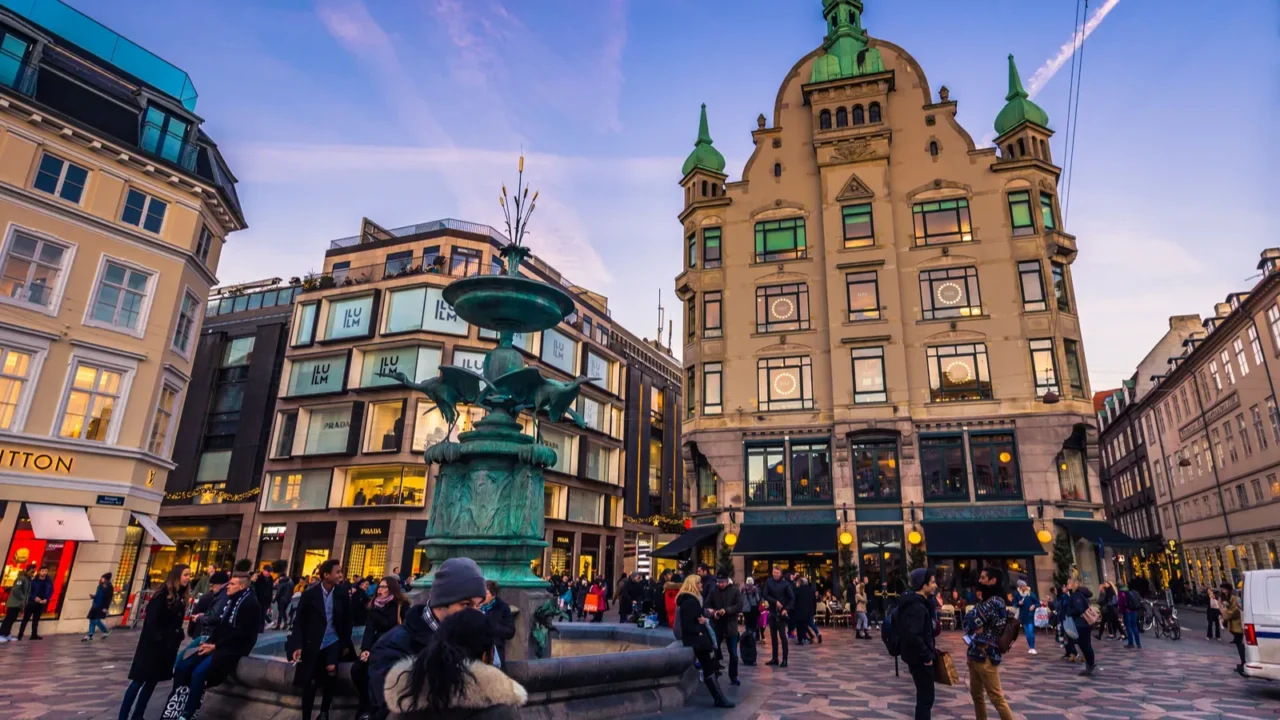
Cars lost, people won
In 1962, Copenhagen permanently closed Strøget to car traffic. Shopkeepers predicted financial ruin. Instead, foot traffic tripled within the first year, and retail revenue climbed steadily. That single decision triggered a city-wide rethinking of who public space actually belongs to, a conversation Copenhagen has been leading ever since, and one that most cities are only beginning to have now.
The philosophy that followed was not anti-car but deeply pro-human. Buildings were kept deliberately low so that street-level life remained the center of activity. Public benches, wide footpaths, and open plazas were engineered to invite slowness rather than rush. Danish urban theorist Jan Gehl, who based much of his groundbreaking research on Copenhagen’s streets, argued that cities built at the human scale produce measurably happier residents, and Copenhagen has spent decades proving him right.
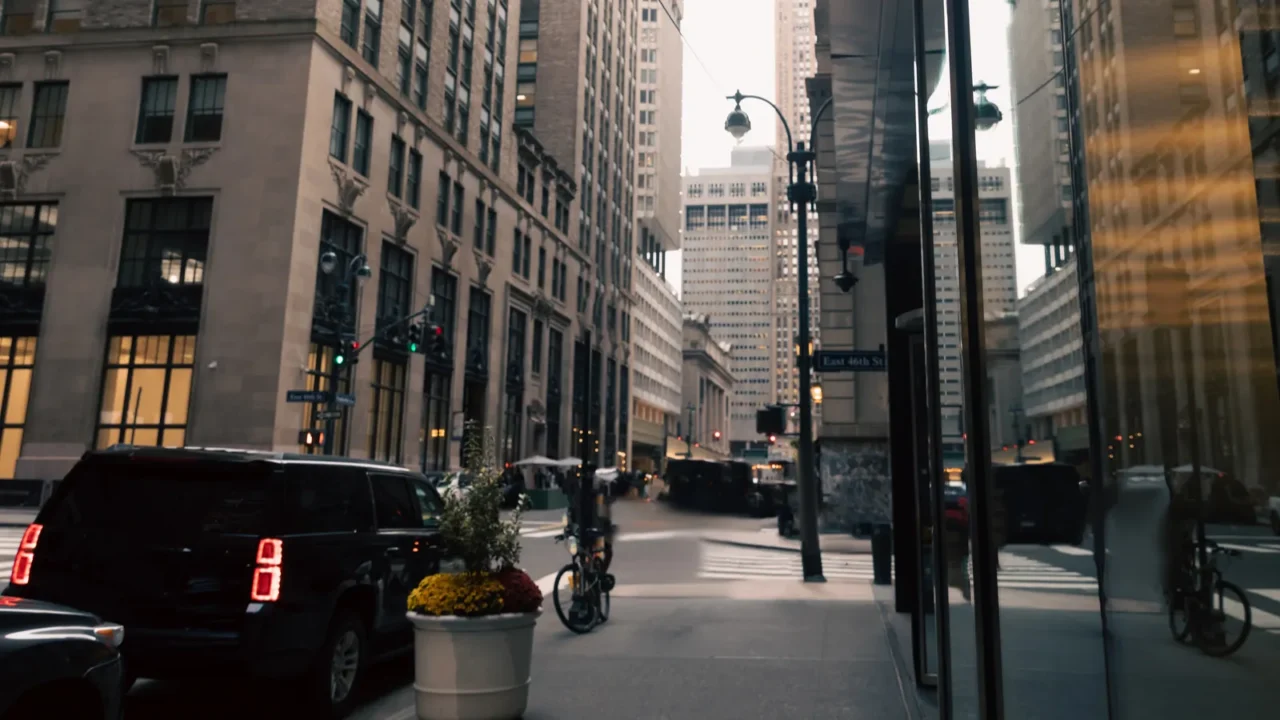
Strøget changed everything
Strøget stretches 1.1 kilometers through the old city, connecting Rådhuspladsen to Kongens Nytorv. It is one of Europe’s longest pedestrian streets, and on any given afternoon, it moves with an energy no shopping mall has replicated. Bakeries push cardamom rolls out the front door, buskers perform beneath 17th-century facades, and locals cut through it the same way they always have, because it has always been theirs.
The real reward on Strøget is not the main strip itself but the network of quieter lanes branching off it in every direction. Each alley leads somewhere worth finding: a courtyard gallery, a basement bookshop, a coffee roaster whose beans announce themselves from half a block away. Copenhagen consistently rewards the traveler who resists the urge to look at a map and instead follows something interesting. Strøget is where that instinct is first trained.
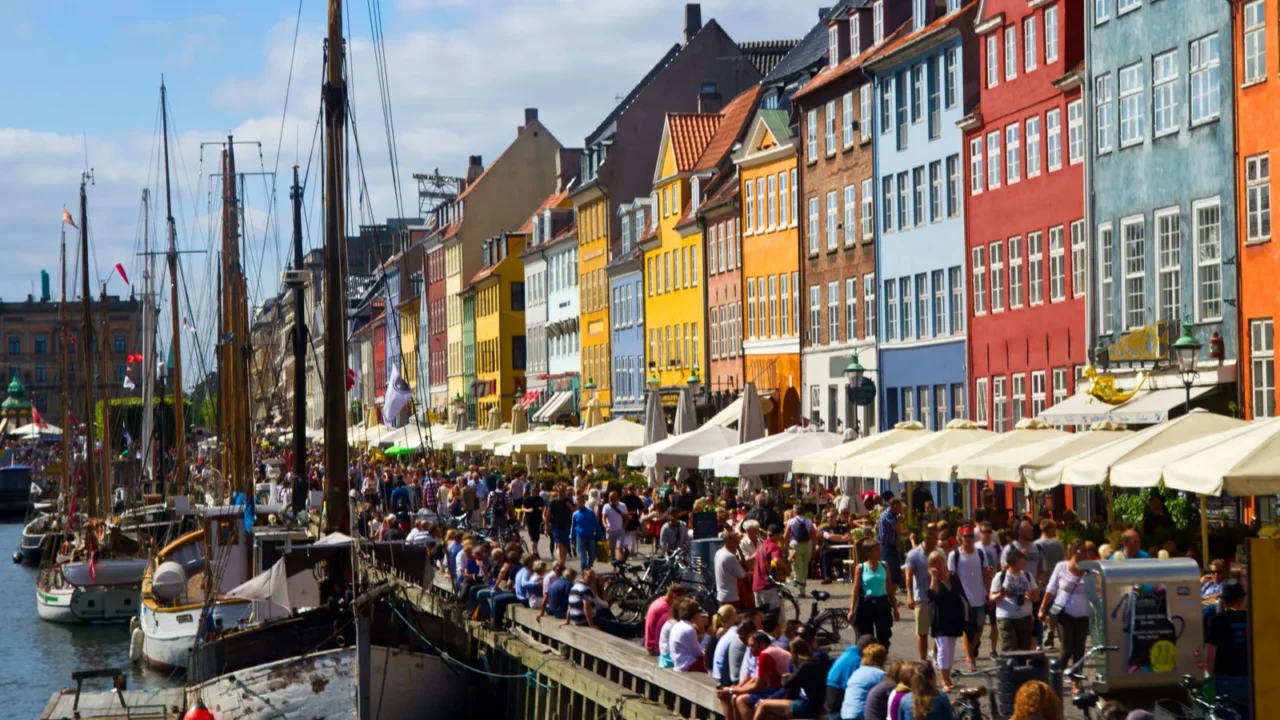
Nyhavn lives and breathes
Nyhavn, meaning New Harbor, was constructed in 1673 under King Christian V to link Copenhagen’s city center to the sea. Its row of tall townhouses painted in ochre, rust, cobalt, and cream makes it among the most recognizable waterfronts on earth. Hans Christian Andersen lived at three separate addresses along this canal during his lifetime, with a plaque at number 20 marking his longest stay.
What photographs of Nyhavn never quite convey is that it functions as a real neighborhood rather than a staged backdrop. Locals pull chairs to the stone quayside on warm afternoons, wooden schooners from the 1890s sit moored as floating museums, and restaurants chalk their menus by hand outside the door. Walking its full length takes ten minutes, but most people spend an hour. There is simply too much to stop and notice to move through it quickly.
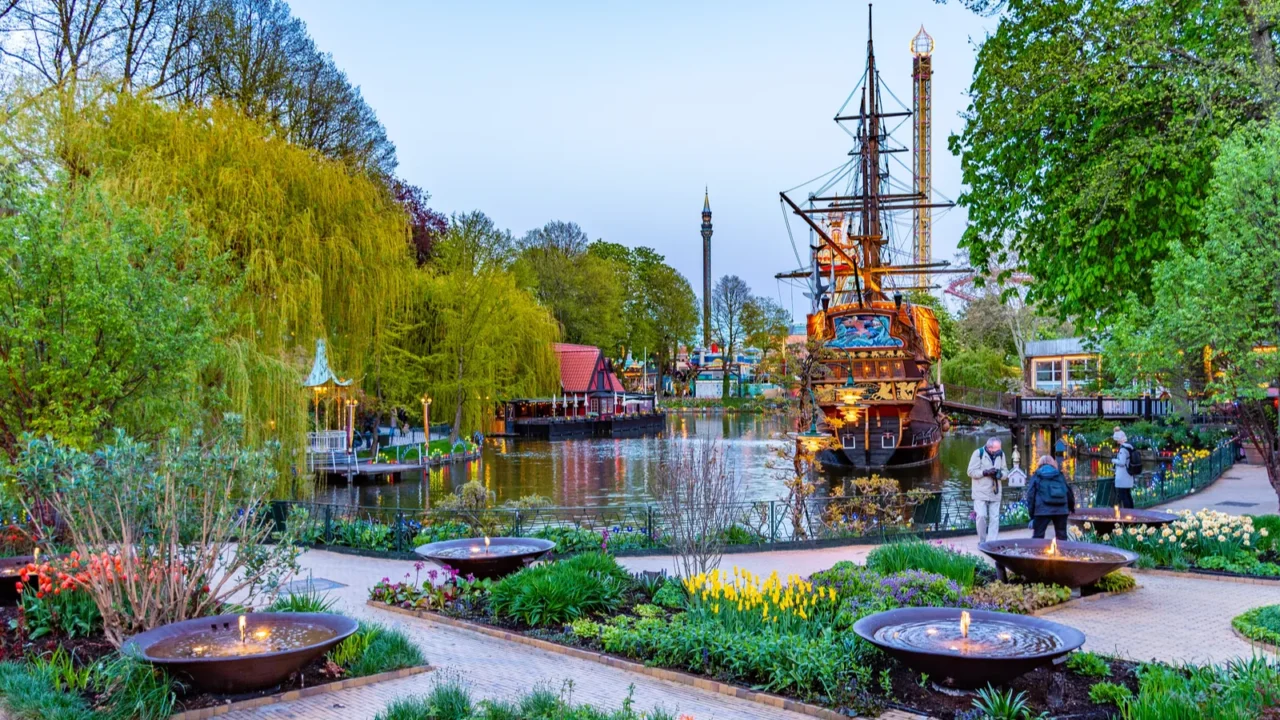
Tivoli inspired Walt Disney
Tivoli Gardens opened in 1843, placing it among the oldest operating amusement parks on earth. It sits steps from Copenhagen’s central station, embedded directly in the city’s walkable core. Within its 82,750 square meters, you find manicured gardens, vintage wooden roller coasters, open-air concert stages, and some of Denmark’s finest restaurants all within a single afternoon’s reach on foot from virtually anywhere in the city center.
Fun fact: Walt Disney visited Tivoli in 1951 with his wife Lillian and TV personality Art Linkletter, who later recalled that Disney walked the entire park scribbling notes on everything from the garden design to the chairs. That visit became a direct blueprint for Disneyland, which opened four years later.
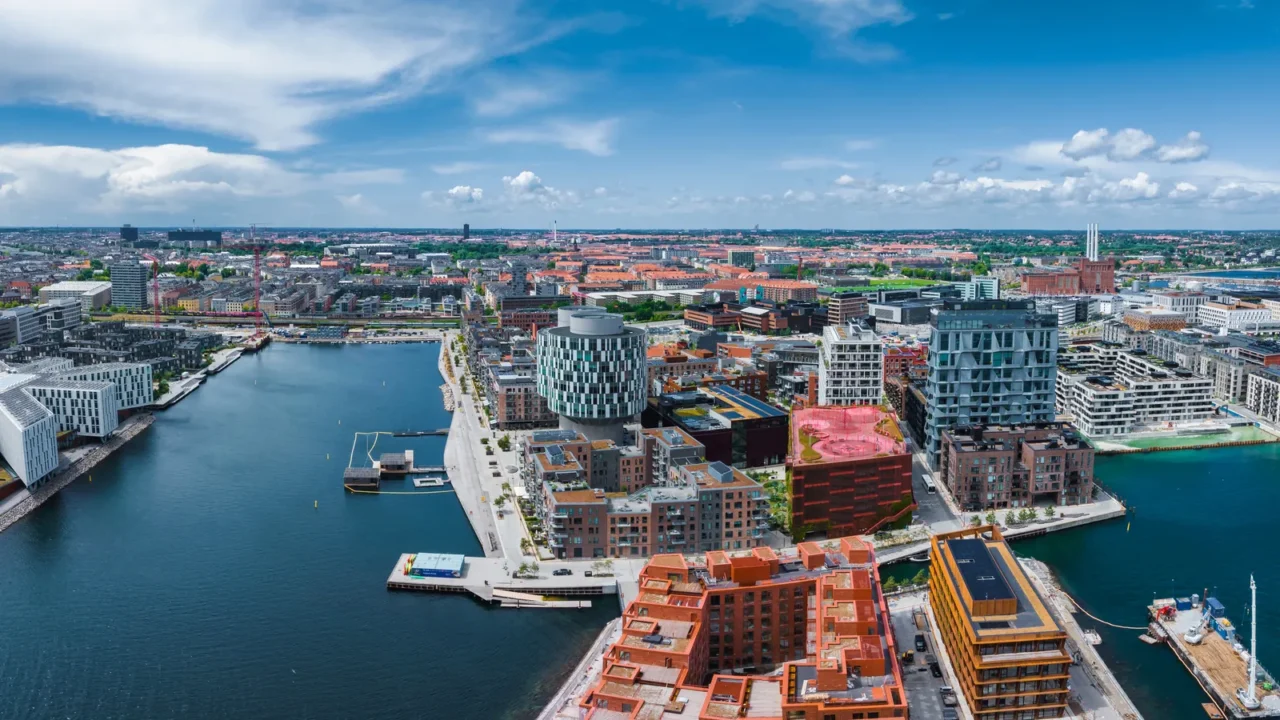
Nordhavn’s five minute promise
Nordhavn, Copenhagen’s northern harbor district, is being constructed entirely around one rule: every resident must reach everything they need within a five-minute walk from their front door. Schools, groceries, green space, clinics, and transit are mapped into the urban plan before construction begins on any building above them. It is among the most deliberate urban experiments underway anywhere in the Western world, and it is happening in real time.
Nordhavn makes an argument with its existence. It challenges the assumption that sprawl and car dependency are natural results of city growth rather than consequences of specific choices made by planners working from different priorities. The portions already complete feel livable in ways that decades of suburban refinement elsewhere have rarely achieved. Visiting Nordhavn does not feel like touring a neighborhood. It feels like previewing a version of city life that has not yet arrived everywhere else.
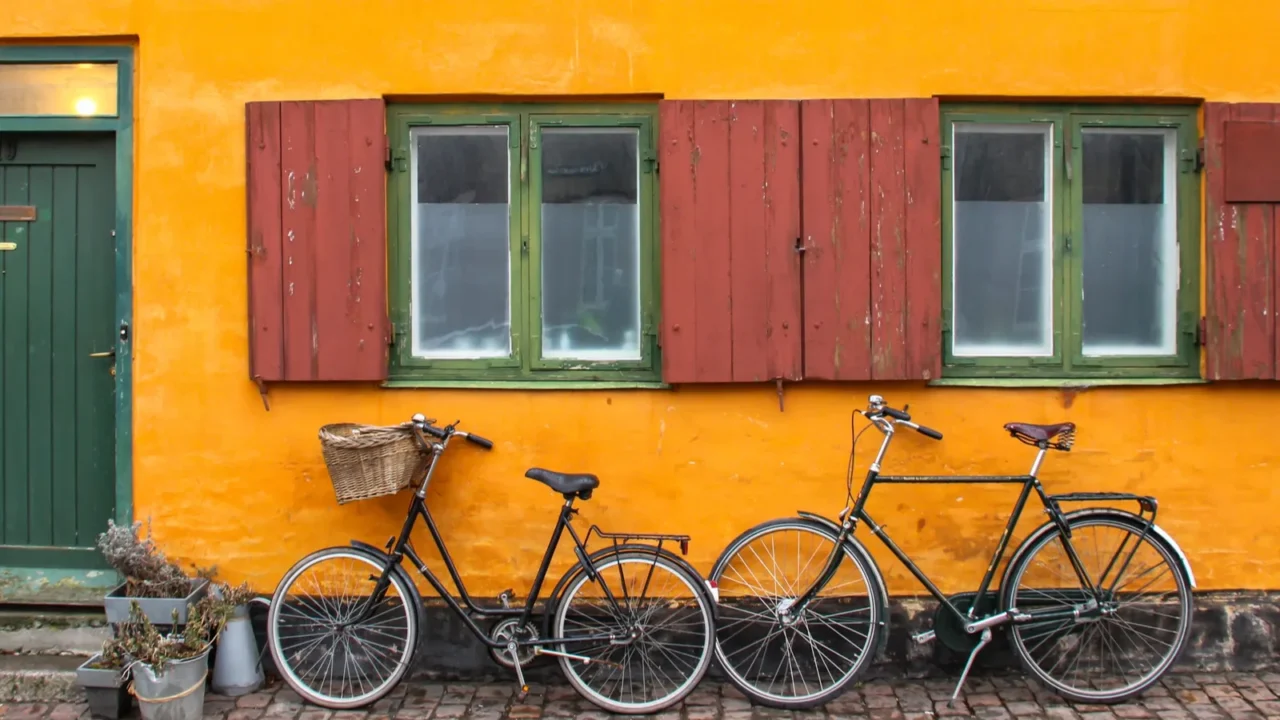
Bikes outnumber the people
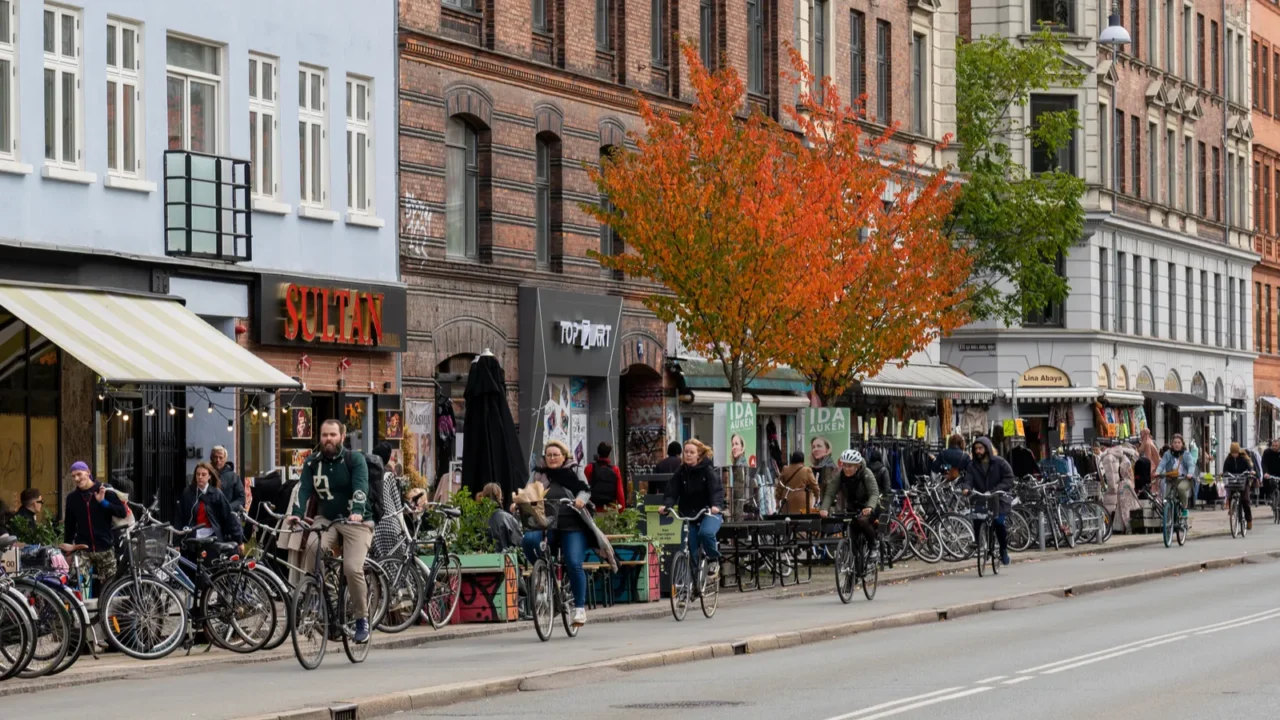
Copenhagen has more bicycles than residents. The city maintains roughly 390 kilometers of cycling lanes physically separated from both car traffic and pedestrian paths. These are not painted suggestions on asphalt but raised, protected corridors treated with the same engineering seriousness as a major road. On any weekday morning, cyclists in business attire, school uniforms, and running gear move through the city in a quiet flow that first-time visitors instinctively stop to watch.
Fun fact: Copenhagen’s City of Copenhagen Urban Development office tracks cycling progress so seriously that it publishes dedicated reports measuring speed, safety, and infrastructure investment across the entire network.
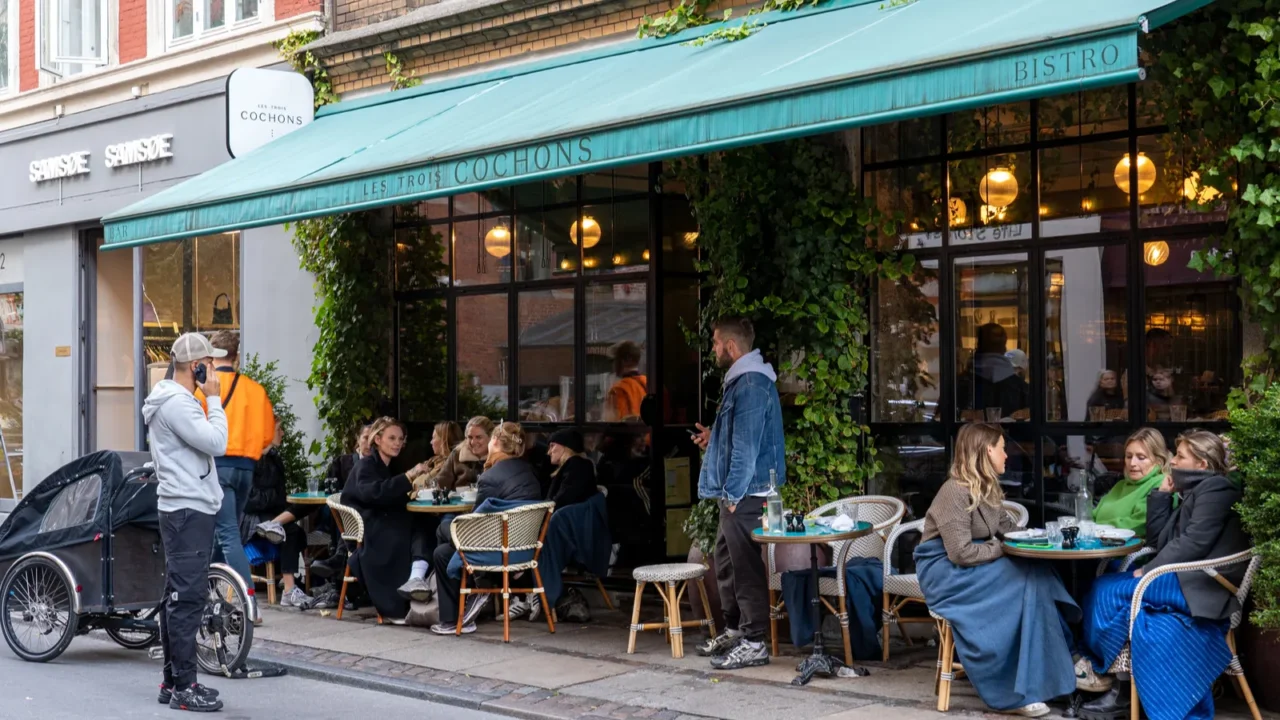
Vesterbro’s rougher, better side
Vesterbro sits just west of Copenhagen’s old center and has completed one of modern Europe’s most striking neighborhood transformations. Once a working-class district built around its slaughterhouses, it now houses Kødbyen, the Meatpacking District, where original white-tiled abattoir buildings contain art galleries, natural wine bars, and recording studios. Walking through it on a Saturday morning feels like catching a city mid-sentence, caught between what it was and what it is still deciding to become.
Directly connected is Frederiksberg, technically a separate municipality but imperceptible as such on foot. Its wide avenues are lined with 19th-century apartment buildings and ironwork balconies, and Frederiksberg Gardens offer a park so quiet and well-maintained that it still feels like a secret despite appearing in every major guide to Denmark. These two neighborhoods reward the kind of afternoon where you leave the phone in your pocket and simply follow whatever catches your eye around the next corner.
Hygge is built into the streets
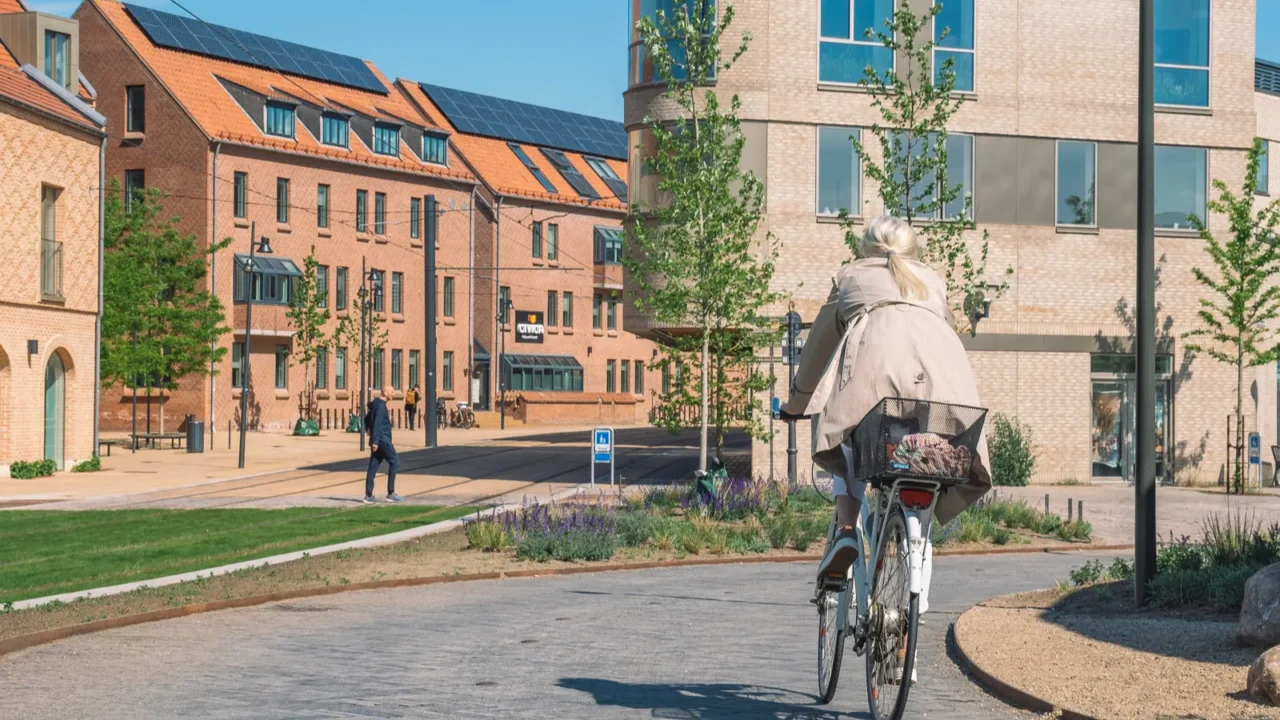
Hygge, the Danish quality of warmth and easy togetherness, is often reduced to candles and knitwear by lifestyle magazines outside Denmark. In Copenhagen, it functions more like a design principle embedded into the physical structure of the city. Canal-side benches face the water. Street lamps in residential areas cast amber rather than institutional white. Pocket parks appear at intervals sized for two or three people rather than for crowds to move efficiently through.
This is not an atmospheric accident. Denmark consistently ranks among the world’s happiest countries, and Copenhagen’s urban design philosophy is often cited as a contributing factor. A stranger volunteers that the cinnamon roll place two doors down is better. A café owner steps out to ask if the table in the wind is too cold for you. These are not performances for visiting travelers. They are the natural texture of a city engineered, over a long time, to make people feel at ease.
Food found by walking
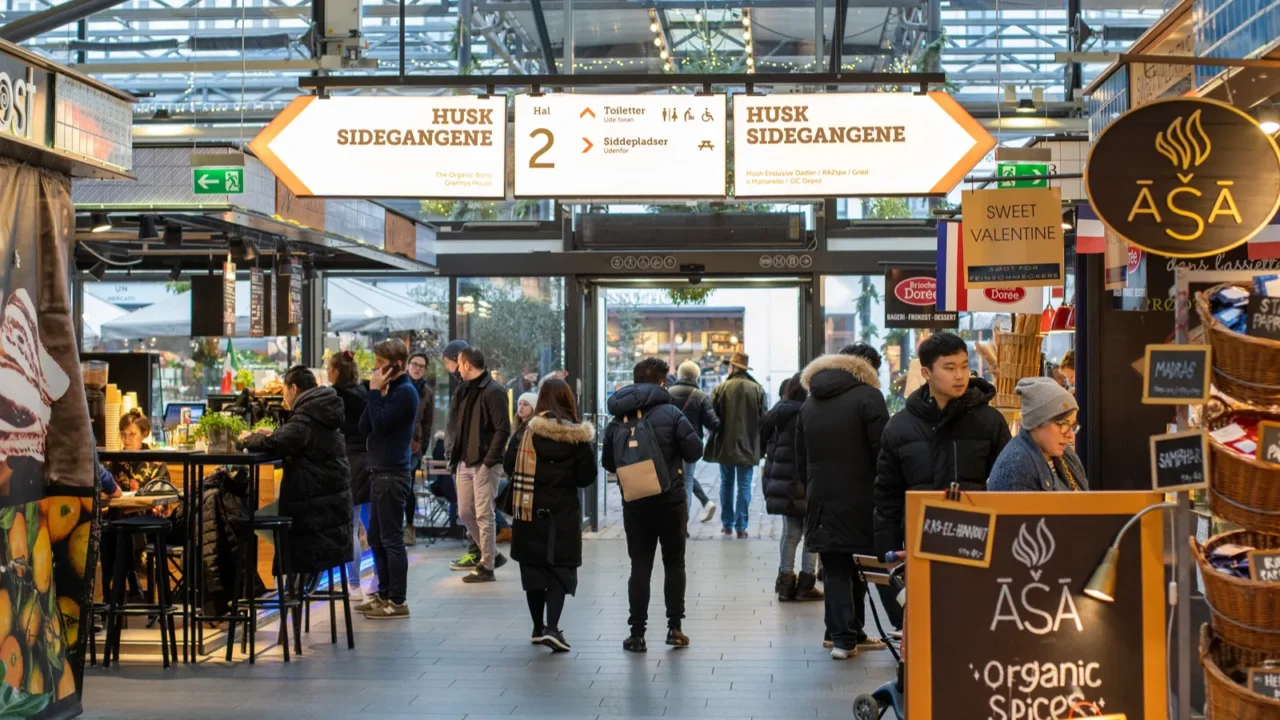
Copenhagen’s food culture is inseparable from its walkability. The city that anchored New Nordic cuisine through restaurants like Noma, which reshaped how chefs globally think about locality and fermentation, distributes that ambition across a wide and genuinely accessible range of storefronts. Cold shrimp on buttered rye bread is eaten standing at harbor stalls for a few dollars. Michelin-starred tasting menus occupy the same postal codes as a few blocks away.
Torvehallerne, the indoor-outdoor market at Israels Plads, operates as a genuine crossroads of daily city life rather than a cordoned-off tourist attraction. Farmers from islands an hour outside Copenhagen bring organic produce directly to market stalls on Tuesday and Friday mornings. You find these things by walking: by following a smell, a chalk sign, or simply the direction a group of locals happens to be heading. Copenhagen feeds the curious traveler, and it does so one unplanned, unscheduled corner at a time.
What cities are copying
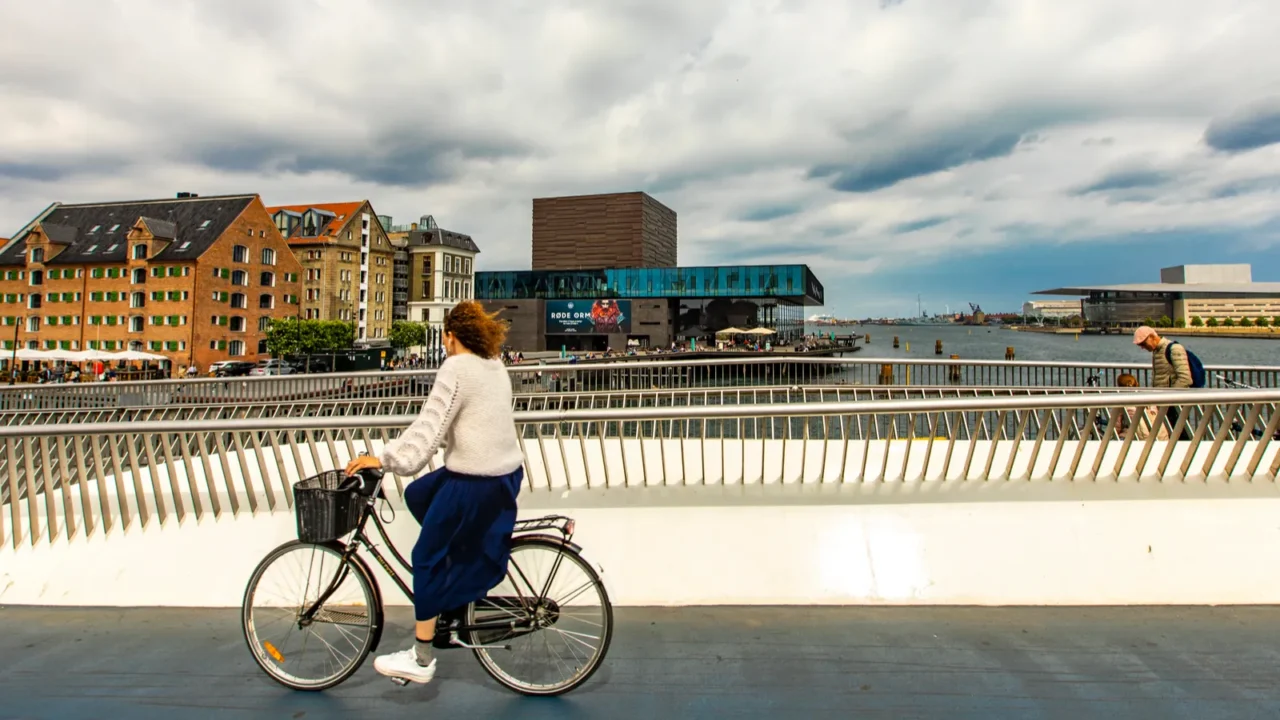
Paris launched its 15-minute city initiative in 2020, with Mayor Anne Hidalgo explicitly citing Copenhagen’s model as a primary reference for redesigning neighborhoods around walkable daily life. Melbourne, Oslo, and Portland have each sent urban planning delegations to Copenhagen within the past decade to study its pedestrianization strategies. The influence is measurable, documented, and ongoing rather than theoretical or aspirational.
What Copenhagen has demonstrated is that walkability is not a feature cities add once they become prosperous enough. It is a precondition for civic life that makes people choose to stay, invest, and build families in a place. Every city now converting parking lots into parks, narrowing lanes to widen sidewalks, or clustering amenities around transit stops is following a path Copenhagen cleared decades earlier by closing one street to cars and committing, without reversing course, to what came after.
Copenhagen has no bad season
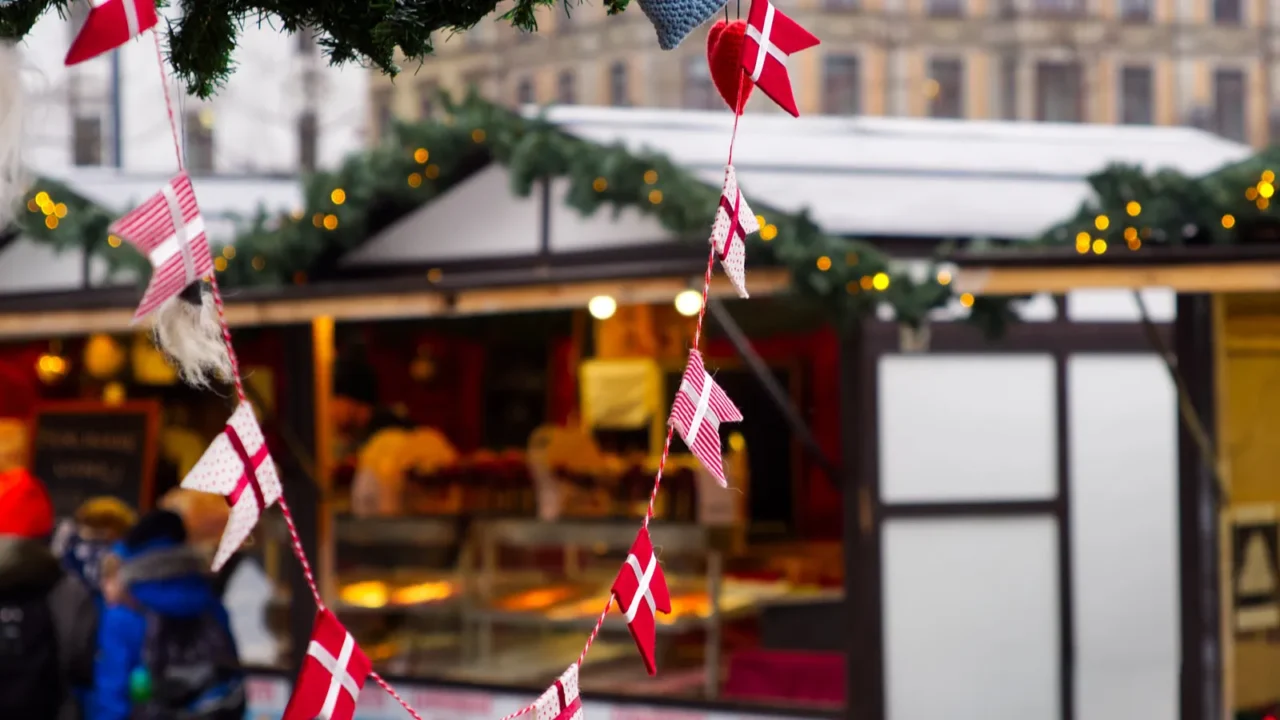
Copenhagen does not need a peak season to justify the trip. Its summer light extends past ten in the evening, turning harbor districts golden in ways cameras have never fully captured. Winter brings hygge into full effect: glögg stands open inside Tivoli’s Christmas market, café windows fog warm against the dark outside, and the city contracts into something that feels intimate rather than empty. Every season offers a completely different reason to walk slowly through the same streets. And if Copenhagen has you thinking about slowing down somewhere smaller, the European villages worth adding to your list might surprise you even more.
For the traveler exhausted by destinations that feel like sets, Copenhagen offers something harder to find. It is a city with real stakes, real unresolved problems it is working through openly, and real residents who chose it not because it photographs well but because it genuinely functions. Walking through it long enough, you begin to sense the difference between a place designed to be looked at and a place designed to be lived in. Copenhagen is the latter, completely and without apology.
The walk is waiting
Copenhagen did not arrive at Europe’s most walkable city by chance. It got there through a century of compounding decisions: closing streets to cars before it was fashionable, building cycling infrastructure when other cities were widening motorways, designing neighborhoods around the pace of a person on foot, and treating shared public space as something belonging to everyone rather than a remainder between private properties.
The cities shaping the next century of urban life are the ones studying what Copenhagen built and why it worked. The most meaningful travel lands you inside a place that is genuinely alive and still becoming. Copenhagen is not finished, and neither is Europe, with more of its great cities easier to reach than most travelers realize.
Copenhagen turned one closed street into a global movement. What would your city look like if it were built around you instead of your car?
This slideshow was made with AI assistance and human editing.
Don’t forget to follow us for more exclusive content right here on MSN.
Read More From This Brand:
