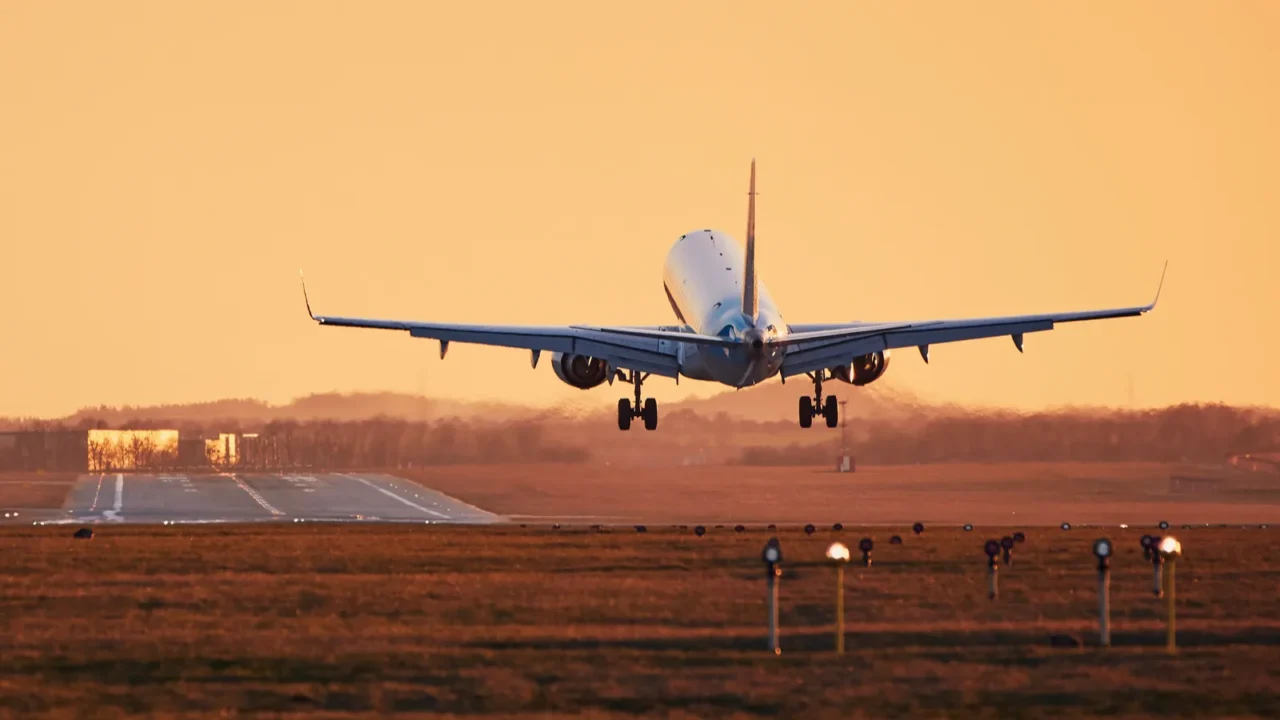
Global airlines reroute flights
Recent aviation advisories and airline disruptions show that carriers are rerouting flights as conflict-related airspace restrictions affect parts of the Middle East and nearby corridors. Regulators and airlines have issued updated guidance as operators work to keep passengers and crews safe.
Airlines are avoiding or restricting flights over high-risk areas, including Ukraine and parts of the Middle East, especially where regulators have issued conflict-zone warnings or temporary airspace closures. These restrictions affect long-haul flights across major international networks, including services linking North America and Europe with destinations in the Gulf, South Asia, and East Asia.
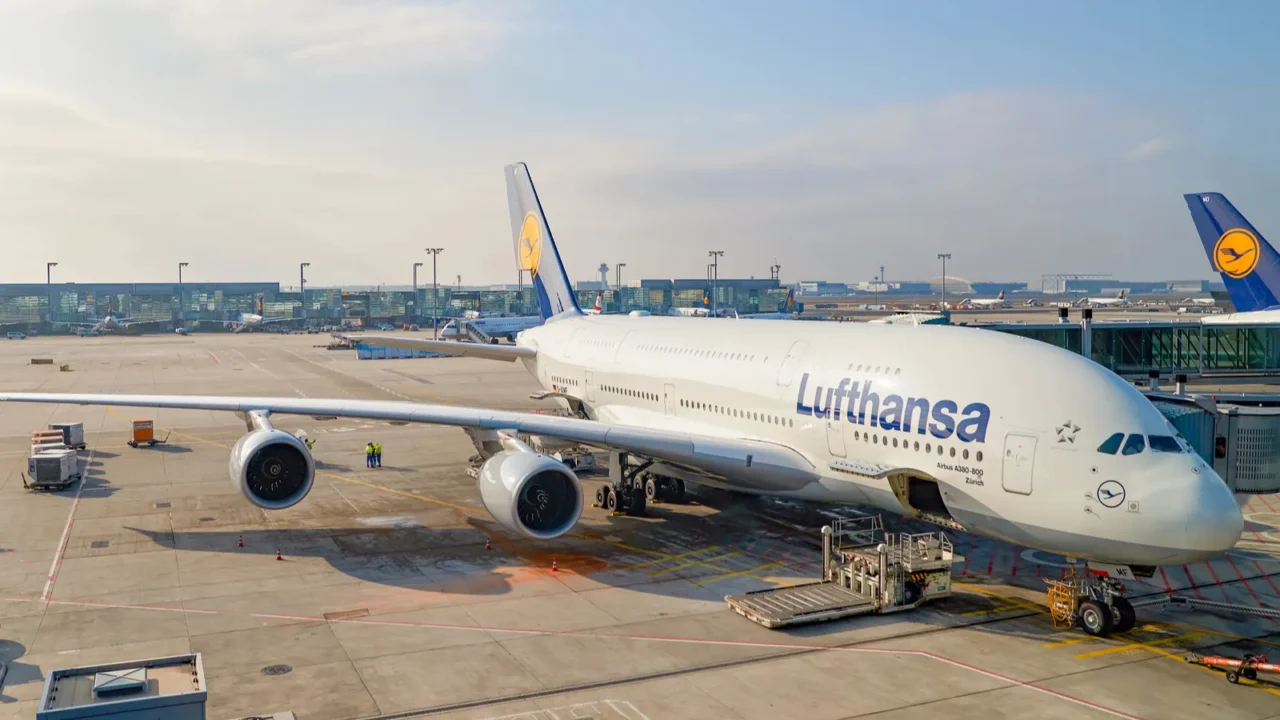
Airlines adjust flight routes
Airlines have started redesigning international routes to avoid regions where airspace restrictions are active. Airlines, including United Airlines, Lufthansa, and Emirates, are choosing safer paths across Central Asia or the Mediterranean Sea. These adjustments help maintain operations while avoiding potential security risks.
Flights connecting North America, Europe, and Asia are among the most affected by these route changes. Aircraft that once crossed directly over parts of the Middle East or Eastern Europe now travel hundreds of miles farther. Airlines say safety remains the top priority in every decision.
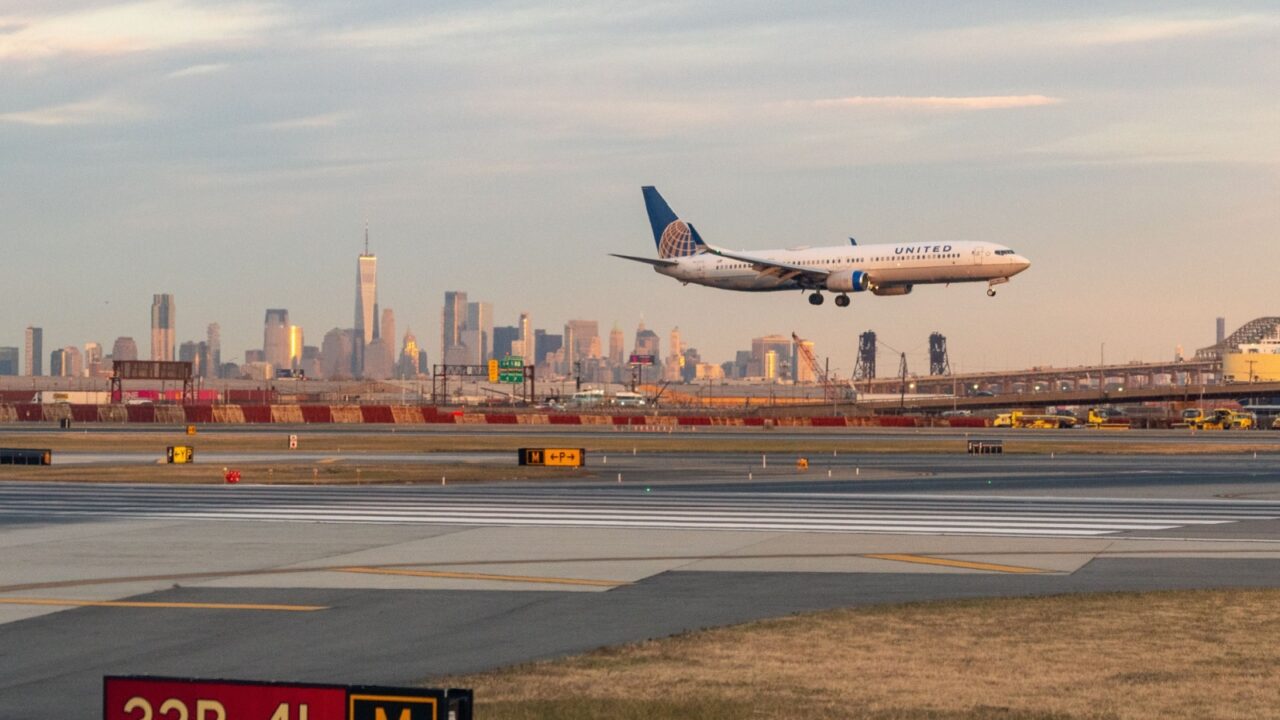
Airlines extend travel times
Airlines are warning that some international flights now require additional flying time because of detours around closed airspace. Airlines report that certain long-distance routes have increased by two to five hours, depending on the destination. Longer routes also require careful planning for fuel and crew scheduling.
Flights linking North America with parts of Asia can face noticeable schedule changes when airlines must avoid conflict-affected airspace. Some itineraries may involve longer routings, technical adjustments, or timetable revisions. Travelers heading toward cities like Tokyo, Delhi, or Bangkok may notice longer flight durations. Airlines continue updating schedules as conditions evolve.
Middle East airspace closures
Middle Eastern airspace has historically served as a major corridor linking Europe, Asia, and Africa. When tensions increase in countries like Iran or Iraq, aviation authorities sometimes restrict or warn against using certain flight paths. Airlines quickly respond to these warnings by rerouting aircraft.
These closures influence global aviation far beyond the region itself. Flights that would normally cross these skies must travel around them using alternate corridors. Even small airspace restrictions can disrupt hundreds of flights each day.
European routes also impacted
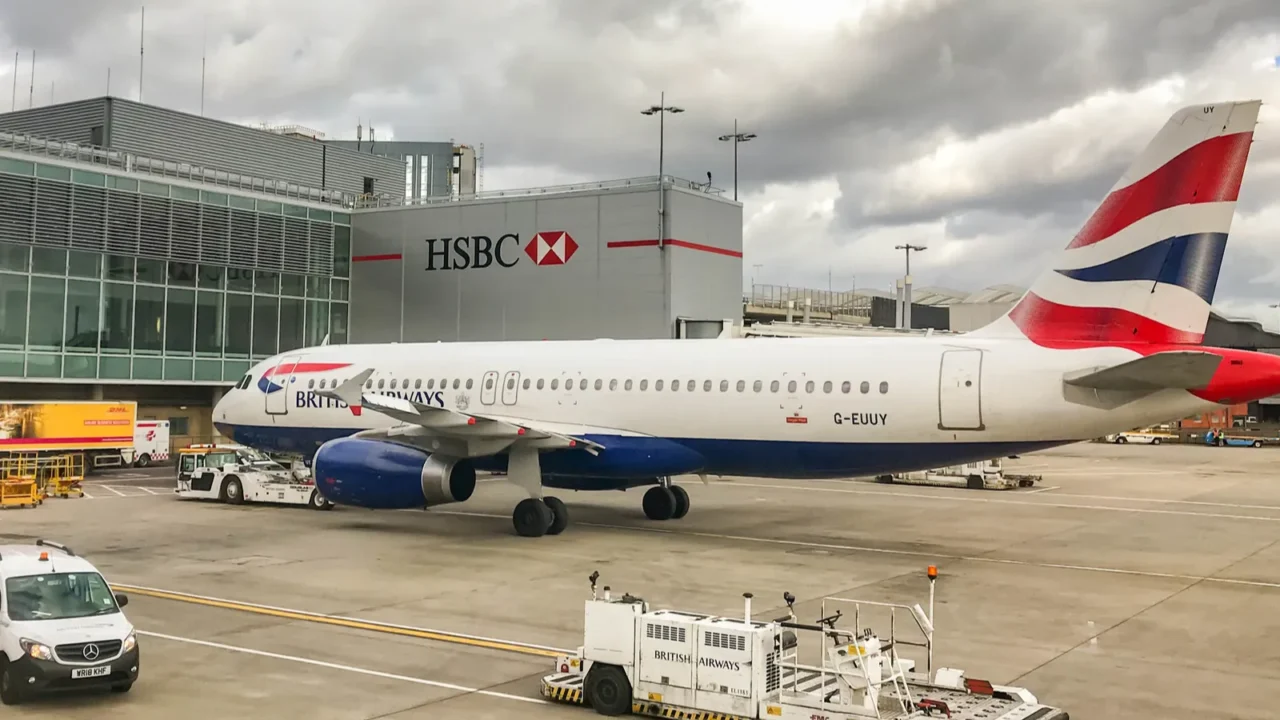
Airspace restrictions connected to the conflict in Ukraine have also reshaped flight planning across Europe. Airlines flying between Europe and Asia have avoided Russian and Ukrainian airspace since the invasion began in 2022. These restrictions remain one of the biggest challenges for global aviation.
Flights departing from airports like London Heathrow Airport, Paris Charles de Gaulle Airport, and Frankfurt Airport must follow longer northern or southern routes. These changes increase travel time and fuel usage. Airlines say these detours are necessary to maintain safety.
Longer journeys becoming common
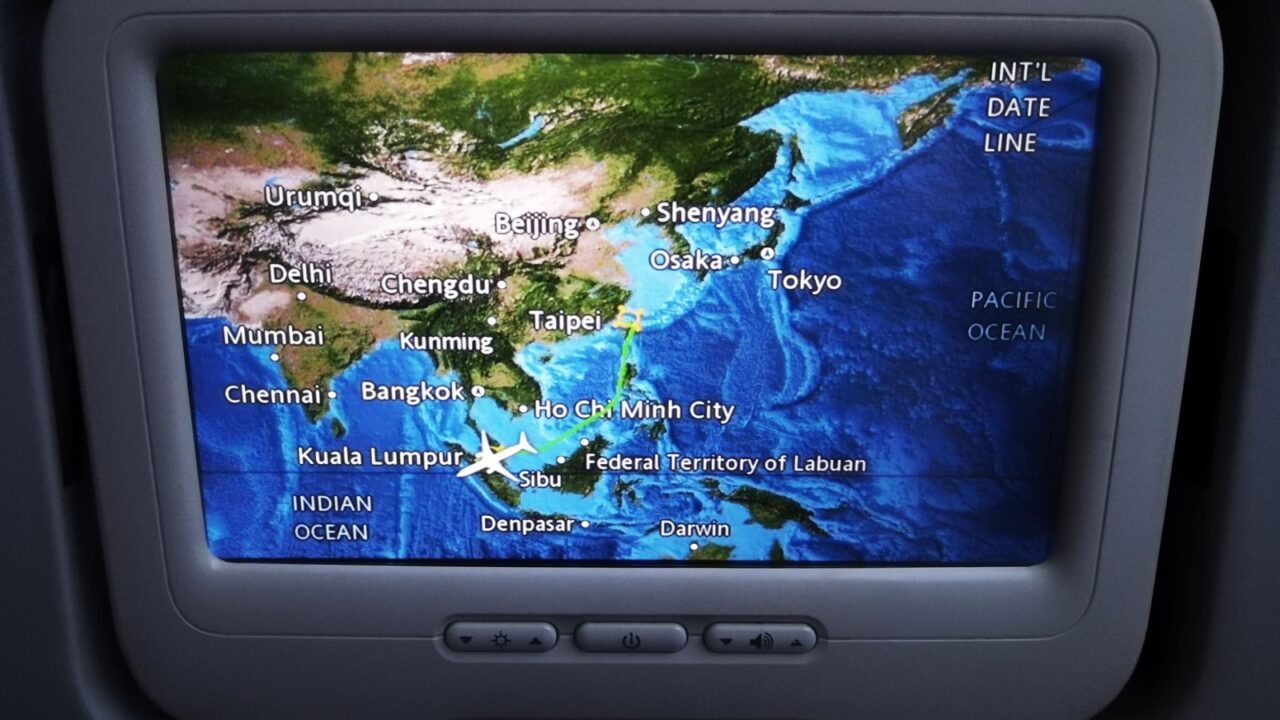
Airline rerouting has become a regular part of international aviation planning during recent global conflicts. Flight planners now analyze multiple alternate corridors before approving long-distance routes. These adjustments allow aircraft to stay clear of sensitive military zones.
Fact: Rerouted flights during Middle East airspace closures sometimes travel hundreds of extra miles compared with traditional routes. That additional distance can extend journeys by several hours, depending on weather and wind conditions.
Aviation corridors narrowing
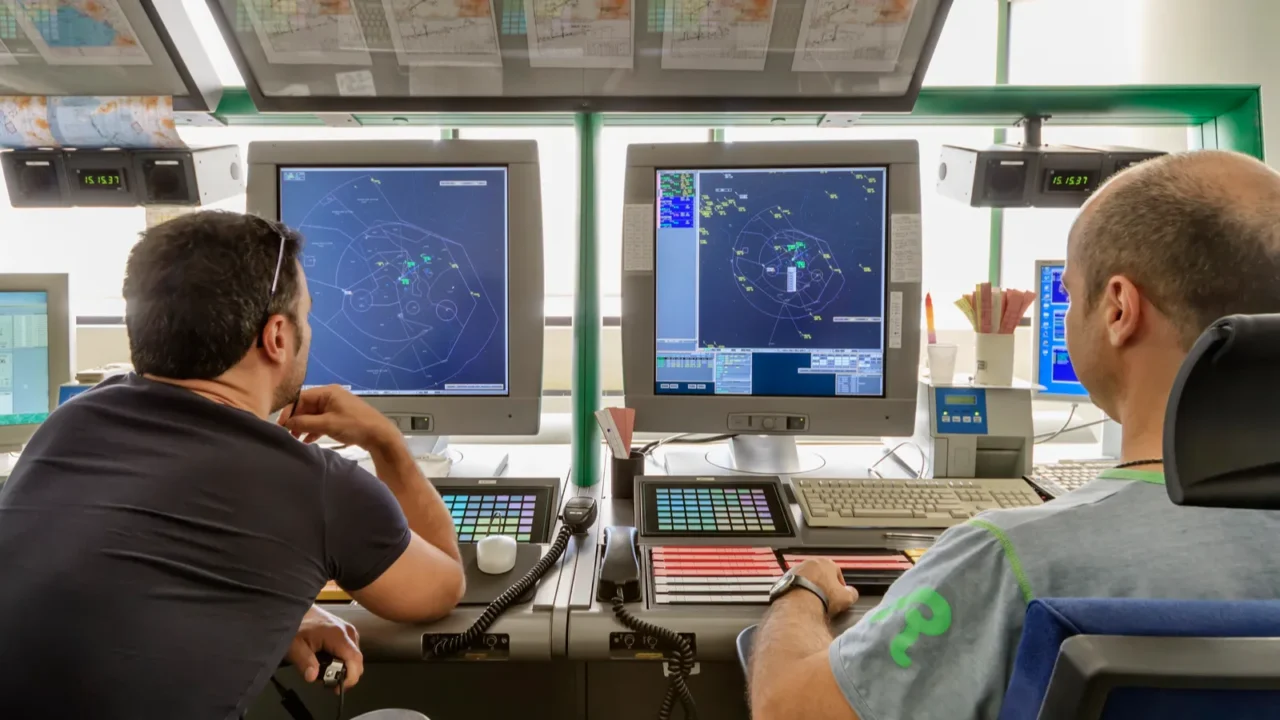
When major airspace regions close, global aviation corridors become much narrower and more crowded. Airlines often move into limited routes across the Caucasus region or through parts of the eastern Mediterranean. Air traffic controllers must carefully manage the increase in aircraft along these paths.
Fact: According to aviation tracking data, thousands of flights normally cross Middle Eastern airspace daily during peak travel seasons. When closures occur, many of those flights must shift into smaller corridors that handle far less traffic.
Gulf airport connections affected
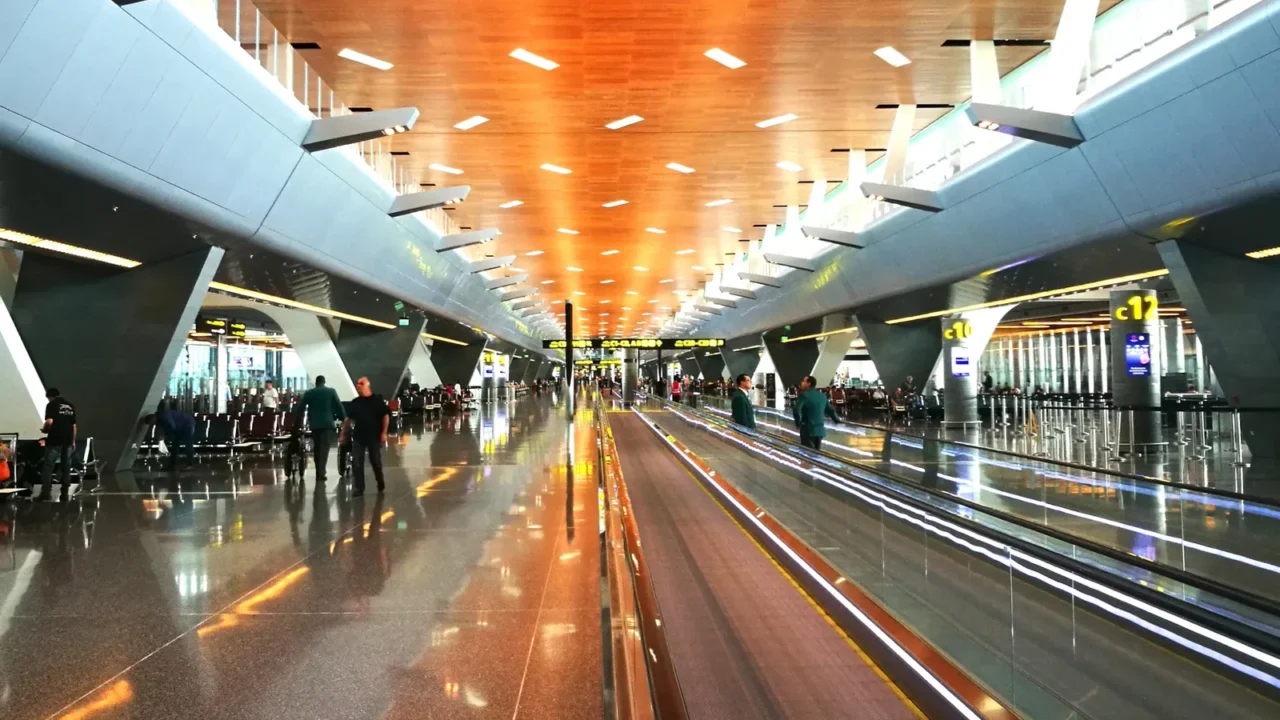
Major aviation hubs across the Gulf region also feel the impact of rerouted flights. Airports such as Dubai International Airport and Hamad International Airport in Doha connect travelers between continents. When airspace closes nearby, airlines must adjust schedules and flight paths.
These changes can influence connecting passengers traveling between North America, Europe, and Asia. Airlines sometimes delay departures to coordinate new routes and fuel requirements. Even small delays can ripple through busy airport schedules.
Airlines evaluate safety risks
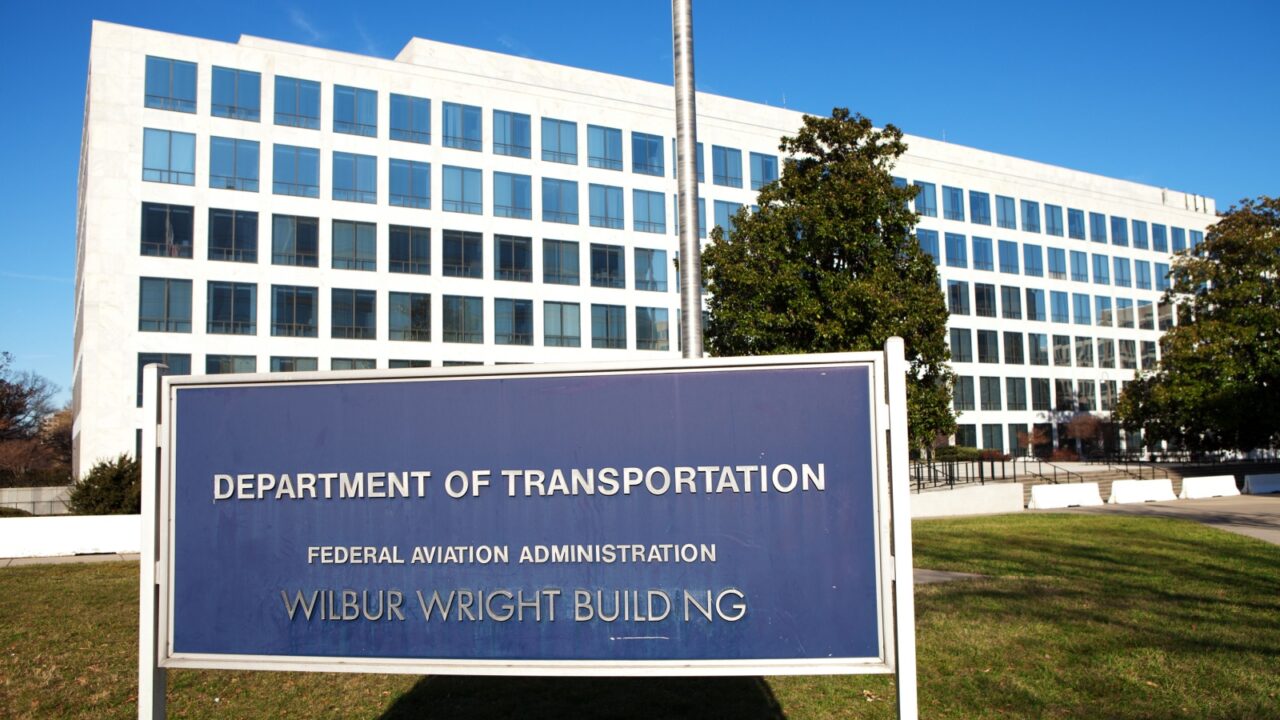
Airlines rely on constant monitoring of global security conditions before approving flight paths. Aviation safety teams review intelligence reports, military activity, and government advisories. These evaluations help determine which regions are safe for commercial flights.
Organizations like the Federal Aviation Administration and the European Union Aviation Safety Agency regularly publish safety notices. Airlines review these advisories before planning international routes. Safety experts say this process protects both passengers and crew.

Fuel use rises sharply
Longer routes mean airlines must burn more fuel during each journey. Fuel is one of the highest operating costs for commercial aviation. Even small route changes can increase expenses when multiplied across thousands of flights.
Global oil markets also respond quickly to geopolitical tensions in the Middle East. Rising oil prices can increase airline operating costs across the industry. These financial pressures sometimes influence future ticket pricing.
Travelers notice longer flights
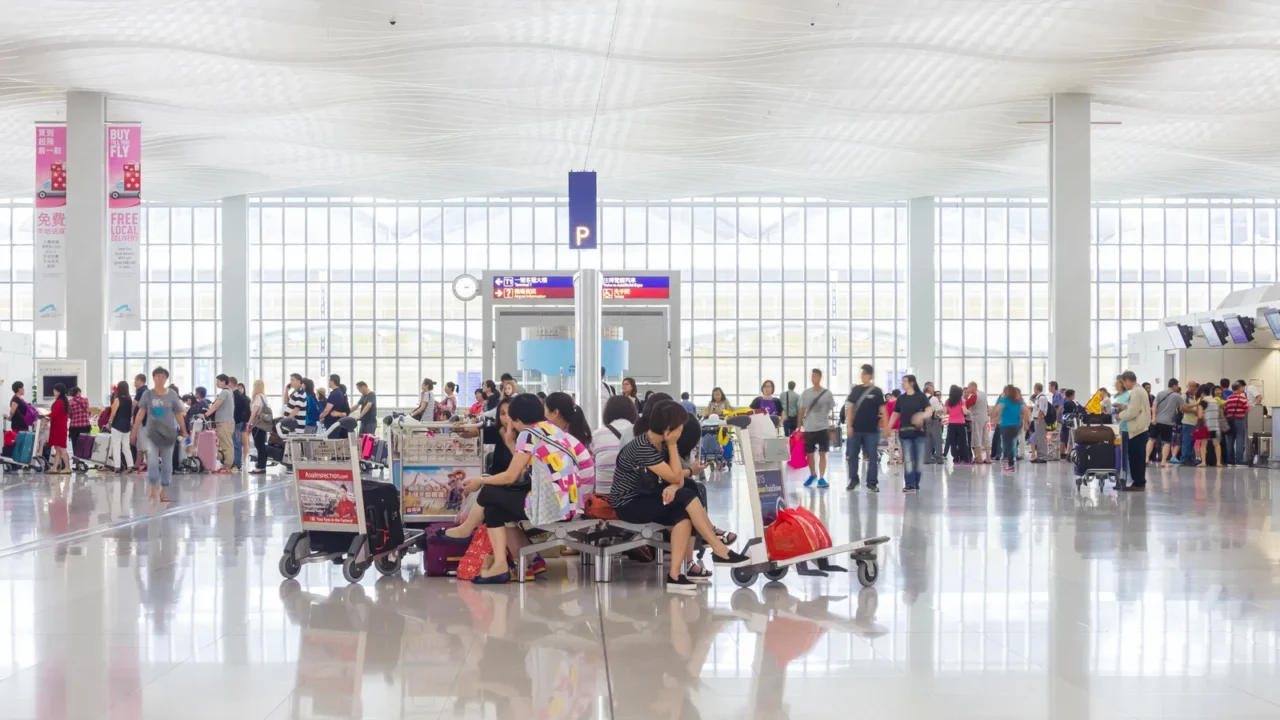
Travelers on long-distance routes are beginning to notice extended travel times on certain international flights. Journeys between North America and Asia may now take several hours longer than in previous years. Airlines often update flight schedules to reflect these new realities.
Travelers on some trans-Pacific and Asia-bound routes may notice longer scheduled times as airlines build detours and operational buffers into their flight plans. Carriers typically communicate those changes through booking updates, airport displays, and mobile apps.
Global aviation adapts quickly
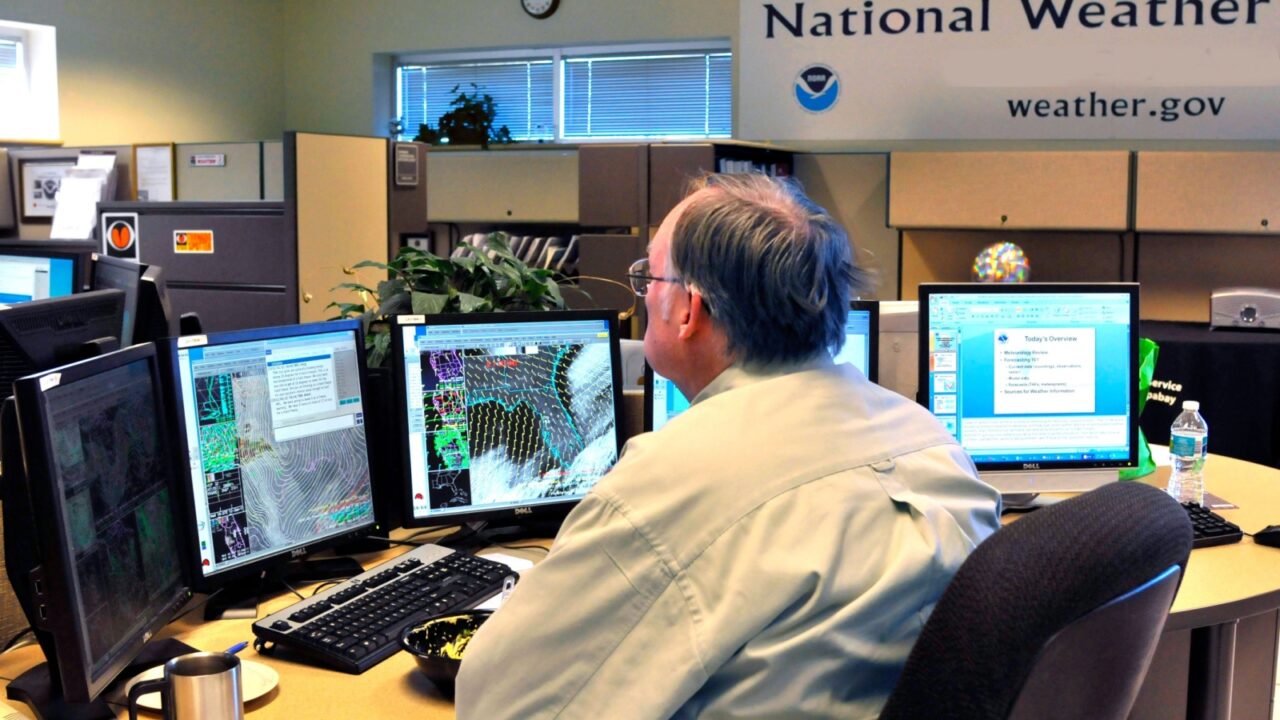
Despite these challenges, global aviation systems continue operating efficiently. Airlines have developed strong planning systems that allow quick adjustments when airspace conditions change. Dispatch teams analyze route options hours before flights depart.
Technology also helps airlines track weather patterns and security advisories in real time. These tools allow airlines to shift routes while maintaining safety and reliability. Airlines issue travel advisories for Middle East routes amid rising security concerns, and aviation experts say adaptability is essential for modern air travel.
Travel routes keep evolving
Global flight routes will likely continue evolving while airspace restrictions remain in place. Airlines and aviation regulators regularly reassess conditions across regions such as the Middle East and Eastern Europe. These evaluations help maintain safe international travel.
Travelers flying between cities like New York, London, Dubai, and Singapore may continue seeing longer routes for some time. Airlines remain focused on safety while keeping global connections open.
If you found this interesting, give us a like and share your thoughts in the comments.
This slideshow was made with AI assistance and human editing.
Don’t forget to follow us for more exclusive content right here on MSN.
Read More From This Brand:
