
Red lines redrawn
The Foreign, Commonwealth and Development Office (FCDO), the United Kingdom’s primary body responsible for international travel advice, issued a sweeping update to its advisory system, first published on March 1, 2026, and last revised on March 5. The update was triggered by escalating military activity involving the United States, Israel, and Iran, affecting more than 21 countries across the Middle East, North Africa, and Central Asia.
Amid the crisis, the FCDO updated its advice to warn against all but essential travel to destinations including the United Arab Emirates and Qatar. The change marked a major shift for two of the Gulf’s busiest travel and transit hubs for British nationals
What sparked the update
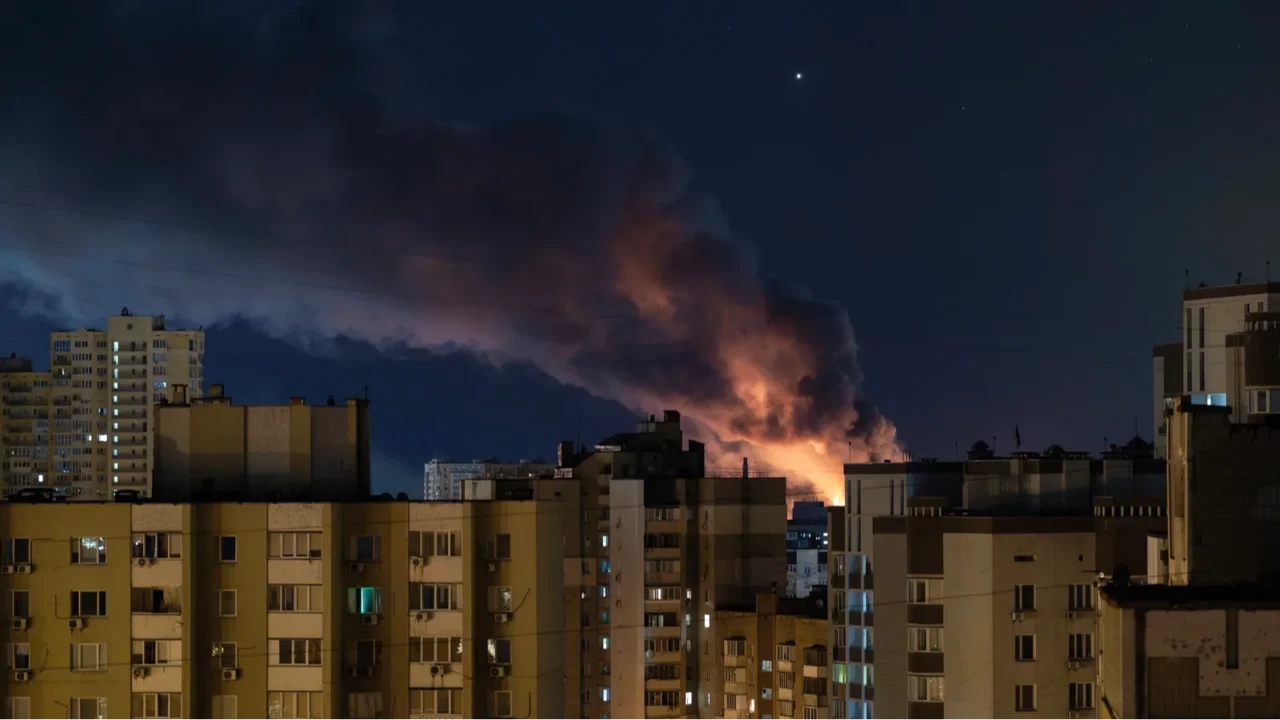
The catalyst was a series of joint Israeli and United States airstrikes on Iranian nuclear facilities and military infrastructure on February 28, 2026. Iran retaliated swiftly, launching missile and drone attacks across Gulf states, striking the Al Udeid Air Base in Qatar, a major United States military facility, and targeting civilian infrastructure in the UAE and Bahrain.
Within hours, major airports and airspace across the region faced closures, suspensions, or severe restrictions, leaving large numbers of passengers stranded. The UK said it was deploying rapid-response teams and exploring options to help British nationals return home safely.

The warning tiers
The FCDO uses two distinct warning classifications, and understanding the difference matters enormously. “Advise against all travel” is the most severe designation, applied to countries where the risk to life is considered imminent and consular support is extremely limited or entirely unavailable. As of March 2026, this classification covers Israel, Palestine, Iran, Afghanistan, Iraq, Syria, and Yemen.
The second tier, “advise against all but essential travel,” currently applies to destinations including the UAE, Qatar, Kuwait, Bahrain, and most of Jordan, while Lebanon carries a more complex mix of “all travel” and “all but essential travel” zones. In several affected countries, the UK government also asked British nationals to register their presence and follow local authority instructions closely.

When Dubai paused
For hundreds of thousands of British tourists and expatriates, the United Arab Emirates has long felt like the safest corner of the Gulf. That perception shifted dramatically in March 2026. The FCDO told British nationals in the UAE to follow local authority instructions, avoid areas near security or military facilities, and monitor developments closely as regional escalation continued. The official advice also warned of travel disruption and the risk posed by strikes on civilian infrastructure across the region.
UK officials said rapid-response teams were being deployed to support British nationals and that options for onward travel, including commercial and charter arrangements, were being explored. Ministers also said they were engaging directly with airlines as disruption continued.

A 21-country advisory picture
The FCDO’s updated advisory, first published on March 1, 2026, and last revised on March 5, 2026, covers Afghanistan, Armenia, Azerbaijan, Bahrain, Egypt, Iran, Iraq, Israel, Jordan, Kuwait, Lebanon, Oman, Pakistan, Palestine, Qatar, Saudi Arabia, Syria, Turkey, Turkmenistan, the UAE, and Yemen.
Fact: The FCDO currently monitors and publishes travel advice for more than 226 countries and territories worldwide, making it one of the most comprehensive government advisory systems in operation anywhere.
No consular ground
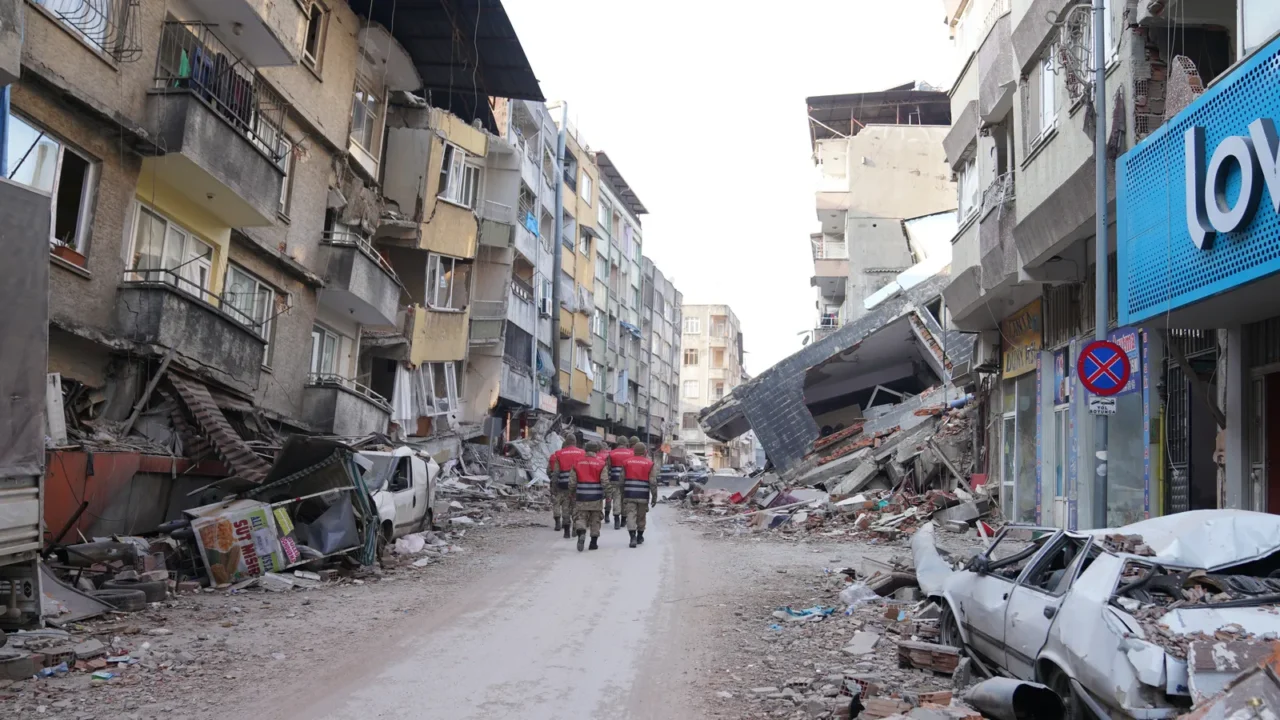
Afghanistan, Iraq, and Syria are the harshest on the FCDO’s expanded list. In Afghanistan, the security situation is described as volatile and extremely dangerous, with border crossings largely closed; the FCDO warns that British nationals detained there could face months or even years of imprisonment, with no in-person consular support available.
In Syria, consular assistance is simply unavailable from inside the country. Iraq’s advisory was expanded in direct response to the March 2026 escalation, and the border crossing from Iraq into Kuwait is currently challenging due to restrictions; British nationals should follow embassy updates for safe crossing procedures.
The Iran factor
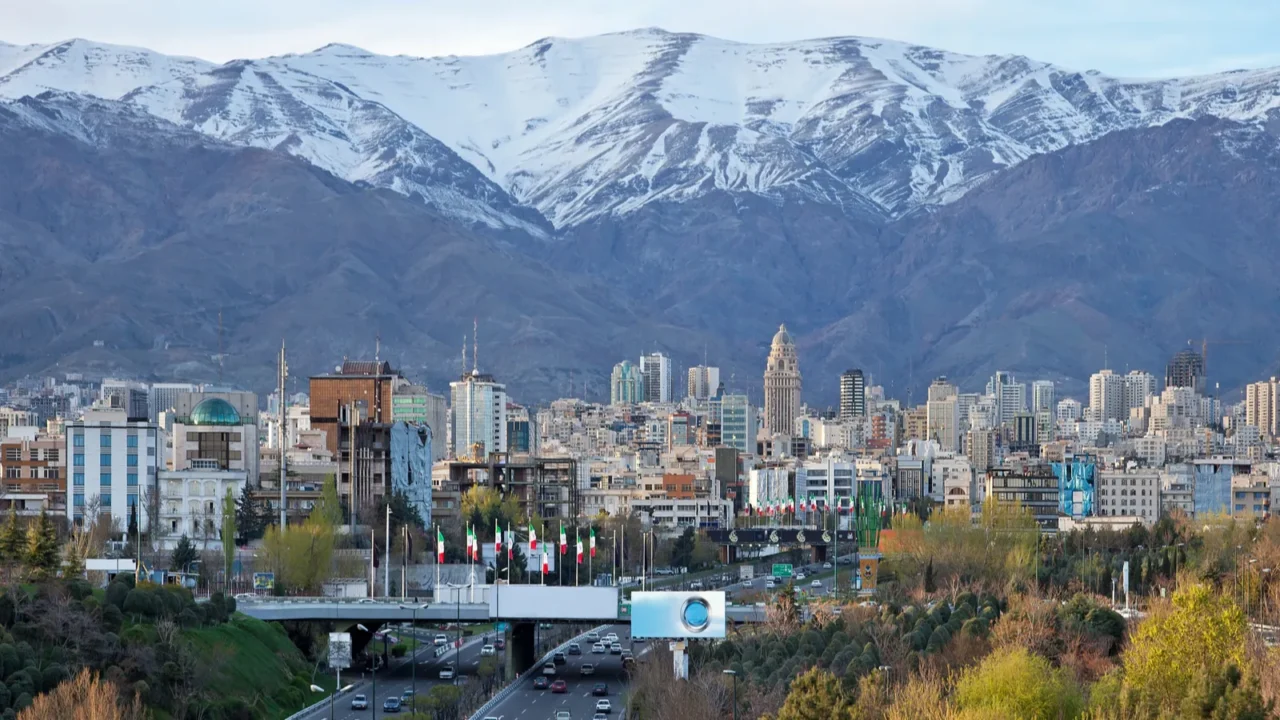
Iran sits at the very heart of this crisis. Following the joint US and Israeli strikes on its nuclear facilities, Iran launched retaliatory missile and drone attacks across the Gulf region and beyond, fundamentally reshaping the security picture for every neighboring country. The FCDO’s advice against all travel to Iran has been in place for years, but the events of late February 2026 gave it a new and immediate urgency.
Fact: Iran shares land borders with seven countries, including Iraq, Turkey, Azerbaijan, Armenia, Turkmenistan, Afghanistan, and Pakistan, making it the geographic linchpin of this entire crisis and explaining why escalation in Tehran radiates outward so rapidly across so many flagged nations at once.

Partial safety zones
Not every country on the FCDO’s revised list means a full closure. Egypt, for instance, remains open for tourism at major resort destinations including Sharm el-Sheikh and Hurghada, though the FCDO urges travelers to monitor updates closely given Egypt’s geographic proximity to the conflict zone. Specific restrictions apply near the Egypt-Libya border and areas close to Israel.
Turkey presents a similar picture. Tourists visiting Istanbul, the Aegean coast, and other western destinations face no broad restrictions. The only active warning covers a 10-kilometer corridor along the Turkey-Syria border. Cyprus, though it experienced a suspected drone impact at RAF Akrotiri on March 2, continues to operate civilian tourism as normal.
Insurance reality check
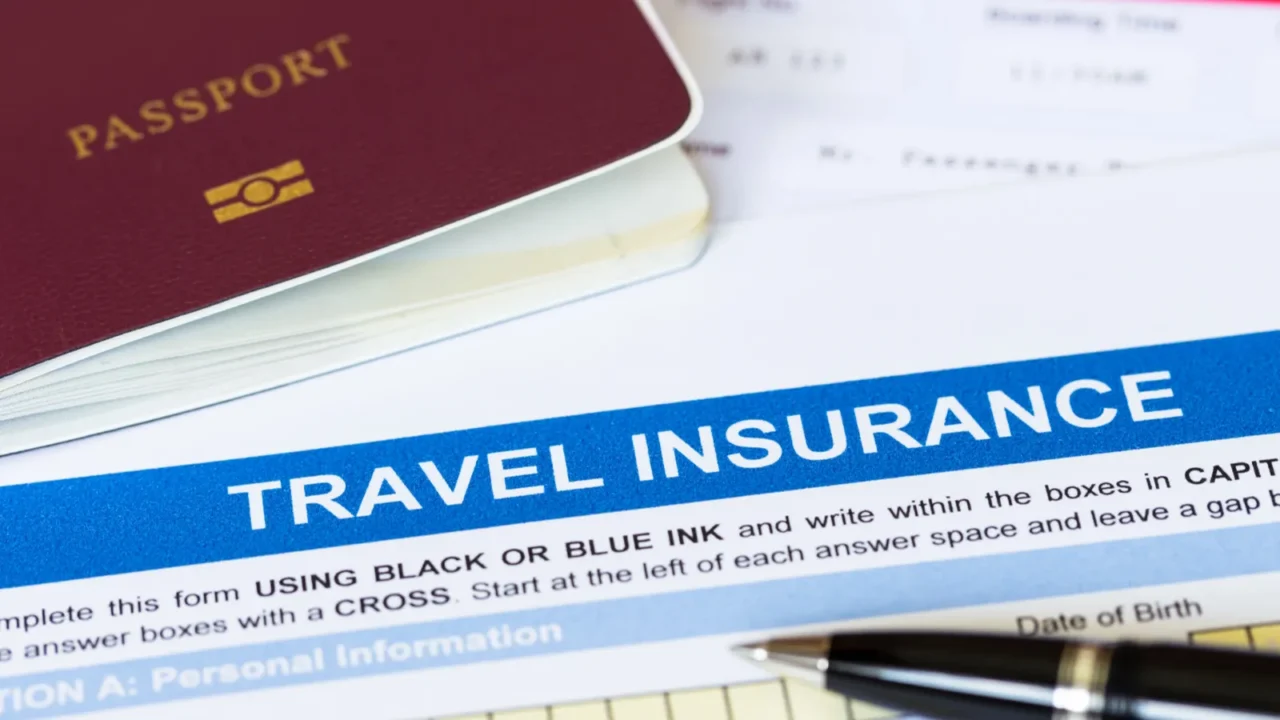
One of the most financially consequential effects of an FCDO “avoid travel” designation is its impact on insurance. An FCDO warning can have major insurance consequences. If travelers go against official advice, insurers may limit or refuse cover, so anyone considering travel should check their policy wording carefully before booking or departing.
Coverage depends on the insurer, the policy wording, and when the trip was booked. Travelers already in the region and those considering new bookings should check directly with their insurer to understand how conflict-related exclusions may apply.

Aviation fallout
The closure of airspace over Iran and Iraq has cascaded into a global aviation disruption far beyond the conflict zone itself. Major carriers, including Emirates, Qatar Airways, and Etihad, cancelled or rerouted hundreds of flights after February 28, with aviation trackers reporting nearly 19,000 flights disrupted and over 90,000 passengers affected daily through Gulf hubs.
Rerouted flights now pass over Central Asia, North Africa, or southern Europe, adding up to five hours to journey times for routes connecting Europe and North America with Asia and Australia.
The three-step rule
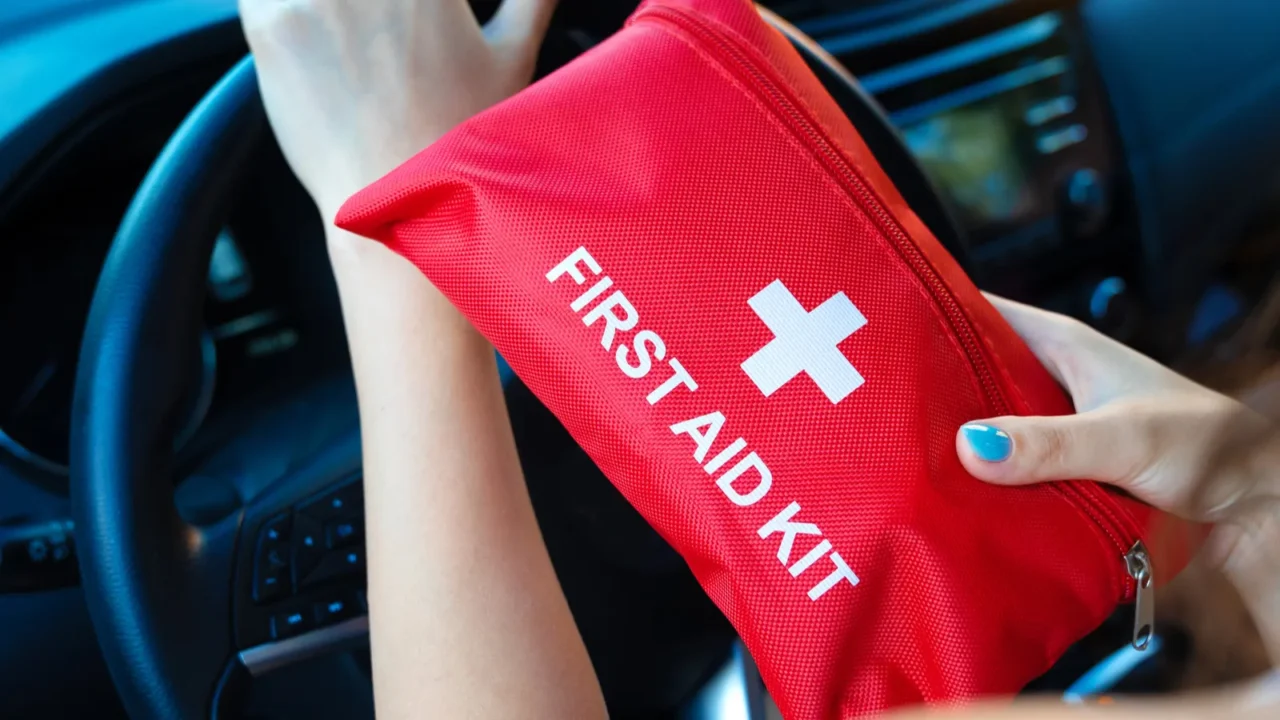
If you are a British national currently in a country under an active FCDO advisory, the guidance is clear and immediate. First, shelter in place in a secure indoor location, preferably in a building with fewer external walls and windows, away from areas near military or government facilities. Do not head to airports unless your airline has directly confirmed your specific flight is operating.
Second, register your presence at the official GOV.UK portal, so the crisis center can locate and contact you directly with evacuation guidance. Third, keep your passport and essential medications in a ready-to-go bag and download your airline’s app with push notifications enabled. These steps can help British nationals receive official updates more quickly and make practical decisions if conditions deteriorate further.

Watch this space
The FCDO has been explicit that the situation across the Middle East remains fluid and that further updates to travel advice can happen within hours, not days. Officials in London have stated that advisories are based on continuous monitoring of security intelligence, and that the potential for sudden escalation affecting transportation, border crossings, and public safety remains very real across the region.
Several UK travel companies have suspended all departures to affected Middle Eastern destinations at least through mid-March 2026, with formal reviews scheduled if official advice does not ease. Geopolitical shifts like this one rarely stop at 21 countries, and history suggests the list tends to grow before it shrinks. Under UK package travel regulations, if the FCDO issues an “advise against all travel” warning for your booked destination, you are legally entitled to a full refund regardless of cancellation policies in your original booking terms.

Stay informed, stay safe
Amid one of the most significant expansions of the FCDO’s “avoid travel” list in recent history, the single most important thing any traveler can do is stay informed in real time. The FCDO’s official travel advice pages at GOV.UK are updated continuously, and a free email alert subscription service notifies you the moment guidance changes for any country on your itinerary.
The UK has said its crisis response remains active, and ministers have confirmed they are engaging directly with airlines as they explore ways to help stranded British nationals leave the region safely. Travel options continue to depend on airspace conditions, local restrictions, and airline schedules. Travel warnings this sweeping have a way of catching people mid-booking, mid-trip, and mid-plan. The map has changed, and your safety depends on reading it clearly.
21 countries, one sweeping warning, and thousands of British nationals caught in the middle. Did your next destination just make the list?
This slideshow was made with AI assistance and human editing.
Don’t forget to follow us for more exclusive content right here on MSN.
Disclaimer: The images used are for illustrative purposes only and do not depict the actual locations mentioned.
Read More From This Brand:
