Cities growing forests upward
Travelers are starting to notice cities where tall towers are wrapped in real trees and plants that grow along balconies and terraces. These living towers feel like something out of a future world where nature and city life blend in surprising ways. This new wave of forest skyscrapers pulls travelers in with a promise of wildlife and greenery in places no one expected, so let’s get to it.
These forest towers draw attention because they rise above traditional city spaces and create peaceful green pockets high in the air. They give travelers a chance to see nature from viewpoints normally reserved for concrete and steel. They also build curiosity about how cities might look if this trend grows in the coming years.

Milan leads the movement
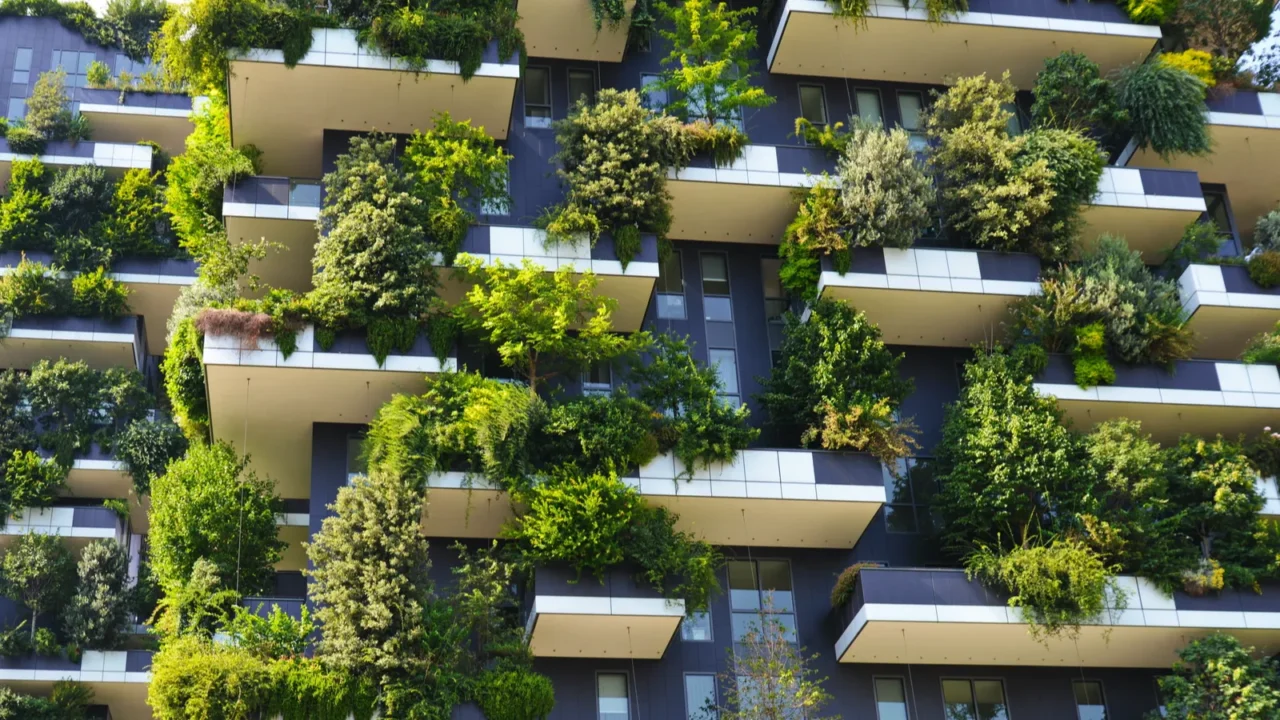
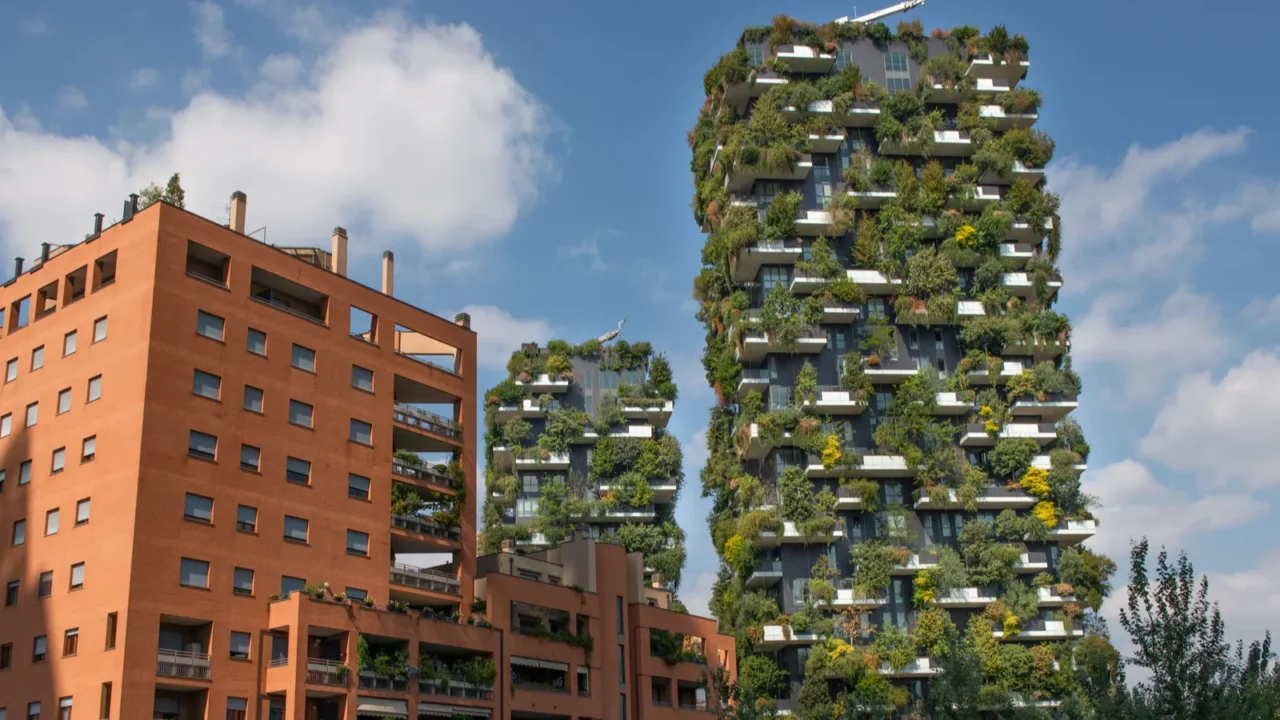
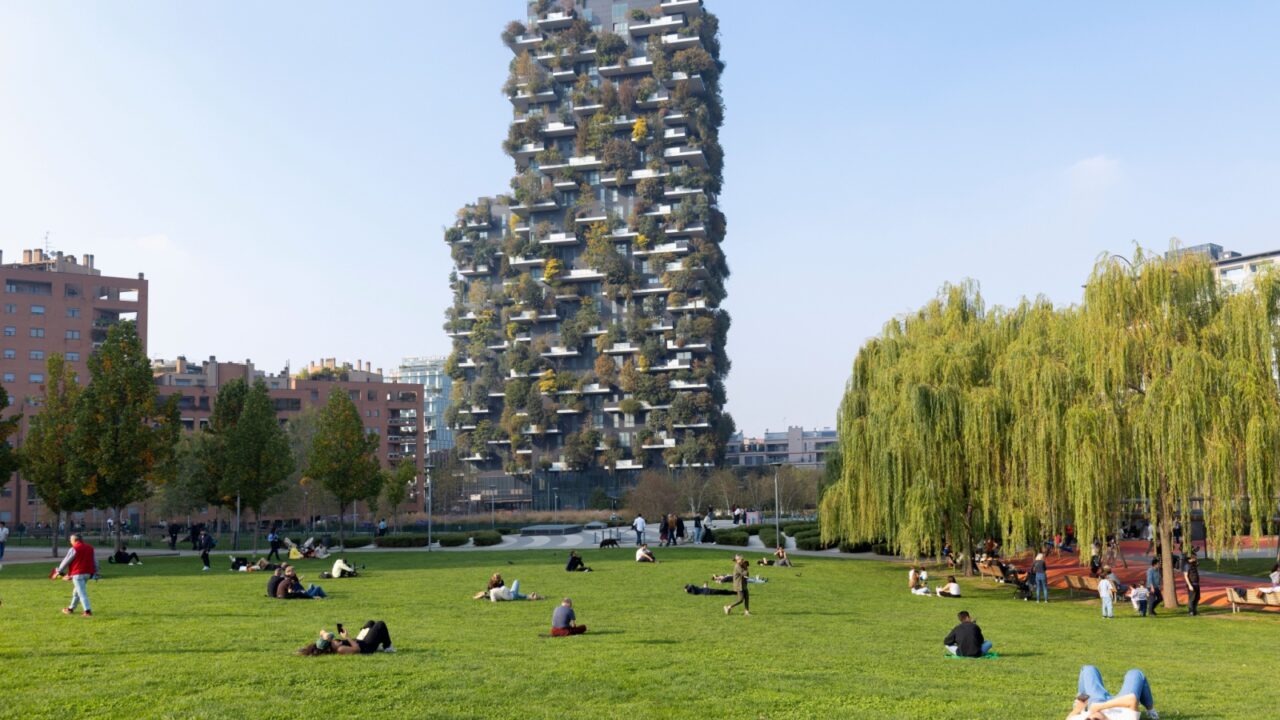
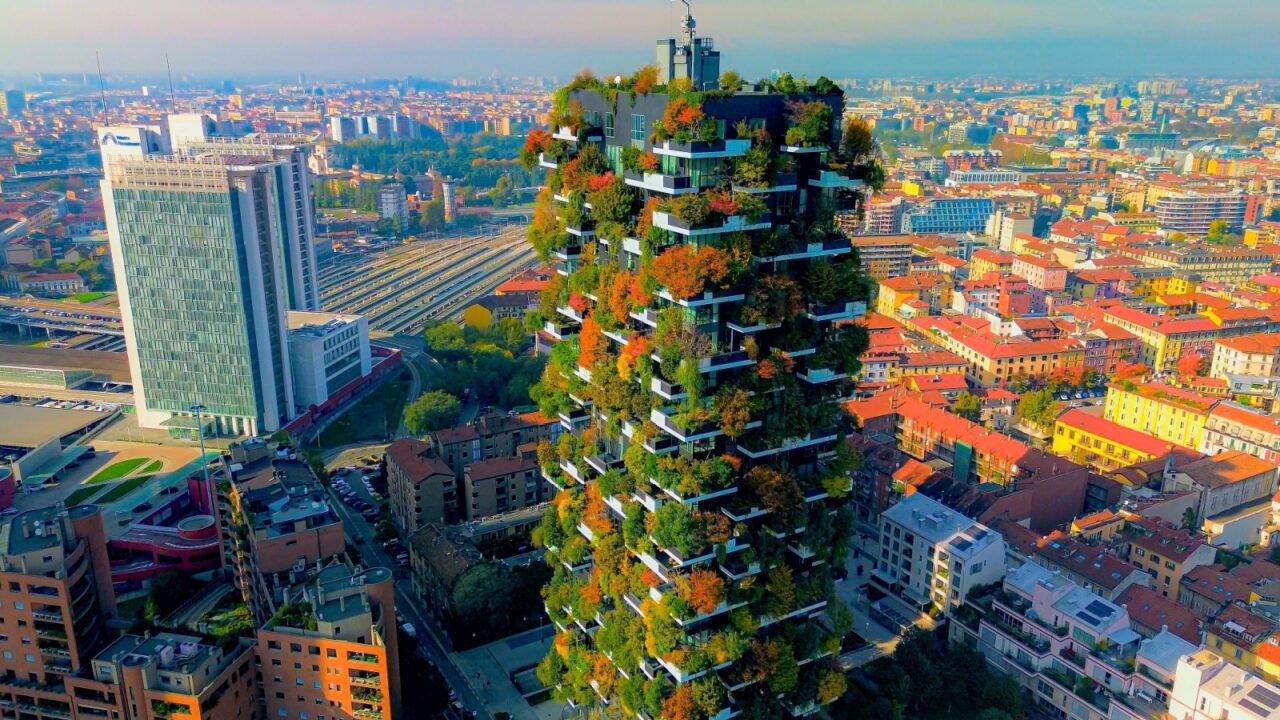
Bosco Verticale in Milan is widely recognized as the world’s first vertical forest, according to sources like The Guardian and architecture firms, as the first internationally recognized forest skyscraper. The project includes around 800 trees, 5,000 shrubs, and 11,000 floral plants spread across two towers, which create a full mini forest suspended above the ground. Many travelers come specifically to see how wildlife uses the tower as a natural refuge in a busy city.
The trees attract birds and butterflies that settle into the balconies as if they were hillsides in a real forest. The greenery filters air and softens noise for people passing nearby on foot. This makes the towers feel like a natural pause inside a very active European city.
Utrecht follows with Wonderwoods
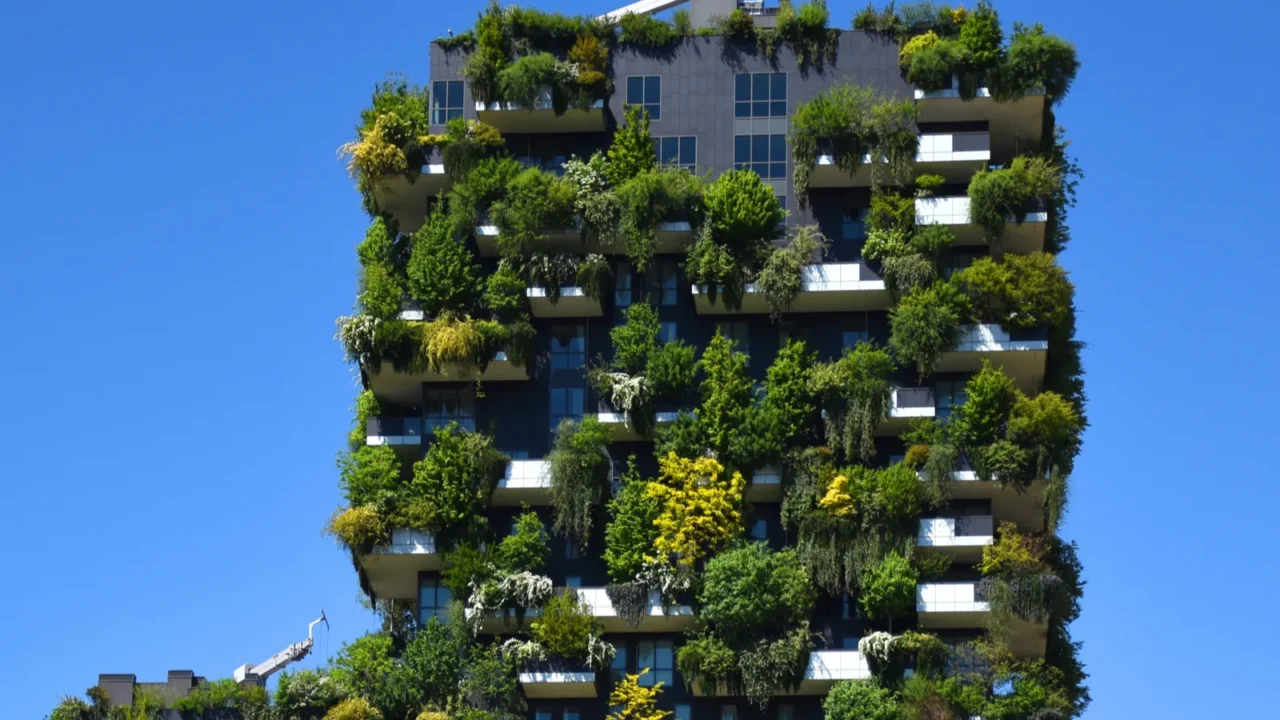
Reports from Euronews and Stefano Boeri Architetti note that the Wonderwoods towers in Utrecht contain over fifty thousand plants, along with hundreds of trees. The plant density is equivalent to about one hectare of natural forest, integrated vertically across both towers. Travelers often visit to see how the Dutch city has blended residential and public life with living plant systems.
The building mixes homes, offices, and leisure areas that are wrapped in layered plant life. This brings natural shade, filtered air, and fresh scenery to everyone inside and outside the structure. The project positions Utrecht as one of the leading cities shaping the future of green architecture.
Sydney builds a global example
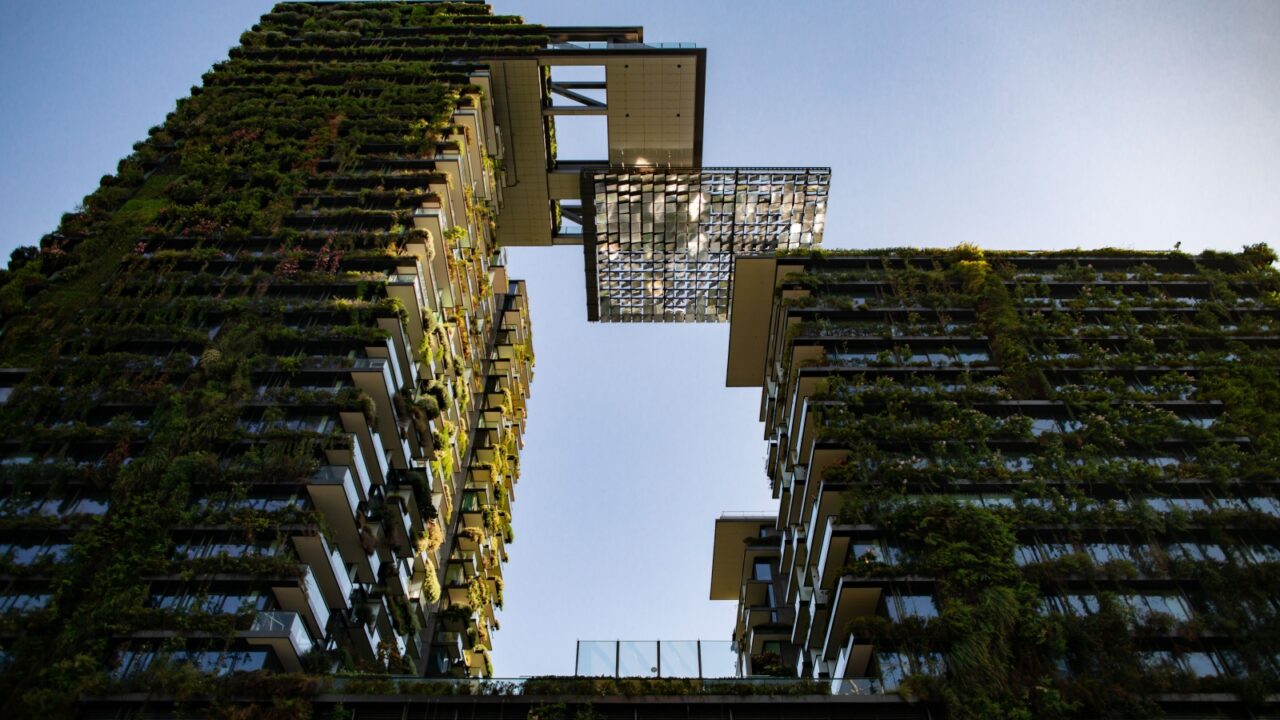
Sydney’s One Central Park is known for its tall green walls filled with hundreds of plant species. These walls climb the building and create a striking contrast between city streets and layered vegetation. Travelers from around the world stop here to see one of the earliest examples of a vertical forest outside Europe.
Its greenery helps cool the building and improves the surrounding air as people walk through the district. The project has turned the area into a popular stop for travelers who want to see how Australia incorporates modern sustainability ideas into real city life. The design also shows how vertical forests can adapt to warmer climates.
Why these towers matter
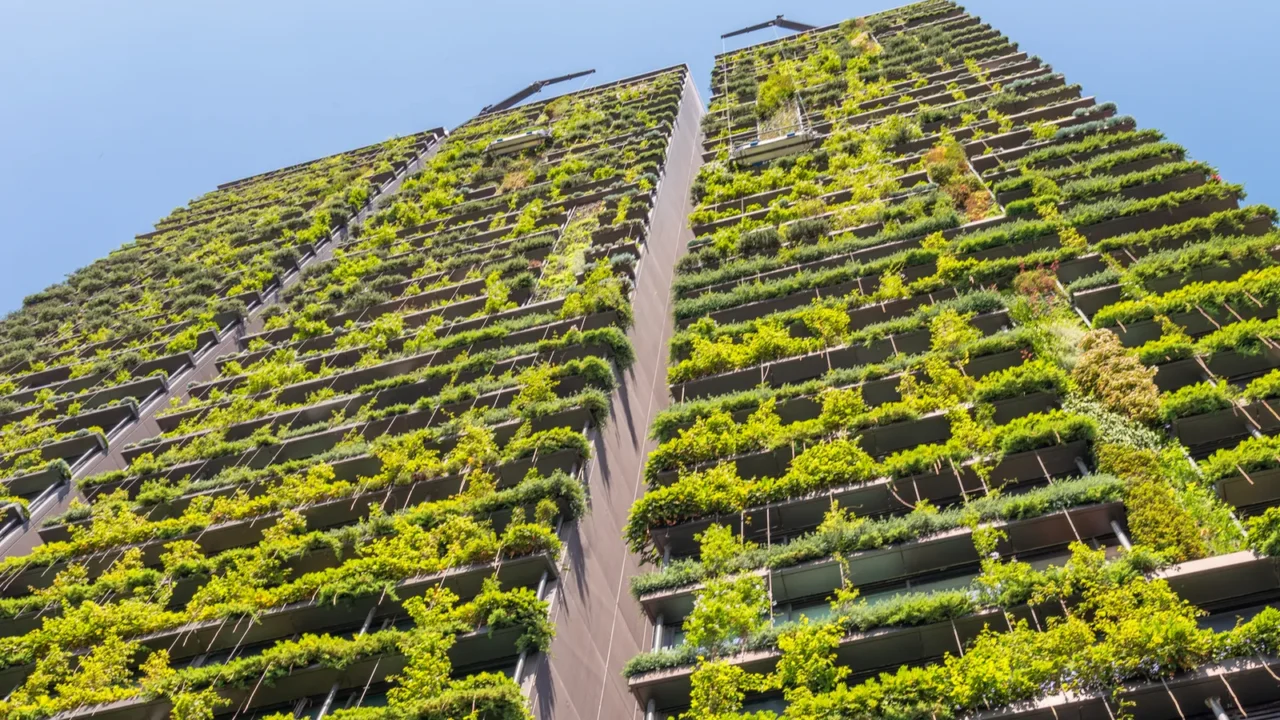
Architectural sources explain that forest skyscrapers capture carbon and release oxygen as the plants grow. The greenery also traps dust particles and improves air quality for people living and moving around the neighborhood. These natural benefits appeal to travelers who are curious about real solutions instead of imagined ones.
The towers also cool nearby streets by shading walls and filtering heat through foliage. As temperatures rise worldwide, this cooling effect becomes one of the strongest arguments for planting forests upward. Many experts believe this could shape how cities respond to future climate challenges.
Nature added to daily living
These green skyscrapers are not just for show; many combine residential, commercial, and public spaces so people can live, work, and relax surrounded by nature. Wonderwoods, for example, includes apartments, offices, shops, cafes, and leisure facilities under its green exterior.
That means visitors and residents get more than just a view of greenery; they get a full urban lifestyle with easy access to nature, right inside the city.
Global recognition continues to grow
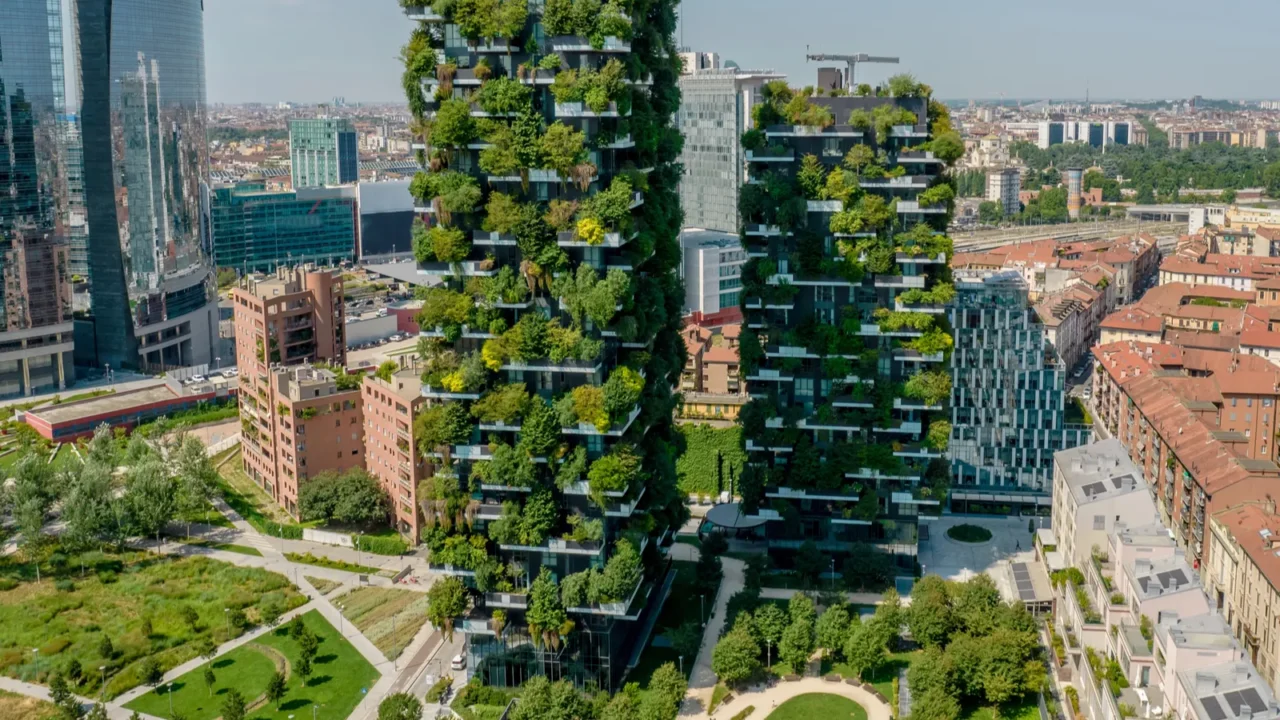
Vertical forests now win awards for innovation and environmental impact. Wonderwoods recently received international recognition for its mixed-use design that prioritizes sustainability. These awards help travelers see which cities lead the way in modern ecological planning.
Recognition also encourages more cities to think about their own future skylines. When major projects receive global attention, it becomes easier for architects and investors to support similar ideas elsewhere. This helps the movement grow beyond a handful of countries.
Wildlife finds new homes
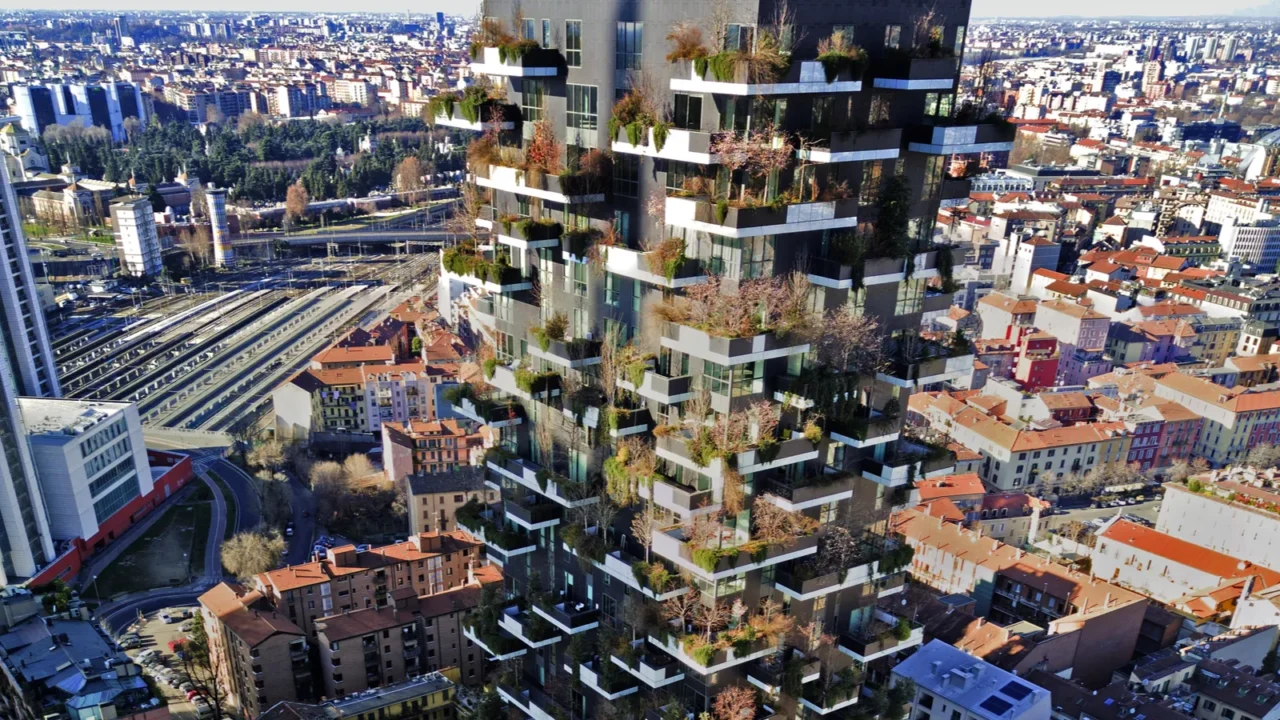
Stefano Boeri Architetti reports that hundreds of birds, insects, and butterflies use forest towers as shelter and breeding areas. These buildings give wildlife places to rest and feed, even when ground-level habitats are limited. For travelers, this becomes a rare chance to see biodiversity returning to highly developed cities.
Plants on the towers change with the seasons and provide natural food sources throughout the year. This creates a continuous cycle of wildlife movement up and down the building. The result feels like a forest canopy suspended above streets and sidewalks.
A calming shift in busy cities
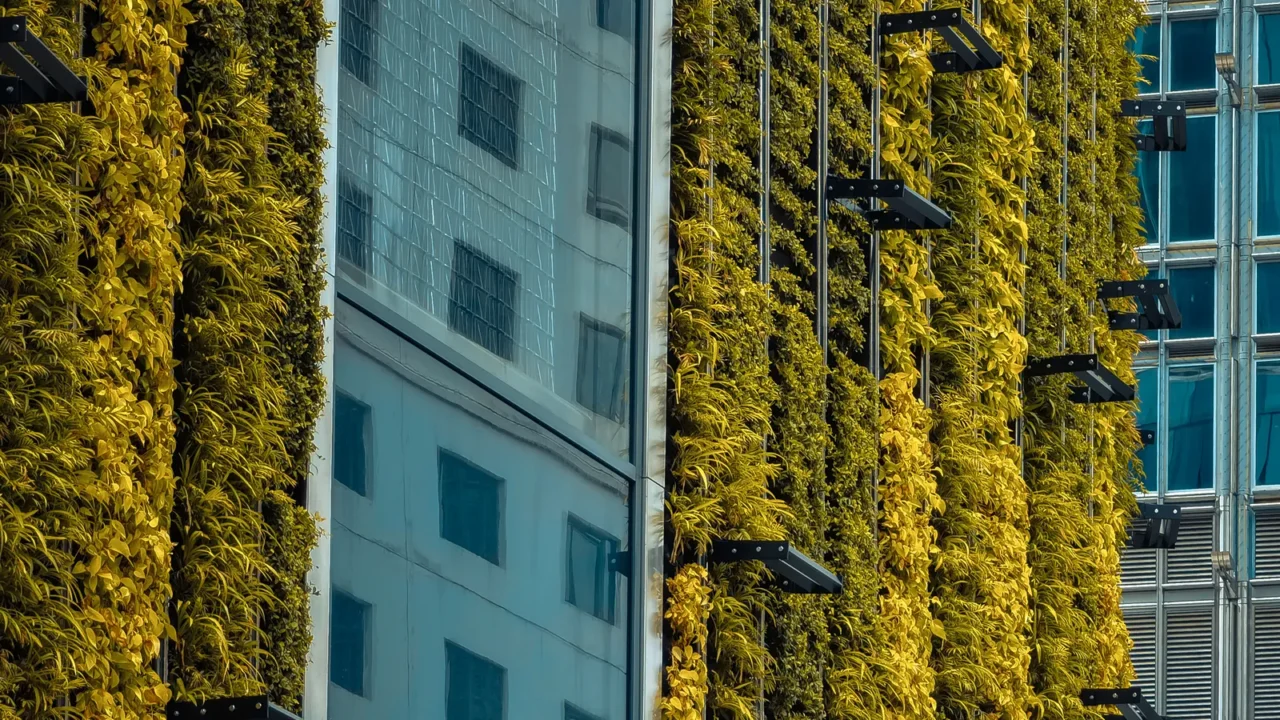
Greenery reduces stress for residents and travelers. Forest skyscrapers offer peaceful scenes of branches, leaves, and natural colors that are missing from traditional urban structures. People often describe the towers as visually calming, even from a distance.
The filtered air and softened noise create a more comfortable walking experience around the buildings. Travelers appreciate the way greenery changes the mood of a neighborhood without removing the energy of city life. It gives them a new way to experience urban environments.
A growing tourist attraction
Travel and architecture publications note that Milan, Utrecht, and Sydney attract thousands of visitors who want to see vertical forests in person. Social media often drives this interest because the towers look impressive in photos taken from the street. This visual impact makes the destinations feel fresh and different compared to other city attractions.
Travelers enjoy exploring the areas around these buildings to see how the greenery shifts with elevation. Many come curious about whether this design could spread to more countries in the future. These visits help popularize the idea of greener cities worldwide.
The challenges behind the beauty
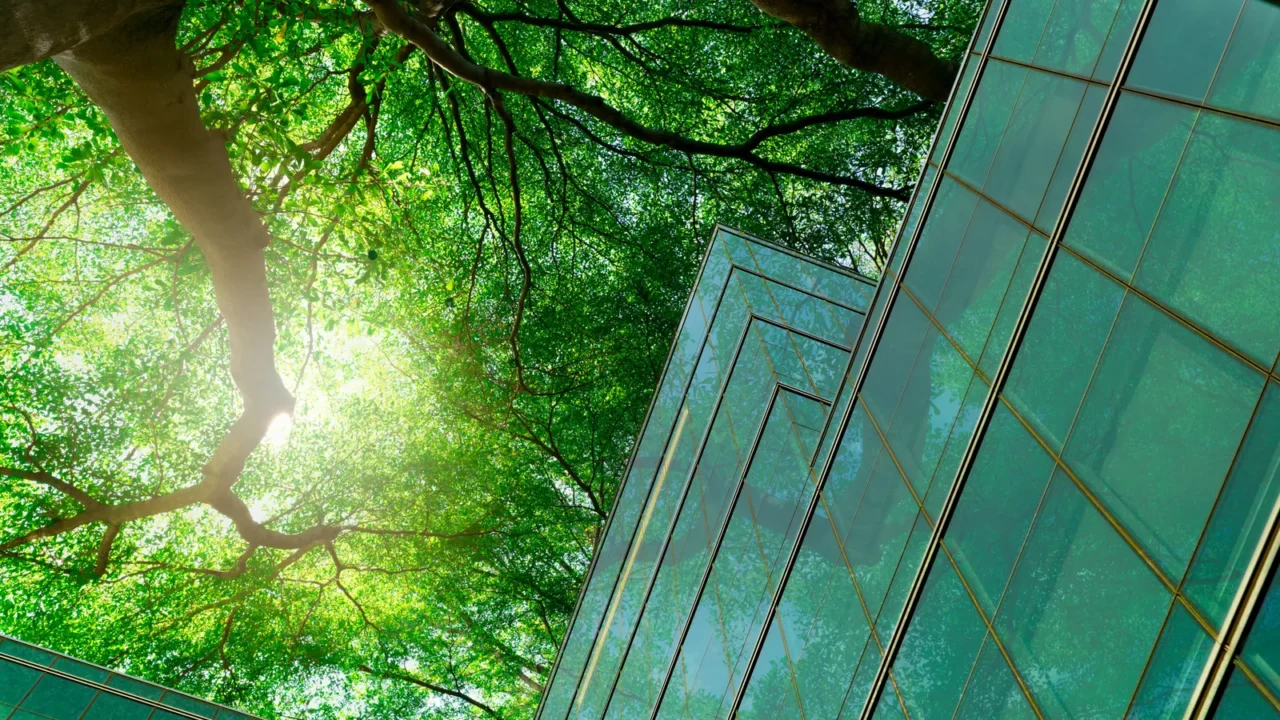
Environmental design sources explain that maintaining these towers requires expert care teams who manage irrigation systems and plant health. The weight of soil and greenery also demands specialized engineering that can raise construction costs. Travelers who learn about this often gain a deeper respect for the amount of work behind each tower.
Some cities may struggle to adopt the model due to funding limits or climate conditions. This keeps forest skyscrapers concentrated in countries with strong architectural budgets. The concept is promising but not yet easy to replicate everywhere.
A blueprint for future cities
Urban planning discussions in major publications suggest that forest towers could guide cities toward greener development. These buildings show how nature can coexist with dense populations without taking up more land. Travelers see this as a preview of how future cities might balance comfort with environmental responsibility, much like the way nature and adventure await in Central America’s remote national parks, where untouched landscapes demonstrate the power of preserving green spaces.
As more cities experiment with similar designs, the idea could reshape skylines across the world. It creates a path toward cleaner air, more biodiversity, and quieter streets, even in crowded regions. This makes the concept appealing to both locals and visiting explorers.
Are these towers worth the trip
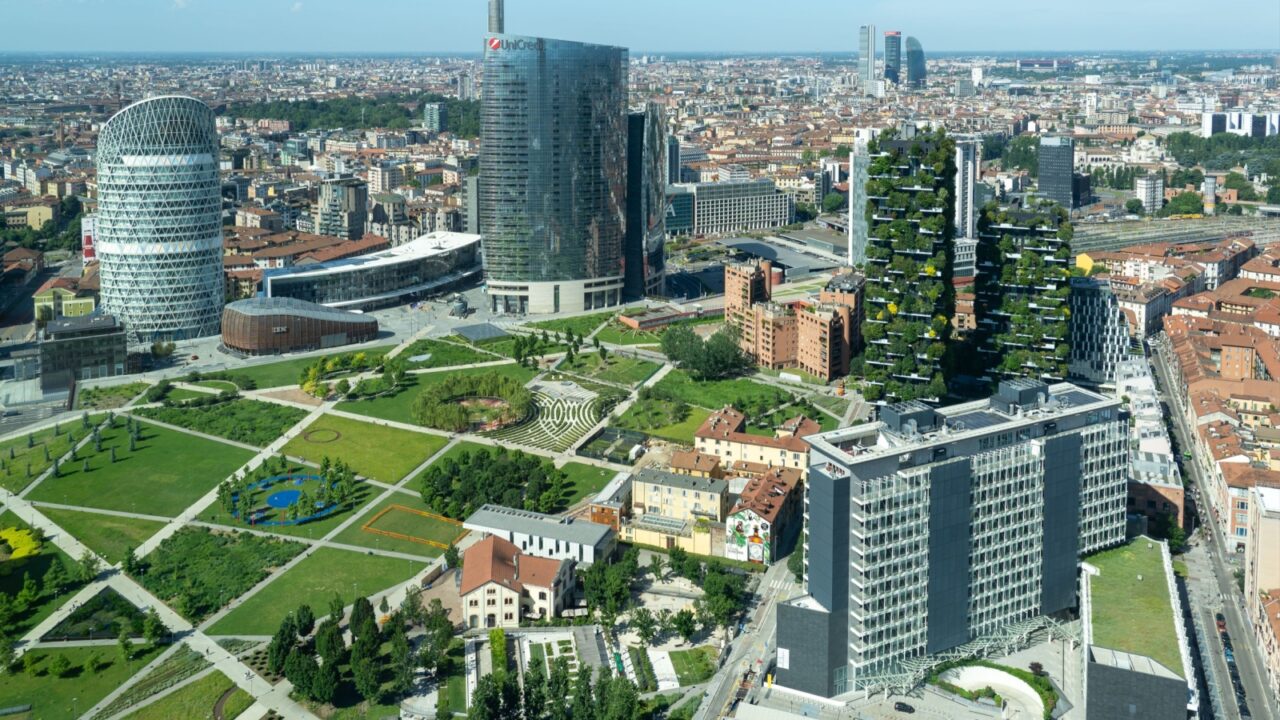
Forest skyscrapers offer travelers the chance to experience cities that prioritize nature at the center, rather than at the edges. They offer a glimpse into a future where urban spaces feel alive with branches, leaves, and wildlife, even many floors above the ground. These towers may become essential stops for travelers who love sustainable design.
What do you think? Do any of these green cities sound like places worth exploring on your next trip? Share which forest skyline captures your imagination the most.
This slideshow was made with AI assistance and human editing.
Disclaimer: The images used are for illustrative purposes only and do not depict the actual locations mentioned.
Don’t forget to follow us for more exclusive content right here on MSN.
Read More From This Brand:
