
When forests whisper
Forests create distinctive soundscapes shaped by wind, trees, wildlife, and terrain. These natural acoustics influence how visitors perceive space and memory, often leaving impressions stronger than visuals alone. Sound becomes part of the landscape itself.
Around the world, certain forests are known for echoes, hums, and tonal shifts that feel deliberate rather than accidental. These places invite travelers to listen closely, transforming travel into a deeply sensory and emotional experience.
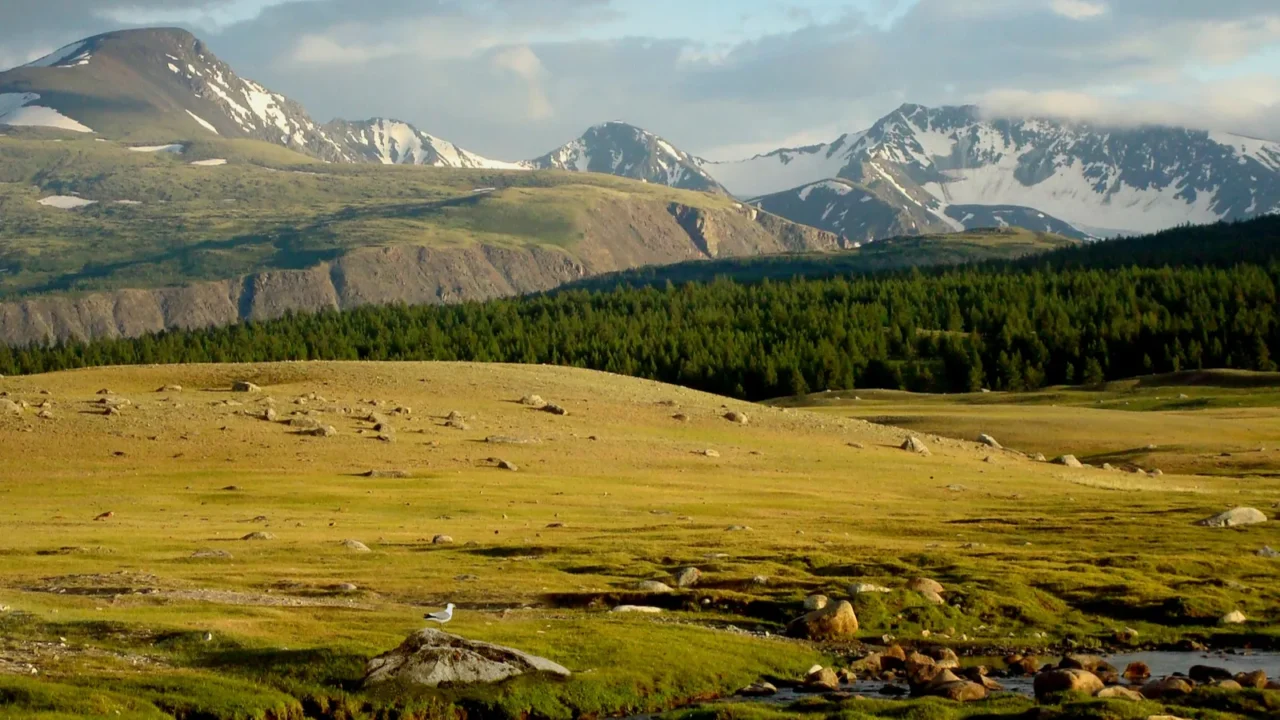
Altai Pine Forest, Mongolia
Northern Mongolia’s Altai pine forests funnel wind through mountain corridors and uneven trunks, producing deep, resonant hums. The sound rises and falls naturally, often compared to slow breathing during early morning or evening hours.
Travelers instinctively pause when the tones emerge. The rhythm feels ancient and grounding, blending vast landscapes with quiet reflection shaped entirely by the movement of air and trees.
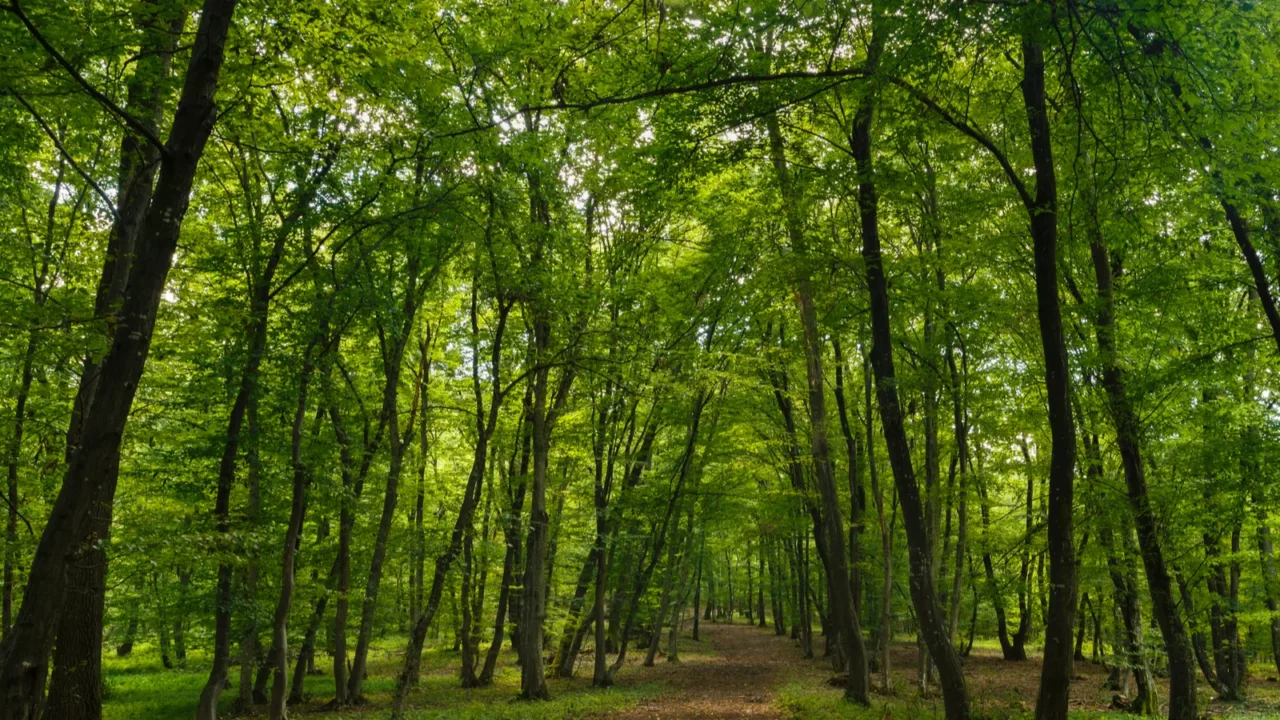
Hoia Baciu Forest, Romania
Near Cluj-Napoca, Hoia Baciu Forest is known for distorted echoes and unusual acoustic shifts. Voices carry oddly, footsteps feel misplaced, and silence holds unexpected weight due to terrain and dense tree growth.
Visitors often feel disoriented by sound alone. Familiar noises seem delayed or altered, making the forest feel psychologically charged and deeply immersive for those moving slowly through it.

Crooked Forest, Poland
Poland’s Crooked Forest features curved pine trunks that redirect wind and sound in unexpected ways. Unlike straight forests, whispers and light footsteps travel farther, bending with the unusual shapes of the trees.
The layout creates an intimate listening experience. Sound feels guided rather than scattered, encouraging slow movement and awareness of how structure quietly reshapes the surrounding atmosphere.
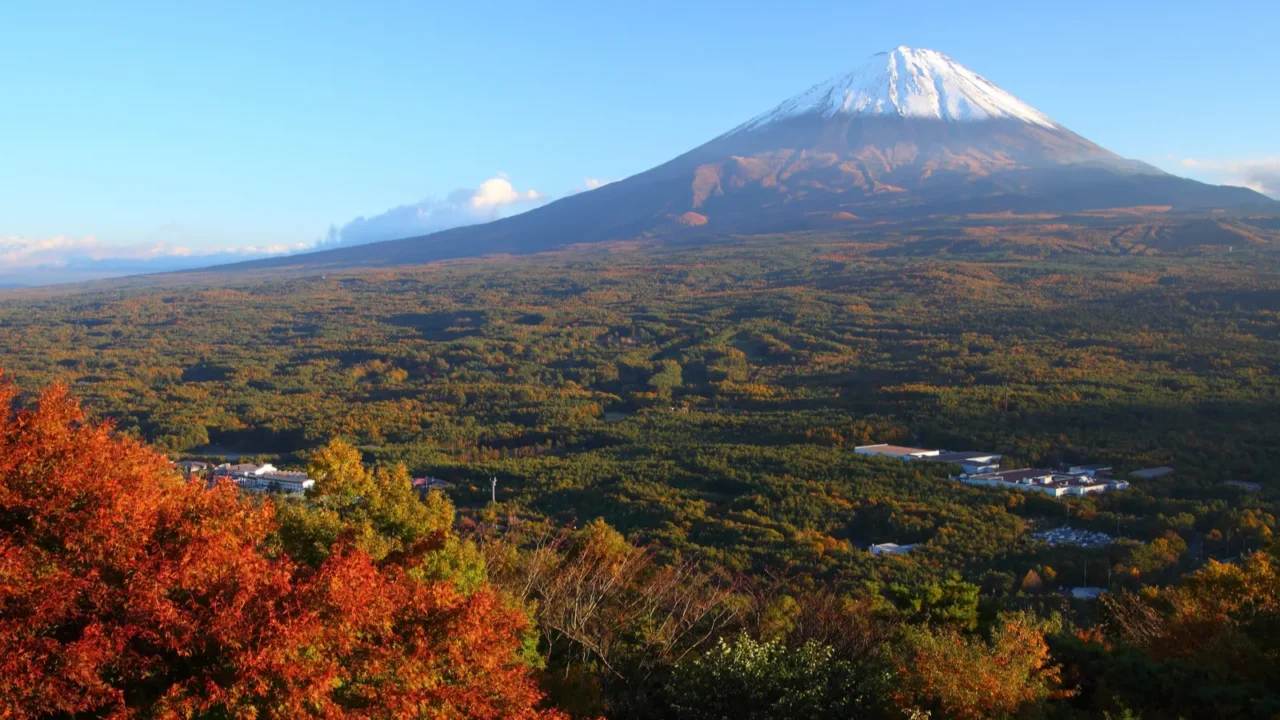
Aokigahara Forest, Japan
At the base of Mount Fuji, Aokigahara Forest absorbs sound instead of reflecting it. Porous lava rock beneath the soil dampens footsteps and voices, creating an uncanny stillness beneath the dense canopy.
This quiet intensity disconnects visitors from the outside world within minutes. The lack of echo sharpens awareness, showing how silence can feel as powerful and memorable as sound itself.
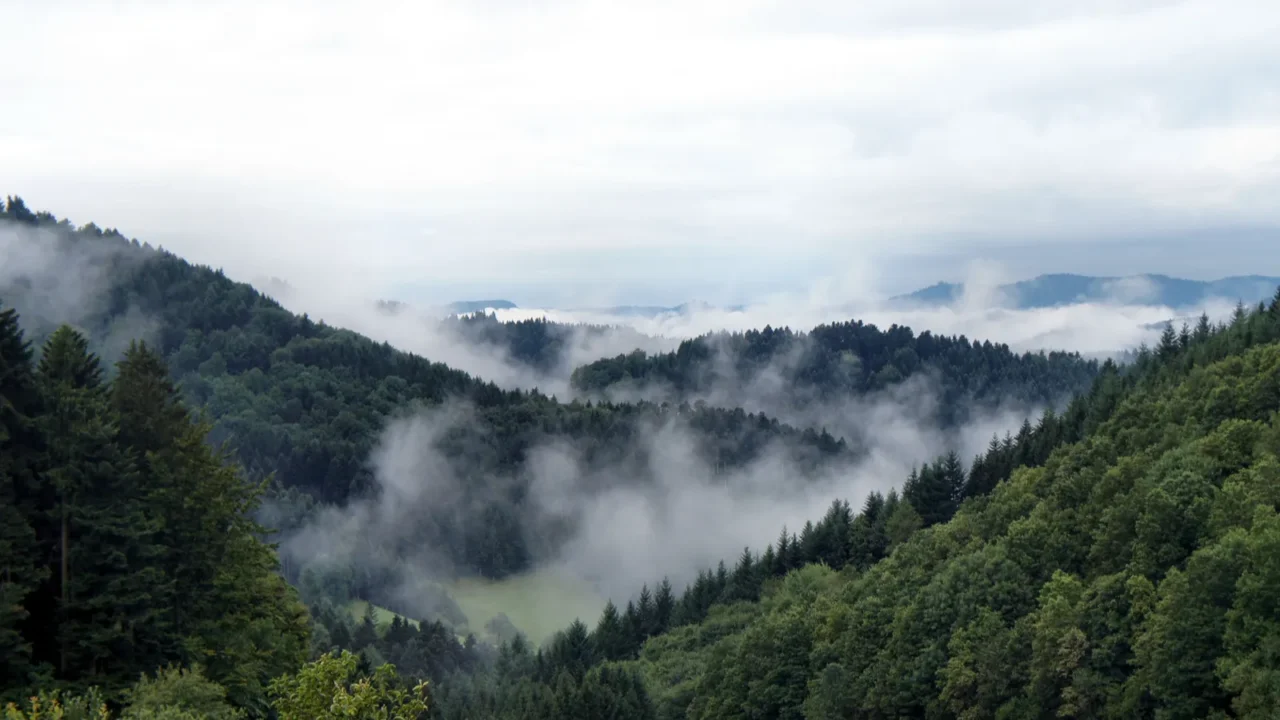
Black Forest, Germany
Germany’s Black Forest produces layered acoustics formed by rolling hills, dense evergreens, streams, and distant village bells. Sounds overlap without blending completely, shifting subtly as elevation and terrain change.
Visitors experience a constantly evolving audio environment. Each path alters what is heard, extending the region’s beauty beyond sight and turning sound into an essential part of exploration.

California Redwood Forest
Northern California’s redwood forests create cathedral-like acoustics through towering trunks and vast vertical space. Low-frequency sounds resonate while higher tones fade, softening footsteps and deepening voices.
Many visitors naturally lower their volume. The forest inspires reverence through sound alone, transforming simple walks into profound moments marked by scale, age, and presence.
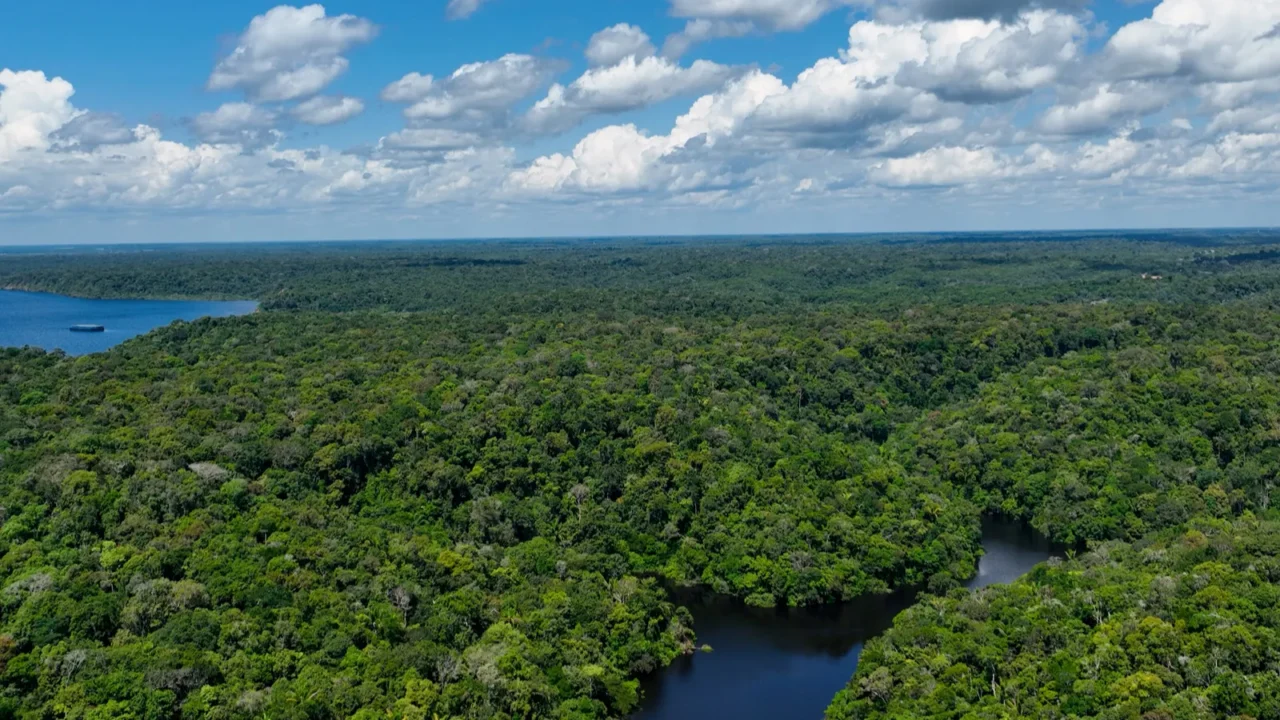
Amazon Varzea Forest, Brazil
Seasonally flooded forests along the Amazon change acoustics as water levels rise and fall. Sound travels faster across water, reshaping how insects, birds, and mammals are heard.
During high-water months, noises seem closer and more layered. The forest becomes an evolving sound map, tied directly to river rhythms and shifting environmental conditions.

Daintree Rainforest, Australia
The Daintree Rainforest carries one of the oldest soundscapes on Earth. Dense foliage and moisture soften echoes while amplifying birdcalls, insects, and distant movement.
Sounds seem to surround rather than project. The forest envelops visitors in a continuous audio presence, creating an immersive experience that feels timeless and deeply rooted.
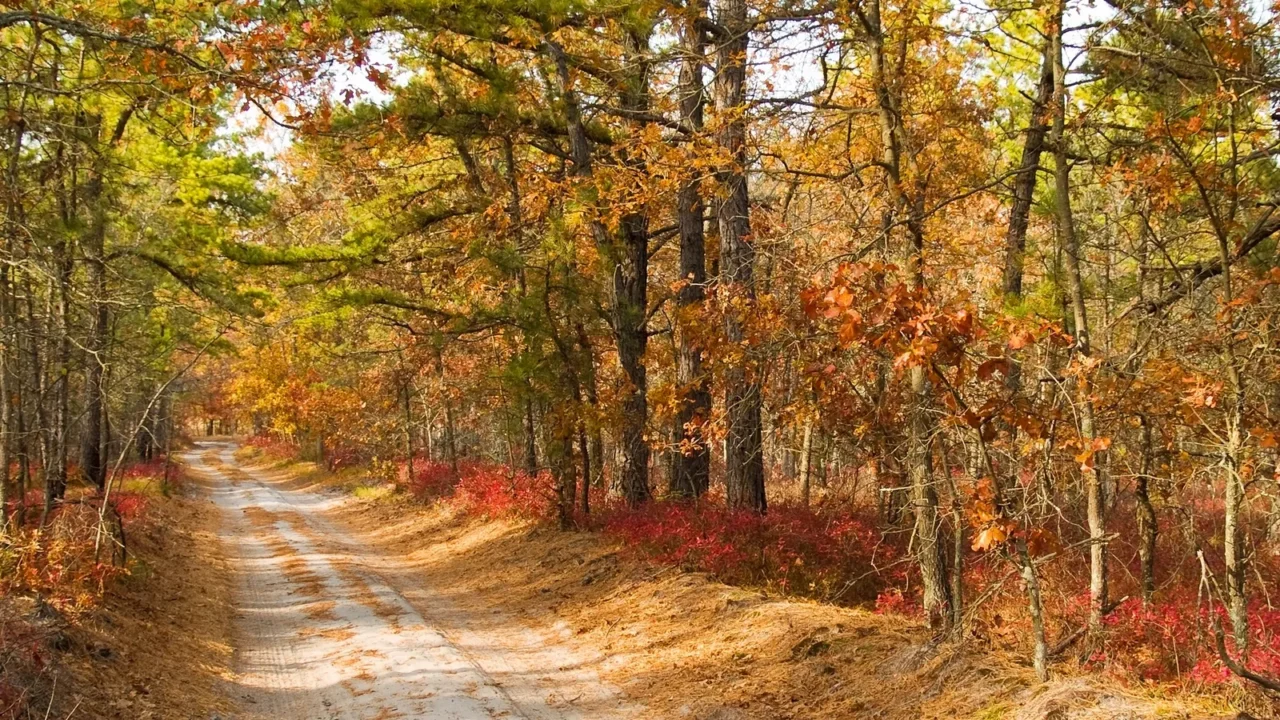
Pine Barrens, New Jersey
New Jersey’s Pine Barrens reshape sound through sandy soil and sparse undergrowth. Footsteps may feel distant, while voices suddenly carry farther than expected across open stretches.
This unpredictability heightens awareness. Familiar noises behave differently, prompting visitors to notice terrain details and subtle environmental shifts during otherwise quiet walks.
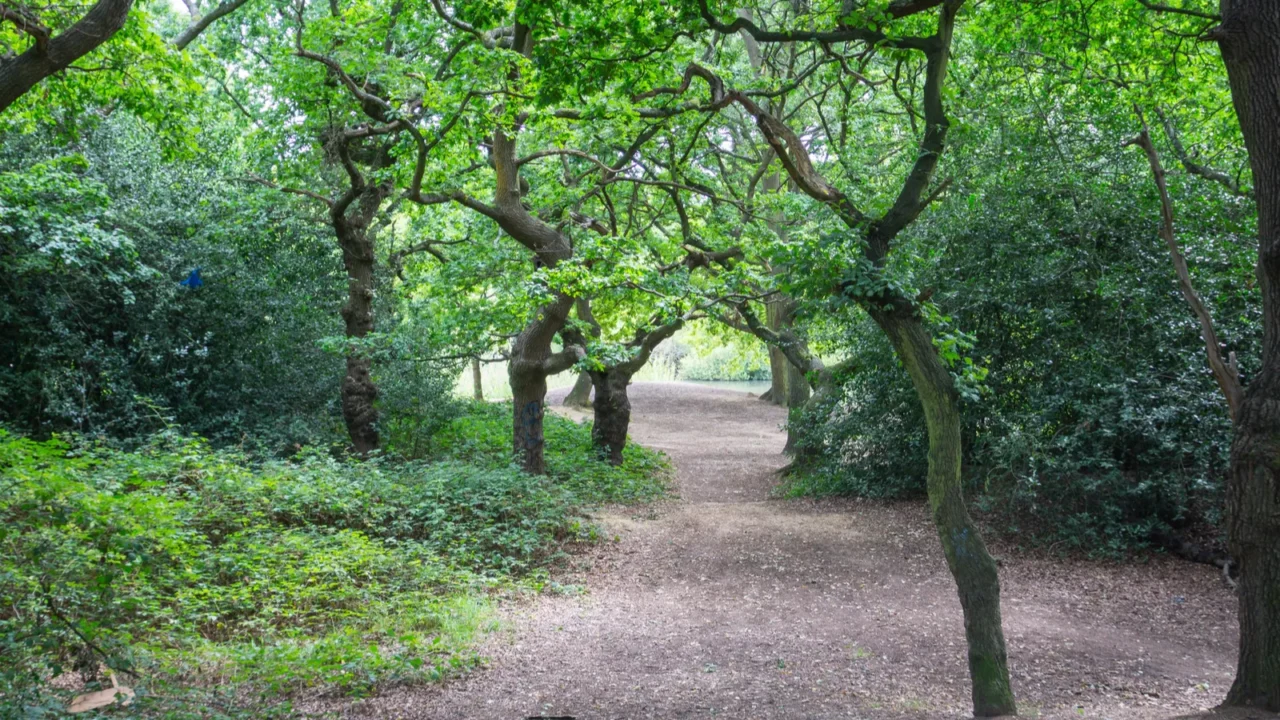
Epping Forest, England
At London’s edge, Epping Forest surprises visitors with clear echoes formed by ancient oaks and open glades. Sounds travel unevenly, sometimes returning sharply across wide spaces.
The contrast between nearby city noise and woodland acoustics feels striking. The forest recalls a time when sound-guided movement and connection, even as modern life presses closer.
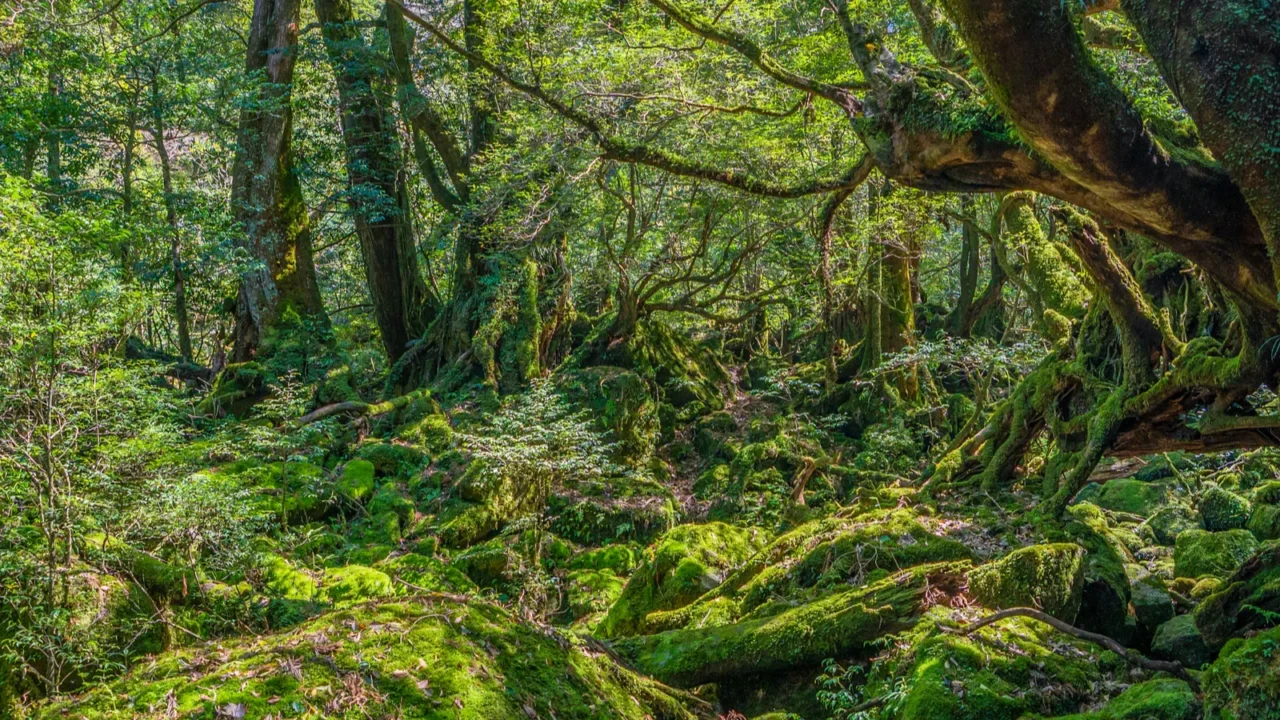
Yakushima Forest, Japan
Yakushima’s moss-covered forests soften sound while enhancing rainfall, dripping water, and wind through leaves. Ancient cedar trunks reflect gentle tones without sharp echoes.
The environment encourages slow listening. Each sound feels intentional and intimate, creating a meditative experience shaped by rhythm, moisture, and centuries of growth. This kind of forest retreat invites travelers to slow their pace, stay present, and let nature set the rhythm rather than the itinerary.
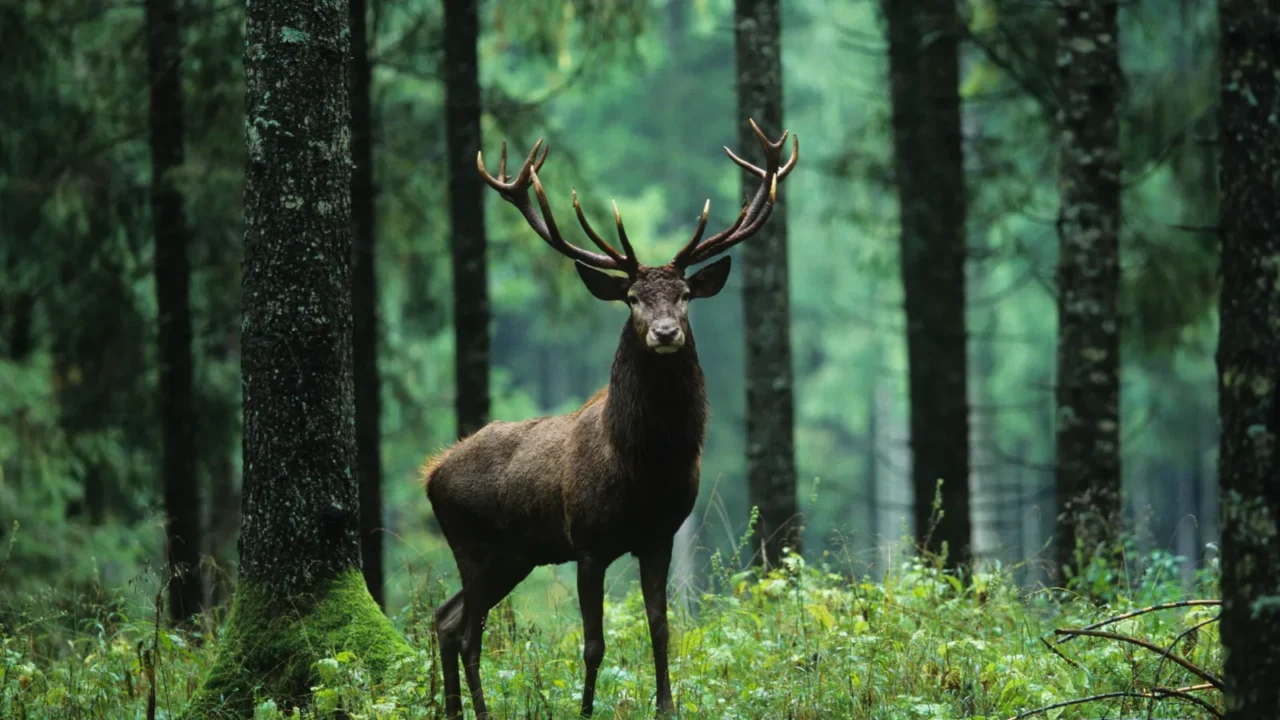
Forests known for sound
These forests show that sound shapes journeys as powerfully as scenery. Acoustic qualities influence emotion, memory, and pace, forming deeper connections through listening rather than observation alone.
For travelers seeking meaning beyond landmarks, these soundscapes offer rare moments of presence. They remind us that nature still communicates quietly, rewarding those willing to slow down and listen. Places like this feel less discovered than remembered, as if they’re remnants of an older world—one where forests shaped stories long before humans ever told them.
Which forest sound would stop you in your tracks, the kind that makes you pause and listen instead of moving on? Let us know which place you would want to experience first.
This slideshow was made with AI assistance and human editing.
Don’t forget to follow us for more exclusive content right here on MSN.
Read More From This Brand:
