
Howard Schultz relocation draws attention
Former Starbucks chief executive Howard Schultz drew attention after moving to Miami, with some coverage noting that his departure came amid broader debate over Washington state tax policy. The Seattle-based company remains one of the most recognizable global coffee brands. Discussions about high-earner taxes have intensified as prominent business figures evaluate financial impacts.
The development has sparked broader conversations about how tax changes influence where professionals choose to live. Seattle and nearby cities remain central to these debates. Travelers visiting the region often encounter discussions about business, policy, and economic shifts.

Starbucks roots in Seattle
Starbucks was founded in Seattle and has long been associated with the city’s business identity. The company grew from a local coffee shop into a global brand with thousands of locations worldwide. Seattle remains a major hub for its corporate operations and innovation efforts.
The company’s presence contributes to Seattle’s reputation as a leading business and technology center. Visitors often explore original Starbucks locations and coffee culture across the city. Business travelers frequently include these landmarks in their itineraries.

Tax policy draws attention
Washington state’s capital gains tax has become a focal point for high-income professionals and investors. The policy applies to certain asset sales and is administered by the state’s Department of Revenue. Officials say capital gains tax revenue helps fund education-related priorities, including K-12 school construction and other state budget needs. The tax is administered by the Washington State Department of Revenue.
Debates surrounding the policy have attracted national attention from business leaders and policymakers. Professionals in industries such as technology and finance are closely monitoring developments. Travelers visiting Seattle often hear about these discussions in business districts and media coverage.
Professionals consider relocation options
High-earning professionals sometimes evaluate relocation options based on tax structures and cost of living. Financial planning decisions often include comparisons between states with different tax policies. These factors can influence long-term residency choices.
Cities like Seattle, Bellevue, and Redmond remain competitive despite policy changes. Nearby regions such as Texas and Florida offer alternative tax environments. Business travelers frequently visit multiple cities while assessing opportunities and lifestyle differences.

Business climate shapes decisions
Companies consider tax policies when planning expansion, hiring, and investment strategies. Business leaders say stable and predictable policies support long-term growth. Changes in tax rules can influence corporate decisions about location and workforce distribution.
The Seattle metropolitan area continues to attract major employers in the technology and retail sectors. Firms maintain strong operations while evaluating policy impacts. Travelers visiting corporate campuses often observe the region’s dynamic business environment.

Migration trends reflect policies
State-level tax policies have historically influenced migration patterns across the United States. Analysts often examine how financial incentives and living costs shape population movement. These patterns can affect local economies and housing markets.
Fact: The Tax Foundation reports that interstate migration trends often reflect differences in tax burdens and economic opportunities across states. This relationship has been observed over multiple decades of economic data analysis.

Travel links to relocation
Relocation decisions often involve travel as professionals explore new cities before moving. Business trips, conferences, and networking events provide opportunities to evaluate potential destinations. These visits help individuals understand job markets and living conditions.
Fact: The United States Census Bureau reports that millions of Americans move between states each year, highlighting the scale of internal migration.

Seattle remains major hub
Seattle continues to attract professionals due to its strong economy and global business presence. The city offers career opportunities, cultural attractions, and access to natural landscapes. These factors maintain its appeal despite ongoing policy discussions.
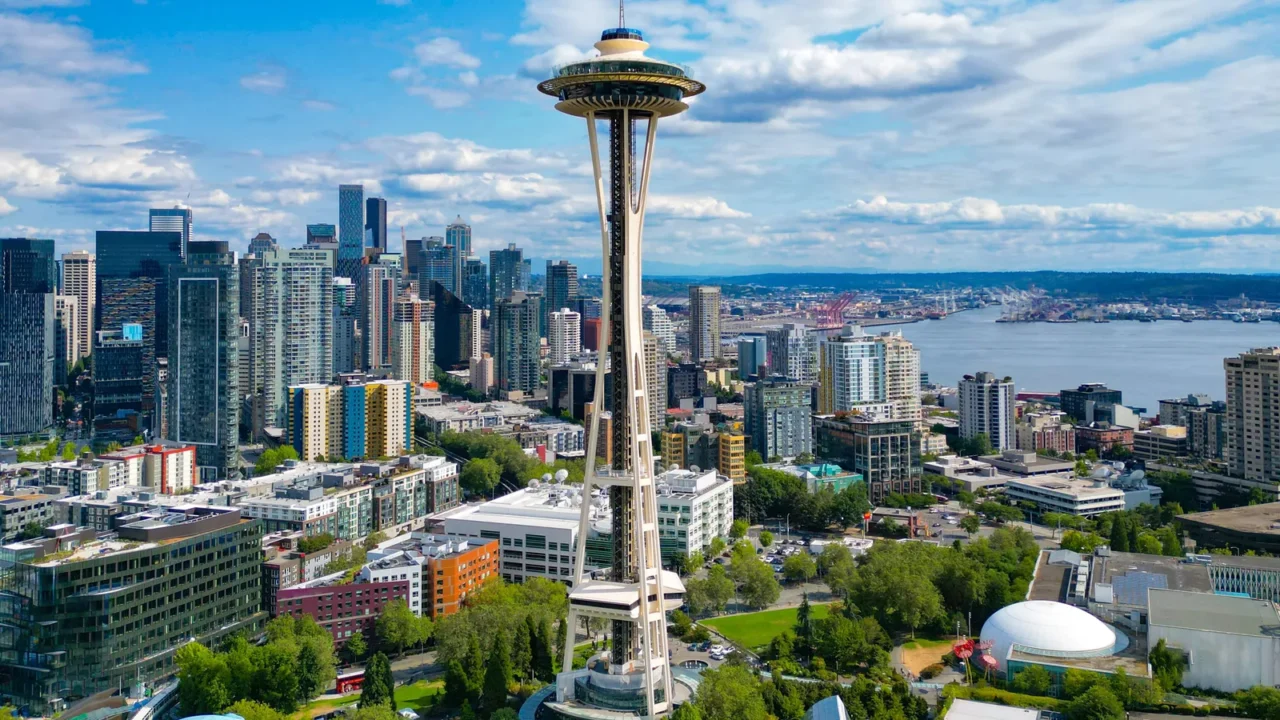
Landmarks such as the Space Needle and Pike Place Market draw millions of visitors annually. Tourism remains an important part of the local economy. Travelers often experience both the business environment and cultural attractions during visits.
Neighboring cities gain interest
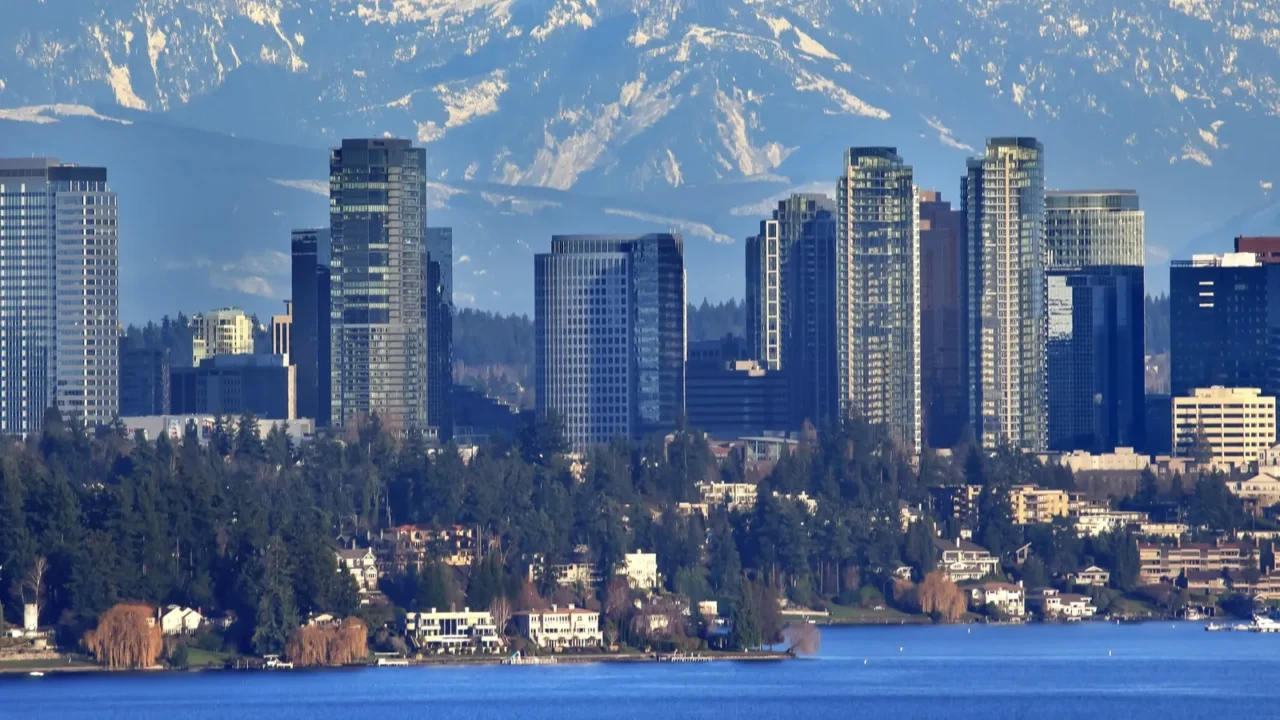
Nearby cities such as Bellevue and Redmond play important roles in the regional economy. These locations host major technology companies and growing business districts. Professionals sometimes consider these areas when evaluating relocation options.
The broader Pacific Northwest offers a range of lifestyle and economic opportunities. Cities provide access to both urban amenities and natural scenery. Travelers exploring the region often visit multiple cities during business or leisure trips.

Housing markets respond dynamically
Housing markets in Washington reflect changing demand driven by economic and policy factors. High demand in Seattle and the surrounding areas has contributed to rising property values. Analysts say migration trends influence housing availability and pricing.
Professionals evaluating relocation often consider housing costs alongside tax policies. Nearby regions may offer different affordability levels and living conditions. Visitors staying in extended accommodations may notice these differences across neighborhoods.
Tourism meets business travel
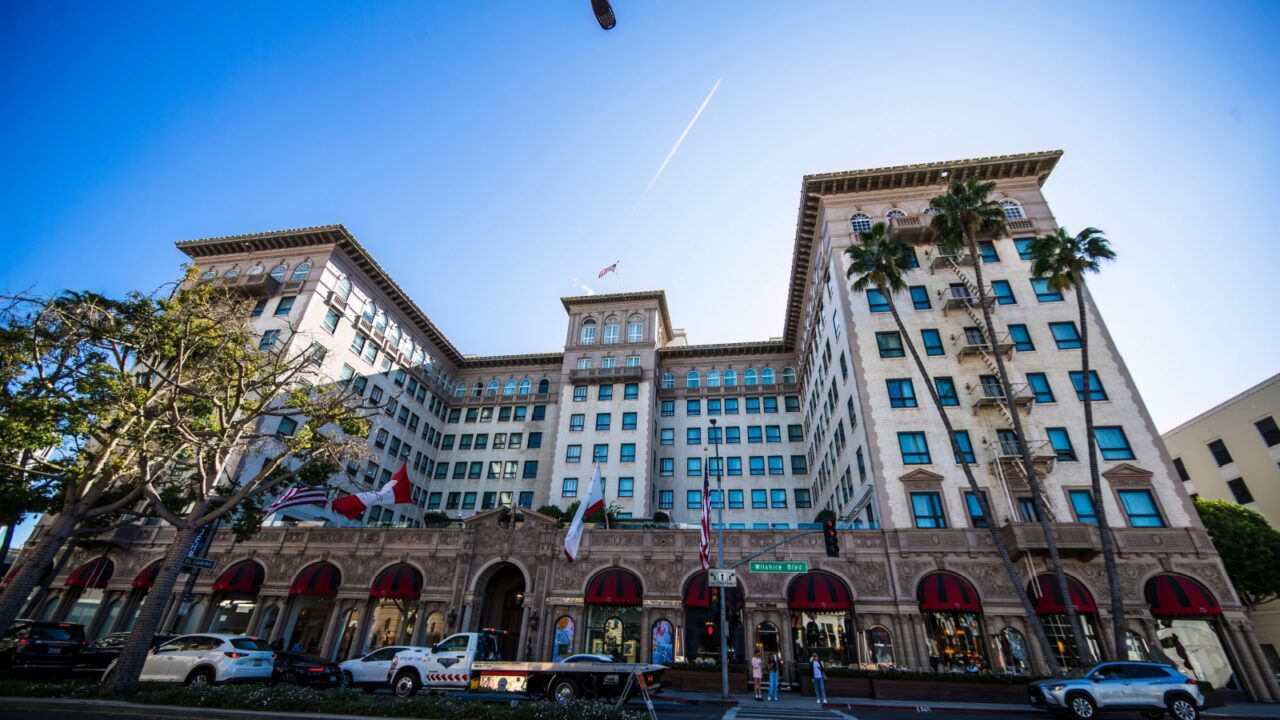
Business travel often overlaps with tourism in regions experiencing economic change. Conferences and corporate meetings bring professionals to cities like Seattle and Bellevue. These visits contribute to local hospitality industries.
Hotels, restaurants, and transportation services benefit from increased business travel activity. Visitors attending events may also explore cultural attractions and dining options. This blend of work and leisure travel remains a key part of the regional economy.

Policy debates continue evolving
Debates over tax policy in Washington continue among lawmakers, business leaders, and residents. Discussions often focus on balancing revenue generation with economic competitiveness. These conversations shape the direction of state fiscal strategies.
Public attention remains high as legal and political developments unfold. Observers across the country monitor how policies may influence economic behavior, alongside travel trends such as why Washington state’s tree-covered high-rises are attracting global nature travelers. Travelers visiting the region often encounter these discussions in the media and public forums.

Economic shifts influence travel
Economic changes in Washington continue to shape relocation patterns and business decisions. These shifts also affect travel trends as professionals explore opportunities in different regions. The connection between policy and mobility remains an important theme.
Cities like Seattle, Bellevue, and Portland highlight how economic dynamics influence both work and travel experiences. Visitors often gain insight into these trends while exploring the Pacific Northwest.
Which city feels most appealing for professionals and travelers right now? Share thoughts below.
This slideshow was made with AI assistance and human editing.
Don’t forget to follow us for more exclusive content right here on MSN.
Read More From This Brand:
