War reshapes the World
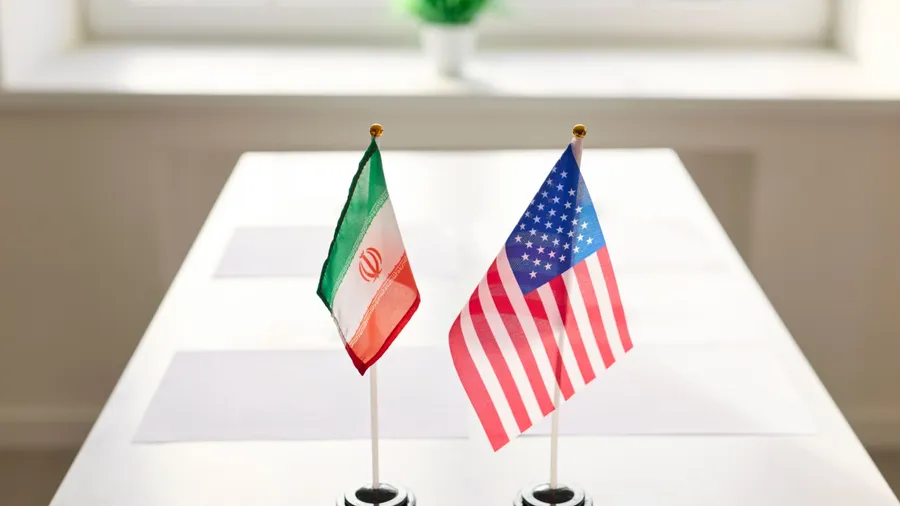
The 2026 conflict involving Iran has triggered a major geopolitical and economic shock, sending energy and market tremors across multiple regions. Nations dependent on Middle Eastern oil, trade corridors, and regional stability are now recalibrating their financial systems, foreign policies, and daily civilian life. From rising fuel prices to fractured supply chains, the conflict has fundamentally altered how governments and ordinary citizens experience economic reality.
This is not a distant crisis contained within one nation’s borders. The shockwaves are landing in grocery stores in Berlin, fuel stations in Mumbai, and stock exchanges in New York. Understanding this global shift requires examining each affected region with honesty, clarity, and a recognition that war’s consequences rarely stop at any border.
Oil Markets in Freefall
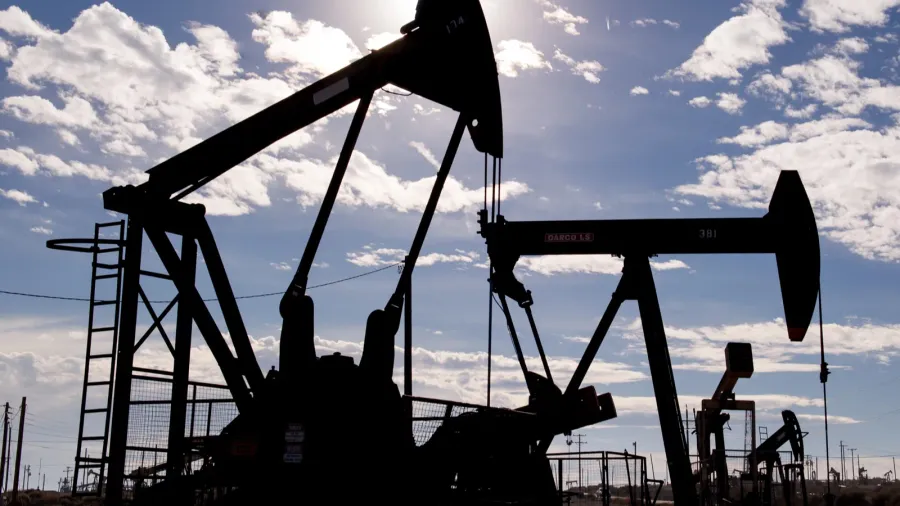
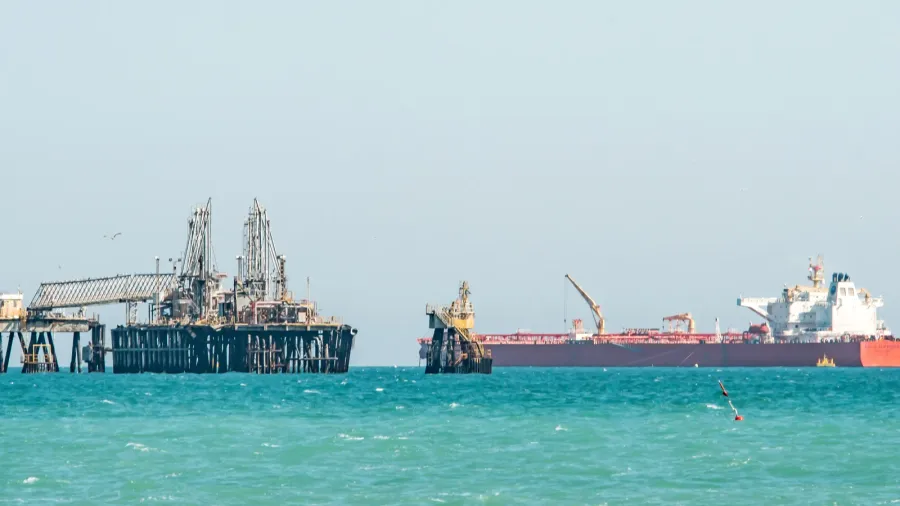
The Strait of Hormuz, through which about 21 percent of global petroleum liquids consumption flows, has become the most-watched waterway on the planet. Since the conflict escalated, tanker traffic has slowed dramatically, and insurance costs for vessels in the region have surged to historic highs. Energy traders are operating under extreme uncertainty, reflected directly in volatile crude oil benchmarks worldwide.
Brent crude prices have swung wildly since the opening weeks of the conflict, creating impossible planning conditions for airlines, manufacturers, and logistics companies. Countries with little domestic energy production are absorbing the sharpest blows. Consumers across Europe and Southeast Asia are already paying significantly more at the pump, squeezing household budgets with pressure that governments are struggling to offset through subsidies or meaningful policy relief.
Europe braces for impact
European nations that diversified away from Russian energy after 2022 now face a second consecutive energy crisis with fewer reserves and limited diplomatic options. Manufacturing sectors that survived the last crisis through efficiency gains are now operating with uncomfortably thin margins, leaving almost no room for additional cost absorption.
Consumer confidence across the eurozone has dropped measurably since the conflict began, with household spending pulling back on nonessential goods. Central banks face a frustrating bind: inflation is rising due to energy and import costs, yet raising interest rates risks pushing already fragile economies into recession. European leaders are in emergency consultation, searching for coordinated responses that protect citizens without destabilizing the broader continental financial architecture.

India caught in the middle
India imports approximately 85 percent of its crude oil needs, making it acutely vulnerable to any disruption in Middle Eastern supply chains. The Iranian conflict has forced Indian refiners to urgently seek alternative suppliers, a process that takes months and arrives at premium prices. The Indian rupee has faced notable pressure as the import bill swells, adding inflationary stress to an economy still managing post-pandemic structural recovery.
Beyond fuel, millions of Indian workers employed in Gulf countries now face uncertain futures as regional economies slow under war conditions. Remittances flowing back to Indian families, particularly in Kerala and Uttar Pradesh, have begun declining. The Indian government is walking a careful diplomatic line, maintaining communication with both Western allies and regional powers while protecting its own citizens and economic interests under extraordinary pressure.
Tehran’s economy collapses inward
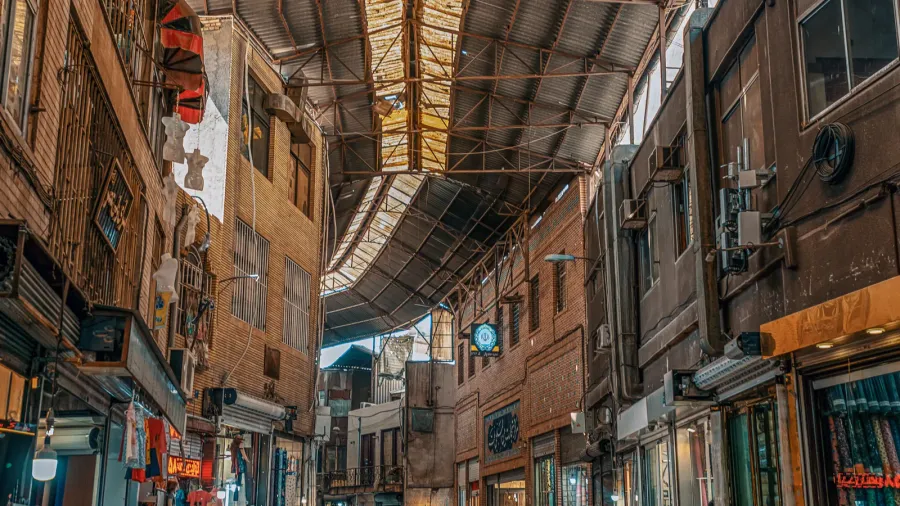
Inside Iran, the economic situation has deteriorated at a pace that is difficult to fully document but impossible to ignore. The Iranian rial has lost significant value against the dollar since hostilities intensified, wiping out savings for ordinary families overnight. Basic goods, including medicine, flour, and imported electronics, have either disappeared from shelves or become unaffordable for working and middle-class households under compounding wartime pressure.
Small businesses in Tehran’s Grand Bazaar have been hit hard, with Reuters reporting shuttered shops, falling foot traffic, and steep price pressures. Entrepreneurs who built livelihoods through regional trade networks now find those networks severed. Young Iranians who had invested hope in economic reformers and diplomatic openings face a future that feels dramatically narrower, with emigration becoming the only viable option many feel remains genuinely available.

Gulf States recalculate alliances
The Gulf Cooperation Council states are navigating extraordinarily complex terrain. Saudi Arabia, the UAE, and Qatar each maintain economic relationships with Western nations, Asian markets, and regional partners that now pull in contradictory directions.
None of these governments wants prolonged instability threatening the massive infrastructure and tourism investment projects they have staked their post-oil futures upon, making every diplomatic position a carefully calculated economic decision.
China’s strategic patience pays
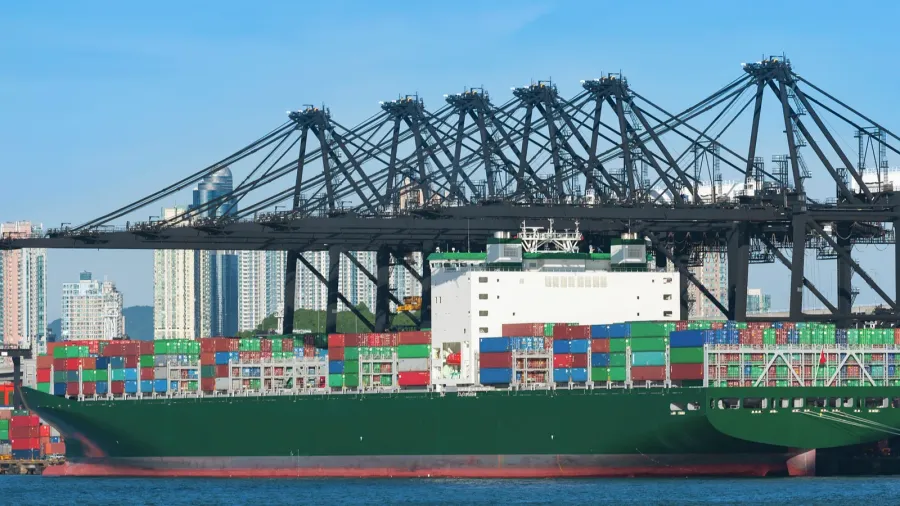
China has taken a measured public stance on the conflict while preserving its longstanding economic relationship with Iran and calling for restraint. Beijing has deep economic ties with Tehran through the 25 year comprehensive cooperation agreement signed in 2021, and Chinese companies continue operating arrangements that Western sanctions forced others to abandon. This gives China continued access to discounted Iranian energy while positioning itself as an indispensable mediator when peace negotiations eventually emerge.
Meanwhile, Chinese manufacturers are capitalizing on the disruption Western competitors face in regional markets. With European and American companies pulling back due to risk concerns, Chinese goods are filling supply gaps across Middle Eastern and Central Asian markets. Beijing is playing a generational game, understanding that nations that remain economically present during crises often emerge as the dominant trading partner once stability eventually returns.
Africa faces a silent shock
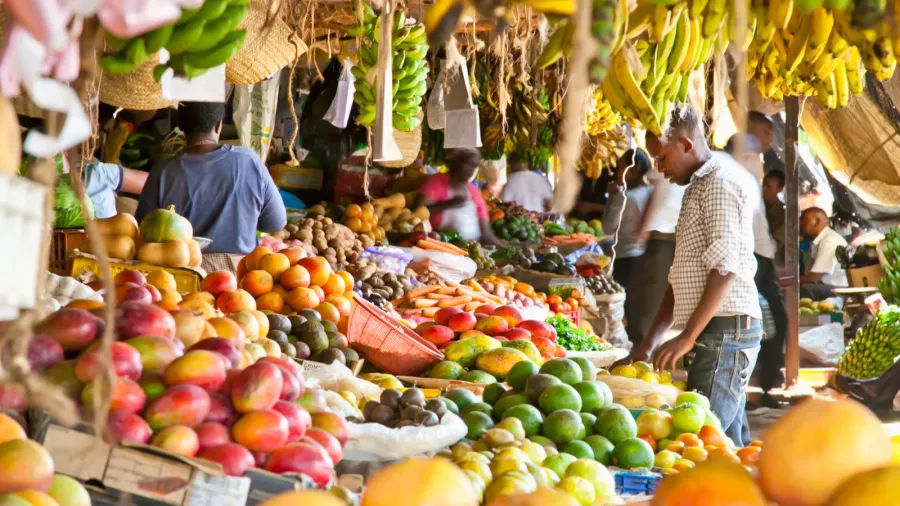
African nations are absorbing the Iran war’s economic consequences largely without international attention or adequate policy support. Countries like Egypt, Ethiopia, and Kenya, which rely on affordable fuel and imported grain to sustain food security, are seeing prices spike at rates directly threatening vulnerable populations. Government subsidy programs designed for normal conditions are buckling under extraordinary compounding inflationary pressure that existing fiscal frameworks were never built to handle.
Fact: The World Bank has said Africa’s food import bill more than tripled over past decades, a structural vulnerability that leaves many countries exposed when global fuel and food prices surge.

Wall street watches nervously
American financial markets have responded to the Iran conflict with volatility that reveals deep underlying anxiety beneath a surface appearance of resilience. Defense stocks surged predictably in the conflict’s early weeks, while airline stocks, shipping companies, and consumer discretionary sectors pulled back sharply. Investors are pricing in a prolonged conflict scenario, and that pricing is filtering into retirement accounts, mortgage rates, and small business lending conditions nationwide.
The Federal Reserve faces a renewed dilemma. Inflation pressures from energy prices may require a tighter monetary stance, yet weakening global demand simultaneously argues for caution. American consumers, already managing elevated credit card debt after years of rate increases, are not positioned to absorb another sustained inflationary wave without meaningful changes in spending behavior that would themselves slow economic growth considerably.
Japan scrambles for energy
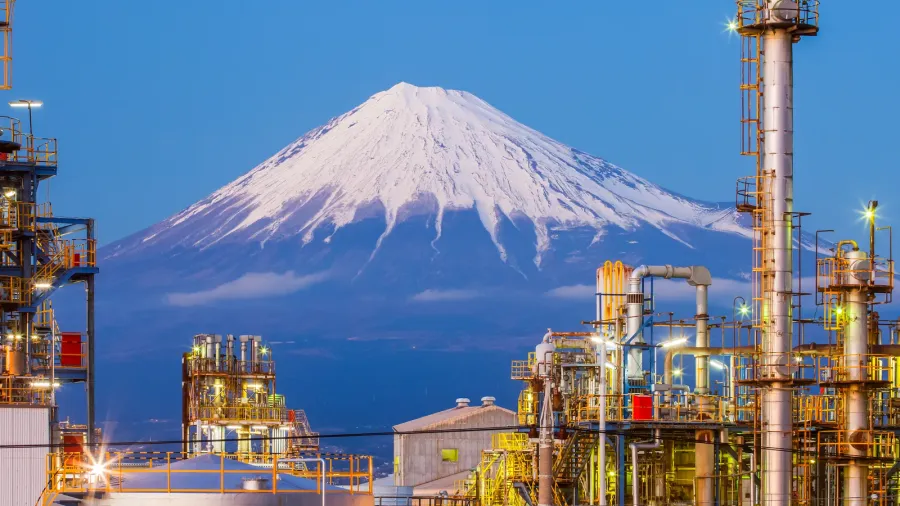
Japan imports nearly all of its fossil fuel requirements, and the Middle East supplies a dominant share of that total. Since the conflict began, Japanese government officials have been in intensive diplomatic contact with Gulf suppliers, American counterparts, and liquefied natural gas producers in Australia and Southeast Asia, urgently trying to secure supply agreements that reduce vulnerability to further disruption threatening every corner of industrial production.
Japanese manufacturing, particularly in the automotive and electronics sectors, depends on precisely timed supply chains requiring predictable shipping conditions and stable fuel costs. Both conditions are currently absent. Companies are building buffer inventories where possible, but carrying costs are high. Japanese consumers are facing utility bill increases, compressing household discretionary spending in ways that will affect domestic economic growth figures throughout the coming fiscal year.
Latin America finds opportunity
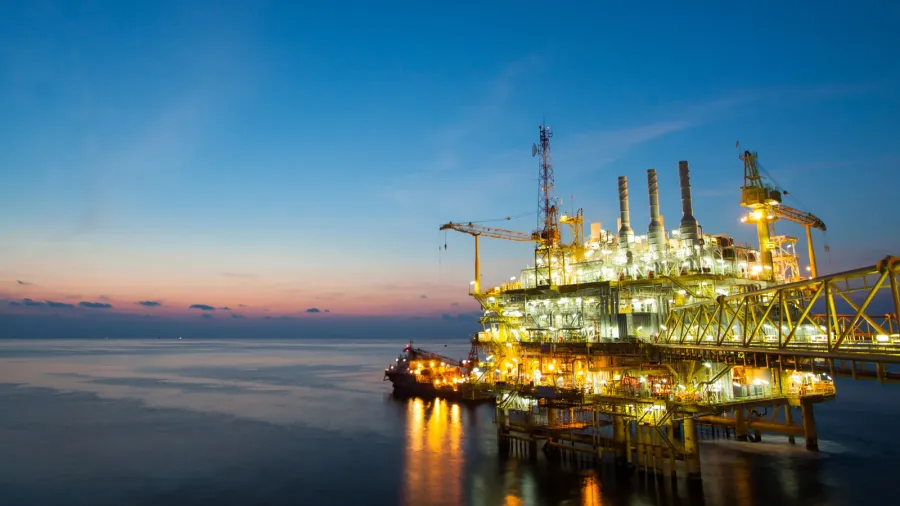
Brazil and other Latin American energy producers are experiencing an unexpected moment of strategic advantage as global buyers urgently seek supply alternatives to Middle Eastern oil. Brazilian offshore fields, Colombian exports, and Guyanese production have all attracted increased buyer interest and improved contract terms since the conflict began disrupting traditional supply routes. For governments that have long sought greater influence in global energy markets, this crisis represents a rare and significant opening.
This opportunity arrives with real complications, however. Expanded production requires infrastructure investment that takes years to materialize, meaning short-term supply gaps cannot be quickly filled regardless of political will or market pricing signals. Latin American economies are themselves consumers of imported refined products, so domestic fuel cost increases are partially offsetting the revenue gains that higher crude prices theoretically deliver to governments.
Refugees reshape neighboring borders
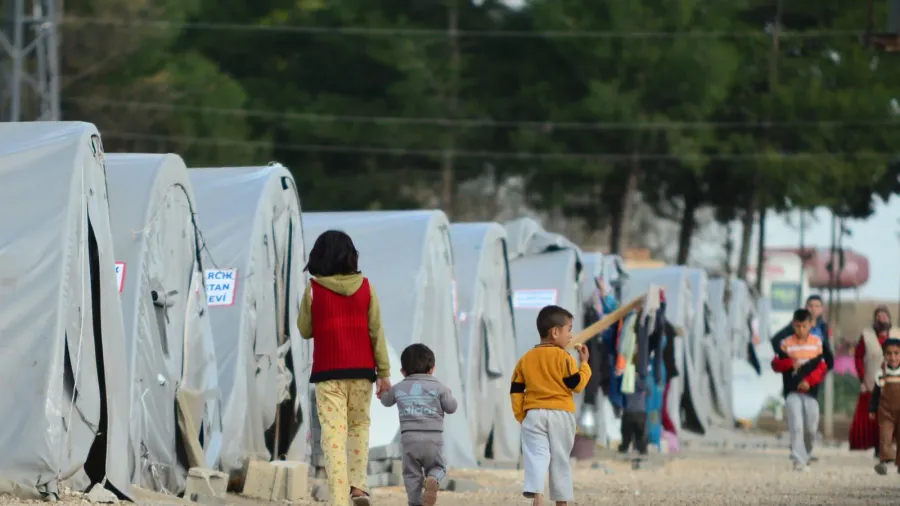
The human displacement generated by the Iran conflict is producing its own distinct economic transformation across neighboring countries. Turkey, Iraq, and Armenia are absorbing population inflows that strain municipal services, housing markets, and labor conditions in border regions already managing their own structural economic challenges. Host governments are requesting international financial support while managing domestic political pressure from citizens concerned about resource competition in affected communities.
Displacement economics operate through paradox. Refugee populations create demand for goods and services while simultaneously accepting lower wages, which can depress local labor markets in some sectors while stimulating others. War reshapes lives, International aid flows bring foreign currency into host economies, but that spending rarely reaches local suppliers efficiently, complicating every policy response governments are urgently attempting to design.
A world permanently altered
Historians may ultimately mark this conflict as the moment when the post-Cold War economic order conclusively ended, and a new, more fragmented global system began taking shape. For ordinary people worldwide, the consequences are immediate and personal: costlier groceries, uncertain employment, shrinking savings, and generalized anxiety about what comes next.
The Iran war has reminded the world that geopolitics and economics are never truly separate, and that the lives of people far from any battlefield can change permanently because of decisions made by the global winners in rooms they will never enter.
Every war has a winner somewhere. While families lose everything, boardrooms in Beijing, Brasília, and Riyadh are quietly rewriting the global economic order. Which country do you think comes out on top when the dust settles?
Disclaimer: The images used are for illustrative purposes only and do not depict the actual locations mentioned.
Read More From This Brand: