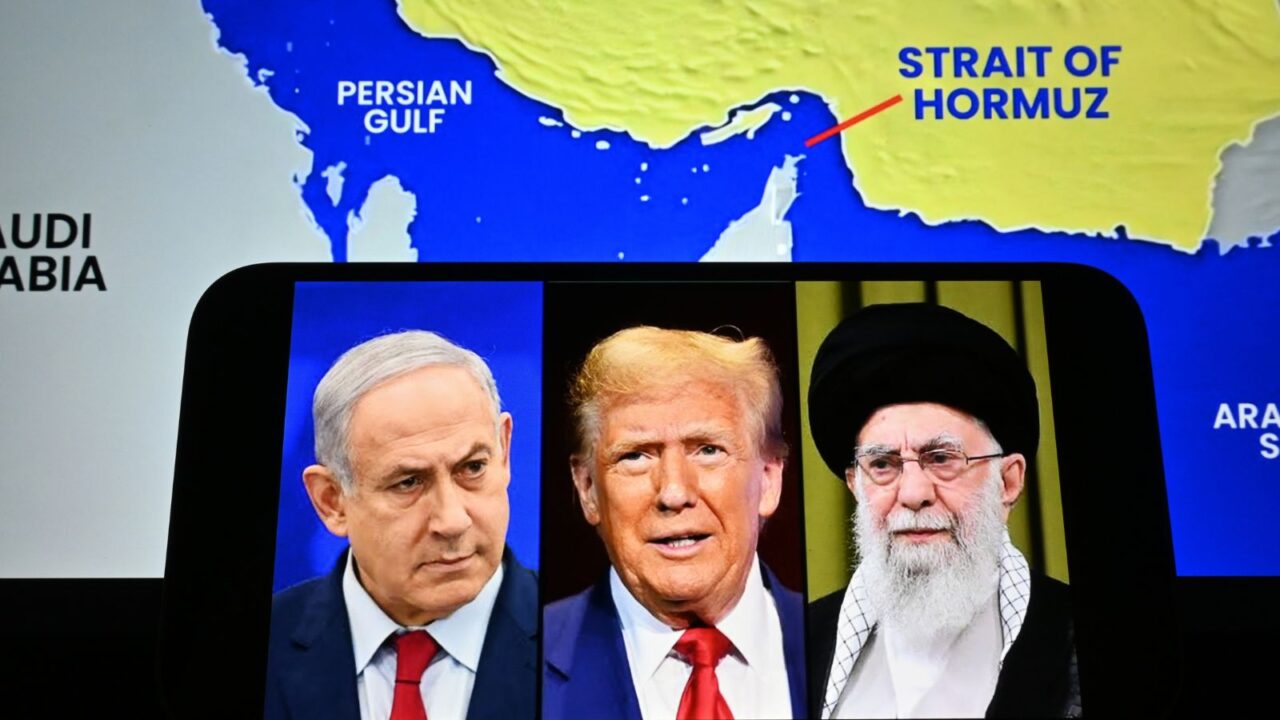
The route the world watches
A lot of the world’s oil still moves through one small stretch of water. When that route looks unstable, energy markets react fast.
The Strait of Hormuz carried about 20 million barrels a day in 2024, equal to about 20% of global petroleum liquids consumption. It also handled around one-fifth of global LNG trade, which is why this story reaches far beyond the Middle East.
After Iran’s setback and the latest U.S. strikes, the fallout is now spreading into energy and shipping markets. That is why the Strait of Hormuz is back in focus, as traders fear any deeper disruption could hit fuel prices fast.
Why the market moved so fast
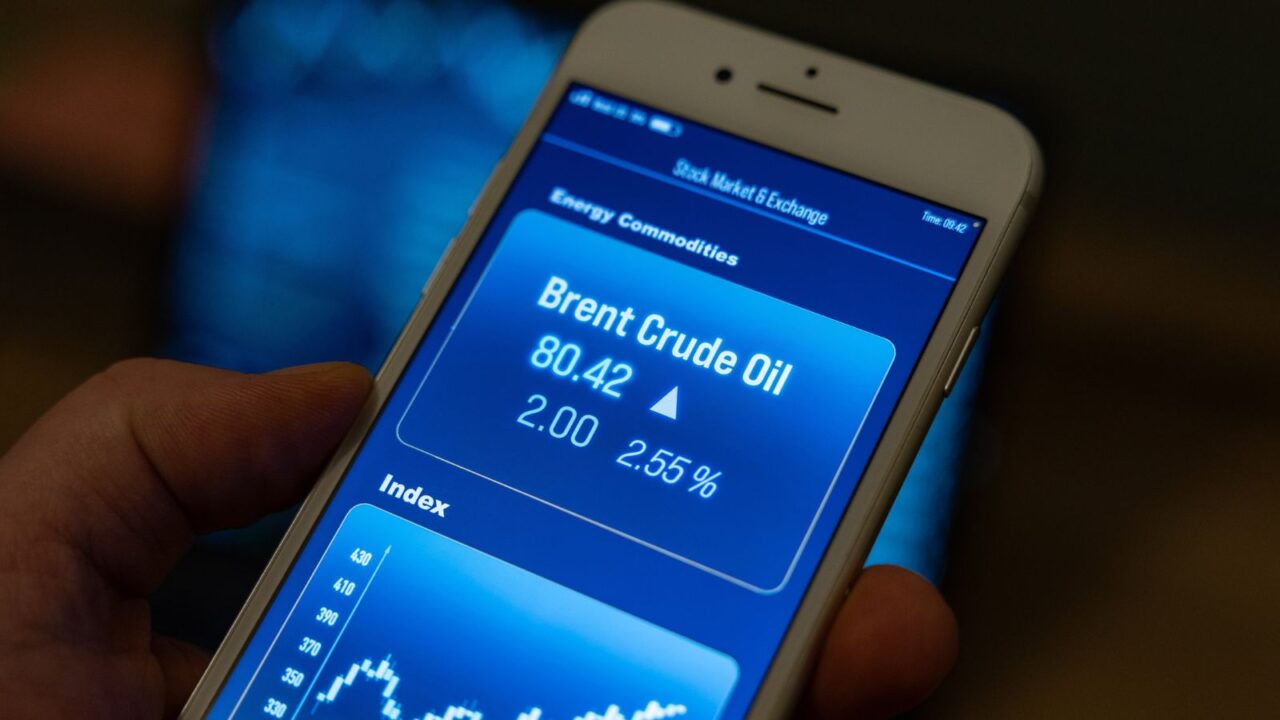
Oil traders do not wait for a full shutdown before reacting. Even the risk of supply trouble can push prices higher because buyers start preparing for shortages, delays, and more expensive shipping. That is exactly why this story jumped from military news to kitchen-table money talk.
Reuters reported Brent crude rose as much as 13% intraday before settling up 6.7% at $77.74 a barrel after the latest escalation. The same report said a longer conflict could lift oil prices enough to feed inflation and raise U.S. retail gasoline prices.
It is not just about missing oil
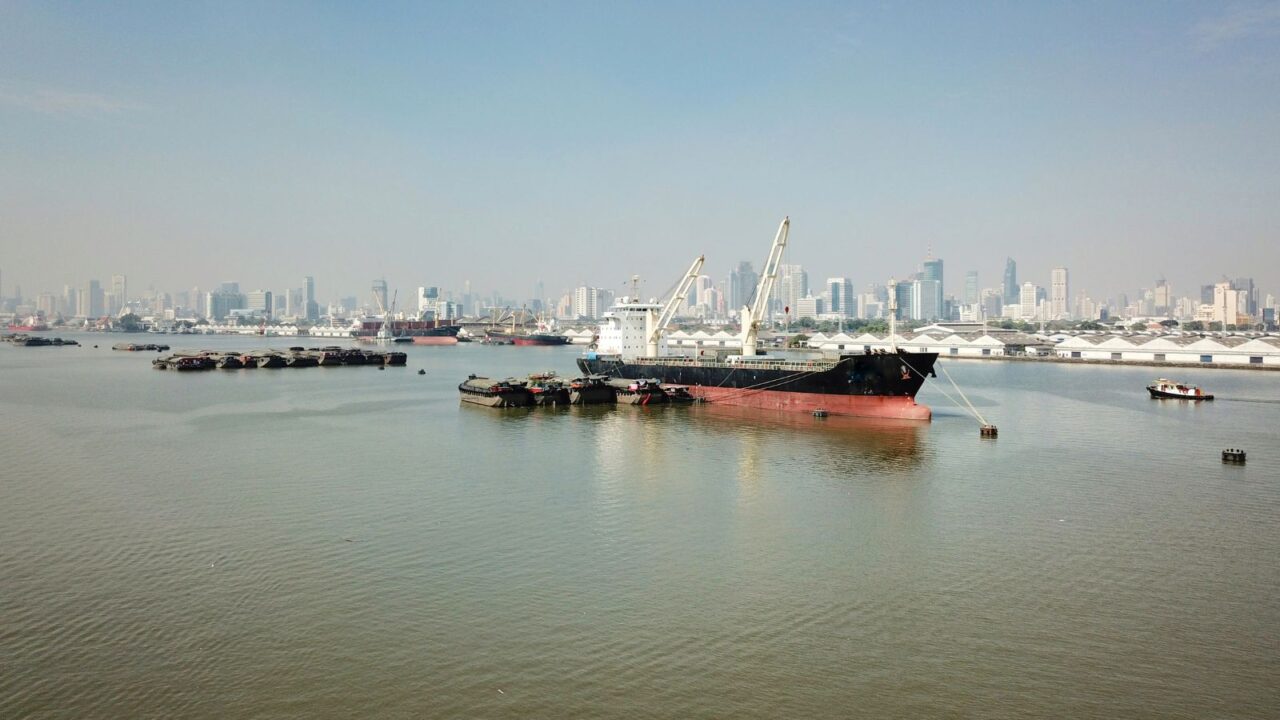
A big part of this story is movement, not just production. When ships hesitate, insurers worry, and routes get riskier, the energy system becomes slower and more expensive. That disruption can hit prices even before a huge supply drop shows up.
Reuters reported that about 150 ships were stranded at anchor around the Strait of Hormuz after the conflict widened. It also reported that some oil majors and trading houses suspended crude and fuel shipments through the strait, showing how quickly logistics can tighten.
Shipping costs tell the story
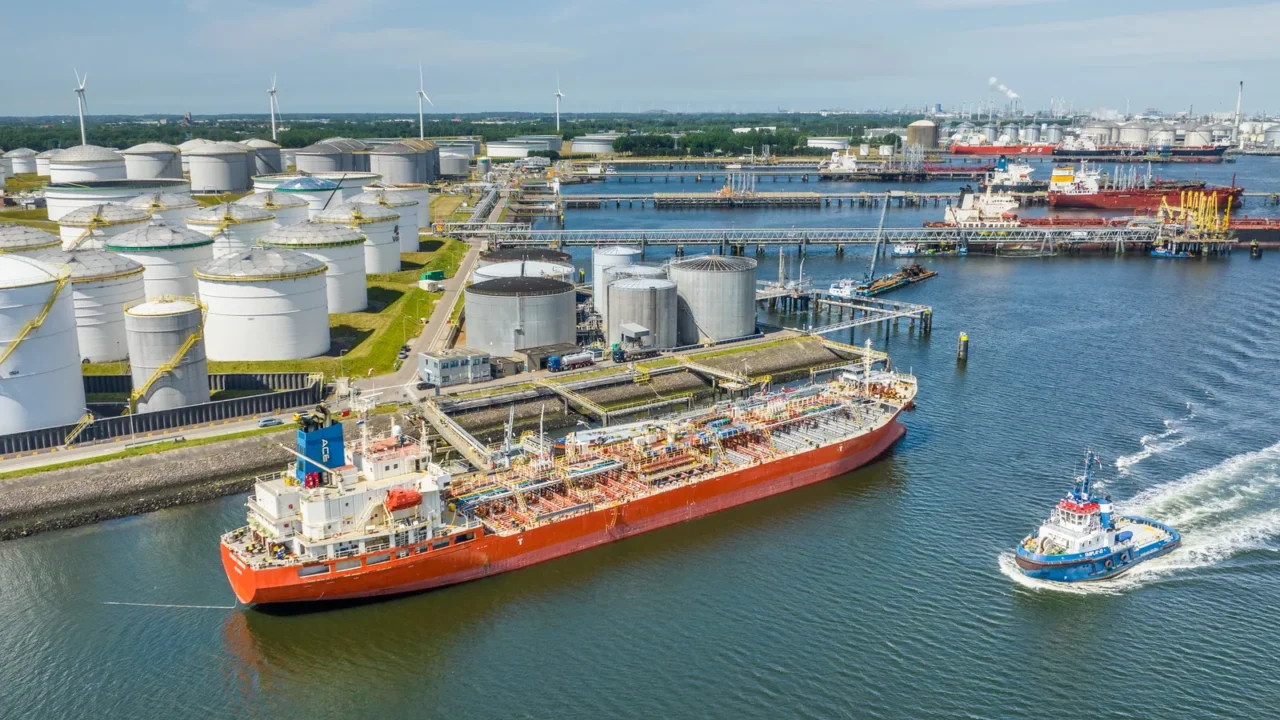
One of the clearest warning signs is freight. When tanker rates jump, it means buyers are paying more just to move oil and gas from one place to another. That extra cost can ripple into diesel, jet fuel, and industrial energy bills.
Reuters reported Middle East supertanker rates surged to record highs, with the Mideast-China VLCC route topping $400,000 a day. It also reported LNG freight rates in the Atlantic and Pacific jumped more than 40%, showing how a regional conflict can reshape global transport costs.

Asia feels the squeeze first
The biggest pressure point is Asia. Many Asian economies still rely heavily on Middle Eastern crude, and their refineries are built around those barrels. That makes quick substitution harder than it sounds.
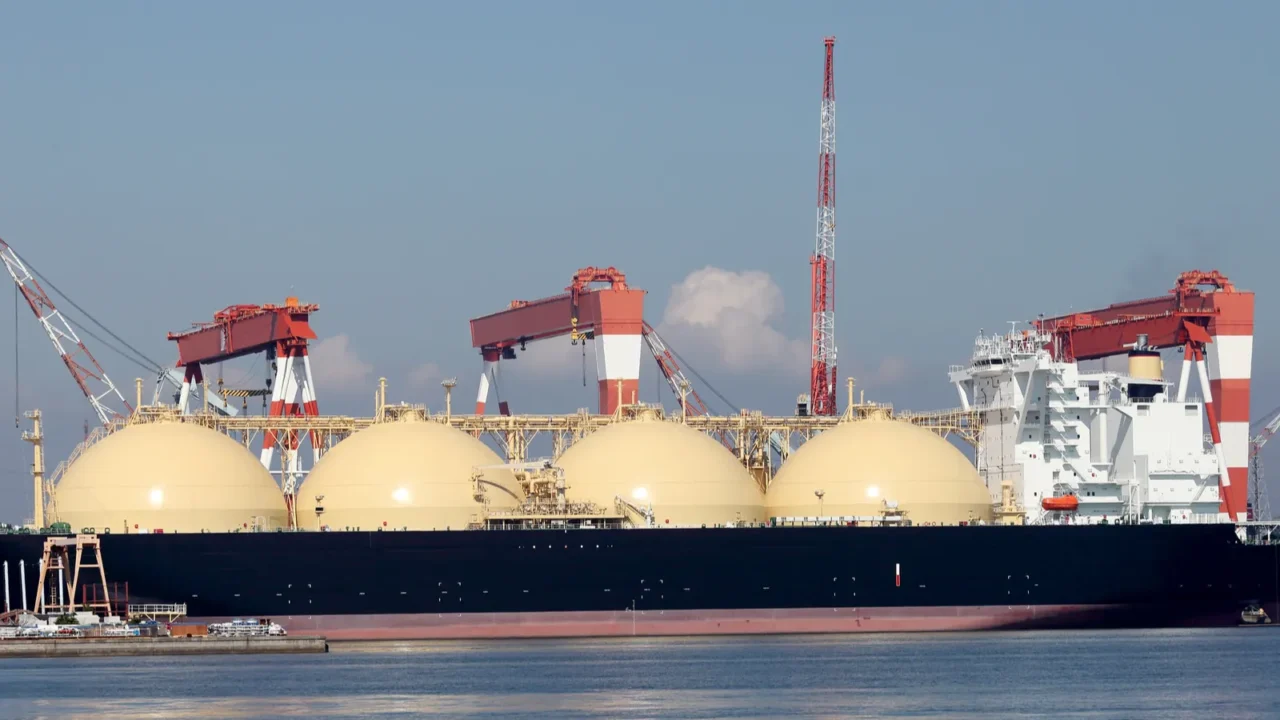
The EIA estimates 84% of crude and condensate and 83% of LNG moving through Hormuz in 2024 went to Asian markets. China, India, Japan, and South Korea alone accounted for 69% of all Hormuz crude oil and condensate flows, making them the most exposed to a serious disruption.
Europe has a gas problem too
Europe is not the biggest oil buyer through Hormuz, but it still has a lot to lose. After moving away from more Russian energy, Europe became more sensitive to Gulf gas flows and shipping trouble. That makes this a fuel-cost story as much as an oil story.
Reuters reported that Asia and Europe are the most exposed regions if Hormuz-linked LNG trade is disrupted. Reuters also said shipping companies began rerouting vessels around Africa, a move that can lift freight rates and increase the cost of imported goods.
Little-known fact: According to tanker-tracking data and EIA summaries, Saudi Arabia was the single largest crude exporter through the strait in 2024—moving roughly 5.5 million barrels per day, or about 38% of Hormuz crude flows.
America is less exposed but not immune
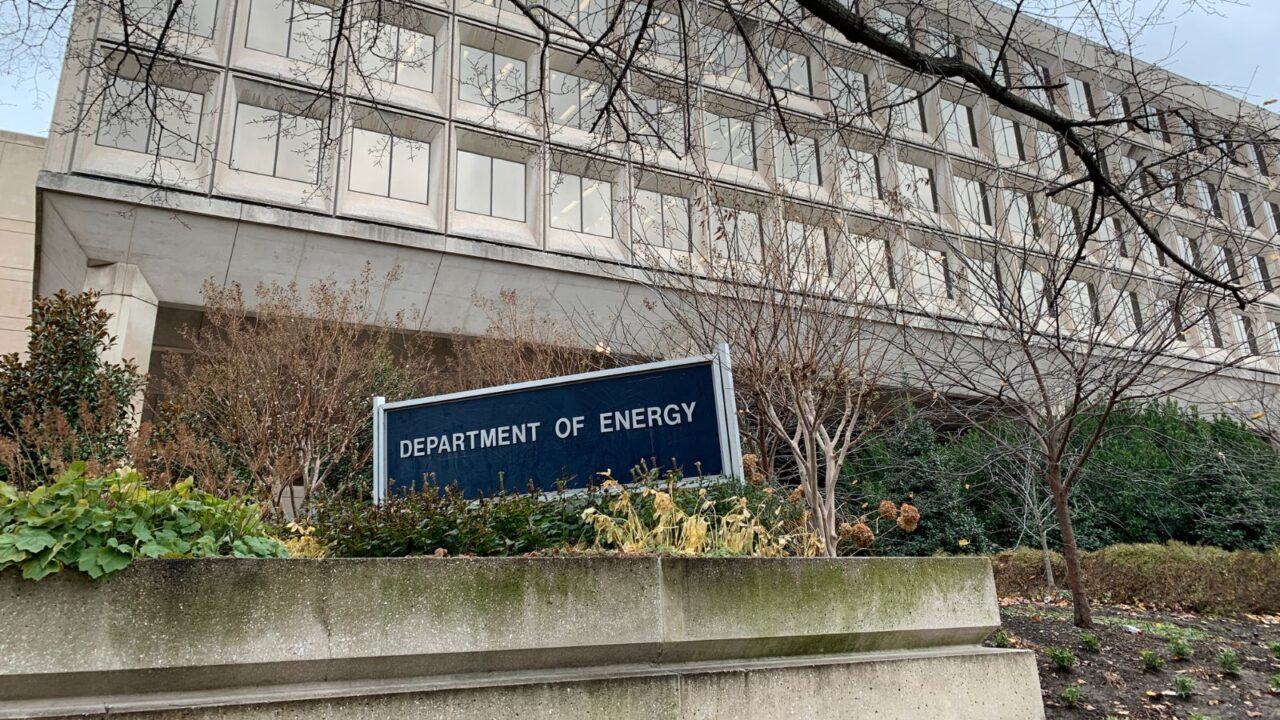
The U.S. is in a better position than it used to be. Domestic production is much higher, and direct imports through Hormuz are now a smaller part of the American energy picture. Even so, U.S. drivers are not sealed off from a global oil shock.
The EIA says the United States imported about 0.5 million barrels a day of crude and condensate from Persian Gulf countries through Hormuz in 2024, equal to about 7% of total U.S. crude imports and 2% of U.S. petroleum liquids consumption.
But the EIA also says crude oil is the largest factor in retail gasoline prices, so global oil swings still matter at the pump.
Some backup routes do exist
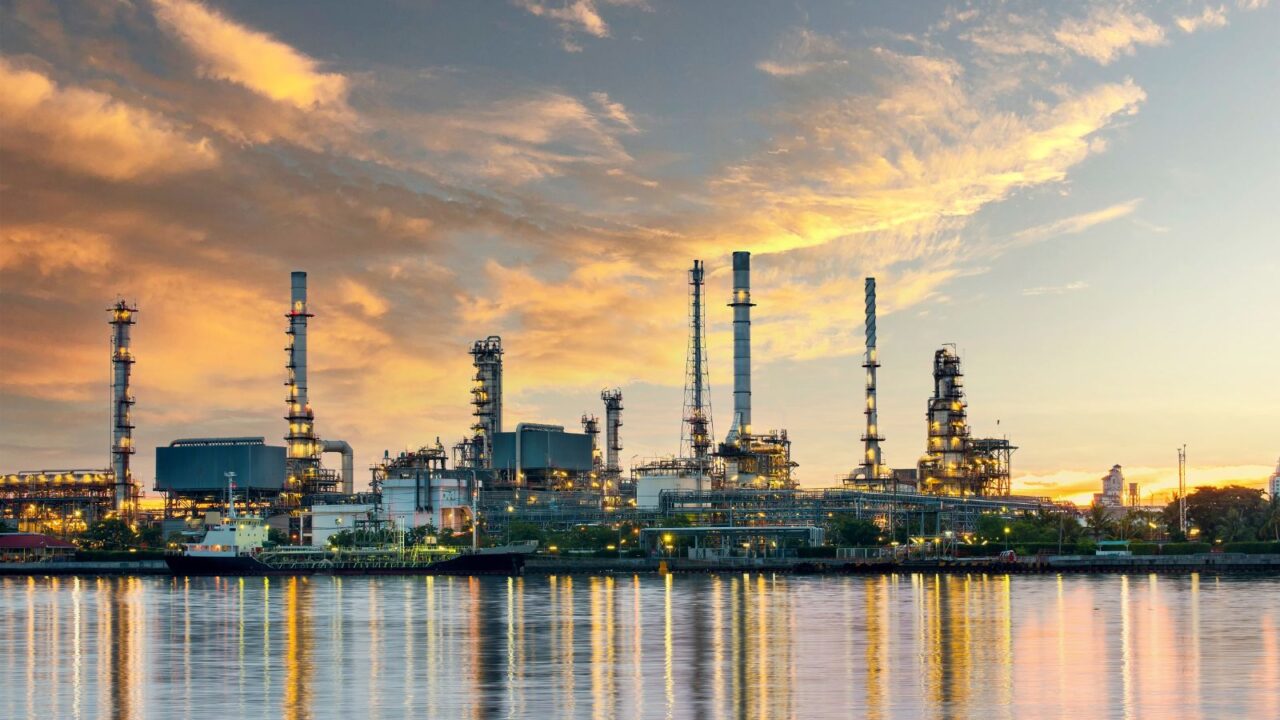
This is where the story gets less alarming and more practical. Hormuz is vital, but it is not the only path available for every barrel. Saudi Arabia and the UAE have some pipeline capacity that can bypass the chokepoint.
The EIA estimates that about 2.6 million barrels a day of Saudi and UAE pipeline capacity could be available to bypass Hormuz during a disruption. That is nowhere near enough to replace all flows, but it does give the market a buffer that can soften the first shock.
Little-known fact: The strait’s depth and width allow passage of very large crude carriers (VLCCs), which helps explain why so much seaborne oil transits the corridor.
Spare capacity matters more now
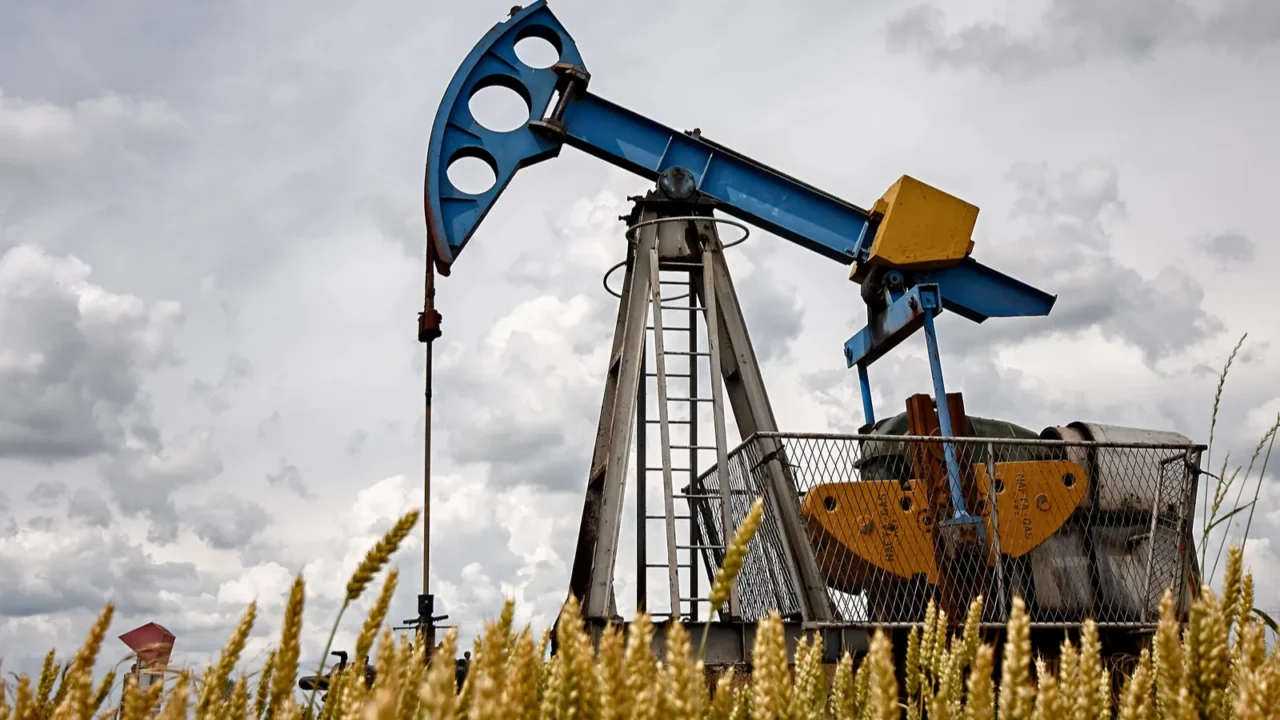
Another reason prices have not exploded even further is that some producers still have room to pump more. That spare capacity matters because it gives the market a way to replace at least part of any lost barrels. It does not solve everything, but it buys time.
Reuters reported the IEA had estimated OPEC spare capacity at about 5.3 million barrels a day, including roughly 3.1 million in Saudi Arabia and 1.1 million in the UAE. That does not erase the risk, but it helps explain why traders are watching backup supply so closely.
Little-known fact: The Strait of Hormuz is the world’s most critical maritime chokepoint, with approximately 20–25% of the world’s seaborne oil trade and roughly 20% of global liquefied natural gas (LNG) passing through it daily as of early 2026.
Fuel can get awkward fast
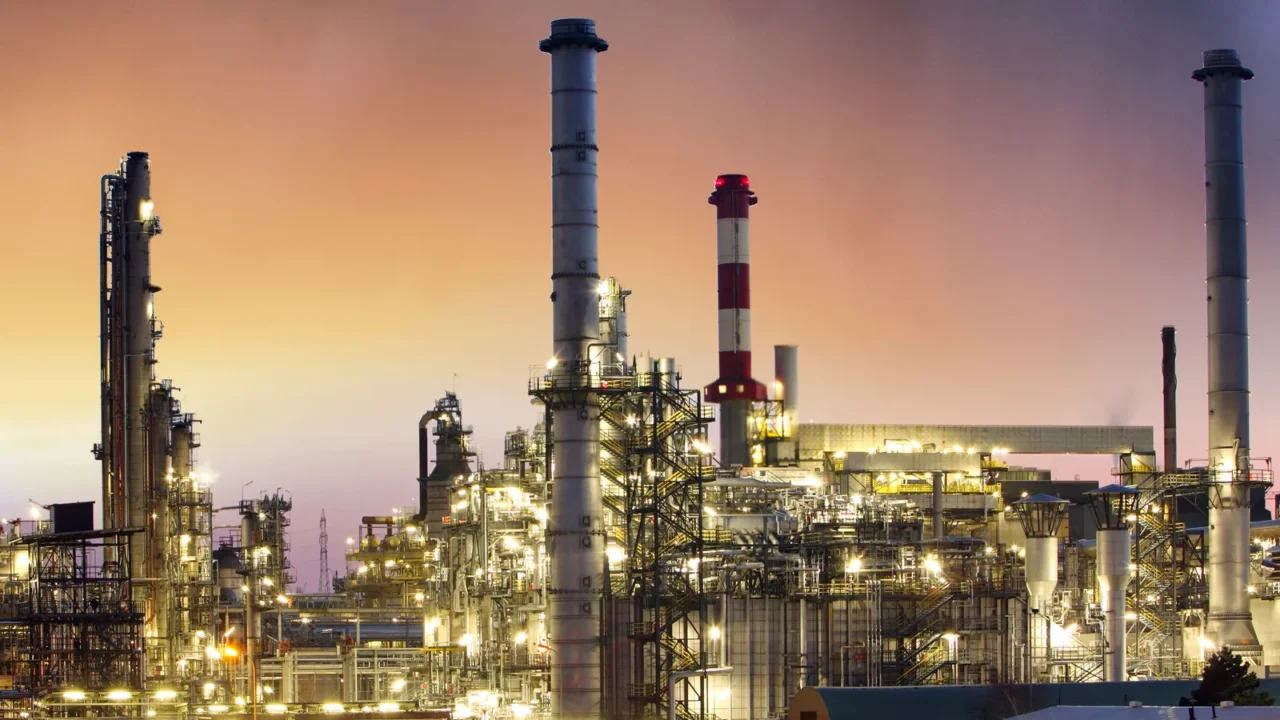
Even when oil is available somewhere else, it may not be the right kind or in the right place. Refineries are designed around certain crude types, contracts, and shipping patterns. That is why replacing Middle Eastern supply can be costly and messy.
Reuters reported that many Asian refineries are set up to process higher-sulfur Middle Eastern crude, which helps explain why switching to other sources is not simple.
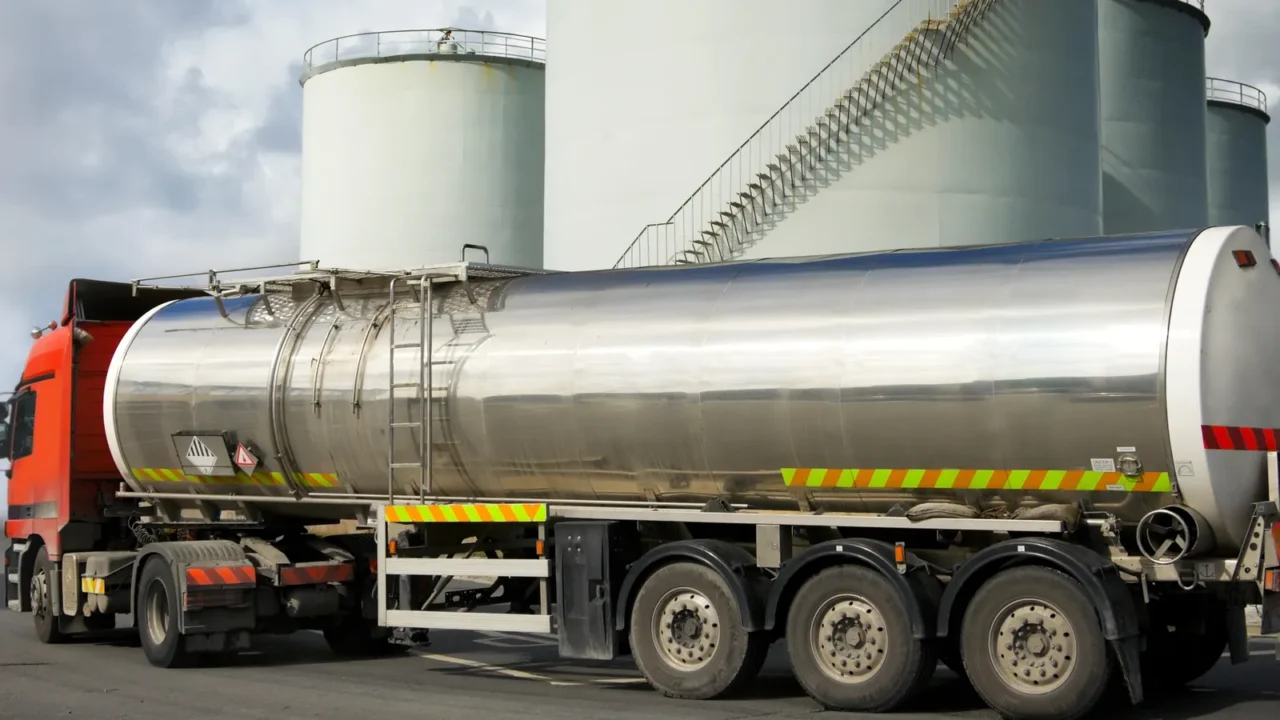
Reuters also reported that fuel oil tanker transits into Asia dropped about 90%, while Singapore high-sulfur bunker fuel prices climbed more than 40% since the conflict began.
Storage buys the world time
Markets also care about what is already sitting in storage. Inventories do not fix a long crisis, but they can reduce panic during the opening stretch. That is part of why the market response has been sharp without turning completely disorderly.
An Iran International analysis by energy analyst Dalga Khatinoglu said OECD members hold about 2.8 billion barrels in commercial oil stocks, giving the system short-term flexibility.
The same analysis noted Iran itself reportedly has oil in floating storage in Asian waters, which also affects how traders think about immediate supply stress.
OPEC+ suddenly looks more important
This kind of disruption puts producers with spare barrels in the spotlight. Saudi Arabia, the UAE, and other OPEC+ players now matter not just for prices, but for confidence. The market wants to know who can move first and how much they can add.
Reuters reported Saudi Arabia had activated a plan for a short-term oil output and export surge if a strike on Iran disrupted regional flows. Reuters also reported OPEC+ had been weighing a 137,000 barrel-a-day increase for April before the crisis deepened, showing that supply policy was already in motion.
Talking about oil, a tiny South American nation is suddenly sitting on massive global potential. Check out Suriname’s sudden oil boom could make it one of the world’s richest nations.
Oil security may look different now
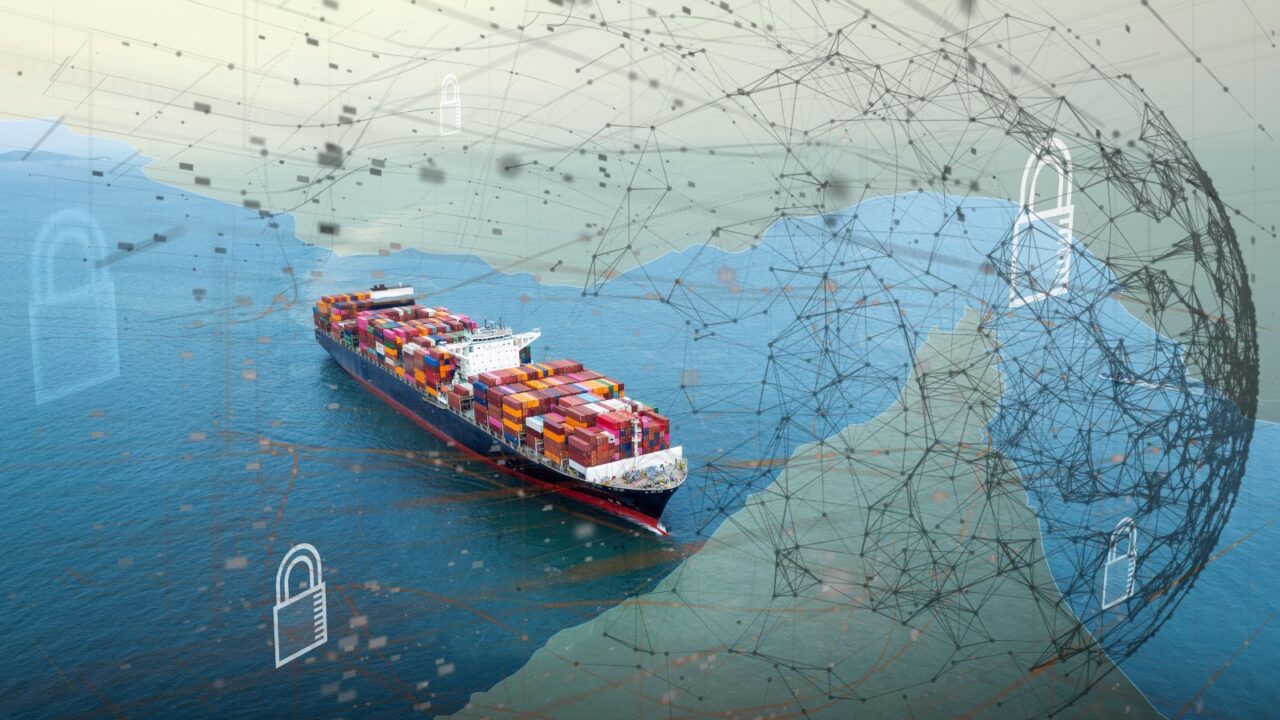
The bigger shift may come after the immediate shock fades. Buyers, shippers, and governments are getting another reminder that energy security is not just about how much oil exists. It is also about routes, resilience, and how quickly a country can adapt.
Reuters reported Asian buyers are scrambling for alternatives from the Americas and West Africa, even though those barrels are costlier and harder to fit into existing systems. That kind of response can push countries toward more storage, more supplier diversity, and faster investment in non-oil energy over time.
Could higher oil prices soon hit everything from gas bills to airfare? Check out the full story on how U.S.-Iran tensions are fueling supply fears.
Do you think the U.S. should focus more on domestic fuel resilience and shipping flexibility after this disruption? Share your thoughts in the comments.
This slideshow was made with AI assistance and human editing.
Don’t forget to follow us for more exclusive content right here on MSN.
Read More From This Brand:
