Hawaii’s climate fee sparks a national fight
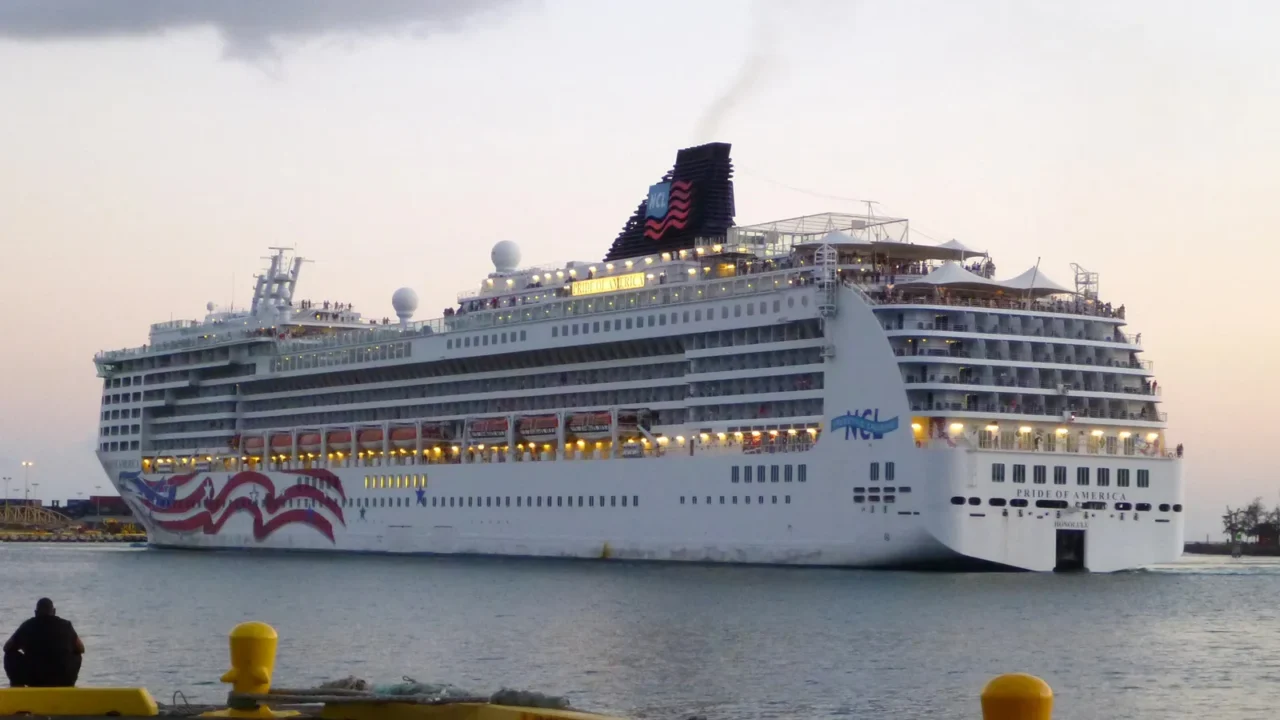
Hawaii’s effort to make tourism help pay for climate damage has triggered an unexpected federal showdown. A new “green fee” targeting cruise passengers is now at the center of a legal battle involving the cruise industry, the U.S. Department of Justice, and the Trump administration.
What began as a climate resilience funding plan is quickly turning into a test of federal power versus state authority.

What exactly is Hawaii’s Green Fee?
The Green Fee, passed as Act 96 in May 2025, raises Hawaii’s Transient Accommodations Tax to 11 percent and adds a new 11 percent surcharge on cruise ship passenger fares.
Counties can also tack on up to 3 percent more. Altogether, cruise passengers could face a tax burden of around 14 percent, with funds earmarked for climate adaptation and environmental protection.

Why Hawaii says the tax is necessary
State leaders argue Hawaii faces rising sea levels, coastal erosion, wildfire risks, and infrastructure strain driven partly by mass tourism. After the devastating Maui wildfires in 2023, Gov. Josh Green convened a climate advisory panel that recommended asking visitors to help fund resilience efforts.
The state estimates the Green Fee could generate roughly $100 million annually for environmental projects.
Cruise industry pushes back
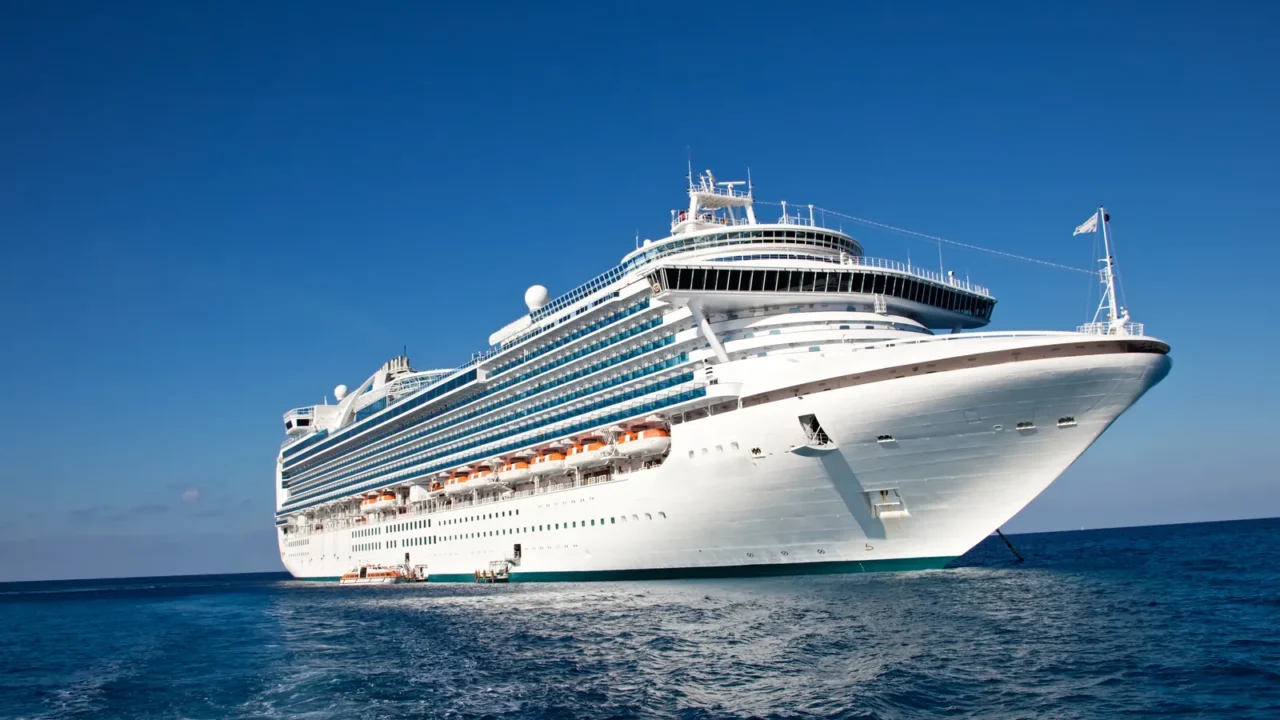
The Cruise Lines International Association sued Hawaii in August, claiming the tax unfairly targets cruise passengers. Industry leaders warn it could add hundreds of dollars to cruise fares tied to Hawaii.
They argue higher costs could reduce demand, cut port stops, or push travelers toward alternative destinations, hurting an industry they say generates nearly $1 billion annually for the state.
DOJ steps in with strong language
In a rare move, the U.S. Department of Justice asked a federal court to let it intervene in the case. The DOJ openly sided with the cruise industry in its filing.
Federal lawyers sharply criticized the Green Fee, suggesting it imposes an unlawful burden on American citizens and businesses, signaling broader federal opposition to state-led climate taxation tied to interstate commerce.

The constitutional argument
The DOJ argues Hawaii’s tax violates the Constitution’s Tonnage Clause, which limits states from charging ships for entering or docking in ports without congressional approval.
It also cites the Rivers and Harbors Appropriation Act of 1884, which bars states from imposing charges on vessels unless tied directly to services provided.

Hawaii’s legal defense
Hawaii strongly disputes those claims, saying the Green Fee is not a port charge but a tax on short-term accommodations, similar to hotel taxes paid by land-based visitors. State officials argue cruise passengers use public infrastructure just like overnight guests.
The state’s Attorney General says Hawaii is “vigorously defending” the law and argues the fee reflects tourism’s role in environmental strain, not maritime access. Officials maintain the tax supports long-term sustainability rather than regulating ship movement.
Why federal intervention matters
Legal experts say DOJ intervention in a state tax dispute is unusual and significant. Federal courts typically avoid blocking state tax collection under the Tax Injunction Act. Such cases are usually left to state courts to resolve.
However, when the federal government becomes a party, courts may have jurisdiction. That increases the likelihood the judge will allow the lawsuit to proceed. It also raises the legal stakes for both sides.

A potential national precedent
The DOJ warns that allowing Hawaii’s fee could encourage other states to impose their own port-related taxes. That could create a fragmented system of vessel fees nationwide. Federal officials say this would disrupt uniform maritime commerce.
Hawaii counters that its geographic vulnerability and climate risks make its situation unique, and that states must be allowed flexibility to protect natural resources. Leaders argue that a one-size-fits-all rule ignores local environmental realities.
Mixed reactions within Hawaii
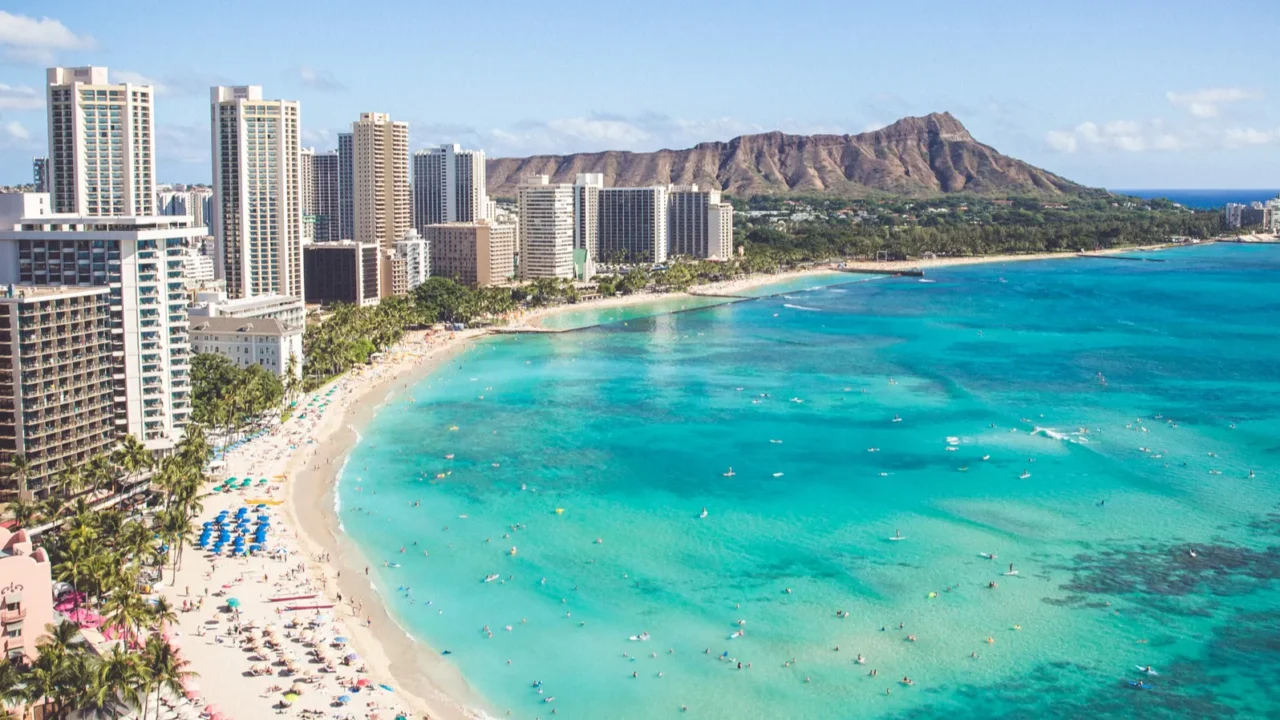
Many in Hawaii’s hospitality industry supported the Green Fee, saying tourism must help address the damage it creates. Supporters view it as a long-overdue investment in conservation.
Others worry about visitor fatigue from rising costs. Some fear higher prices could discourage travel at a time when tourism is still stabilizing.
What travelers could feel next
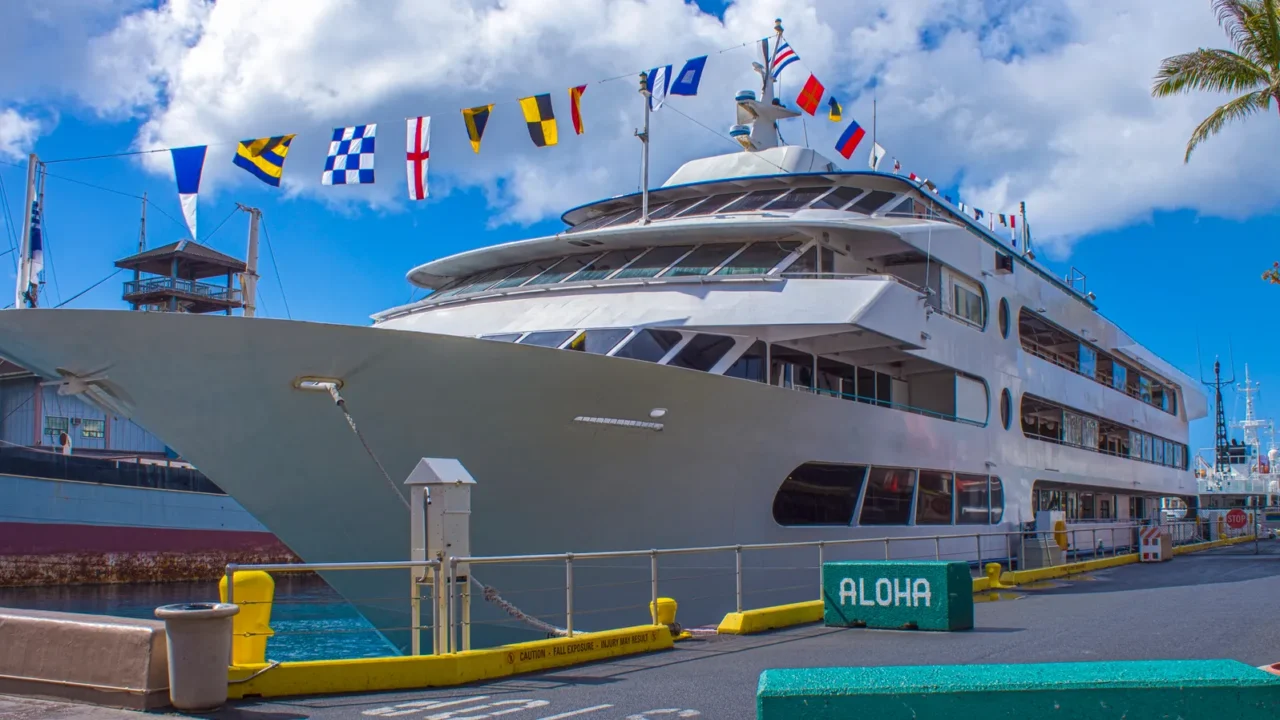
If the tax takes effect, cruise fares linked to Hawaii could rise starting January 1, 2026. Cruise passengers may see new charges appear closer to sailing dates. The exact impact could vary by itinerary length.
If the court blocks the fee, Hawaii may need alternative funding strategies for climate projects, leaving both visitors and operators watching the case closely. Uncertainty could continue well into future booking seasons.

Why this fight goes beyond Hawaii
This legal battle raises a broader question about who should pay for climate damage caused by tourism. It also tests how far states can go in funding environmental protection. The decision could redefine limits on state authority.
The outcome could influence future tourism taxes nationwide, shaping how destinations balance economic reliance on visitors with the cost of protecting fragile environments. Other climate-vulnerable regions are watching closely.
See next why more countries are creating tourist conduct laws travelers must follow.

What happens next in court
A federal judge in Honolulu must first decide whether the DOJ can formally intervene in the case. That decision will shape whether the court can pause or block the Green Fee before it takes effect. Timing matters, with the January deadline quickly approaching.
If the case moves forward, it could take months before a final ruling is reached. Until then, cruise lines, state leaders, and travelers remain in a holding pattern. The outcome may arrive after pricing and travel plans are already in motion.
Read more about Hawaii’s new climate tourism fee, the backlash it faces, and the reasoning behind its implementation.
Do you think tourists should help pay for climate protection in places they visit, or should that cost stay with governments and businesses? Share your take in the comments.
This slideshow was made with AI assistance and human editing.
Don’t forget to follow us for more exclusive content right here on MSN.
Read More From This Brand:
