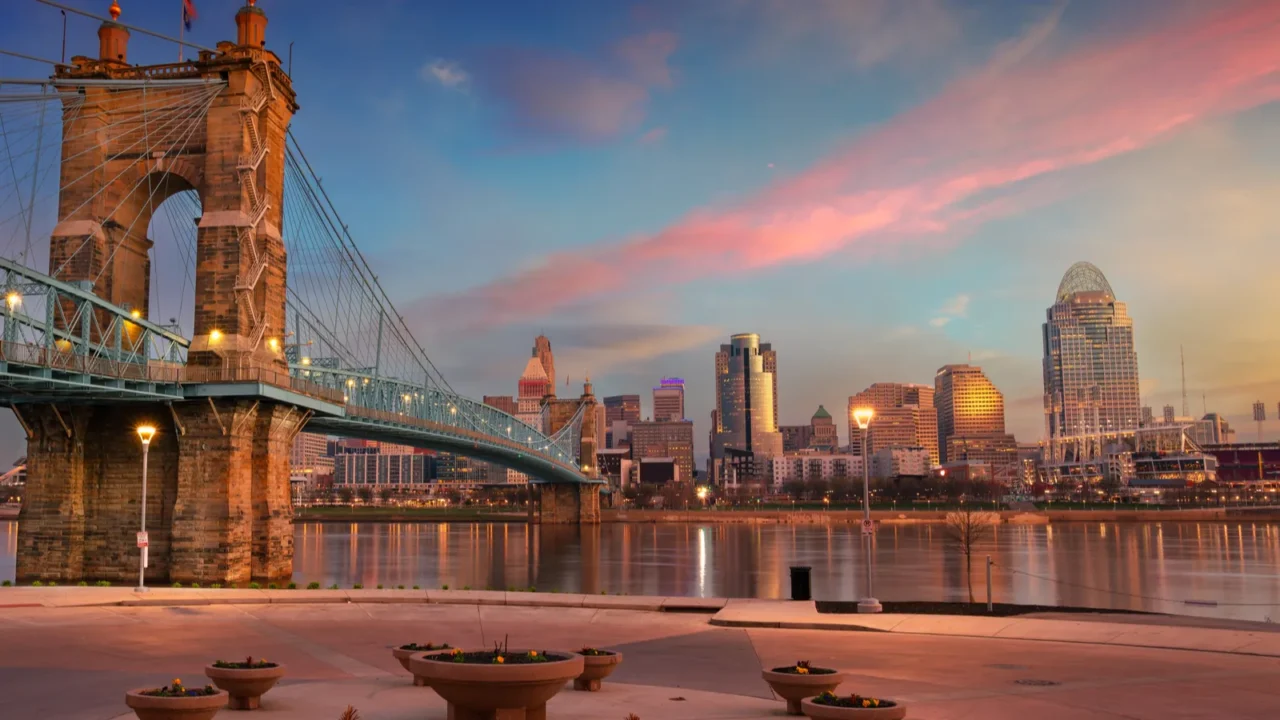
Rust Belt rising again
Many people across the country are noticing how old factory towns are suddenly buzzing with new life. Places once known only for steel mills and smokestacks now feel surprisingly creative and full of energy.
Cities across the Midwest and Northeast are using culture, design, and community projects to rebuild their identity. What was once a symbol of decline is turning into a major draw for travelers, young professionals, and families.
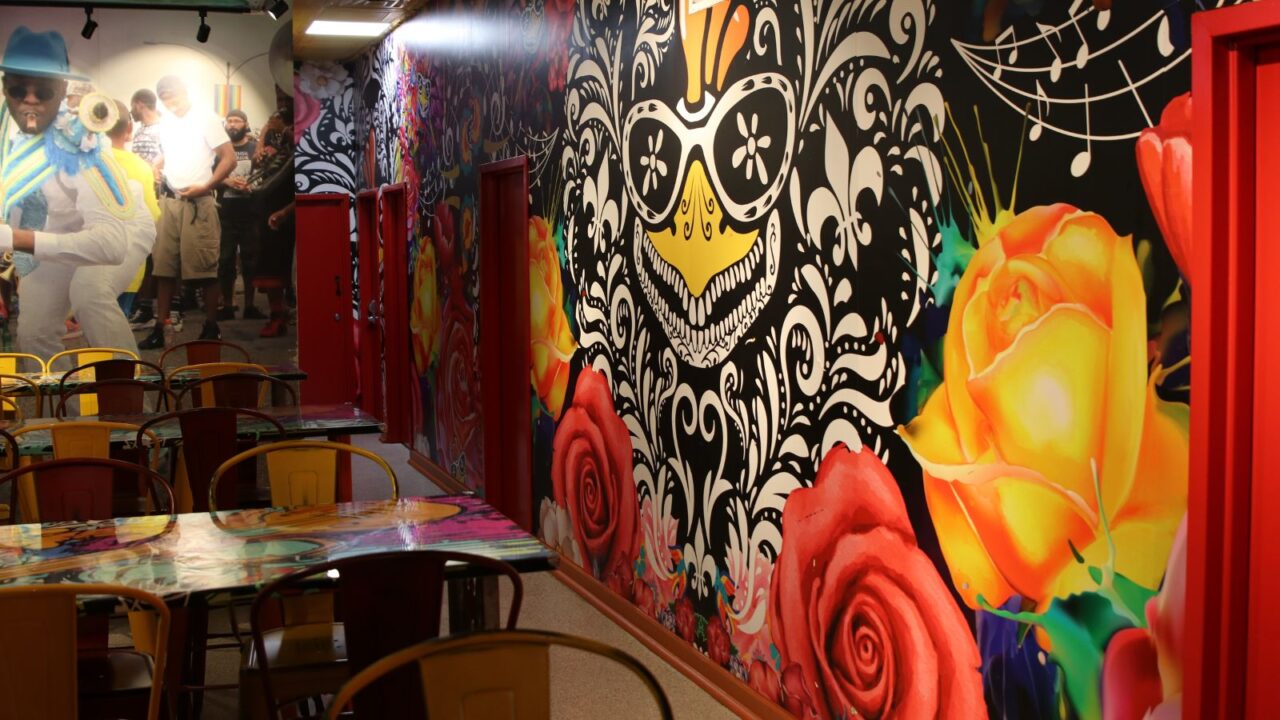
Arts giving cities new life
Public murals, light installations, and seasonal art events are becoming familiar sights in these regions. They brighten up old blocks and bring people together in ways that feel refreshing and hopeful.
These projects aren’t just for visitors; they’re helping long-time residents feel more connected to their neighborhoods. The new energy often inspires local pride that had faded over the years.
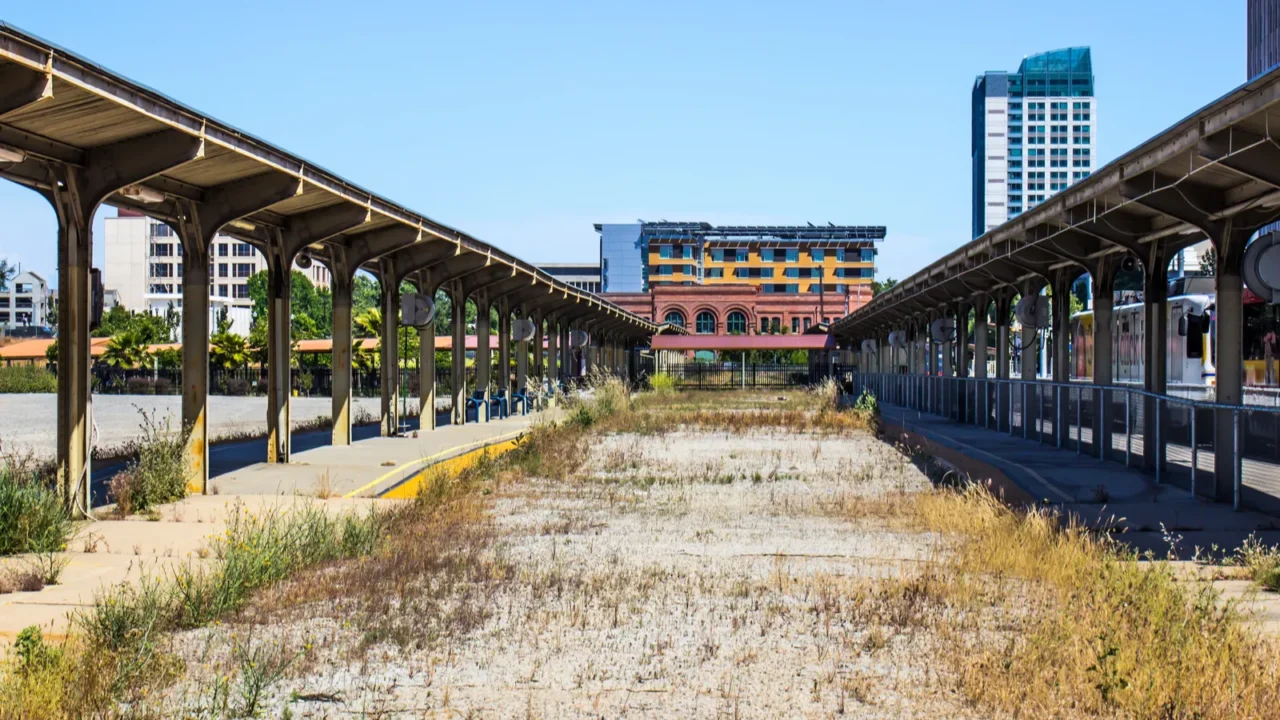
Old factories finding new roles
In 2025, more Rust Belt cities are transforming abandoned factories into busy creative hubs. Breweries, design studios, lofts, and food halls are opening in buildings that once sat empty.
These spaces keep the industrial character intact while giving people fun and useful places to gather. The result is a balance of heritage and modern life that feels authentic instead of forced.
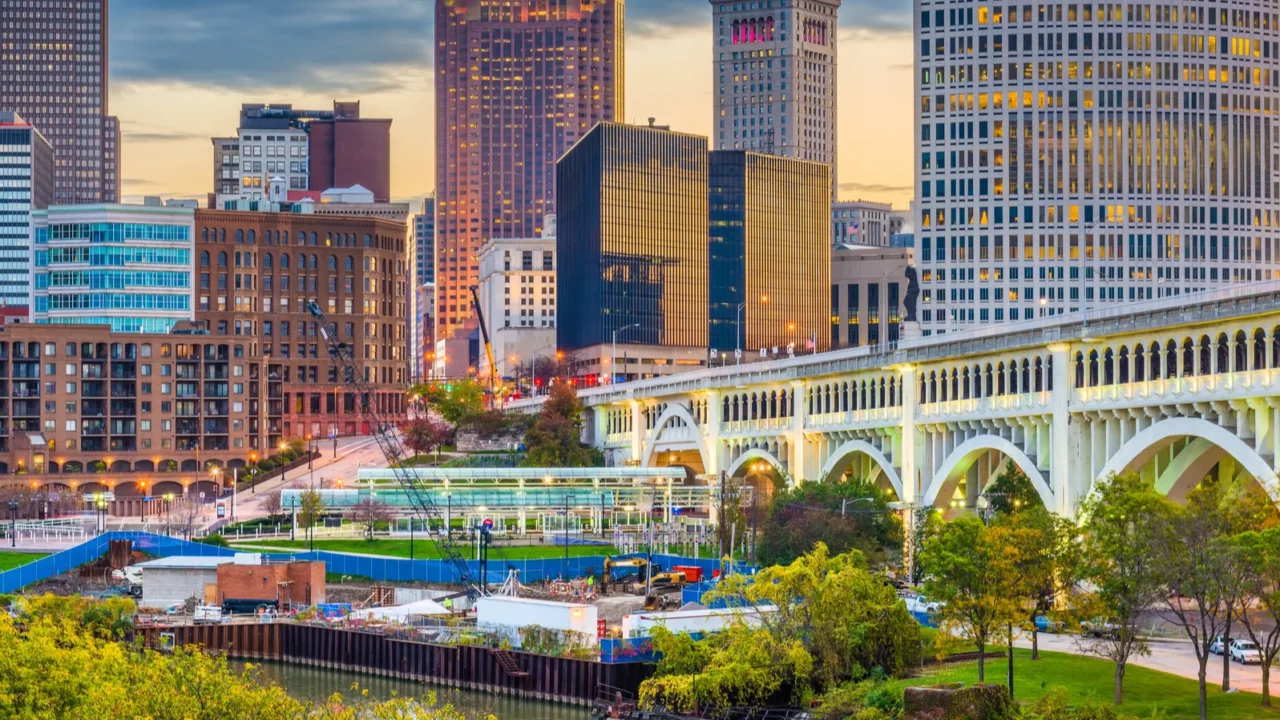
Cleveland’s powerful comeback
Cleveland stands out as one of the strongest examples of cultural revival. Major institutions like the Cleveland Orchestra and local museums continue to anchor the city’s creative scene.
Neighborhoods such as Ohio City and Gordon Square now feel lively, with theaters, galleries, and local businesses pulling in crowds from morning to late evening. The city’s shift from decline to culture-focused growth has become a model for other regions.
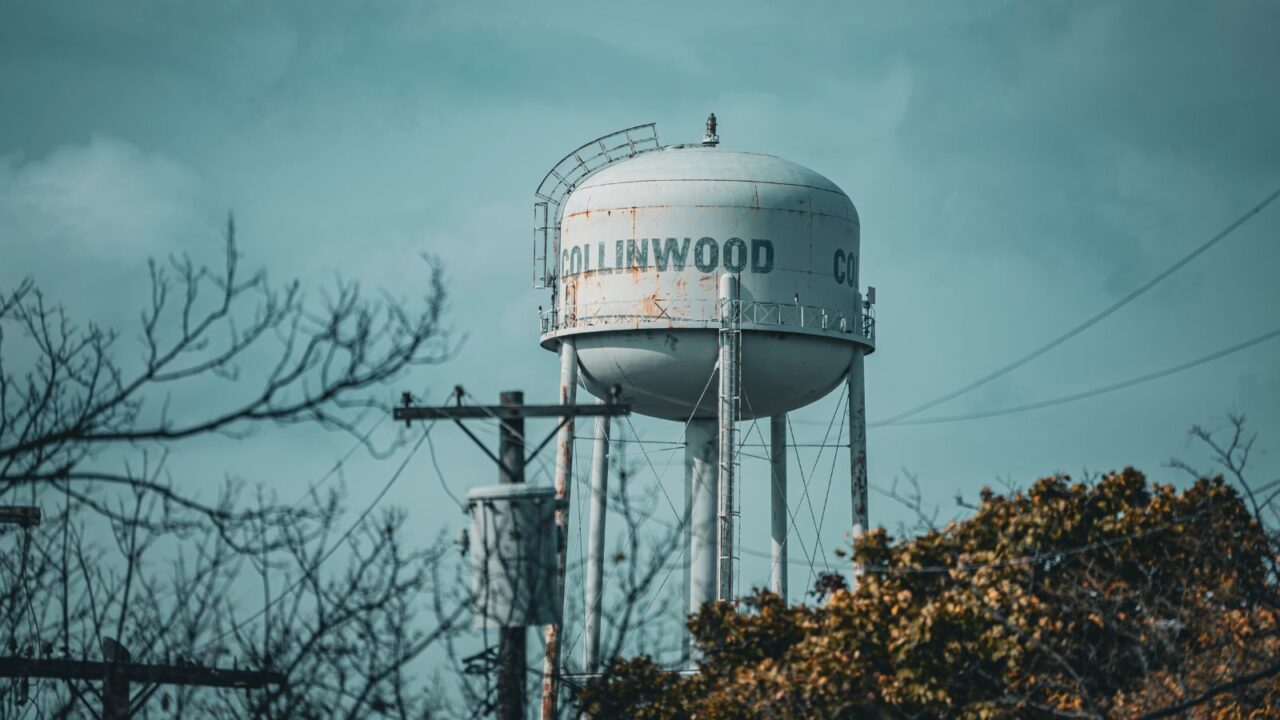
Community projects shaping Cleveland
Artist-driven efforts are taking on vacant buildings and turning them into gathering spots and studios. Collinwood’s early pilot projects helped spark a larger wave of community participation.
The idea of residents reclaiming worn-down areas has made Cleveland feel more personal and hopeful. More people now see the city as a place where creativity and community effort can genuinely change a neighborhood’s future.
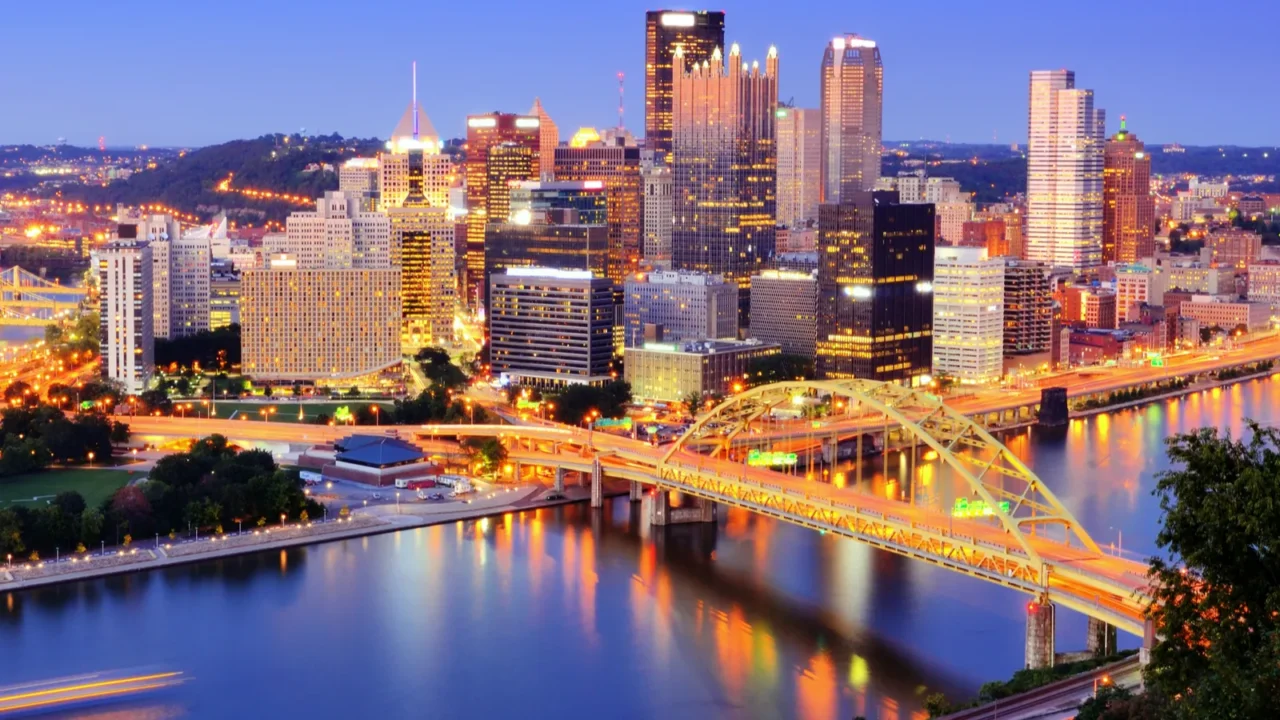
Pittsburgh reinventing itself
Pittsburgh has combined its tech growth with cultural investment, giving it a fresh identity that feels both modern and rooted in its past. Old steel sites are now home to parks, offices, and arts venues.
The shift didn’t happen overnight, but it shows how a city can evolve without losing its character. Today, it’s known as much for innovation as for industrial history.
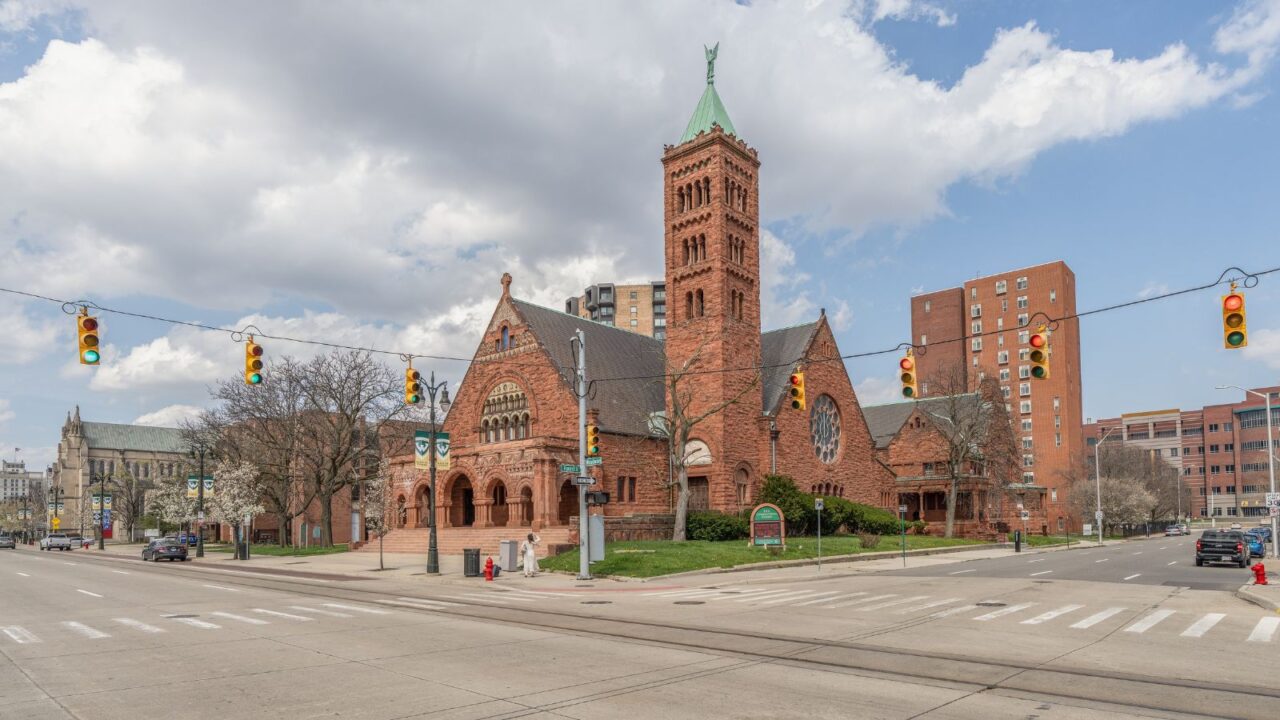
Detroit’s creative new chapter
Detroit’s story continues to evolve as art and entrepreneurship fill former auto plants and warehouses. Street murals, music festivals, and design markets help the city connect its past to its future.
These creative steps keep pulling new talent into the region. What locals call the “new Motor City” blends resilience with a growing cultural heartbeat that feels uniquely Detroit.
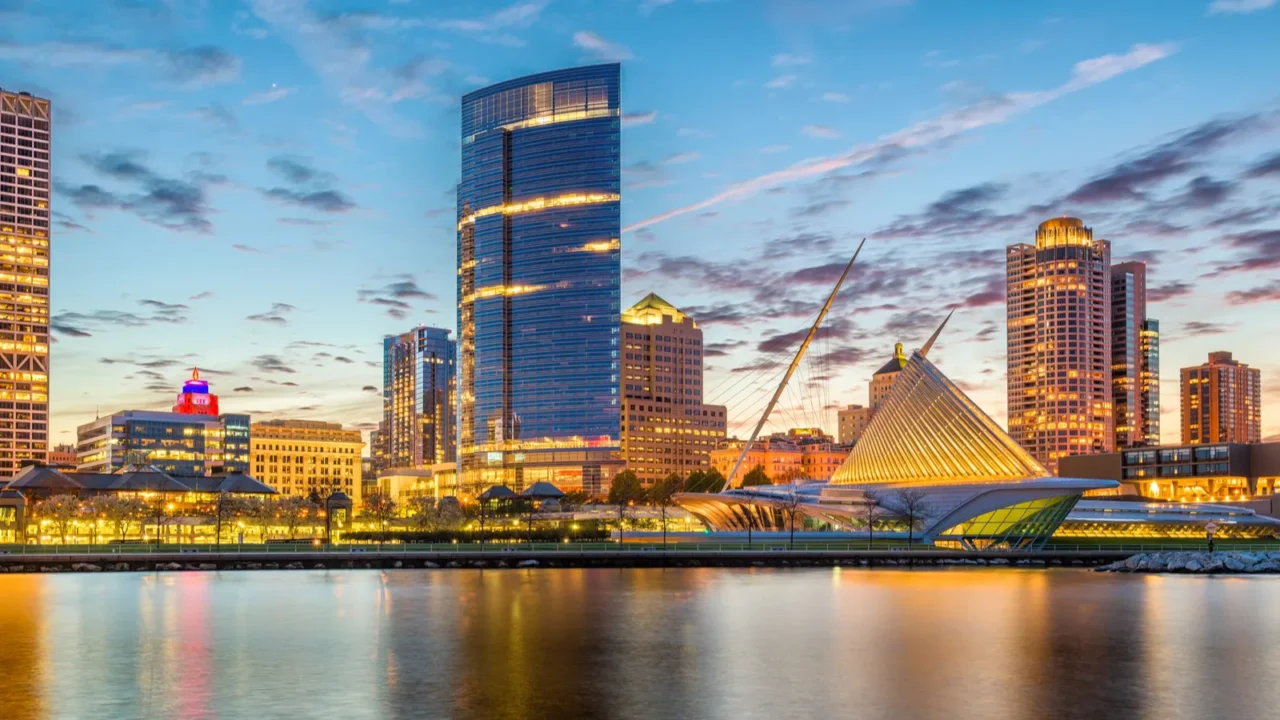
Milwaukee focusing on creativity
Milwaukee’s long-term cultural plans are shaping entire districts and guiding new development. The city is leaning into design, performance, and visual arts to fuel local jobs.
These coordinated efforts are helping neighborhoods regain momentum. The growth may look different from traditional manufacturing, but it offers steady opportunities and a fresh sense of community identity.
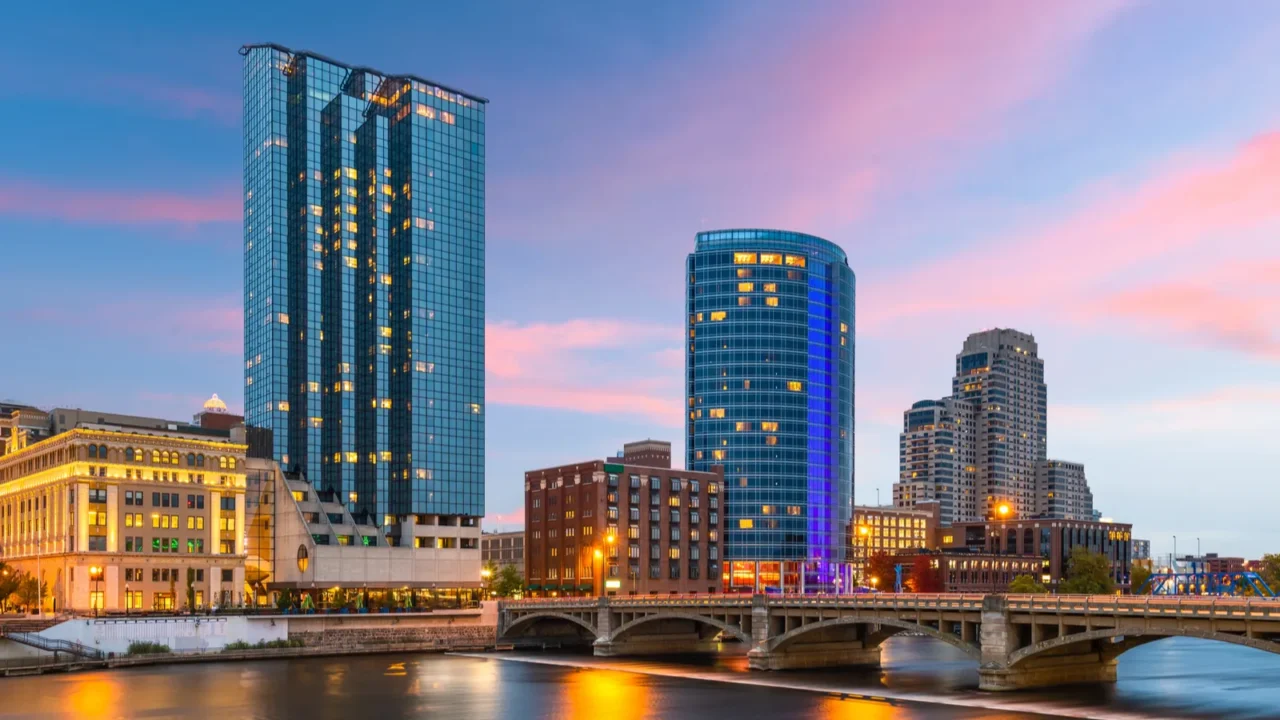
Grand Rapids building arts districts
Grand Rapids continues to benefit from its early decision to embrace creativity as an economic engine. It’s connected “attitude districts” now thrive with festivals, makers, and small businesses.
These spaces attract visitors and encourage locals to explore more of their own city. Other regions have taken notes, using Grand Rapids as a blueprint for cultural renewal. This approach continues to inspire local entrepreneurship and small-scale creative ventures.
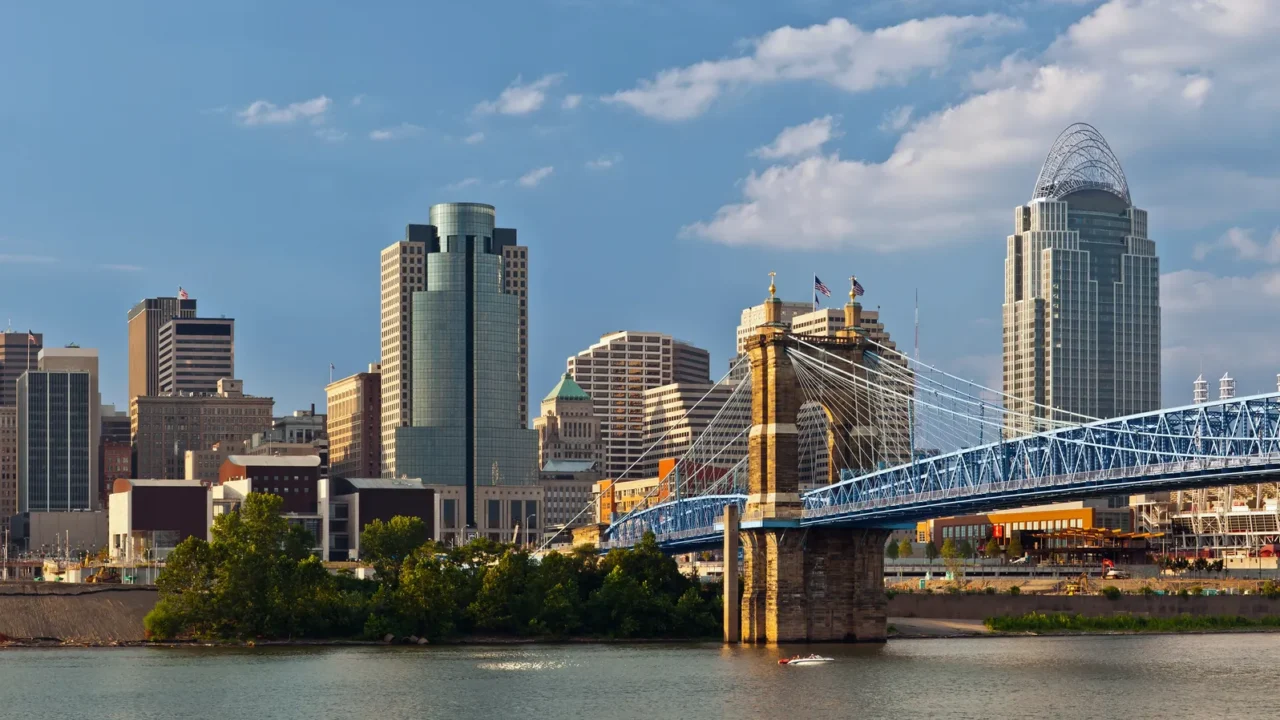
Cincinnati restoring key landmarks
Cincinnati’s riverfront makes a strong impression thanks to its parks and revived historic sites. Smale Riverfront Park and the restored Union Terminal add charm and activity to once-quiet spaces.
Reimagining these landmarks has helped the city create a more welcoming downtown experience. The mix of heritage and modern amenities keeps attracting families, tourists, and new residents. These improvements also spark interest in new cultural events and seasonal programming.
How culture strengthens economies
Arts investments create steady waves of economic activity, from new jobs to increased foot traffic in local businesses. Even small events or markets can lift nearby cafés, shops, and hotels.
These efforts may not fully replace past manufacturing roles, but they build adaptable, resilient economies. Cities using culture as a growth tool are finding new ways to stay competitive in 2025. They also create stronger local networks and attract creative talent to stay long-term.
Funding powering the change
Public-private partnerships play a big role in these makeovers. Federal grants, local colleges, nonprofits, and community groups often work together to support new projects.
This teamwork helps stretch budgets and bring long-term ideas to life. It also ensures residents can take part in shaping the future of their own neighborhoods. These collaborations strengthen civic engagement and encourage ongoing community participation.
And if these landmarks sparked your curiosity, you might love planning a road trip to explore some of America’s most iconic historical sites, where every corner holds a story that shaped the nation.
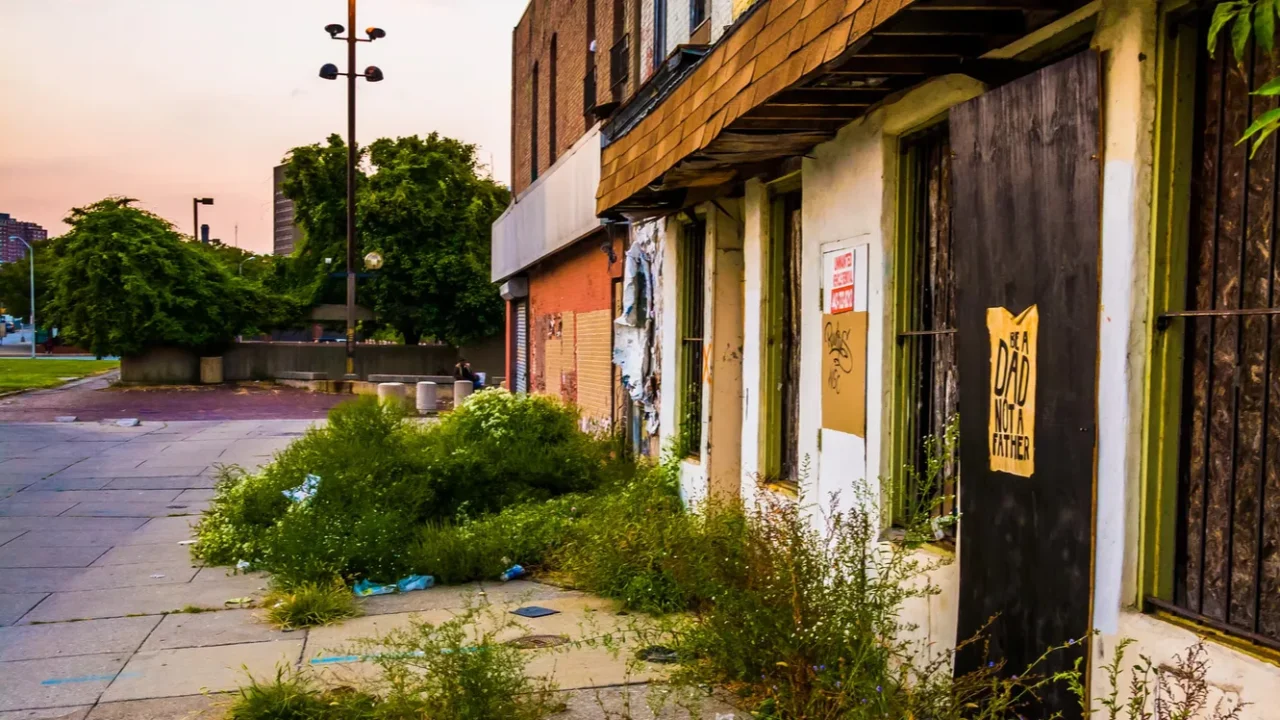
The value of adaptive reuse
Repurposing industrial buildings has become one of the most successful revitalization methods. These structures hold history, and giving them a new purpose keeps that story alive.
The approach saves resources and creates exciting new destinations. From breweries to performance studios, adaptive reuse offers both practical benefits and cultural charm. It also nurtures creative communities by providing affordable spaces for artists and entrepreneurs.
Towns and historic sites always have an undeniable charm. Explore why travelers are falling for charming small towns over big hotspots.
Which city’s creative comeback inspires you the most? Share your thoughts and favorite arts districts in the comments.
Read More From This Brand:
- Easiest beginner-friendly hikes in USA with breathtaking views
- The ultimate summer road trip through New York’s Finger Lakes
- The real reasons businesses are fleeing California (and what it means for you)
Don’t forget to follow us for more exclusive content right here on MSN.
This slideshow was made with AI assistance and human editing.
