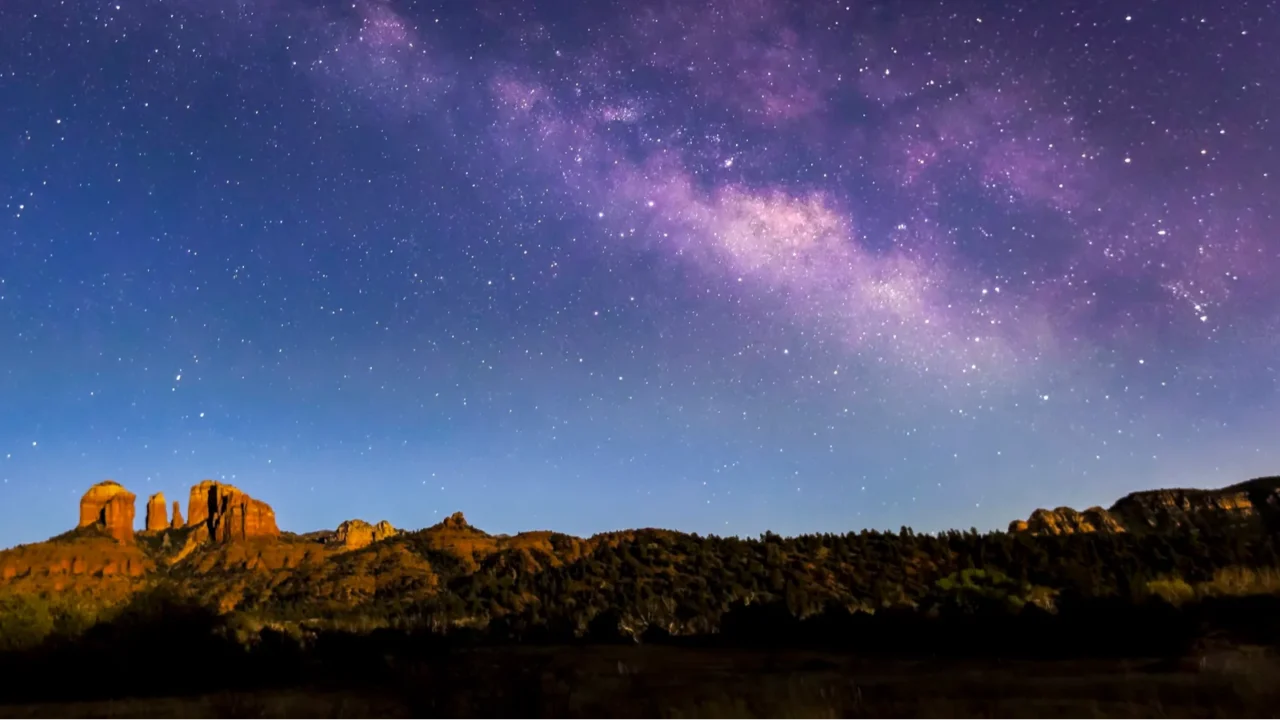
Darkness becomes an asset
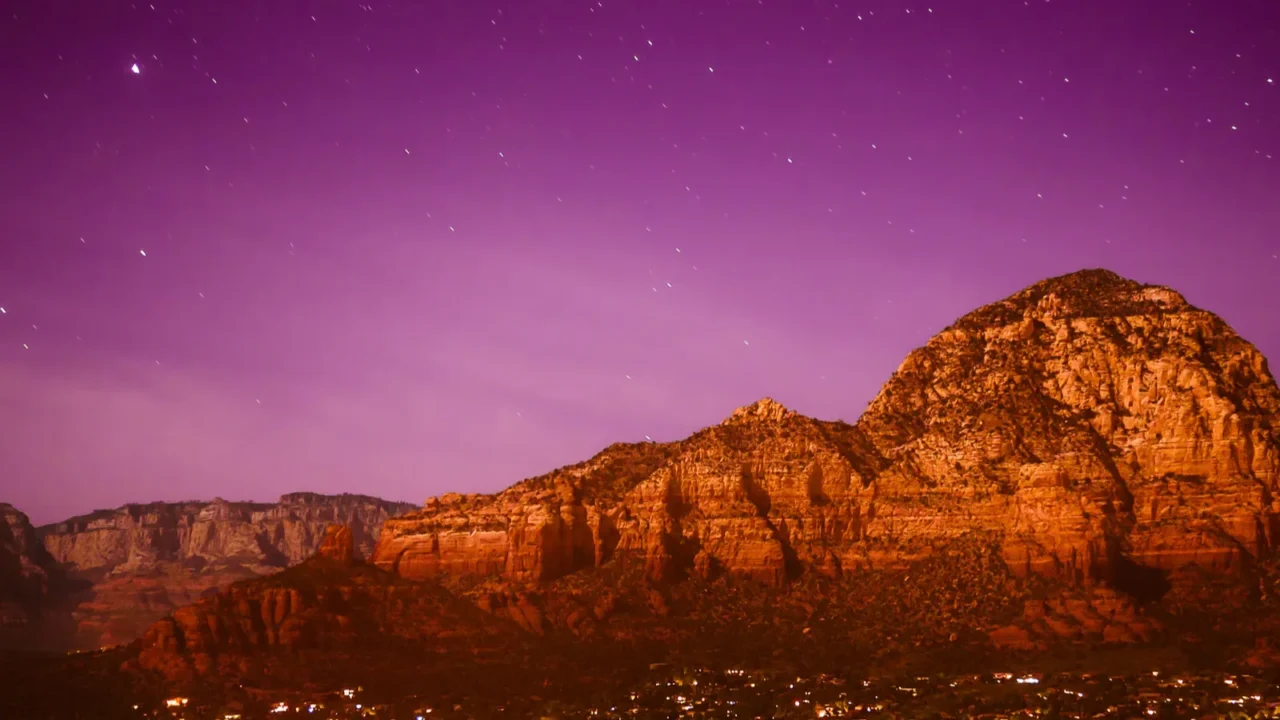
Sedona’s nights are becoming just as famous as its red rock days. What once seemed like simple lighting choices is now shaping the town’s tourism future. Fewer lights are revealing more stars.
New outdoor lighting policies are changing how evenings feel across the area. The night sky has become a central attraction rather than a backdrop. That shift is drawing a different kind of traveler. Let’s dive in.
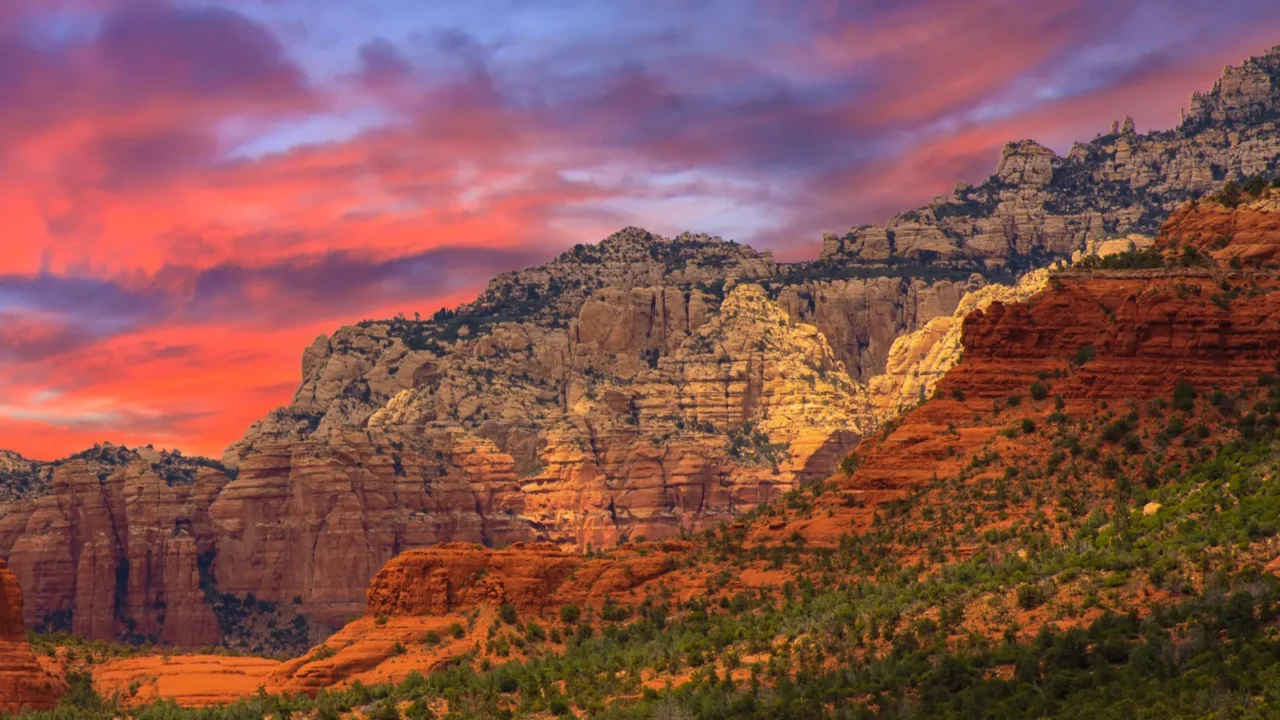
Protecting the night sky
Sedona has long valued its natural surroundings, including darkness after sunset. Local policies now limit excessive brightness and upward-facing lights. The goal is to preserve clear views of the night sky.
These rules focus on shielding fixtures and reducing unnecessary illumination. Light stays directed toward the ground instead of the sky. The result is darker nights without sacrificing safety.
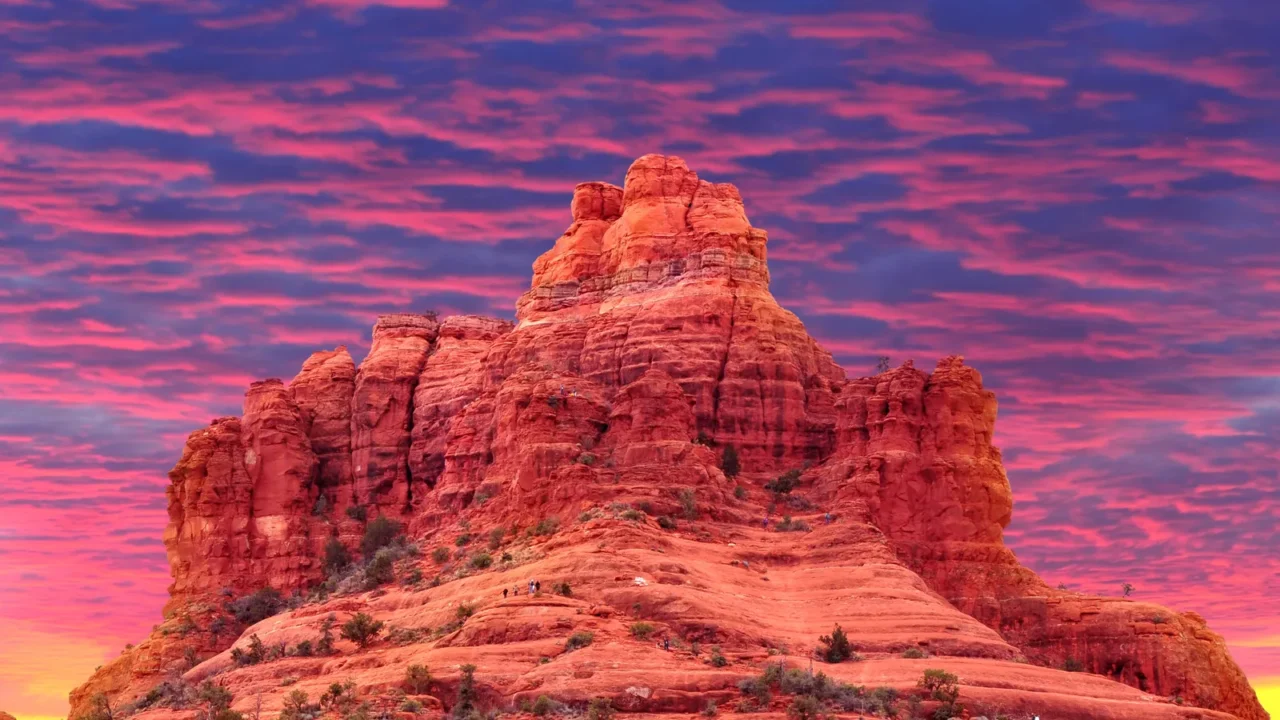
Dark Sky recognition matters
Sedona is recognized as an International Dark Sky Community. This designation reflects strict lighting standards and long-term commitment. It also signals credibility to night sky enthusiasts.
Recognition brings visibility beyond the region. Astronomers, photographers, and explorers take notice. The designation helps position Sedona as a serious destination for night-focused travel.
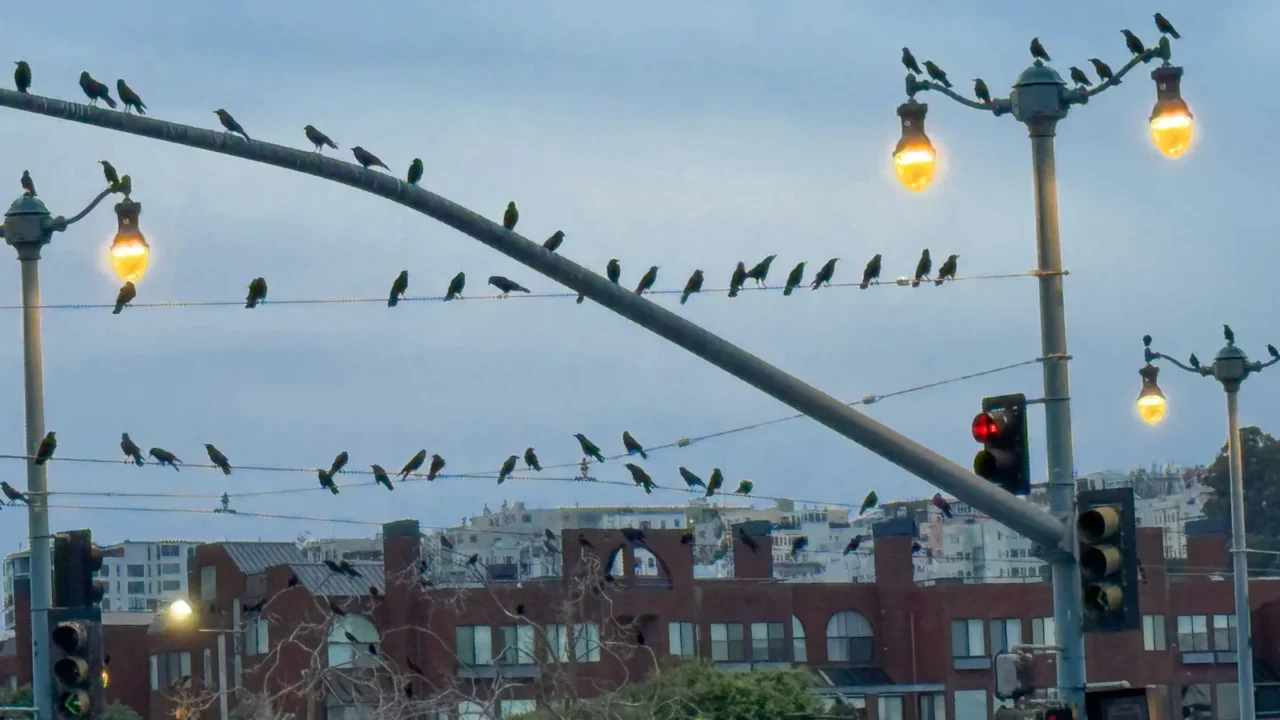
Policies reshape outdoor lighting
New regulations influence both public and private lighting. Streetlights, businesses, and homes must follow updated guidelines. Color temperature and brightness limits play a major role.
Warm-toned lighting replaces harsh white bulbs. Shielded fixtures reduce glare and light spill. These changes improve sky visibility while maintaining functional outdoor spaces.
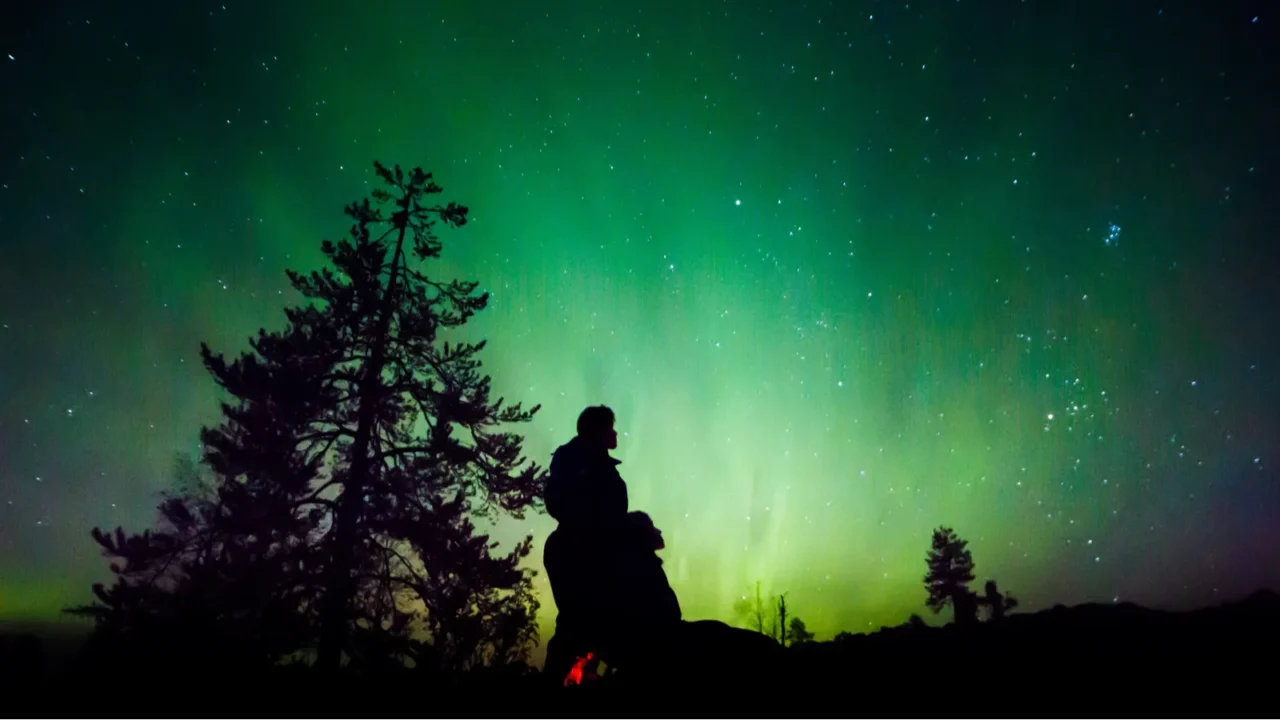
Stargazing gains momentum
Clearer skies are increasing interest in stargazing experiences. Guided night tours and astronomy programs are expanding. Visitors seek structured ways to engage with the sky.
Constellations, planets, and meteor showers become focal points. Darkness enhances visibility without specialized equipment. Stargazing shifts from niche activity to mainstream attraction.
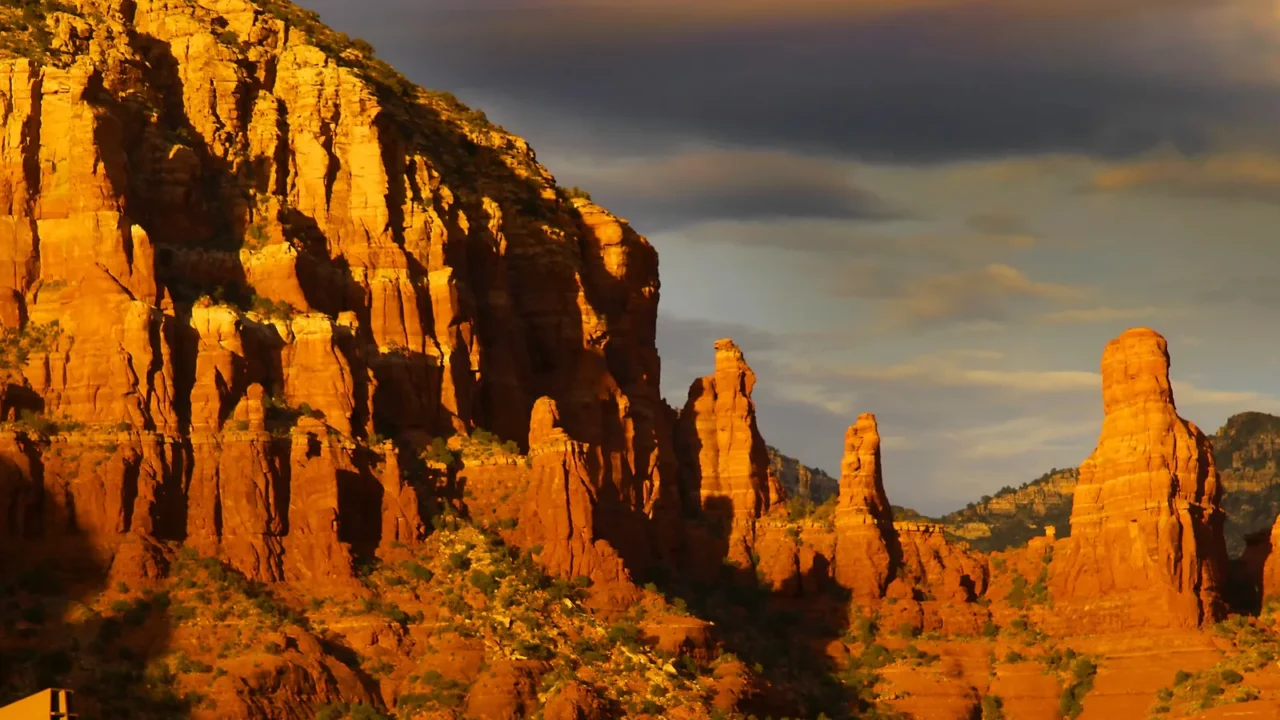
Photography benefits significantly
Astrophotography thrives under darker conditions. Reduced light pollution allows longer exposures and clearer star detail. Sedona’s landscapes provide dramatic foregrounds.
Photographers plan trips around moon phases and celestial events. Night shoots become as important as daytime hikes. The lighting policies directly support this growing creative interest.
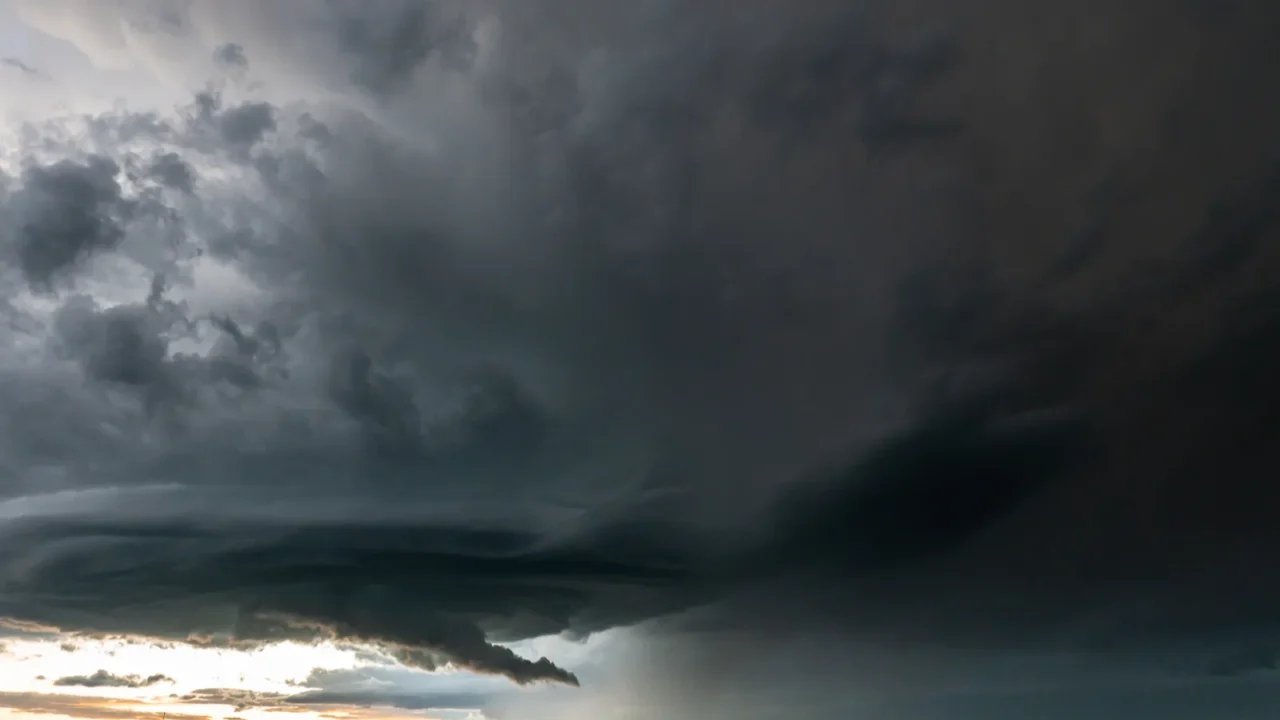
Wildlife also benefits
Reduced nighttime lighting helps protect local wildlife. Many species rely on natural darkness for navigation and behavior. Artificial light can disrupt feeding and movement patterns.
By limiting light pollution, habitats remain more balanced. Wildlife encounters become more natural and less stressful. Conservation goals align closely with tourism benefits.
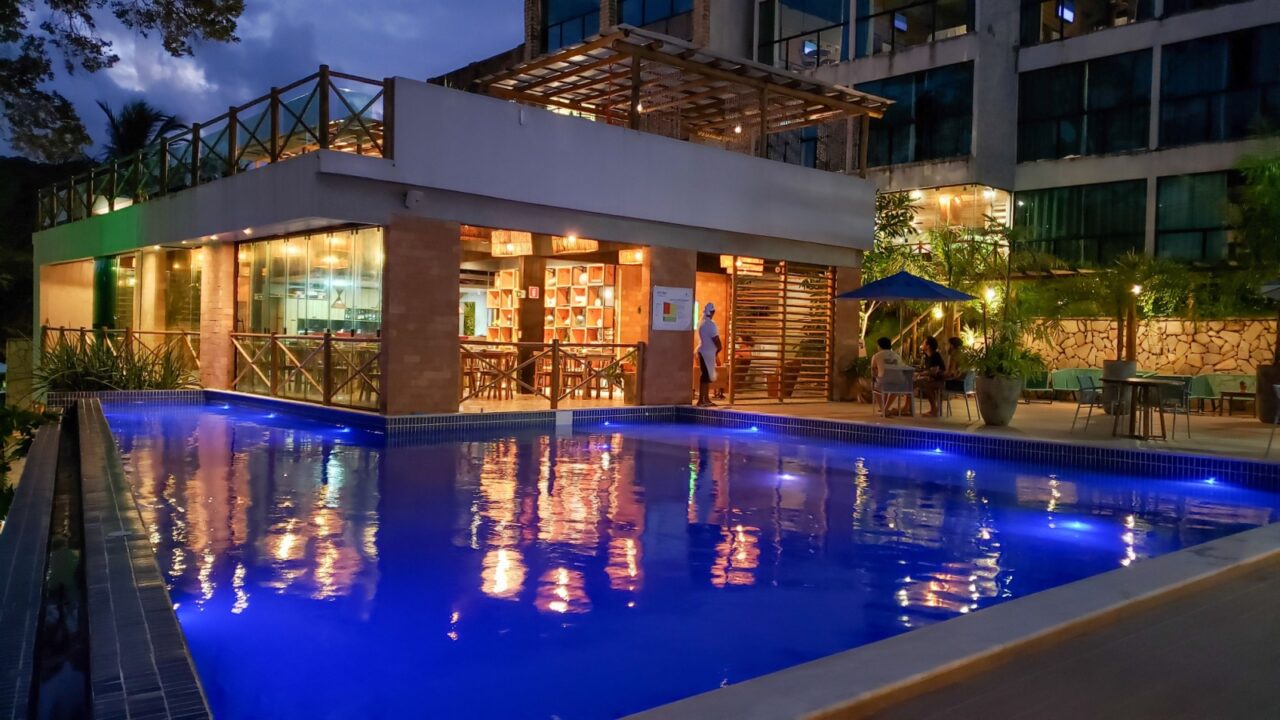
Businesses adapt thoughtfully
Local businesses adjust lighting to meet guidelines. Hotels, restaurants, and resorts adopt softer outdoor illumination. Design choices emphasize ambiance over brightness.
These changes create calmer nighttime environments. Outdoor dining and walkways feel intentional and peaceful. Visitors experience evenings that feel immersive rather than overstimulating.
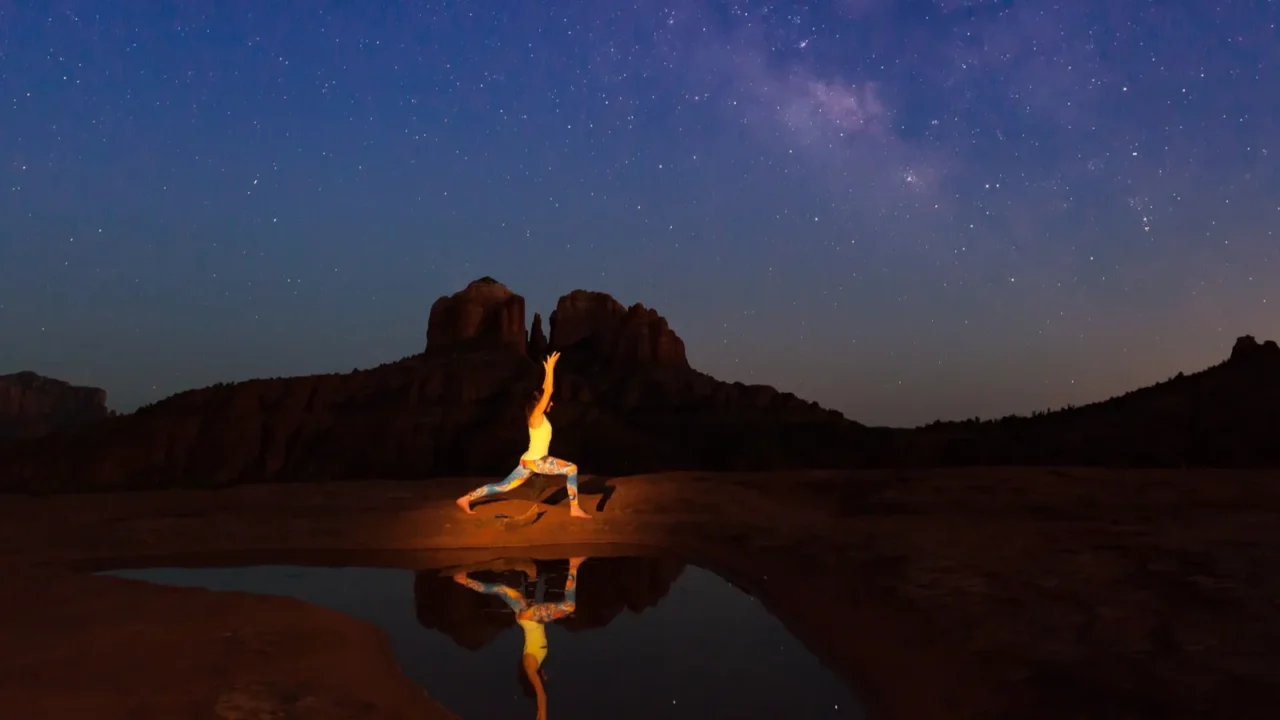
Night tours grow popular
Sedona’s tourism offerings increasingly extend after sunset. Jeep tours, guided hikes, and astronomy walks operate under dark sky principles. Experiences focus on quiet observation.
Groups move slowly and intentionally. Guides emphasize respect for the environment. Night tourism becomes educational rather than entertainment-driven.
Community support drives success
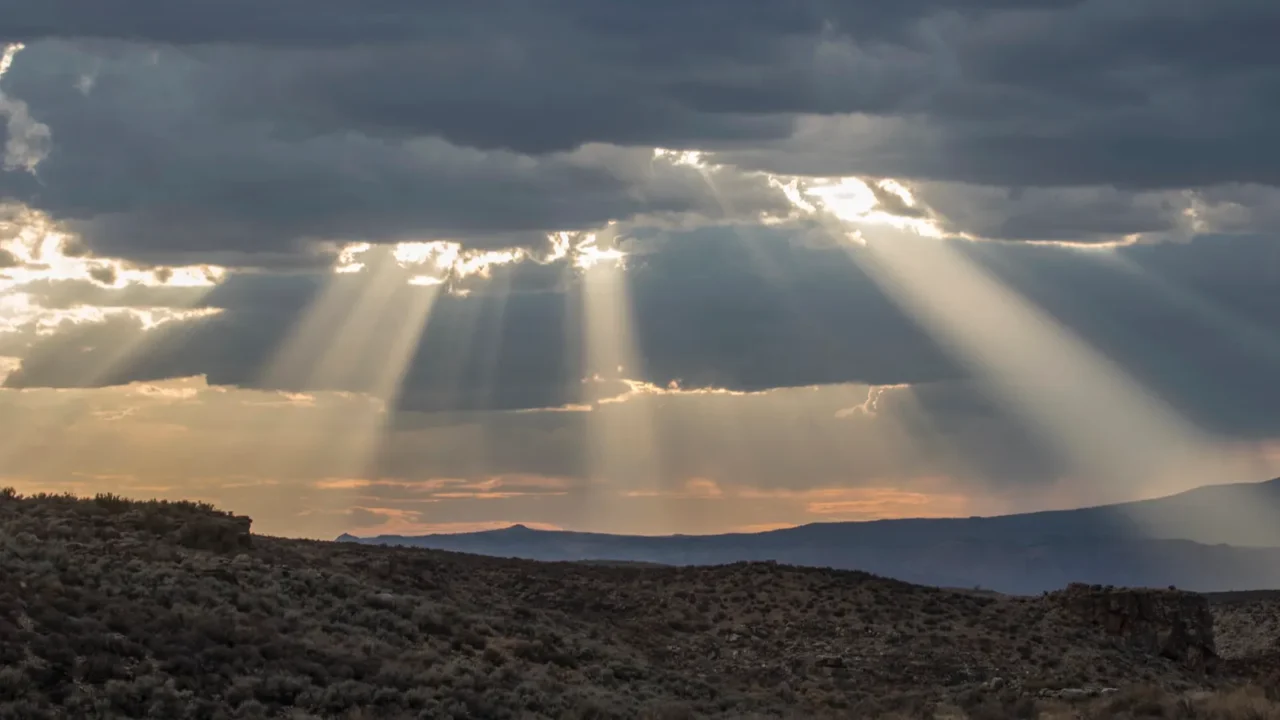
Resident support plays a major role in policy effectiveness. Many locals value dark skies as part of daily life. Community buy-in strengthens compliance.
Public education reinforces why lighting choices matter. Residents and visitors share responsibility for preservation. That shared mindset keeps standards consistent.
Seasonal travel patterns shift
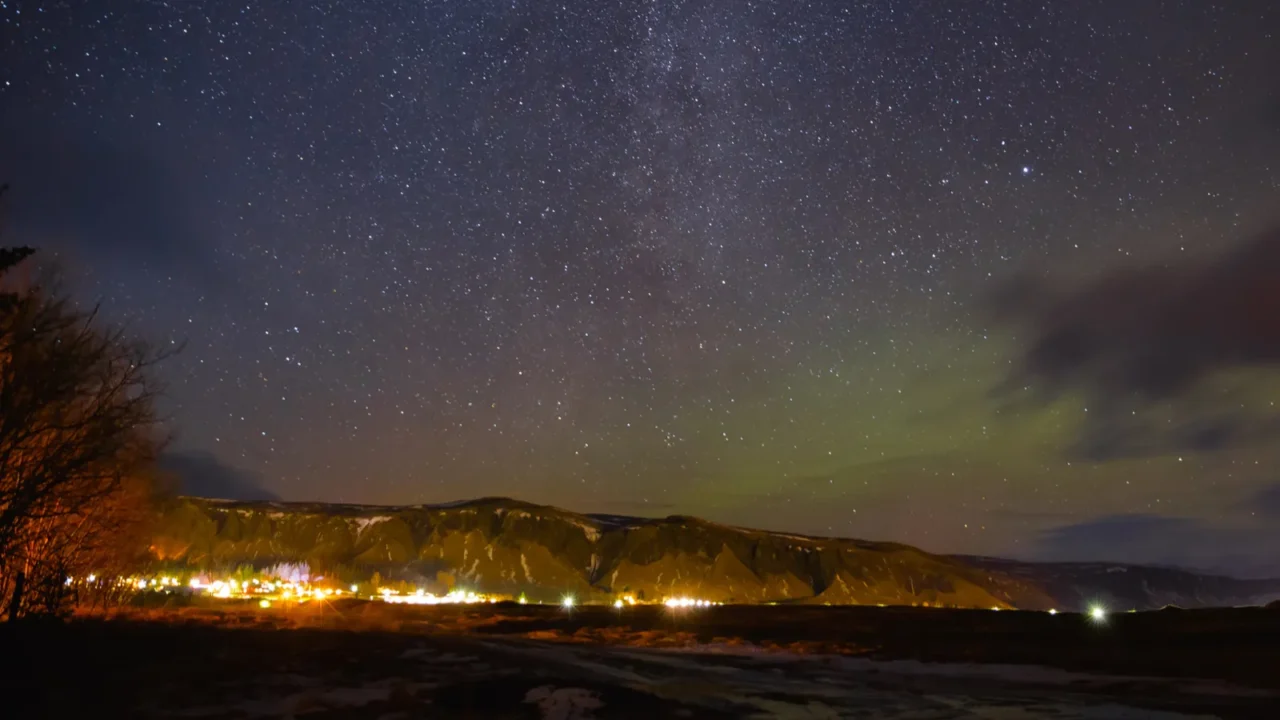
Night sky tourism influences travel timing. Visitors plan trips around celestial events and clear weather. Shoulder seasons gain attention due to optimal viewing conditions.
This helps balance tourism throughout the year. Crowds spread beyond peak daytime months. The economy benefits from steadier visitation patterns.
A quieter tourism identity
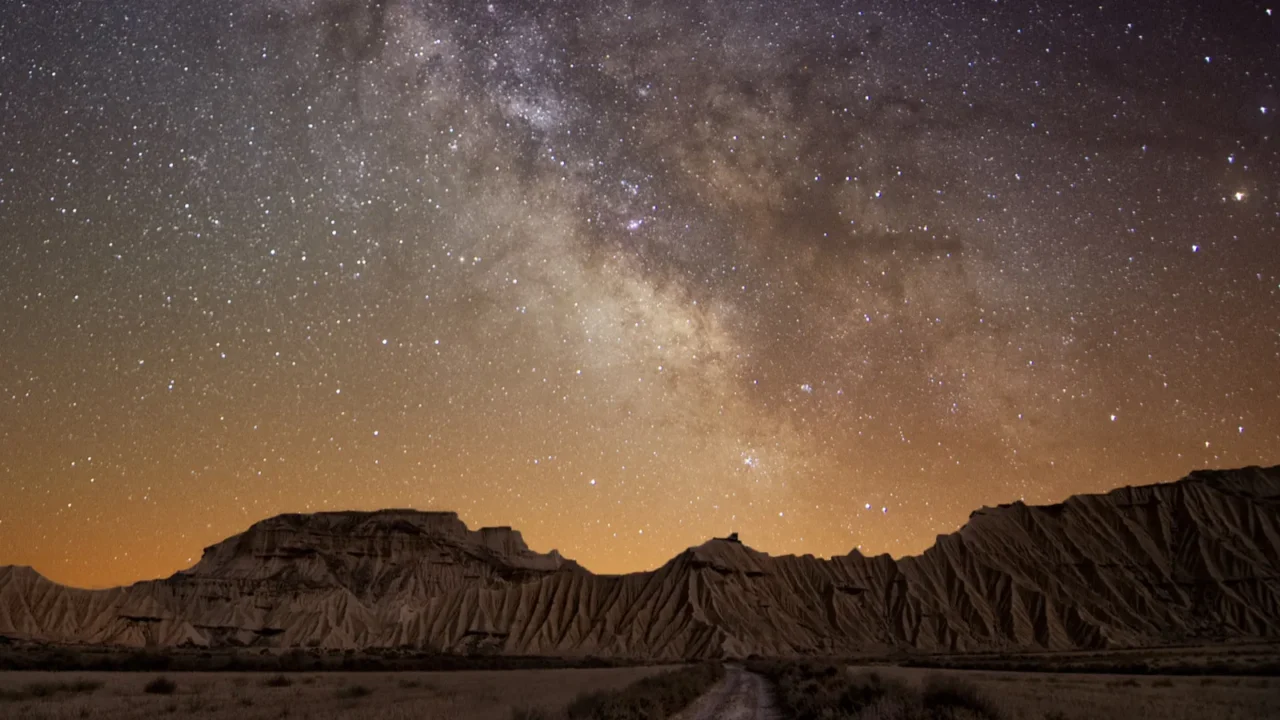
Sedona’s lighting policies shape its tourism image. The destination emphasizes reflection, nature, and stillness. Night experiences feel restorative rather than busy.
Travelers seeking meaningful, unhurried journeys take a particular interest, much like those drawn to why Norway’s midnight sun season feels like stepping into a different world. Darkness becomes part of the brand, and the experience stands apart from brightly lit destinations.
Stars define the experience
Sedona’s night skies now define its after-dark appeal. Lighting policies protect more than views. They protect the atmosphere and identity.
Visitors leave with memories shaped by silence and stars. Night becomes a highlight, not an afterthought. Sedona proves that less light can mean more wonder.
If you found this interesting, give us a like and share your thoughts in the comments.
This slideshow was made with AI assistance and human editing.
Don’t forget to follow us for more exclusive content right here on MSN.
Read More From This Brand:
