
Big change for canceled flights
Travelers are getting stronger protections in 2025, thanks to new DOT rules around refunds. When a flight is canceled or significantly changed, passengers are now more likely to get cash back, no longer just vouchers, unless they choose them. This shift could really change how people feel about flight disruptions.
These protections are part of a broader effort to make airline refunds more transparent and fair. The DOT is making sure airlines automatically issue refunds when they owe them. Let’s dig into how the new process works and what travelers should actually do.

Why the rules changed
In April 2024, the DOT issued a final rule that requires airlines to issue automatic refunds for qualifying cancellations and changes. This came after years of complaints that refund policies varied widely among carriers. The goal: make it simple, fast, and predictable for passengers when things go wrong.
Regulators saw a need for more consistency, especially on what counts as a “significant change” in itinerary. Those definitions are now clearer, reducing confusion for both passengers and airlines. With these changes, travelers don’t have to fight to get what’s legally theirs.

When refunds are automatic
If a flight is canceled, and the passenger doesn’t accept rebooking or a voucher, they’re entitled to a cash refund. The rule also applies when an airline’s schedule change is “significant”, like big delays or airport switches. There’s no need to beg or negotiate: the refund should be automatic under these conditions.
The DOT clearly states that when refunds are owed, airlines must provide them in the same form of payment that was used. That means credit card purchases, airline miles, or whatever was originally used must be returned, not just converted to credit. This change gives travelers more control over what happens during a disruption.

How fast do refunds come?
If the ticket was bought with a credit card, the airline must refund it once it knows a refund is owed. For other payment methods, like cash or another form, it can take up to 20 calendar days for a refund to be processed. These timelines are now part of the official rule, not just airline goodwill.
That said, it’s smart for travelers to keep checking their statements or airline apps so they know when the money’s on its way. If a refund doesn’t show up, it may be time to follow up. Knowing these timelines can help reduce stress and uncertainty.
What “significantly changed” means
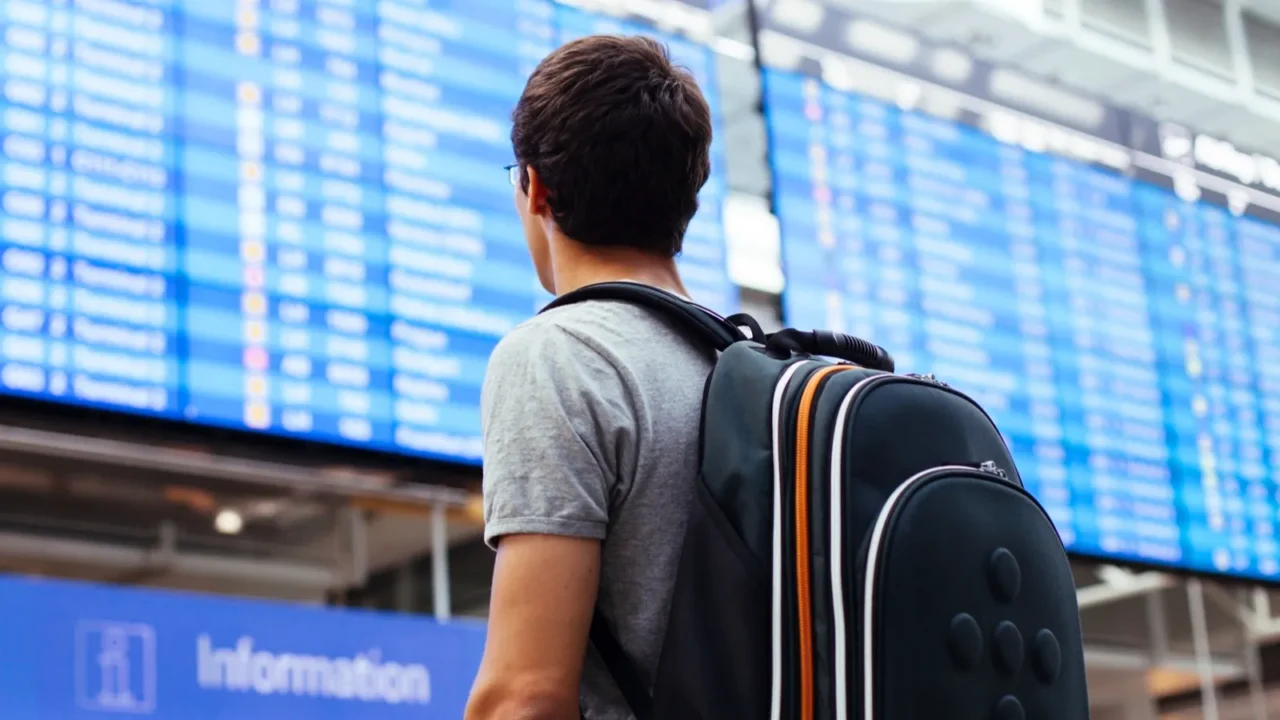
The DOT’s rule defines “significant change” pretty clearly, so airlines can’t dodge refund obligations easily. Examples include arrival or departure times changed by more than 3 hours domestically or 6 hours internationally. Also, if the airport changes or the number of connections increases, that counts too.
These definitions give passengers a concrete basis for refund claims. Travelers should check their itinerary carefully after any sudden change. If it meets the criteria, they don’t have to accept a voucher; they can insist on a refund.

Don’t accept vouchers if you don’t want them
Under the new rules, airlines can’t force travelers to take vouchers instead of cash refunds.
If a passenger declines a rebooking or alternative offer, the refund must come in cash or back to the original method of payment. Plus, if vouchers are offered, they must be valid for transportation.
That’s a big deal, especially for travelers who don’t want to be locked into one airline or travel credit. Having the option for cash gives more flexibility and fewer worries. It’s now a right, not a favor.

Refunds for baggage or services too
It’s not just tickets; passengers can also get refunds for baggage fees when bags are significantly delayed. And if paid extras like Wi-Fi, seats, or entertainment weren’t delivered, those fees must be refunded, too. These protections make sure travelers don’t pay for anything when things go wrong.
If luggage arrives more than 12 hours late domestically, or 15-30 hours on international flights, the checked bag fee can be refunded. Passengers should file a baggage claim to make this happen. Knowing the rule helps make the refund process smoother.
Document everything
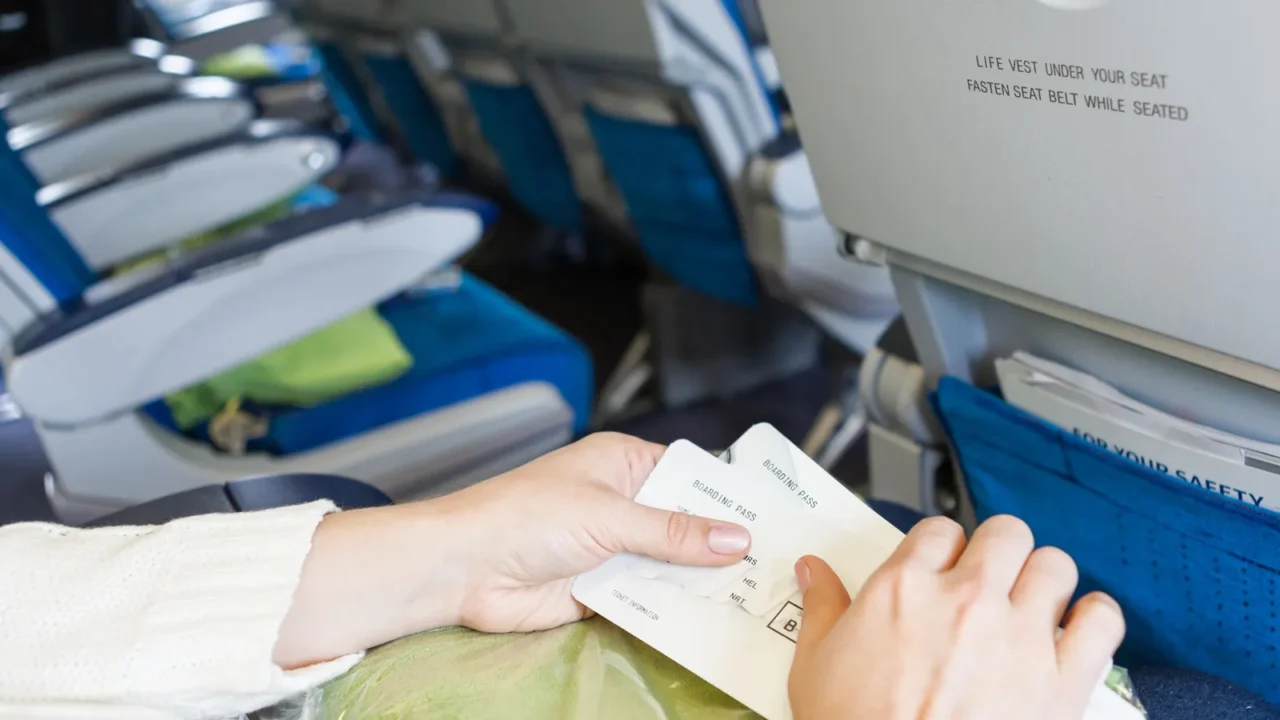
When a cancellation hits, it helps to keep all travel-related documents safe, emails, texts, or app messages all matter. That way, if a refund is owed, travelers can clearly show what happened and when. Good documentation makes the process smoother and helps avoid back-and-forth with airlines.
Getting screenshots of the airline’s refund offer is smart, especially if there’s a voucher vs. cash choice. Also, saving receipts for things like a hotel or food (if the cancellation forces a wait) could help if reimbursement is needed. Being organized doesn’t just save time; it might save money, too.

Be ready to fight back
If an airline procrastinates or refuses the refund, passengers can file a DOT complaint. The DOT has a formal Office of Aviation Consumer Protection for this very reason. Pursuing a complaint may feel tedious, but it’s a powerful way to make airlines comply.
Another way is to email customer service directly, quoting the DOT’s refund rule and reminding them of the 7- or 20-day refund window. If that doesn’t work, posting politely but firmly on social media (tagging the airline) often gets more traction. Airlines are under more regulatory scrutiny now, so many are more responsive to well-documented claims.

Use the airline’s app or website
Many airlines now include a refund request form directly in their app or website once a cancellation is confirmed. Filing the refund this way is often faster and more trackable than calling or emailing.
Passengers will also get notifications when their refund is being processed.
Using the app can also help because it often displays the cancellation status clearly and connects directly to many options, like rebooking or refund. Plus, apps usually store trip history, so it’s easy to pull up details when making your request. It’s a streamlined way to put the refund process into motion without stress.

Timing matters when claiming
If a flight is canceled, it is best to pay attention to when the airline notifies the traveler. Once a significant change or cancellation happens, passengers should respond right away, choosing “refund” over rebooking if that’s what they prefer. Delaying that decision can complicate things, especially as refund windows are now more clearly defined.
Since the DOT rule works automatically, rejecting an alternate flight quickly helps trigger the refund process sooner. It also helps to check payment method statements regularly, that way travelers know when the refund shows up. Prompt action means less waiting and fewer surprises.

What’s enforcement like?
The DOT has already enforced these rules: As of mid-2024, airlines have returned nearly $900 million in refunds under the new regulations. That shows this isn’t just a paper rule; regulators are serious about enforcing consumer rights. Knowing this gives travelers more confidence that their refund claims are valid.
DOT Secretary Buttigieg has publicly warned airlines about ignoring or delaying compliance, which pushes companies to respond quickly and fairly when refund requests come in. This kind of regulatory pressure means travelers have more power than before, especially when they understand their rights clearly, including the smartest ways to dodge airline fees this year. And with these protections, matters even more for travelers navigating an expanded set of options.

Travel smarter with refunds
With the 2025 automatic refund rule, travelers have clearer rights when a trip is canceled or significantly changed. By documenting everything, acting fast, and knowing the rules, they can actually get the money back without the hassle. This isn’t just a small perk: it’s a major upgrade in how airlines treat passengers when things go wrong.
What do seasoned travelers think? Does this rule make flying feel safer, or is it still a headache to chase refunds? Drop thoughts in the comments.
Read More From This Brand:
- Hollywood heads north as Canada’s frozen resorts become this winter’s new status symbol
- Where the stars are hitting the slopes in 2025 for their celebrity ski escapes
- Selena Gomez’s Mexican hideaways and the growing trend of wellness tourism
Don’t forget to follow us for more exclusive content right here on MSN.
This slideshow was made with AI assistance and human editing.
