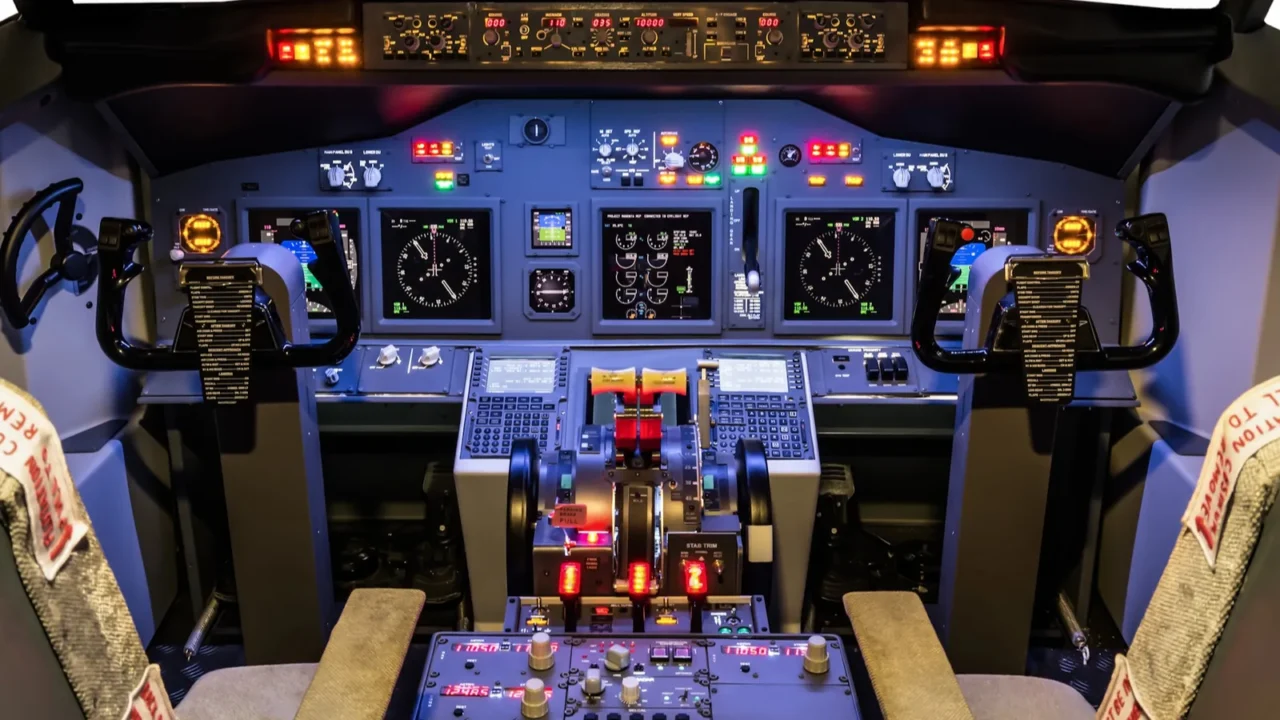
Turbulence meets innovation
Turbulence has long been a wild card in air travel, creating discomfort, delays, and sometimes danger for passengers and crew. Now airlines are turning to cutting-edge predictive technology powered by AI and real-time data to get ahead of those bumps. This shift could change the very nature of flying, making it smoother, safer, and more reliable.
The new systems aim to forecast unstable air before the plane even reaches it, giving pilots a window to act. With data from global airline networks, weather services, and onboard sensors, this tech is more connected than ever. For frequent travelers and occasional flyers alike, the promise of fewer surprises mid-flight is a welcome one. Let’s dive in and explore what’s happening up in the skies!

What is predictive turbulence tech
Predictive turbulence technology combines aircraft sensor data, crowd-sourced reports, and sophisticated machine-learning models to forecast where turbulence might hit. Systems use metrics like the Eddy Dissipation Rate (EDR), along with GPS and accelerometer input, to paint a real-time picture of air stability. This lets airlines warn pilots ahead of time, not just react when the plane begins shaking.
By having that early warning, flight dispatchers and pilots can adjust routes, altitudes, or speed proactively. That reduces the need for last-minute corrections or sudden altitude changes that passengers feel. Over time, it becomes part of routine flight planning and operations, not just a reactive tool.
How IATA leads with Turbulence Aware
IATA’s Turbulence Aware platform collects anonymized turbulence data from participating airlines around the world and shares it in near real time. According to IATA, in the first half of 2025, airlines submitted nearly 25 million turbulence reports, a 23 percent increase from the same period in 2024.
This shared data helps build a global turbulence map, giving pilots and flight planners insights into where turbulence is most likely. As more airlines join, that coverage only grows stronger, improving prediction accuracy for everyone.
Emirates’ multi-layered approach
Emirates has embraced a multi-system strategy to forecast and avoid turbulence, using AI via Sky Path, plus Lido mPilot from Lufthansa Systems, and IATA’s own Turbulence Aware data. These tools enable the airline to analyze everything from cloud convection to real-time in-air turbulence reports. By combining different data sources, Emirates says it has significantly reduced unexpected severe turbulence incidents across its network.
The scale of that effort is impressive: over 140 aircraft in Emirates’ fleet now feed turbulence data back into the system to help other flights. This collaborative model shows how predictive tech can be powerful only when many players share data and contribute. It also underscores how airlines are taking turbulence seriously as more than just an inconvenience.
How Sky Path works
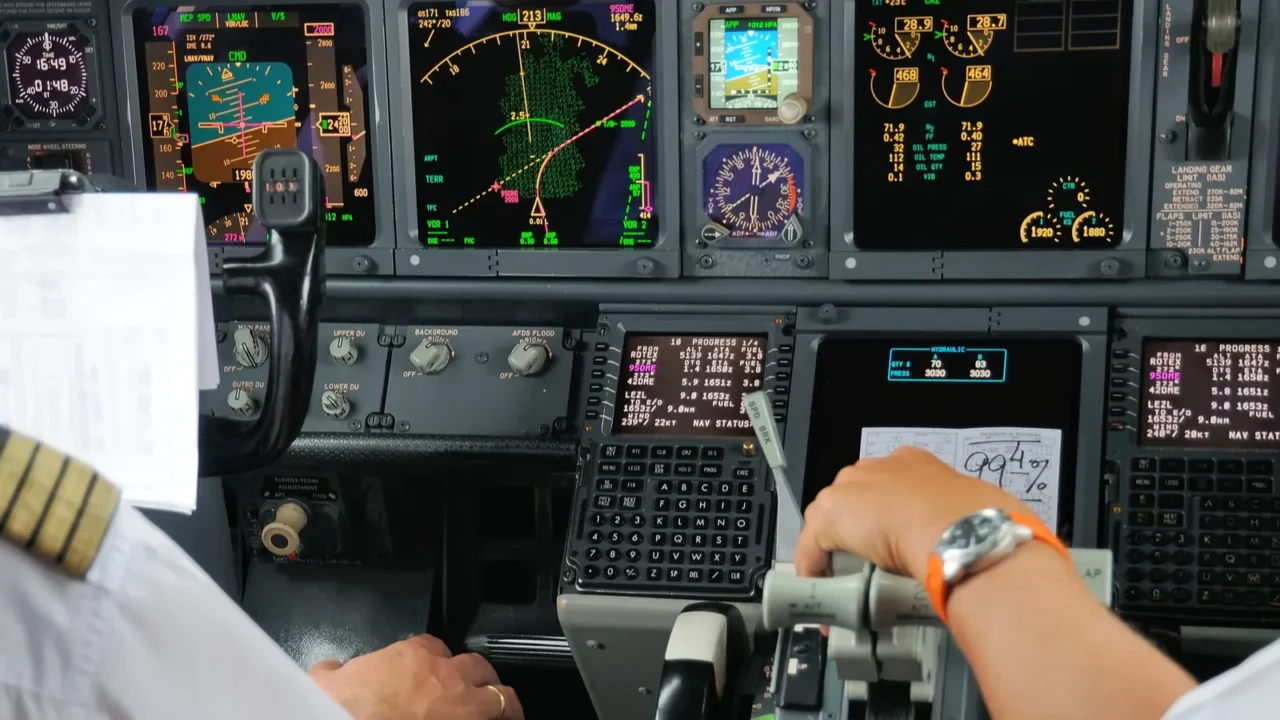
Sky Path uses advanced AI and machine learning to analyze turbulence-related data from many sources, including aircraft sensors, ADS-B transponders, and tablet accelerometers. That means even in clear air where traditional radar fails, Sky Path can spot unstable atmospheric zones. When risk zones are identified, pilots receive actionable alerts to adjust flight paths or altitudes.
This ability to forecast “clear-air turbulence” is among the most important advancements, because that type is harder to detect yet often dangerous. By giving crews early insight, SkyPath helps prevent sudden turbulence jolts that passengers feel. For airlines, that means fewer disruptions, lower risk of injury, and a smoother flight experience overall.
Lido mPilot’s real-time insight
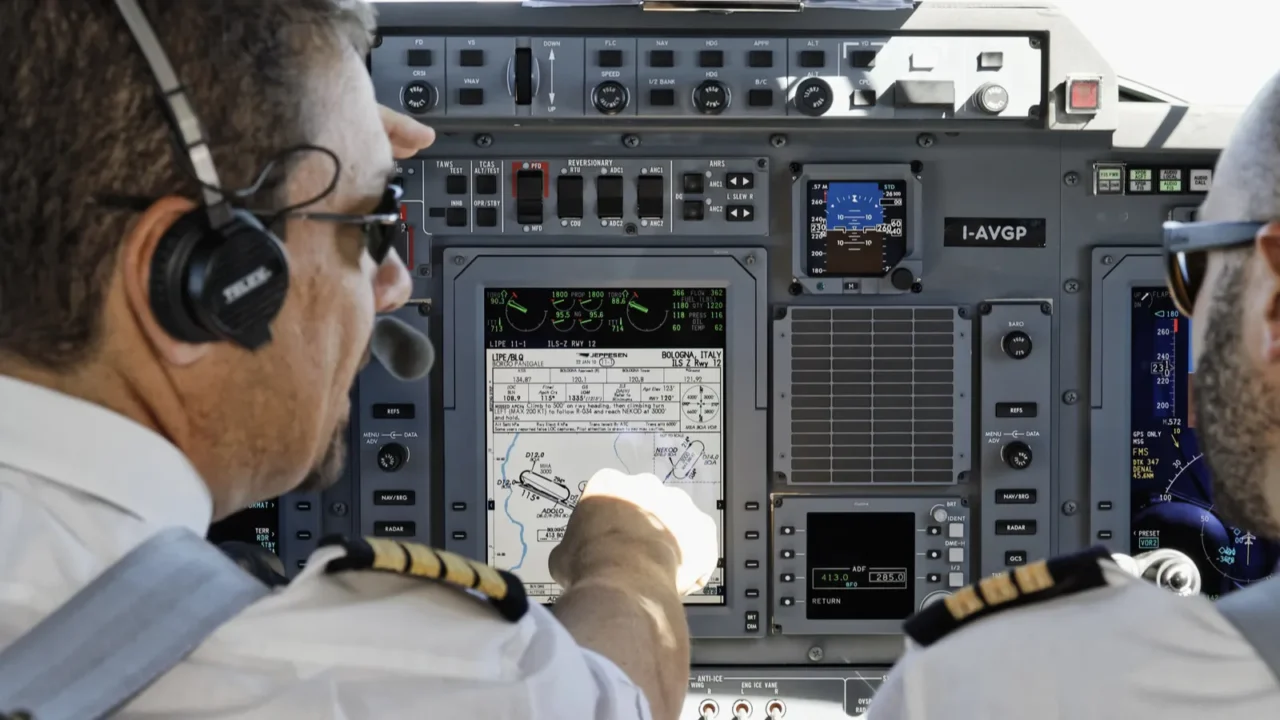
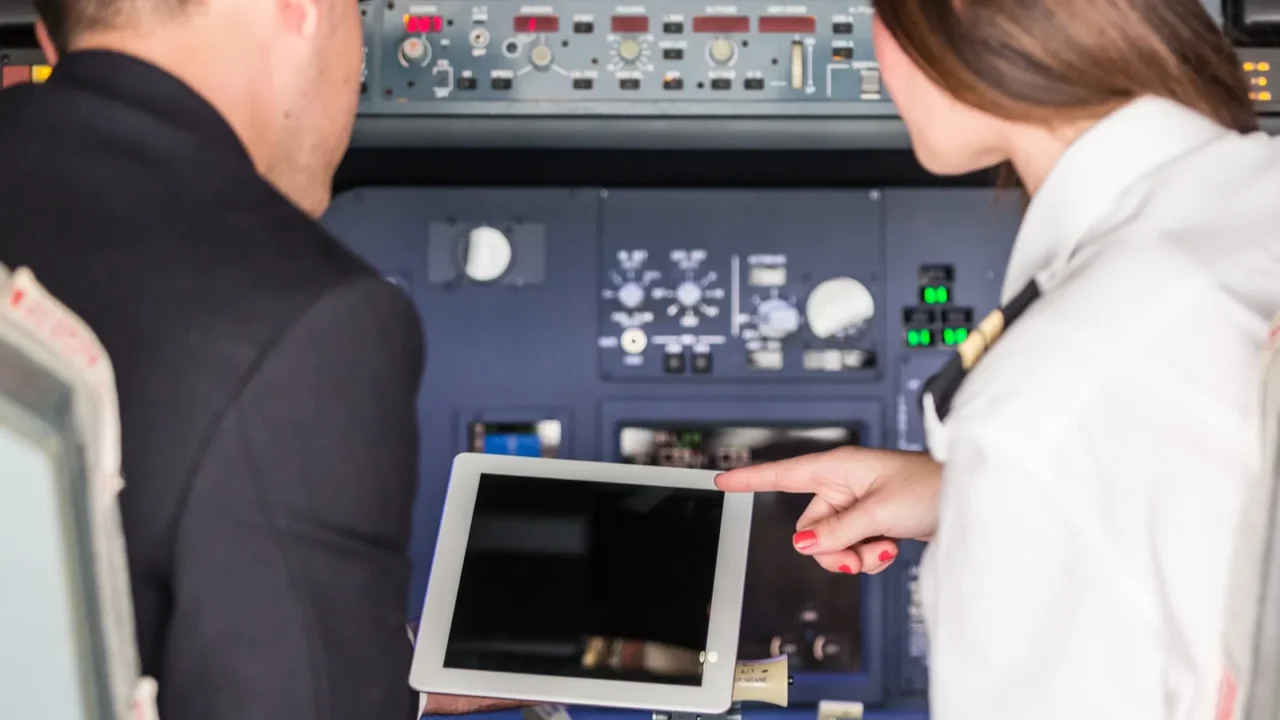
Lido mPilot integrates weather overlays into the aircraft’s electronic flight bag, showing cloud convection, jet streams, icing risk, and more. Pilots can view these live updates mid-flight, enabling them to proactively reroute or change altitude when needed. That flexibility helps reduce potential turbulence exposure before it becomes a problem.
Unlike older systems, mPilot gives crews a visual, intuitive map of atmospheric risks, not just raw data. That means decision-making happens faster and more confidently. For passengers, this translates into more stable flights and fewer moments of uncomfortable air bumps.
Combining data for global coverage
When airlines pool their turbulence data through platforms like Turbulence Aware, the whole industry benefits from shared insight. IATA’s platform now includes dozens of airlines across thousands of aircraft, giving live input. That global collaboration strengthens forecast accuracy over high-traffic and remote flight corridors alike.
Data from this collective effort lets dispatchers and pilots access a real-time, detailed picture of turbulence risk zones anywhere in the world. Rather than relying solely on their own flights, carriers can learn from others. For travelers, that means a flight path optimized for safety and comfort, not just speed.

Safety gets a new boost
With predictive turbulence tech, airlines can significantly reduce the risk of sudden turbulence that injures passengers or crew. When turbulence is forecasted early, pilots can remind passengers to buckle up, pause in-flight service, or take other precautionary measures. That level of preparedness helps prevent common incidents like falls in the cabin.
Moreover, consistent data and alerts help decrease unplanned maintenance caused by turbulence stress on aircraft. Smooth flights not only feel better, but also help reduce structural stress on the aircraft over time. Over the long term, fewer turbulence-related incidents mean better safety outcomes and lower operating costs.

Comfort improves in the air
Predicting and avoiding turbulence significantly enhances passenger comfort. Rather than bracing for unexpected bumps, travelers can enjoy steadier altitude and less frequent seat-belt sign interruptions. That makes long flights more relaxing and less stressful.
This shift changes the in-flight experience; meals, service, and sleep are less likely to be disrupted by turbulence. Frequent flyers and nervous travelers feel more confident knowing crews have better info. In a way, airlines are restoring a sense of calm in what used to be an unpredictable part of travel.
Better fuel efficiency too
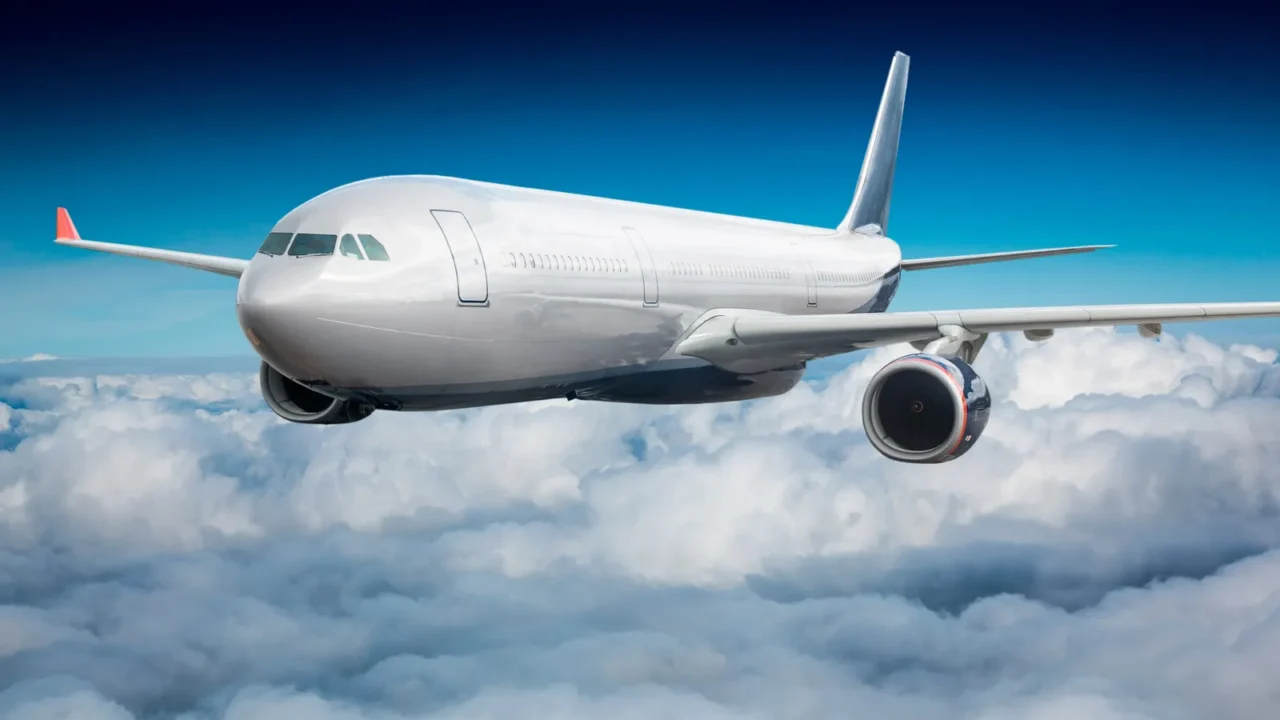
Flying in smooth air not only improves comfort but also brings efficiency benefits. When pilots can avoid turbulence zones, they are more likely to maintain optimal cruising altitude, saving fuel. That also means reduced CO₂ emissions for the same flight, a real plus in an era when aviation is under pressure to decarbonize.
By optimizing for both safety and fuel efficiency, airlines can make eco-conscious choices without compromising passenger experience. These savings may help offset some of the costs of turbulence management technologies. Over time, this approach supports more sustainable and cost-efficient operations.
Turbulence and climate change
Experts now warn that climate change is making turbulence more common and more unpredictable, especially clear-air turbulence. Warmer air, shifting jet streams, and more volatile weather patterns all contribute to atmospheric instability. That makes predictive tools not just helpful, but increasingly essential.
Airlines are responding by leaning into data-driven systems to manage these growing risks. Platforms like IATA’s Turbulence Aware are positioned to become even more critical as turbulence frequency rises. For travelers, this means the tech designed to protect comfort could soon become a standard part of flying safely.
Challenges still ahead
Even with powerful predictive systems, complete elimination of turbulence isn’t realistic; the sky remains a dynamic place. Some airlines and aircraft lack the sensors or technology integration needed to fully benefit from these advances. There’s also a need for universal data sharing, regulation, and investment so that predictive tools reach all corners of the aviation industry, especially as geopolitical tension in West Asia drives flight reroutes and higher airfares, adding new layers of complexity.
Furthermore, pilots and dispatchers must learn to rely on data-driven alerts without becoming complacent or overly dependent on automation. And while forecasting helps, unexpected events can still arise, so human experience remains crucial, especially as reports emerge. As the technology evolves, the goal is to strike the right balance between data and decision-making.

Future flight feels different
Predictive turbulence technology signals a real step forward in making flying safer, smoother, and more predictable. For travelers, it offers the hope of fewer jolts, less anxiety, and more peace in the air. But its true impact depends on industry-wide adoption, data sharing, and continued innovation.
If predictive systems scale well, future flights may feel less like a gamble and more like a modern, efficient journey. What do you think? Does the idea of flying with smarter turbulence forecasting make you feel safer? Drop thoughts in the comments.
Read More From This Brand:
- Oregon’s ‘Little Switzerland,’ where cozy charm meets mountain magic
- What’s causing New Zealand’s young talent to move to Australia?
- 13 cultural landmarks that changed American history
Don’t forget to follow us for more exclusive content right here on MSN.
This slideshow was made with AI assistance and human editing.
