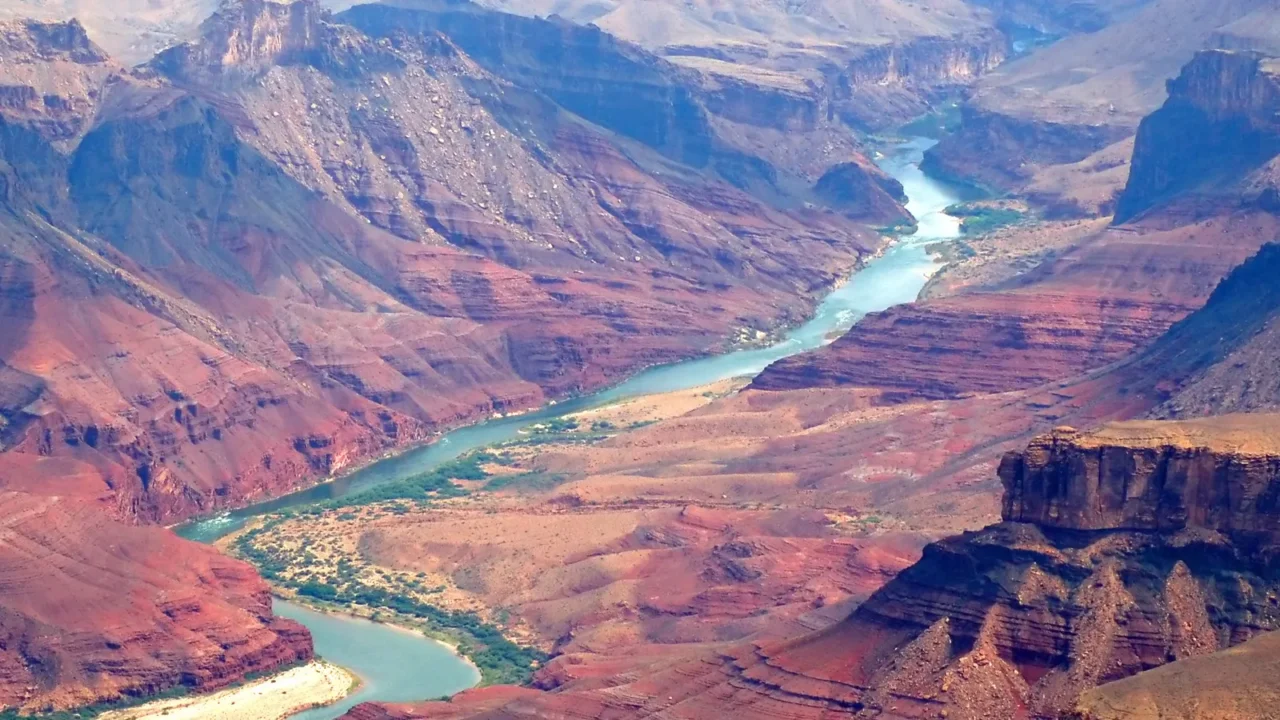
National Park Service fee overview
The National Park Service is a U.S. federal agency that manages more than 430 parks, monuments, historic sites, and recreation areas across the country. Entrance fees and recreation passes support operations, maintenance and visitor services under the Federal Lands Recreation Enhancement Act. Entrance fees stay with the parks where they were collected and fund local improvements that benefit travelers and protect natural resources. Let’s dive in!
National parks range from iconic places like Grand Canyon National Park in Arizona to lesser-known historical sites. Not all parks charge entrance fees, but many of the most popular parks do. Fee structures vary by park, mode of entry, and visitor type.
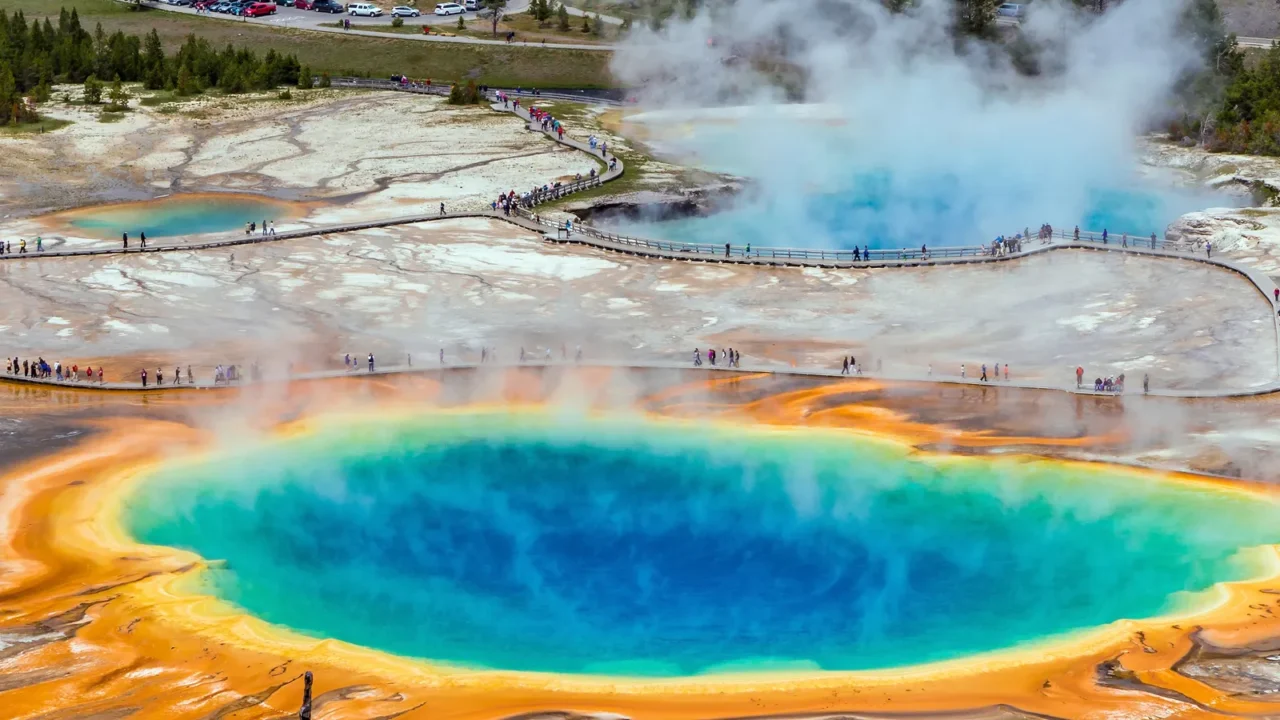
Fee uses at Yellowstone
Yellowstone National Park in Wyoming, Montana, and Idaho charges a standard entrance fee for vehicles and individual visitors for seven days. This revenue helps pay for projects like trail work and infrastructure upgrades in the park. Fee dollars also support habitat restoration, aquatic invasive species efforts, and accessibility improvements that help holidaymakers enjoy the park safely.
Under the Federal Lands Recreation Enhancement Act, 80 percent of the fees collected at Yellowstone stay in the park where they were collected. This local retention of funds helps cover costs tied to the site’s specific needs. Expenses may include visitor center maintenance and digitizing historical collections for research and education.
How fee dollars are spent
National parks use a major portion of entrance fee revenue to maintain roads, bridges, and trails that travelers rely on during visits. Park managers also budget funds for programs that protect wildlife and native ecosystems. Education programs, signage, and accessibility features like paved walkways also benefit directly from fee revenue.
At many parks, fee collections help support safety services, including ranger patrols and emergency response systems. Visitor facilities like restrooms, picnic areas, and campgrounds are regularly cleaned and repaired with fee funding. These efforts help keep parks welcoming and functional for fans of outdoor travel.
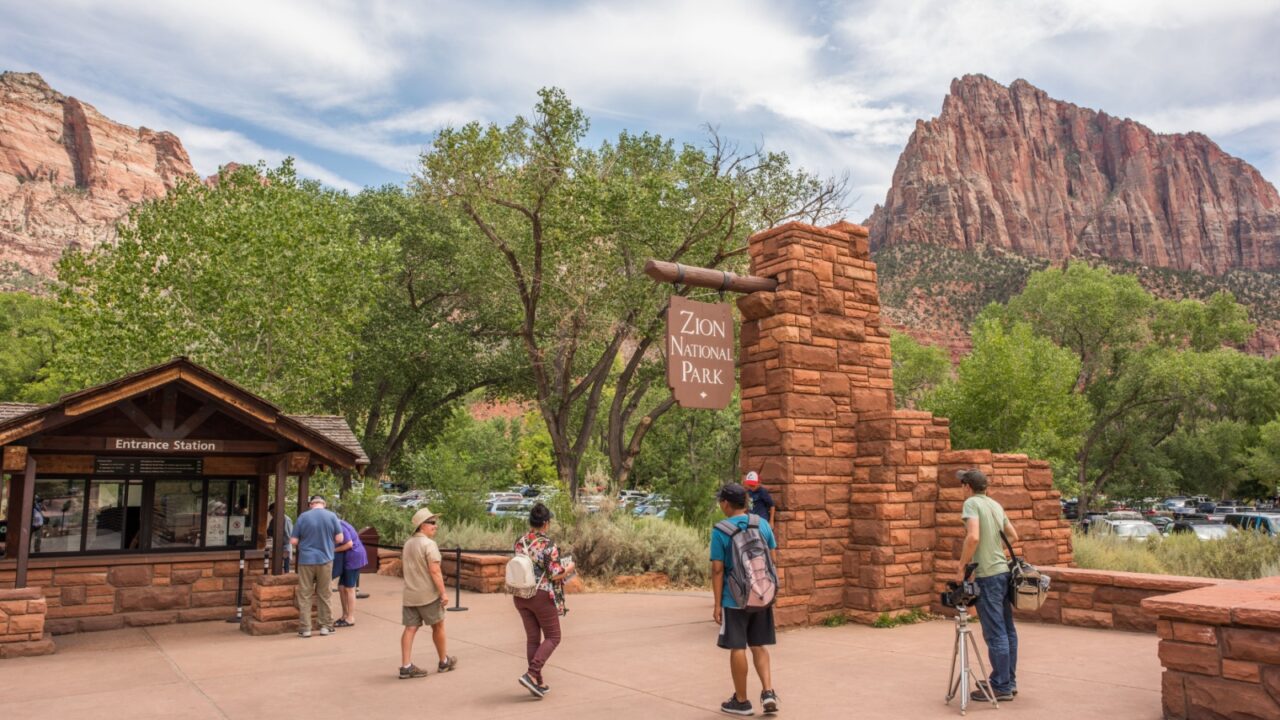
Entrance fee basics explained
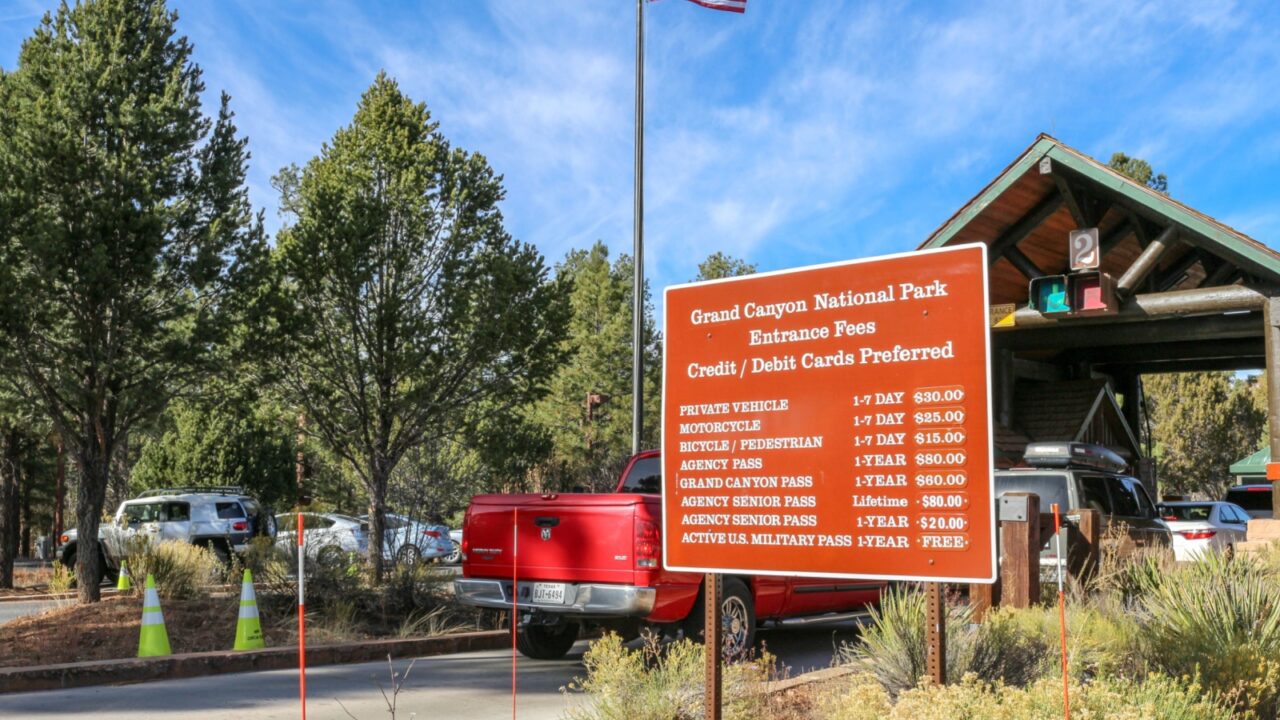
Standard entrance fees at many U.S. national parks are typically between about $20 and $35 per vehicle for a seven-day pass. Visitors who enter by foot or bicycle usually pay a per-person entrance fee in the same range. Children 15 and younger are admitted free, encouraging family visits to natural attractions.
Most parks list separate prices for vehicles, motorcycles, and individual visitors. These flexible options help accommodate a broad range of travelers. Entrance fees do not cover reservation or campsite charges, which are often separate.
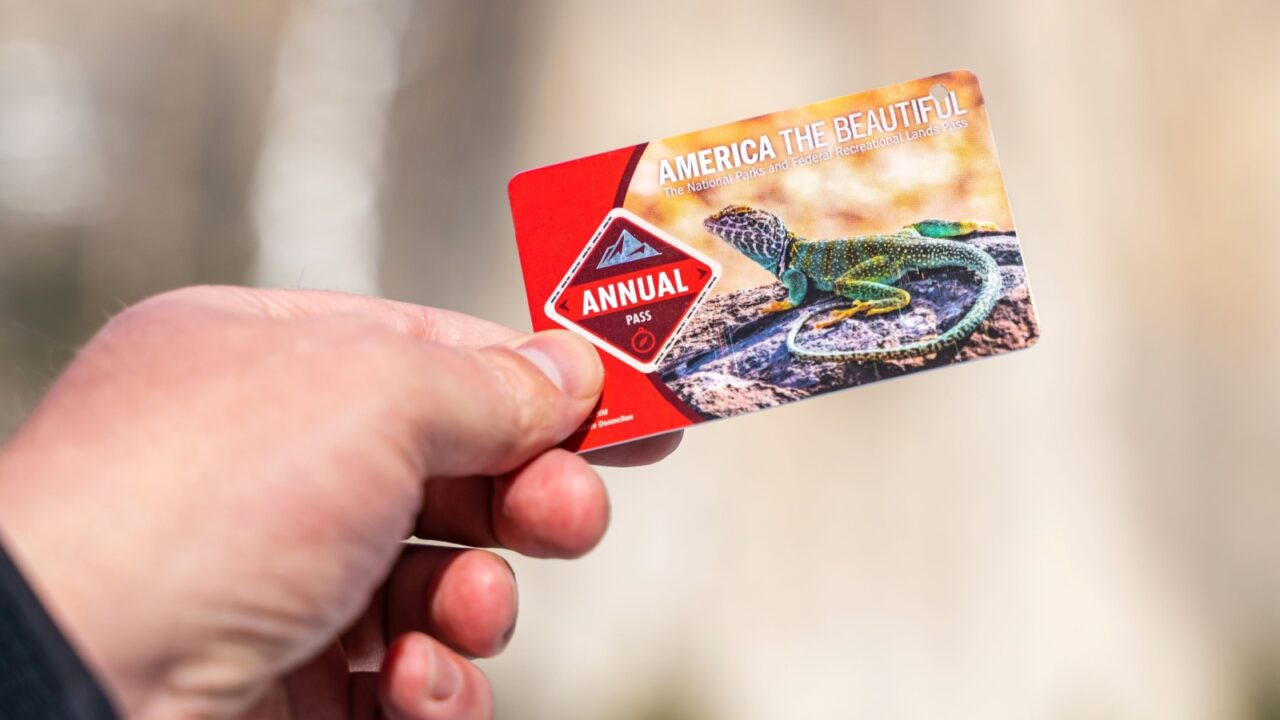
America the Beautiful pass tiers
Beginning January 1, 2026, the America the Beautiful annual pass will cost $80 for United States citizens and permanent residents. A new non-resident annual pass will be available for $250 and covers the same sites across federal lands. The pass allows unlimited entrance to more than 2,000 recreation sites managed by federal agencies for 12 months.
This tiered pricing reflects a policy designed to balance access for U.S. taxpayers with revenue needs tied to maintenance and visitor services. The annual pass covers entrance fees at national parks that charge such fees for a full year. Seasonal or per-visit charges may still apply for reserved activities.
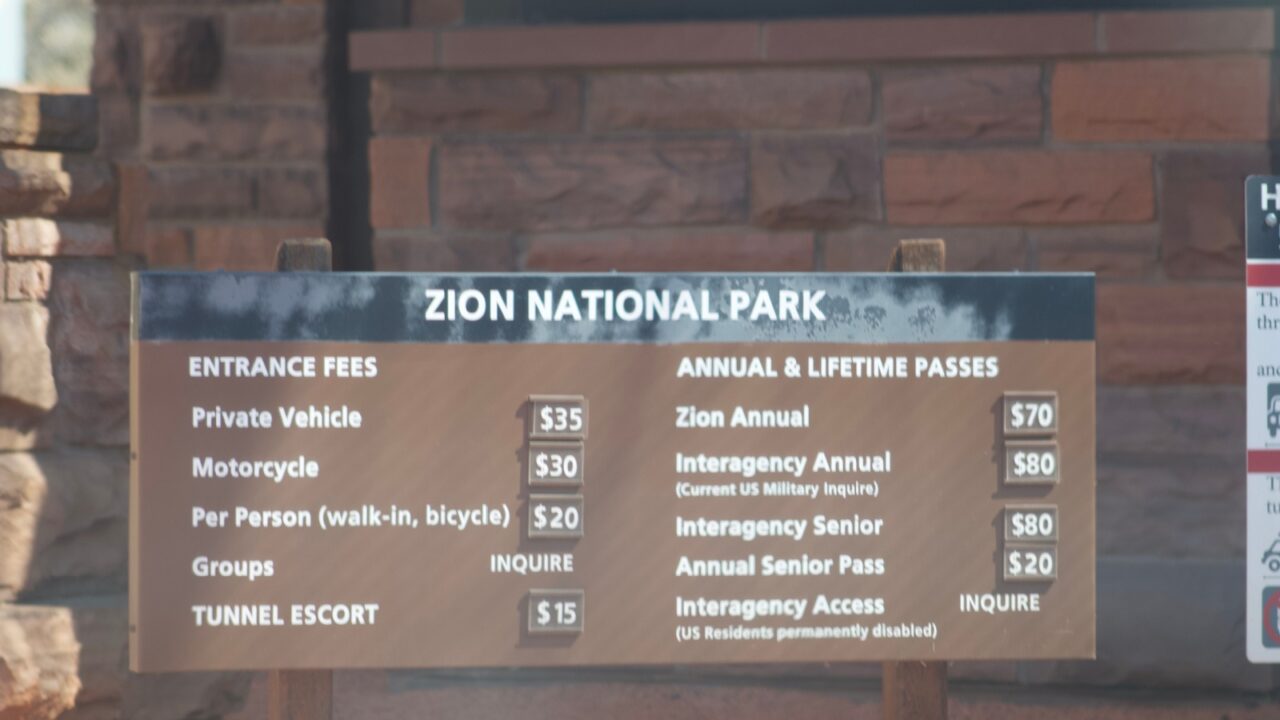
Non-resident surcharge details
Under the 2026 fee policy, non-U.S. residents age 16 and older will pay a $100 surcharge at 11 of the most visited national parks unless they have the non-resident annual pass. This surcharge applies on top of standard entrance fees at parks like Grand Canyon, Yosemite, and Glacier National Park. The policy aims to generate additional federal revenue for park improvements and services.
These parks also include Yellowstone, Bryce Canyon, and Zion National Park, among others. Supporters of the change argue revenue increases are needed amid rising maintenance backlogs. Critics worry higher costs could impact local tourism economies that benefit from international visitation.
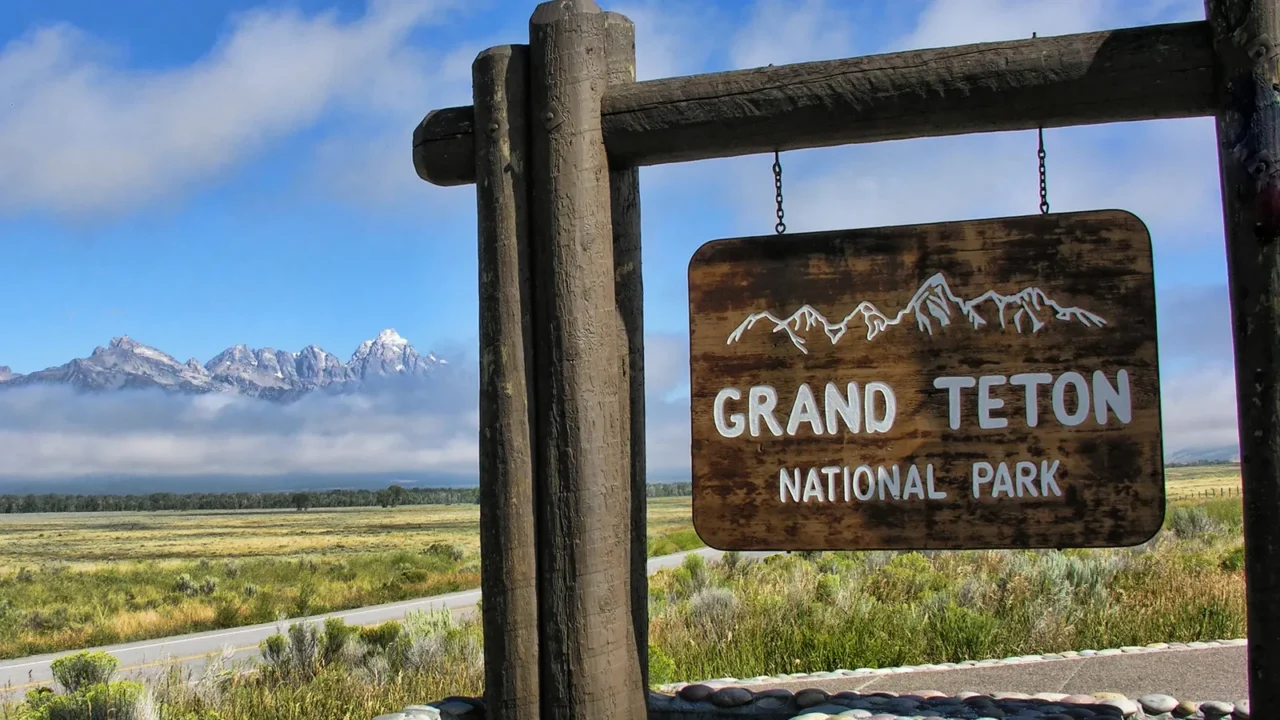
Where fee dollars go locally
In parks like Grand Teton National Park, fee dollars help fund visitor safety infrastructure, including patrol vehicles and emergency radios. Funds also contribute to trail signage and maps that help guide holidaymakers through backcountry and developed areas. Visitor centers and museum exhibits display historical and cultural information thanks to entrance fee support.
Many parks use revenue to control invasive species and protect native wildlife habitats. In Yellowstone, swan and loon nesting surveys and monitoring projects are backed by fee income. These science-based efforts improve park health for future generations.
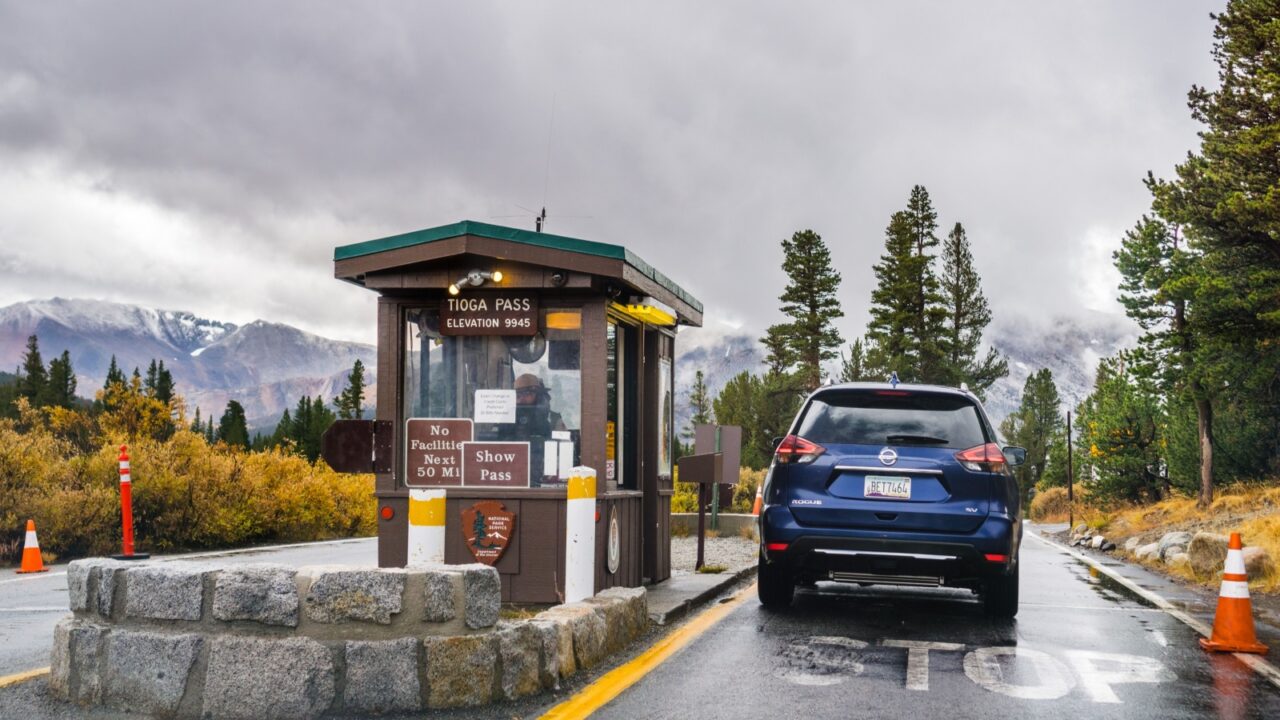
Fee retention and sharing rules
National parks keep at least 80 percent of all fees collected at the park where the money was earned. The remaining 20 percent is distributed to parks that collect little or no fee revenue. This system helps support smaller parks and historical sites that rely more on federal appropriations than visitor fees.
By law, fee money must be used for recreation and visitor services, rather than unrelated federal programs. Administrative overhead is capped so that most funds go directly to projects visitors can see and experience. This creates a predictable funding stream for park improvements.
Fee impacts on special programs
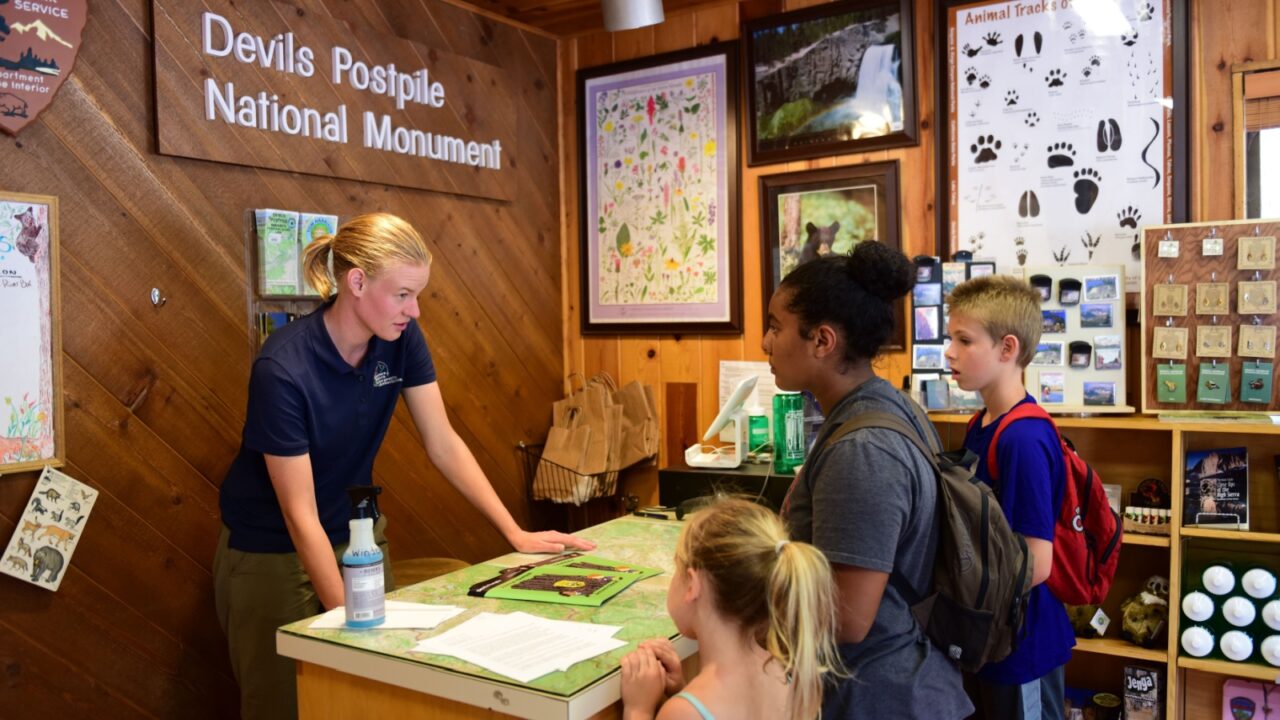
Entrance fees support educational programs that help fans learn about geology, history, and ecology at national parks. Ranger-led talks, junior ranger programs, and guided walks are often funded through fee revenues. Fees also support publications, maps, and digital tools that enhance the visitor experience.
These programs help holidaymakers of all ages connect with park stories and landscapes. School groups, families, and individual travelers benefit from these services. Fees create a broader base of funding so parks can sustain these offerings over time.

Fee shifts affect travel plans
Because of varying fees across parks, visitors may choose sites based on budget and interests. A family might buy an annual pass to visit Yosemite and the Grand Canyon in the same year. Seasonal fee-free days for U.S. residents also help control costs around summer or holiday travel plans.
Fee-free days include national holidays and special dates where parks waive standard entrance fees for U.S. visitors. Non-residents still pay applicable charges on those dates unless they have the non-resident annual pass. This mix of options creates a range of ways to budget for park travel.
Visitor services and infrastructure
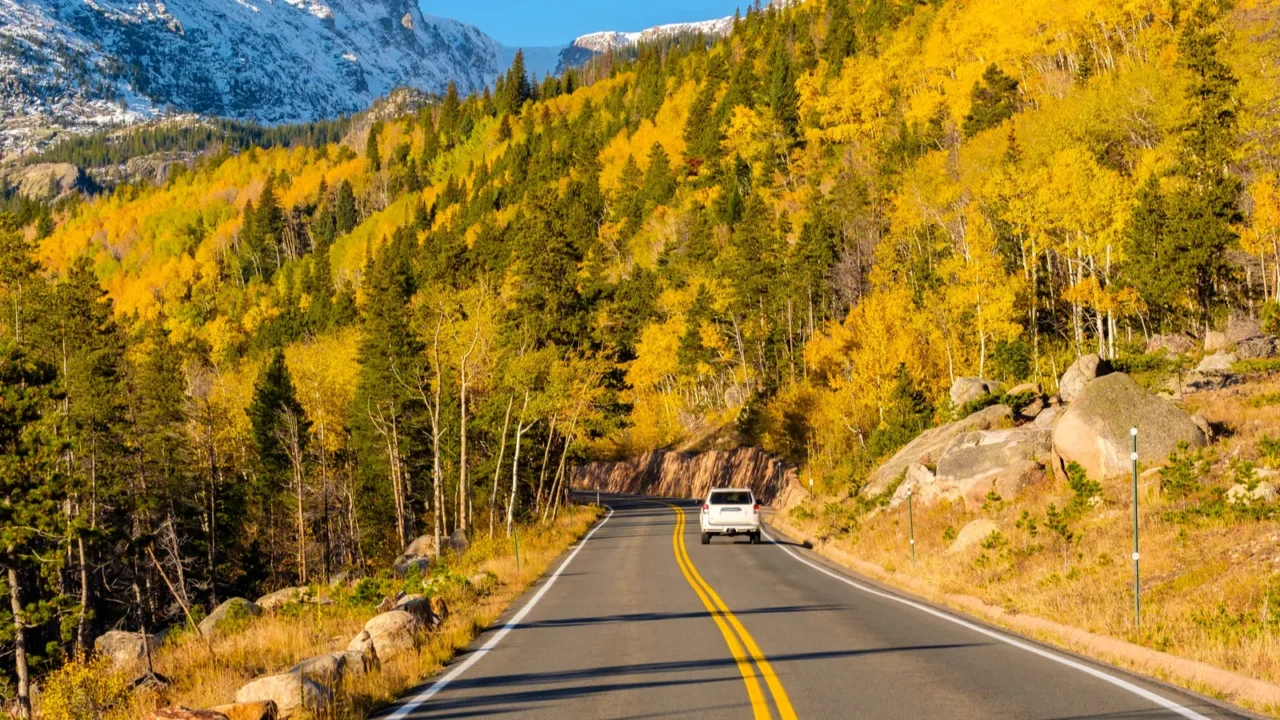
Fee revenue contributes to maintaining campgrounds, restrooms, and picnic areas that millions of holidaymakers use each year. Roads, overlook pullouts, and parking lots are repaired with fee income so access stays safe and reliable. In parks like Rocky Mountain National Park, these improvements help seasonal visitors reach trailheads and scenic vistas.
Entrance fees help fund shuttles and transit services at popular parks where crowd management is important. Transportation services reduce congestion and improve the overall experience. These investments help parks serve large visitor numbers while protecting resources.
Fee revenue beyond parks
Some fee income supports conservation and restoration projects that benefit ecosystems inside and around park boundaries. This can include prairie restoration, wildfire mitigation, and water quality monitoring. By funding these efforts, parks help protect landscapes and wildlife for future generations, even as some surprising national parks see record visitor spikes.
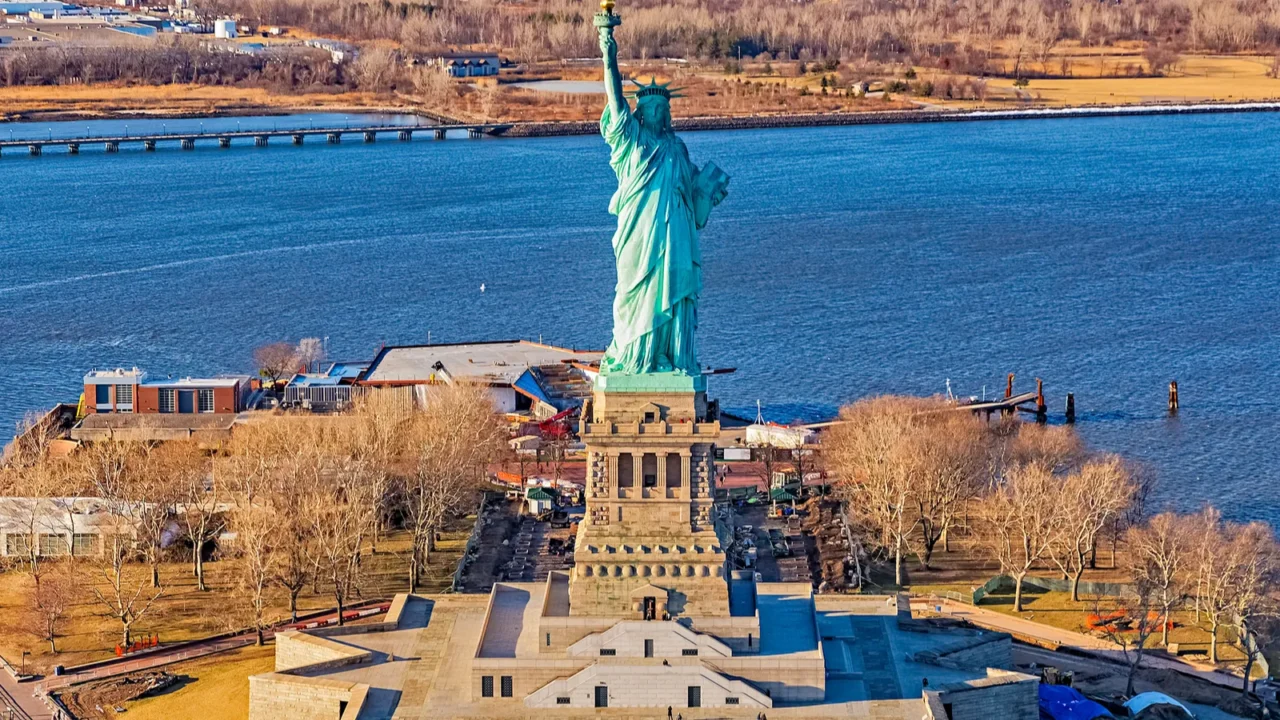
Fee dollars also help maintain historic buildings and cultural sites that tell America’s story. Preservation work at places like Independence National Historical Park in Pennsylvania or Statue of Liberty National Monument in New York City keeps heritage alive. These efforts connect visitors with history and nature.
National park trips value money
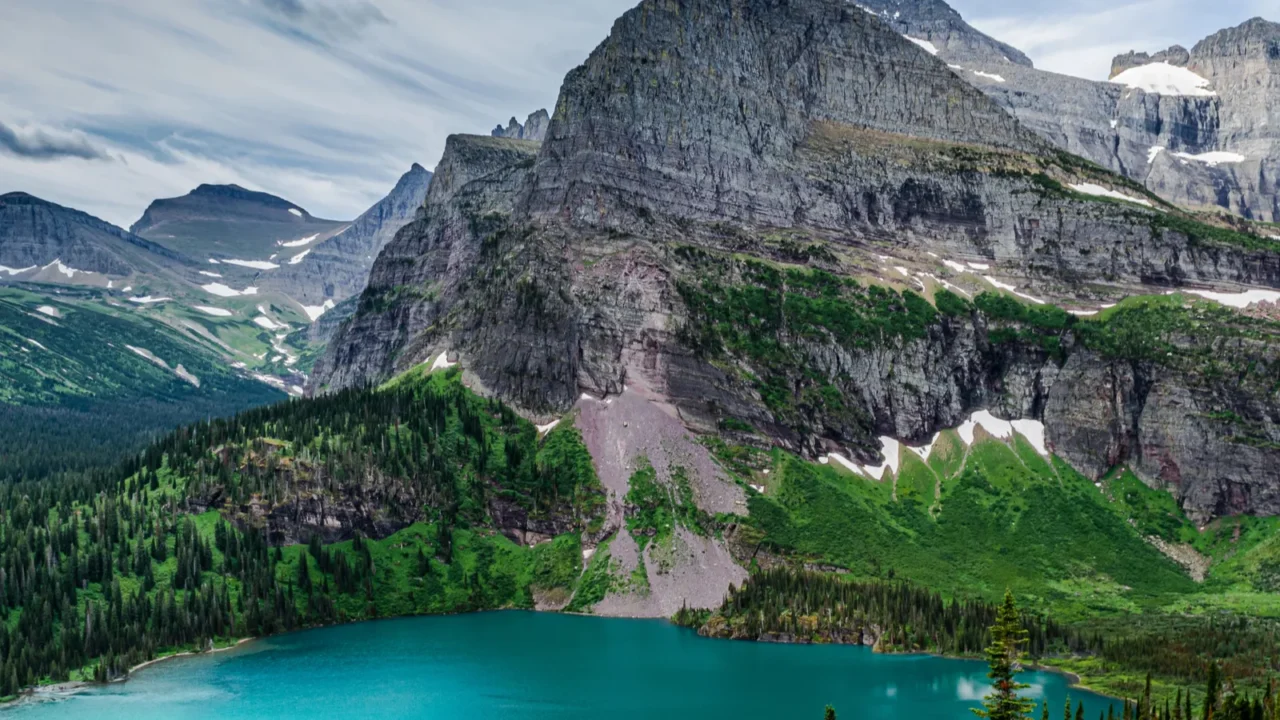
National parks offer a range of landscapes and experiences that justify entrance fees for many travelers. From deserts at Grand Canyon to glaciers at Glacier National Park, fee revenue makes these destinations more enjoyable and sustainable. The way fee dollars are used shows how parks balance visitor services with long-term protection and access.
Visitors planning trips now see a mix of pricing tiers, annual passes, fee-free days, and projects funded with entrance fees.
Which park destination feels like it delivers the best value for travelers right now? Share thoughts below.
This slideshow was made with AI assistance and human editing.
Don’t forget to follow us for more exclusive content right here on MSN.
Read More From This Brand:
