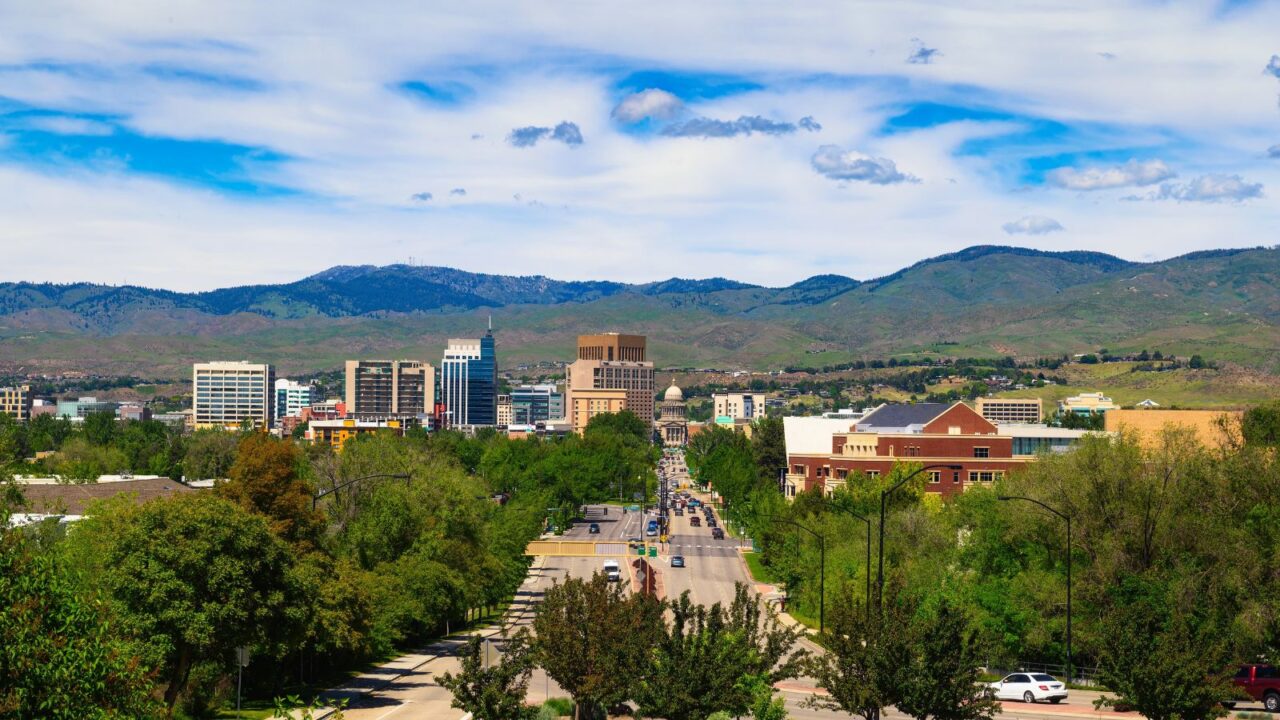
Idaho’s tourism slump is stretching into 2026
Idaho’s visitor counts fell month after month through 2025, and that steady slide is starting to change the mood in outdoor towns. Hotels in the north are sitting half-empty, and businesses that rely on peak-season traffic are feeling the gap. The concern is less about one bad weekend and more about a full year of softness.
This matters now because tourism dollars keep small communities staffed, supplied, and open on the margins. When bookings fade, operators cut hours, delay upgrades, and shrink services, which can make the next season even harder to sell. The state is heading into 2026 with real anxiety and real incentives to bring people back.
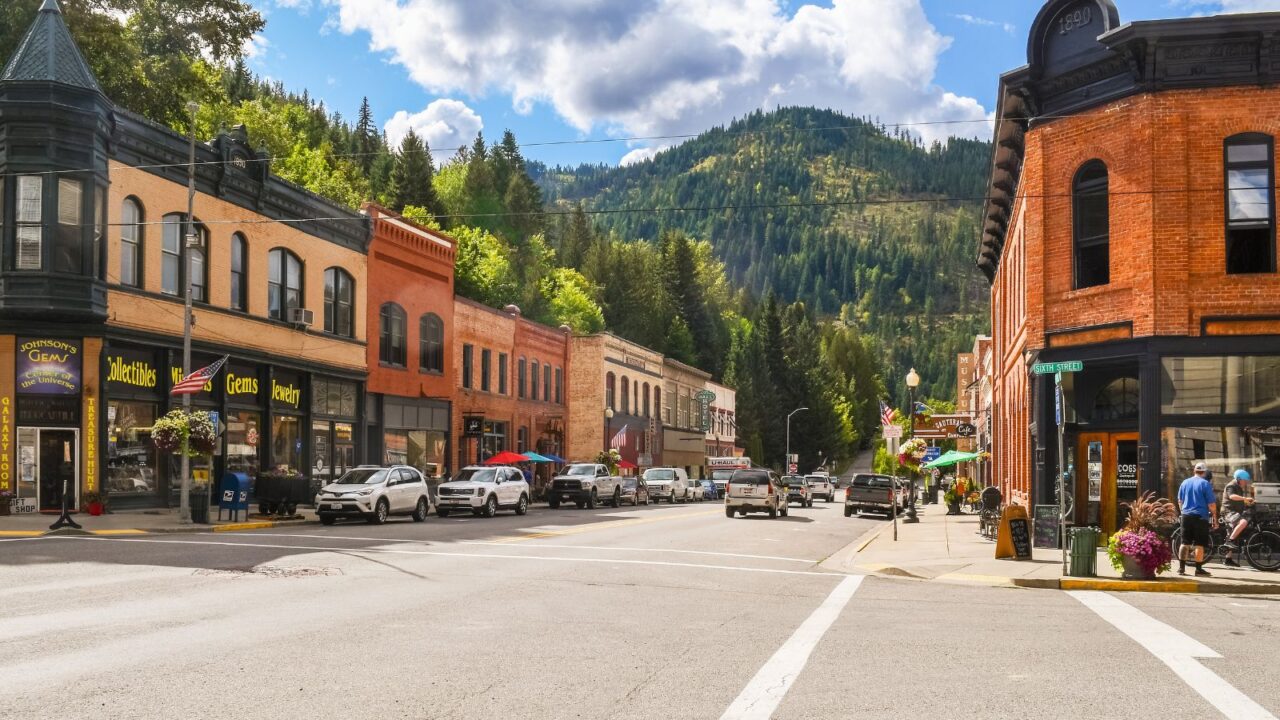
The summer numbers show a clear drop
Idaho’s tourism numbers softened noticeably last summer. Visitor counts in July 2025 fell from about 31,000 the year before to roughly 23,000, while August declined from nearly 30,900 to around 21,900. By October, visitation had dropped to about 15,000, down from 18,700 in 2024.
In 2026, the travel industry is experiencing a stabilizing but highly cautious recovery following the downturn of 2025. While global tourist arrivals are projected to grow by 3% to 4% this year, the “soft” peaks you noted have fundamentally shifted how travelers and businesses are behaving.

Idaho’s economy feels it when visitors pull back
Tourism is described here as Idaho’s third-largest industry, with $4.8 billion in annual spending, which aligns with industry materials that cite $4.8 billion in direct travel spending. More recent state impact reporting also puts direct travel spending at $5.8 billion in 2023, showing how large the sector has become. Either way, the base is big enough that a long dip shows up quickly in rural towns.
This matters now because travel supports tens of thousands of jobs, including 55,360 travel-generated jobs reported for 2023. Those roles are local and hands-on, so they cannot be replaced with remote work when demand drops. A quiet year forces layoffs, shorter seasons, and fewer open doors for travelers who do arrive.
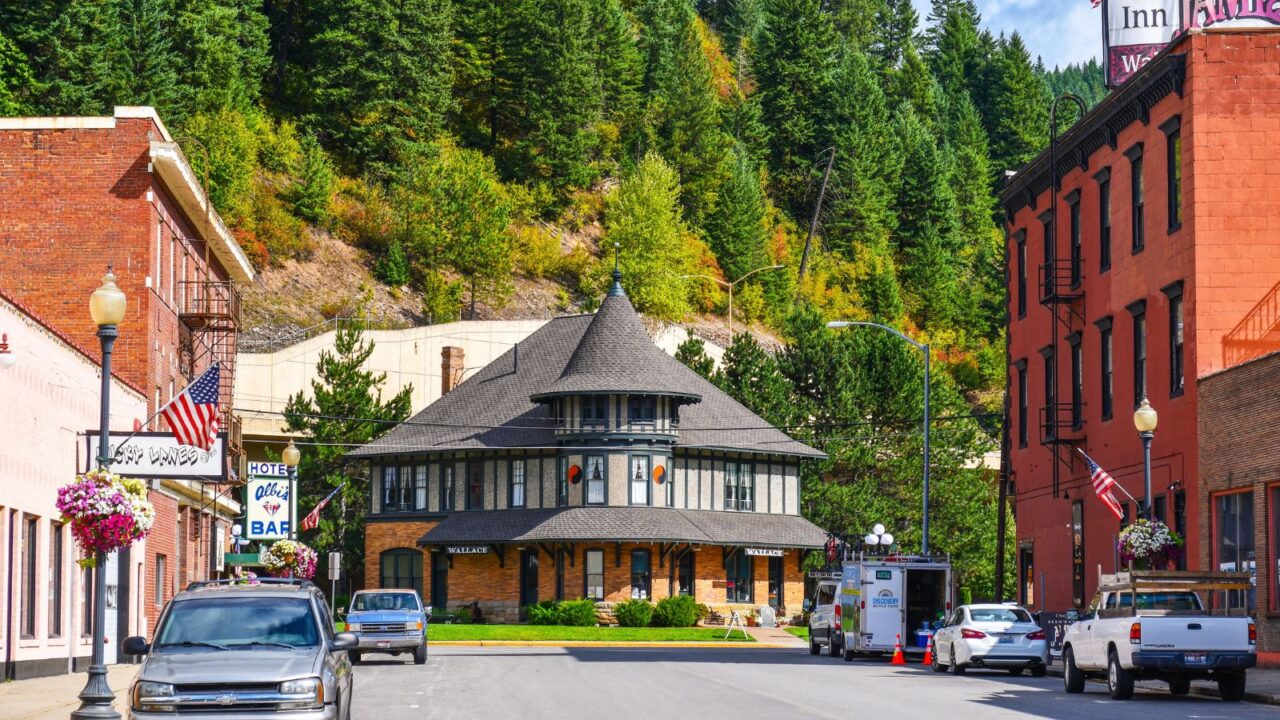
Northern Idaho is missing Canadian plates
The panhandle leans on Canadian visitors for weekend trips and summer stays, especially around Sandpoint, Coeur d’Alene, and Bonners Ferry. In April 2025, passenger vehicle crossings from Canada into Idaho fell 37% compared with the prior year, according to reporting that cites U.S. Customs and Border Protection. That kind of pullback hits border towns fast because repeat visitors are usually their most reliable spenders.
This matters now because international day-trippers do more than book hotels. They fill restaurants, buy fuel, rent boats, and keep small retail afloat when domestic travel is uneven. When the cross-border flow slows, businesses lose volume, and the area feels quieter than it should in high season.
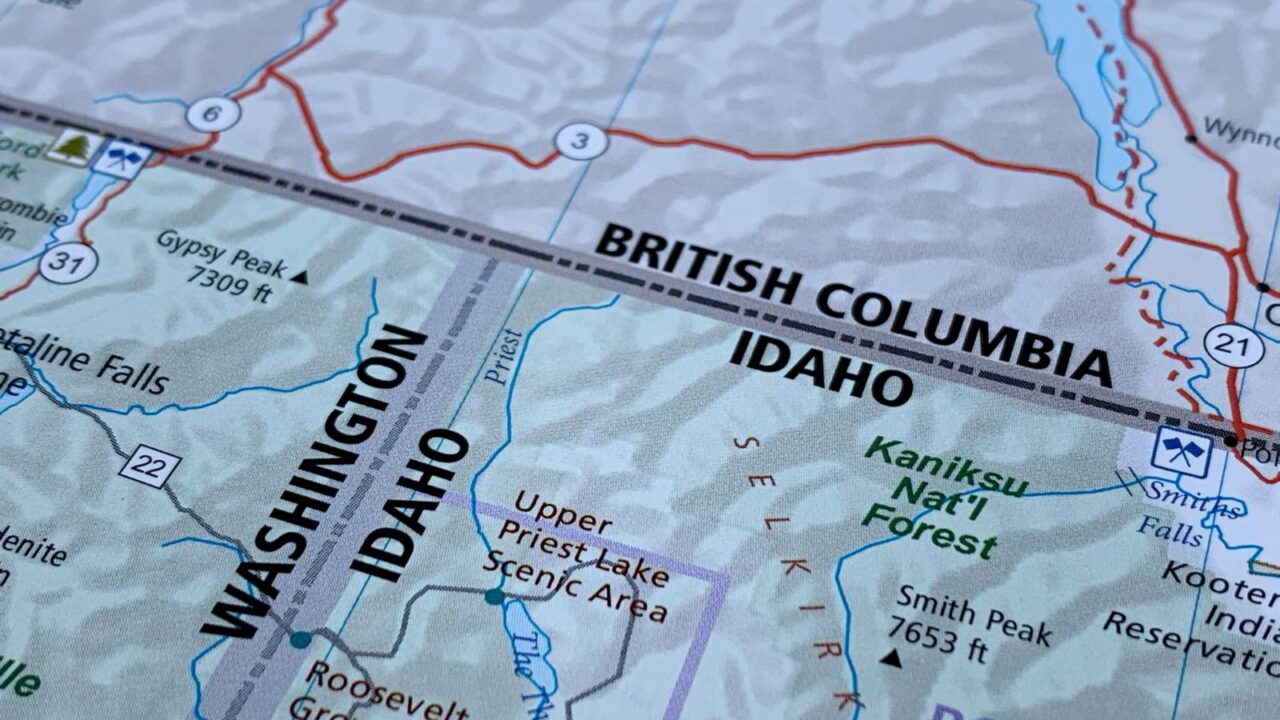
Why cross-border travel cooled off
The decline appears tied to several factors that make short, discretionary trips easier to postpone. Political tensions, a weaker Canadian dollar, and added uncertainty around cross-border travel have all weighed on demand. None of those pressures need to halt travel entirely to disrupt the quick weekend trips that normally keep Idaho’s panhandle busy through the summer.
This matters now because the border market is not easily replaced with one big campaign. A softer Canadian season forces operators to chase domestic visitors from farther away, which raises marketing costs and discounts. It also reshapes what gets offered, pushing more packaged deals instead of simple repeat stays.
Occupancy drops ripple through everything else
One local example captures the stress behind the headlines. Tom Turpin, CEO of the Kootenai River Inn and Casino, said his hotel typically runs 92% to 95% occupancy from June through September, but that level did not hold this year. When that backbone demand weakens, businesses have less cash to staff up and less confidence to invest.
This matters now because lodging performance drives the whole chain. Fewer booked rooms means fewer breakfast checks, fewer gear rentals, and fewer guides needed on the calendar. Towns can look “empty” even when they are offering discounts, and that emptiness can scare away the next wave of travelers.

Forest Service staffing cuts made Idaho harder to use
Demand was not the only factor at play. On the supply side, staffing and services were reduced, changing the visitor experience itself. In 2025, the Sandpoint Ranger District operated with just one full-time recreation staff member, and several campgrounds either closed or ran with limited services.
Those constraints matter, especially for families who plan trips around basic reliability. Fewer staffed sites, inconsistent bathroom access, and reduced trash pickup make even short stays harder to plan, weakening the appeal of spontaneous summer visits.
The Sawtooths are built for uncrowded summer travel
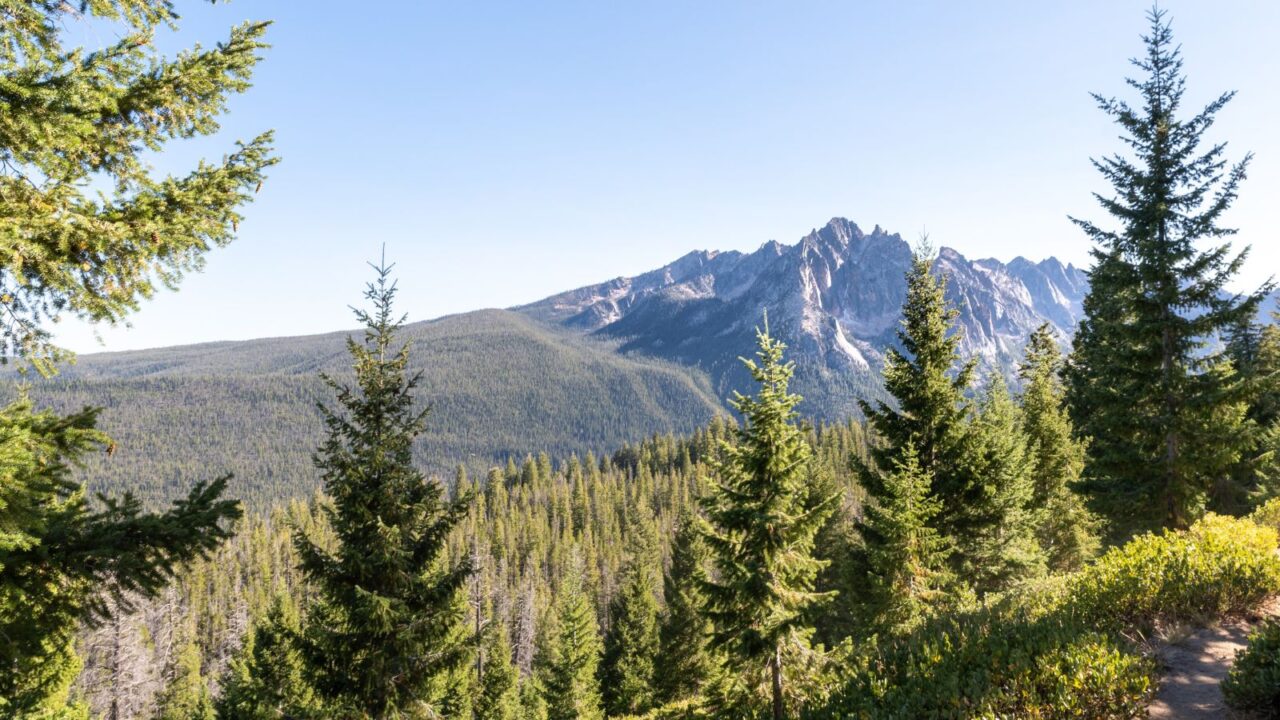
Central Idaho’s Sawtooth National Recreation Area covers 756,000 acres and has over 700 miles of trails, with 40 peaks rising over 10,000 feet. Those numbers help explain why the area can absorb visitors without feeling like a theme park. It also explains why a softer season can make the place feel almost private.
This matters now because travelers are actively looking for alternatives to overbooked mountain corridors. The Sawtooths offer scale without the constant competition for parking, permits, and dinner reservations. In a year when Idaho needs visitors, this region is a straightforward way to spend money locally without adding to crowd problems elsewhere.
Stanley’s mix of lakes and hot springs sells itself
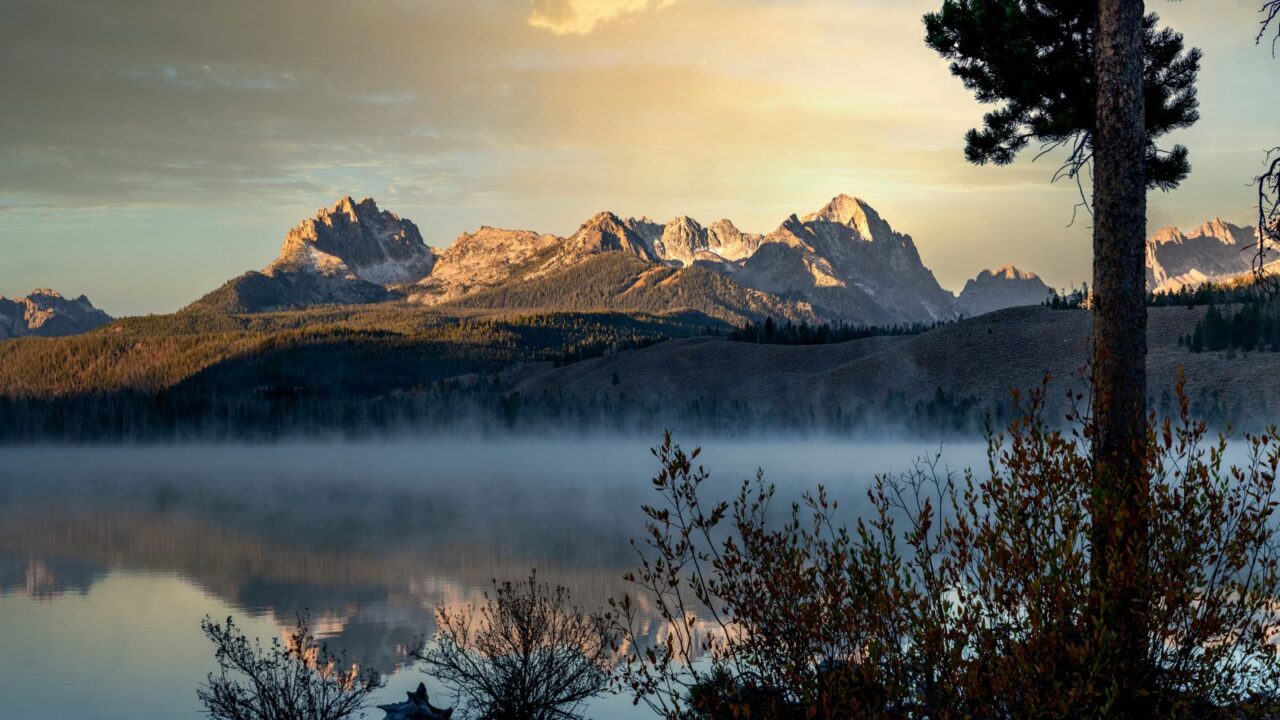
Redfish Lake is described as the largest lake in the Sawtooth National Recreation Area, with rentals and access to trailheads that push people deeper into the range. The article also highlights how Stanley sits near multiple hot springs, from a roadside soak to longer hikes with big views. It is the kind of place where one base can fuel several different days.
This matters now because “easy variety” keeps travelers spending longer. A town that can offer paddling, hiking, and soaking in the same itinerary is more resilient when one activity is weather-dependent. Longer stays also spread spending across groceries, guides, and lodging instead of a single day trip.
Sun Valley still anchors four-season demand
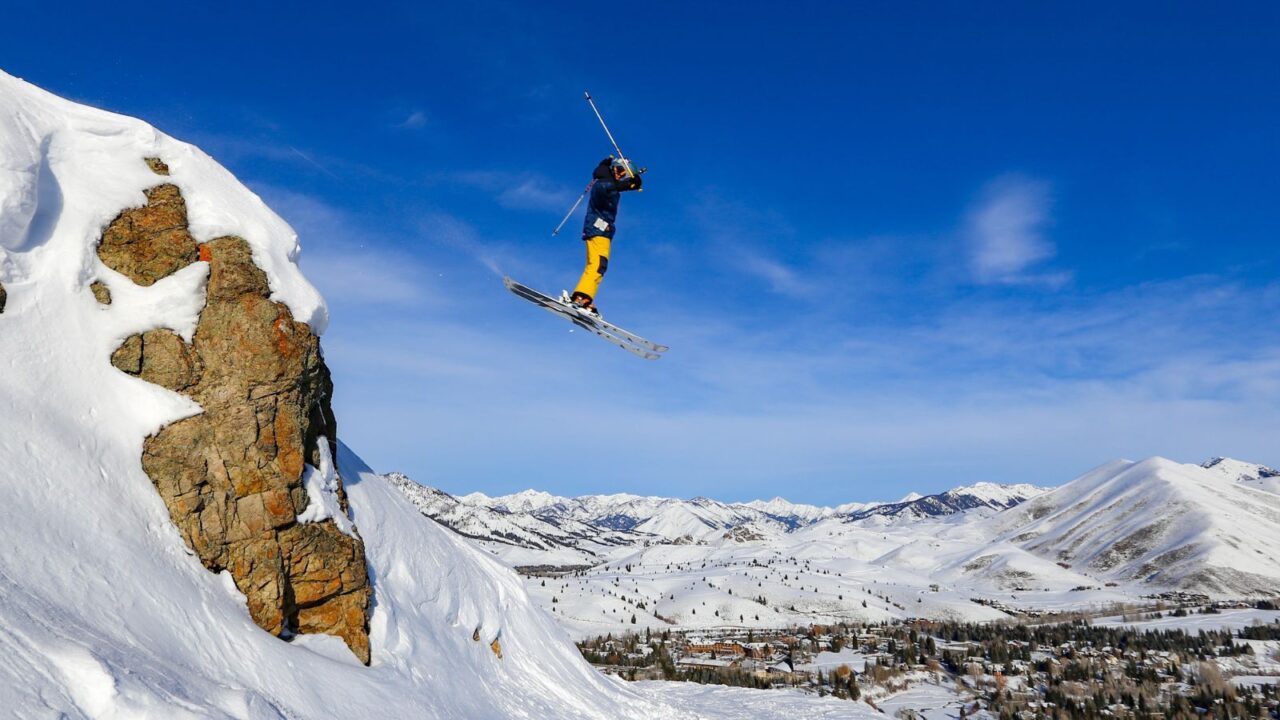
Sun Valley has a built-in narrative advantage, because it is the birthplace of the modern chairlift, with the first chairlifts put into operation in 1936. That history helped create an American ski brand that still pulls visitors for winter, summer trails, and festivals. In a down cycle, established hubs often become the stabilizers for a wider region.
This matters now because travelers want trips that feel “worth it” even when budgets are tight. A place with strong infrastructure, restaurants, and a walkable downtown can reduce risk for families who do not want to gamble on a remote plan. If Idaho is trying to reset momentum, reliable names like Sun Valley are part of the lift.
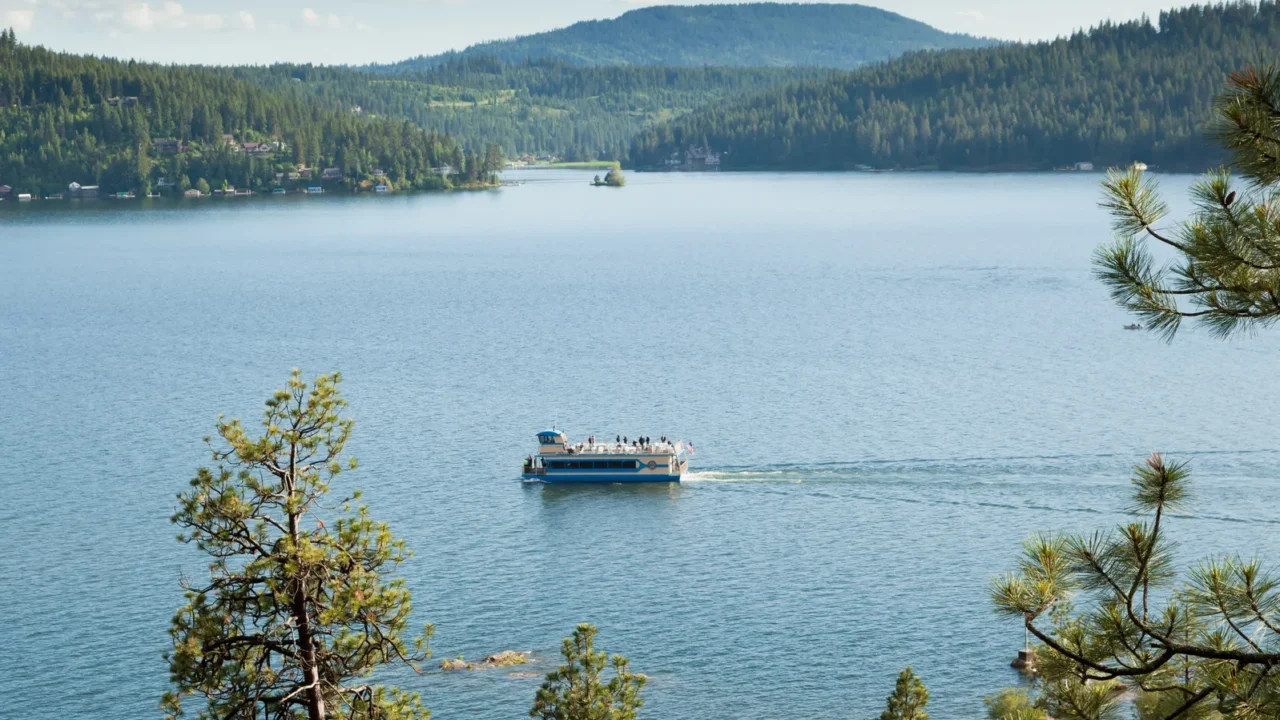
Coeur d’Alene and the panhandle are still a strong sell
Lake Coeur d’Alene spans about 25 miles, and the city pairs that water access with downtown trails like Tubbs Hill. Schweitzer’s stats list average annual snowfall around 300 inches, which helps the area market itself beyond summer. The region is built to be a weekend magnet, which is why the Canadian drop hurts so much.
This matters now because a travel dip can create better availability in places that normally book quickly. If visitors return, it supports lodging, restaurants, and the year-round outdoor economy that keeps the panhandle employed. If they do not, services can thin further and the area becomes harder to visit, even for people who want to come.
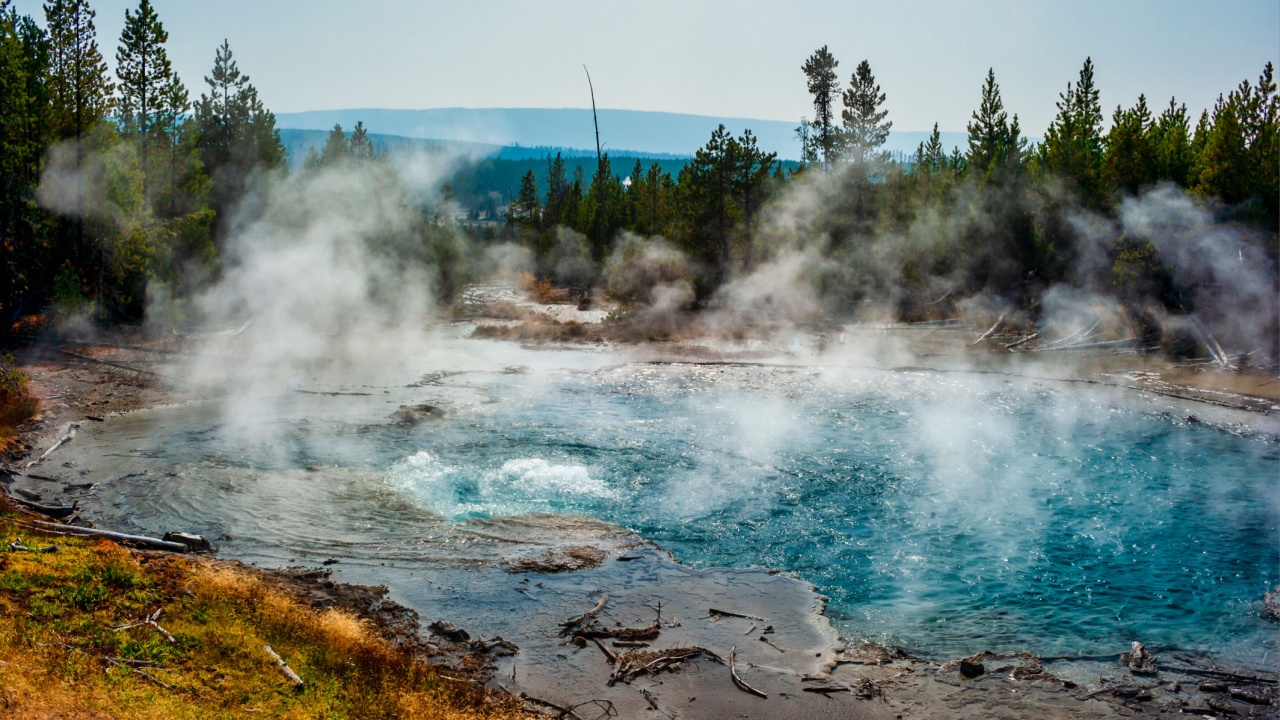
The upside for travelers is space and availability
Idaho’s slowdown is creating a rare travel condition in the American West. Hot springs that usually require reservations are seeing walk-ins, and outfitters have open seats instead of waitlists. For many travelers, that changes the entire feel of a trip, because it cuts the planning burden and lowers the stress level.
This matters now because crowding is pushing people away from marquee mountain destinations. If Idaho stays less booked in 2026, visitors could get the same kind of landscapes with more flexibility and fewer lines. That combination can turn a “maybe someday” state into a high-value choice this year.
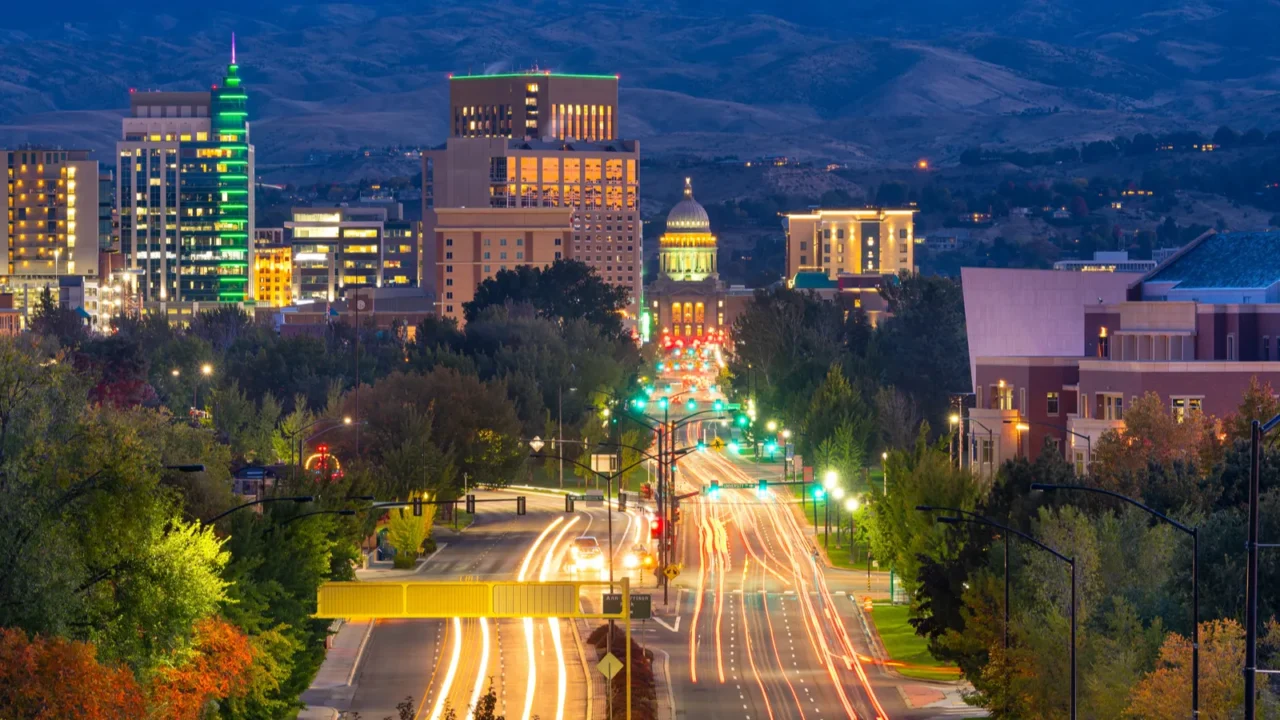
Visiting in 2026 is an economic choice, not just a getaway
Every booking flows into communities that are trying to hold onto jobs and keep recreation services running. Craters of the Moon is a clean example of how Idaho offers distinctive experiences, including a landscape that has supported astronaut training and research, while still being easier to navigate than crowded headline parks.
If you go, plan around what is currently operating, be flexible with campgrounds, and treat guides and outfitters as core parts of the trip. Idaho is not rebuilding from a disaster, but it is dealing with a prolonged demand shock that is already reshaping town economies.
On the other hand, there are places where tourism is driving unexpected economic growth.
Would you consider visiting Idaho in 2026 to enjoy uncrowded trails while helping small towns recover? Share your perspective below.
This slideshow was made with AI assistance and human editing.
Don’t forget to follow us for more exclusive content right here on MSN.
Read More From This Brand:
