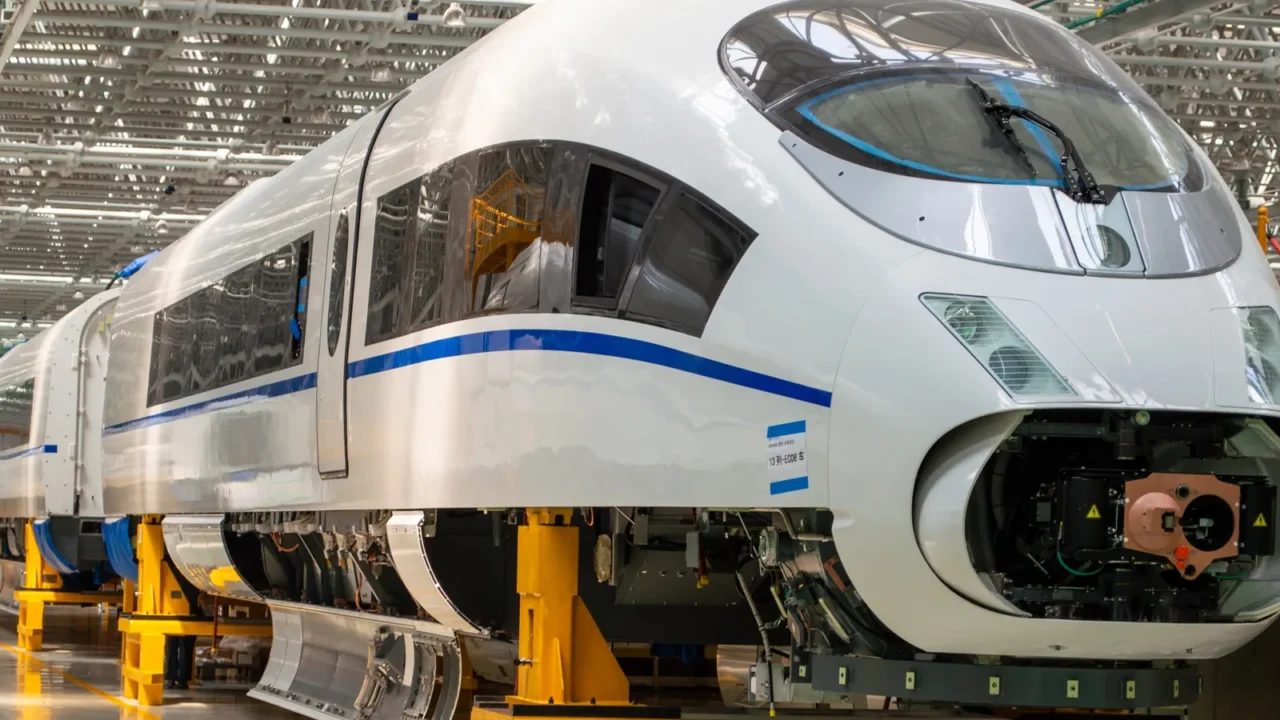
A dream built on hype
California once promised a sleek 220-mph train that could whisk people between San Francisco and Los Angeles in under three hours. That dream sparked excitement across the state. Many believed it would change the way America travels.
But as time passed, the promise slowly faded into frustration. The project kept falling behind schedule and going over budget. People began wondering if the dream ever had a real chance.

A billion-dollar beginning
The plan began with a $10 billion bond approved by voters in 2008. It was supposed to kickstart a bold new era for transportation. Supporters said this early funding would attract even more help from Washington and private investors.
But the money only covered a small piece of what was needed. Costs were underestimated from the start, and inflation made everything worse. The project quickly outgrew its initial funding.
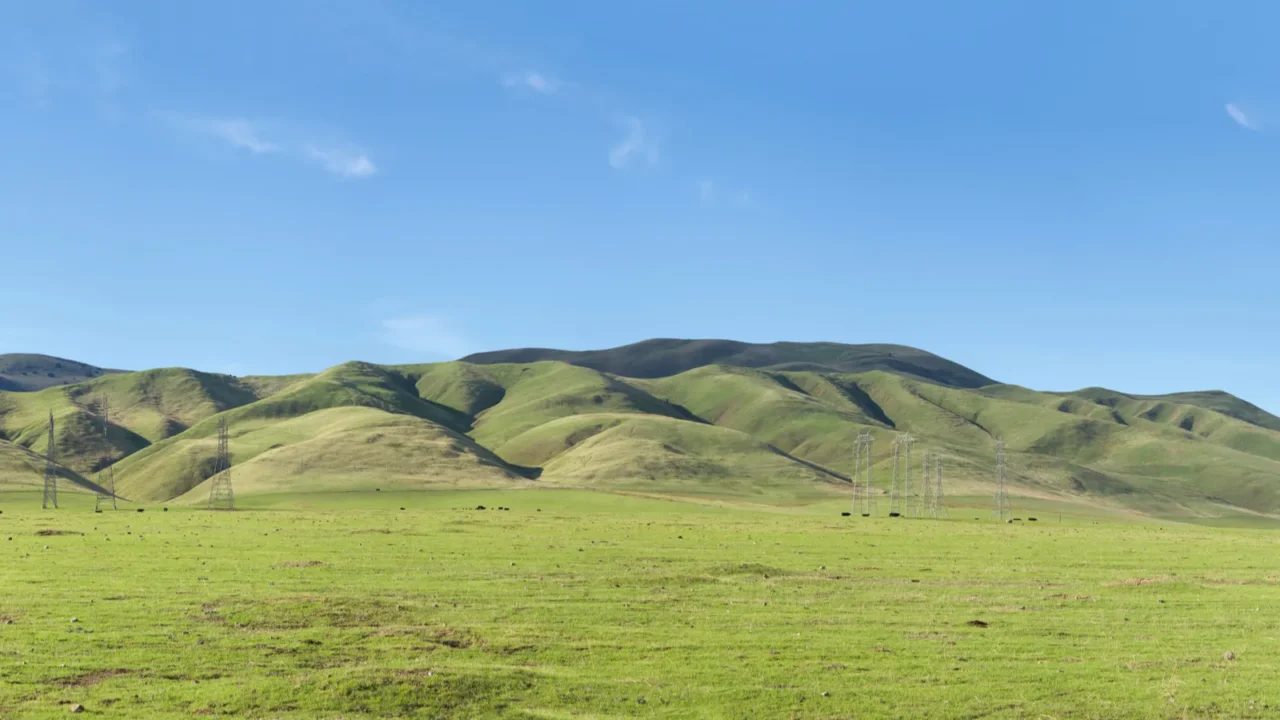
The Central Valley detour
Instead of starting in big cities, state leaders chose to begin construction in the rural Central Valley. They hoped it would support local communities and create jobs. Some believed it would help smaller towns become more connected to major tech hubs.
But the choice made the project feel disconnected from the places people actually travel. It also made it harder to gain enthusiasm from the wider public. The first segment became a lonely stretch far from the original vision.
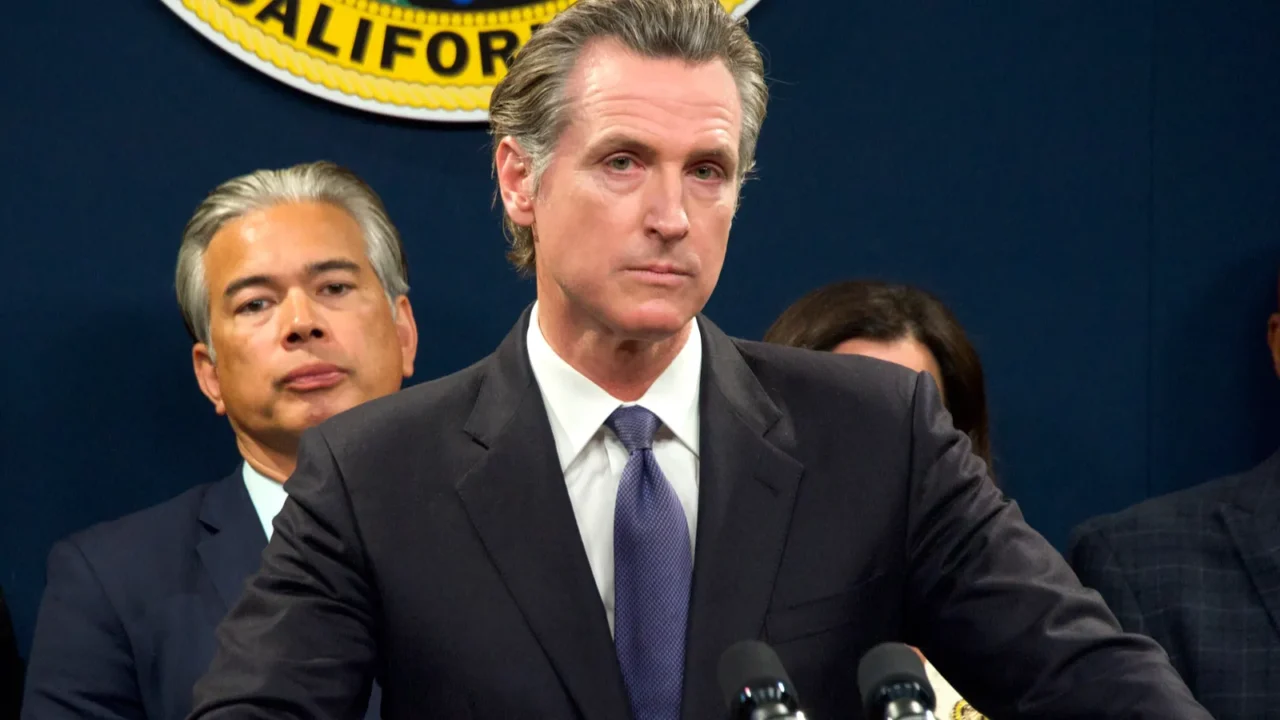
Politics shifting the tracks
Political changes pushed the project back and forth for years. Each new governor and president had different ideas about funding and priorities. These shifts made long-term planning almost impossible.
Federal support came, disappeared, returned, and was pulled again. That instability made it difficult to retain contractors and maintain consistent planning. It left the rail authority constantly scrambling to stay alive.

Building before planning
At one point, officials rushed to start work without having all the land or final designs ready. They feared losing federal money if they didn’t move fast. That decision created major problems later.
Work crews ended up waiting for approvals that should have happened first. The scramble raised costs and slowed everything down. It became a textbook case of poor sequencing and rushed execution.
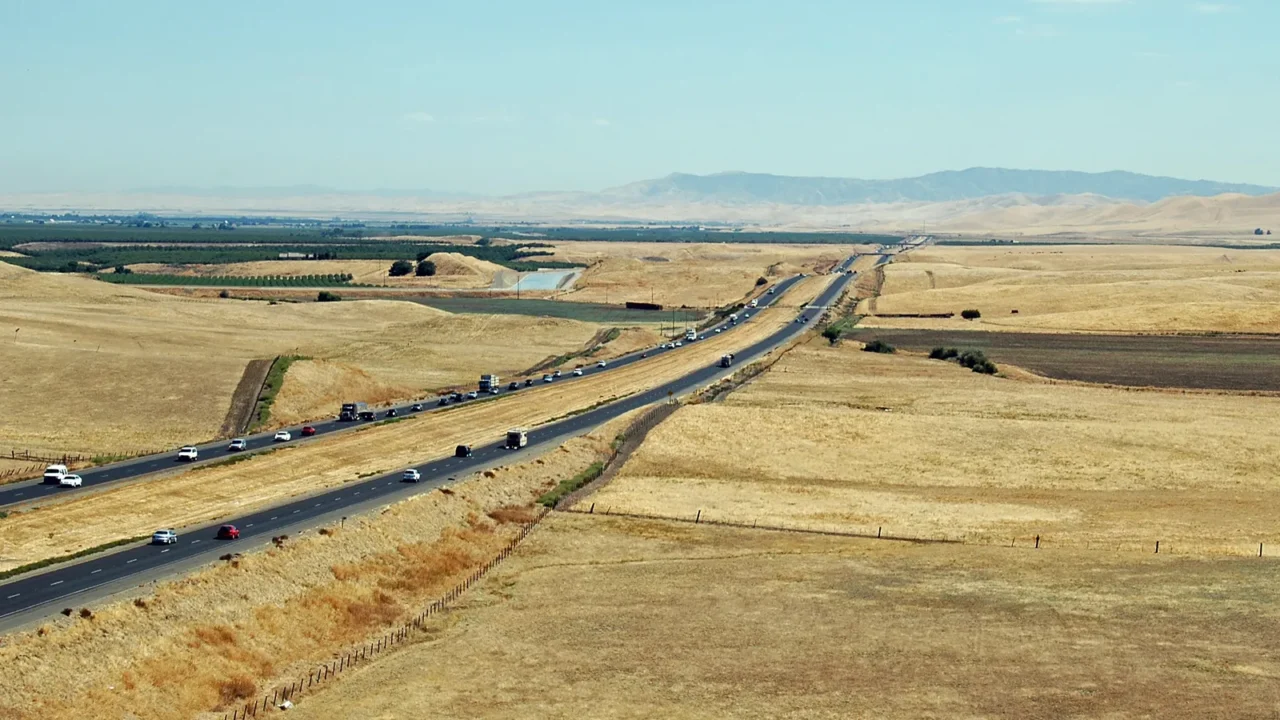
Land battles slowing progress
Buying land turned into one of the hardest parts of the project. Farmers, homeowners, and businesses fought over property rights. Many cases required long negotiations or court rulings.
Every delay added months and millions to the budget. Small legal fights turned into huge roadblocks. The project lost precious time trying to settle who owned which stretch of dirt.

Environmental reviews draining time
California’s environmental review rules are among the strictest in the country. While these laws protect natural spaces, they also require long and detailed studies. The high-speed rail project had to navigate thousands of pages of reports.
Every complaint or lawsuit slowed things down even more. Even minor issues required full reviews before moving ahead. The process became a maze no one could escape quickly.
A budget spinning out of control
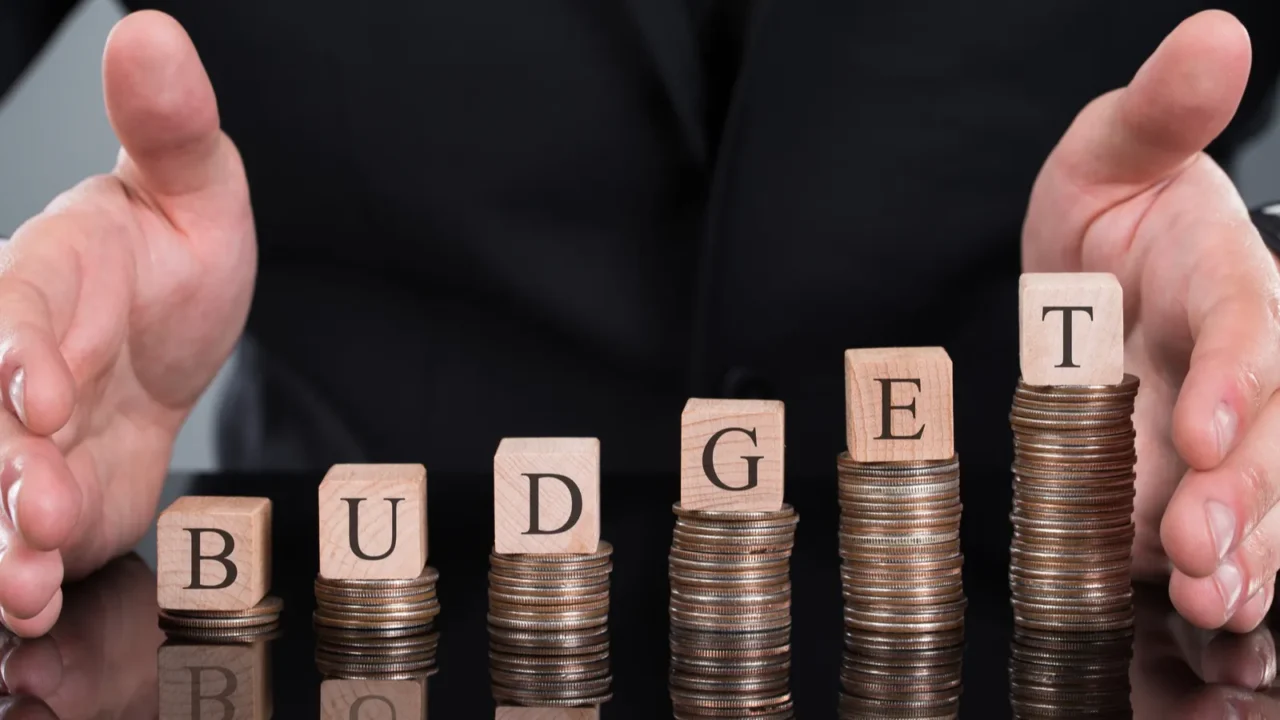
The rail line was originally expected to cost around $45 billion. Today, estimates have risen well past $100 billion. That number keeps growing as delays push construction further into the future.
Each year of waiting adds billions in new expenses. Rising materials and labor costs add to the strain. The longer it drags on, the harder it becomes to finish.
Jobs created but progress slow
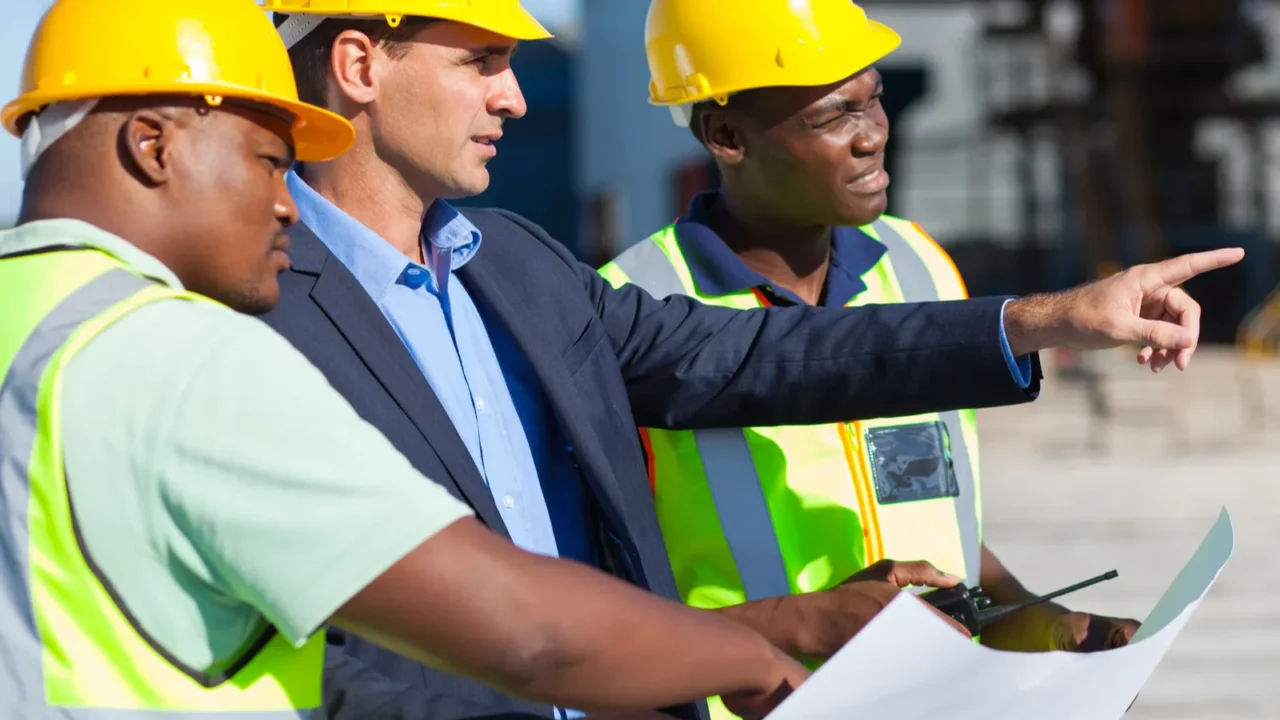
The project has created thousands of construction jobs. Workers in the Central Valley have benefited from steady employment. New bridges and elevated structures now stretch across farmland.
But jobs alone aren’t enough to prove success. People want to see actual trains running. The progress remains far behind what was promised.
Brightline shows another path
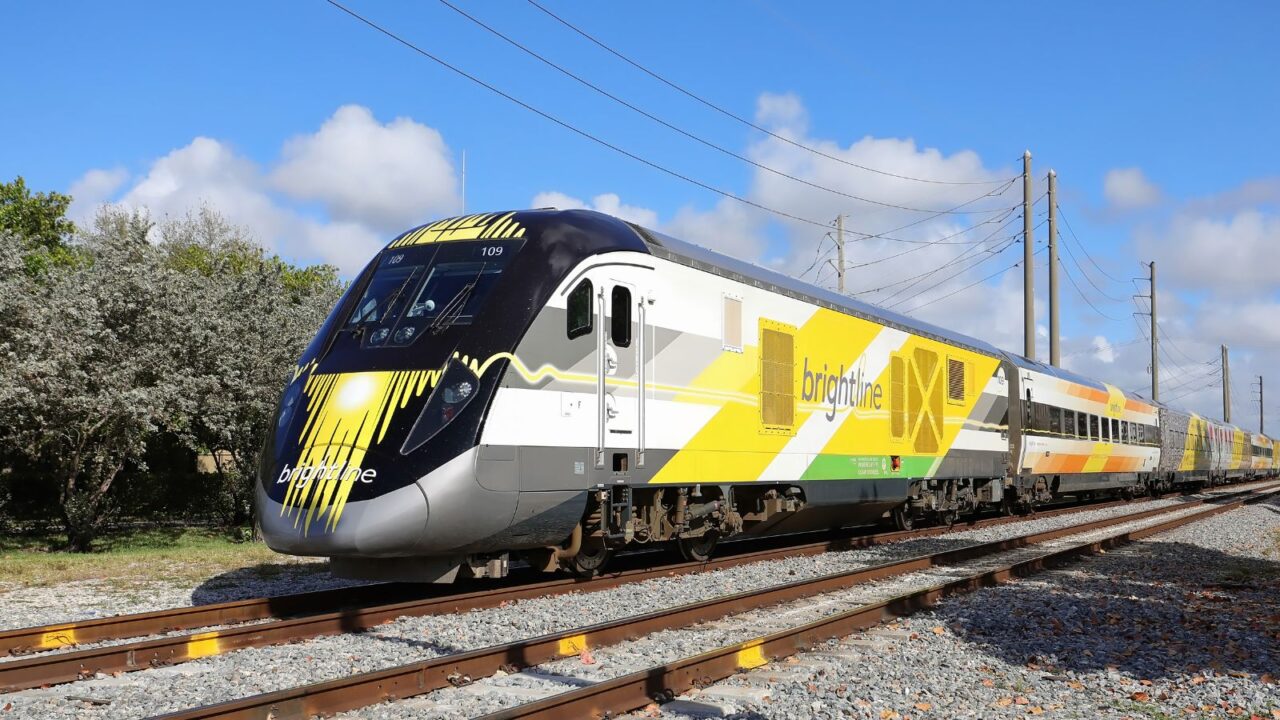
Private company Brightline found success by building along existing transportation corridors. Its Florida train uses land owned by a freight railway. The Las Vegas line follows Interstate 15 to cut down on hurdles.
This approach avoided many problems California faced. Using public land made planning faster and cheaper. It showed how route choices can make or break a project.
A route that raised costs
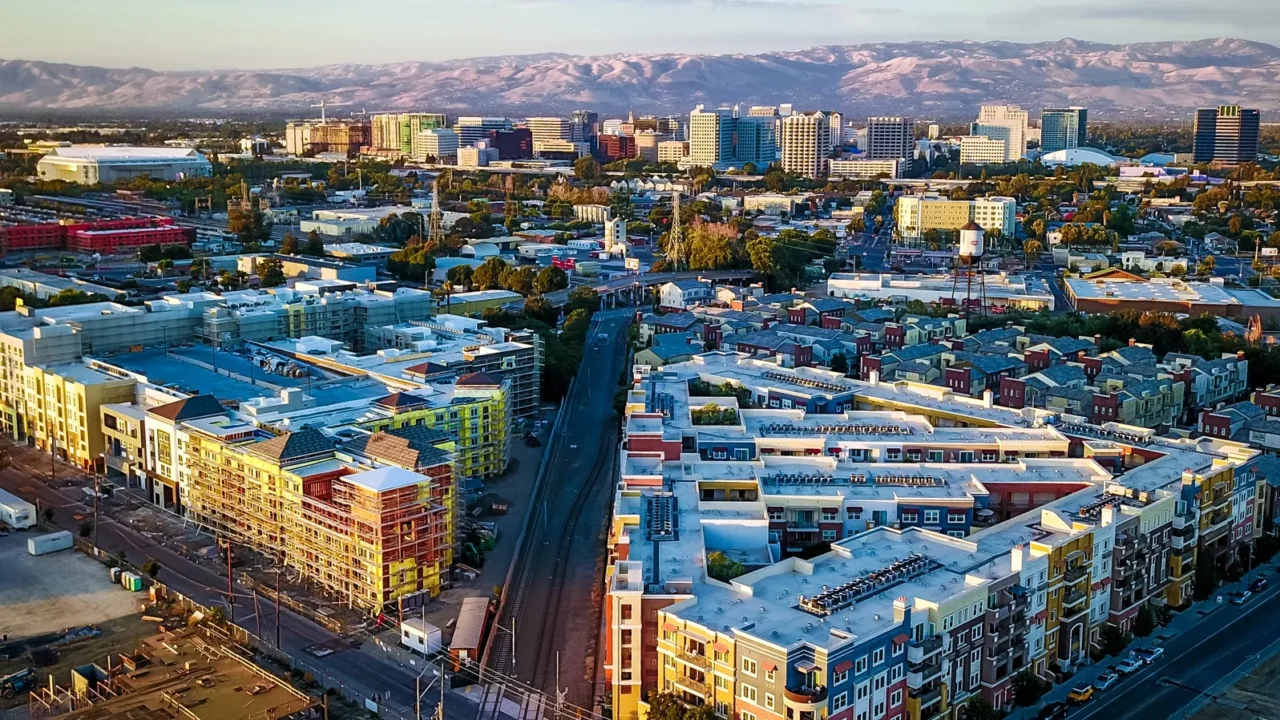
California chose a route that runs through multiple cities instead of following the straighter I-5 freeway. The idea was to boost local economies and connect more people. But this decision made construction harder and more expensive.
Cities required elevated tracks, tunnels, and extra approvals. Each added feature raised costs even higher. The “scenic” route became a costly detour.
Federal support running out
Recent federal decisions cut some of the funding California depended on. Losing billions created a huge gap in the project’s financial plan. State officials now face tough choices about what can continue.
The state hopes future leaders will restore support. But nothing is certain with changing national politics. The project’s survival depends on steady money that hasn’t appeared yet.
Recently, Billions were lost as 11 corporate giants fled California, underscoring that California’s financial challenges reach far beyond rail.

Hope in the first finished segment
Leaders say completing the Bakersfield-to-Merced segment is their best chance to rebuild trust. If trains run on even a small stretch, it could prove the project’s value. They believe success will help win voter support for the next phase.
Finishing something real may give the public confidence again. It could also attract private investment that has stayed away. This small step might decide the project’s future. In others news, explore why more people are leaving California for Florida.
Do you believe the project can still be saved, or is it too late? Join the discussion below.
Read More From This Brand:
- 15 historic towns in America where time stands still
- African American heritage trails worth traveling for
- Would you trust a robot to plan your next vacation?
Don’t forget to follow us for more exclusive content right here on MSN.
This slideshow was made with AI assistance and human editing.
