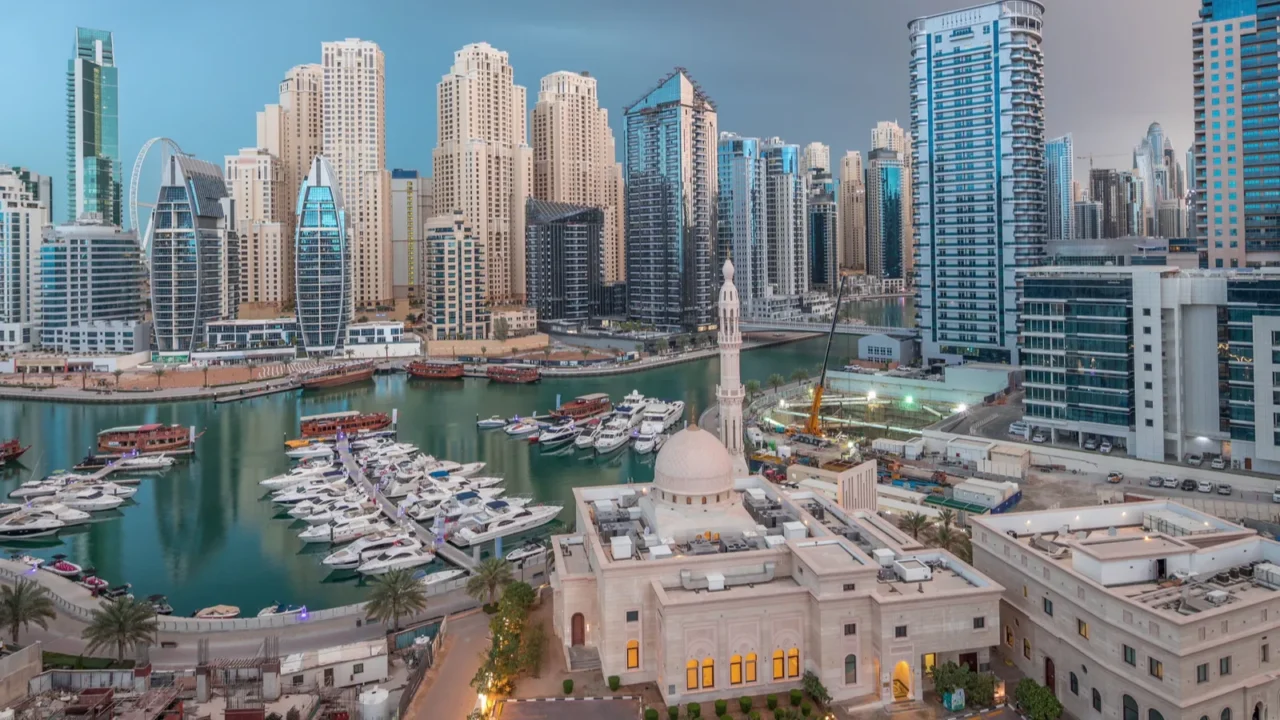
Seoul’s skyline is changing
Seoul’s skyline is quietly shifting toward a more thoughtful kind of vertical living. Instead of focusing only on height, designers are giving buildings emotional and visual depth. These living towers reflect a growing desire to blend creativity, greenery, and daily life.
Art, nature, and city views now exist within the same structures. This shift changes how travelers experience the city from above and below. The story behind these towers reveals a deeper vision of modern Seoul.
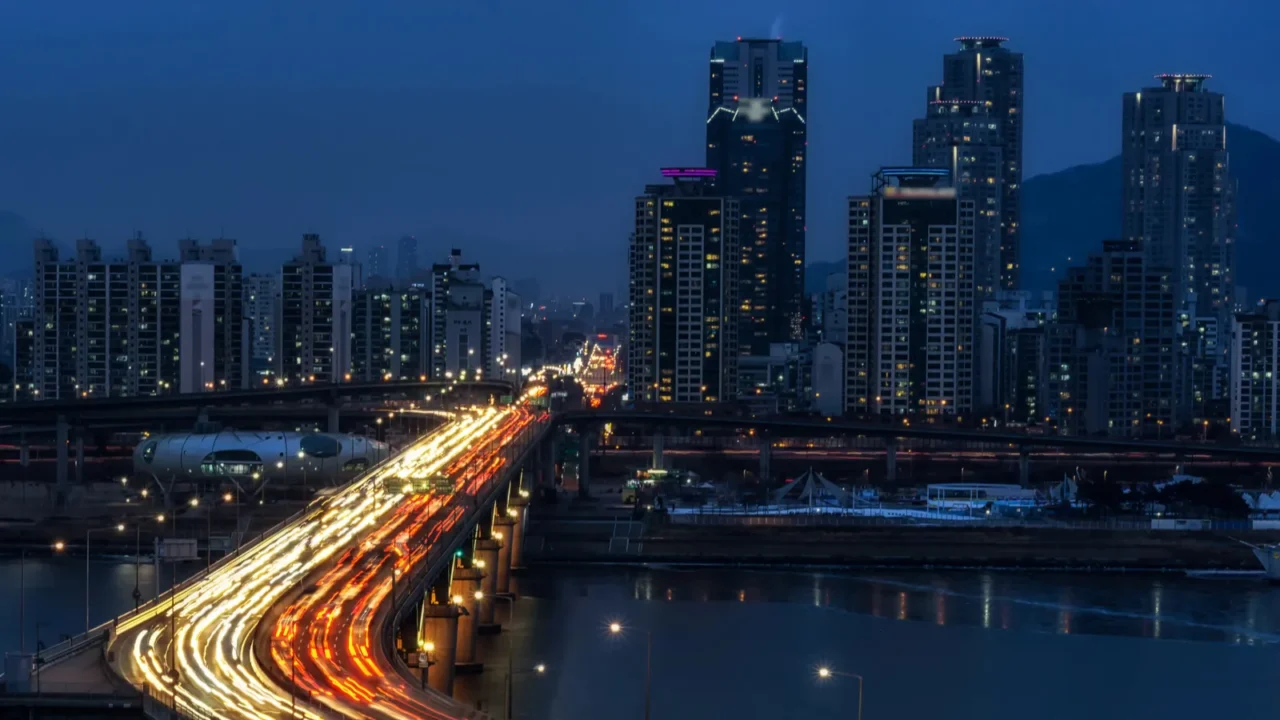
Cheongdam tower feels organic
Cheongdam Tower stands out because the movement of water inspires its form. Soft curves replace sharp angles, creating a structure that feels fluid and calm. The building contrasts with its busy surroundings without competing with them.
Terraces and open spaces are integrated into the tower’s vertical design. Greenery is integrated into the structure, not just added as surface decoration. From higher levels, city views unfold in a way that feels open and unforced.
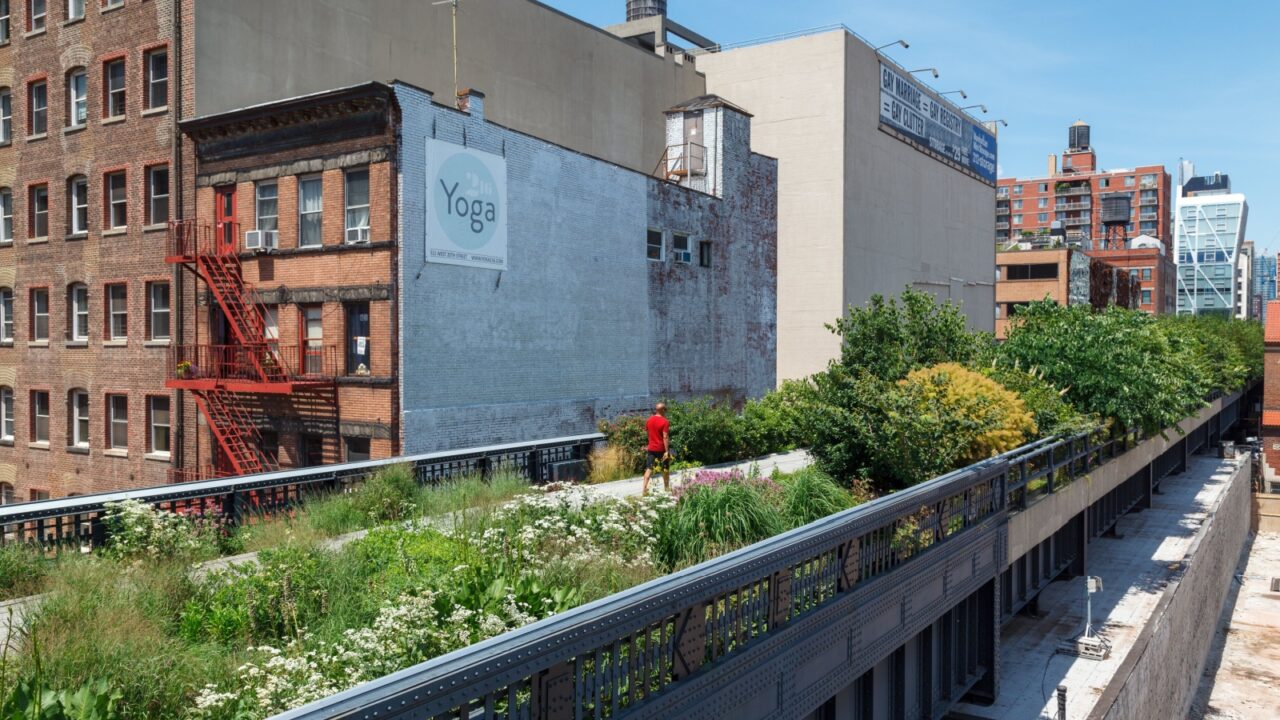
Architecture shaped by nature
The tower’s exterior reflects natural motion rather than rigid geometry. Light moves across the surface differently throughout the day, changing its appearance. This gives the building a sense of movement within the static cityscape.
At ground level, planted areas soften the experience of approaching the tower. These spaces reduce the visual heaviness often associated with tall buildings. Nature becomes an active presence rather than a background element.
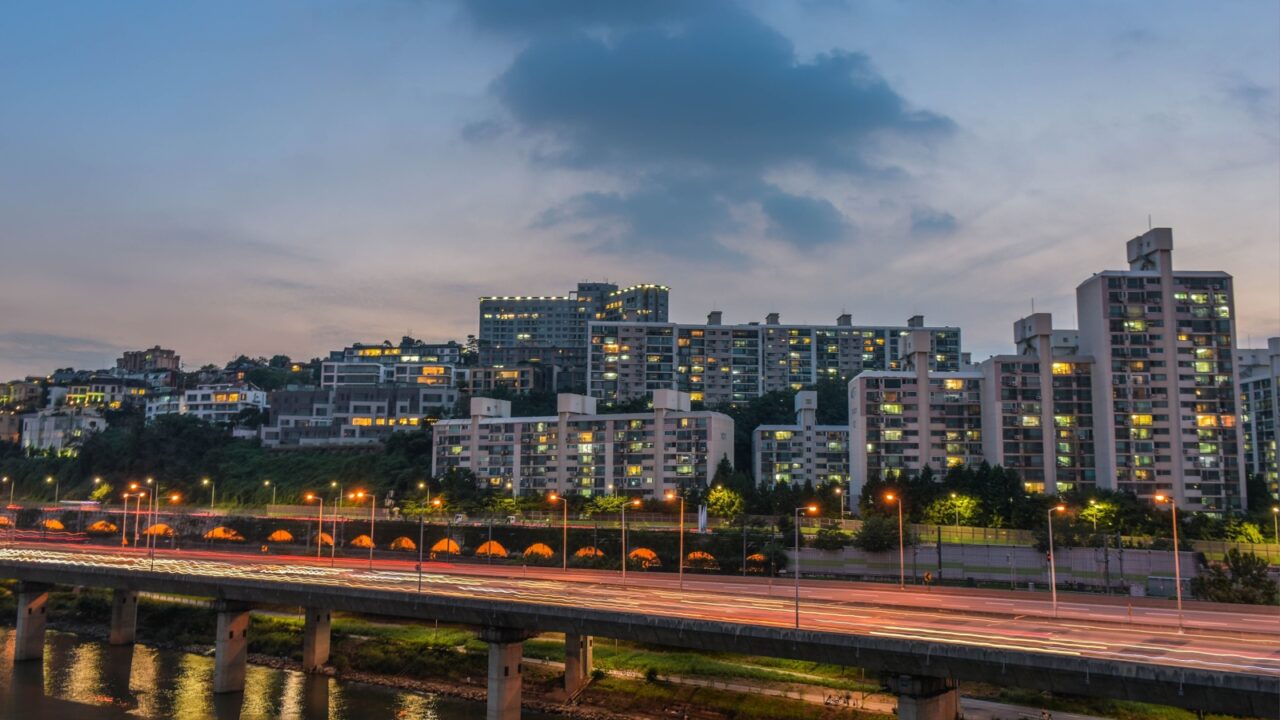
Hannamdong residences reconnect living
Hannamdong residences are positioned between the Han River and Namsan Mountain. The location allows the design to respond directly to the surrounding landscapes. Natural views influence both the orientation and spacing of the towers.
Buildings are arranged to preserve daylight and airflow. This planning prevents the area from feeling crowded despite its density. Living spaces feel balanced, open, and closely tied to their environment.
Natural forms guide design
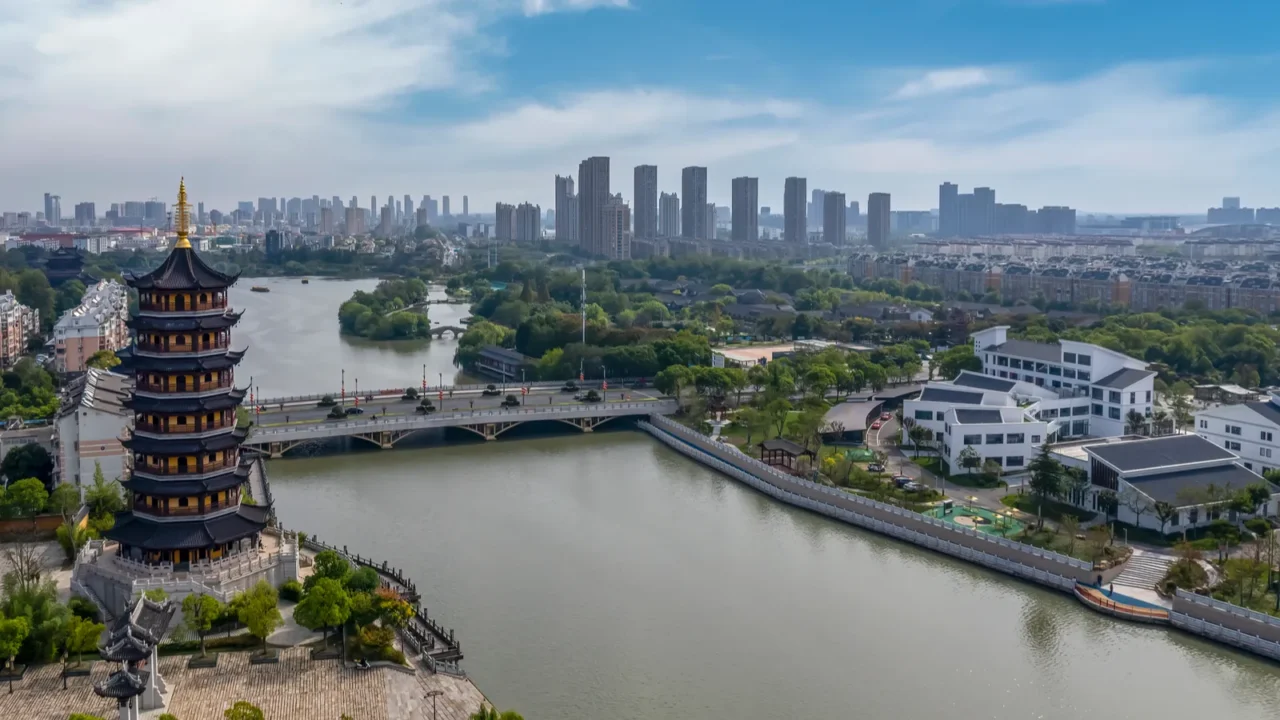
Some of the towers draw inspiration from water lilies found along the river. Rounded forms rise gradually, creating softer silhouettes against the skyline. These shapes allow residents to enjoy uninterrupted river and city views.
Other towers take cues from native pine trees. Vertical lines mirror the strength and upward growth of branches. Nature influences structure rather than serving as surface decoration.
Green terraces elevate daily life
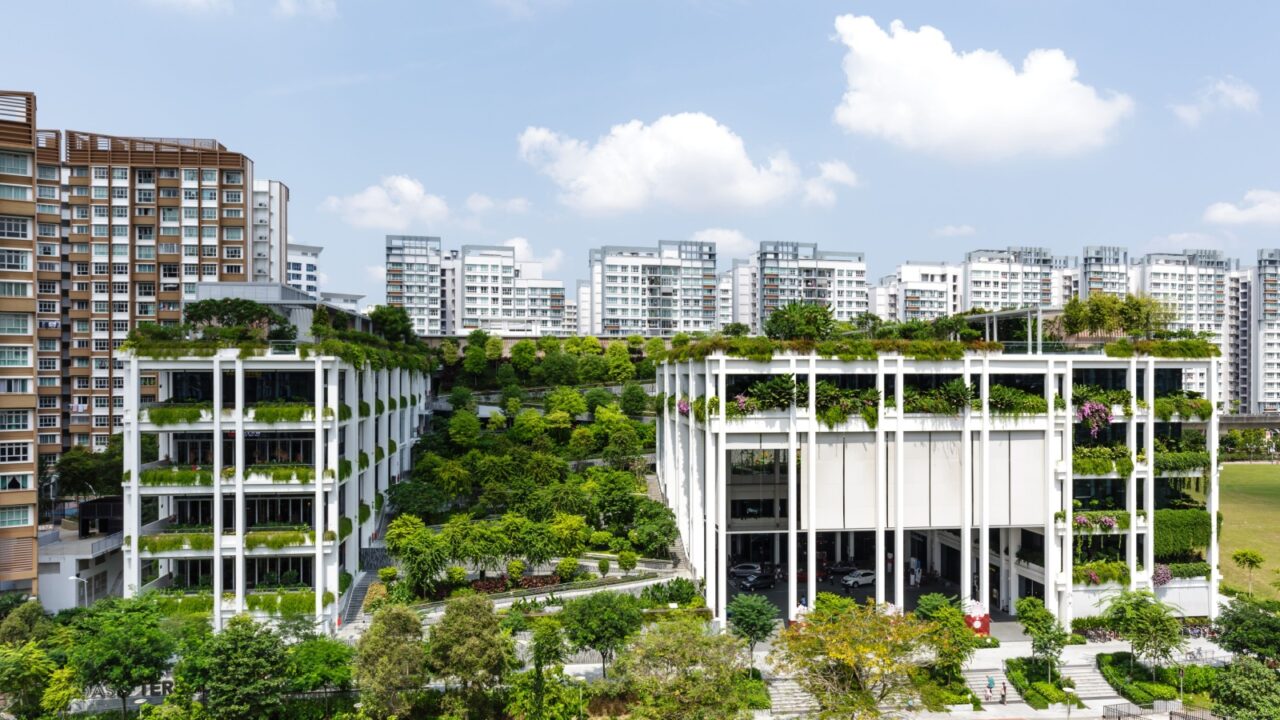
Green terraces are layered throughout the buildings at multiple levels. They help regulate temperature while naturally improving air quality. Daily life benefits from constant access to greenery within the structure.
An elevated walkway connects different sections of the development. Seasonal planting ensures the space changes throughout the year. Movement through these areas feels intentional rather than rushed.
Shared spaces with views
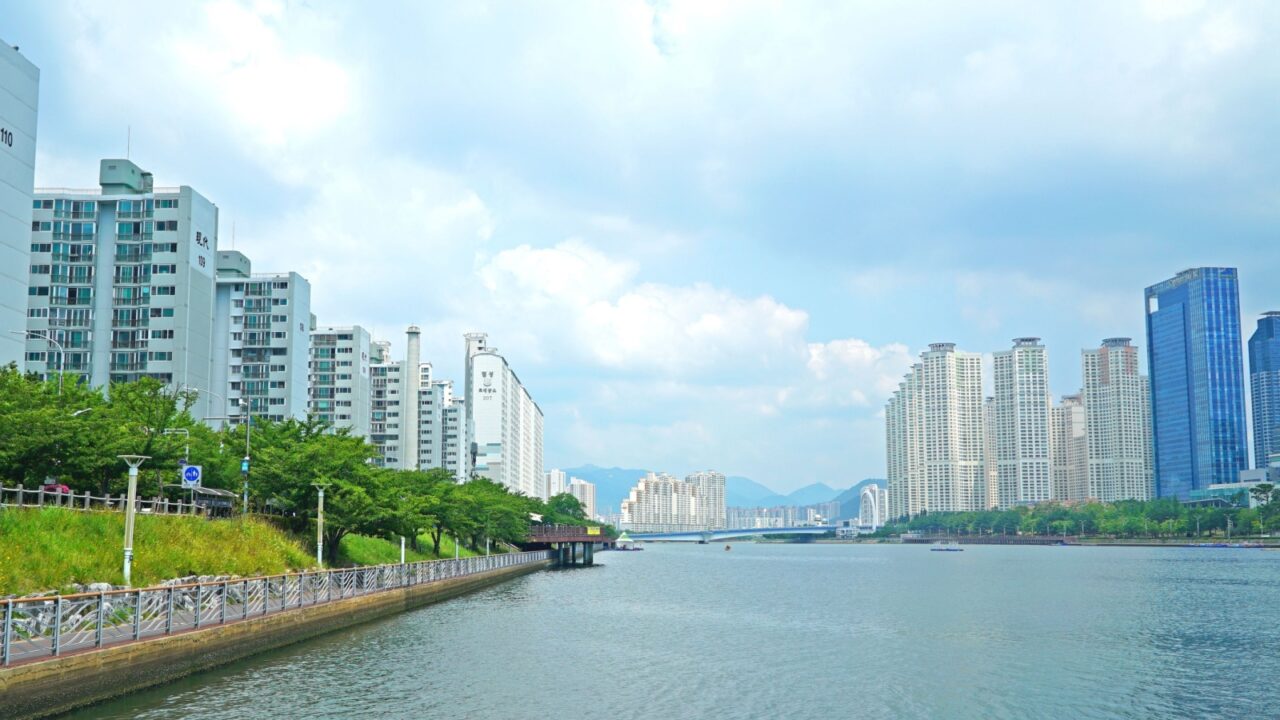
Community spaces are placed to maximize city and river views. These areas encourage people to pause, gather, and interact naturally. The surrounding landscape becomes part of shared daily moments.
Rather than isolating residents, the design promotes connection. Natural light and open sightlines shape the atmosphere of these spaces. Social interaction feels more relaxed and welcoming.
Parks expand the experience
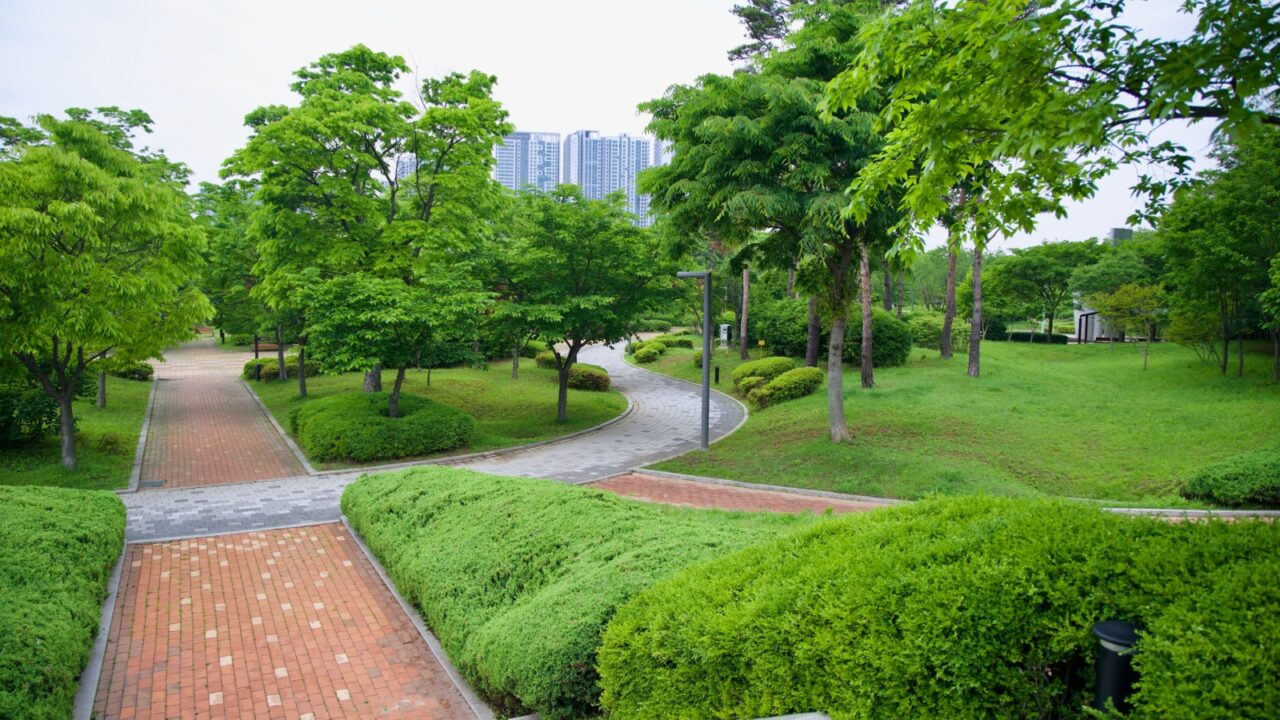
Large public parks surround the towers and nearby streets. These spaces remain open and accessible, extending greenery beyond the buildings. They offer relief from the density of urban life.
Paths, trees, and open lawns invite slower movement. Visitors can experience nature without leaving the neighborhood. The parks act as shared breathing spaces for the city.
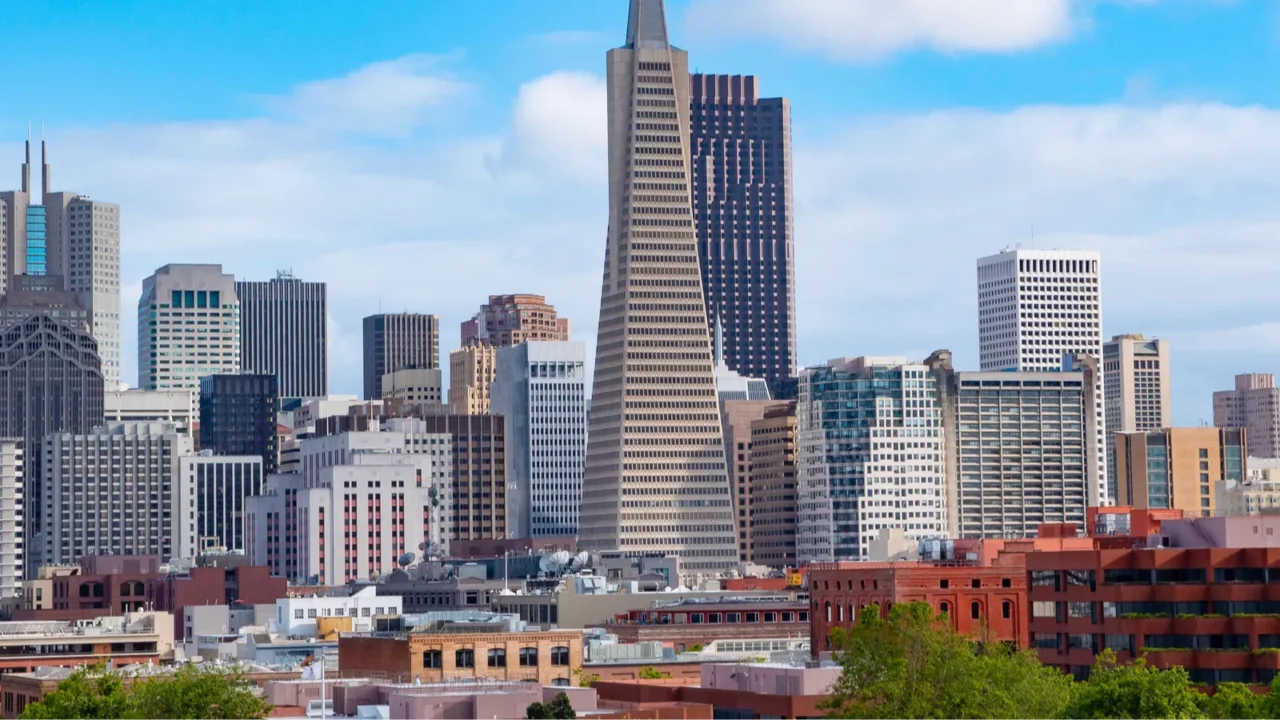
Towers tell a city story
These living towers reflect Seoul’s evolving architectural identity. They show how growth can remain respectful of nature and culture. Design becomes a way to communicate values rather than dominance.
Each curve and open space responds to its surroundings. The buildings feel connected to the place rather than imposed upon it. Architecture becomes part of the city’s narrative.
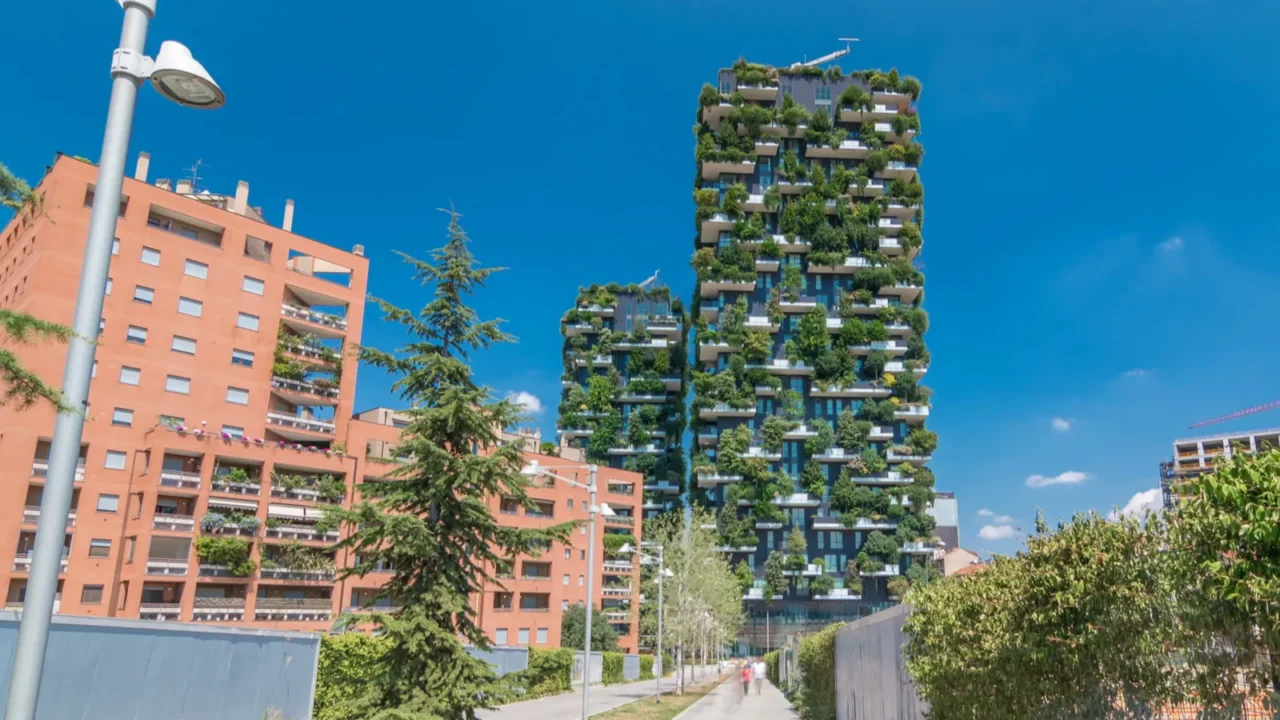
City and nature in balance
Upper floors offer layered views of greenery, water, and urban streets. The contrast between nature and city feels calming rather than overwhelming. Living above the city still feels visually grounded.
Interior spaces are oriented toward natural light and scenery. This orientation shapes how residents experience daily routines. Urban living feels lighter and more breathable.
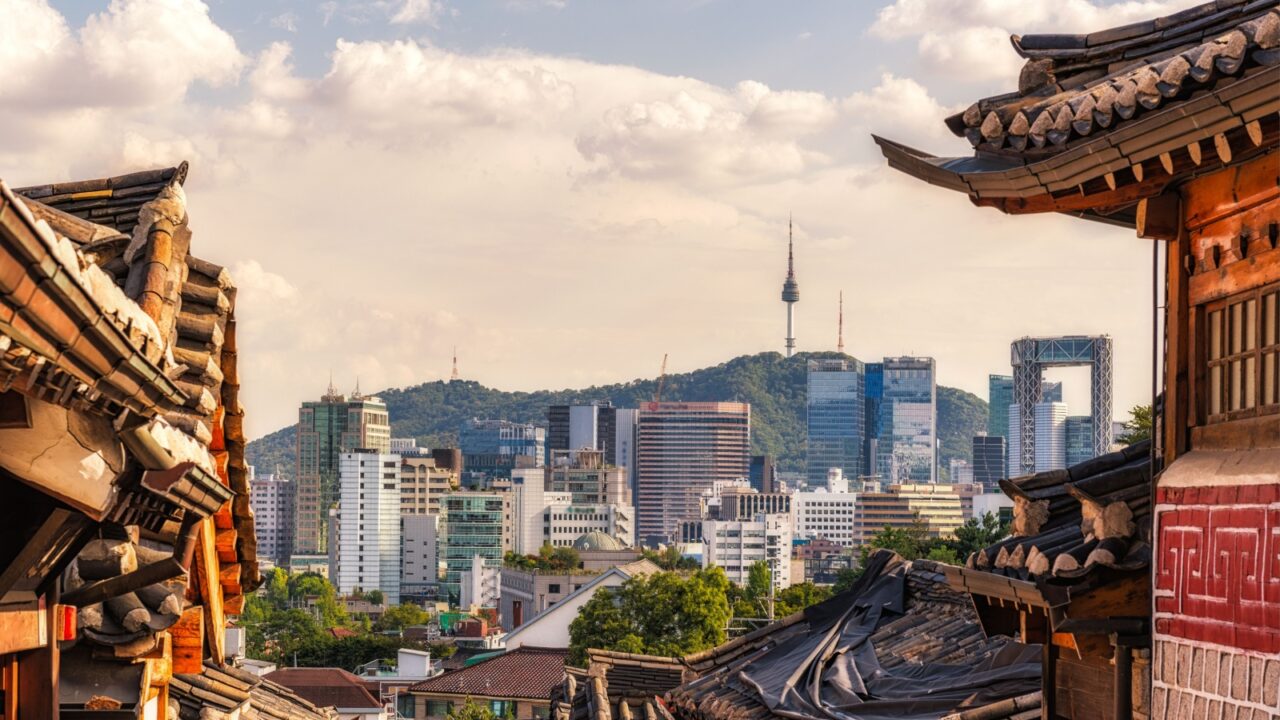
Culture lives within towers
Public plazas and shared areas allow cultural activity to unfold naturally. Art and social interaction become part of everyday life. These towers serve more than just residential purposes, staying active as cultural and community hubs.
These spaces encourage gatherings without feeling forced. Creative expression blends into the architectural environment. Culture becomes embedded within daily movement.
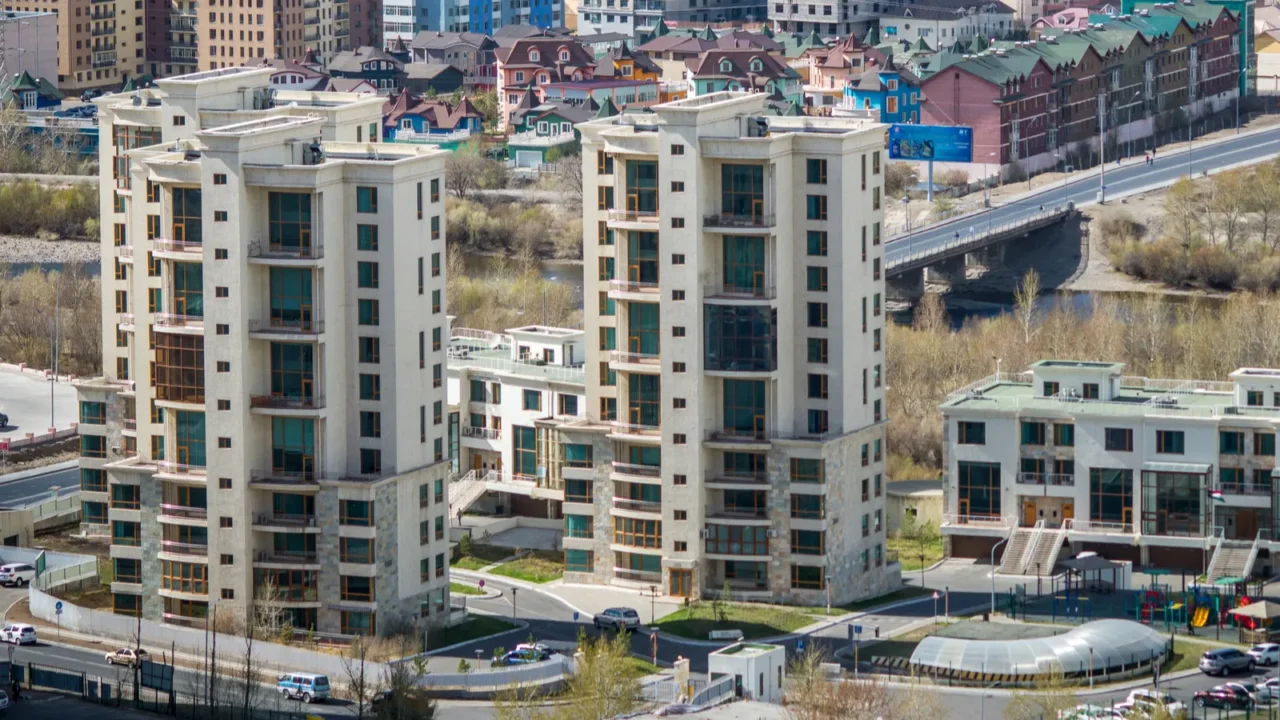
Life above feels connected
Life inside these towers feels carefully considered and layered. Natural elements influence mood, comfort, and daily rhythm, much like smart eco resorts in South Korea that combine AI check-ins with wellness-focused design. Height does not disconnect residents from their surroundings.
Design choices maintain a strong link to the city below. Nature remains visible even at elevated levels. Urban living feels balanced rather than overwhelming.
Sharing the experience
These living towers represent a thoughtful direction for urban design. They show how art, nature, and views can coexist within vertical spaces. The result feels intentional rather than excessive.
What’s your take on this approach to city living? Do these towers feel like places worth exploring or experiencing firsthand? Share your thoughts and join the conversation.
This slideshow was made with AI assistance and human editing.
Disclaimer: The images used are for illustrative purposes only and do not depict the actual locations mentioned.
Don’t forget to follow us for more exclusive content right here on MSN.
Read More From This Brand:
