
Karoline Leavitt addresses SAVE Act
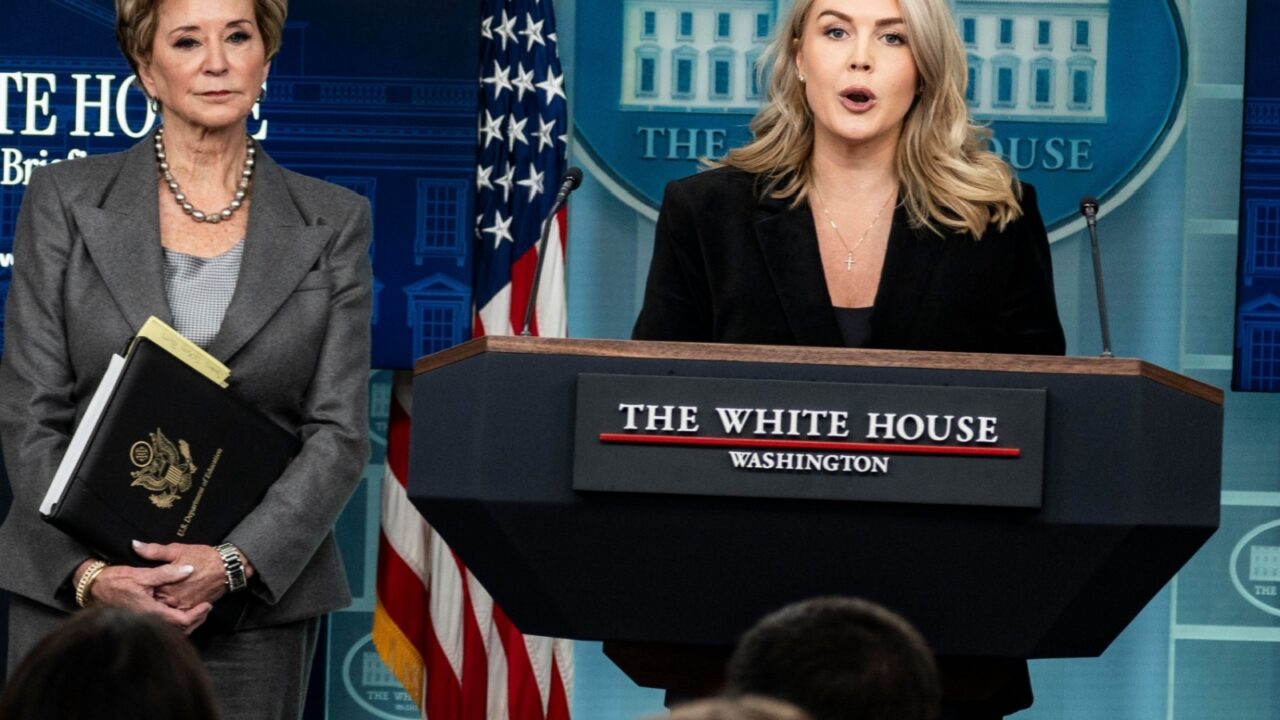
Karoline Leavitt publicly defended the SAVE Act, a Republican backed bill that would require documentary proof of U.S. citizenship when registering to vote in federal elections. She addressed criticism of the proposal during a March 10, 2026 White House briefing, including claims that it could create problems for some married women whose current legal names do not match their birth certificates. The proposed federal legislation would require people registering to vote in federal elections to provide documentary proof of United States citizenship. Acceptable documents could include a passport, birth certificate, or naturalization paperwork.
Leavitt said the legislation aims to strengthen election integrity by ensuring that only citizens participate in federal voting. Critics and voting rights advocates raised concerns about how documentation requirements could affect some voters. The discussion has also sparked wider conversations about identification documents that travelers carry for domestic flights and international trips.
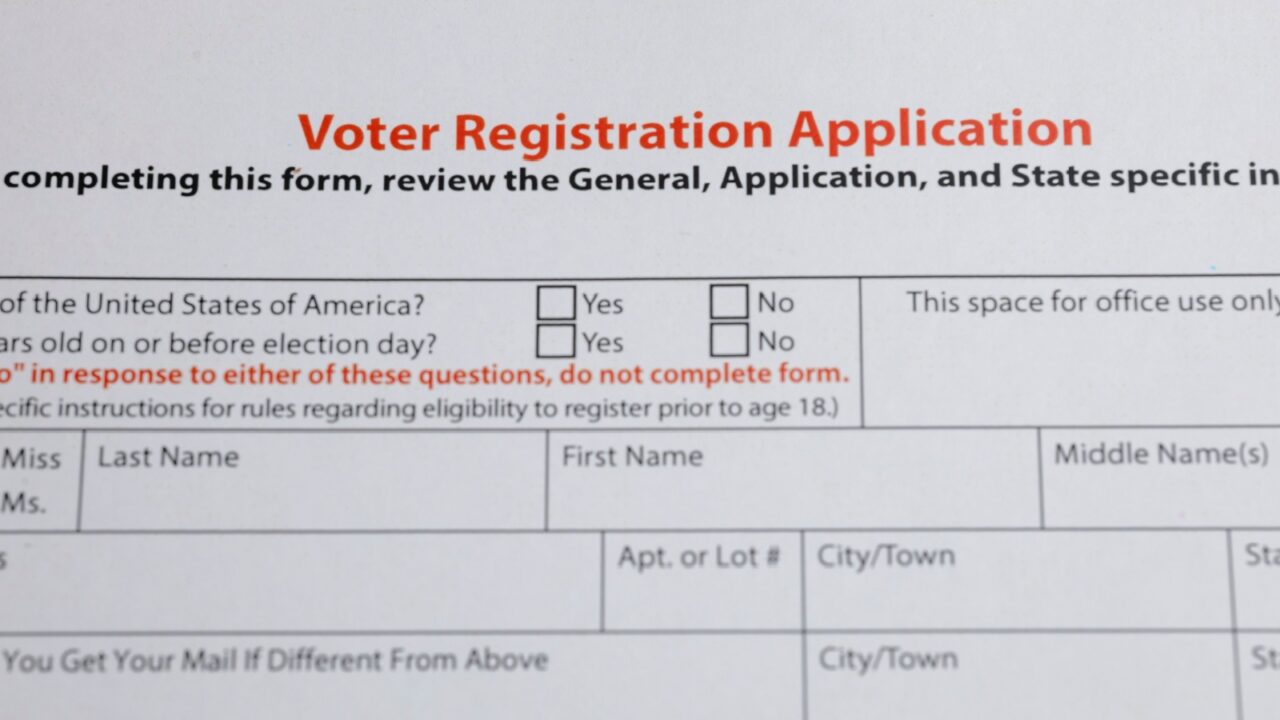
SAVE Act explained simply
The SAVE Act requires documentary proof of citizenship during voter registration for federal elections. Documents mentioned in discussions around the bill include a United States passport, birth certificate, or naturalization certificate. Supporters argue these requirements confirm citizenship status during the registration process.
Opponents say the proposal could create administrative hurdles for some eligible voters. Critics note that the documentation requirement may require people to gather additional records if their identification does not match other official documents. These debates have drawn attention because identification paperwork also affects everyday activities like air travel and passport applications.
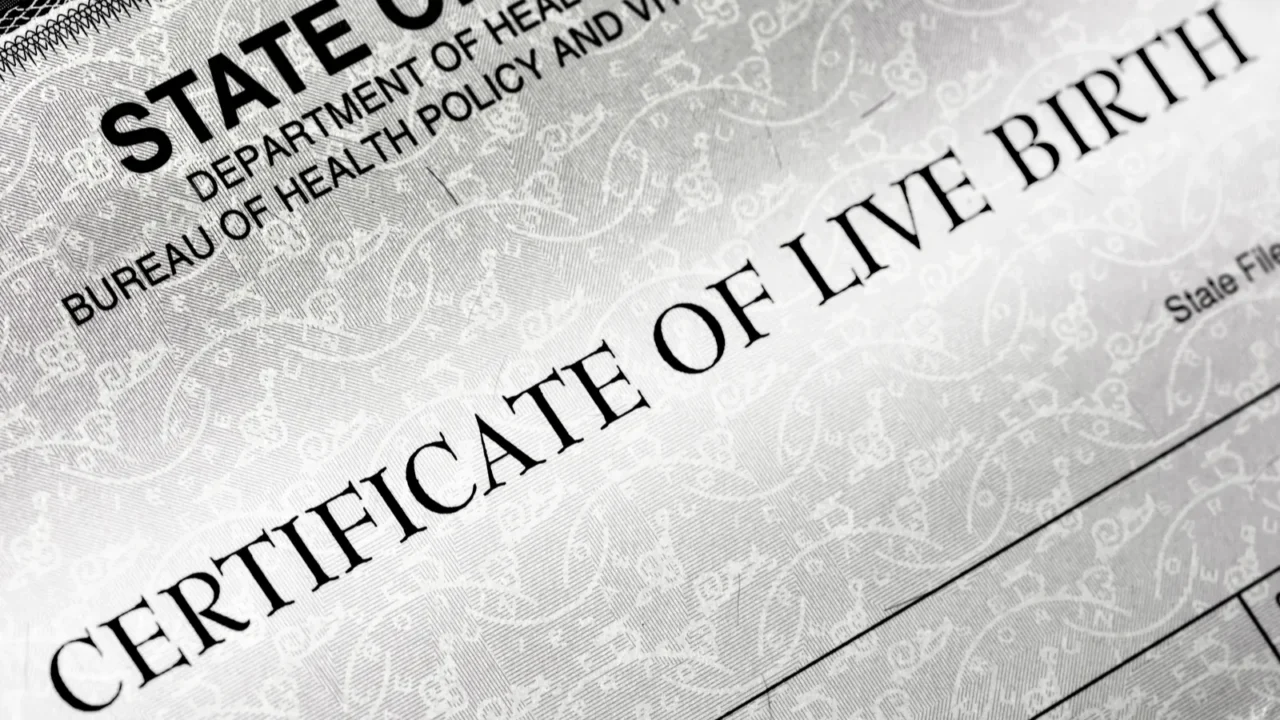
Why married women mentioned
Concerns about married women emerged because many Americans change their last names after marriage. A birth certificate usually contains a maiden name, which may not match the name used on current identification documents. Experts say that a mismatch could complicate the proof of citizenship requirement described in the SAVE Act.
Research estimates that around 69 million American women have taken a spouse’s surname. If those voters do not have passports or updated documentation, they might need additional records to confirm identity and citizenship. Those administrative steps have become part of the national debate surrounding the legislation.

Leavitt responds to criticism
During a briefing, Leavitt said critics were spreading misinformation about how the law would work. Leavitt said criticism of the bill was misleading and argued it would not stop married women from voting. Independent fact checks note that the legislation contemplates state procedures for handling name discrepancies, but critics say those added steps could still create barriers for some eligible voters.
Leavitt also emphasized that the legislation focuses on verifying citizenship rather than restricting participation. Supporters of the bill argue that the goal is to restore confidence in election procedures. Political debates around the issue continue across Washington and in state legislatures.
Documentation rules debated widely
Legal experts say the bill leaves some questions about which additional documents states could accept. Election administrators might need to determine how to verify citizenship when names differ between records. That process could vary depending on state election procedures and administrative guidance.
Critics warn that extra paperwork could slow registration for some voters. Supporters argue that modern documentation systems make verification manageable. The policy discussion continues as lawmakers consider the broader implications of citizenship verification requirements.

Travel documents enter discussion
The debate about identification has also drawn comparisons with travel documents used at airports. Passports remain one of the most widely accepted forms of identification and proof of citizenship for international travel. Many travelers already maintain updated passports that include their current legal names.
Fact: State Department materials released in early 2025 said the number of valid U.S. passports in circulation had reached nearly 170 million. The department’s statistics page also shows that 24.5 million passports were issued in fiscal year 2024, underscoring how widely used passports are as travel and identity documents.

Domestic travel ID changes
Domestic air travel already requires federally compliant identification under the Real ID Act. The Transportation Security Administration says travelers must present approved identification, such as a Real ID driver’s license or passport, at airport security checkpoints. These requirements took effect nationwide as part of the aviation security policy.
Fact: The Transportation Security Administration screens more than 2 million passengers daily at airports across the United States. Identification checks remain a routine part of travel security at major hubs like Atlanta and Chicago.

Airport identity checks explained
Airport security rules highlight how identity verification has become routine in modern travel. At airports like Hartsfield-Jackson Atlanta International Airport, travelers show identification before boarding domestic flights. Passports or Real ID-compliant licenses are accepted forms of identification at security checkpoints.
These processes illustrate how documentation systems operate in other areas of public life. Supporters of stricter voter identification often point to travel security as a comparison. Critics respond that voting procedures and airport security serve different public purposes.
States manage voter systems
Even with federal legislation, states remain responsible for managing voter registration systems. Local election offices verify records, update registrations, and maintain voter rolls. The SAVE Act would interact with these existing administrative systems.
State officials say verification of documentation may require coordination with federal agencies. These steps could include reviewing citizenship documents and confirming identity records. The process could vary depending on each state’s election administration policies.

Political debate continues
The SAVE Act passed the House of Representatives with support from Republican lawmakers and a small number of Democrats. The legislation now faces debate in the United States Senate, where approval is uncertain. Senators continue discussing possible revisions and implementation details.
Advocacy groups on both sides remain active in the debate. Voting rights organizations argue that the bill could discourage participation. Supporters say the measure strengthens election integrity and public trust.
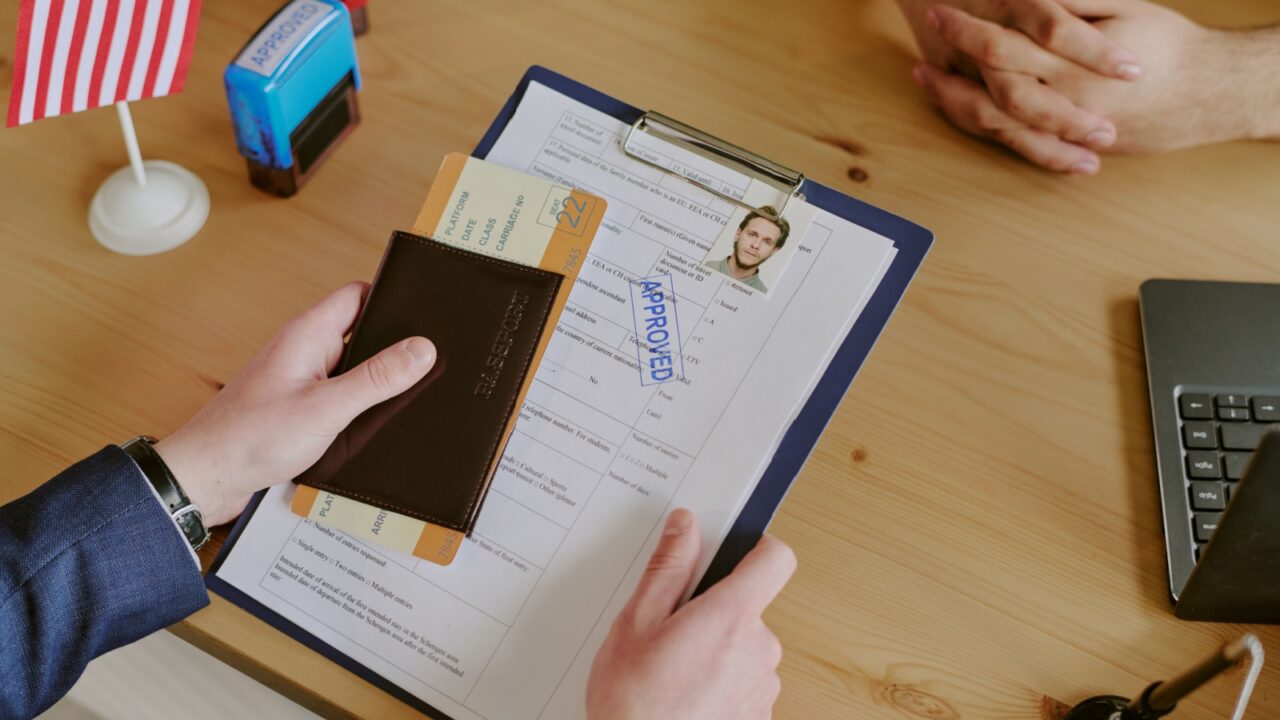
Travelers watch policy shifts
Policy discussions in Washington sometimes influence everyday travel planning. Documentation requirements affect passports, identification cards, and border crossings. Travelers often pay close attention to new rules that may affect identification checks.
Airports, cruise ports, and border crossings rely on standardized documentation systems. These procedures help confirm identity for millions of passengers every year. At the same time, broader travel developments like longer flights and higher costs caused by airspace closures also shape travel conversations, showing how policy and global events can influence the way people move around the world.
Identity rules shape travel
The SAVE Act debate highlights how identification documents play an important role across modern life. From voting registration to international travel, official documents confirm identity and citizenship status. Policymakers continue to examine how those systems should operate in a changing world.
Travelers visiting destinations across the United States often carry passports or identification cards as part of routine journeys. Conversations about identity verification may continue as lawmakers evaluate legislation.
How should identification policies balance security and convenience for travelers and citizens alike? Share thoughts below.
This slideshow was made with AI assistance and human editing.
Don’t forget to follow us for more exclusive content right here on MSN.
Read More From This Brand:
