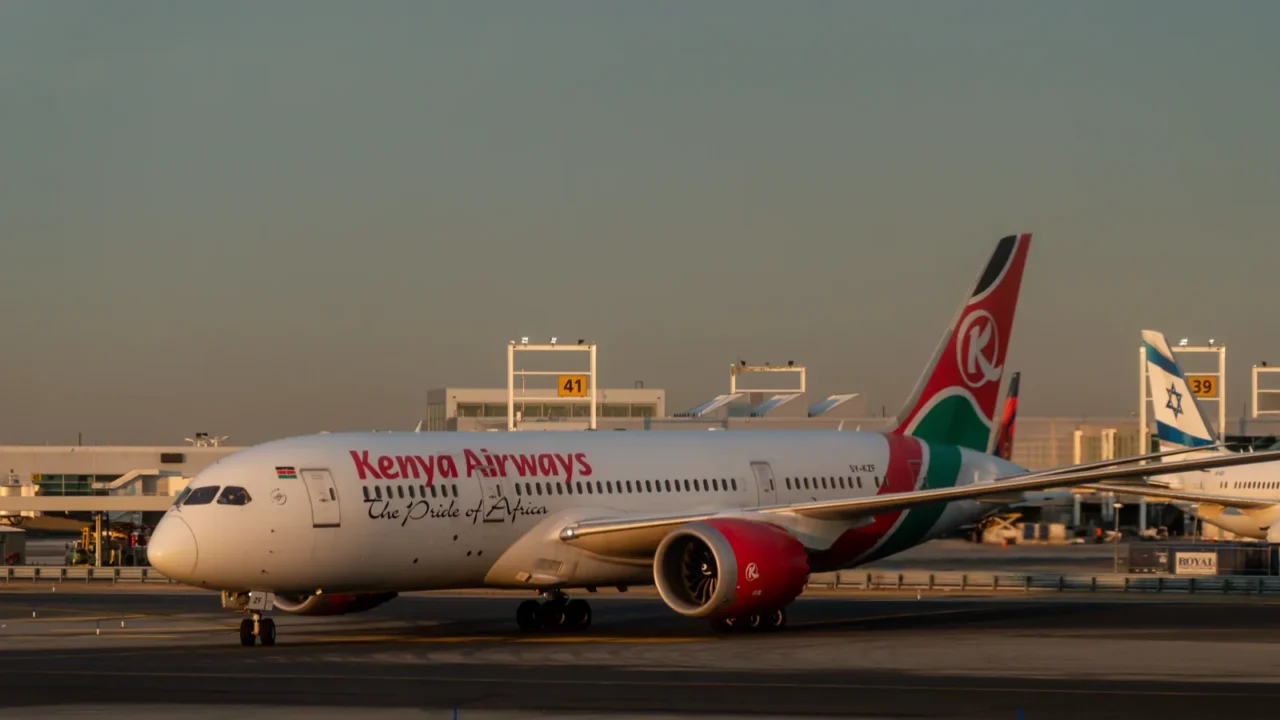
Kenya Airways grounds JFK route
Kenya Airways, the national flag carrier of Kenya, commonly known by its IATA code KQ, temporarily suspended its flagship Nairobi to New York route in February 2026 following a severe blizzard that paralyzed operations at John F. Kennedy International Airport. The airline confirmed two flight cancellations and immediately issued a revised schedule to assist affected passengers on one of aviation’s most storied long-haul corridors.
The disruption affected both directions of the route, leaving passengers on the affected Kenya Airways services to and from New York waiting for revised travel arrangements. Kenya Airways confirmed it was actively monitoring conditions and coordinating with airport stakeholders to restore service as quickly and safely as possible across this transatlantic connection.
The historic Nairobi-New York flight
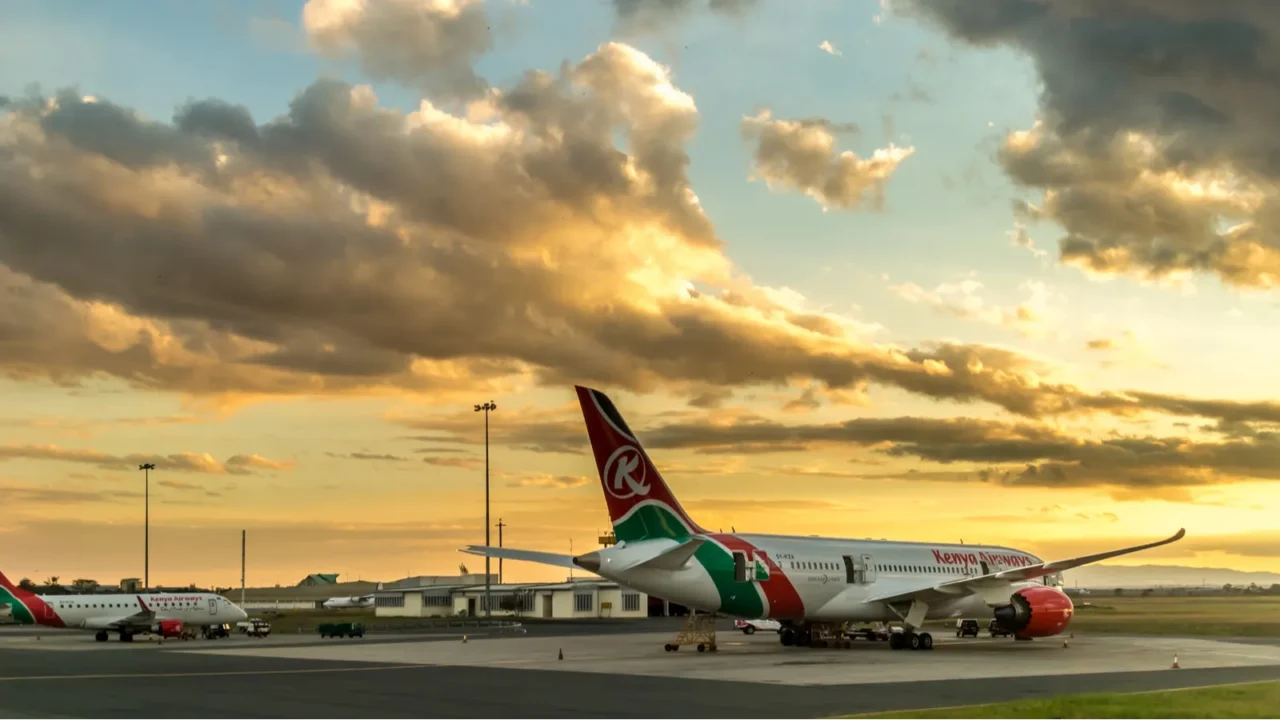
When Kenya Airways launched its nonstop Nairobi to New York service on October 28, 2018, it made aviation history as the first airline to connect East Africa directly to the United States. That inaugural flight, designated KQ2, departed Nairobi’s Jomo Kenyatta International Airport and touched down at John F. Kennedy International Airport in New York after nearly 15 hours in the air, opening a new chapter for African aviation.
The route signaled extraordinary ambition for a continental carrier. Kenya Airways committed multiple Boeing 787-8 Dreamliners to sustain daily operations, signaling just how strategically vital the New York route is for Kenya’s flag carrier and for broader African connectivity with North America.
Blizzard stops Africa’s gateway
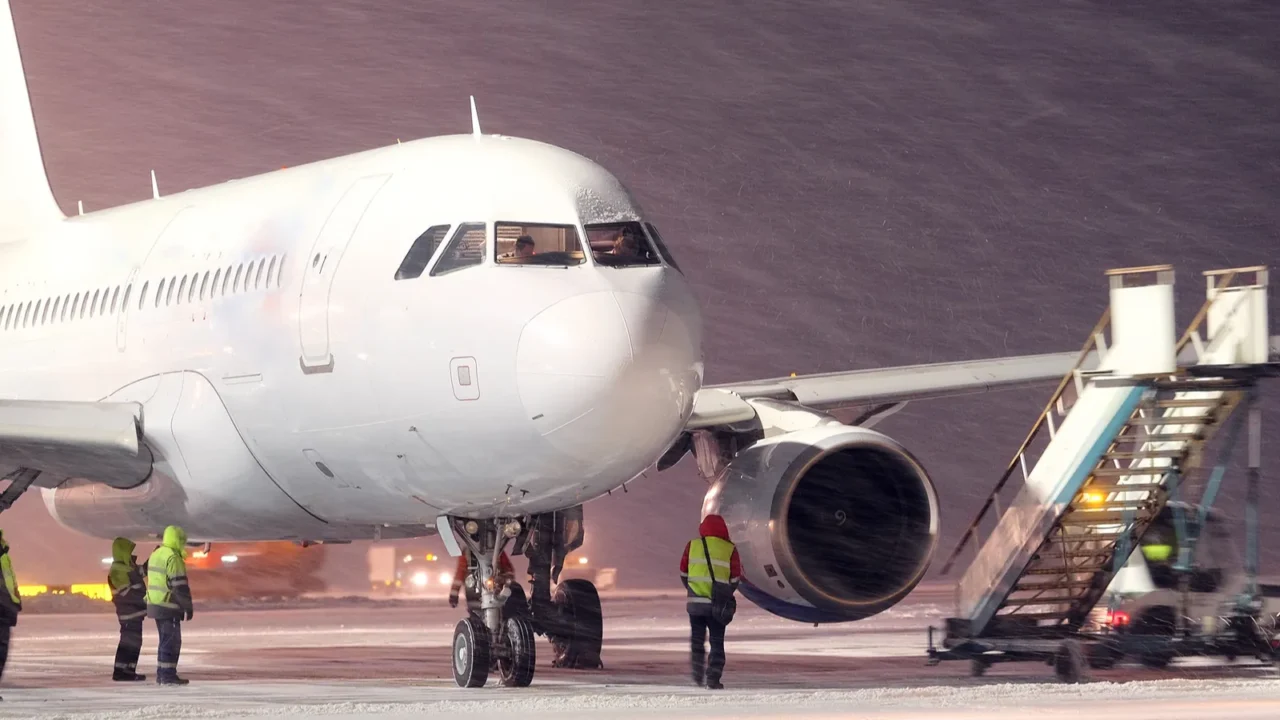
On February 22, 2026, a violent winter storm swept across the northeastern United States, triggering a blizzard warning for New York City and surrounding regions. The scale of the storm was staggering, with forecasters warning that parts of New York could receive up to 24 inches of snowfall, wind gusts reaching 55 miles per hour, and flooding risks extending into boroughs including the Bronx and Queens along one of America’s most densely populated coastlines.
Conditions at John F. Kennedy International Airport deteriorated rapidly. Airport authorities suspended all flight operations for specified periods, leaving airlines with no choice but to cancel services. Kenya Airways issued a public statement the same day, citing the blizzard warning as the direct reason for grounding its Nairobi-bound and New York-bound transatlantic flights on that particular weekend.
Revised schedule brings relief
Despite the sudden cancellations, Kenya Airways moved swiftly to minimize the disruption by publishing a revised flight schedule for affected passengers. The airline confirmed that flight KQ 002 from Nairobi to New York would resume on February 24, 2026, while the return service, KQ 003 from New York to Nairobi, was rescheduled to operate on February 25, 2026, giving travelers a two-day window to adjust plans accordingly.
Kenya Airways emphasised that the revised schedule was contingent on weather improvement and safety clearance from relevant aviation and airport authorities. The airline stated it was actively engaging with JFK Airport stakeholders throughout the storm period, maintaining open communication with customers to ensure transparency and reduce anxiety among thousands of travelers whose itineraries were disrupted by the record-breaking winter storm.
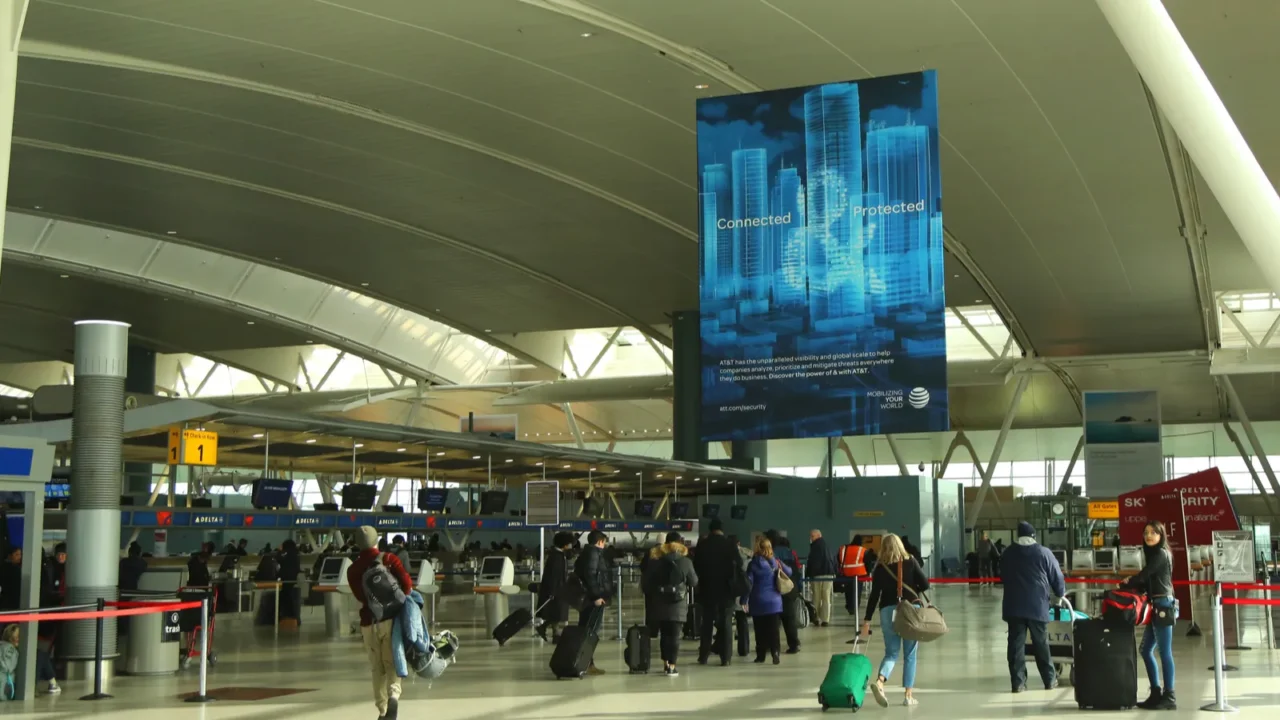
Safety first above JFK
Kenya Airways was unequivocal in its messaging during the February 2026 disruption: passenger and crew safety remained the airline’s absolute top priority.
In its official customer statement, the carrier explained that operating under blizzard conditions at a major international hub posed unacceptable risks, reinforcing the importance of coordinated decision-making between airlines, airport authorities, and civil aviation regulators when severe weather strikes densely trafficked airports like JFK in New York. The February 2026 storm resulted in nearly 3,000 flight cancellations across U.S. airports on a single day.
KQ002 and KQ003 Explained
The two grounded flights, KQ 002 and KQ 003, carry special significance within Kenya Airways’ flight numbering system. Low-digit flight numbers are traditionally reserved for an airline’s most prestigious and strategically important routes, reflecting the prominence these services carry within a carrier’s global network.
For Kenya Airways, KQ 002 and KQ 003 represent not just a transatlantic service but a powerful symbol of African aviation’s growing determination to compete with the world’s most established long-haul carriers. Operated by the Boeing 787-8 Dreamliner, these flights connect Nairobi’s Jomo Kenyatta International Airport directly to JFK Airport in New York, spanning approximately 7,351 miles across some of the most geographically diverse airspace on earth.
Fact: Kenya Airways is the only African carrier in the SkyTeam Alliance.

Nairobi’s gateway to the world
Nairobi, Kenya’s capital and one of Africa’s most dynamic cities, sits at the heart of East African aviation. Jomo Kenyatta International Airport, the country’s largest aviation hub, links Nairobi with dozens of destinations across Africa, the Middle East, Europe, and North America.
Kenya Airways operates its prestigious New York service from the airport’s international terminal, emphasising the route’s importance to both the airline and the nation. Beyond aviation, Nairobi offers visitors access to Nairobi National Park, the only wildlife reserve situated within a major world capital, making it one of Africa’s most extraordinary urban destinations for travelers seeking both city culture and untamed wilderness within a single remarkable location.

East Africa’s bridge to America
Before Kenya Airways launched its nonstop Nairobi to New York service in 2018, travelers between East Africa and the United States had no choice but to endure lengthy layovers in European or Middle Eastern hub cities, adding hours of transit time to already demanding international journeys. The introduction of direct service transformed the travel experience for business travelers, the Kenyan diaspora community in America, and tourists seeking seamless access to East Africa’s celebrated safari destinations and cultural landscapes.
The route’s suspension, even temporarily due to a weather event, highlights how dependent communities on both sides of the Atlantic have become on this single nonstop connection. Kenya Airways remains the only airline operating nonstop flights between any U.S. airport and Nairobi, giving this particular route an irreplaceable quality that no connecting alternative can fully replicate for travelers valuing time efficiency.

Storm scale across America
The February 2026 blizzard that forced Kenya Airways to suspend its New York service was part of a massive winter weather system affecting a broad stretch of the northeastern United States. Forecasters warned that over 50 million Americans faced winter storm conditions as the system intensified rapidly, with Massachusetts bracing for up to 24 inches of snowfall and parts of Pennsylvania expecting eight to 12 inches of accumulation across its heavily populated eastern corridor near Philadelphia and surrounding communities.
Officials warned that the system was intensifying into a major blizzard, creating dangerous travel conditions across the region. Authorities in New York City urged residents to remain indoors and avoid all nonessential travel, resulting in a near-total shutdown of surface and air transportation in one of the world’s most economically vital metropolitan regions.
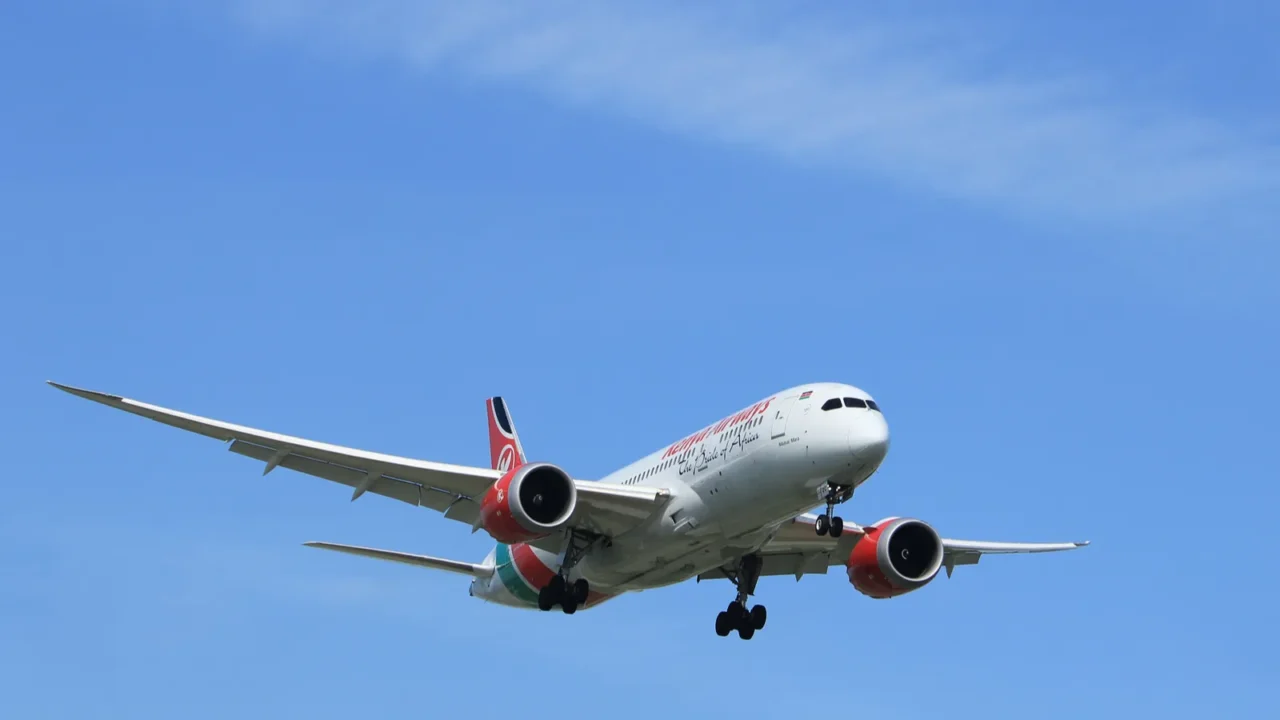
Dreamliner powers Africa’s ambition
The Boeing 787-8 Dreamliner aircraft at the center of Kenya Airways’ New York operation represents the pinnacle of modern long-haul aviation technology. Designed for fuel efficiency on ultra-long routes, the Dreamliner uses composite materials and advanced aerodynamics to reduce operating costs while offering passengers improved cabin humidity, larger windows, and reduced cabin altitude pressure compared to older wide-body aircraft, all of which contribute to a more comfortable experience on flights lasting 14 to 15 hours across hemispheres.
For Kenya Airways, the Dreamliner is far more than an aircraft. It is the backbone of the airline’s international expansion strategy. The carrier committed two of its eight 787s exclusively to the New York route, demonstrating a high-stakes bet on U.S.-Africa connectivity. The airline has since worked to recover additional grounded Dreamliners, with reports confirming that previously dormant aircraft are being returned to service to expand overall fleet capacity and route reliability.
KQ Passengers: What comes next
For travelers caught in the middle of the February 2026 cancellations, Kenya Airways outlined a clear path forward. The airline confirmed that affected passengers would be rebooked onto the rescheduled flights, KQ 002 on February 24 and KQ 003 on February 25, without additional charges. Customers who required immediate assistance were directed to contact Kenya Airways’ customer support team directly or access real-time flight status information through the airline’s official website and mobile application platforms.
The airline’s handling of the disruption reflected a broader commitment to transparent communication during irregular operations. Kenya Airways has historically maintained a customer-first approach when weather or operational events force cancellations, and passengers can explore all airlines in East Africa to the world for alternative travel options. Passengers were reminded that refund and rebooking options remained available throughout the disruption.
Africa’s aviation future holds
The temporary suspension of Kenya Airways’ New York service is a chapter, not a conclusion, in the remarkable story of African aviation’s rise on the global stage. Weather disruptions are an unavoidable reality of operating ultra-long-haul routes that span diverse climate zones, and Kenya Airways’ measured, safety-first response to the February 2026 blizzard demonstrated the airline’s maturity as a transatlantic carrier capable of managing complex disruptions with professionalism and clear communication.
As Kenya Airways continues rebuilding its fleet capacity and exploring new routes connecting Africa to the world, the bond between East Africa and North America forged through commerce, tourism, diaspora connections, and shared ambition is one no blizzard can permanently ground. The flights will return, and African aviation will keep rising
Kenya Airways turned a blizzard into a lesson in resilience, but is one nonstop flight enough to carry the weight of an entire continent’s connection to America?
This slideshow was made with AI assistance and human editing.
Don’t forget to follow us for more exclusive content right here on MSN.
Read More From This Brand:
