A new California money fight
You’ve heard the jokes about people leaving California for Texas or Florida. Now there’s a fresh reason showing up in headlines: a proposed one-time “billionaire tax.” It is turning into a national story fast.
At the center is a claim you’ll keep seeing: a wealth tax could push more ultra-wealthy residents to move. Supporters say it could protect services Californians rely on. Either way, this debate is not staying inside the state.
The ballot measure in plain English
A proposed statewide initiative would create a one-time 5% tax on people with more than $1 billion in net worth. The benchmark date tied to residency is January 1, 2026. Organizers want it on the November 2026 ballot.
Supporters say the goal is raising money to protect healthcare and other programs. The campaign is being led by SEIU-UHW, a health care workers union. The fight is happening now because signature-gathering is underway.

Why the January 1 date matters
This proposal is unusual because it sets a “look-back” date. It targets billionaires who were California residents on January 1, 2026, even though voters would decide later. That timing is why you hear the word “retroactive.”
Backers argue it stops last-minute moves designed to avoid the tax. Critics argue it creates uncertainty and encourages people to leave early. The date has become the emotional center of the argument on both sides.

How it gets on the 2026 ballot
California ballot measures do not start with lawmakers voting in Sacramento. They start with filing paperwork, getting an official title and summary, then collecting a required number of signatures. Only then does the measure qualify for voters.
Supporters must collect roughly 874,641 valid voter signatures to qualify the constitutional amendment for the November 2026 ballot; meeting that threshold will trigger a months-long verification process by county election officials. Signature collection and early fundraising shape messaging on the ground.
Kevin Kiley’s federal move
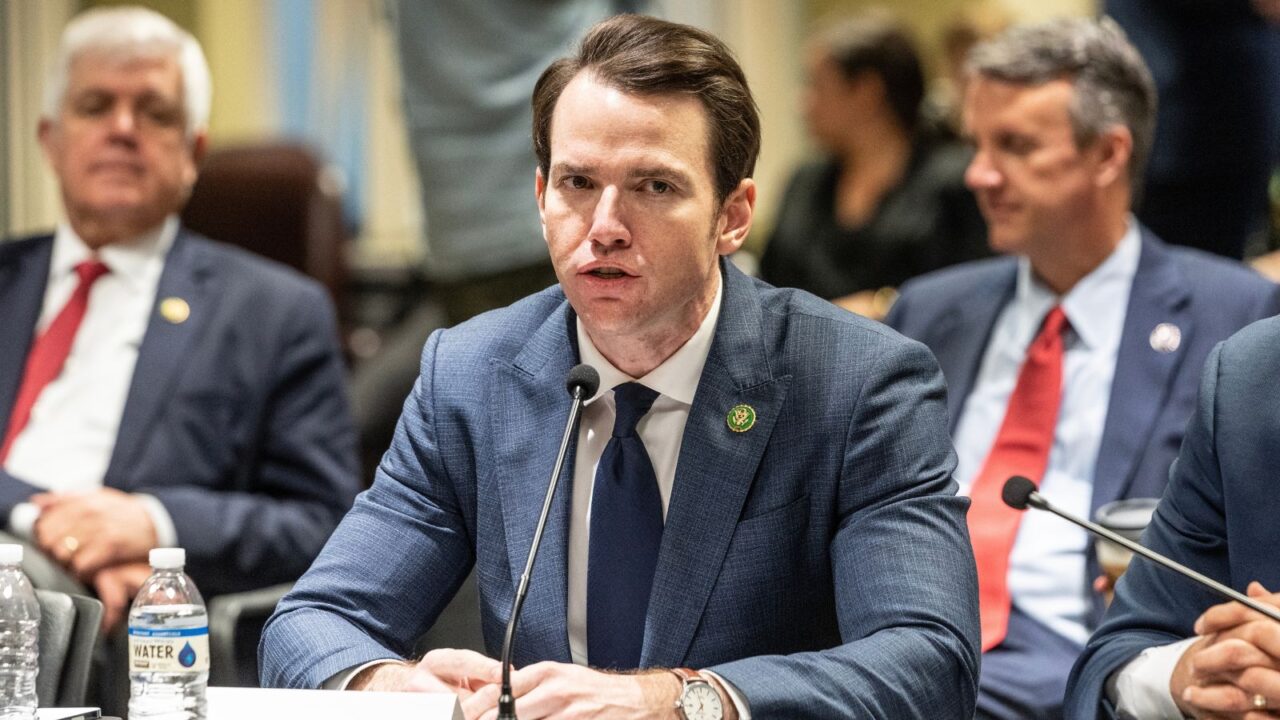
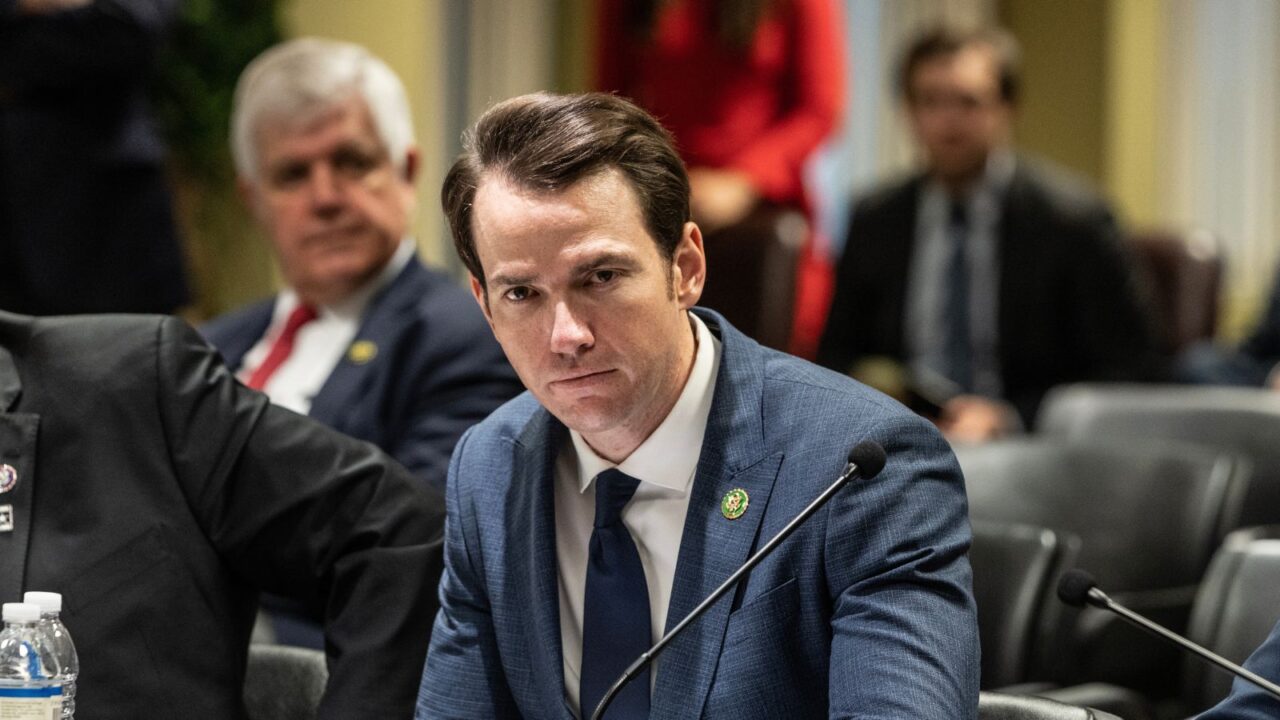
Rep. Kevin Kiley introduced a bill called the Keep Jobs in California Act of 2026. His pitch is simple: stop states from using “retroactive” taxes on people who no longer live there. He argues the proposal is already pushing job creators to plan exits.
Kiley framed California’s tax system as risky because it depends heavily on high earners. He also pointed to reports about famous tech leaders and investors moving or considering moves. His bill aims to turn a state tax fight into a federal issue.
Can Congress block a state tax?
States normally control most of their own tax policy. Kiley’s bill tries to use federal authority to limit how far a state can reach beyond its borders. That is why the proposal draws controversy across ideological lines — even some critics of wealth taxation question the retroactive design and potential legal vulnerability.
Supporters of the ballot measure could argue California should set its own rules. Supporters of Kiley’s approach argue interstate fairness is a national concern. The outcome could shape how other states think about future wealth taxes.
What “retroactive” means here
A retroactive tax is one that uses a date from the past to decide who owes money. In this case, the tax would look at who was a California resident on January 1, 2026. That is earlier than any possible Election Day approval.
That gap is the reason legal analysts keep discussing court challenges. Even supporters admit the design is aggressive by U.S. tax standards. Critics say it changes the rules after people made life decisions.
The case supporters are making
Supporters say California faces real budget stress tied to healthcare and other services. They argue a one-time tax on the ultra-wealthy is an emergency tool, not a forever policy. They also say the billionaire population is small enough to target precisely.
Some supporters frame it as a “pay back” moment for fortunes built in California. Others focus on program stability for families and workers. Supporters emphasize funding for health care, education and food assistance — framing the tax as targeted relief for public services rather than a broad attack on the tech sector.
Little-known fact: California’s Legislative Analyst says the proposed 5% billionaire tax would be due in 2027, and taxpayers could choose to spread payments over time with added cost.
Why Newsom is pushing back
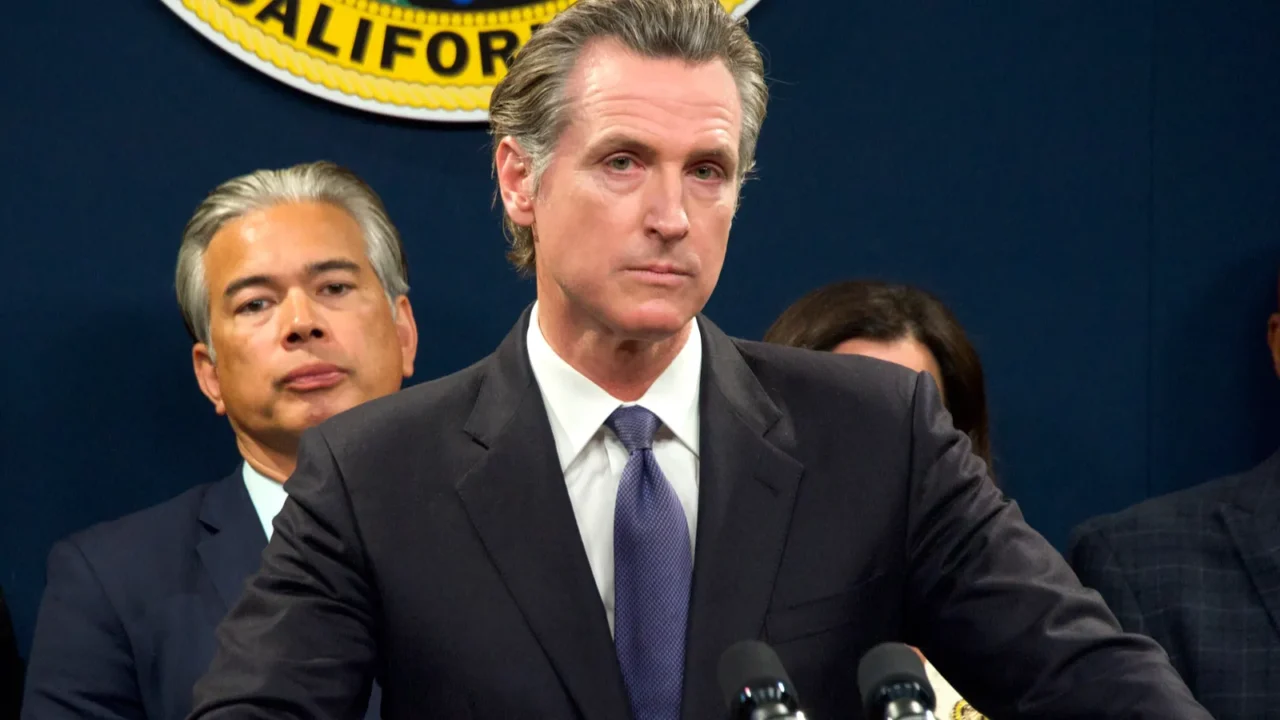
Gov. Gavin Newsom has publicly opposed the proposed billionaire tax. His main warning is that a state-only wealth tax could trigger capital flight and make California’s budget even more fragile. He has also raised concerns about innovation and investment.
This split is notable because it is not just left vs right. Some Democrats support the idea, and others reject it as too risky. That intraparty tension is part of why the story keeps getting national coverage.
Little-known fact: California already has a long-running extra 1% surtax on taxable income over $1 million that funds mental health services (often called the “millionaire tax”).

The “billionaire flight” headline
Kiley and other opponents say the tax is fueling a “billionaire flight.” They point to high-profile names and reports of relocations or asset moves to states like Texas and Florida. News stories have highlighted tech leaders on both sides of the decision.
Supporters respond that wealthy people move for many reasons, including family, business strategy, and lifestyle. They also argue the state cannot base policy on threats. The truth is, proving a single motive is hard, which keeps the debate loud.

California’s budget relies on top earners
California’s personal income tax system is steeply progressive. That means high earners contribute a very large share of income tax revenue. Analysts have long warned this can make budgets more volatile during market ups and downs.
Opponents of the wealth tax say adding a one-time shock could amplify that volatility. Supporters say the state already lives with volatility and still needs solutions. Either way, California’s reliance on top earners is the math behind the fear.

What could change for regular people
Most Californians will never pay anything close to a billionaire wealth tax. But they could feel indirect effects if state revenue rises or falls sharply. That can influence budgets for healthcare programs, schools, and other services.
Supporters argue extra revenue could prevent painful cuts. Critics argue it could backfire if wealthy taxpayers change residency or investment behavior. For most families, the real question is stability, not the headline number.
Thinking about why so many Californians are choosing Florida, even as moving patterns shift year to year, and what that could mean for jobs, housing costs, and taxes where you live? Check out why more people are leaving California for Florida?

What happens next in 2026
If signature-gathering succeeds, the wealth tax goes to California voters in November 2026. If it fails, the issue could still live on through new proposals or future ballot attempts. In the meantime, expect more polling, more ads, and more big-name statements.
Kiley’s federal bill has its own path in Congress. Even if it does not pass quickly, it can shape the national debate. The next few months are about momentum, fundraising, and framing the story.
Want to see which 11 big-name companies left, what critics say California did wrong, and what supporters argue gets blamed unfairly? Check out how billions were lost as 11 corporate giants fled California.
What are your thoughts on these recent updates to the billionaire tax? Share your views in the comments.
This slideshow was made with AI assistance and human editing.
Don’t forget to follow us for more exclusive content right here on MSN.
Read More From This Brand:
