
Kyoto’s hotel tax goes big on March 1, 2026
Kyoto is switching to a new tiered accommodation tax starting March 1, 2026. The change sharply raises the bill for high-end stays, with a top rate of ¥10,000 per person, per night. City officials frame it as a response to heavy tourism pressure and the cost of managing crowds.
This tax applies across licensed lodging types in the city, including hotels and traditional inns. It is charged per person per night, so it stacks fast for couples, families, and groups. The headline is simple: luxury rooms are where the increase hits hardest.
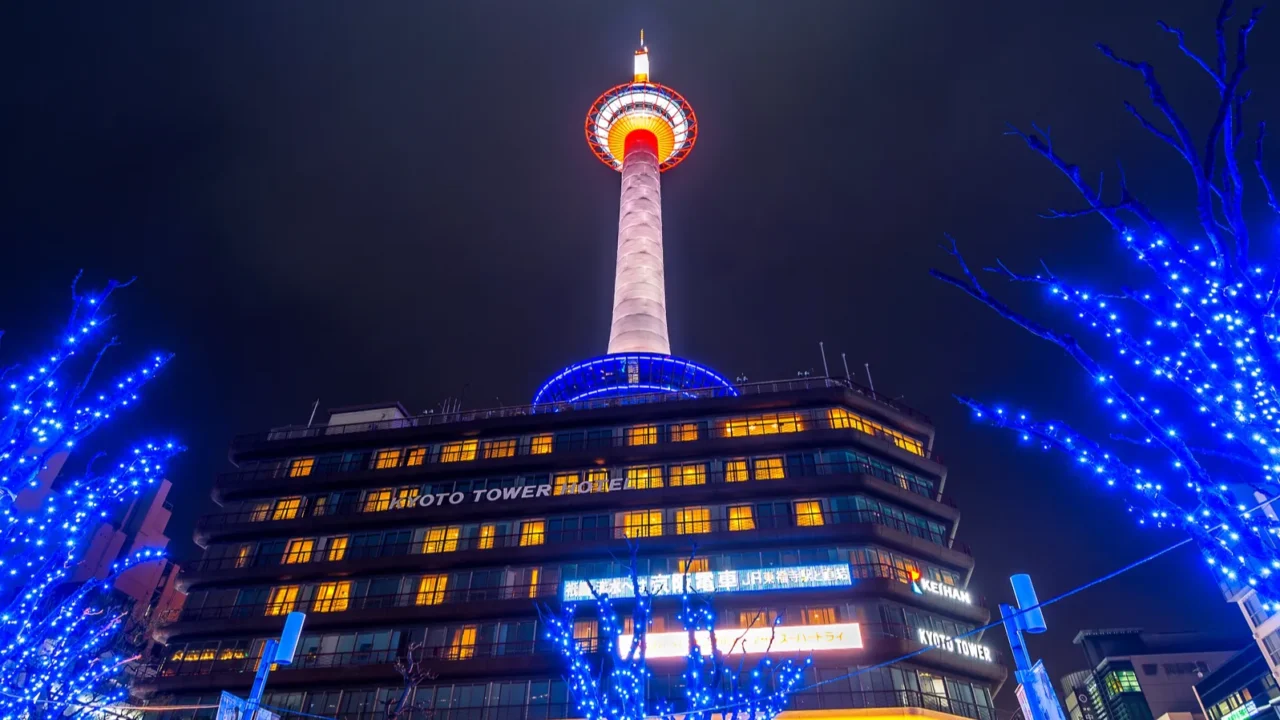
The new five-tier chart is the real story
Kyoto is expanding from three tiers to five, keeping the lowest band flat and escalating the top bands. Under ¥6,000 stays at ¥200, while mid-range tiers step up to ¥400 and ¥1,000. The largest jumps land at ¥4,000 for ¥50,000–¥99,999 and ¥10,000 for ¥100,000+ rooms.
This structure makes the tax more like a “luxury surcharge” than a flat fee. Kyoto becomes Japan’s highest lodging-tax city at the luxury tier. If you’re price-shopping hotels, your nightly tax can now vary dramatically by rate band.

It applies to stays, not the day you booked
A detail that catches people off guard is the timing rule. The revised tax applies to any stay on or after March 1, 2026, even if you booked months earlier. Hotels are already warning guests that prepayment does not lock in the old tax.
That matters most for spring 2026 travel, when many travelers will have reservations made far in advance. If your trip crosses late February into early March, the same hotel can fall under two different tax schedules. The clean way to plan is to treat March 1 as a hard cutoff date.
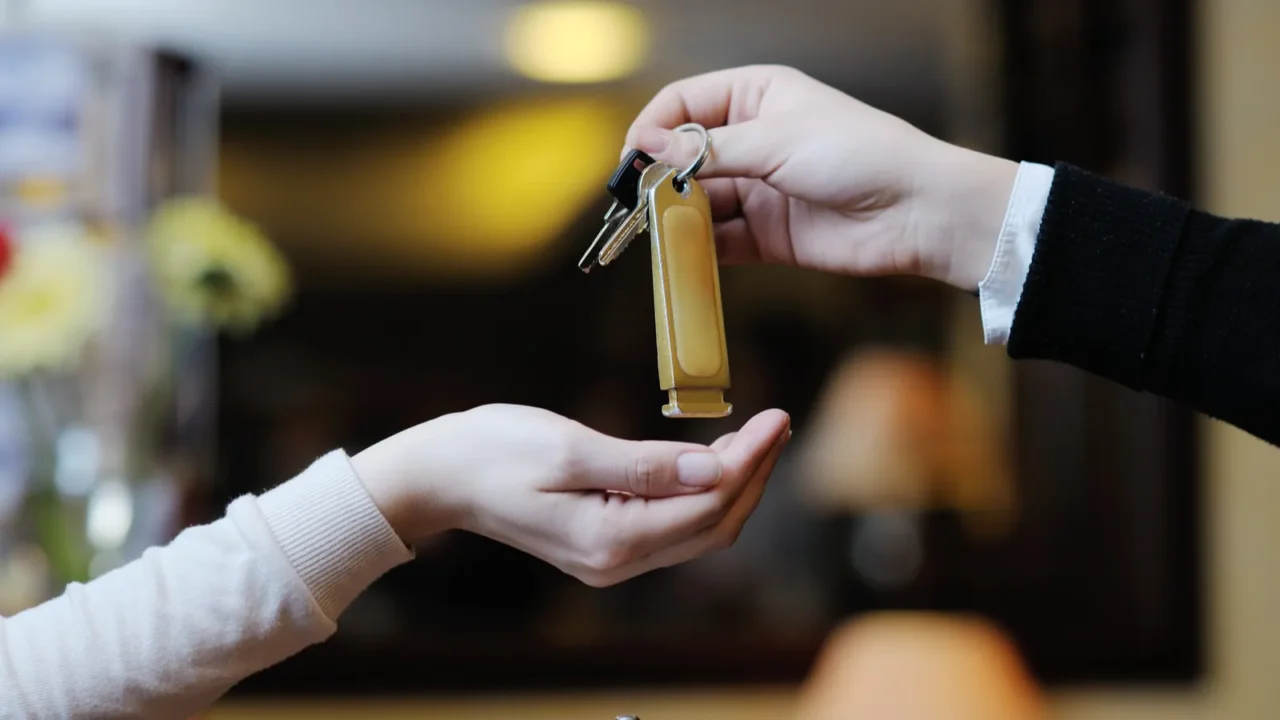
This tax is on the room charge, not your entire bill
Kyoto’s accommodation tax is tied to the room charge, not the extras that often pad a hotel invoice. Some hotel notices spell out that meals and other add-ons are not part of the taxable base. That keeps the tax from ballooning just because you added breakfast or booked a package.
You still need to watch how properties define the “room charge” line item. Service charges may be treated differently from one booking format to another, and hotels sometimes bundle pricing in ways that look confusing. If you want certainty, ask the hotel which line item determines your tax tier.

Expect more hotels to charge it separately on-site
Many Kyoto hotels are moving toward charging the accommodation tax as a separate on-site item. That means even prepaid bookings can arrive with a tax due at check-in or check-out. Several hotel operators are already posting advisories that the tax must be paid locally.
This is where travelers feel “surprised,” even when the rule is public. If your booking confirmation only shows the room rate, you may assume taxes are already covered. For Kyoto in 2026, it is safer to assume the lodging tax is an additional payment unless your property explicitly includes it.

Who pays and what exemptions still exist
Kyoto’s lodging tax is broadly applied to guests staying in licensed accommodations in the city. The most clearly stated exemption is for students and teachers on officially organized school trips, which remain tax-free under the ordinance guidance that hotels are sharing. That carve-out is designed to protect educational travel from cost spikes.
Outside of that, travelers should assume the tax applies unless an official exemption is confirmed. Online chatter often inflates “exempt groups” before hotels can verify them. If you are traveling with a tour group or a special program, get the exemption terms in writing from the organizer and the property.
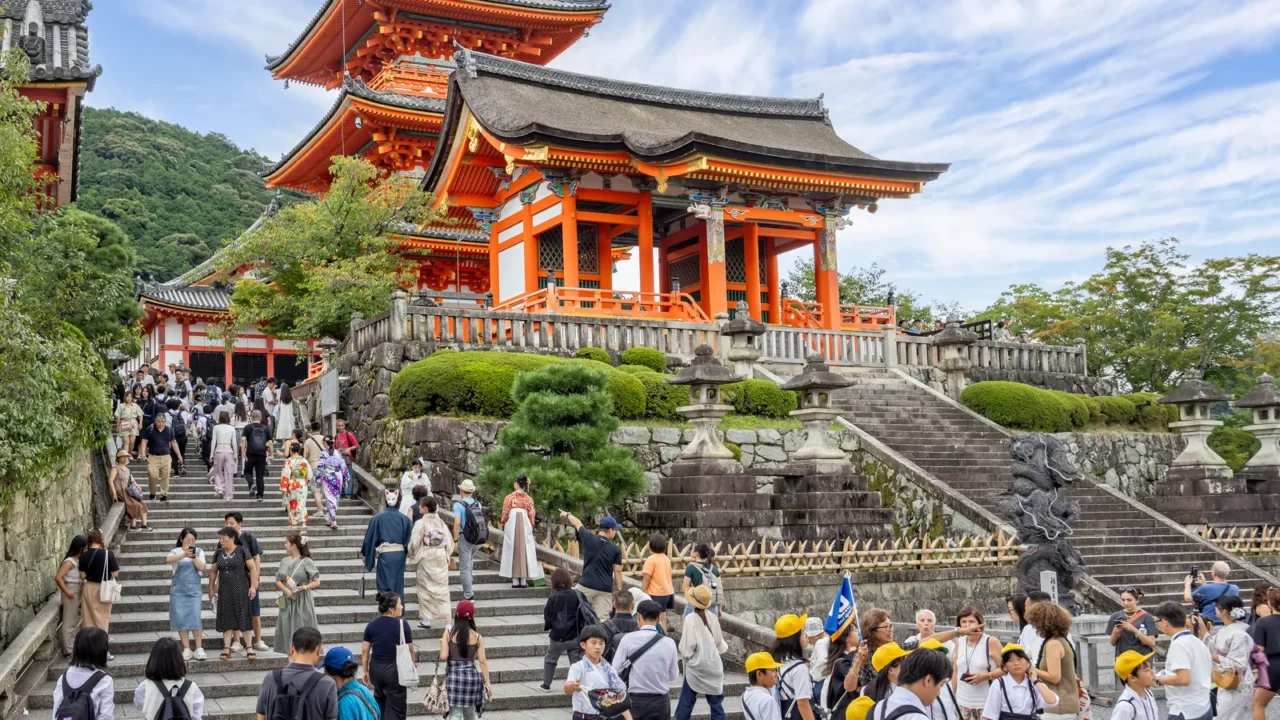
Kyoto says the money is for overtourism fixes
Kyoto expects lodging-tax revenue to nearly double, from about ¥5.9 billion to about ¥12.6 billion annually, based on city projections. Officials say the funding will support measures to address overtourism and congestion. The logic is that visitors should help pay for the strain placed on public spaces and services.
In plain terms, Kyoto is trying to fund the “hidden costs” of being a world-class destination. That can include transport support and upgrades that keep crowded corridors moving. Supporters argue that without dedicated revenue, the city ends up subsidizing tourism with local budgets.

Why the city chose a luxury-heavy design
This is not a broad “punish travelers” structure, at least on paper. The lowest tier stays unchanged, while the biggest increases concentrate on expensive rooms. The city is signaling that the heaviest burden should fall on travelers least likely to cancel over a fee.
That design also reduces political backlash among budget travelers and domestic visitors. If Kyoto raised the minimum rate instead, it would hit school breaks and family trips more directly. By pushing the top tier to ¥10,000, the city is making its point where the money is.

Critics say it risks turning Kyoto into an “ultra-premium” city
Critics argue a steep luxury tax can change hotel pricing strategy and traveler behavior. If high-end guests feel singled out, they may choose Osaka or another base city and day-trip into Kyoto. The city still gets crowds in that scenario, but it loses the revenue it expected from overnight stays.
There is also a messaging risk. When headlines focus on “¥10,000 per night,” people assume every traveler pays that. Hotels will likely spend 2026 explaining that the top rate applies only to very high nightly room charges.

A simple example shows how fast the math grows
The tax is charged per person, per night, which is where it can feel bigger than it sounds. A couple in a ¥100,000+ room would owe ¥20,000 per night in lodging tax at the top tier. Over a long stay, the tax becomes a meaningful add-on, even for travelers already paying luxury rates.
The opposite is also true. A solo traveler in a budget room under ¥6,000 pays ¥200 per night, unchanged from today’s schedule. Kyoto is essentially widening the gap between budget impact and luxury impact.
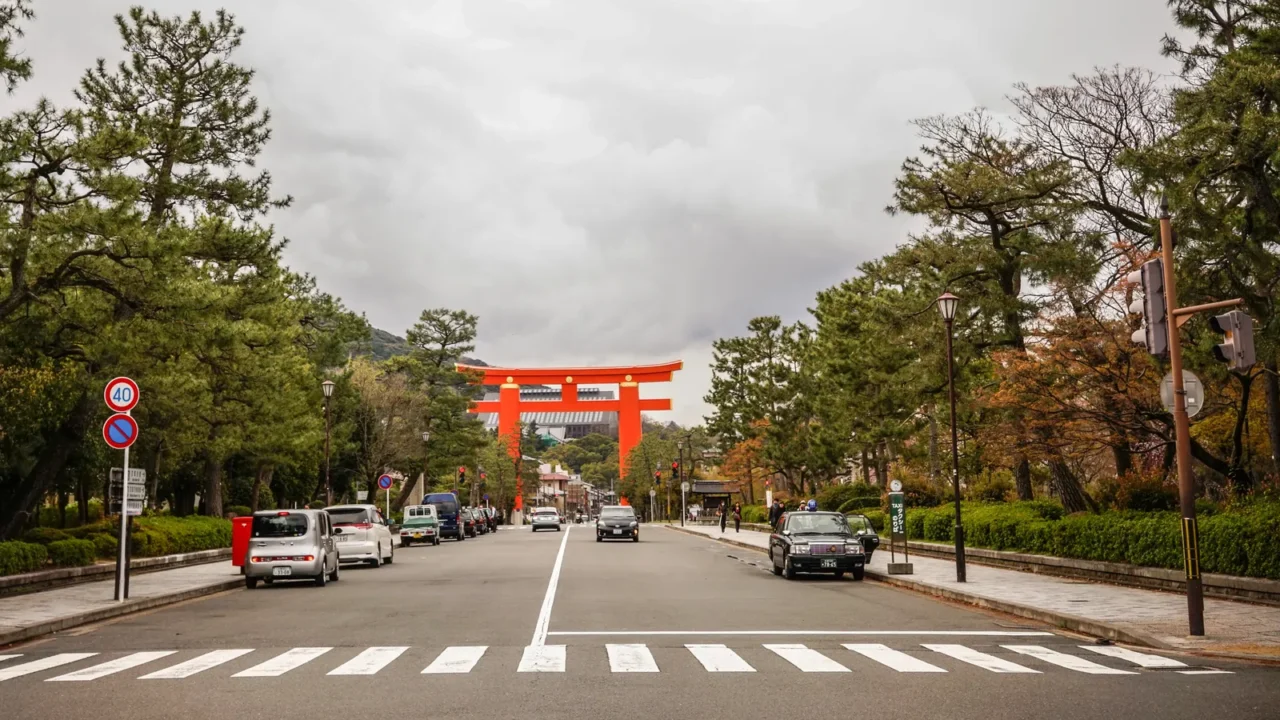
What this could change in how people plan Kyoto
Hotels may see more travelers comparing “Kyoto vs nearby bases” if the tax pushes total nightly costs higher at the top end. For some trips, it becomes rational to stay outside the city and commute in. That reduces hotel tax exposure but does not necessarily reduce crowding on peak sightseeing routes.
For travelers who still want to stay in Kyoto, the smart move is to price the trip by total cost, not nightly rate. Your room might look the same across two properties, but a tier boundary can change the tax a lot. If you are near a threshold, even a small rate difference can push you into a higher tax band.

A quick checklist before you book for March 2026 and later
Confirm your per-person, per-night room rate and which tax tier it falls into, especially if your booking includes discounts or packages. Ask whether the property collects the accommodation tax on-site, and plan to pay it separately if needed. Recheck the rule if your stay begins on or after March 1, 2026, because the booking date does not protect you.
If you are traveling as a couple or group, multiply the tax by the number of guests and nights so you do not undercount the total. If you are on an official school trip, confirm the exemption with the organizer and hotel in advance.
And if you are planning to go soon, don’t forget to explore these breathtaking spots in mainland Japan that every traveler should see.
Spring timing makes this change especially noticeable
The March 1 start date places the higher tax right at the beginning of Kyoto’s spring travel season. That period includes cherry blossom forecasts, peak hotel demand, and some of the city’s highest nightly rates. As a result, more travelers will fall into higher tax tiers than they would in slower months.
City officials have not signaled any seasonal adjustment or grace period. The tax applies uniformly regardless of crowd levels or special events. For visitors planning spring 2026 trips to Kyoto, the calendar matters almost as much as the hotel price.
What’s your take on Kyoto’s higher hotel taxes starting in 2026? Share your thoughts and your view in the comments.
This slideshow was made with AI assistance and human editing.
Don’t forget to follow us for more exclusive content right here on MSN.
Read More From This Brand:
