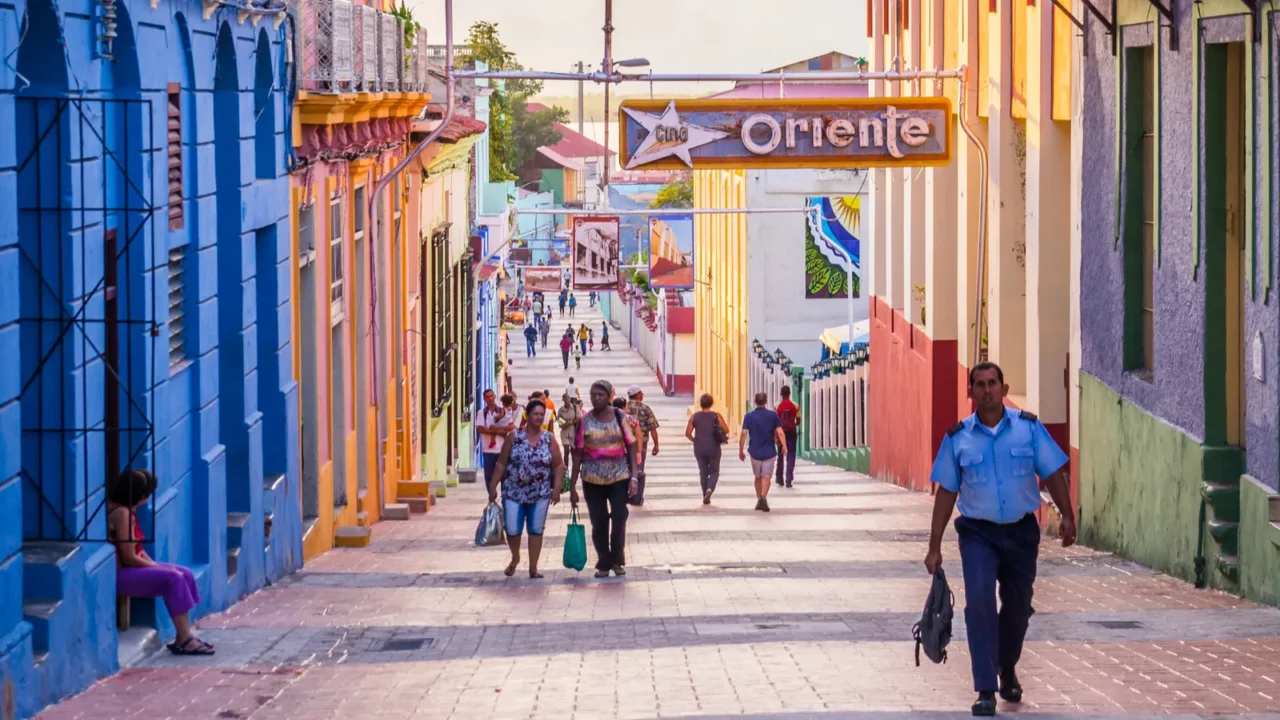
Streets are quietly changing
Across Latin America, city centers are being reshaped in ways travelers might not expect. Busy roads once packed with traffic are now becoming calm, walkable spaces designed for people instead of cars. These changes are altering how visitors experience culture, history, and daily life.
Pedestrian-only zones are no longer small experiments or temporary closures. They’re becoming central to tourism strategies in major cities across the region. The transformation raises an interesting question about how cities want to be explored. Let’s dive in.
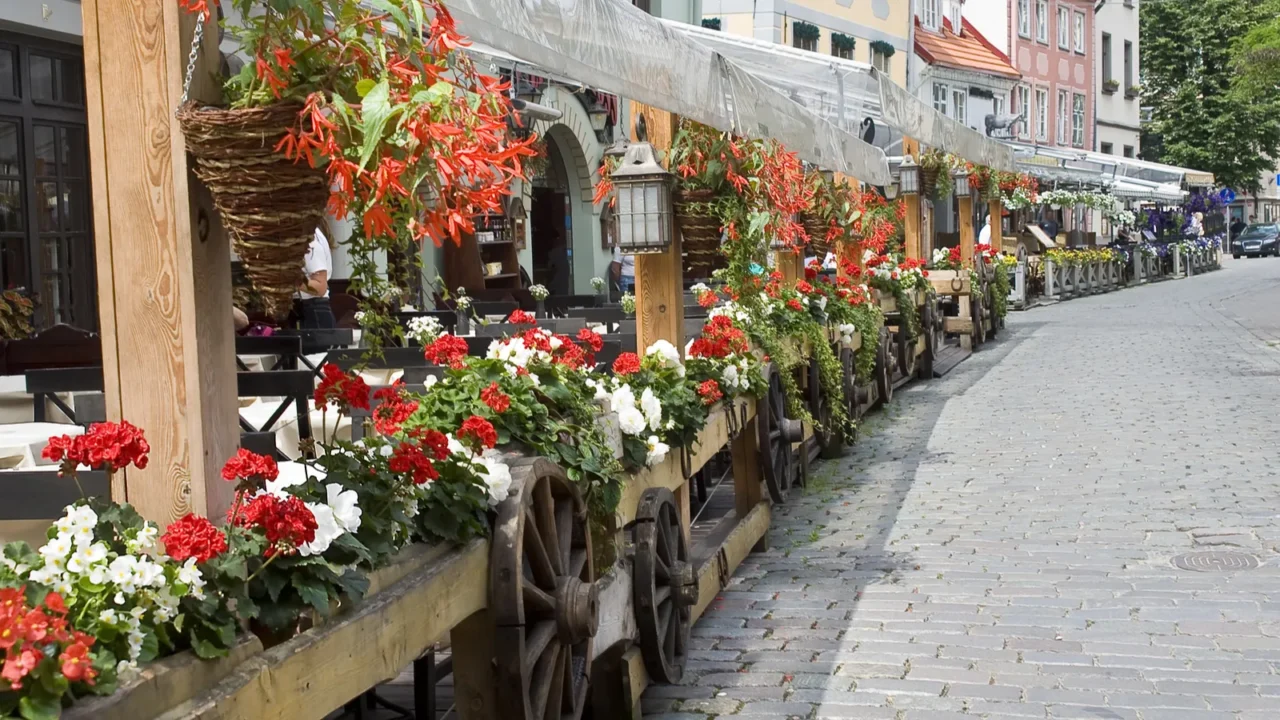
Tourism drives walkable planning
Many Latin American cities rely heavily on tourism for local income and global visibility. Officials have noticed that travelers stay longer and explore more when streets feel safe and walkable. Pedestrian-only zones naturally support that slower, more immersive travel style.
By removing cars, cities create space for cafes, street performers, and guided walking tours. These environments encourage casual exploration without the pressure of traffic noise or congestion. The result is a more relaxed experience that benefits both visitors and residents alike.
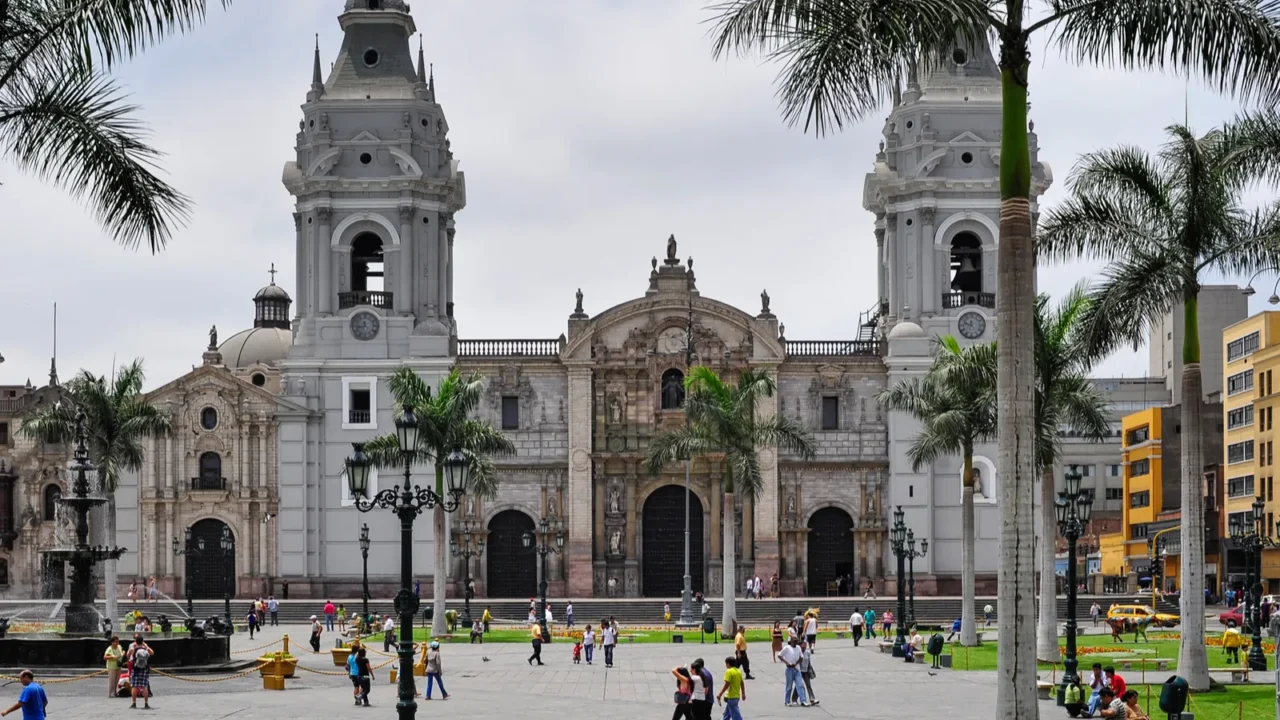
Historic centers lead change
Historic districts are often the first areas chosen for pedestrian-only development. These neighborhoods already attract explorers due to architecture, museums, and cultural landmarks. Reducing vehicle access helps preserve fragile buildings and narrow colonial streets.
Cities like Mexico City, Bogotá, and Lima have expanded car-free zones around historic cores. The changes make plazas more accessible and improve the visibility of heritage sites. This approach protects history while making it easier to enjoy at street level.
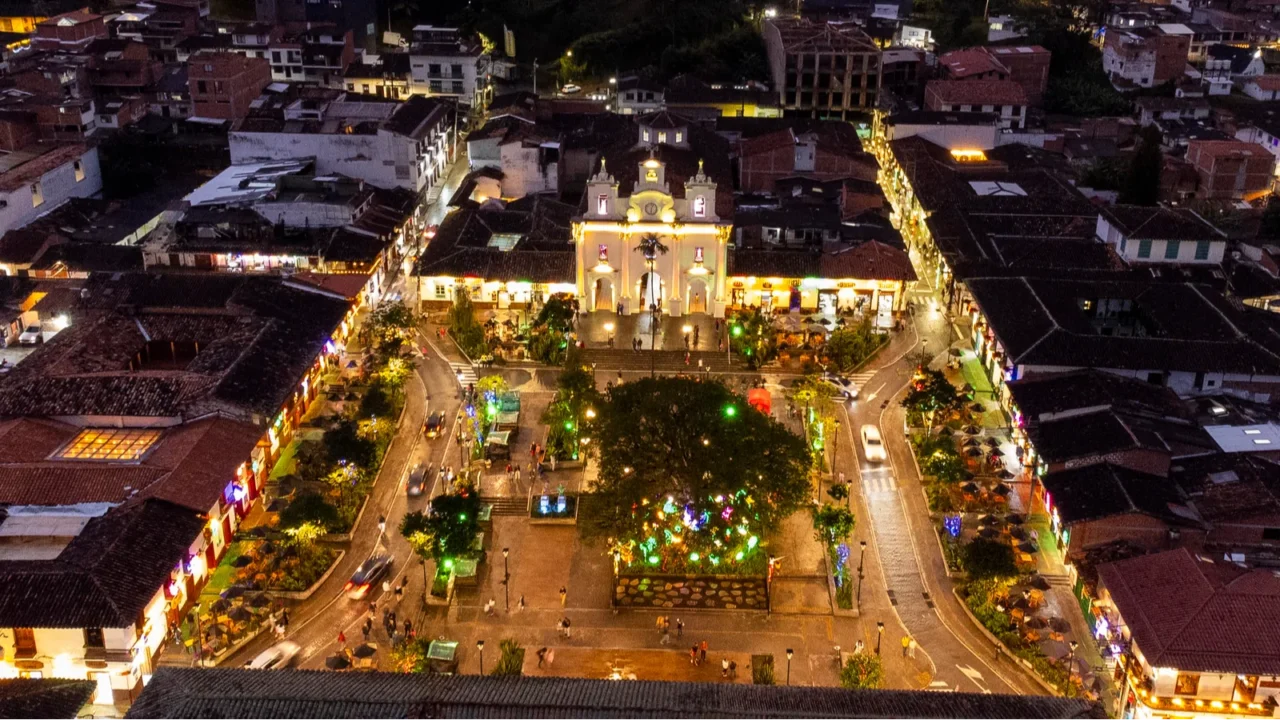
Economic activity follows footsteps
Local businesses tend to thrive once streets become pedestrian-focused. Restaurants can expand outdoor seating, while shops gain more foot traffic throughout the day. Street vendors also benefit from predictable flows of passing travelers.
Studies across the region show increased retail sales after pedestrian zones are introduced. Visitors are more likely to stop, browse, and spend when streets feel inviting. The economic boost often helps justify long-term investment in these projects.
Safety improves street appeal
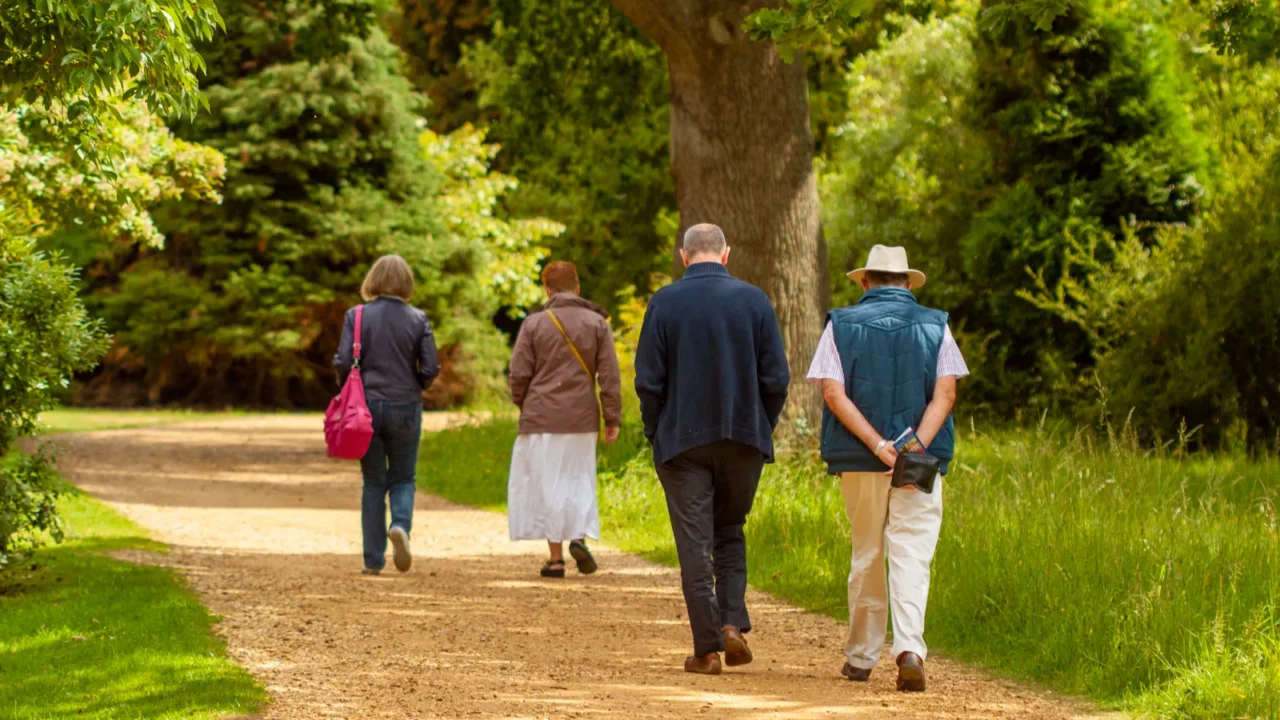
Safety plays a major role in how travelers experience a city. Pedestrian-only areas reduce vehicle accidents and create clearer sightlines across public spaces. More people walking naturally increases visibility and informal monitoring.
Cities often pair these zones with better lighting and police presence. That combination helps residents and visitors feel more comfortable lingering longer. Safer streets encourage nighttime activity, which further supports tourism and local business growth.

Environmental benefits support tourism
Reducing car traffic directly improves air quality in dense urban areas. Pedestrian zones lower noise levels and cut down on vehicle emissions. These changes make historic districts more pleasant to explore on foot.
Many cities promote these zones as part of broader sustainability goals. Environmentally conscious travelers increasingly value destinations that prioritize clean air and public spaces. Walkable areas quietly strengthen a city’s eco-friendly reputation.

Cultural life moves outdoors
Pedestrian-only streets allow culture to spill into public space. Musicians, dancers, and artists gain room to perform without competing with traffic. Public life becomes more visible and interactive.
Car-free areas make it simpler for cities to host festivals and cultural events without needing major traffic rerouting. Cities can close streets without major disruption because they’re already designed for people. This openness adds spontaneity and local flavor to everyday travel experiences.

Accessibility becomes a priority
Walkable zones are often redesigned with accessibility in mind. Smoother pavement, ramps, and clearer signage help people of different abilities navigate city centers. That inclusivity benefits both residents and international visitors.
Families, older travelers, and those with mobility challenges find these areas easier to enjoy. Cities recognize that accessibility expands tourism reach. A more welcoming environment supports longer stays and repeat visits.
Local transit supports car free zones
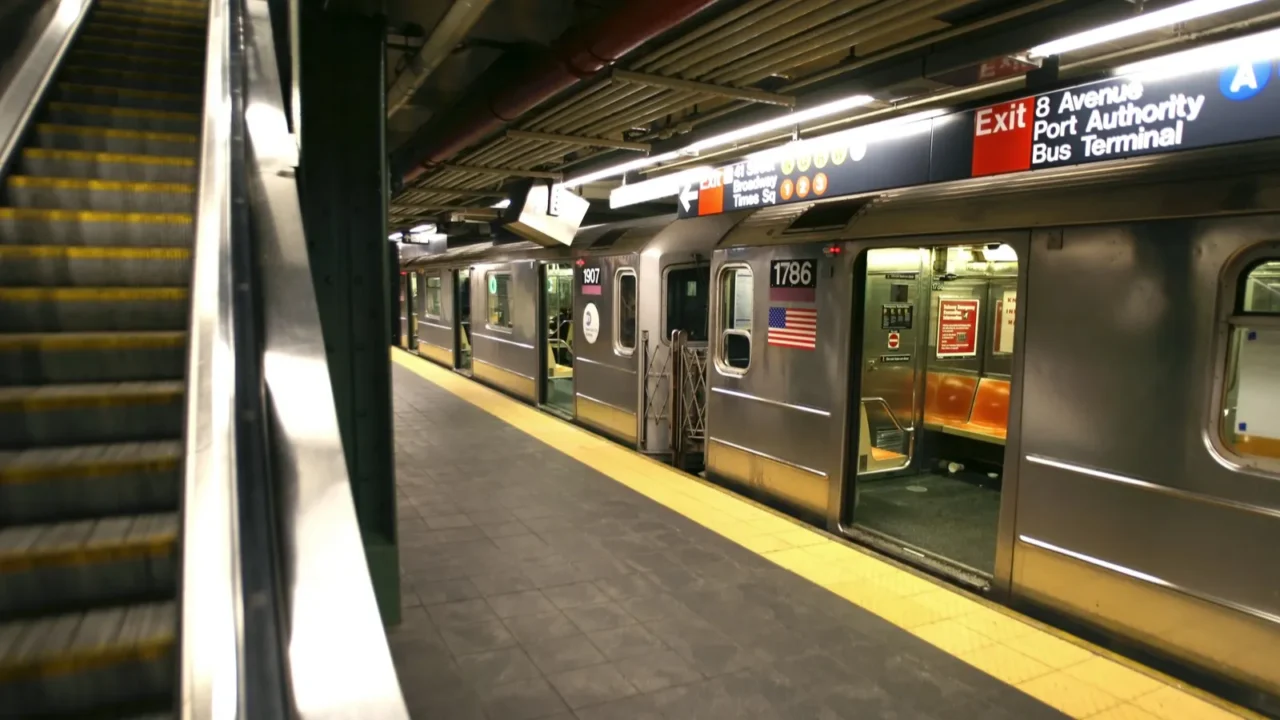
Pedestrian districts don’t exist in isolation. Cities usually improve public transportation alongside these projects. Buses, metro lines, and bike networks help people reach car-free areas easily.
This integration keeps city centers active without relying on private vehicles. Travelers can move efficiently while still enjoying walkable streets once they arrive. Strong transit connections make pedestrian tourism practical and convenient.

Residents influence design choices
Local feedback often shapes how pedestrian zones evolve. Residents push for shaded areas, seating, and green space within car-free streets. Their daily use helps refine what works and what doesn’t.
When locals embrace these zones, visitors notice the difference. Lively streets filled with everyday life feel authentic rather than staged. That shared ownership strengthens the appeal of pedestrian tourism areas.

Gradual rollouts reduce resistance
Many cities introduce pedestrian-only streets gradually. Temporary closures during weekends or festivals test public response. Data from these trials guide permanent changes.
This approach reduces backlash from drivers and business owners. It allows cities to adjust layouts before full implementation. Careful planning helps pedestrian zones gain long-term acceptance and success.

Global attention follows success
As these projects succeed, international attention grows. Urban planners and tourism boards worldwide study Latin American pedestrian zones, and travel media increasingly frame the region as a leader in people-centered street design, particularly as Latin American tourism surges with new regional visa-free zones opening.
Recognition reinforces city branding and tourism appeal, and pedestrian zones become symbols of a modern, forward-looking urban identity.

Walking reshapes city identity
Pedestrian-only zones are changing how Latin American cities present themselves to the world. Streets once defined by traffic now showcase culture, history, and daily life. Walking becomes the main way to connect with a place.
This shift reflects broader changes in urban values. Cities are choosing human experience over speed and congestion. The result is tourism that feels slower, richer, and more connected.
This slideshow was made with AI assistance and human editing.
Don’t forget to follow us for more exclusive content right here on MSN.
Disclaimer: The images used are for illustrative purposes only and do not depict the actual locations mentioned.
Read More From This Brand:
