
Rising layoffs reshape jobs
The United States corporate sector has seen continued layoffs in early 2026 as many firms streamline operations amid economic and technological shifts. Companies across tech, finance, retail, and logistics are announcing job cuts that affect workers and local economies in major cities. These workforce changes are reinforcing uncertainty among employees and job seekers alike.
Layoff announcements signal broader strategic shifts as firms realign cost structures. Cities with large corporate footprints like New York and San Francisco are especially sensitive to these trends. Labor markets are adjusting as demand for certain skills changes.

Tech sector cuts persist
Tech companies have been among the largest contributors to job cuts in early 2026. Firms such as Block and others are reducing staff as part of restructuring tied to automation and artificial intelligence investment. These decisions often reflect long-term efficiency goals rather than short-term financial distress.
The cuts at tech firms ripple through metropolitan areas like San Francisco, Seattle, and Austin. Reduced employment in the sector can slow related service industries such as dining, real estate, and transportation. Tech hubs have historically driven local job growth, so reductions create noticeable impacts.

Financial firms trim staff
Financial services companies are also adjusting workforces as strategic priorities shift. Morgan Stanley recently laid off approximately 2,500 employees across key divisions in early 2026. The layoffs came despite strong recent financial performance, including robust investment-banking activity and fourth-quarter profit growth.
Other banks and financial firms have also signaled workforce changes tied to broader economic conditions and competitive pressures. New York City and other financial centers feel the effects of these reductions. Smaller firms tied to finance report increased recruitment competition as talent moves between sectors.

Evolving labor market dynamics
Despite headline layoffs, broader labor market indicators show mixed signals. Weekly jobless claims recently remained relatively steady, suggesting that not all workforce growth has collapsed. Unemployment rates have held within a moderate range even as layoffs continue in some sectors.
Labor economists say this divergence can reflect job availability in other areas such as healthcare, education, and services. Workforce churn can increase when companies restructure. Cities with more diverse economies sometimes absorb displaced workers more quickly.

Corporate strategy and layoffs
Large U.S. companies are cutting staff even when revenues remain strong as they adjust to automation and strategic pivots. Amazon cut about 16,000 corporate jobs in January 2026 and later confirmed additional layoffs in its robotics unit as part of broader operational changes. These moves often align with long-term structural shifts rather than short-term financial collapse.
Companies commonly emphasize investment in technology over headcount expansion. These strategic decisions can sharpen competitive positioning but also increase uncertainty for workers. Workers in metro regions with heavy corporate presence experience firsthand effects.

Layoffs alter city economies
Large layoffs can significantly affect local economies in major cities that depend on payroll spending. Cities such as San Francisco, Seattle, and New York have seen notable job cuts in tech and finance.
These workforce changes can ripple beyond immediate job holders to local housing markets and small businesses. Cities with diversified labor sectors sometimes respond better to such pressures. Still, concentrated cuts in major metro areas heighten economic strain.
Fact: Consulting firm Challenger, Gray & Christmas reported that U.S. employers cut more than 108,000 jobs in January 2026, a dramatic increase compared to early 2025 and a sign of elevated workforce departures.

Broader national layoff wave
Layoffs have not been limited to tech and finance alone. Companies in retail, logistics, manufacturing, and telecom have also announced workforce reductions across multiple states.
These trends extend to cities like Phoenix, Detroit, and Charlotte, where layoffs at local employers reduce consumer spending. Diverse economies still feel the impacts when households tighten budgets. Local planners adjust workforce development strategies in response.
Fact: Crunchbase’s tech layoffs tracker reported that at least 127,000 workers at U.S.-based tech companies were laid off in 2025, following another wave of job cuts reported in early 2026.
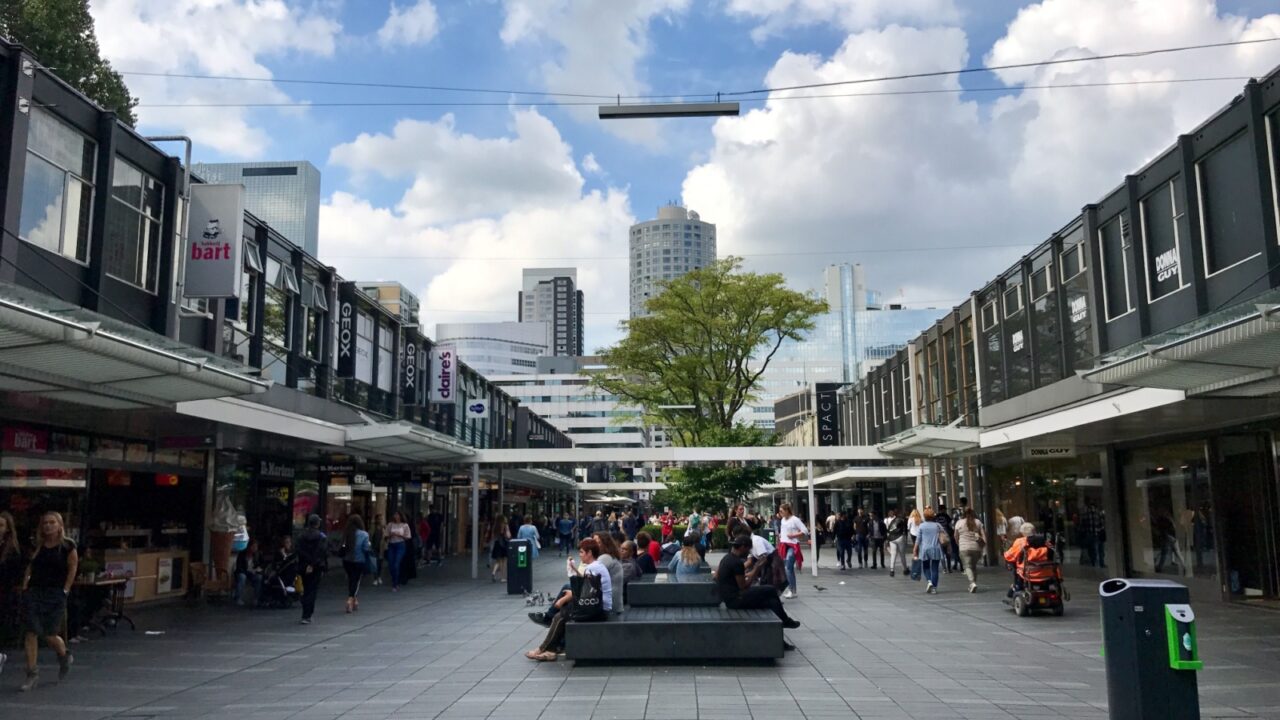
Consumer confidence falters
Layoff news often affects consumer sentiment, which can reduce spending on non-essentials like travel, dining, and entertainment. Urban households facing job uncertainty sometimes postpone big purchases or trips. Economists note that consumer confidence influences retail and service sector growth in city centers.
Local business leaders highlight how reduced consumer spending can slow downtown revitalization in major cities. Businesses near corporate hubs often rely on worker foot traffic for daily revenue. Continued layoffs can challenge local economic recovery efforts.

Small business impacts
Small businesses in cities with major layoffs can feel secondary impacts as local workforces shrink. Cafes, boutique stores, and service firms often rely on workers from nearby office districts. Reduced payroll can mean less foot traffic and fewer sales.
Some small firms respond by diversifying customer bases outside business hours. Others seek partnerships with community groups to maintain revenue. Municipal economic development offices track layoffs to tailor support.

Recruiting and job search shifts
Despite layoffs, job search activity remains robust in some sectors that still hire actively. Healthcare, education, and some service industries continue recruiting in urban labor markets.
Workforce reentry programs help displaced workers find new opportunities. Some cities offer career transition assistance and resume workshops. These efforts help ease long-term unemployment risks.

Housing market reactions
Layoffs can also affect housing markets, especially in high-cost cities. Reduced job security can slow home buying and rental demand in places like San Francisco and Seattle. Landlords and developers watch workforce trends to assess future occupancy levels.
Slower housing demand can influence property prices and financing activity. Some workers shift residence to more affordable cities after job loss. Migration patterns can change when large layoffs reshape labor markets.

Workforce training initiatives
To address shifting demand, many cities are investing in skills training and workforce development. Programs in Boston, Atlanta, and Denver aim to reskill displaced workers for in-demand fields like healthcare and technology. Public and private sector partnerships increasingly support retraining initiatives, while workers also navigate how minimum wage laws differ across states in 2026.
These programs help workers meet evolving employer needs. Local community colleges expand certificate programs tailored to growth sectors. This can improve long-term employment prospects for workers affected by layoffs.

Cities adapt to layoffs
Layoff trends continue to shape workforce dynamics in major U.S. cities as employers restructure for new economic realities. Labor markets adapt when job cuts emerge alongside new hiring in resilient sectors. Cities with diverse economies and workforce support systems often adjust more readily to these changes.
Travel, entertainment, and service sectors tied to urban workforces may see shifts in demand. Urban planners say flexibility and innovation are key to economic resilience.
Which U.S. city seems best positioned to weather ongoing layoff trends? Share thoughts below.
This slideshow was made with AI assistance and human editing.
Don’t forget to follow us for more exclusive content right here on MSN.
Disclaimer: The images used are for illustrative purposes only and do not depict the actual locations mentioned.
Read More From This Brand:
