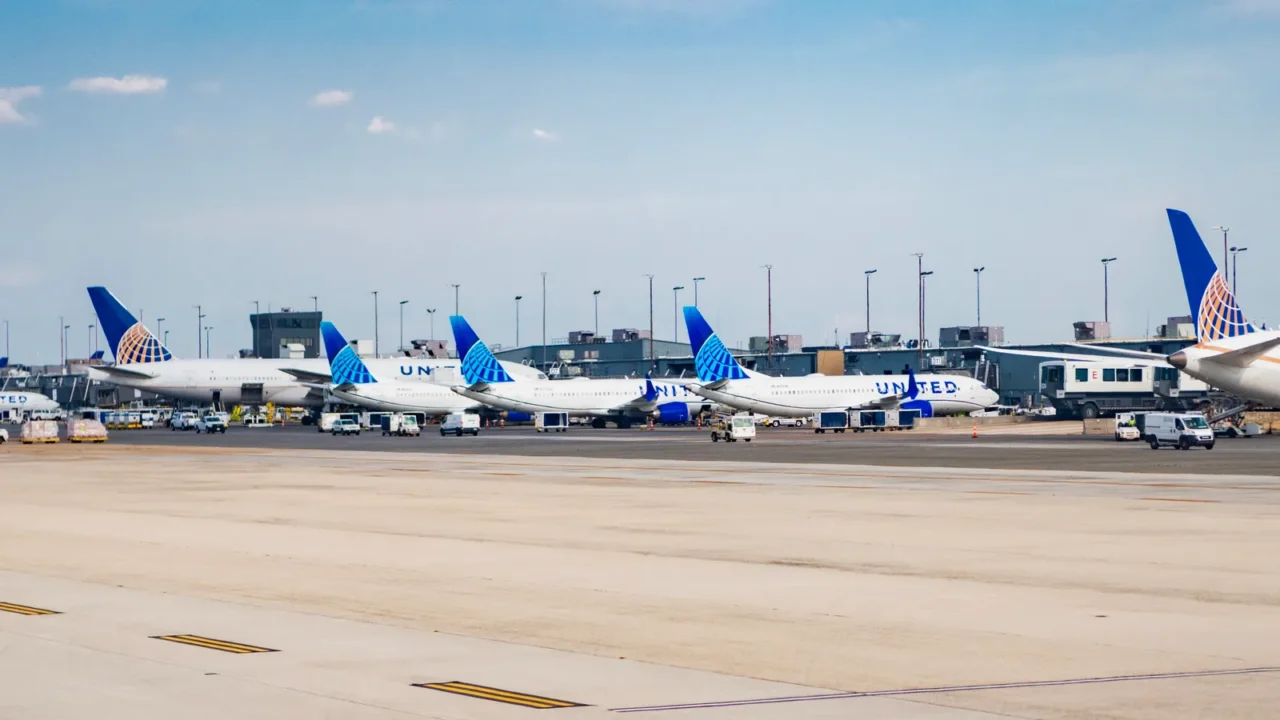
Major airlines suspend routes
Several global carriers — including United Airlines Holdings Inc. and Lufthansa Group — suspended or temporarily adjusted services to parts of the Middle East after aviation authorities and airlines warned of heightened risks; American Airlines also paused or postponed specific services (for example, Philadelphia–Doha and planned resumptions) as schedules were reviewed.
Several long-distance flights connecting Europe, North America, and the Middle East have been paused or rerouted. Major hubs (including John F. Kennedy International Airport and Frankfurt Airport), adjusted timetables or postponed services, while Gulf hubs such as Dubai International Airport experienced severe restrictions and temporary suspensions as authorities closed or limited airspace. Airlines say safety remains the top priority during the evolving situation.
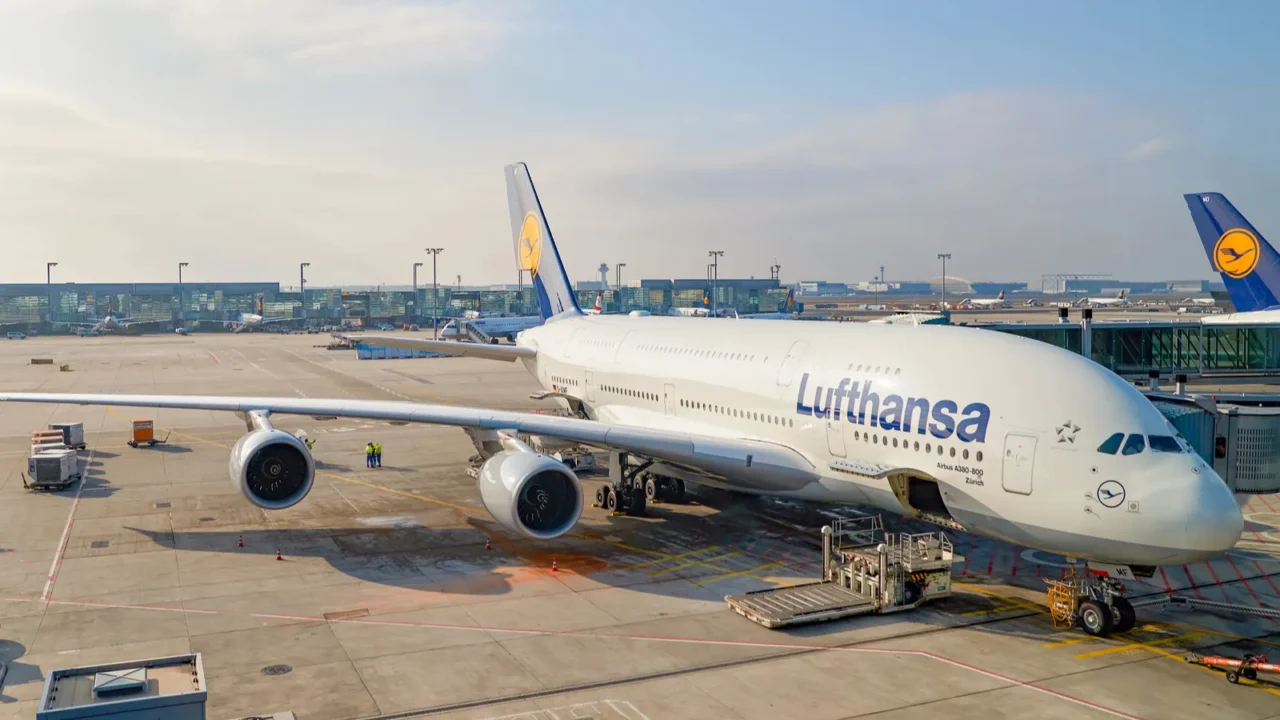
Airlines pause regional flights
Airlines have begun pausing flights to destinations considered sensitive during the Iran conflict. United Airlines and Lufthansa have previously suspended routes to Tel Aviv during periods of heightened tensions. Several European and Asian carriers have taken similar precautions.
These suspensions are meant to reduce exposure to potential airspace threats. Flights that normally cross Iran or nearby regions may now avoid those routes entirely. Airlines say they will resume operations once conditions improve.
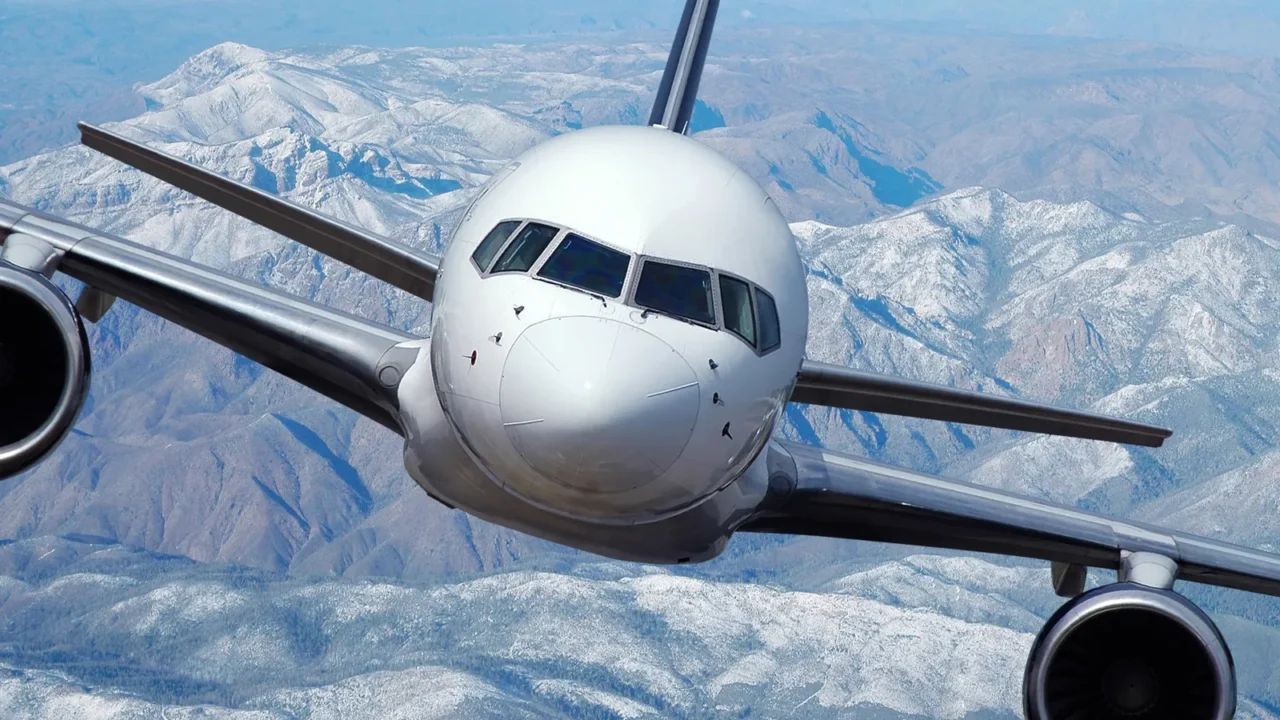
Middle East airspace disruptions
Airspace across parts of the Middle East plays a major role in global aviation routes. Flights traveling between Europe, Asia, and Africa often pass over countries such as Iran and Iraq. When tensions increase, aviation authorities may warn airlines to avoid these areas.
These warnings force airlines to redesign flight plans quickly. Even temporary restrictions can disrupt dozens of international routes. The aviation industry has developed systems to respond quickly to these challenges.
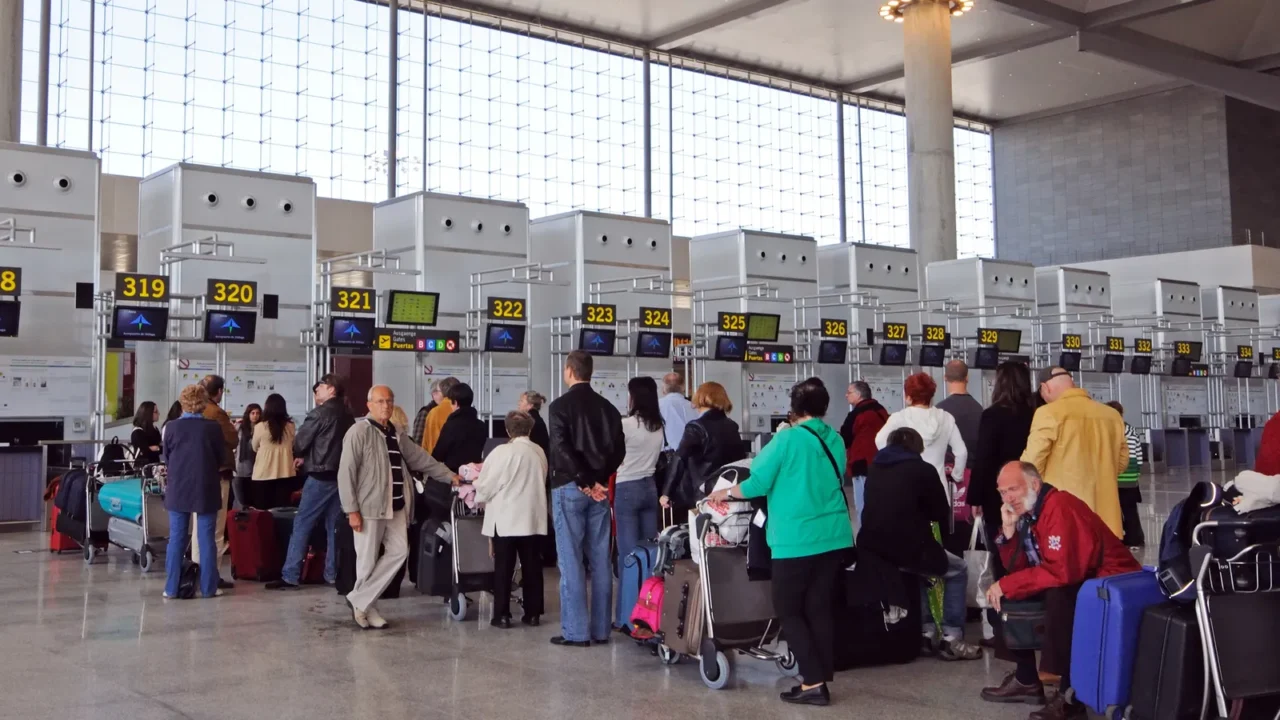
Thousands of passengers affected
The suspension of routes has affected thousands of travelers across several continents. Flights between cities like Frankfurt, Dubai, Tel Aviv, and New York have faced cancellations or schedule changes. Airlines are working to rebook affected passengers on alternate flights.
Airports are helping manage the disruptions by updating travelers with new schedules. Some passengers may experience longer travel times or different connections. Airlines say customer service teams are assisting travelers during the disruption.
Longer routes becoming common
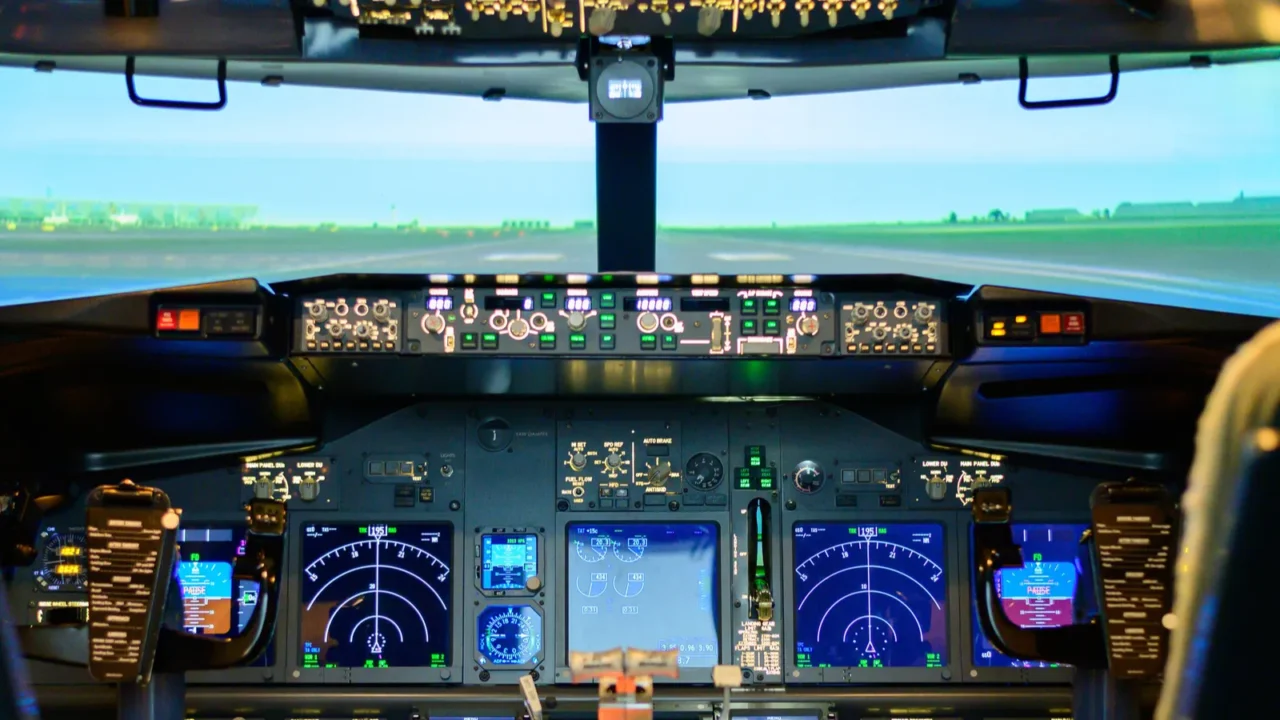
As airlines suspend certain routes, others must travel longer paths around restricted airspace. Flights connecting Europe with Asia often reroute across the Caucasus or northern Africa. These detours can extend travel times by several hours.
Aviation analysts cited by Reuters reported that rerouted international flights during Middle East tensions can travel hundreds of extra miles beyond normal routes. That extra distance often adds significant time to long-distance journeys.
Global aviation corridors shifting
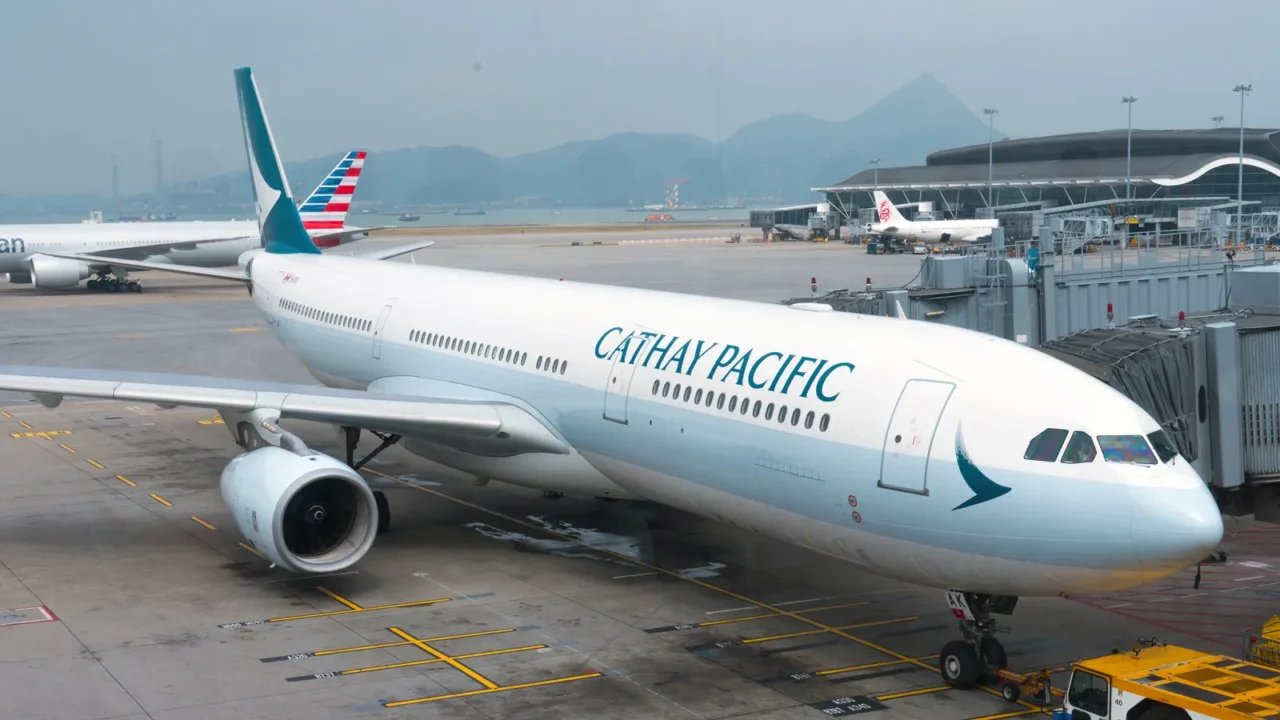
The Iran conflict is also reshaping global aviation corridors between Europe and Asia. Airlines are shifting traffic toward northern routes through Central Asia or southern corridors near the Red Sea. These adjustments help aircraft avoid sensitive airspace.
Fact: According to aviation, thousands of commercial flights normally pass through Middle Eastern airspace each day. When airlines suspend routes, much of that traffic must move into narrower alternative corridors.
Gulf airports monitor operations
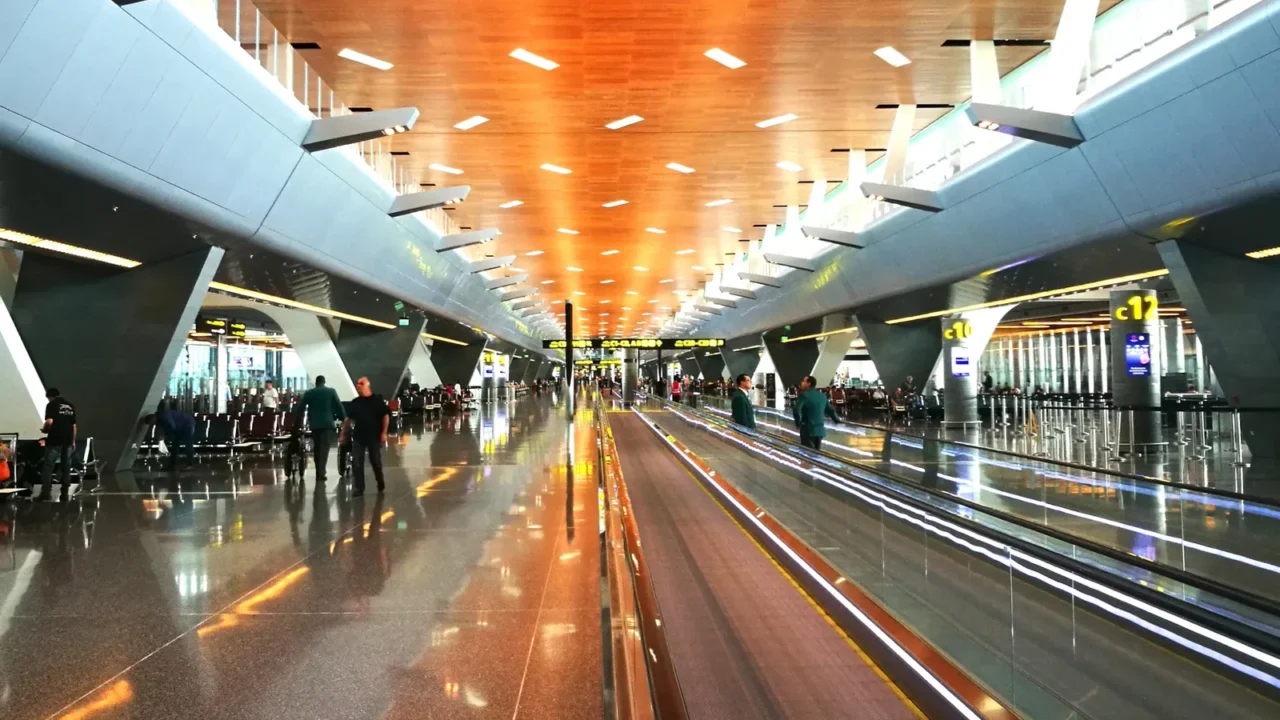
Major Gulf aviation hubs are closely watching the evolving situation. Airports such as Hamad International Airport in Doha and Dubai International Airport serve millions of connecting travelers every year. Regional tensions can influence operations at these key transit hubs.
Airlines operating from these airports often adjust departure times or routes. Small changes can ripple across global flight schedules. Airport authorities say safety and efficiency remain their main focus.
Regulators issue safety guidance
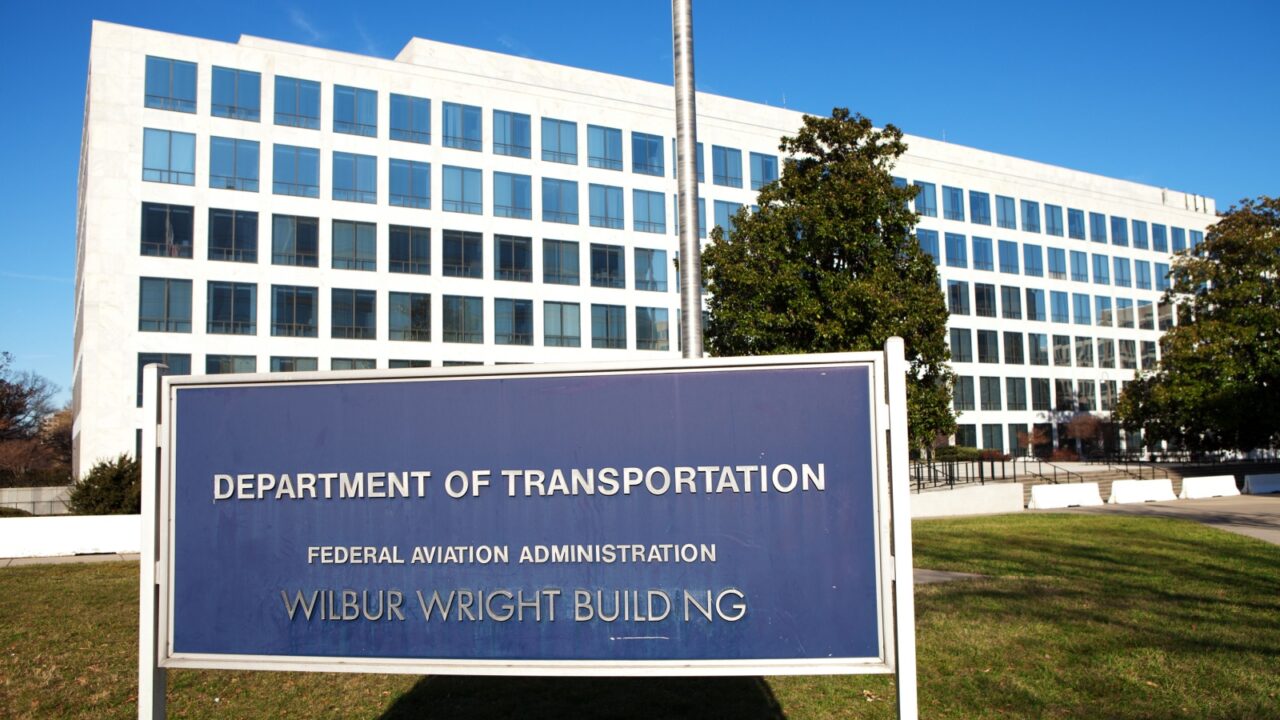
Aviation regulators play a major role during periods of geopolitical tension. Agencies such as the Federal Aviation Administration and the European Union Aviation Safety Agency issue advisories about potential airspace risks. Airlines rely on these warnings to guide route planning.
Safety advisories may recommend avoiding certain airspace entirely. Airlines usually respond quickly when new guidance appears. These measures help reduce risks to civilian aircraft.

Airline costs also rising
Route suspensions and detours can increase operational costs for airlines. Longer flights require more fuel and additional crew planning. These expenses add financial pressure to airline operations.
Fuel prices are also sensitive to tensions in the Middle East. Oil markets sometimes react quickly when regional conflicts escalate. Rising fuel costs can influence airline ticket prices over time.

Travelers follow airline updates
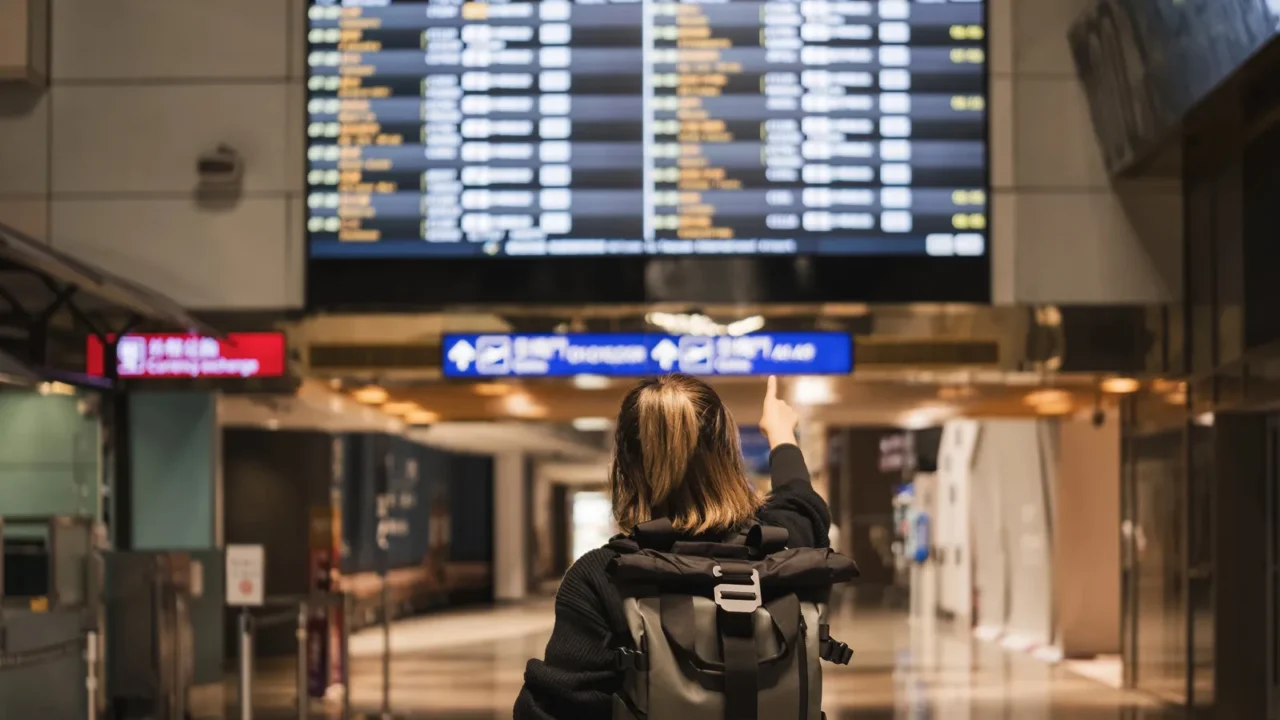
Travelers flying internationally often watch airline updates closely during geopolitical tensions. Airlines provide alerts about cancellations, route suspensions, or schedule changes affecting Middle East travel. Clear communication helps travelers adjust their plans.
Airports like London Heathrow Airport and Chicago O’Hare International Airport frequently update flight information screens. Airlines also send notifications through mobile apps. These updates help travelers stay informed during disruptions.
Aviation industry remains resilient
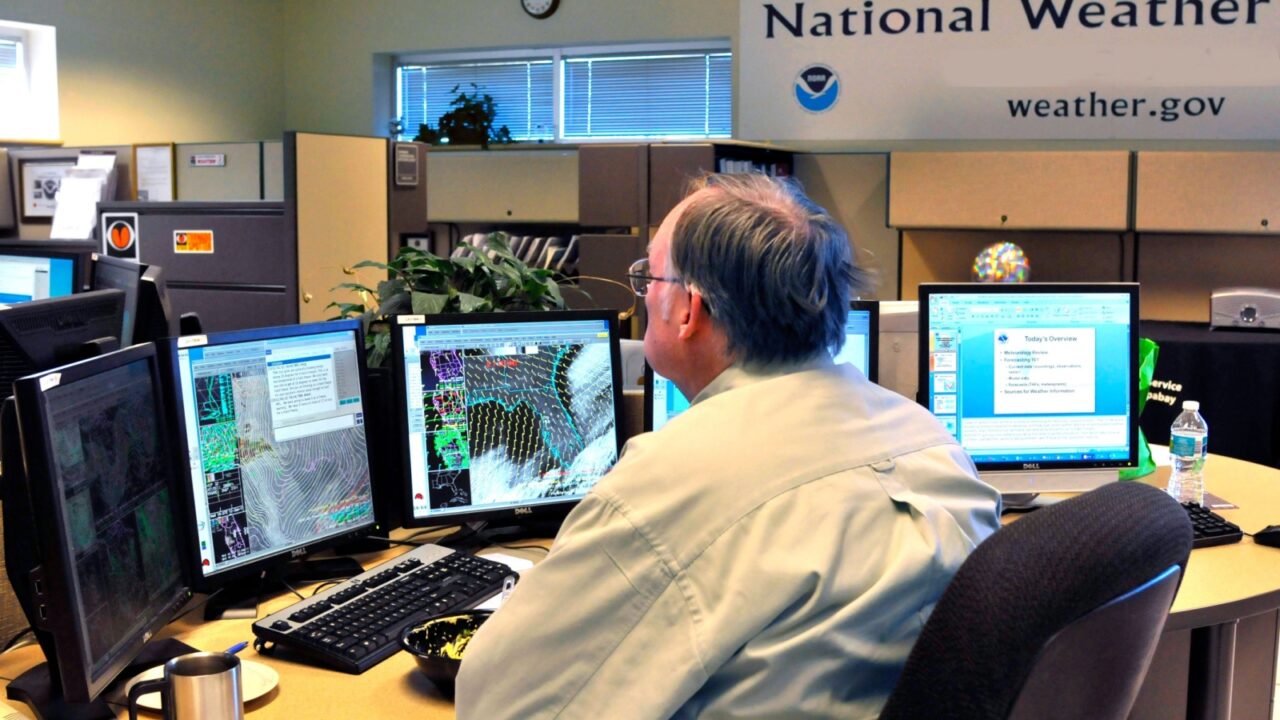
Despite disruptions, the global aviation industry continues operating thousands of flights every day. Airlines have strong systems in place to adjust routes and schedules quickly. Dispatch teams analyze safety conditions before approving every flight.
Technology allows airlines to monitor weather patterns and security advisories in real time. These tools help airlines maintain safe operations during uncertain situations. Experts say flexibility is essential for modern aviation, especially as the Iran conflict is affecting global flight routes from major U.S. airports.
Global travel adapts quickly
Global air travel continues adapting as airlines respond to the Iran conflict. Suspended routes and rerouted flights show how quickly aviation networks can change during geopolitical crises. Airlines say safety decisions will continue guiding operations.
Travelers flying between cities such as New York, London, Dubai, and Singapore may continue seeing schedule adjustments for some time. The aviation industry remains focused on keeping global travel moving safely. Which international route seems most affected by these airline suspensions right now? Share thoughts below.
This slideshow was made with AI assistance and human editing.
Don’t forget to follow us for more exclusive content right here on MSN.
Read More From This Brand:
