
Lost luggage epidemic
The world’s busiest airports are reporting unusually high lost luggage volumes in 2025, reflecting mounting pressure on global travel hubs. Industry tracking shows baggage mishandling rates hovering between five and seven per thousand passengers as international travel surges. Airports such as Miami International and Chicago O’Hare consistently rank high in global search trends for lost luggage concerns.
As a result, many travelers are changing how they pack. Carry-ons and lighter travel strategies are becoming common ways to avoid stress at major hubs known for crowded terminals and complex connections.
Miami baggage black spot
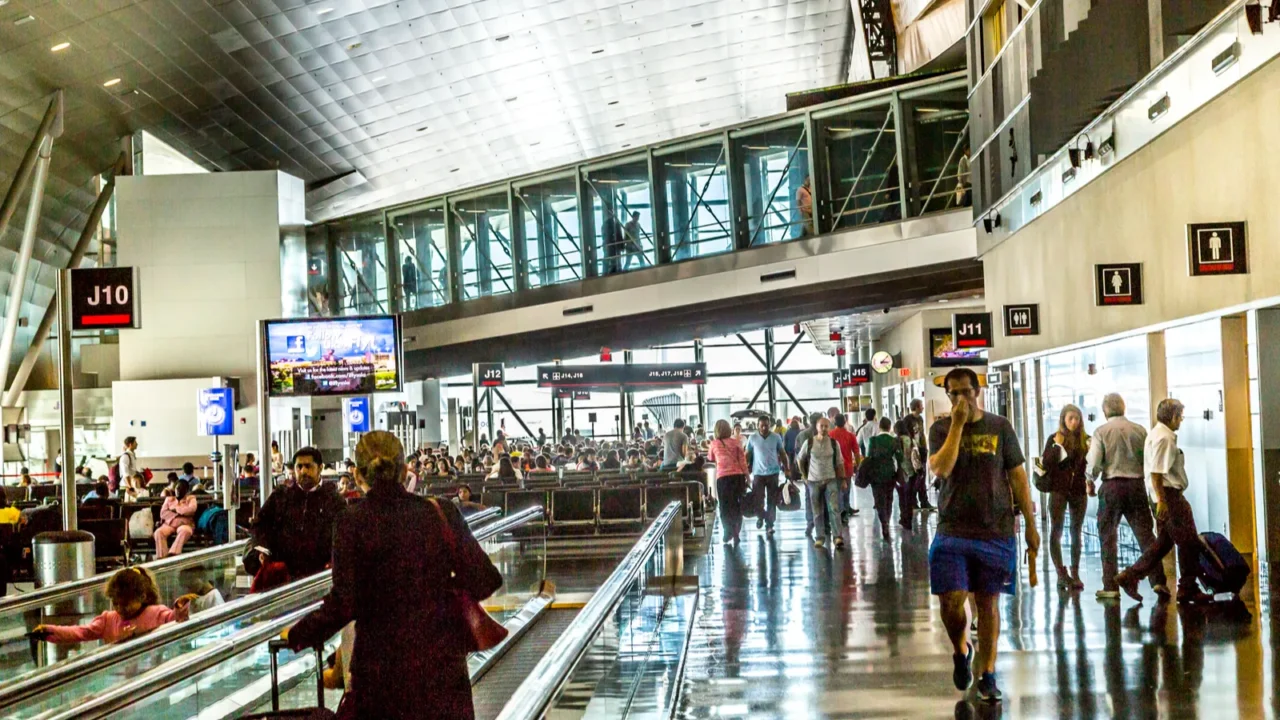
Miami International Airport continues to rank among the most challenging airports for lost luggage this year. Handling more than 50 million passengers annually, the airport faces heavy pressure from international routes, cruise travel, and frequent connections. These conditions create higher risks for delayed or misplaced bags compared to many other U.S. airports.
Its role as a gateway to Latin America adds complexity. Tight transfer windows, multiple airlines, and high seasonal demand increase the chances of luggage being separated from travelers during busy travel periods.

Chicago O’Hare pressure point
Chicago O’Hare remains one of the most demanding airports for baggage handling due to its massive flight volume and constant connections. Travelers frequently report delayed baggage during short layovers or weather disruptions that ripple across the Midwest. With aircraft arriving and departing nonstop, even minor delays can affect hundreds of bags at once.
O’Hare’s size is both its strength and weakness. While it offers global reach, the complexity of moving luggage across terminals makes precision essential, especially during peak travel days.
International airports in spotlight
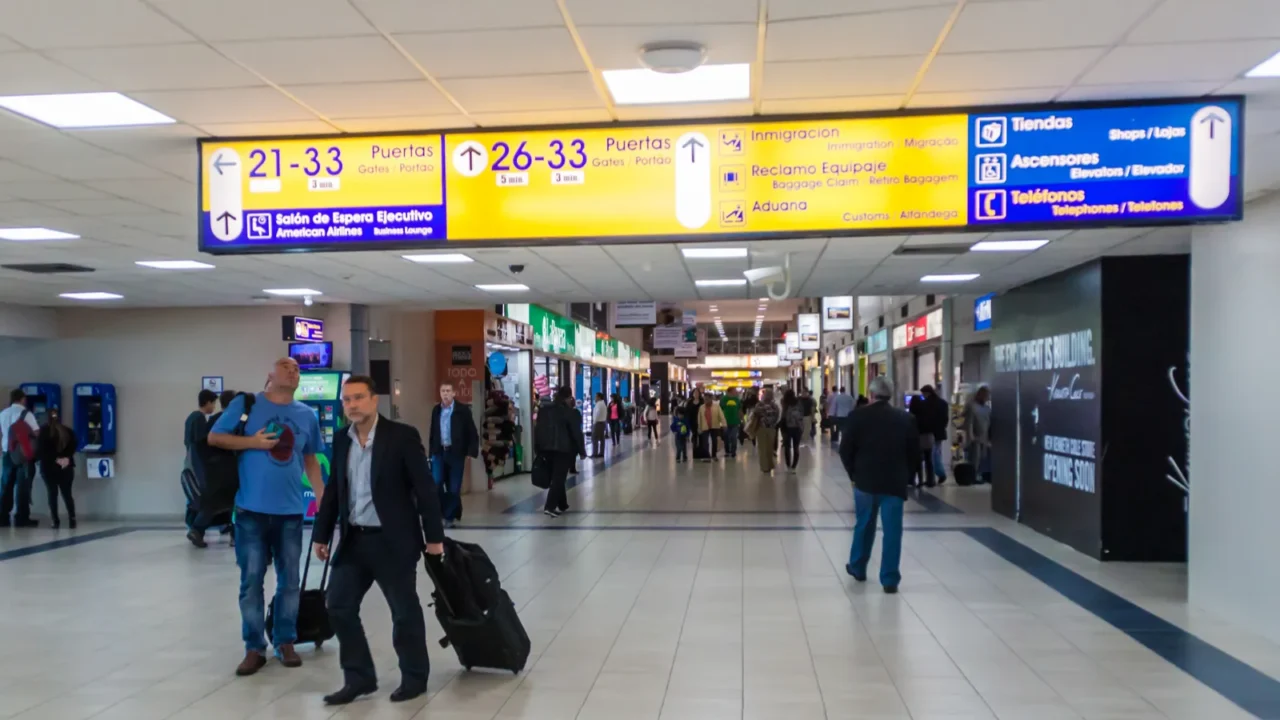
Lost luggage issues extend well beyond North America, placing major international hubs under scrutiny. Airports such as Frankfurt, Amsterdam Schiphol, and Dubai International regularly appear in global mishandling discussions due to intense passenger volumes and nonstop connecting traffic. Seasonal travel spikes further stretch baggage systems already working at full capacity.
Singapore Changi offers an interesting contrast. Despite its reputation for efficiency, high search interest around lost luggage shows that even elite airports face pressure during global travel surges and holiday periods.
Airline and airport complaints data
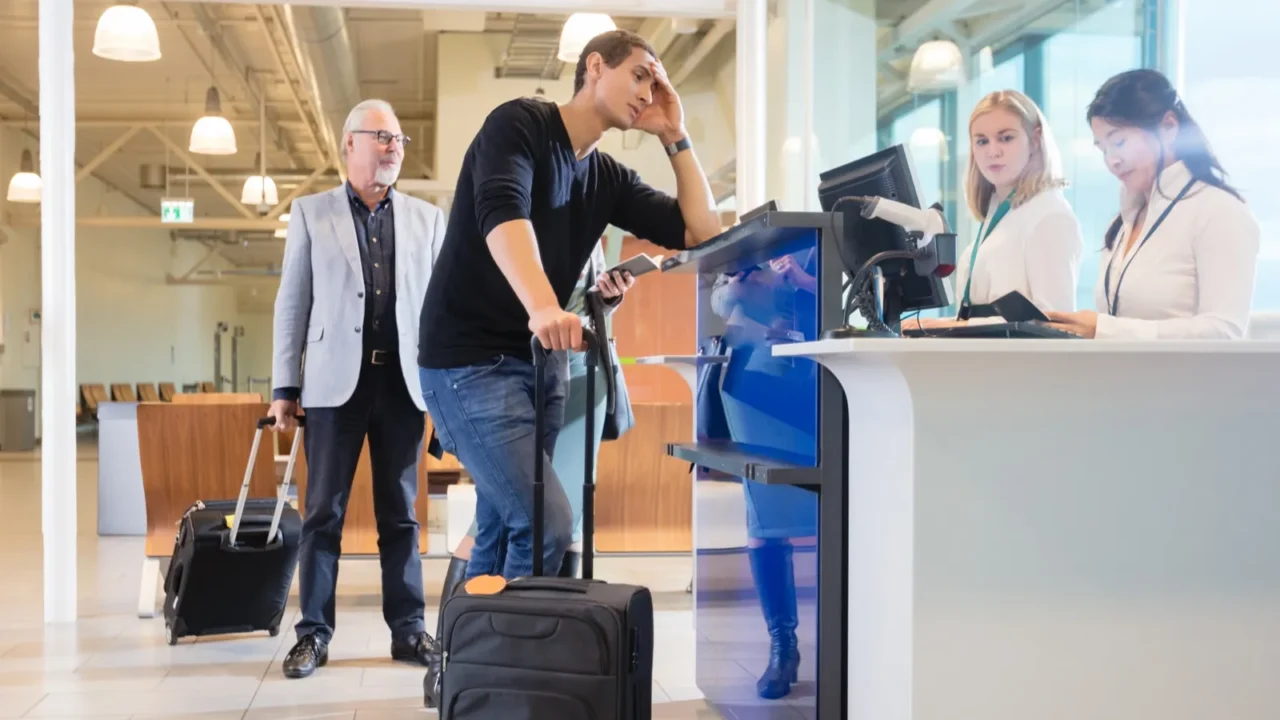
U.S. travel complaint data shows lost luggage remains a major source of frustration for passengers. Airports like JFK, Newark, and Los Angeles consistently record higher baggage related complaints when adjusted for passenger numbers. These complaints reflect real traveler experiences rather than isolated disruptions.
Leisure focused airports such as Orlando and Palm Beach also see complaint spikes during peak vacation seasons. Complaint tracking has become an important performance measure for airlines and airports working to protect customer confidence.
Why luggage goes missing
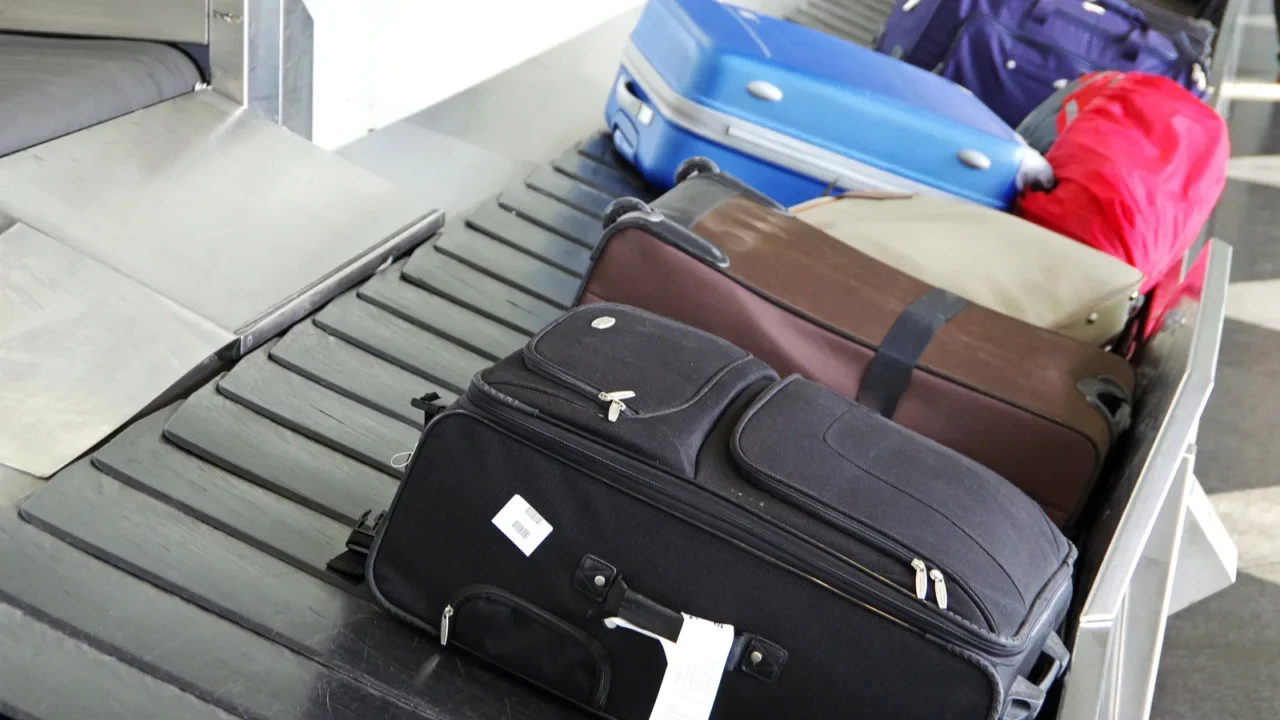
Most lost luggage cases are caused by routine handling breakdowns rather than theft or permanent loss. Unreadable tags, rushed transfers, and last-minute gate changes are among the most common reasons bags fail to reach the correct flight. When schedules tighten, small errors can quickly snowball.
Large hub airports face the highest risk. Each added connection increases the chance of separation, especially during weather delays or staffing shortages that slow baggage movement behind the scenes.

Peak travel chaos
Baggage mishandling rates rise sharply during peak travel periods, especially around holidays and long weekends. Flights with one or more connections face the highest risk, as bags must move rapidly between aircraft under tight time constraints. Even small delays can cause luggage to miss onward flights.
Late arrivals and packed terminals further complicate the process. For travelers, peak travel seasons often mean longer waits at baggage claim and increased reliance on airline tracking systems to locate delayed bags.
Europe’s mixed results
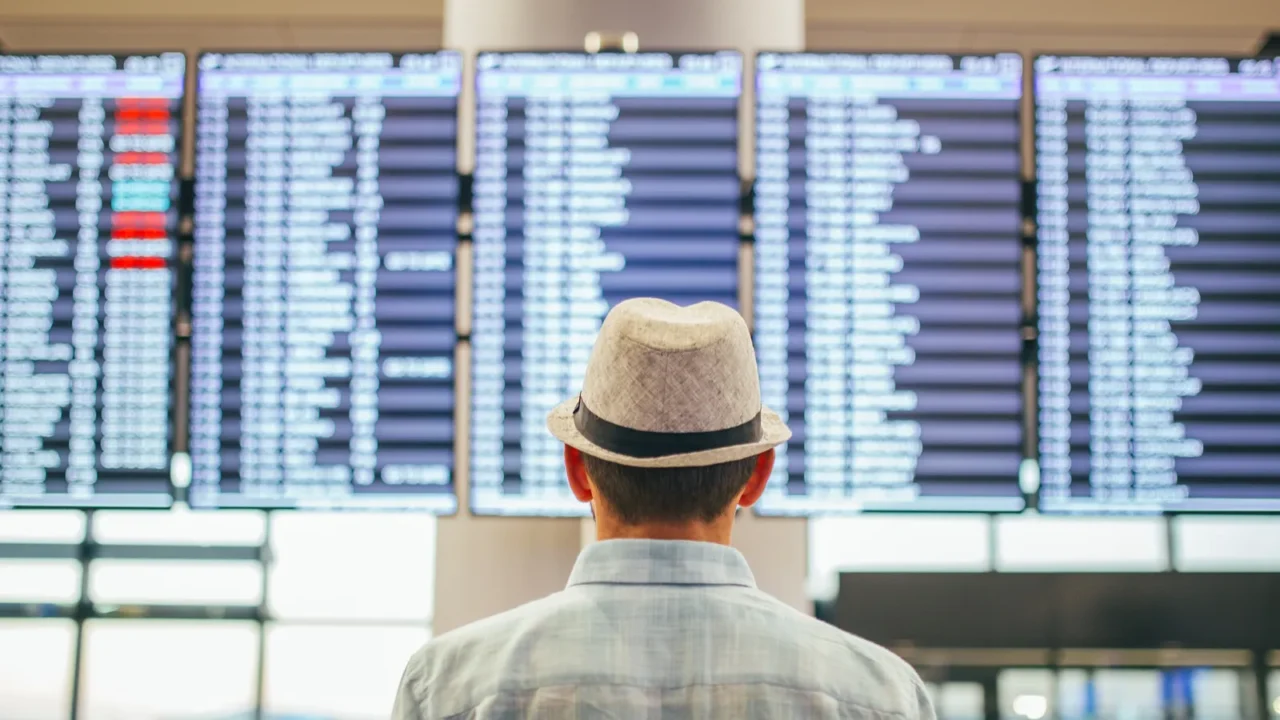
European airports have made progress in reducing baggage mishandling overall, yet major hubs still struggle during busy periods. Investments in automation and tracking technology have helped improve reliability, but volume remains a challenge. Airports like London Heathrow and Paris Charles de Gaulle handle immense traffic daily.
When demand spikes, even advanced systems can falter. High connection rates and international transfers mean European hubs remain vulnerable to delays despite improvements across the region.

Asia Pacific leads safety
The Asia Pacific region continues to outperform much of the world in baggage handling reliability. Mishandling rates remain lower than global averages thanks to advanced automation, consistent procedures, and close coordination between airlines and airports. These systems reduce errors even at high traffic international gateways.
Airports like Kansai International near Osaka are often cited for operational excellence. While no airport is immune to mistakes, the region shows how disciplined processes can significantly reduce lost luggage cases.

Airline responsibility grows
Airlines play a major role in how baggage journeys unfold. Carriers with complex route networks or frequent connections tend to face higher mishandling risks. However, many airlines are investing heavily in digital tracking, improved sorting systems, and better communication between ground crews.
Real-time bag monitoring is becoming more common. These upgrades help airlines locate delayed luggage faster and return it to passengers sooner, improving trust during what is often a stressful travel experience.
Technology changes the game
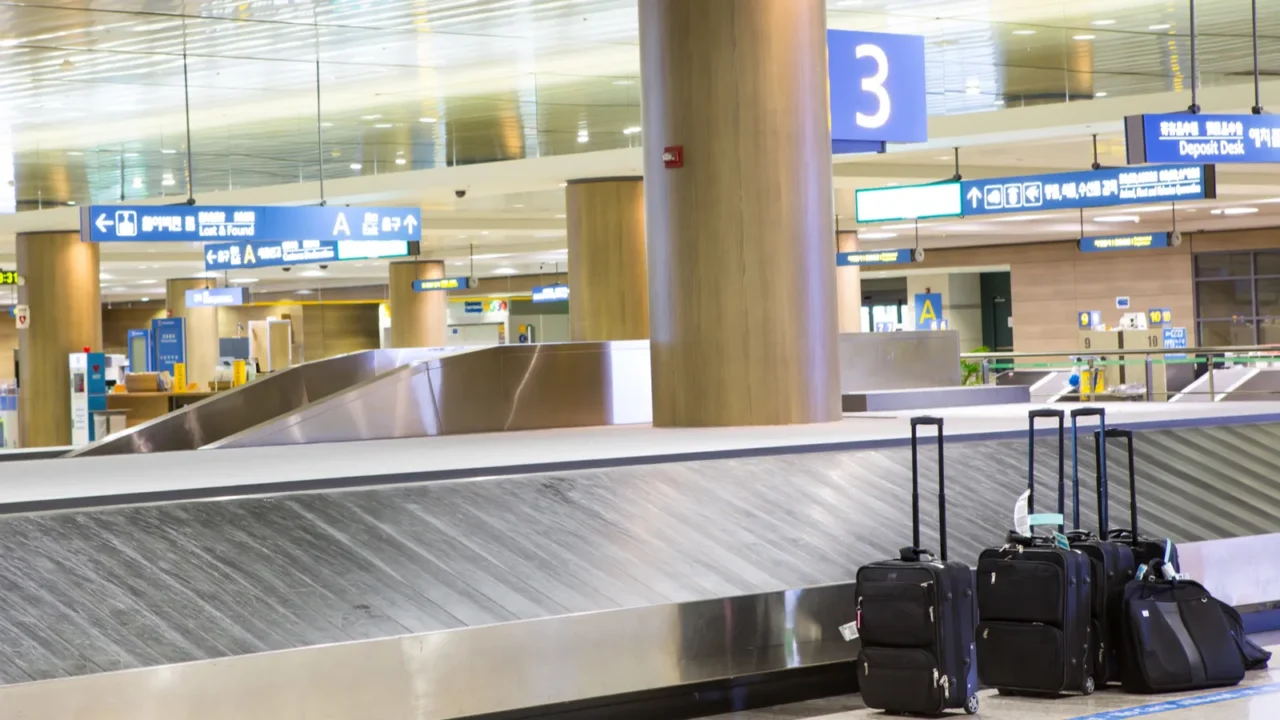
New technology is reshaping how airports handle luggage. Automated sorting systems, real-time scanners, and digital tracking tools are reducing manual errors that once caused widespread delays. Many airports now monitor each bag’s journey from check-in to arrival.
These systems allow faster recovery when bags are delayed. In many cases, misplaced luggage can be located and rerouted within hours rather than days, offering travelers greater transparency and peace of mind.
Smart packing strategies
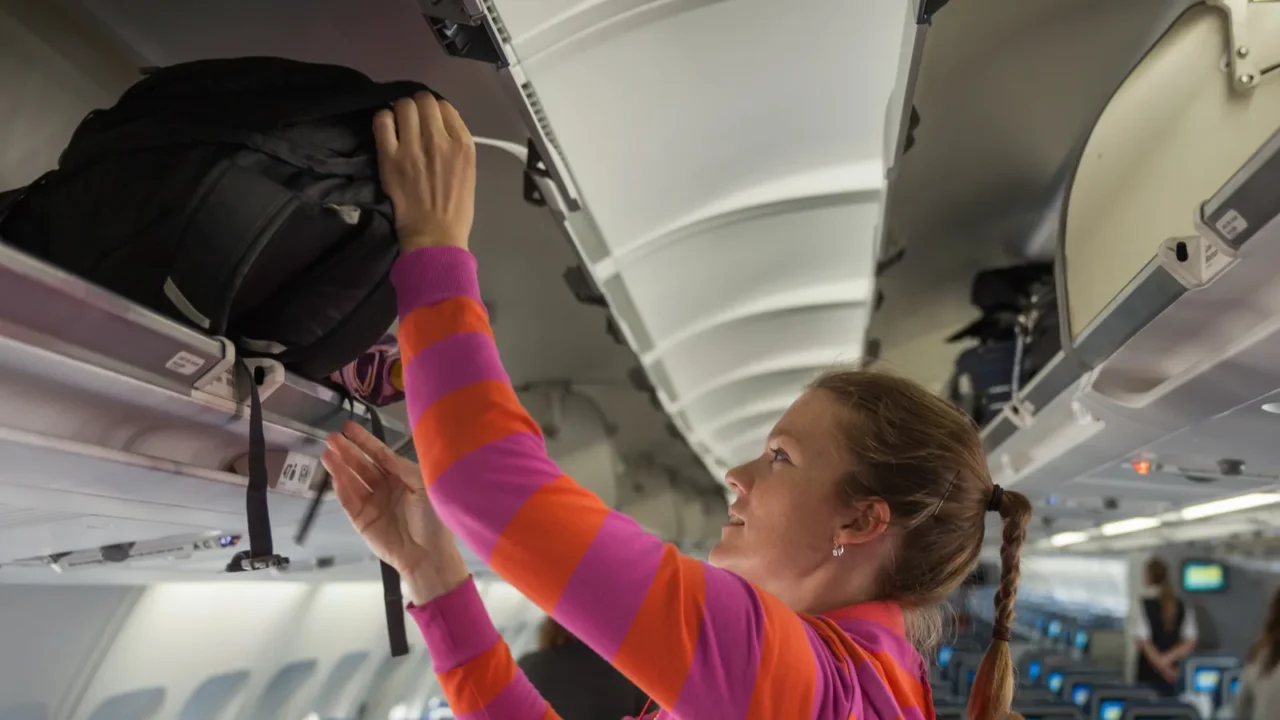
Travelers are adapting to rising luggage risks by packing smarter and more intentionally. Carry-ons, tracking devices, and clearly labeled bags have become essential tools for frequent flyers navigating busy airports. Many travelers now photograph their luggage before checking it, making recovery easier if delays occur and helping airline staff identify misplaced bags faster.
For longer trips, splitting essentials between carry-on and checked luggage reduces disruption when bags are delayed. These small but thoughtful packing habits help travelers stay prepared even when baggage systems struggle at crowded hubs, because the smartest packing hacks are not just about convenience, they are about control, confidence, and protecting your journey before it even begins.
What lies ahead
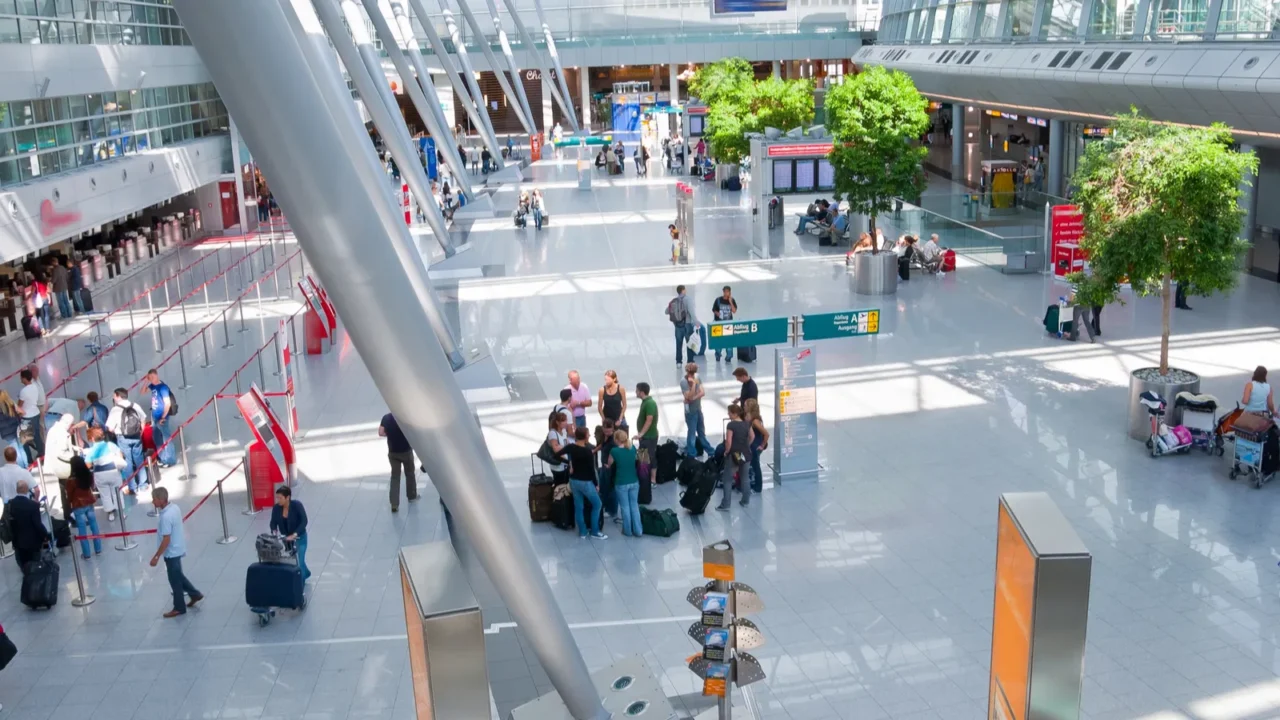
As global travel continues to grow, airports and airlines face increasing pressure to improve baggage performance and passenger flow. Investments in automation, staffing, and coordination aim to reduce lost luggage while also improving how quickly travelers move through terminals. Faster immigration and customs clearance are becoming just as important as baggage reliability.
For passengers, understanding which airports rank best for efficient arrival processes can shape the entire journey. Knowing where delays are least likely allows travelers to plan smarter routes, because knowing which airports ranks for fastest immigration and customs clearance can shape your entire travel experience before you even land.
If you found this interesting, give us a like and share your thoughts in the comments.
This slideshow was made with AI assistance and human editing.
Don’t forget to follow us for more exclusive content right here on MSN.
Read More From This Brand:
